The Cognitive Science of Studying: 16 Principles for Faster Learning
Discover how principles like retrieval practice, spaced repetition, and metacognition can help you learn faster and remember longer.
Discover how principles like retrieval practice, spaced repetition, and metacognition can help you learn faster and remember longer.
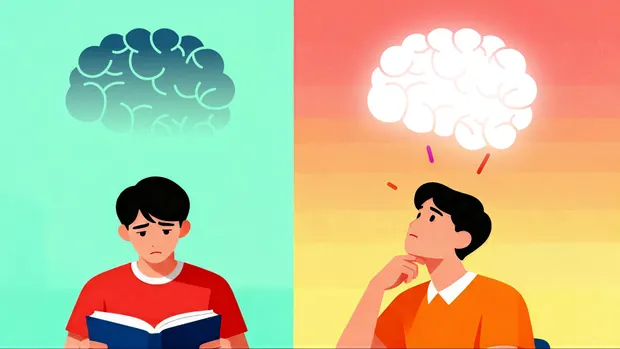
Learn how retrieval practice trains your brain to lock in knowledge for the long haul and the strategies you can use to stop passively studying and start recalling.
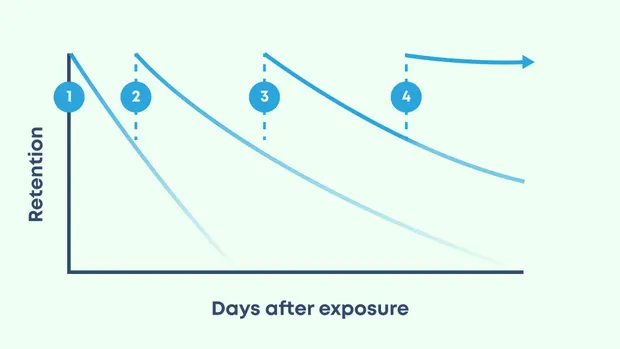
Learn what spaced repetition is, why it matters for memory and learning, and how modern study methods use it to help you remember more with less effort.
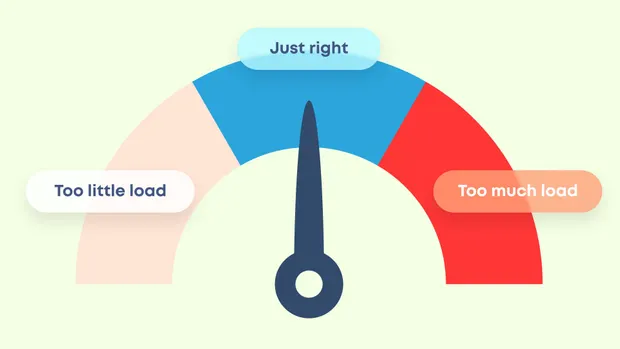
Learn what Cognitive Load Theory is, why too much information at once overloads your brain, and how you can negotiate it to minimize the pain of studying (while maximizing retention).

Can you use social motivation to improve your learning? Yes! In this article we explain how, as well as why we study harder, perform better, and stay more accountable when others are watching.

Learn what active recall is, why it beats traditional study methods, and how digital flashcards leverage it to help you learn much faster!

Learn what metacognition is, why it’s such a powerful strategy for remembering just about anything, and how digital flashcards are the key to unlocking it.
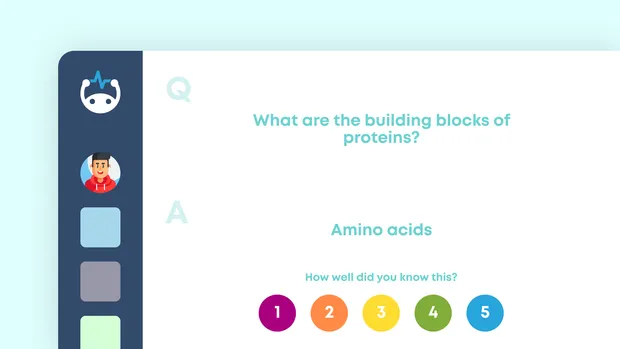
Discover how confidence-based repetition boosts retention, sharpens metacognition, and makes every study session more efficient.

Learn what free recall is, why it’s a powerful way to solidify your memory no matter what you’re learning, and the best tools to train your brain to recall more, faster, and longer.
Discover what scaffolding in education means, how it supports students’ learning step-by-step, and what study tools, like digital flashcards, you can use to build mastery.

Learn what variable rewards are, why unpredictability boosts motivation, and how modern study methods use it to help you learn (or teach) more with less effort.

Learn what hyperbolic discounting is, why it sabotages your long-term goals, and how digital flashcards can help you beat it to meet your learning goals.

Learn what generative processing is, why it matters for memory and learning, and how modern study methods use it to help you remember more with less effort.

Learn what Bloom’s 2 Sigma Problem is, why individualized instruction outperforms group teaching, and how tools like digital flashcards can help bridge the gap.

Learn what Judgments of Learning and Resolution are, and how mastering these metacognitive skills can make your studying far more accurate, efficient, and rewarding.
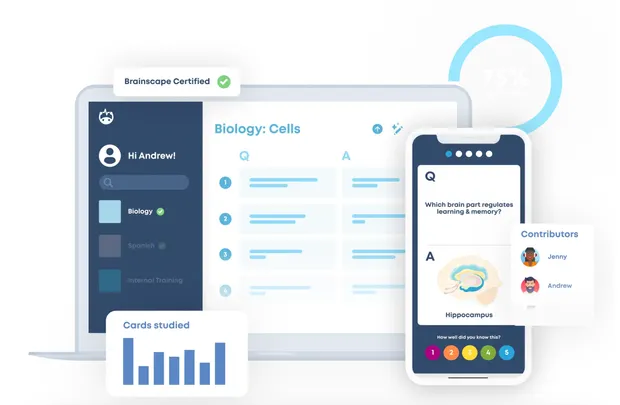
Discover how Brainscape uses spaced repetition and the cognitive science of learning to optimize memory retention and accelerate mastery of any subject.
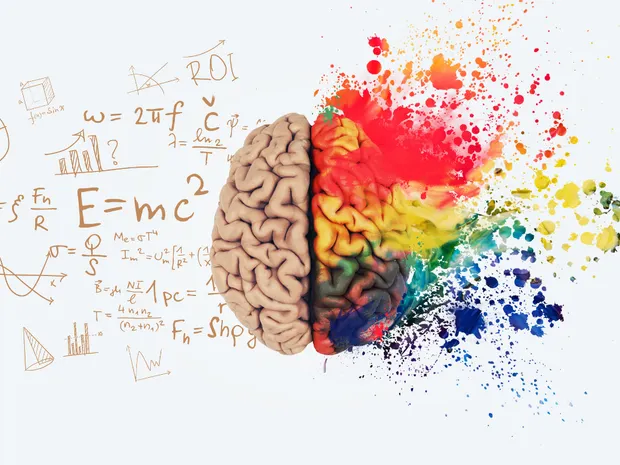
Discover the difference between people whose thoughts and talents are more dominated by the left hemisphere of their brain than the right and vice versa. Which one are you?
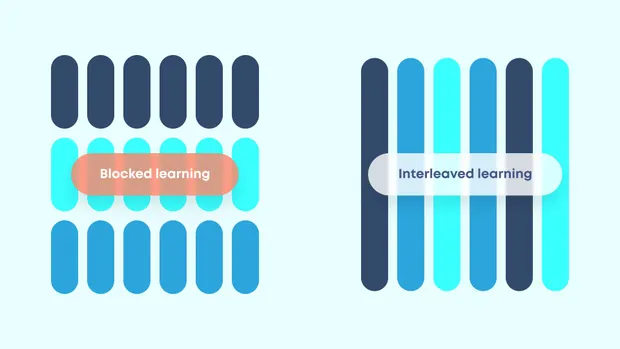
In this guide, you’ll discover how to unlock more efficient learning and longer memory using a powerful, yet underutilized study strategy called interleaving practice.

Learn about what makes the dyslexic brain different to the neurotypical brain and why flashcards are such a helpful learning strategy for kids with this condition.

Discover how the benefits of cold showers can forge in you a mental resilience you never knew you were capable of!

The most critical yet underrated educational activity is explaining. We really should be teaching this skills in school. Games may be a great way to do it.

Multilingualism has widely recognized social and career benefits. But did you know you can also reap the huge cognitive benefits of being multilingual?
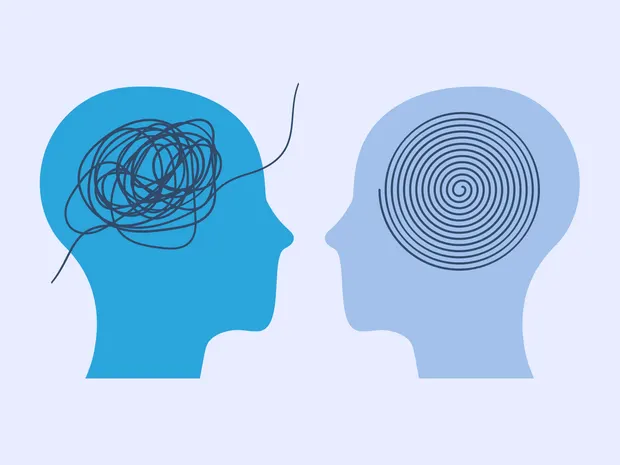
According to recent research on learning, there are two main ways that we process information. So which is better for learning—focused or diffuse thinking?

Sleeping prepares our minds for future learning: studies show that dreaming has a major influence on learning and even memory consolidation.

40% of the world’s population reports suffering from bouts of insomnia. Here's how to cure insomnia forever without drugs.