A-Level Biology (AQA) Flashcards
All the highest-yield concepts in the official AQA A-Level Biology curriculum.

decks
flashcards
learners
"Helped me stay on top of Biology content and stop forgetting key details before exams."

The most efficient A-level Biology revision tool.
Decks included (39)
3.1.1 Monomers & Polymers
Explain how biological molecules form through condensation and hydrolysis reactions linking monomers into polymers.
9
cards
3.1.2 Carbohydrates
Compare the structure and functions of mono-, di- and polysaccharides and relate structure to biological roles.
22
cards
3.1.3 Lipids
Analyse lipid structure including triglycerides and phospholipids and explain how structure determines function in cells.
17
cards
3.1.4 Proteins
Relate amino acid structure and levels of protein organisation to biological function and enzyme activity.
39
cards
3.1.5 Nucleic Acids
Describe the structure of DNA and RNA and explain how nucleotide sequences store and transfer genetic information.
32
cards
3.1.6 ATP
Explain how ATP acts as the universal energy currency of cells and how its hydrolysis powers metabolic reactions.
11
cards
3.1.7 Water
Analyse the chemical properties of water and explain how they support biological processes in organisms.
11
cards
3.1.8 Inorganic ions
Explain the biological roles of key inorganic ions in cellular processes and physiological functions.
8
cards
3.2.1 Cell structure
Identify the structure and function of eukaryotic and prokaryotic cell components and relate them to cellular specialization.
52
cards
3.2.2 Cell division
Explain the stages of the cell cycle and mitosis and relate cell division to growth, repair and disease.
20
cards
3.2.3 Transport across cell membranes
Analyse how substances move across membranes through diffusion, osmosis, facilitated diffusion and active transport.
20
cards
3.2.4 Cell recognition & the immune system
Explain immune responses including antigen recognition, antibody production and the role of vaccines and monoclonal antibodies.
36
cards
3.3.1 Surface area to volume ratio
Explain how surface area to volume ratio influences diffusion and exchange in organisms.
13
cards
3.3.2 Gas exchange
Compare gas exchange systems in different organisms and explain how ventilation maintains diffusion gradients.
24
cards
3.3.3 Digestion & absorption
Analyse how digestive enzymes break down macromolecules and how products are absorbed in the intestine.
16
cards
3.3.4 Mass transport
Explain how substances are moved to and from exchange surfaces in both animals and plants.
39
cards
3.4.1 DNA, genes & chromosomes
Explain how genetic information is organised within DNA molecules and chromosomes.
13
cards
3.4.2 DNA & protein synthesis
Describe transcription and translation and relate DNA sequences to protein structure.
14
cards
3.4.3 Genetic diversity & meiosis
Explain how mutation, meiosis and fertilisation generate genetic diversity.
14
cards
3.4.4 Genetic diversity & adaptation
Analyse how genetic variation and environmental pressures drive natural selection and evolution.
20
cards
3.4.5 Species & taxonomy
Classify organisms using phylogenetic systems and explain the concept of species and evolutionary relationships.
20
cards
3.4.6 Biodiversity within a community
Measure and interpret biodiversity using species richness and indices of diversity.
12
cards
3.4.7 Investigating diversity
Analyse genetic diversity using DNA, protein sequences and statistical analysis of variation.
12
cards
3.5.1 Photosynthesis
Explain the light-dependent and light-independent reactions and how environmental factors affect photosynthetic rate.
23
cards
3.5.2 Respiration
Analyse aerobic and anaerobic respiration pathways and explain how ATP is generated in cells.
17
cards
3.5.3 Energy & ecosystems
Evaluate energy transfer in ecosystems using concepts of productivity, biomass and trophic efficiency.
20
cards
3.5.4 Nutrient cycles
Explain how microorganisms recycle nutrients through nitrogen and phosphorus cycles.
15
cards
3.6.1 Stimuli & Response
Describe how organisms detect stimuli and coordinate responses through nervous and hormonal systems.
62
cards
3.6.2 Nervous coordination
Explain how neurons transmit impulses and how synapses coordinate nervous responses.
53
cards
3.6.3 Skeletal muscles
Describe the structure and mechanism of skeletal muscle contraction.
14
cards
3.6.4 Homeostasis
Analyse how organisms maintain stable internal conditions through regulatory systems.
57
cards
3.7.1 Inheritance
Explain patterns of inheritance, including monohybrid crosses, codominance, multiple alleles and sex linkage.
12
cards
3.7.2 Populations
Analyse allele frequencies in populations and apply the Hardy–Weinberg principle to genetic variation.
15
cards
3.7.3 Evolution may lead to speciation
Explain how natural selection and reproductive isolation can lead to the formation of new species.
22
cards
3.7.4 Populations in ecosystems
Analyse how populations interact within ecosystems, including competition, predation and population dynamics.
24
cards
3.8.1 Gene Mutations and Protein Structure
Explain how changes in DNA base sequences can alter protein structure and affect phenotype.
14
cards
3.8.2 Control of Gene Expression
Describe mechanisms that regulate gene expression, including transcription factors and epigenetic modifications.
44
cards
3.8.3 Applications of Genome Projects
Explain how genome sequencing projects are used to study evolution, identify genes and improve medical and agricultural research.
10
cards
3.8.4 Gene Technologies and Their Applications
Describe techniques used to study and modify genes and evaluate their applications in medicine, research and industry.
46
cards
Higher A-level scores, guaranteed.
Brainscape’s A-Level Biology (AQA) flashcards are scientifically proven to help you revise more efficiently and retain key biology concepts for longer.
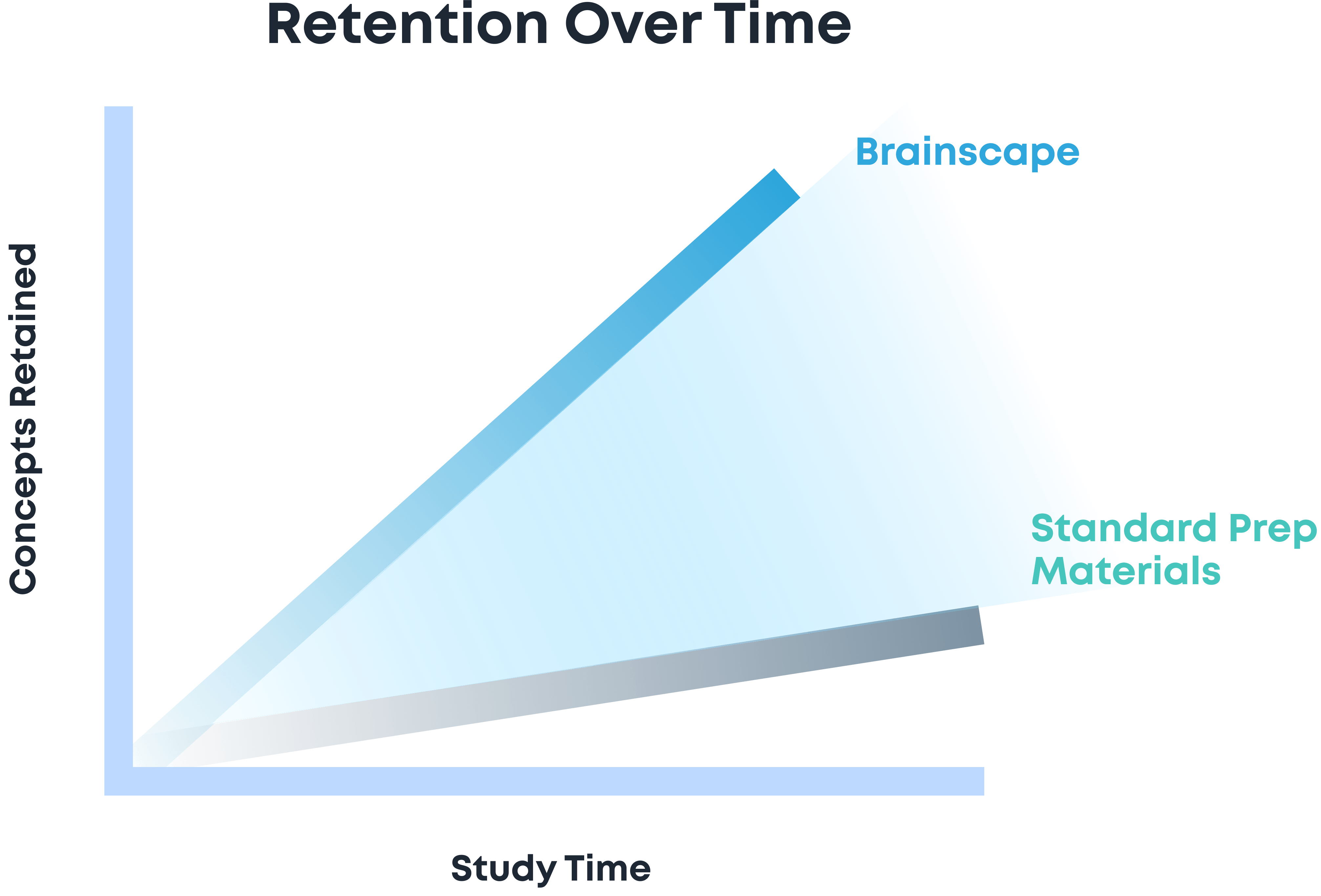
The smartest study method.
Brainscape's spaced repetition system is scientifically proven to help you learn faster and develop better study habits.
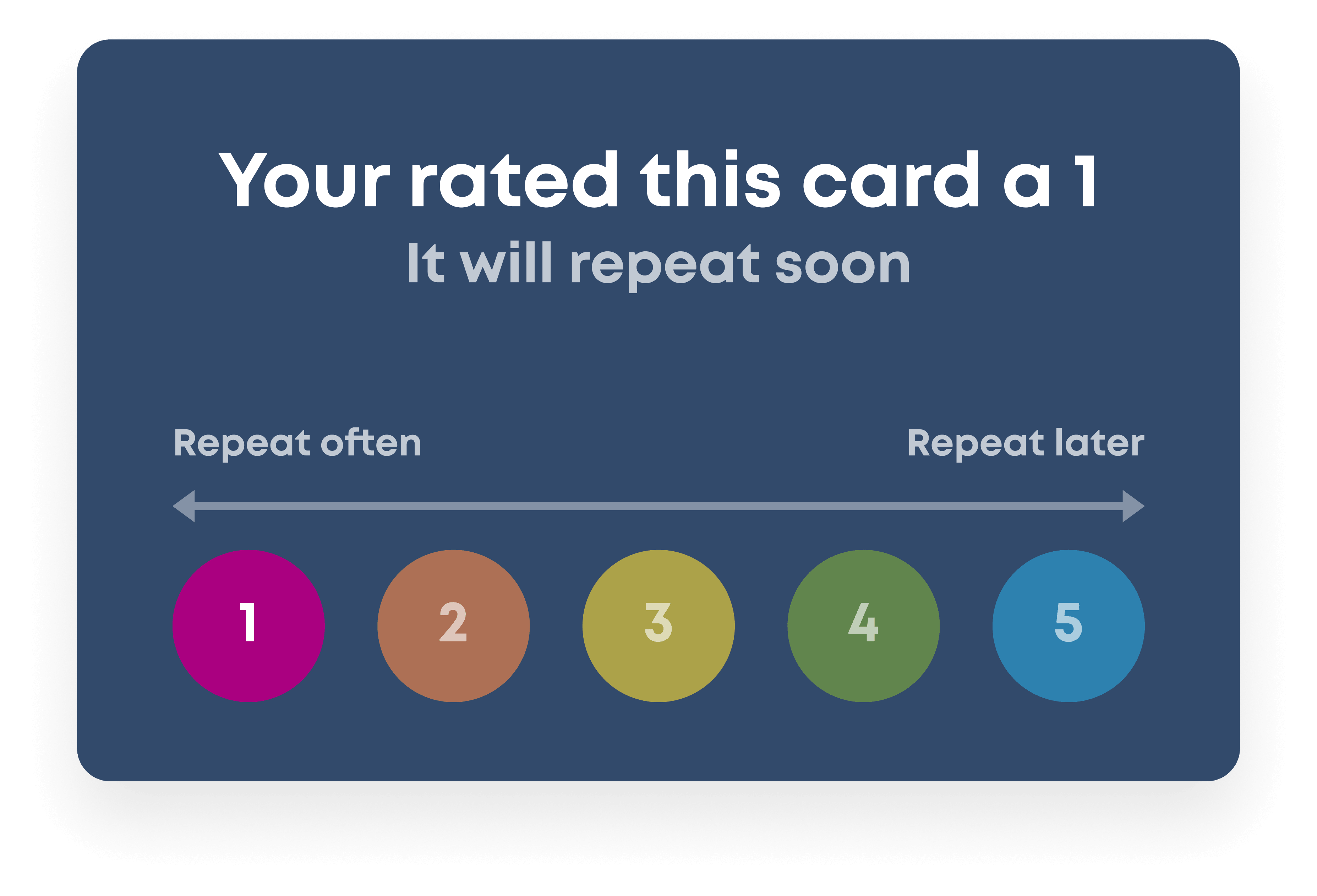
Easy to add your own flashcards.
Collaborate with others, add media, and keep all your flashcards in sync between the Brainscape website and mobile app.