AQA A-Level History is one of the most intellectually demanding subjects in sixth form because there is so much detail to learn. You need to remember dates, events, key individuals, legislative turning points, treaties, and historians’ interpretations across multiple periods and themes; and then use that knowledge clearly in timed essays.
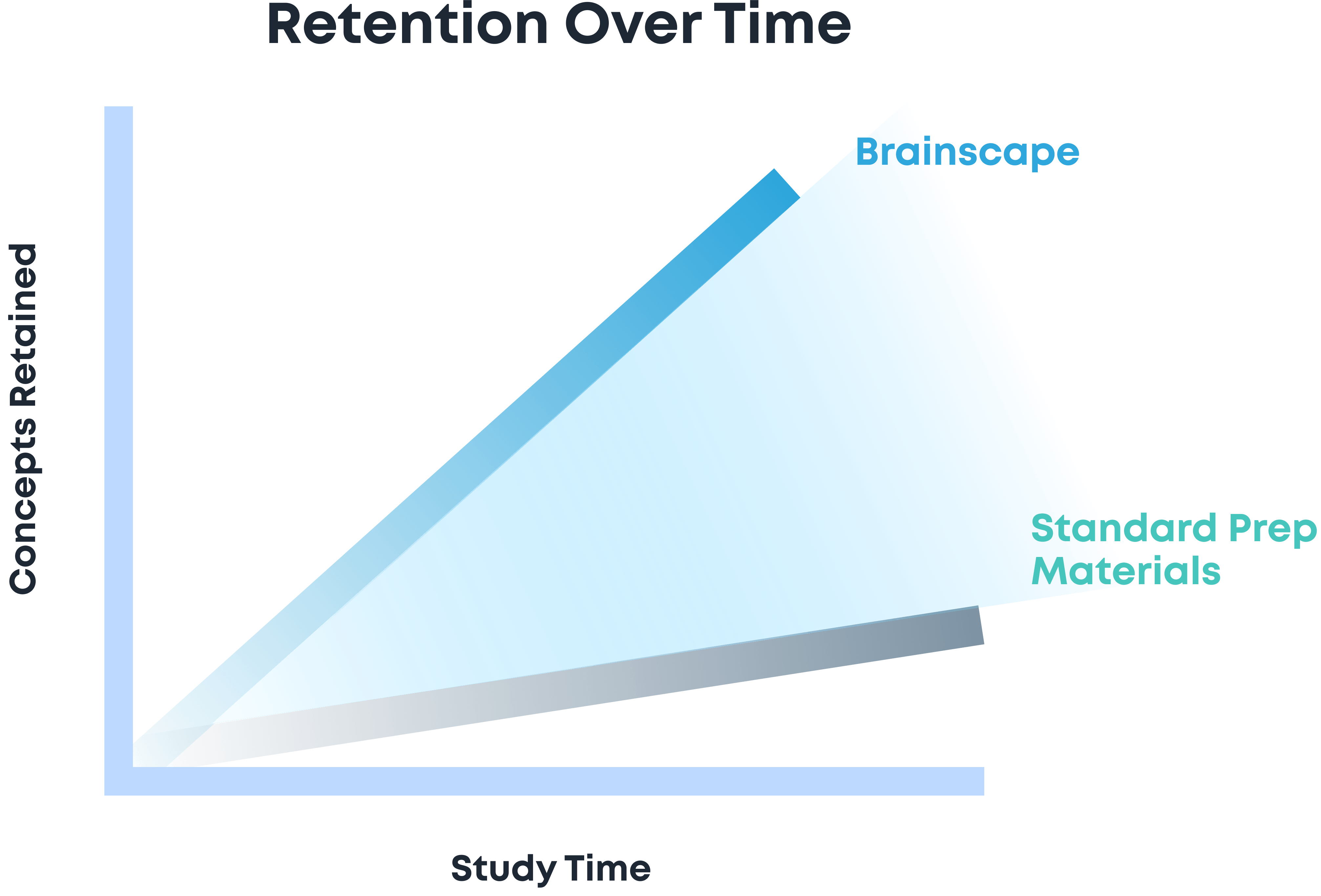
Brainscape's AQA A-Level History flashcards have been created by our team of A-level history educators to support effective revision and help you perform well in your examinations. Delivered by a revision system grounded in cognitive science, these web and mobile flashcards will help you make fast progress on moving all that essential knowledge into long-term memory.
(Preparing for a different A-level History board? We also have expert-vetted flashcards for these A-level boards and subjects.)
What You Get with Brainscape's AQA A-Level History Flashcards
With Brainscape, you get:
- Thousands of high-yield flashcards covering key events, individuals, dates, and causes and consequences across the AQA A-Level History specification.
- Full curriculum alignment with the official AQA A-Level History specification. Every card is mapped to a specific topic, period, or theme.
- Adaptive spaced repetition that prioritises the topics and facts you find hardest, automatically adjusting as your knowledge develops
- Progress tracking tools showing your confidence levels across every section of the AQA specification
- Mobile and web access so you can revise on your phone, on the bus, or at your desk, with seamless synchronisation across devices.
- Structured learning progression organised by topic, period, and paper to mirror the structure of the AQA A-Level History course.
When you upgrade to Pro for these flashcards, you’ll also get full access to every other A-level subject in our library, making Brainscape your one-stop resource for A-level content review.
A-Level History Flashcards Created By Experts
Brainscape's AQA A-Level History flashcards are built in alignment with the official AQA A-Level History specification. Each card aligns directly with the specification, so the collection stays focused on the breadth studies, depth studies, and thematic content you are expected to revise.
The cards were written and reviewed by Brainscape's in-house team of A-level educators and history specialists, who checked the content against AQA mark schemes, specimen papers, and examiners' reports.
What Topics Are Covered by Brainscape’s AQA A-Level History Flashcards?
Brainscape's AQA A-Level History flashcards cover the key content areas of the AQA specification across all component types, including:
- Breadth studies: long-term change and continuity across extended periods, such as The Tudors: England 1485–1603 or Revolution and Dictatorship: Russia 1917–1953
- Depth studies: focused, detailed study of a shorter historical period requiring precise factual knowledge and analysis of causation, consequence, and significance; for example, The English Revolution 1625–1660 or Democracy and Nazism: Germany 1918–1945
- Historical themes and periods: thematic comparisons across time, examining how key issues evolved over decades or centuries
- Key individuals and their roles: political leaders, reformers, revolutionaries, and figures central to AQA's examined periods
- Causes and consequences of major events: wars, revolutions, political upheavals, and social movements as examined in the AQA A-Level History specification
How to Use Brainscape’s Flashcards
Brainscape is built around a simple idea: the harder something is to recall, the more often you should practise recalling it. Here's how that works in practice for AQA A-Level History:
Build a daily revision habit. Open Brainscape for 10 to 20 minutes each day and work through your AQA A-Level History deck. Consistency is everything with spaced repetition: short, regular sessions produce far better long-term retention than infrequent marathon sessions.
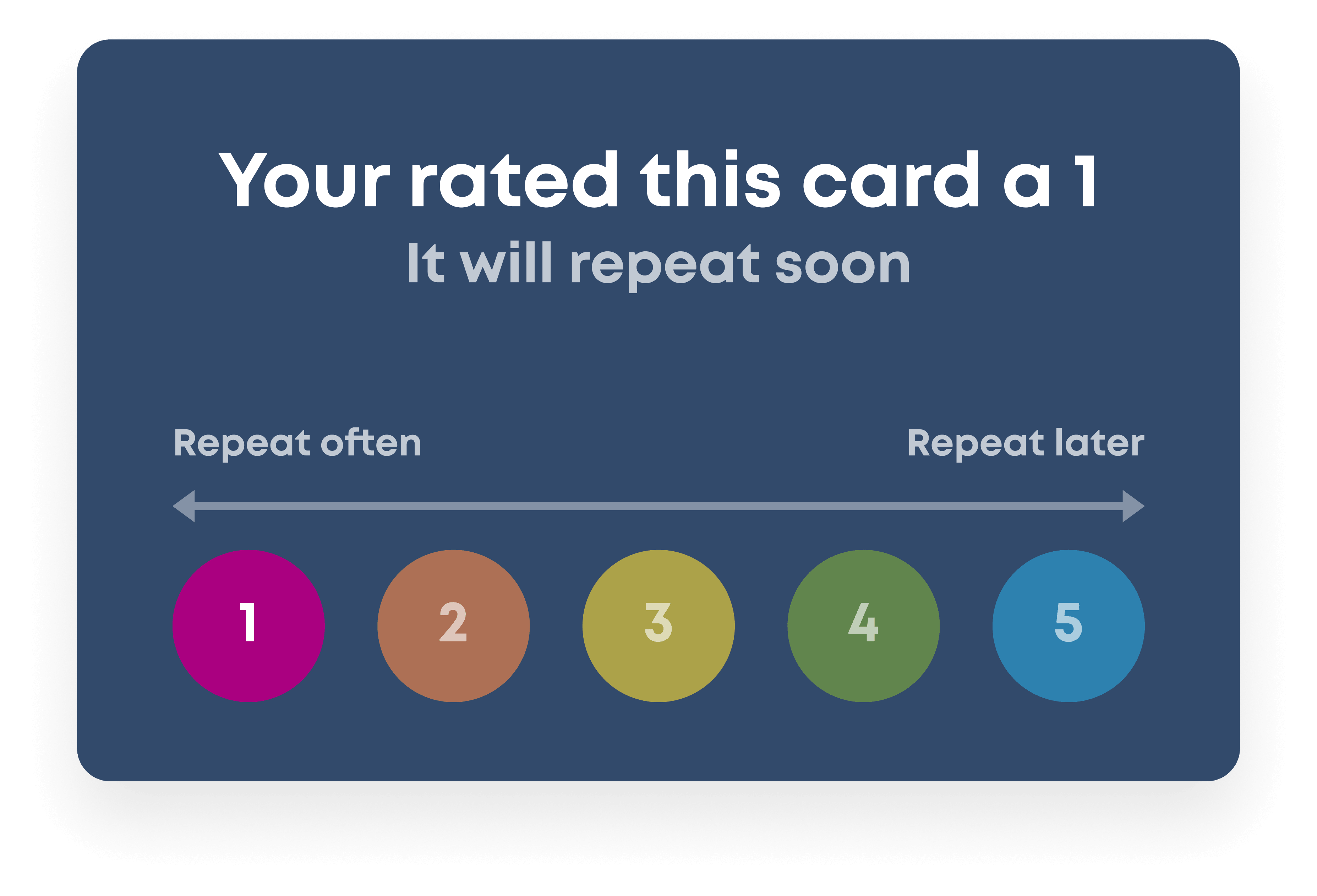
Rate your confidence honestly after every card. After each card, Brainscape asks you to rate how confidently you knew the answer on a scale of 1 to 5. Be honest about the level of detail you recalled. Knowing that an event happened is very different from knowing the specific evidence and historians’ arguments needed to write a top-band essay response. If your recall was partial, rate lower.
Use topic decks to structure your sessions. Brainscape's AQA A-Level History flashcards are organised by topic, paper, and component, so you can focus a session on a specific breadth study, depth study, or thematic unit depending on what you're covering in class or where your mock results showed gaps.
Combine flashcards with past paper practice. Use Brainscape to drill the factual layer of dates, names, events, statistics, and historians’ arguments. Next, apply that knowledge in timed essays using AQA A-Level History past papers. Flashcards build the raw material; timed writing builds the skill of deploying it.
Use the progress dashboard to guide your AQA A-Level History revision. Brainscape shows you exactly which topic areas are your strongest and which need more attention. Use this data to allocate your revision time intelligently.
Bring Brainscape’s A-level Flashcards to Your Classroom or School
If you’re a teacher, Head of Department, or school leader looking to strengthen how your students prepare for A-level History, Brainscape offers discounted bulk Pro licences designed specifically for schools and colleges.
Our A-level History (AQA) flashcards are carefully aligned to the AQA specification and exam style, helping students not just memorise content, but apply it effectively under exam conditions.
In addition to improving content retention, Brainscape supports stronger exam technique and more consistent outcomes. Students learn to recall information quickly, avoid common misconceptions, and develop the precision required to secure marks across all three papers. For teachers, this means more efficient revision, clearer progress across topics, and better-prepared students walking into their exams.
We work with educators to make implementation simple and scalable, whether you’re supporting a single class or rolling out across an entire school. If you’d like to explore pricing or discuss a tailored setup for your students, you can learn more and get started here.
What Is AQA A-Level History?
AQA A-Level History is a two-year course within the UK A-Level system. It is usually taken by students in Years 12 and 13, especially those who plan to go on to history, law, politics, international relations, or other humanities degrees.
Assessment includes written papers taken at the end of the course, usually in May and June, as well as a Non-Examined Assessment (NEA) completed during the course. Students are tested through essays, source analysis, and questions on the utility of historical interpretations. Grades range from A* to E.
Best Revision Strategies for AQA A-Level History
AQA A‑Level History rewards students who combine precise factual recall with sharp analytical thinking and the ability to evaluate interpretations and evidence. Here's how to make your revision as effective as possible:
Build a structured revision schedule. Work backwards from your exam dates and allocate specific weeks to specific topics, leaving time at the end for full past-paper practice. Use our free revision schedules and exam countdown sheets to chart the path from now to your exams.
Use the AQA A-Level History specification as your revision checklist. Every topic, theme, and key concept you need to know is listed in the AQA specification. Work through it section by section, and treat every bullet point as something you should be able to discuss with confidence and supporting evidence.
Memorise your evidence specifically. AQA History essays live or die on the precision of supporting evidence. Vague references won't impress an examiner at the higher mark bands. You’ll need specific dates, names, statistics, and events. Brainscape's AQA A-Level History flashcards are built to drill exactly this kind of precise, examinable detail.
Learn your historians for every topic. AQA A-Level History interpretation questions require you to engage with named historians and their arguments. For each topic, know the central claims of the key historians, understand how and why their interpretations differ, and practise explaining those differences clearly.
Revise daily with flashcards, even briefly. Ten to fifteen minutes a day with Brainscape will significantly outperform a two-hour session once a week. Spaced repetition depends on consistent input. The algorithm schedules your cards at the optimal moment, but only if you show up regularly.
Practise timed essays with AQA past papers. Knowing your material is necessary but not sufficient. You also need to structure a clear, well-evidenced argument under time pressure. Use AQA A-Level History past papers to practise timed essays regularly, and mark your own work against AQA's published mark scheme.
Build a revision guide for each component. Your AQA A-Level History revision guide should give you a clear, organised view of what you know and what still needs work. Use Brainscape's progress dashboard to identify weak areas and address them deliberately.
Start early and avoid cramming. AQA A-Level History has too much content and too many analytical layers to absorb in a last-minute rush. Students who perform best start their revision early, work consistently across the two years, and build their knowledge incrementally.
How Long Is the AQA A-Level History Exam?
AQA A-Level History includes multiple written papers, and the total exam time is usually around four and a half to five hours across the full set of exams. The exact length depends on the components your course includes.
How Difficult Is AQA A-Level History?
AQA A-Level History can be challenging because there is a lot of content to remember, and the essays need clear arguments as well as accurate detail. Many students do well in it, but this takes steady revision and a strong grasp of the material across the course.
What Are the AQA A-Level History Grade Boundaries?
AQA sets grade boundaries after each exam series, so they can change from year to year. They are published on the AQA website after results day, and the marks needed depend on that year’s papers.
Where Can I Find AQA A-Level History Past Papers?
You can download AQA A-Level History past papers for free from the official AQA website. They are useful for getting used to the style of the questions, the timing, and the level of detail expected in answers.
Can I Prepare for the AQA A-Level History Exam Independently at Home?
Yes. Many students revise AQA A-Level History at home using the official specification, a solid revision guide, past papers, and flashcards to help manage the amount of content.
How Do I Access the AQA A-Level History Specification?
You can download the full AQA A-Level History specification from the AQA website. It sets out the topics, themes, and key concepts you need to know, so it is a useful starting point when planning revision.
How Is AQA A-Level History Assessed?
The AQA A‑Level History examination consists of two papers, each lasting two hours and thirty minutes. Paper 1 includes an historical interpretation question worth 30 marks, followed by two essay questions worth 25 marks each. Paper 2 comprises a source analysis question worth 30 marks, alongside two essay questions worth 25 marks each.
Additional Resources for AQA A-Level History Learners