A-Level History (OCR) Flashcards
Flashcards built for OCR A-Level History success. Revise efficiently and remember long-term!

decks
flashcards
learners
"Perfect for drilling content. I felt far more confident going into my exams!"
The smartest way to revise A-level History.
Decks included (30)
The Crusades and the Expansion of Christendom
Analyse the causes, course and impact of crusading movements and their influence on medieval Europe and the Near East.
102
cards
Spain: Monarchy, Exploration and Empire
Evaluate the development of royal authority and overseas expansion in early modern Spain.
94
cards
Tudor England: Authority, Religion and Society
Analyse the consolidation of royal authority, religious change and social transformation in Tudor England.
92
cards
Stuart Britain: Monarchy, Conflict and Change
Evaluate the causes and consequences of political conflict and constitutional change in seventeenth-century Britain.
74
cards
Russia: Autocracy and Reform
Assess the development of autocratic rule and reform in Russia during the early modern period.
73
cards
Industrial Britain: Economy, Society and Reform
Analyse the impact of industrialisation on British society, economy and political reform.
111
cards
Modern Britain: Transformation and Decline
Evaluate political, social and economic change in Britain during industrial maturity and imperial decline.
113
cards
Russia: Revolution and Communist Rule
Explain the transformation of Russia through revolution and the development of Soviet power.
119
cards
The British Empire: Expansion and Decline
Analyse the development, governance and decline of the British Empire and its global impact.
108
cards
The USA: Emergence as a Global Power
Evaluate political, economic and social developments shaping the rise of the USA as a global superpower.
116
cards
Germany: Unification, Conflict and Reunification
Analyse political development and instability in Germany from unification to reunification.
110
cards
Medieval England: Royal Authority and Conflict
Evaluate the development of royal authority and baronial conflict in medieval England.
136
cards
Late Medieval England: Dynastic Conflict
Analyse the causes and consequences of dynastic struggle and political instability.
118
cards
The European Reformation
Explain how religious reform transformed European politics and society.
153
cards
The English Reformation and Religious Conflict
Evaluate religious change and conflict in England during the sixteenth century.
318
cards
The English Civil War and Interregnum
Analyse the causes, course and consequences of civil war and republican rule.
147
cards
France under Louis XIV
Assess the development of absolutism and France’s role in European power politics.
145
cards
The American Revolution and Early Republic
Explain the causes and consequences of revolution and the establishment of the USA.
129
cards
The French Revolution and Napoleon
Analyse political and social transformation during revolution and Napoleonic rule.
161
cards
The American Civil War and Reconstruction
Evaluate the causes and consequences of civil conflict and reconstruction in the USA.
137
cards
International Relations and the Origins of War
Analyse diplomatic developments and causes of global conflict in the early twentieth century.
100
cards
Fascist Italy
Explain the rise, consolidation and impact of fascism in Italy.
140
cards
Britain: War and Welfare State
Assess the impact of war and social reform on British politics and society.
157
cards
Russia: Revolution and Stalinism
Analyse revolution and the consolidation of Soviet dictatorship.
183
cards
Germany: Democracy and Nazism
Evaluate the collapse of democracy and rise of dictatorship in Germany.
153
cards
Modern China: Revolution and Reform
Analyse political revolution and transformation in modern China.
150
cards
The USA: Society and Change
Evaluate social, economic and political change in post-war America.
135
cards
The Cold War
Analyse ideological conflict and superpower rivalry in the modern world.
147
cards
Modern Britain since 1950
Explain political, economic and social change in modern Britain.
150
cards
The End of Communism and the Soviet Union
Evaluate the causes and consequences of the collapse of communism in Eastern Europe.
156
cards
Higher A-Level grades, guaranteed.
Brainscape’s A-Level History (OCR) flashcards are scientifically proven to help you revise more efficiently and retain key history concepts for longer.
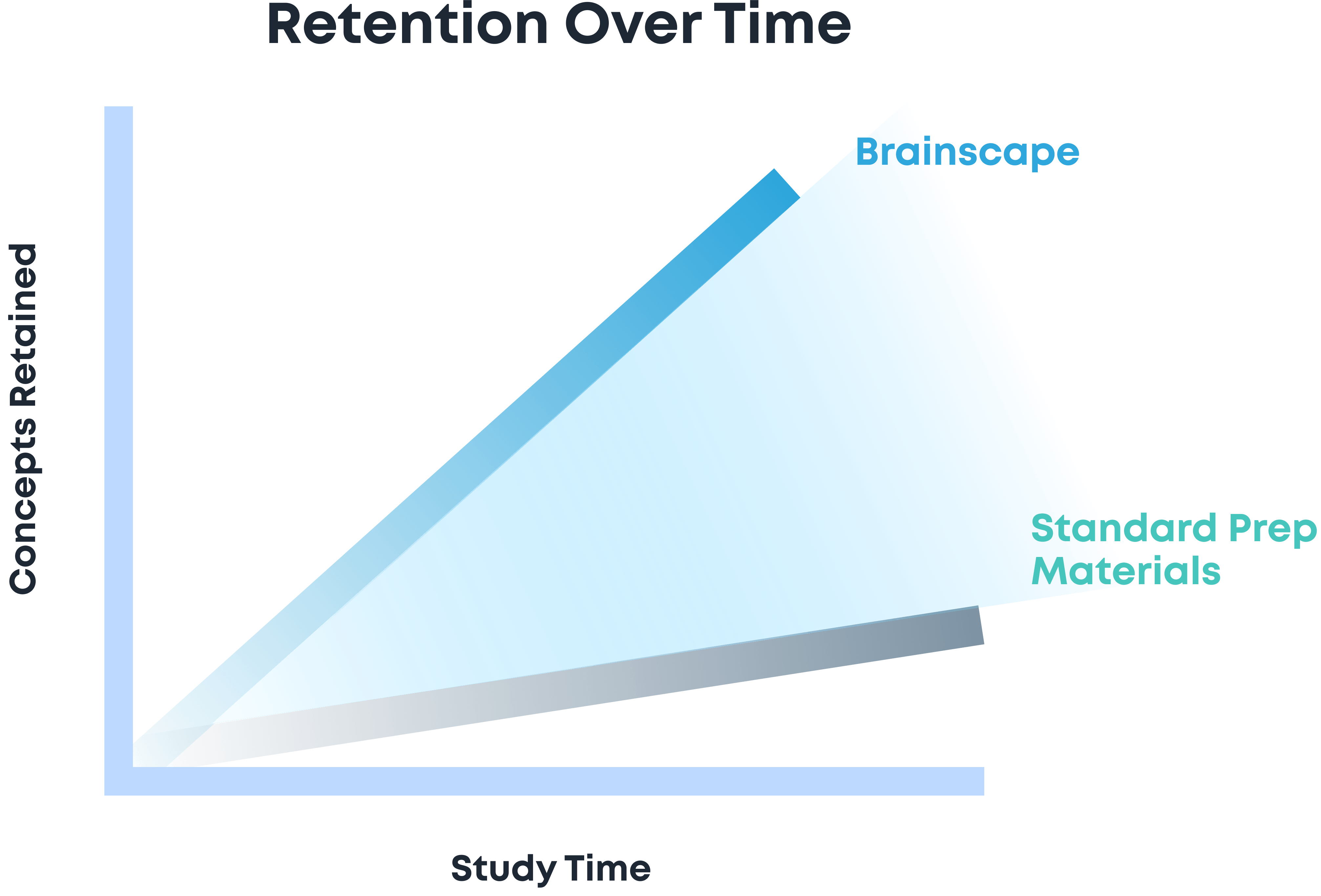
The smartest study method.
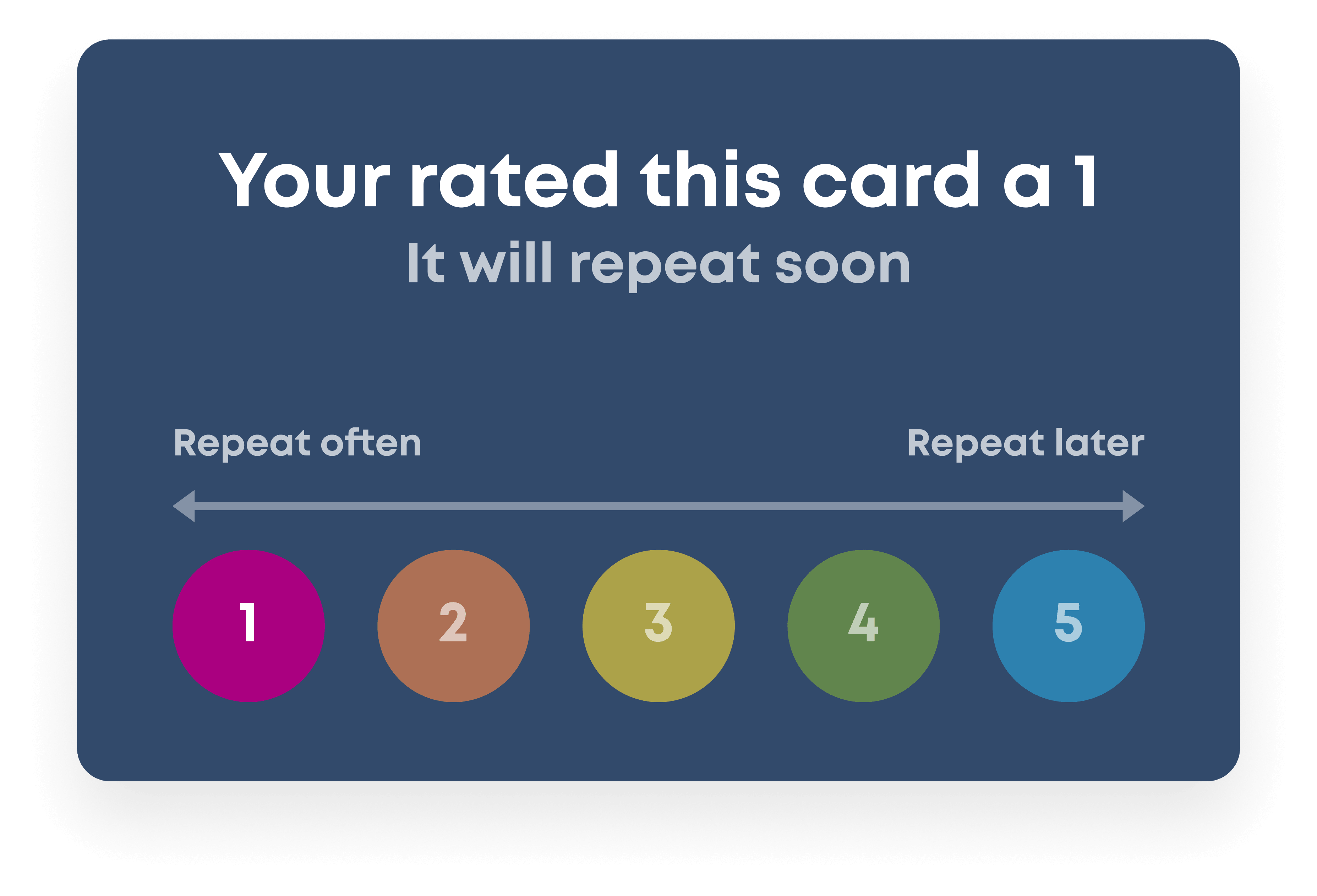
Brainscape's spaced repetition system is scientifically proven to help you learn faster and develop better study habits.
Easy to add your own flashcards.
Collaborate with others, add media, and keep all your flashcards in sync between the Brainscape website and mobile app.