Brainscape’s BCSE flashcards give you an efficient, painless way to systematically absorb and retain the massive range of topics you are expected to know to pass the exam, from anatomy to imaging to preventive medicine. They’re designed to produce real memory gains even from short bursts of studying, so you can learn while balancing work, immigration steps, and/or life changes.
This flashcard collection was created in partnership with Zuku Review, a leader in veterinary exam preparation, whose teaching has guided tens of thousands of vets from around the world toward successful licensure. Their deep expertise, combined with Brainscape’s adaptive spaced-repetition system, gives you a study tool that keeps you focused on the facts you need to recall most often. It works on any device, even offline, which makes it easy to study in short bursts between shifts or during your commute.
If you want a study routine that builds confidence and strengthens your scientific foundations, these flashcards help you learn efficiently at every stage of your BCSE journey. They are designed to support you as you move through the ECFVG or NEB process and prepare to advance toward full clinical equivalency.
What You Get with Brainscape’s BCSE Flashcards:
- Hundreds of flashcards that cover the highest-yield concepts in the official BCSE test plan, without any unnecessary fluff.
- Accurate, reliable, and expert-developed material created in partnership with Zuku Review, one of the most trusted names in the vet prep space.
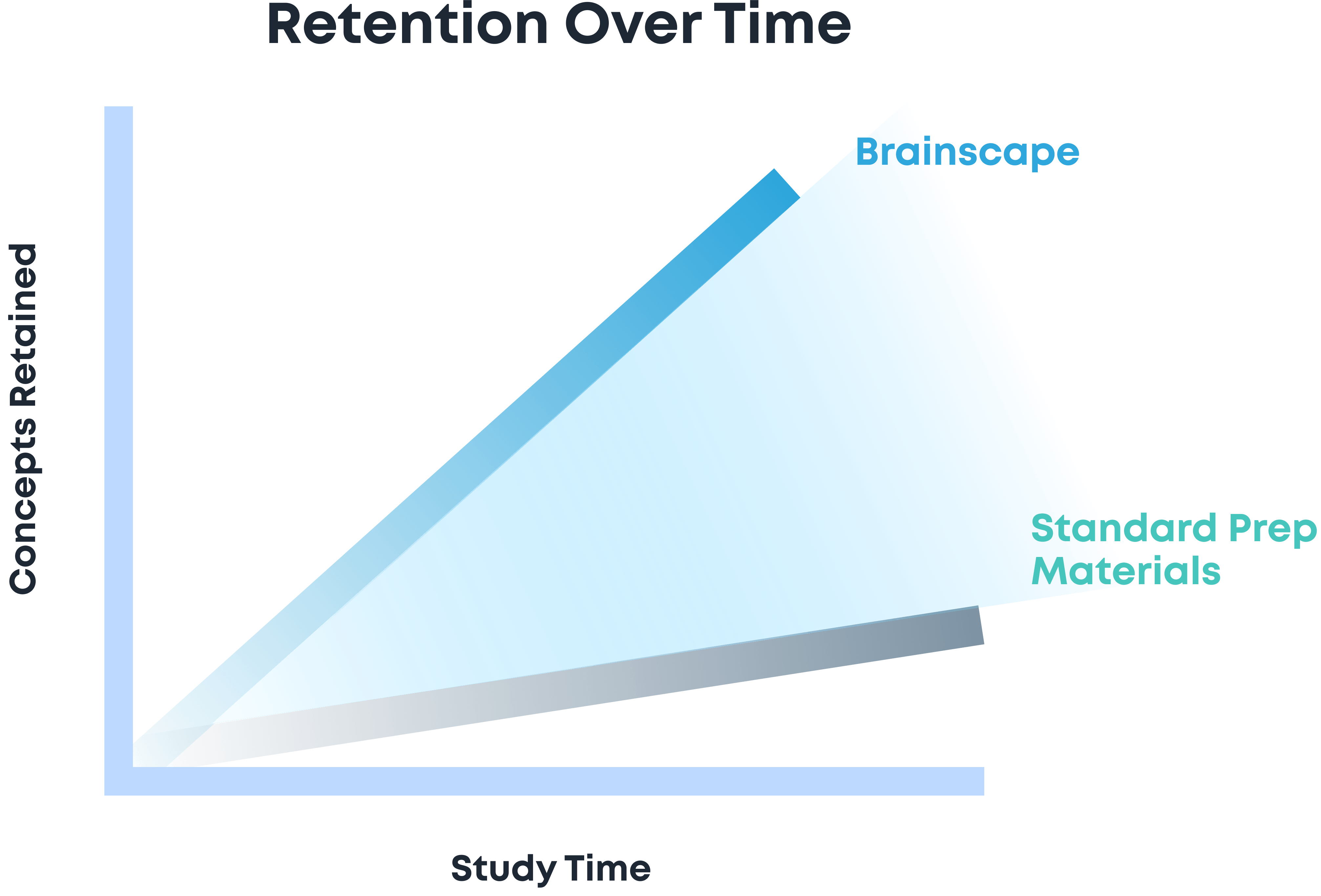
- A fast, effective spaced repetition study system that will help you learn everything you need to know TWICE as fast, and remember it for longer.
- Ongoing feedback, statistics, and visualization tools to help you track your progress, which motivates you to study even more (to keep your streak alive!)
- A carefully tailored and scaffolded curriculum based on the official test plan from the AVMA and CVMA.
- Ultimate flexibility and convenience with full sync across web, iOS, and Android apps.
- When you’re ready, a complete set of expert-created and vetted flashcards for the NAVLE®.
About Brainscape’s Partner, Zuku Review
Zuku Review was founded on one simple idea: veterinary students deserve a clearer, smarter, and more empowering way to learn. Created by Dr. Steve McLaughlin, a former CDC epidemiologist who spent years working in public health around the world, Zuku began in 2007 as a passion project to make complex material digestible for future veterinarians.
After struggling with massive study demands himself, Dr. McLaughlin built Zuku to help learners move beyond memorization and into true clinical reasoning. Today, Zuku Review has grown into one of the most respected names in veterinary education, trusted by more than 80,000 professionals worldwide. Their case-based approach mirrors the AVMA and CVMA’s testing framework, so you know that every flashcard and question aligns with what’s actually on the exam.
From BCSE and NAVLE prep to continuing education for licensed veterinarians, Zuku’s mission is simple: to make veterinary learning efficient, engaging, and accessible. Together with Brainscape’s adaptive learning technology, we’ve created a study experience that helps every veterinarian go from overwhelmed to ready to crush the BCSE.
Why Is The BCSE So Challenging?
The BCSE is challenging because it covers a very wide range of veterinary science, from microscopic pathology and physiology to anesthesia, surgery, imaging, and population-level prevention. It is built around the expectations of recent North American graduates, which means some international candidates may encounter question styles or content priorities that feel unfamiliar.
The exam gives candidates four hours to complete 225 questions in a single sitting, so the pace is quick and the pressure stays high from start to finish. Another difficulty is the limited number of study resources that focus specifically on the BCSE, which leaves many candidates unsure about what to review. Success requires solid scientific foundations along with clear clinical judgment, and balancing both areas can feel overwhelming.
Brainscape’s flashcards help by breaking that large content load into manageable bite-sized concepts, which are then neatly organized into decks. They support long-term retention of essential scientific concepts, strengthen your comfort with American English veterinary terminology, highlight species differences that often appear on the exam, and reinforce the diagnostic patterns you need to recognise quickly.
What Do Brainscape’s BCSE Flashcards Cover?
These BCSE flashcards cover the full range of scientific and clinical knowledge that appears on the exam, starting with anatomy across major species groups such as dogs, cats, horses, and cattle. You will review the structure and function of the musculoskeletal, cardiovascular, respiratory, gastrointestinal, and reproductive systems, along with the essentials of the nervous and endocrine systems.
They also include pharmacology, physiology, and toxicology, with clear explanations of drug mechanisms, commonly tested drug classes, species-specific cautions, and the recognition and treatment of important toxins.
You will find extensive pathology content, including characteristic lesion patterns, major infectious diseases, fundamentals of neoplasia, and interpretation of clinical pathology results that often shape exam questions.
The cards cover core veterinary medicine topics such as causes of disease, hallmark clinical signs, diagnosis, and treatment across organ systems. Both individual patient care and herd health concepts are included, since the BCSE tests skills from both perspectives.
These flashcards also cover:
- Anesthesia and surgery, including pre-operative preparation, monitoring during anesthesia, common complications, surgical principles, and wound care.
- Diagnostics and imaging content, including radiograph interpretation patterns, ultrasound basics, laboratory tests, and simple approaches to epidemiological information.
- Animal welfare and preventive medicine, including public health issues, nutrition, vaccination strategies, and important zoonotic concerns.
Who Should Use Brainscape’s BCSE Flashcards?
These BCSE flashcards are ideal for ECFVG candidates who are working toward veterinary equivalency in the United States and need a clear way to organise and retain the science that appears on the exam. They are also a strong fit for NEB candidates preparing for Canadian licensure, especially those who want a study tool they can use during short breaks or while balancing full-time work.
International veterinarians who want to refresh core scientific knowledge before entering North American practice will find the cards helpful, since they reinforce terminology, common conditions, and diagnostic patterns.
Final-year students at non-accredited veterinary schools can use the collection to build a stronger foundation before starting the equivalency process. The flashcards also help practicing veterinarians who need a structured and efficient approach to reviewing and memorizing essential concepts.
How Do Brainscape’s Flashcards Help You Learn For The BSCE?
Brainscape’s flashcards help you learn faster by using cognitive science principles that strengthen memory and improve recall. The BCSE requires you to remember large volumes of scientific and clinical information, and these techniques make that workload more manageable.
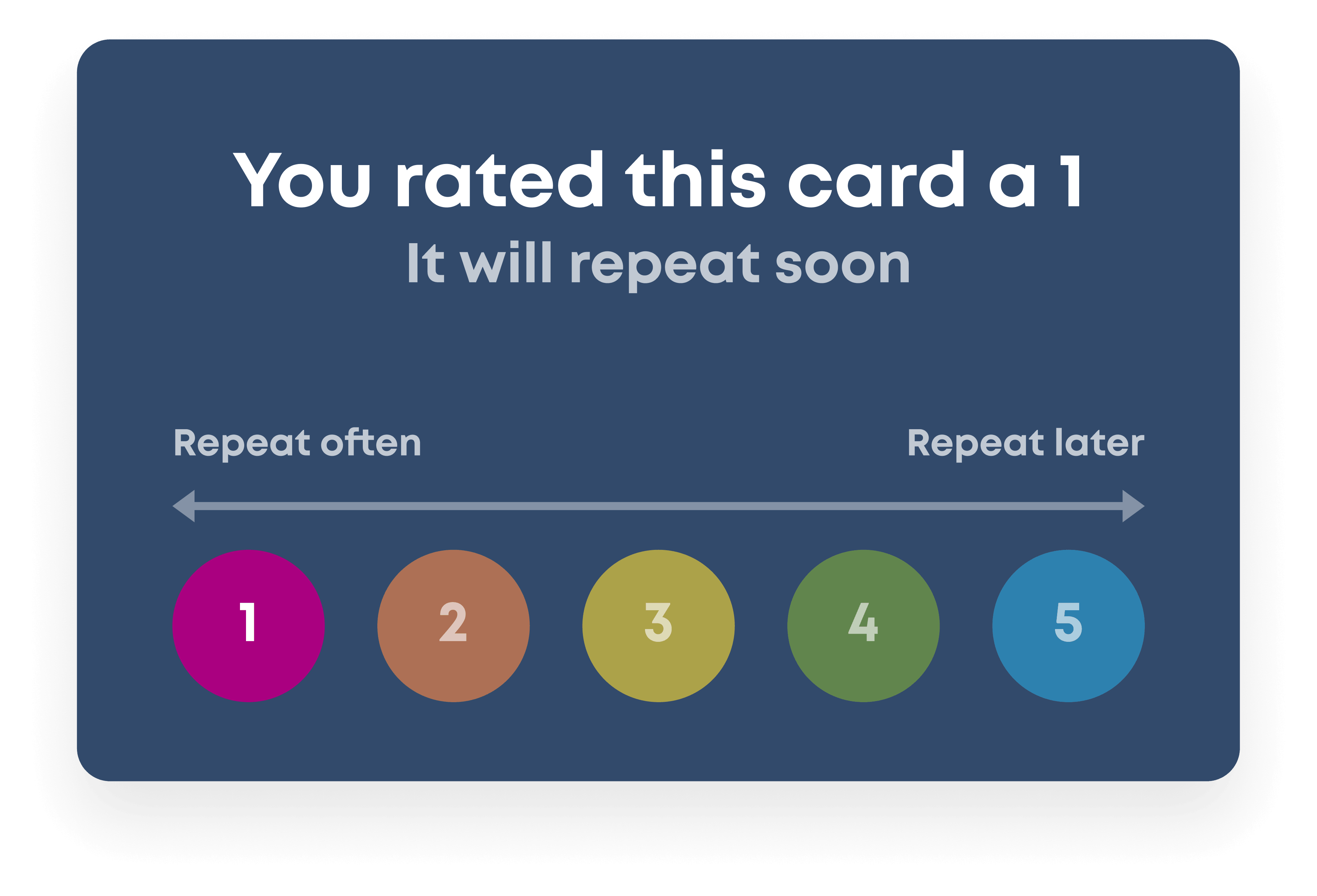
Spaced repetition is one of the core methods behind effective learning. This approach works by reviewing information at increasing intervals so you review a concept again just as it is starting to fade from memory. That timing creates stronger long-term retention than rereading or cramming. Brainscape handles the timing automatically by resurfacing difficult cards more often and easier cards less frequently, which doubles your learning efficiency.
Active recall is another important technique built into flashcards. It means bringing an answer to mind without looking at your notes. Each time you try to recall a piece of information, the memory becomes easier to access later. This helps you retrieve concepts quickly during the exam, especially under time pressure.
Metacognition also plays a role in how Brainscape improves your study habits. Each card asks you to rate how well you knew the answer. This encourages careful self-assessment and helps you recognise which topics need more attention. As you progress, you become better at directing your study time toward areas that matter most.
The system syncs after every flashcard across web and mobile devices and remains accessible offline, so you can study anytime, anywhere, no matter your schedule. Each short session adds up, and the app keeps track of your progress so you can always pick up where you left off.
In summary, Brainscape’s flashcards give you an evidence-based approach to memorize more in less time and approach the BCSE with greater confidence.
What’s The Best Way To Study For The BCSE Exam?
The best way to prepare for the BCSE is to give yourself a steady two to three months of daily studying with a reputable review course, such as Zuku Review. Daily flashcard use helps you deeply internalize this information, especially when you combine it with BCSE-style practice questions.
A strong plan begins with anatomy and physiology, since these subjects form the base for many clinical and diagnostic questions. Once those foundations feel solid, you can move into organ-system medicine, pathology, surgery, and imaging. Species differences should stay on your radar throughout your study window, since they appear often and can influence both diagnosis and treatment.
You should also pay attention to diagnostic reasoning, as the exam rewards clear pattern recognition, so it helps to spend time looking at how clinical signs, lab results, and lesion patterns fit together.
It is also useful to practice reading questions efficiently. The BCSE lasts about four hours, and that length demands pacing and endurance. Putting yourself in a realistic testing environment by studying with timed question sets or short mock exams can help build the stamina necessary to get you through test day.
A consistent routine combining a review course, flashcards, and practice questions will give you a balanced path toward mastering the exam content.
How Hard Is The BCSE Exam?
The BCSE is considered moderately to highly difficult because it tests a wide range of scientific and clinical subjects and focuses on North American clinical expectations that may be unfamiliar to many international candidates.
How Long Should I Study For The BCSE?
Most candidates preparing for the BCSE study for eight to twelve weeks, although the ideal timeline depends on your clinical background, work schedule, and comfort with English-language exam formats.
Are The Brainscape BCSE Flashcards Aligned With The BCSE?
Brainscape’s BCSE flashcards are aligned with all major scientific areas tested on the exam, and they work best when paired with a comprehensive review course and high-quality practice questions.
Is The BCSE Required For ECFVG And NEB?
The BCSE is required for both the ECFVG and the NEB, and it is a mandatory step for anyone seeking veterinary licensure in the United States or Canada through these pathways.
What Score Do I Need To Pass?
The BCSE uses a scaled scoring system, and most candidates need to achieve a scaled score of 580 to pass, although the exact range may vary from year to year due to scaling.
Are BCSE Practice Tests Available?
BCSE practice tests are limited, and the available resources mostly include test blueprints and sample content areas. This makes the Brainscape BCSE flashcards especially helpful for building strong recall and reinforcing core knowledge.
Can I Retake The BCSE?
You can retake the BCSE, and candidates are allowed to sit again after completing the required waiting period set by their certification pathway.
Prepare For The BCSE With A Clear, Confident Plan
The BCSE asks you to demonstrate strong knowledge across many areas of veterinary science, which can feel demanding when you are balancing work, relocation steps, and everyday responsibilities. A steady, organised study plan makes that challenge manageable. Brainscape gives you adaptive and mobile methods to review essential concepts so the information stays fresh when you need it most. With consistent practice, you can learn as fast as possible to lock in the knowledge required to move forward in your licensure journey.
Additional Resources for BCSE Test Learners