Brainscape’s Counselor Preparation Comprehensive Examination (CPCE) flashcards give counseling students a focused, effective way to prepare for one of the most important exams in their graduate program. Created in partnership with Dr. Pam Turner of Academic Coaching for World Changers (ACWC), these flashcards organize all eight CACREP core areas into clear, practical study questions that build lasting understanding.
Designed for busy master’s students balancing internships, coursework, and everyday life, these adaptive web and mobile CPCE flashcards help you concentrate on what matters most. And with Brainscape’s science-backed study algorithm, each learning session brings you closer to passing the CPCE and moving confidently toward your counseling career.
What You Get with Brainscape’s CPCE Flashcards:
- Hundreds of flashcards that cover the highest-yield concepts in the CACREP Standards and top CPCE test prep resources.
- Peace of mind as we’ve partnered with an experienced professor and coach, Dr. Pam Turner (ACWC), to ensure that these flashcards are complete, accurate, and up-to-date.
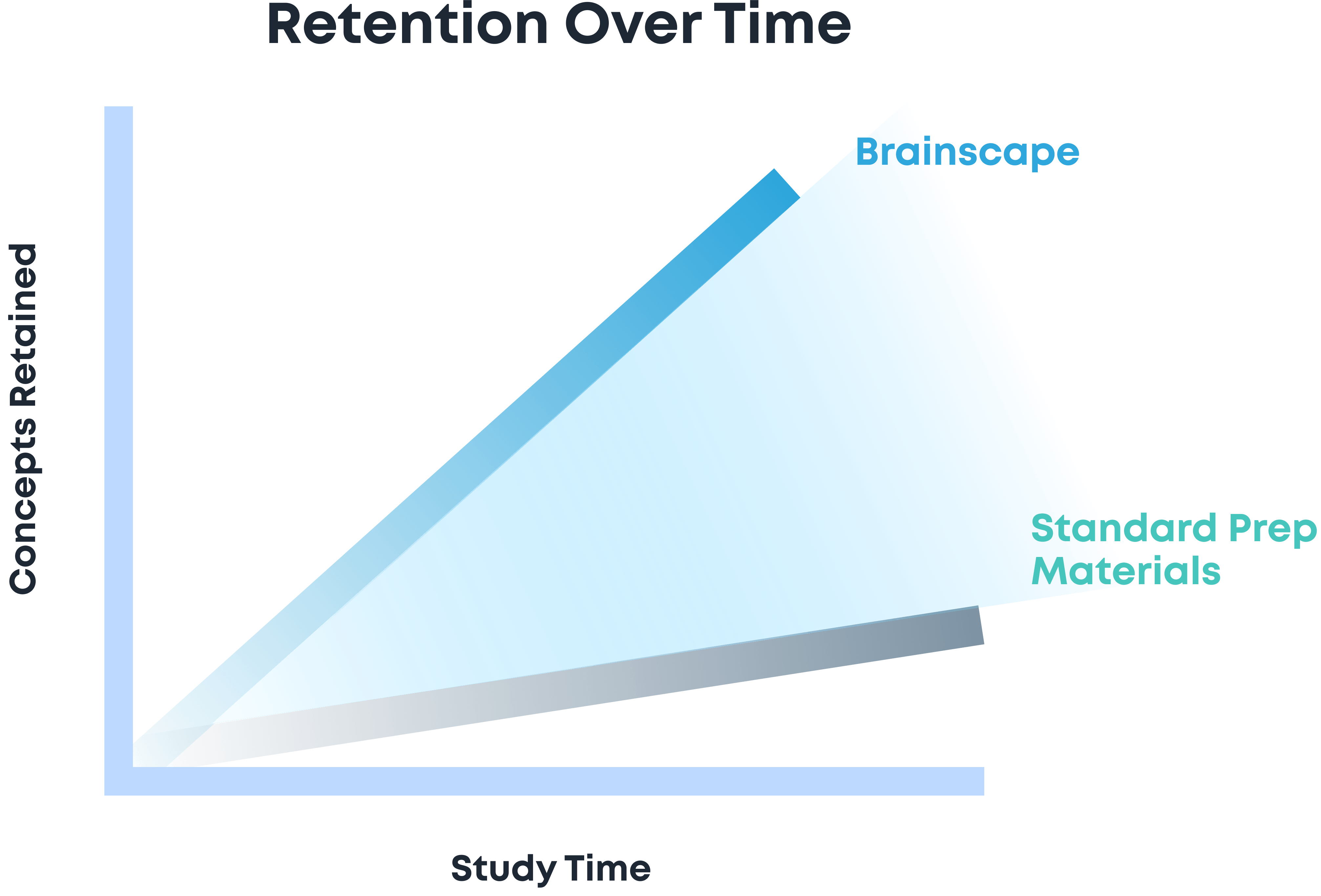
- A fast, effective spaced repetition study system that will help you learn everything you need to know TWICE as fast, and remember it for longer.
- Ongoing feedback, statistics, and visualization tools to help you track your progress, which motivates you to study even more (to keep your streak alive!)
- A carefully tailored and scaffolded curriculum in close alignment with CACREP Standards.
- Ultimate freedom, accessibility, and convenience with in-sync studying across Brainscape’s website and all your iOS and Android devices.
By combining personalized repetition with cognitive science, Brainscape keeps your momentum strong and your knowledge locked in. You’ll build confidence, crush the test on your first attempt, and move one step closer to becoming a licensed counselor.
About The Author: Dr. Pam Turner
Brainscape partnered with Dr. Pam Turner of Academic Coaching for World Changers (ACWC) to create these CPCE flashcards. With years of experience as a college professor, mentor, and exam coach, Dr. Pam has helped countless aspiring counselors build their knowledge alongside the confidence and resilience they need to succeed.
Her expertise comes from working directly with mental health professionals preparing for high-stakes licensure exams. Her personalized coaching style is founded in academic rigor, establishing her reputation as a trusted guide for the next generation of counselors.
What Is The Counselor Preparation Comprehensive Examination (CPCE)?
The CPCE is a national exam used by graduate counseling programs to measure how well students understand the knowledge and skills needed for professional practice. Created by the Center for Credentialing & Education (CCE), an affiliate of the NBCC, it helps schools confirm that students are ready to complete their degrees and begin their counseling careers.
The exam includes 160 multiple-choice questions completed in 3 hours and 45 minutes. Of these, 136 are scored, with the rest used for research purposes. Each counseling program sets its own passing score, usually between 62 and 75 percent.
For many students, the CPCE is a defining step in their graduate training: a final opportunity to demonstrate their knowledge and readiness to serve as confident, capable counselors.
What Are The Content Areas On The CPCE Exam?
The CPCE is built around eight CACREP core areas, each reflecting a key part of counseling knowledge and practice. Knowing how these domains fit together helps you study more effectively and understand what the exam assesses.
1. Human Growth and Development: Focuses on major developmental theories and life stages. You’ll need to understand how people grow, change, and adapt throughout their lives to guide clients more effectively.
2. Social and Cultural Diversity: Tests your ability to work with clients from different backgrounds and perspectives. Cultural competence and awareness are essential for ethical, empathetic counseling.
3. Counseling and Helping Relationships: Covers the practical skills that shape the counseling process, including building rapport, applying interventions, and understanding key counseling theories.
4. Group Counseling and Group Work: Looks at how groups form and function, as well as the counselor’s role in managing group dynamics, leadership, and confidentiality.
5. Career Development: Examines theories of vocational growth and the tools used to help clients explore and achieve meaningful work.
6. Assessment and Testing: Reviews how to choose, administer, and interpret assessments that support client understanding and progress.
7. Research and Program Evaluation: Tests your ability to use research methods and data to improve counseling practice and evaluate program outcomes.
8. Professional Orientation and Ethical Practice: Focuses on legal and ethical standards, professional roles, and maintaining integrity in all aspects of counseling.
Understanding these eight areas helps you create a study plan that covers the full scope of the exam while connecting what you learn to your future work as a counselor.
What Are The Best Ways To Study For The CPCE?
The CPCE covers a wide range of material, so success comes from organization, consistency, and smart study habits. Here’s how to make your preparation more effective and less stressful.
1. Build a steady routine.
Plan your study time early and spread it across several weeks. Break down your review course or textbook into realistic chunks, each with its own dedicated time for study. Work a little each day instead of trying to learn everything at once. Use the content outline to divide topics into smaller parts, focusing on one CACREP domain at a time.
Use Brainscape’s free study planner templates to build an iron-clad study plan that’ll get you to the finish line without leaving anything behind!
2. Reinforce knowledge with active study.
Use Brainscape’s web and mobile CPCE flashcards to memorize and reinforce the material from your course. Review key concepts, definitions, and counseling theories often so that they stay deeply embedded in your mind. You’ll quickly see which areas need more focus and which ones you already know well. Brainscape automates this process: simply open the app and complete as little as 15 minutes of study daily. The app will identify your weak areas and make sure you spend more time on them.
3. Combine resources for deeper understanding.
Use the flashcards alongside your textbooks, practice exams, and study guides. Join or start a study group to talk through difficult topics, ethical cases, and theory examples. Discussing the material helps strengthen your understanding and recall.
4. Use practice exams.
You can find practice exams in review courses such as Dr. Pam’s CPCE prep course. Complete them under timed conditions, then take time to work carefully through your results. This is valuable data on your strengths and weaknesses. Once you’ve identified your weak areas, move them up your priority list for study.
5. Avoid cramming before test day.
Give yourself time to rest and clear your mind before the exam. A calm, focused mindset will help you recall what you’ve learned and handle the full testing session confidently.
By keeping a consistent study plan, using Brainscape’s flashcards effectively, and mixing in other quality resources such as Dr. Pam’s course and practice exams, you’ll be ready to face the CPCE with confidence.
Why Are Brainscape-Certified Flashcards One Of The Best Study Tools For The CPCE?
Preparing for the CPCE means covering a huge amount of material, from counseling theories and ethics to research and assessment. Brainscape’s CPCE flashcards make that challenge easier by breaking complex topics into small, focused pieces that you can review anytime.
Flashcards work so well because they use three key learning principles that help information stay in your memory.
1. Active recall. Instead of rereading notes and passively recognizing facts, flashcards require you to pull information from memory. For example, when a card asks, “What are the stages of group development?”, you have to recall the answer yourself. That mental effort strengthens memory and improves your ability to retrieve information when it counts.
2. Spaced repetition. Our brains forget information we don’t revisit. Spaced repetition prevents that by reviewing material at increasing intervals, bringing difficult cards back more often and easier ones less frequently. Brainscape’s algorithm handles this automatically so you see each card again just before you might forget it.
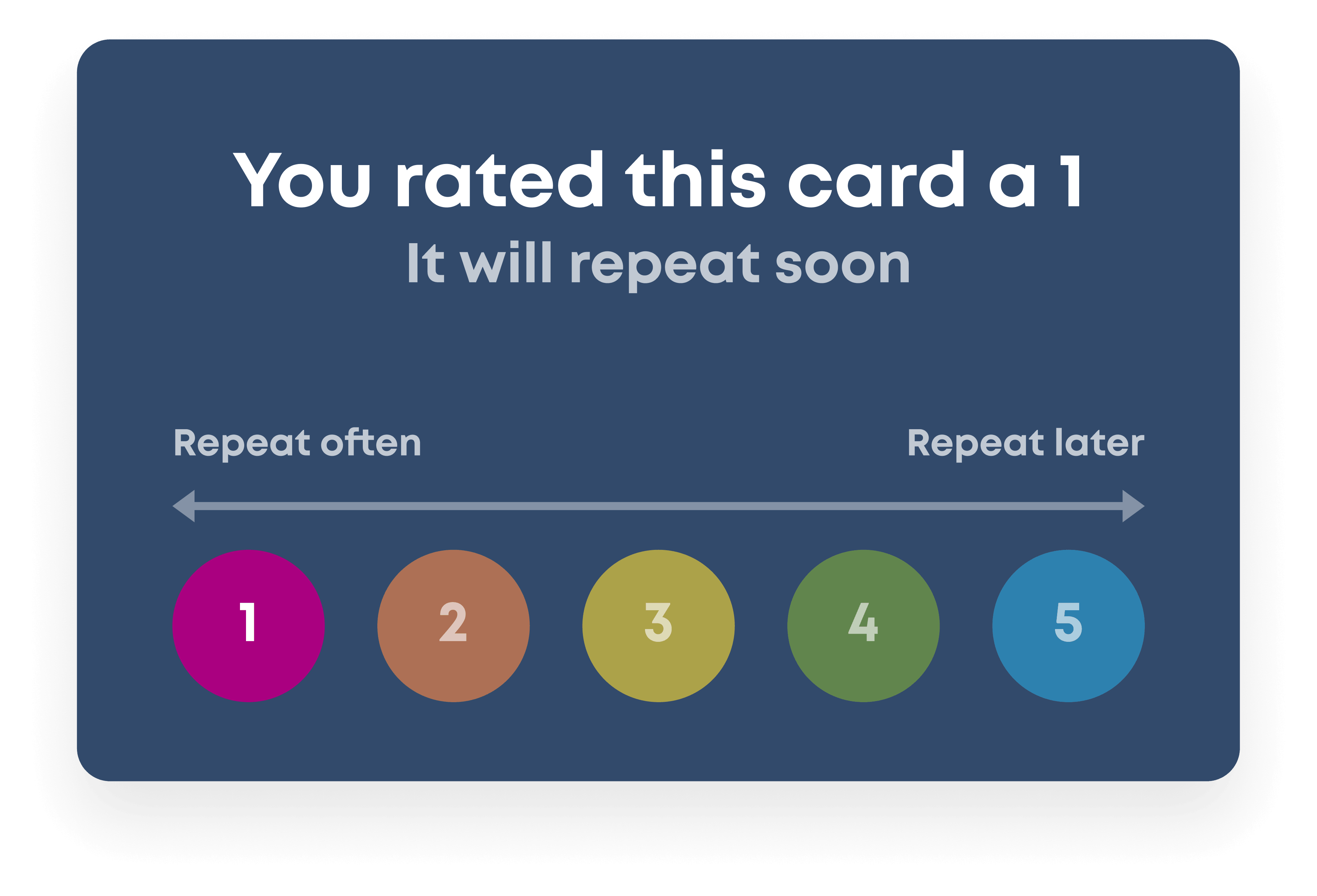
3. Metacognition. After every card, you rate how confident you felt about your answer. This reflection helps you understand what you know well and what needs more work, allowing Brainscape to focus your study time where it matters most.
Brainscape’s CPCE flashcards were built by Dr. Pam, an expert CPCE educator. They align with the eight CACREP domains and simplify tricky topics like research design or ethical reasoning into concise, memorable questions. And because they’re fully synced between web and mobile, you can study in short bursts: between classes, on the bus, or during a coffee break.
With Brainscape, your study sessions become focused, efficient, and adaptable to your schedule. You’ll walk into the exam confident, knowing you’ve studied the right material in the most efficient way possible.
How Long Is The CPCE Exam?
The CPCE exam lasts 3 hours and 45 minutes. This gives you enough time to move through the questions carefully while keeping a steady pace of around 84 seconds per question.
How Many Questions Are On The CPCE Exam?
The exam has 160 multiple-choice questions in total. Of those, 150 are scored and 10 are unscored research items. Each question has four answer choices.
How Is The CPCE Administered?
The CPCE is offered in both computer-based and paper-based formats, depending on your counseling program. Most students take it on a computer at a Pearson VUE testing center or through a secure platform provided by their university.
How Many Times Can You Take The CPCE, And What Is A Passing Score?
Retake policies and passing scores vary from one university to another. Some programs allow more than one attempt after extra study time, while others set specific limits. If you need to retake the exam, your advisor will guide you through your school’s process.
Master The CPCE With Clarity And Confidence
Preparing for the CPCE can feel like a lot to manage, but Brainscape’s certified flashcards make studying focused and efficient. Using active recall and spaced repetition, Brainscape strengthens your understanding and helps you retain information for the long term.
You’ll review every core domain through Dr. Pam’s expert-designed flashcards that help you remember the details that matter most. Brainscape provides the stage, while Dr. Pam keeps the script. Study anywhere, anytime, and walk into your exam confident and ready to succeed in your counseling career.
Additional Resources for CPCE Learners