Brainscape’s CSCA® flashcards are designed to help ambitious accounting and finance professionals master the key concepts of strategic planning and competitive analysis so they can walk into the exam with confidence. This collection breaks down the IMA’s official content areas into clear, testable nuggets of knowledge that are easy to review on even the busiest schedule.
Built for mid-career professionals balancing study with demanding jobs, these flashcards will help you reinforce complex strategy models, frameworks, and case study insights in short, repeatable study sessions. Designed by HOCK International’s team of seasoned accounting instructors and optimized by Brainscape’s adaptive study system, they transform overwhelming material into a steady path toward certification success.
What You Get with Brainscape’s CSCA Flashcards:
With Brainscape’s CSCA flashcards, you get:
- Hundreds of flashcards that cover the highest-yield concepts in the official CSCA® test plan, with all the fluff left out.
- Accurate, reliable, and expert-developed material created in collaboration with HOCK International, an organization that has spent decades producing high-quality, up-to-date resources for professional credentials.
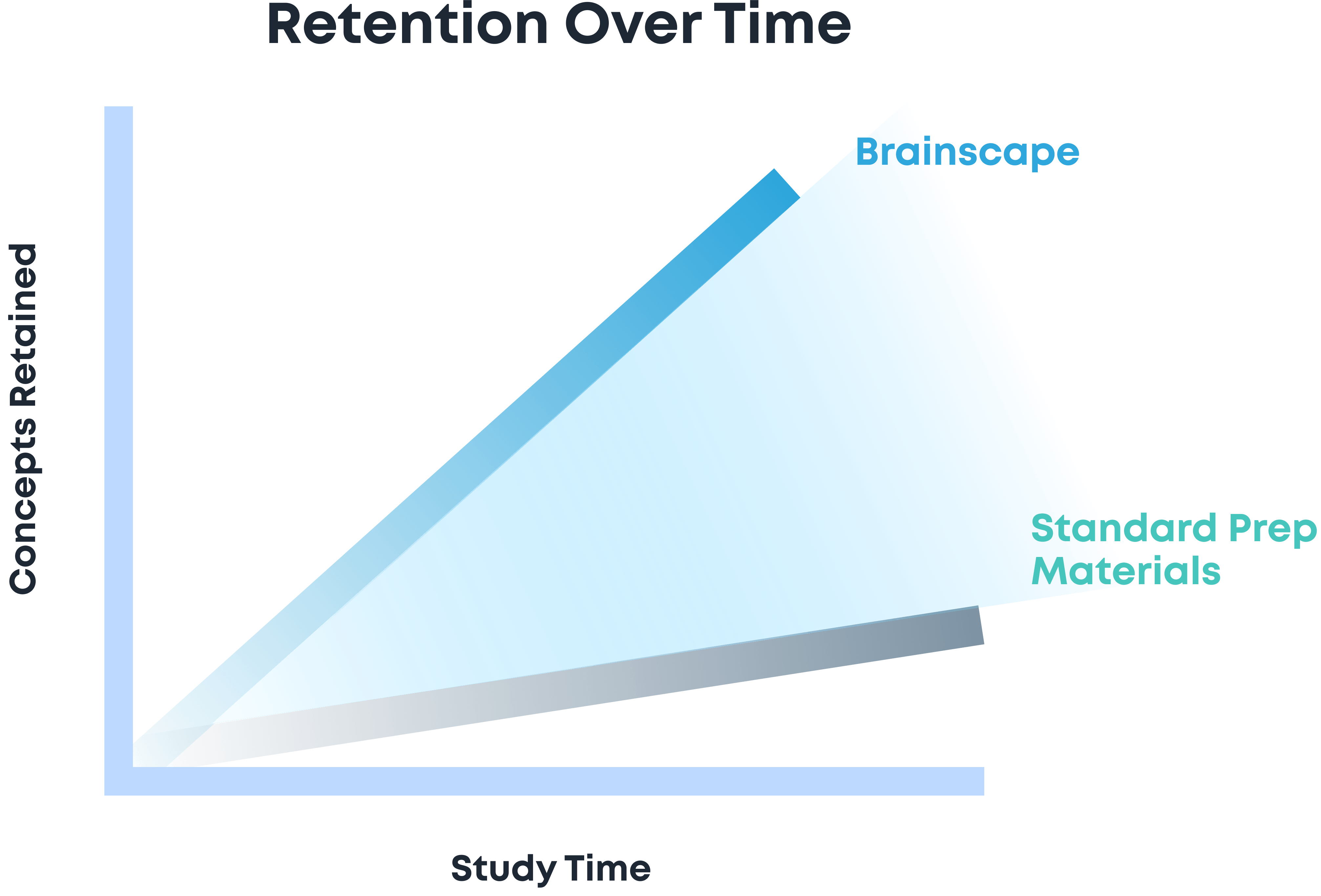
- A fast, effective spaced repetition study system that will help you learn everything you need to know TWICE as fast, and remember it for longer.
- Ongoing feedback, statistics, and visualization tools to help you track your progress, which motivates you to study even more (to keep your streak alive!)
- A carefully tailored and scaffolded curriculum based on the official CSCA test plan.
- Ultimate freedom, accessibility, and convenience with in-sync studying across Brainscape’s website and all your iOS and Android devices.
What Is The CSCA Exam?
The Certified in Strategy and Competitive Analysis (CSCA®) exam was created by the Institute of Management Accountants (IMA) to test a business professional’s ability to think and act strategically. While technical accounting and finance knowledge may get you in the door, the CSCA credential demonstrates that you can apply that knowledge to business planning, competitive positioning, and long-term growth decisions. In short, it proves you can connect the numbers to strategy.
The certification is designed for anyone with a bachelor's degree and two years of business work experience. Candidates are often financial analysts, controllers, or managers preparing to step into strategic roles where they need to guide decisions rather than just track results. That said, you don’t have to be from the accounting or finance field to be eligible for, or benefit from this professional certification.
Earning the CSCA credential carries significant career benefits. It strengthens your résumé, builds credibility with senior leadership, and signals that you are prepared for higher-level responsibilities such as strategic finance, corporate planning, or consulting. It is particularly useful for those looking to transition into decision-making positions that require both financial expertise and strategic insight.
The CSCA is recognized worldwide, especially in regions where IMA certifications already carry weight, such as the United States, India, the Middle East, and Europe. This recognition makes it a valuable stepping stone for professionals aiming to grow in international organizations or secure promotions in competitive job markets.
How To Prepare Effectively For The CSCA Exam
The CSCA exam rewards candidates who build a structured study plan rather than cramming at the last minute.
- Start by reviewing the official IMA syllabus and dividing topics into weekly milestones. Give yourself enough time to cycle through each domain (strategic analysis, competitive advantage, and implementation), while leaving the final weeks for timed practice. Setting specific goals for each study session will help you to cover all content areas before exam day.
- Work through the textbook and reading material in daily chunks, taking notes to help break that content down and synthesize it in your brain.
- As you progress through the textbook, ingrain and retain the facts with daily CSCA flashcard study. Flashcards break complex topics like strategy frameworks, ethical principles, or performance metrics into digestible nuggets that you can practice in short bursts. This is especially useful for professionals balancing full-time jobs with exam prep, since even five minutes on your phone between meetings can reinforce essential terms and ideas.
- Regularly practice multiple-choice questions and mock (practice) exams so that you deeply understand the challenge you’re preparing for.
- Practice applying the concepts you learn to case-style questions. A successful CSCA study plan also requires a balance between memorization and application. This helps you develop the ability to not only recall definitions but also analyze scenarios, which is a critical part of the exam’s case study component. Use practice exams to engage with this application process under timed conditions.
- Finally, remember that time management and stress control can mean the difference between passing and falling short. Spread out your study sessions to avoid burnout, build in practice with timed questions to develop pacing, and use stress-management strategies such as exercise, mindfulness, or short breaks during study blocks. A calm and consistent approach will help you walk into exam day confident and focused.
Why Flashcards Are A Powerful Tool For CSCA Exam Success
Flashcards are exceptionally effective for CSCA exam prep thanks to two proven learning principles called active recall, spaced repetition, and metacognition.
Active recall is the practice of deliberately testing yourself instead of just rereading notes or highlighting a textbook. Imagine covering the back of a flashcard and asking your brain to supply the answer without any hints. That struggle to retrieve information is what makes the memory stick. It’s like flexing a muscle: every time you force your brain to “lift” the answer on its own, the memory trace gets stronger and easier to access later.
Spaced repetition takes this one step further. Instead of reviewing everything in one sitting and then forgetting most of it, spaced repetition reintroduces material at scientifically chosen intervals, right before you would normally forget it. This steady drip-feed of reminders shifts information from short-term memory into long-term storage.
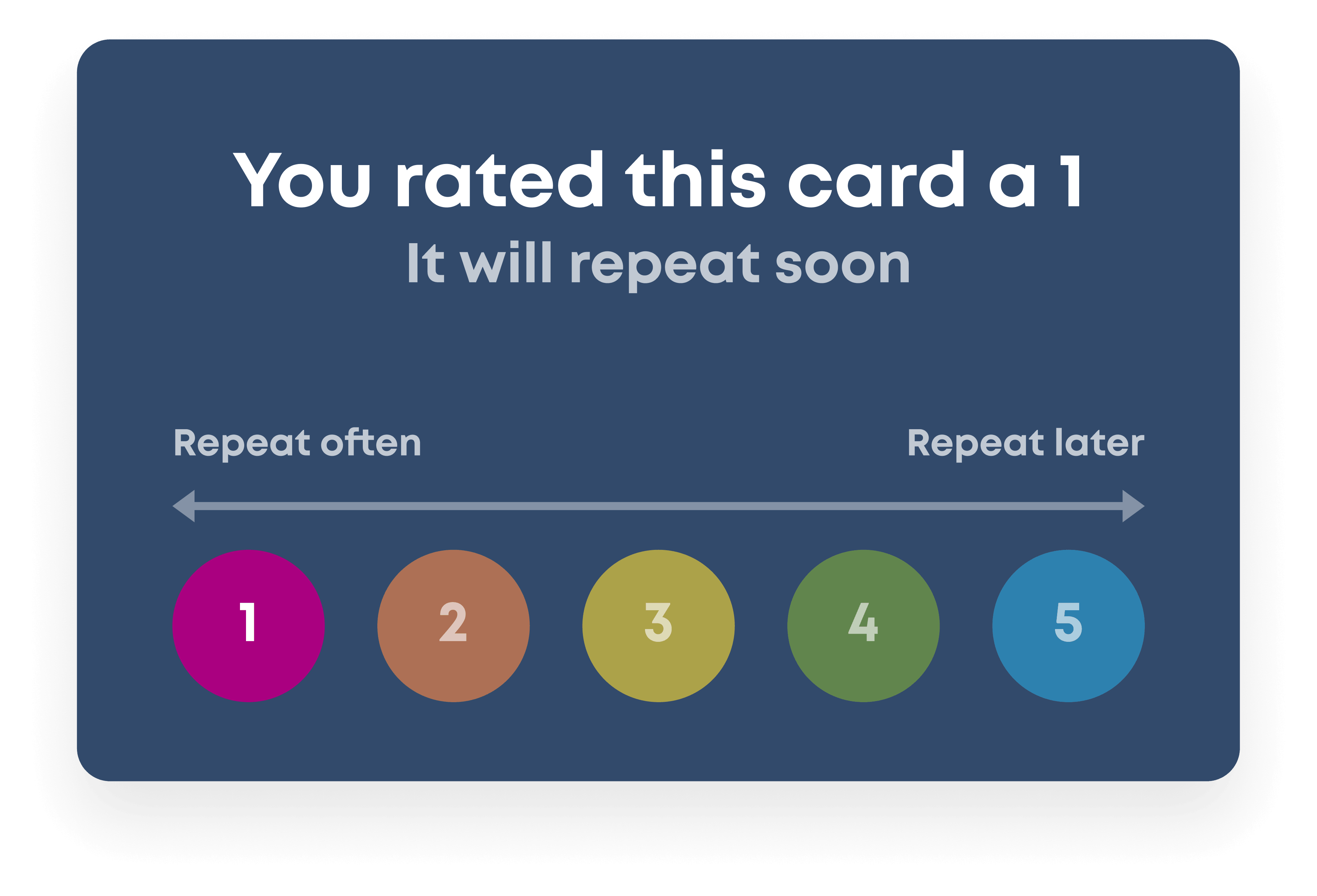
Then there’s metacognition or “thinking about your thinking”. Every time you answer a flashcard question, the app will ask you to rate how well you knew the answer on a scale of 1 (not at all) to 5 (perfectly). This not only informs Brainscape’s spaced repetition algorithm how frequently to show you that card again, but it compels you to reflect on your knowledge. And the act of doing this has been shown to deepen knowledge retention.
Together, these three methods form the backbone of Brainscape’s smart study algorithm. The result is a study process that moves key concepts from short-term memory into lasting knowledge at TWICE the speed of traditional learning methods.
How Should I Study These CSCA Flashcards For Maximum Retention?
- Study in short bursts of 10 to 15 minutes so you don’t burn out. (If you’re brimming with confidence, keep going! But these short sessions are enough for serious growth.)
- Study alongside your exam prep materials. Use these flashcards to ingrain and retain the facts as you progress through your textbook/classes. (Brainscape automatically delivers this content to you in a progressive way but you can also deselect the decks or topics you don’t want in your current study mix.)
- Include decks previously studied so that you keep reviewing older content very occasionally.
- Be stingy with your 5’s! Only rate a concept a 5 when you’re confident you’ll never forget it again.
- Say answers out loud to strengthen both recall and communication skills.
- Convert missed practice questions into new flashcards, so your weak points get extra attention. You can also create flashcards for free in the Brainscape app.
With flashcards built into your study schedule, you’ll be able to conquer the huge volume of information needed for the CSCA exam quickly, while keeping study sessions flexible and efficient.
What To Expect On The Day Of The CSCA Exam
Walking into exam day is less stressful when you know exactly what lies ahead. The CSCA exam format consists of two parts: 60 multiple-choice questions and one case study essay. You’ll have three hours in total. The multiple-choice section tests your ability to quickly recognize and apply strategy concepts, while the case study measures your ability to analyze a business situation and provide structured recommendations in writing.
The exam covers three major content areas: strategic analysis (25%), creating competitive advantage (40%), and strategy implementation and performance evaluation (35%). This means you’ll need a balance of theoretical knowledge and practical application skills, from understanding Porter’s Five Forces to applying performance metrics in real-world scenarios.
On exam day, avoid the common mistakes that trip candidates up:
- Do not spend too long on a single multiple-choice question. Mark it, move on, and circle back if time allows.
- In the case study, avoid writing vague answers; focus on clarity and structure, using the frameworks you practiced during prep.
- Finally, make sure you bring the required ID, arrive early (or log in early if testing remotely), and use the tutorial time to get comfortable with the testing interface.
Study Smarter For The CSCA Exam
Brainscape’s CSCA flashcards give you a structured and efficient way to master the exam content without drowning in dense textbooks. Our collection zeroes in on the highest-yield strategy frameworks, key terms, and applied concepts, so you can focus on what matters most. With Brainscape’s adaptive algorithm built on active recall, spaced repetition, and metacognition, you’ll learn faster, retain more, and walk into exam day with confidence. Plus, our web and mobile apps keep your progress synced across all devices, making it easy to fit study sessions into everyday life.
Frequently Asked Questions About The CSCA Exam
How Long Is The CSCA Exam?
The CSCA exam is a three-hour test session. This includes all multiple-choice questions and the case study portion.
How Many Questions Are On The CSCA Exam?
You’ll face 60 multiple-choice questions along with one written case study. The case study is designed to test your ability to apply strategic frameworks in real-world scenarios.
How Is The CSCA Exam Administered?
The exam is offered both online through remote proctoring and in person at approved Prometric testing centers. Registration and scheduling are handled through the IMA portal.
What Is The Passing Score For The CSCA Exam?
Scores are reported on a scale from 0 to 400, with 280 required to pass. The typical passing rate for the CSCA exam is 60 to 70%.
Additional Resources for CSCA Test Learners
- For deeper learning and structured guidance, add HOCK International’s CSCA exam review course. The flashcards give you the practice, HOCK provides the foundation and, together, they’re designed to help you pass the CSCA exam with confidence.
- Watch: HOCK International’s CSCA Certification Guide, which covers essentials like exam structure, grading, study timeline, costs, materials, and more.
- Explore: Brainscape’s Academy for science-backed advice on how to hack your brain, body, and environment to learn as efficiently as possible, while overcoming common pain points like procrastination and a lack of motivation.
- Get: Brainscape’s free study planners and exam countdown sheets to help you plan out and stay on top of your studies.