CSET Life Sciences Flashcards

All the top concepts tested by the CSET Life Sciences exam.
A laptop and mobile displaying CSET LIfe Sciences flashcards
Class Icon

The fastest way to study CSET Life Sciences.

Watch intro video

Brainscape's CSET Life Sciences flashcards cover all of the content you need to know to confidently take and pass your exam. We've worked with experts to break down the full curriculum into this neatly-organized collection of flashcards, saving you hours of time and the guesswork of knowing what's important and what's fluff.

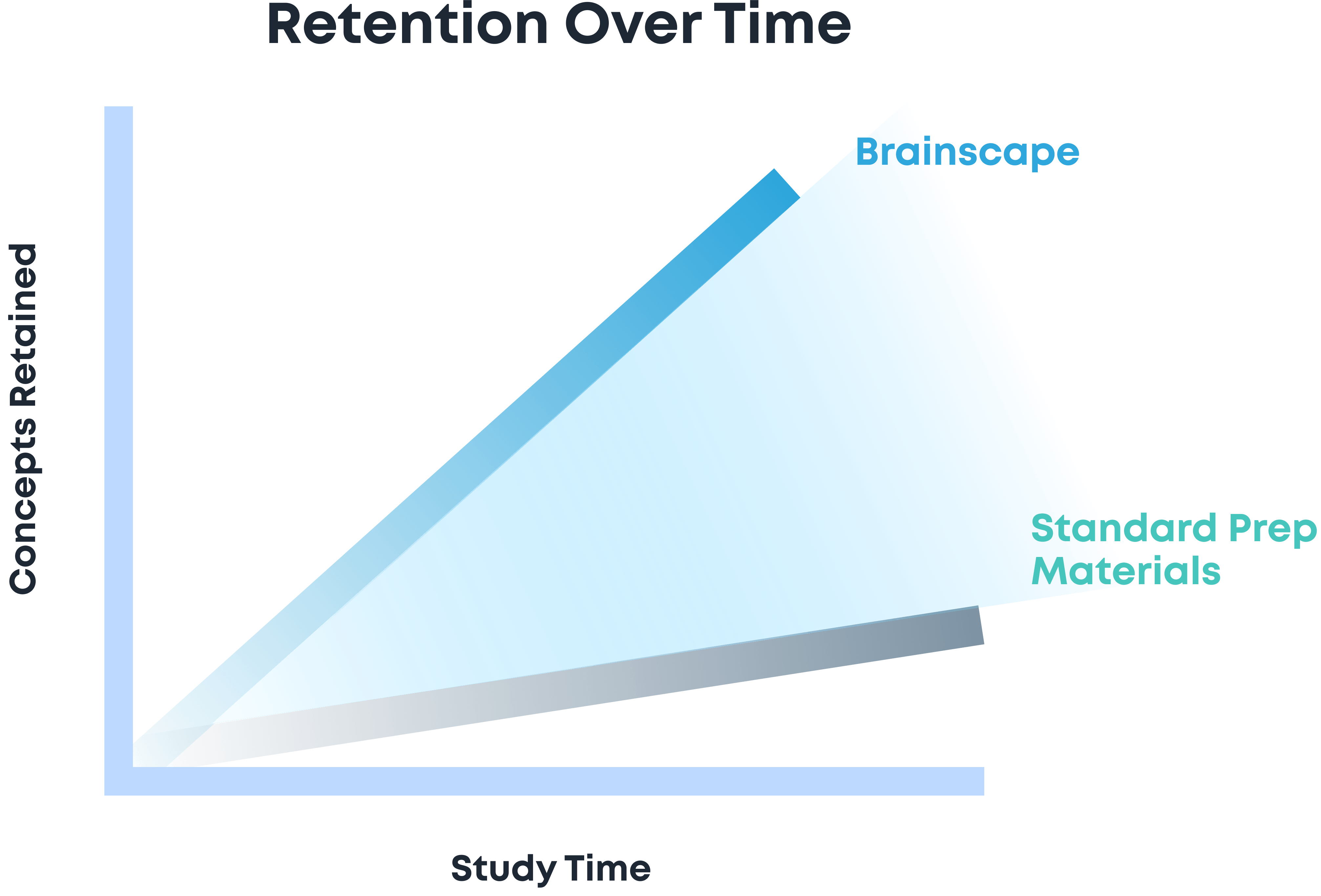
Brainscape helps you learn twice as efficiently by using a smart study algorithm grounded in decades of cognitive science research. Our spaced repetition system will drill you on your weaknesses, while cementing what you already know. That means more learning and less burnout, so you can pass the first time.

What You Get With Brainscape’s CSET Life Sciences Flashcards:

  • Hundreds of flashcards that cover the highest-yield concepts in the official CSET Life Sciences test plan, with all the fluff left out.
  • Peace of mind as we’ve covered everything you need to know.
  • A fast, effective spaced repetition study system that will help you learn everything you need to know TWICE as fast, and remember it for longer.
  • Ongoing feedback, statistics, and visualization tools to help you track your progress, which motivates you to study even more (to keep your streak alive!)
  • A carefully tailored and scaffolded curriculum that will guide you from the fundamentals through increasingly more complex concepts, allowing you to build a rock-solid understanding.
  • Ultimate freedom, accessibility, and convenience with in-sync studying across Brainscape’s website and all your iOS and Android devices.

A Smarter Way to Study for the CSET Life Sciences Exam

The CSET Life Sciences exam is a rigorous hurdle in the California Subject Examinations series. If you want to teach the life sciences in California public schools, passing this test is non-negotiable. But the breadth of topics, from cell structure to genetics, ecology to evolution, can feel overwhelming.

Brainscape takes the enormous volume of content you need to know and delivers it in digestible bite-sized study sessions that are optimized for retention. Furthermore, our flashcards are strategically aligned to the CSET science test blueprint, so you only study what actually matters. Instead of slogging through outdated PDFs or random Google searches, you’ll engage directly with the material in a way that sticks.

Why Spaced Repetition and Active Recall Work So Well

Brainscape's learning engine is powered by two of the most powerful methods in cognitive science: spaced repetition and active recall.

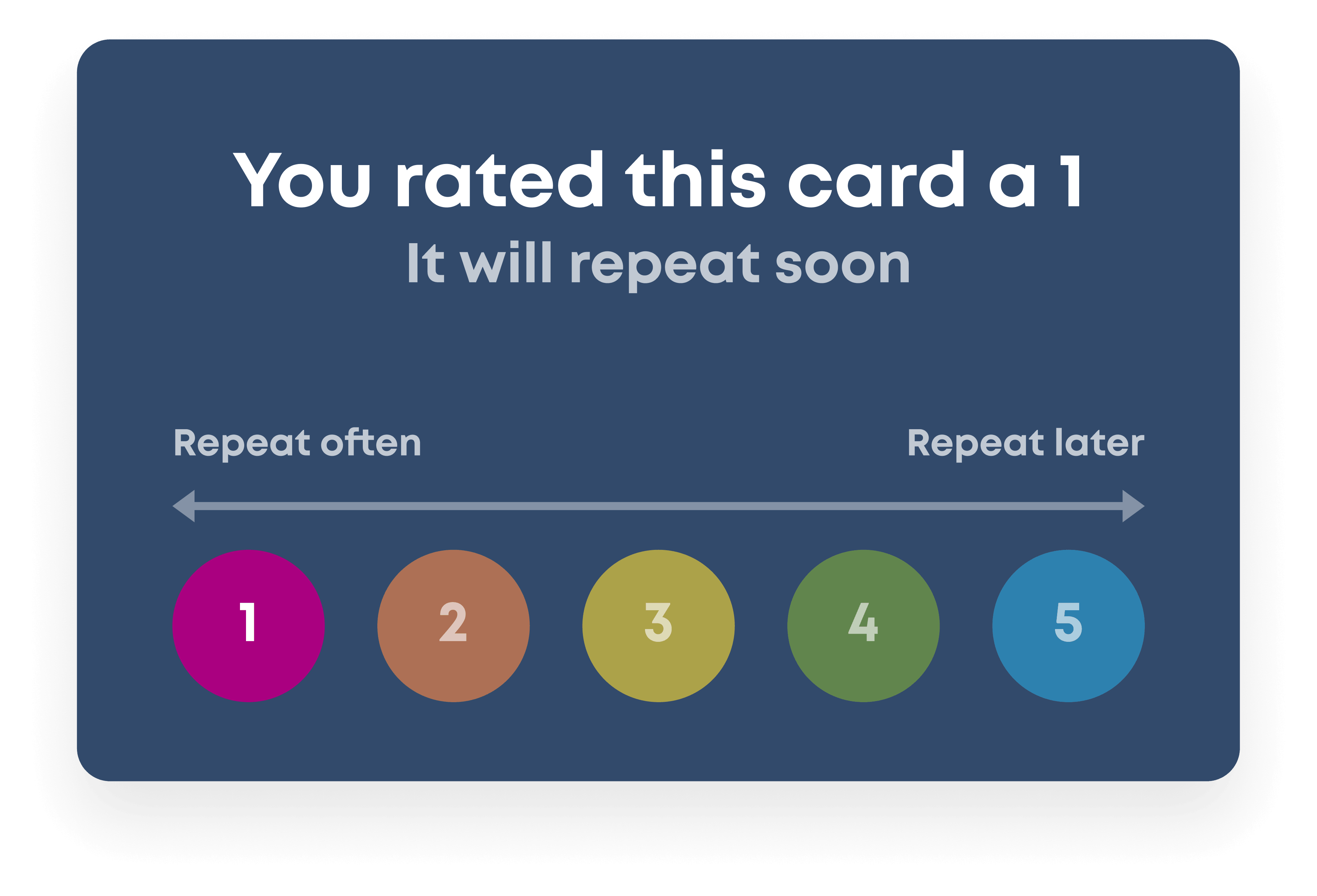
By prompting you to retrieve the answer from memory (rather than recognizing it in a list of possible answers), flashcards employ a learning tactic that's proven to deepen retention: active recall. Then, based on how confidently you rate each card, the app automatically schedules it to reappear at the optimal moment, just before you're about to forget it: this is spaced repetition.

So, if you're ready to crush the CSET science test and step into your classroom fully credentialed, start studying today with Brainscape’s adaptive, digital flashcards!

Frequently Asked Questions

What Is the Passing Score for the CSET Science Exam?

The passing score for each CSET Science exam, including the CSET Life Science subtest, is 220 out of a possible 300 points. This scaled score reflects your overall performance on multiple-choice and constructed-response sections combined.

Your raw score (number of questions you answered correctly) is converted to a scaled score that takes into account test difficulty and scoring patterns. So while the number of questions you need to get right can vary slightly, aiming for at least 70% correct on each part is a good general benchmark. You’ll typically receive your official scores within 5 to 7 weeks.

Which CSET Subtest Is Easiest to Pass?

There’s no official ranking, but among the science exams, surveyed test-takers generally find the CSET Earth and Space Sciences subtest less difficult than the Life Sciences or Chemistry subtest. However, “easy” is relative. It depends on your background and strengths.

The CSET Life Sciences exam is considered manageable if you’ve recently completed a biology degree or have a strong foundation in topics like genetics, ecology, and cell biology. On the other hand, candidates without a recent science background might find Earth and Space Sciences more approachable, as it often requires more conceptual understanding and less technical detail.

How Many People Pass the CSET on the First Try?

Pass rates for CSET exams vary by subject and year, but first-time pass rates for individual science subtests tend to hover around 60% to 70%.

This is because the test covers a wide breadth of complex material, and candidates are often juggling full-time responsibilities. Success usually depends less on raw intelligence and more on having a focused study plan that fits your schedule and helps you truly retain the material over time. Tools like Brainscape’s adaptive flashcards use proven methods like spaced repetition and active recall to help you remember more in less time, making it easier to build lasting knowledge even during a busy week.

How Do You Use A CSET Life Sciences Practice Test?

When you’re ready to test your knowledge, you can take a CSET Life Sciences practice test to see where you stand. We recommend mixing in at least one full-length practice test per week as you approach your exam date. Pair that with daily flashcard review, and you’ll be in top shape for test day. Digital flashcard apps like Brainscape complement your practice tests by making sure that you can quickly revisit the terms and concepts you missed. Use the practice test not just to assess, but to refine your study plan.

What Are The Toughest Topics In CSET Life Sciences?

Different learners will find different topics tough, so there is no single hardest topic in CSET Life Sciences. The exam covers the full spectrum of biology. That includes molecular and cellular biology, genetics and evolution, structure and function of organisms, ecology, and physiology.

Brainscape's flashcards are organized to mirror these categories, helping you build a mental scaffolding that strengthens with every session. This is the scientifically optimized method to learn a heap of information, so you can pass the test with confidence and retain the knowledge in your future career as a teacher.

What Are The Least Expensive Study Tools For CSET?

The least expensive study tools for the CSET Life Sciences exam include practice tests and digital flashcard apps. You can find free practice tests on the California Education Credentialing Examinations webpage or on sites like Teachers Test Prep and 240 Tutoring. Additionally, digital flashcard platforms like Brainscape offer a low-cost, efficient method to review all the content tested on the exam.

Additional Resources For Students Preparing To Take The CSET Life Sciences Test

Decks in this class (25)

Biomolecules and Their Structures
Identify the structure and function of major biological macromolecules (carbohydrates, lipids, proteins, nucleic acids) and describe how water supports life processes.
101  cards
Biochemical Reactions and Metabolism
Review how energy is transferred in biological systems through anabolic and catabolic reactions and understand the role of thermodynamics in metabolism.
39  cards
Enzymes and Biological Catalysis
Learn how enzymes speed up chemical reactions, recognize enzyme structure and specificity, and identify factors that affect enzyme activity.
68  cards
Energy Pathways in Living Organism
Understand how organisms produce and use energy through ATP, photosynthesis, cellular respiration (aerobic/anaerobic), and chemosynthesis.
100  cards
Structure and Function of Cells
Learn the characteristics of living things and identify structures in prokaryotic and eukaryotic cells, explaining how each part contributes to cell function.
160  cards
Cellular Transport and Internal Balance
Understand how cells maintain internal balance through key transport processes such as diffusion, osmosis, active transport, endocytosis, and exocytosis.
102  cards
Hierarchical Organization and Characteristics of Life Across Kingdoms
Compare traits of organisms across kingdoms and describe key plant and animal organ systems, including feedback and immune responses.
83  cards
Biological Organization and Differentiation
Recognize levels of biological organization from cells to systems and understand how cells specialize to perform specific functions.
52  cards
Animal Structure and Evolutionary Adaptations
Review key animal traits, body structures, and how animals evolved from simple to complex forms with specialized systems.
50  cards
Human Body Systems and Their Functions
Identify the major human organ systems and describe the function of each in maintaining life and supporting bodily processes.
186  cards
Regulation and Homeostasis in Organisms
Understand how organisms regulate internal conditions using feedback mechanisms, hormones, and behaviors to maintain homeostasis.
60  cards
Growth and Development of Organisms
Learn how feedback mechanisms, hormones, and behaviors maintain internal balance (homeostasis) in animals and humans.
97  cards
Plant Systems: Growth, Reproduction, and Classification
Explore how plants grow, reproduce, and are classified based on their structures, lifecycles, and reproductive methods.
122  cards
Plant Systems: Transport, Storage, Response, and Survival
Understand how plants move water and nutrients, store resources, respond to external stimuli, and develop survival mechanisms.
107  cards
Interdependent Relationships in Ecosystems
Identify biotic interactions like competition and mutualism, and evaluate factors influencing carrying capacity.
173  cards
Cycles of Matter and Energy Transfer in Ecosystems
Describe trophic levels, biogeochemical cycles, and the impact of element distribution changes on ecosystems.
125  cards
Ecosystem Dynamics, Functioning, and Resilience
Explore biodiversity, ecosystem responses to natural or human changes, and solutions for mitigating biodiversity loss.
124  cards
Inheritance of Traits
Understand DNA structure, gene expression, Mendelian genetics, and predict phenotypic outcomes based on inheritance patterns.
135  cards
DNA and Protein Synthesis
Understand how DNA replicates and how genetic information is transferred through transcription and translation to produce proteins.
97  cards
Tools and Techniques in Biotechnology
Review key biotechnology tools such as gel electrophoresis, PCR, and gene therapy used to analyze and manipulate DNA.
104  cards
Sources of Genetic Variation
Identify how genetic variation arises from mutation, recombination, and sexual reproduction, and understand its role in evolution.
36  cards
Genetic Mutations and Their Effects
Learn how genetic mutations occur, how they affect proteins and traits, and their role in health, disease, and genetic variation.
75  cards
Evidence of Common Ancestry and Diversity
Analyze how evidence like cladograms and fossil records illustrate common ancestry and diversity.
85  cards
Natural Selection & Adaptation
Examine genetic variation, Hardy-Weinberg equilibrium, and mechanisms like speciation and genetic drift in relation to species adaptation, survival, and extinction.
72  cards
Bioethics and Genetic Engineering
Examine ethical issues in cloning, gene therapy, and the Human Genome Project and understand biotechnology’s applications in agriculture and medicine.
68  cards

Pass CSET Life Sciences.

Our CSET flashcards are a powerful complement to your studies. Try our study materials for FREE and see for yourself or upgrade to Pro for full access.
Happy customer leaving a positive review

The smartest study system.

Brainscape's adaptive, web & mobile flashcards system will drill you on your weaknesses, using a pattern guaranteed to help you learn more in less time.

Easy to add your own flashcards.

Easily collaborate with friends and sync your flashcards to the Brainscape mobile app.

Free to start or $8/mo for full access.

Looking for something else?