FTCE Biology 6-12 Flashcards

All the top concepts in the official FTCE Biology exam curriculum.
A laptop and mobile displaying FTCE Biology 6-12 Flashcards
Class Icon

The fastest way to study FTCE Biology.

Watch intro video

Brainscape's FTCE Biology 6-12 flashcards give you complete coverage of the exam content, so you can prepare with confidence. Designed in collaboration with subject matter experts, this collection distills the full curriculum into a streamlined, focused study tool, which empowers you learn twice as fast.

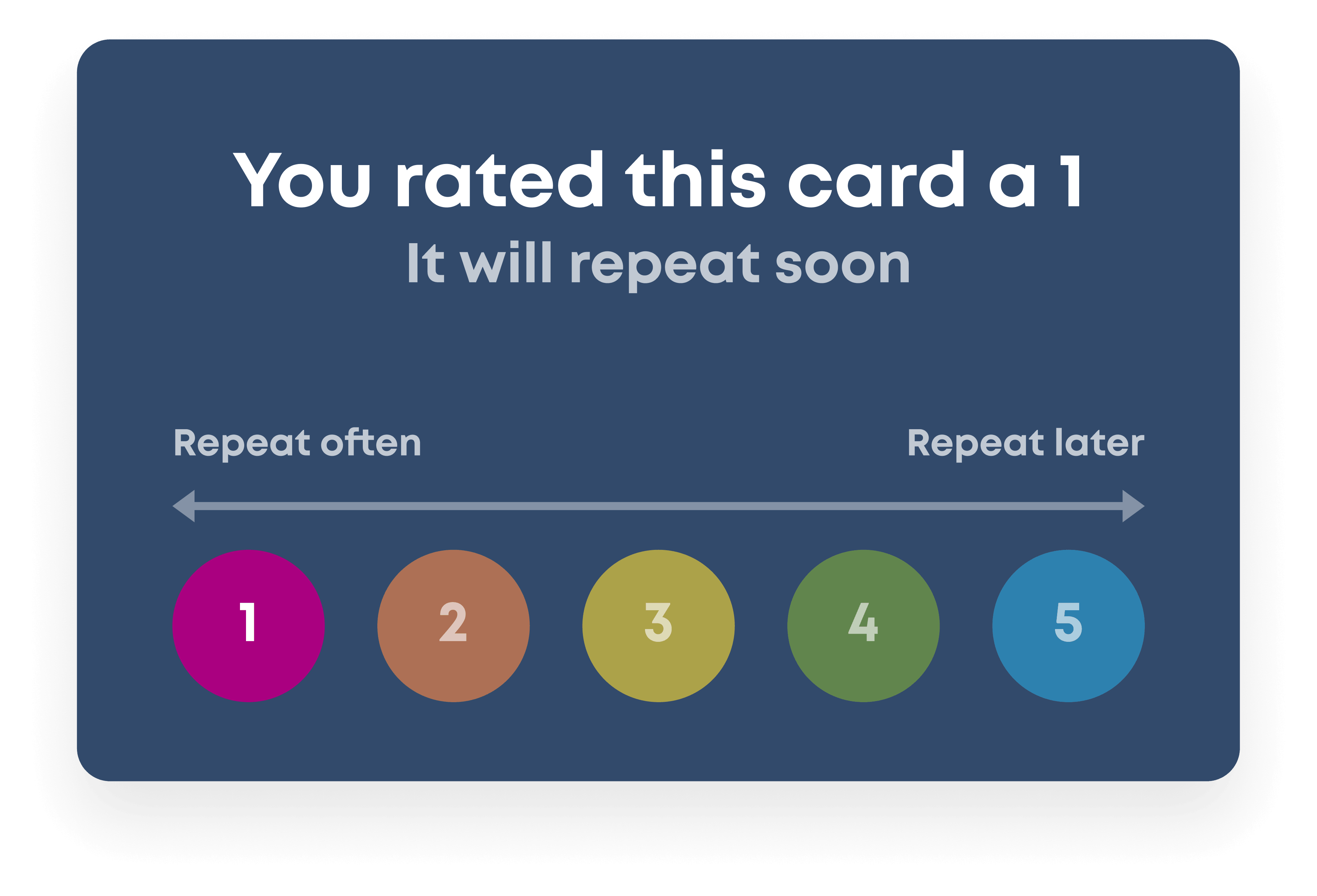
Our adaptive flashcard app uses cognitive science backed methods to help you master high-volume content fast. With active recall and spaced repetition baked into every review session, Brainscape is the ultimate study weapon to help you lock in concepts, track your progress, and walk into the FTCE testing site with confidence.

What You Get With Brainscape’s FTCE Biology 6-12 Flashcards:

  • Hundreds of flashcards that cover the highest-yield concepts in the official FTCE Biology test plan, with all the fluff left out.
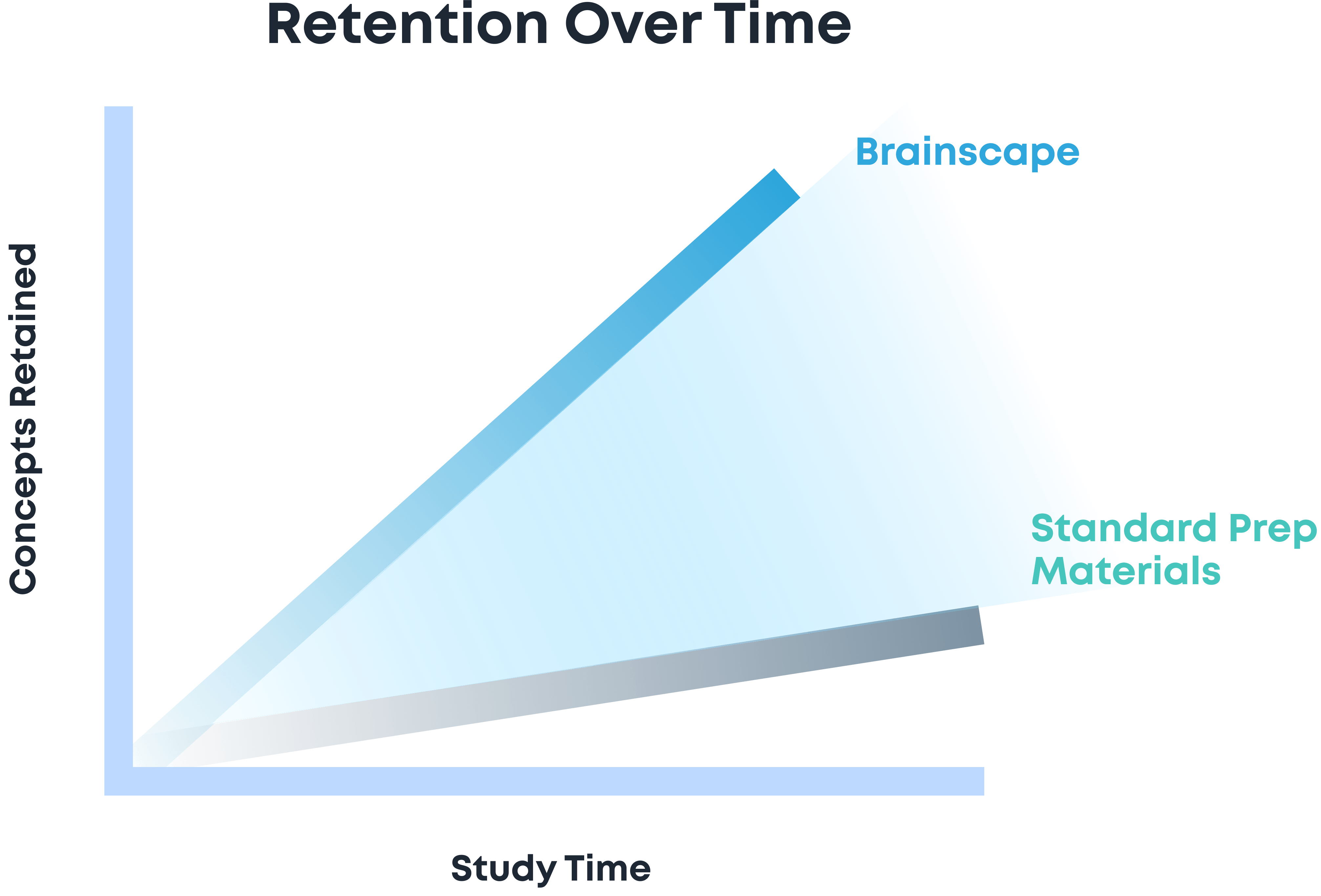
  • A fast, effective spaced repetition study system that will help you learn everything you need to know TWICE as fast, and remember it for longer.
  • Ongoing feedback, statistics, and visualization tools to help you track your progress, which motivates you to study even more (to keep your streak alive!)
  • A carefully tailored and scaffolded curriculum that will guide you from the fundamentals through increasingly more complex concepts, allowing you to build a rock-solid understanding.
  • Ultimate freedom, accessibility, and convenience with in-sync studying across Brainscape’s website and all your iOS and Android devices.

Study Smarter for the FTCE Biology 6-12 Exam

The FTCE Biology 6-12 exam tests not just what you remember but how well you can apply scientific knowledge to real-world teaching scenarios. Its questions require you to confidently know an enormous volume of content, so that you can apply it to pedagogical areas like experimental design, environmental science, and cell function.

Brainscape's FTCE Biology flashcards target exactly the content covered on the test, including complex topics like structural and functional diversity, biochemistry, genetics, and ecology. You'll find yourself drilling high-priority concepts in the way your brain actually learns best: by recalling the correct answer from memory instead of passively rereading material.

As a teacher candidate, you’ll already be familiar with the concepts of active recall and spaced repetition. Brainscape compels you to recall answers from scratch, while its adaptive algorithm shows you flashcards at the optimal timing to defeat the forgetting curve, making sure that you’re always studying within your ZPD.

We built this collection specifically for FTCE Biology 6-12 candidates based on Florida’s state standards and exam specifications. You won’t waste time studying irrelevant content or decoding vague prep books. You’ll just study the essential content, and all of it.

Track Your Progress With FTCE Biology 6-12 Practice Tests and Smart Review

You don’t have to wait for test day to find out whether you’re ready. Pairing Brainscape with a practice test strategy is one of the most effective ways to build your confidence and improve performance.

Practice tests help you get used to the pacing and structure of the real FTCE Biology exam. The test contains 80 multiple-choice questions covering content like scientific inquiry, molecular biology, heredity and evolution, classification, and cell structure and function. You’ll need a minimum scaled score of 200 to pass.

Use a practice test at the start of your prep to establish a baseline, then return to it every week or two to check your progress. Brainscape’s FTCE Biology flashcard collection is organized into key topic areas. Every time you miss a question, go back to the flashcards that target that specific weakness. Brainscape helps you personalize your study path so that you’re always spending time on the topics that matter most.

Frequently Asked Questions

What Is The Easiest FTCE Test?

There’s no universal “easiest” FTCE test, as the difficulty depends on your background knowledge and subject area strengths, but many test-takers report that the FTCE General Knowledge or Elementary Education exams are less content-heavy than science or math-focused ones.

The FTCE Biology 6-12 exam, in contrast, requires an in-depth understanding of biological concepts, scientific inquiry, and classroom application. If biology wasn’t your undergraduate focus, or it’s been a hot minute since your last science class, this test may pose more of a challenge. However, with a strong study plan and early review of core ideas, like molecular biology, classification systems, and ecosystems, success on the first attempt is achievable.

How Should I Prepare for the FTCE Exam?

The most effective way to prepare for the FTCE exam is to combine targeted content review with practice tests, using resources that match the structure and standards of your specific test.

Start by reviewing the official FTCE Biology 6-12 test blueprint from Florida’s Department of Education. Identify the key content domains, like cell biology, evolution, ecology, and lab safety.

Then choose a study tool that helps you internalize this information. That’s where active recall comes in: it’s a learning method where you quiz yourself on the material and try to pull the answer from memory, rather than passively rereading it. Digital flashcard apps like Brainscape provide an efficient, powerful tool to utilize active recall.

Additional Resources For FTCE Biology 6-12 Student Teachers:

Decks in this class (25)

Scientific Knowledge & Theories
Understand how observation, inquiry, and experimentation lead to new knowledge and changes within the scientific community. Differentiate between a scientific theory and scientific law.
30  cards
Experimental Design & Scientific Method
Describe how the scientific method guides experimentation. Differentiate between qualitative and quantitative data, and understand scientific notation and hypothesis testing.
98  cards
Laboratory Tools, Safety & Measurement
Describe how to safely use and dispose of chemicals, lab equipment, and biological specimens.
72  cards
Science, Technology & Society
Understand how science addresses global warming, pollution, sustainable practices, and wildlife conservation.
162  cards
Ethics in Scientific Research
Understand advancements in medicine, public health, and agriculture. Define biotechnology and its ethical implications.
58  cards
Cellular Biochemistry & Metabolic Pathways
Review how energy is transferred in biological systems through anabolic and catabolic reactions and understand the role of thermodynamics in metabolism.
39  cards
Enzyme Function & Biological Catalysis
Learn how enzymes speed up chemical reactions, recognize enzyme structure and specificity, and identify factors that affect enzyme activity.
68  cards
Cellular Respiration & Energy Pathways
Understand how organisms produce and use energy through ATP, photosynthesis, cellular respiration (aerobic/anaerobic), and chemosynthesis.
100  cards
Biomolecular Structure & Function
Identify the structure and function of major biological macromolecules (carbohydrates, lipids, proteins, nucleic acids) and describe how water supports life processes.
101  cards
Cell Structure & Function
Learn the characteristics of living things and identify structures in prokaryotic and eukaryotic cells, explaining how each part contributes to cell function.
160  cards
Cellular Transport & Homeostasis
Understand how cells maintain internal balance through key transport processes such as diffusion, osmosis, active transport, endocytosis, and exocytosis.
102  cards
Mendelian & Non-Mendelian Inheritance
Understand DNA structure, gene expression, Mendelian genetics, and predict phenotypic outcomes based on inheritance patterns.
135  cards
DNA, RNA & Protein Synthesis
Understand how DNA replicates and how genetic information is transferred through transcription and translation to produce proteins.
97  cards
Genetic Variation & Population Diversity
Learn how genetic mutations occur, how they affect proteins and traits, and their role in health, disease, and genetic variation.
75  cards
DNA & RNA Structure and Expression
Identify how genetic variation arises from mutation, recombination, and sexual reproduction, and understand its role in evolution.
36  cards
Homeostasis & Regulation in Organisms
Understand how organisms regulate internal conditions using feedback mechanisms, hormones, and behaviors to maintain homeostasis.
60  cards
Plant Growth & Transport Systems
Explore how plants grow, reproduce, and are classified based on their structures, lifecycles, and reproductive methods.
122  cards
Plant Responses & Storage Mechanisms
Understand how plants move water and nutrients, store resources, respond to external stimuli, and develop survival mechanisms.
107  cards
Animal Structure and Evolutionary Adaptations
Review key animal traits, body structures, and how animals evolved from simple to complex forms with specialized systems.
50  cards
Human Body Systems & Functions
Identify the major human organ systems and describe the function of each in maintaining life and supporting bodily processes.
186  cards
Ecosystem Interactions & Energy Flow
Identify biotic interactions like competition and mutualism, and evaluate factors influencing carrying capacity. Understand Florida’s diverse ecosystems.
183  cards
Biogeochemical Cycles
Describe trophic levels, biogeochemical cycles, and the impact of element distribution changes on ecosystems.
125  cards
Ecosystem Dynamics & Resilience
Explore biodiversity, ecosystem responses to natural or human changes, and solutions for mitigating biodiversity loss.
148  cards
Evidence of Common Ancestry and Diversity
Analyze how evidence like cladograms and fossil records illustrate common ancestry and diversity.
105  cards
Natural Selection & Adaptation
Examine genetic variation, Hardy-Weinberg equilibrium, and mechanisms like speciation and genetic drift in relation to species adaptation, survival, and extinction.
72  cards

Boost FTCE Biology scores.

Our smart flashcards are a powerful complement to your studies. Try it for FREE and see for yourself or upgrade to Pro for full access. Not satisfied? We'll give you your money back.
Happy customer leaving a positive review

The smartest study system.

Brainscape's adaptive, web & mobile flashcards system will drill you on your weaknesses, using a pattern guaranteed to help you learn more in less time.

Easy to add your own flashcards.

Easily collaborate with friends and sync your flashcards to the Brainscape mobile app.

Free to start or $8/mo for full access.

Looking for something else?