Planning your first trip to Germany? Or embarking upon your German language learning journey from scratch? Brainscape’s German A1 flashcards are your passport to understanding and using the most practical everyday German words and phrases with confidence and flair.
Created for absolute beginners, these adaptive web and mobile flashcards guide you step-by-step through core grammar, pronunciation, and essential vocabulary so you can hold simple conversations, read signs, and enjoy those café chats and train rides. They’re perfect for anyone who wants to explore Germany or Austria, order confidently at restaurants, and connect more easily with locals.
Brainscape’s German AI flashcards make learning efficient, enjoyable, and surprisingly addictive through science-backed techniques designed for real progress.
What You Get with Brainscape’s German A1 Flashcards:
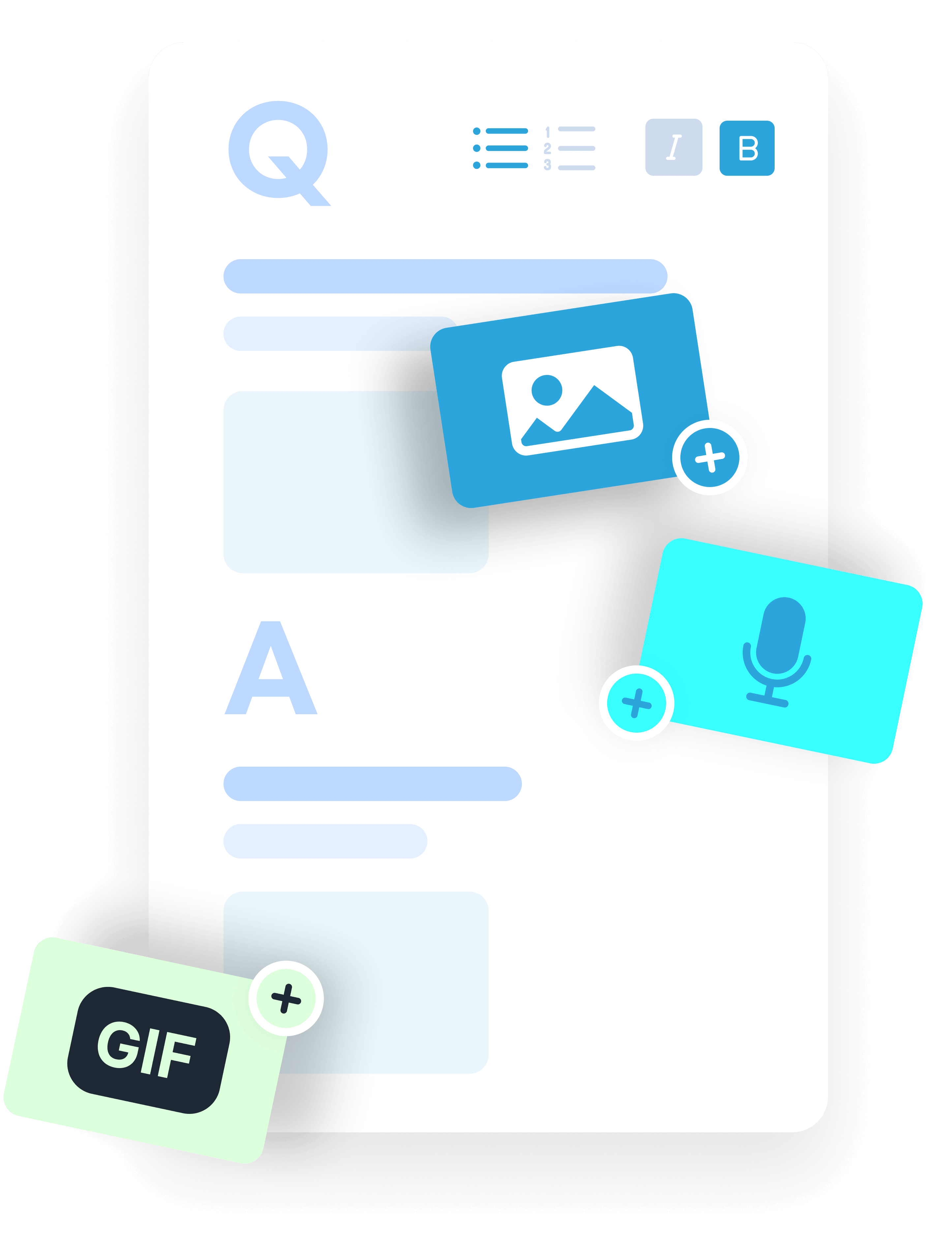
- Hundreds of expert-vetted web and mobile flashcards that teach the essentials of German vocabulary and grammar, with clear explanations of verbs, articles, nouns, adjectives, and sentence structure. You’ll learn practical topics like greetings, numbers, food, transport, and more while actually understanding how the language works in real conversations.
- Peace of mind as we’ve covered common errors, cultural norms, price negotiations, and emergencies.
- Audio recordings of every expression along with a pronunciation guide for beginners so that you can sound like a local from day one.
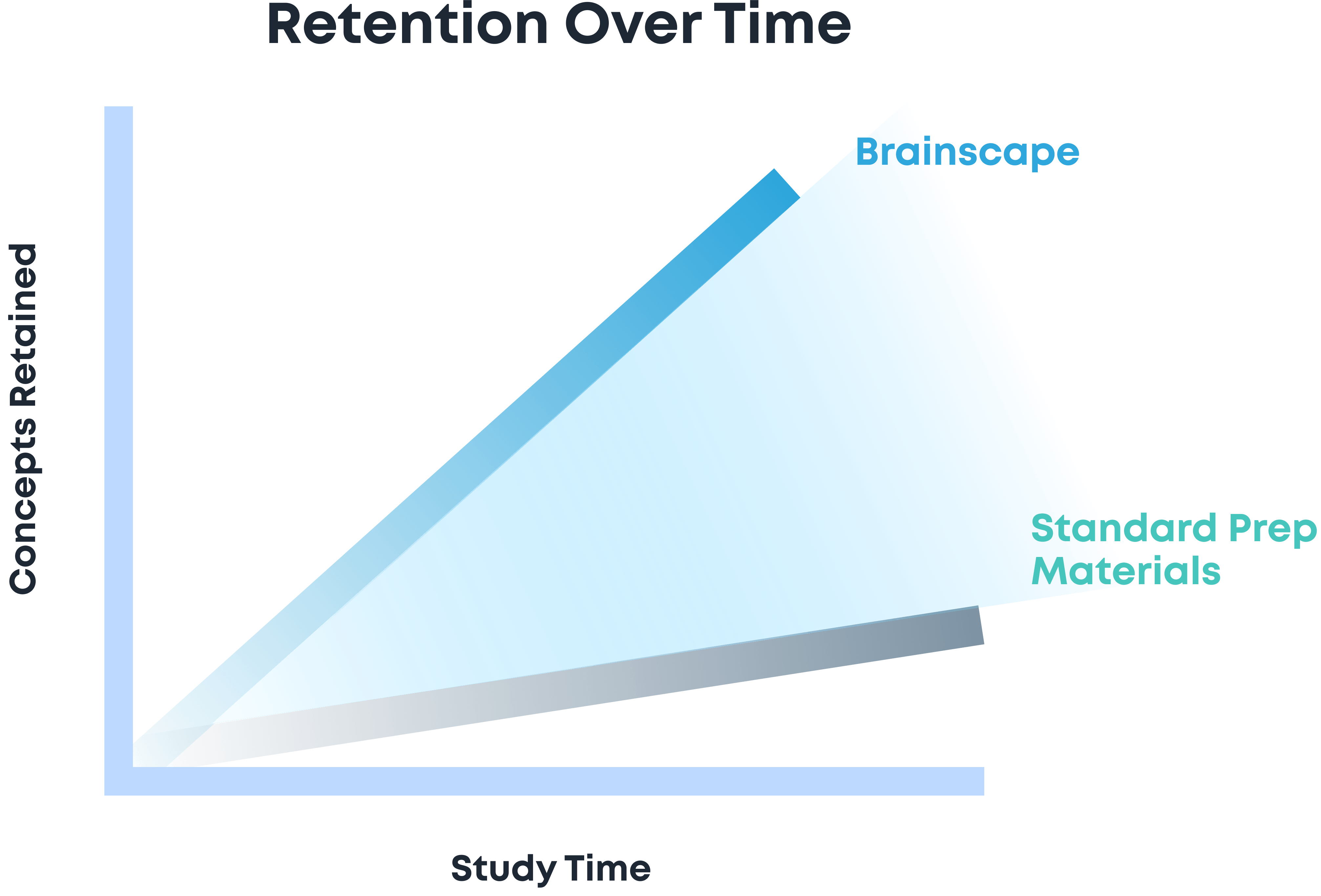
- A fast, effective spaced repetition study system that will help you learn TWICE as efficiently and remember for longer.
- Ongoing feedback, statistics, and visualization tools to help you track your progress, which motivates you to study even more (to keep your streak alive!)
- A carefully tailored curriculum that builds on previous concepts.
- Ultimate freedom, accessibility, and convenience with in-sync studying across Brainscape’s website and all your iOS and Android devices.
What Is German A1 And What Will You Learn At This Level?
German A1 is your first step into die deutsche Sprache, the beginner level where you start turning sounds and words into real communication. On the official CEFR scale, A1 represents the foundation: understanding and using everyday expressions and simple phrases for basic needs and friendly exchanges.
At this stage, you learn how to use German in real life. You’ll practice introducing yourself, asking simple questions, and navigating daily situations like ordering a meal, buying train tickets, or greeting a host family. Many learners study at this level to prepare for travel, relocation, or before the start of formal German courses. Every word you master here can become the base for your next milestone, A2, where conversations begin to flow more naturally.
You’ll explore essential German A1 grammar such as noun genders, definite and indefinite articles, verb conjugation in the present tense, and basic sentence structure. You’ll also build key vocabulary themes like greetings, numbers, family, food, time, and travel.
By the end of A1, you’ll have the confidence to handle real interactions in German, from saying Guten Morgen with perfect pronunciation to ordering Brötchen (bread rolls) at a café. This is where your German learning journey begins!
What Are The Best Ways To Study For The German A1 Level?
Start simple and stay consistent. As little as ten to fifteen minutes of focused study each day can lead to steady progress, although doing more (30-60 minutes a day) will naturally hasten your journey to proficiency! Brainscape’s German A1 flashcards use cognitive science techniques that take the guesswork and struggle out of studying by helping your brain remember vocabulary and grammar more efficiently.
To make your study sessions stronger, combine flashcards with listening, speaking, and writing practice. Repeat words aloud, practice speaking German conversationally with a native speaker, write short sentences, read simple books, and listen to beginner podcasts to get used to the rhythm of German.
You can also bring some immersion into your day. Label household items in German, listen to Deutsche Pop on your morning walk, or practice ordering your favorite coffee in German at home. Each small moment of exposure makes the language feel more natural.
The key is daily effort and achievable goals. Keep your sessions short, stay curious, and celebrate every small win. With a consistent routine and Brainscape’s science-backed flashcards, you’ll notice real improvement, faster than you expect.
Why Are Flashcards The Perfect Tool For German A1 Learners?
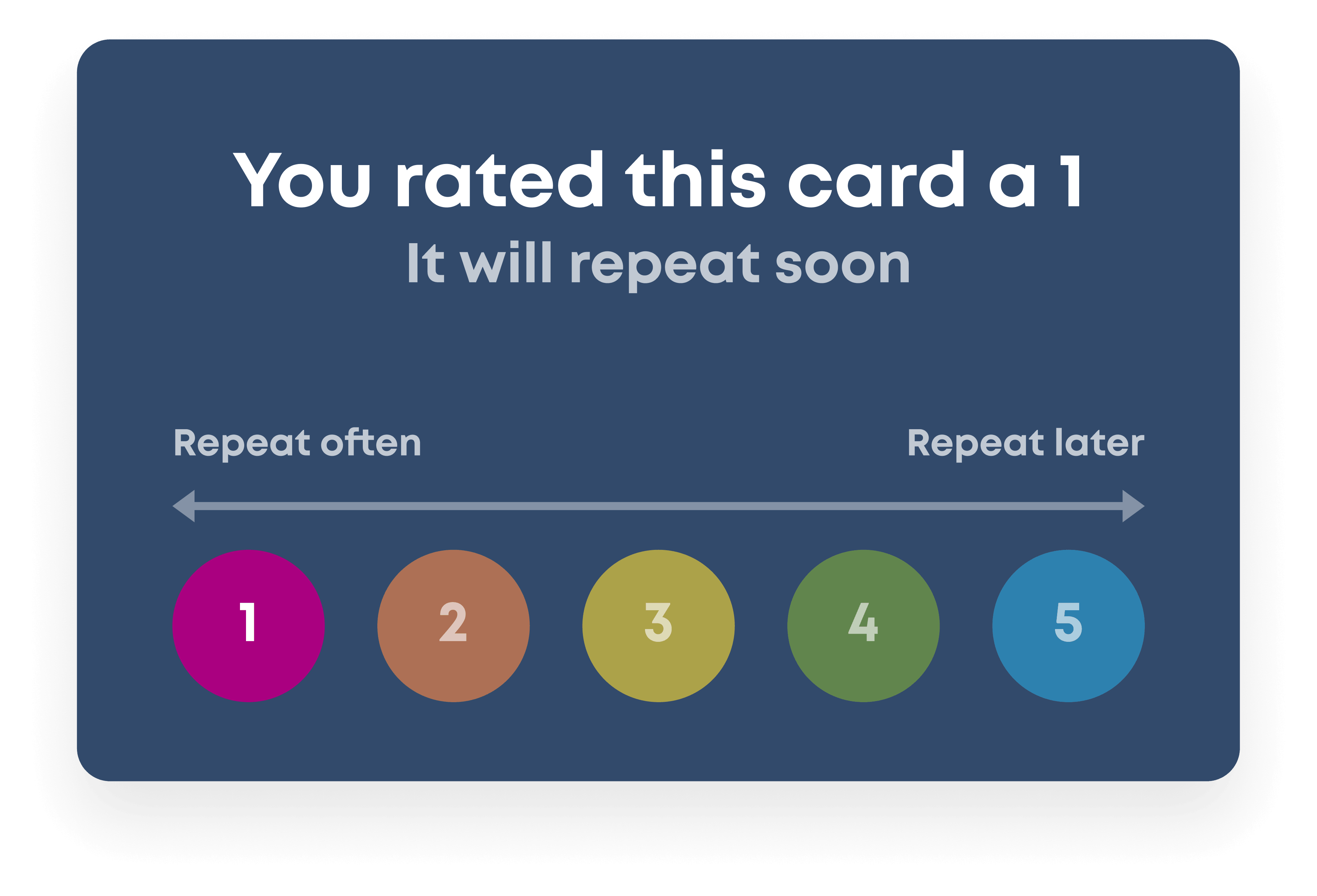
Flashcards are one of the easiest and most enjoyable ways to learn German A1 vocabulary, grammar, basic phrases, and pronunciation. Brainscape’s flashcards help you remember new words and phrases for the long term using spaced repetition, a simple method that reminds you of tricky words right before you forget them. This makes learning efficient and helps you see steady progress.
Compared with traditional paper cards, Brainscape’s digital flashcards are far more portable, flexible, and personal. You can study anywhere, from your couch to a café in Munich, and the app automatically adjusts to what you’ve already mastered and what still needs practice.
Each card in the German A1 flashcard set is made for beginners, with clear translations, example sentences, and pronunciation support. You’ll strengthen your understanding of grammar patterns, verbs, and everyday vocabulary such as greetings, food, and travel phrases, all in short, focused sessions that fit into your routine.
Brainscape makes learning feel natural and rewarding. Open the app for a few minutes each day, and soon you’ll find yourself understanding and speaking simple German with real confidence.
How Long Does It Take To Learn German At The A1 Level?
Most learners can reach the German A1 level in about 60 to 100 hours of study, depending on their starting exposure and how regularly they practice. Daily review through listening, speaking, and vocabulary study helps build confidence and speed up progress.
What Should I Study After Completing The German A1 Level?
After A1, the next step is the German A2 level. This stage expands your vocabulary, introduces new tenses and sentence structures, and helps you start following longer conversations and short texts with ease.
Is German A1 Difficult For Beginners?
The A1 level is made for absolute beginners, so it’s a friendly place to start. While grammar and pronunciation can seem tricky at first, using Brainscape’s flashcards (which include audio), consistent repetition, and short daily study sessions helps everything fall into place.
What Can I Do With A German A1 Level?
At A1, you can manage simple everyday interactions in German, such as greeting people, introducing yourself, ordering food, or asking for directions. It’s the perfect level for travelers, newcomers, or anyone who wants to feel more at home in a German-speaking environment.
Learn German A1 With Confidence
Learning German A1 opens the door to real connections, new adventures, and a deeper understanding of the world around you. With Brainscape’s adaptive flashcards, you’ll master essential words, grammar, and pronunciation in a way that fits your routine and keeps you motivated.
Each short session helps you remember more, faster, using the world’s smartest personalized study algorithm to make your progress stick. Start today, and soon you’ll be greeting locals, ordering your favorite Kaffee, and feeling right at home in the German language.
Additional Resources for German A1 Learners