Brainscape’s German verbs flashcards help you memorize verb conjugations and use them correctly in real sentences, so you can speak and understand German with confidence. Built for A1 to B1 learners, this flashcard collection focuses on the verb forms that actually show up in everyday conversation, exams, and written German.
Instead of grinding through charts or rereading grammar explanations, Brainscape trains your memory using real cognitive science principles. You review verb forms right before you are likely to forget them, which makes irregular patterns, separable verbs, and tricky tenses stick for the long term.
What You Get with Brainscape’s German Verbs Flashcards:
This German verbs flashcard collection covers the most commonly used verbs across key tenses, with clear English translations and practical examples to reinforce meaning and usage. Organized from foundational forms to more complex structures, it gives you a reliable verb foundation you can build on as you move toward fluency and exam readiness.
- Thousands of flashcards that cover the 277 most commonly-used verbs in German.
- Peace of mind as we’ve covered conjugations for the present, simple past, past perfect, present perfect, future, and subjunctive.
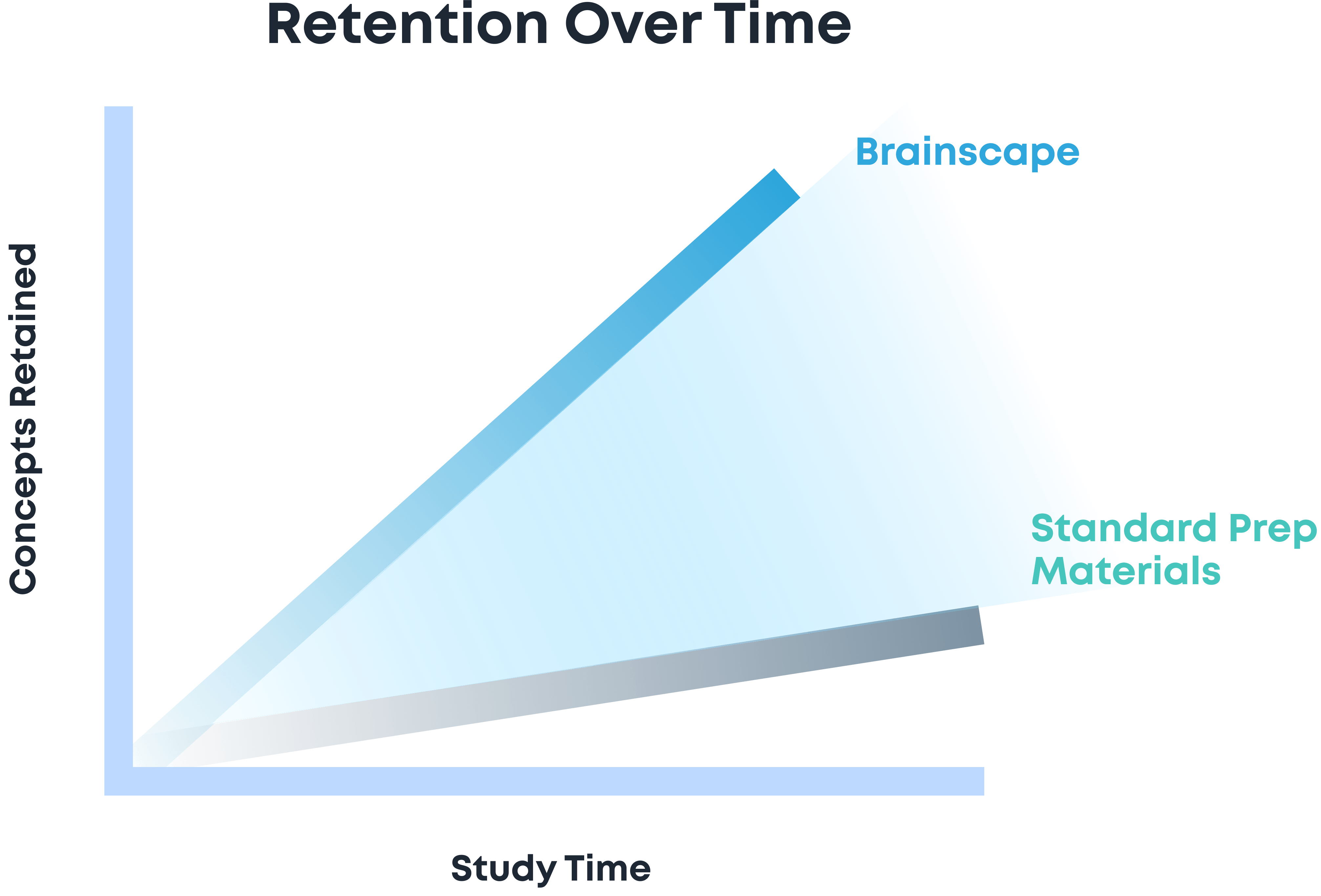
- A fast, effective spaced repetition study system that will help you learn everything you need to know TWICE as fast, and remember it for longer.
- English translations for each verb, ordered from most fundamental to most complex.
- Ongoing feedback, statistics, and visualization tools to help you track your progress, which motivates you to study even more (to keep your streak alive!)
- Ultimate freedom, accessibility, and convenience with in-sync studying across Brainscape’s website and all your iOS and Android devices.
Why Is It Important to Learn German Verb Conjugations?
Verbs sit at the center of every German sentence. They control word order, carry meaning, and tell your listener or reader what is happening, when it happens, and who is involved. Verbs change their position in the sentence based on whether they’re in main clauses or subordinate clauses. Until this pattern feels natural, even simple sentences can feel hard to produce.
To learn German verbs properly, you need to master verb conjugation across different persons, tenses, and moods, so that you can accurately express your intended meaning. A small change in an ending can shift a sentence from present to past, from a fact to a possibility, or from a statement to a polite request. You need to be top of all these details to express yourself in German.
German language learning also means getting comfortable with the verb types you hear every day. Strong and weak verbs form the backbone of conversation. Mixed verbs add variation. Modal verbs let you express ability, obligation, and intention. Separable verbs force you to think about structure while speaking.
The bottom line is that you need a strong foundation in German verbs to make any progress with this language. With Brainscape’s German verbs flashcards, you’ll make fast progress and see benefits within days.
Reading and writing become easier because you can identify tense and meaning quickly. Listening improves because verb placement no longer causes hesitation. And speaking feels more natural because you are no longer stopping mid-sentence to think through endings.
You need to know your verb conjugations by heart before you can do anything else in German. And that’s where Brainscape comes in.
How Brainscape’s German Verb Flashcards Reinforce Memory & Improve Recall
Brainscape’s German verb flashcards are built around proven learning strategies that make memorizing conjugations more efficient and far more reliable over time.
- Active recall: Every card prompts you to produce the correct verb form from memory before revealing the answer. This effort strengthens recall far more effectively than rereading verb tables, which only asks your brain to engage in passive recognition rather than active work. By practicing the process of active recall, Brainscape’s flashcards prepare you to retrieve verb forms more easily when speaking or writing.
- Spaced repetition: Brainscape automatically schedules reviews so you see verbs again just before you are likely to forget them. Difficult forms appear more often, while familiar ones fade into the background. This process is called spaced repetition, and it is the basis behind all human memory development. By prioritizing what to study next, Brainscape’s algorithm removes the guesswork and stress from your study schedule and maximizes the efficiency of your learning.
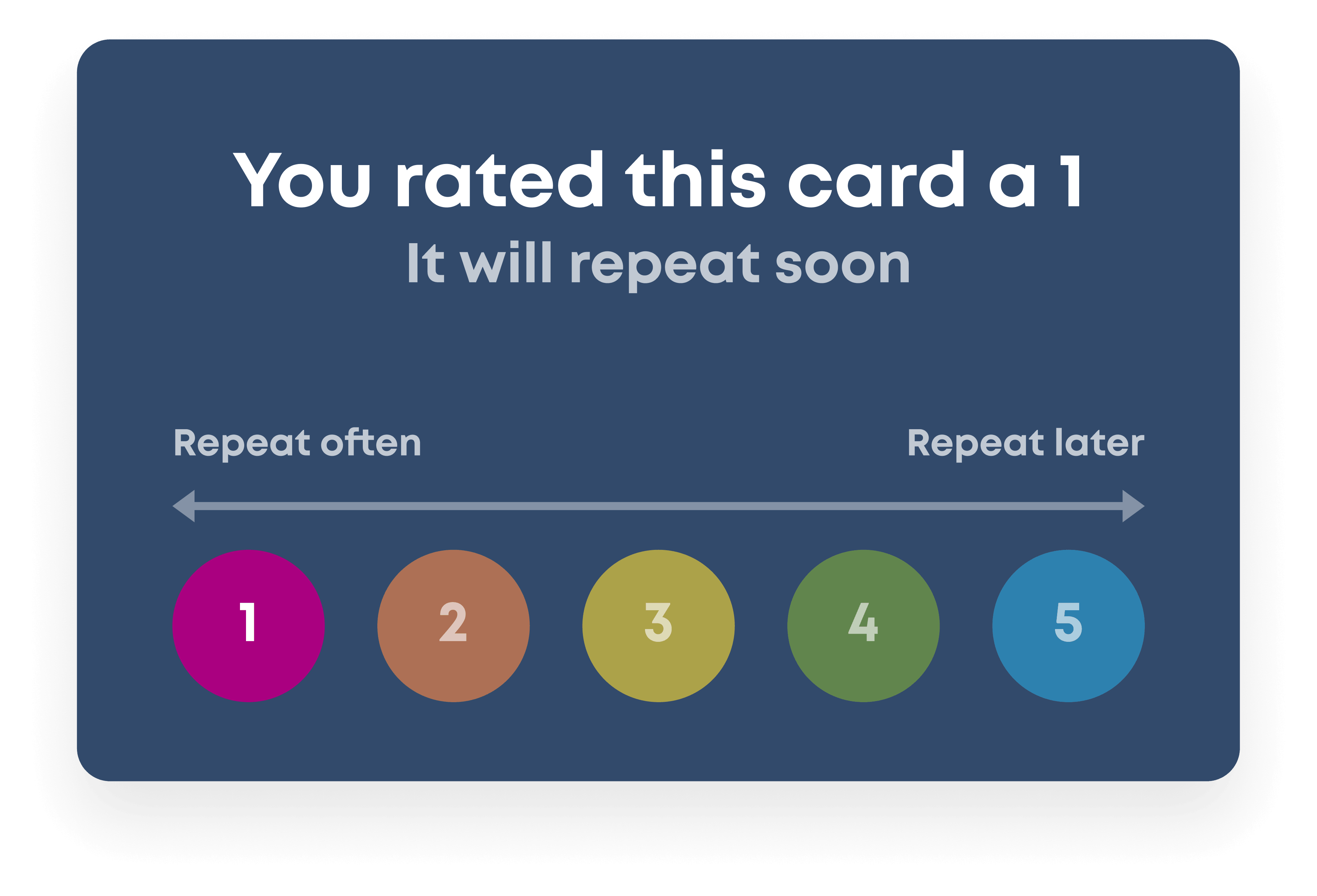
- Metacognition: By rating your confidence on each card, you train yourself to notice what you know well and what still needs work. Brainscape uses this feedback to guide your study sessions, so your time goes toward the verbs that matter most.
As you study with Brainscape’s flashcards, patterns will begin to click. Regular endings repeat, irregular verbs follow recognizable rules, and separable prefixes behave consistently. Brainscape’s flashcards offer a portable tool that fits easily into daily life, with full sync across web and mobile, so you can study German anytime, anywhere.
Proven Study Techniques For Mastering German Verb Conjugation
Start with high-frequency verbs. These are the verbs you will use constantly, and learning them first allows you to form useful sentences quickly. Verbs like sein, haben, gehen, and machen give you immediate range in everyday communication. Our flashcards are organized to help you learn the most common verbs first.
Grouping verbs by conjugation pattern also helps. Studying verbs that share endings or stem changes together makes them feel more connected. Over time, your brain begins to anticipate patterns instead of memorizing each verb from scratch.
Verbs stick better when they appear in sentences. Rather than studying forms alone, connect them to simple examples. This helps you understand how tense, word order, and meaning work together in real usage. The best way to study verbs is to pair flashcard review with writing and speaking simple sentences.
Daily micro study sessions are the best way to memorize German verbs. Short flashcard drills paired with brief listening or speaking practice support retention better than long, irregular study sessions. Consistency matters more than intensity.
How Long Does It Take To Learn German Verbs?
It depends on your starting fluency and on how much and how consistently you study, but many learners build a solid foundation within a few weeks. Focusing on common verbs and reviewing them daily with spaced repetition flashcards helps most people feel comfortable with basic conjugation patterns within 1 to 3 months.
What Are The Best Ways To Memorize German Verb Conjugations?
Studying with flashcards, grouping verbs by shared patterns, and practicing them in simple sentences are all powerful strategies for memorizing German verbs quickly. Quizzing yourself in both directions also improves recall. Short, regular study sessions tend to be more effective than occasional long ones.
How Many German Verbs Do Beginners Need To Know?
Most beginners start with around 50 to 100 common verbs, which are enough for many everyday situations. Verbs like sein, haben, gehen, and machen allow you to build useful sentences early. Once those feel familiar, adding more verbs becomes easier.
Are German Verbs Harder To Learn Than Verbs In Other Languages?
German verbs are comparable in complexity to other European languages, but more complex than English. German verbs can feel challenging at first because of conjugation rules and separable prefixes. With regular practice, you will start to notice patterns. Flashcards and sentence-based practice help make the system easier to handle over time.
Build A Strong German Verb Foundation
Mastering German verbs is a vital step toward clear, confident communication for any language learner. Brainscape’s German verbs flashcard collection turns conjugation practice into a simple, repeatable routine that helps verb forms and patterns stick. With expert-curated content and a structured review system, you spend less time second-guessing yourself and more time using German naturally. The result is steady progress and a verb foundation you can rely on for the rest of your life.
Additional Resources for German Language Learners