IBHRE® Exam Flashcards: International Board of Heart Rhythm Examiners

Covering the official IBHRE test plan & cardiac EP, rhythm device & remote monitoring reading lists.
A laptop and mobile displaying IBHRE Exam Prep flashcards
Class Icon

The most efficient way to study for the IBHRE.

Watch intro video

Brainscape’s IBHRE® CCDS flashcards are the most efficient study tool to ingrain and retain the enormous volume of key information needed to pass your IBHRE certification the first time around. IBHRE CCDS (Certified Cardiac Device Specialist) certification covers a vast and complex field of medical healthcare. Most aspiring physicians and allied health professionals who face the IBHRE certification exam in all its 5-hour glory feel totally overwhelmed by the avalanche of content they need to learn.

Created in partnership with a team of medical experts Brainscape’s adaptive web and mobile flashcards empower you to systematically learn and remember that information as fast and as painlessly as humanly possible, drawing from real-life examples and content across all device manufacturers.

What You Get with Brainscape’s IBHRE Flashcards:

  • Thousands of flashcards that cover the highest-yield concepts in the official IBHRE certification curriculum.
  • Peace of mind as we’ve partnered with a team of medical experts, led by NHS scientist Robert Jackson, to ensure these flashcards are complete, accurate, and aligned with IBHRE certification requirements, as well as the top IBHRE review providers.
  • A fast, effective spaced repetition study system that will help you learn everything you need to know TWICE as fast, and remember it for longer.
  • Ongoing feedback, statistics, and visualization tools to help you track your progress, which motivates you to study even more (to keep your streak alive!)
  • Ultimate freedom, accessibility, and convenience with in-sync studying across Brainscape’s website and all your iOS and Android devices.

About Our Author, NHS Scientist Robert Jackson

Brainscape’s IBHRE® flashcards were created in partnership with NHS scientist Robert Jackson. He’s a recipient of two cardiac master’s degrees, the IBHRE® CCDS, and a graduate of the NHS Scientist training program in cardiology. Robert developed these cards to be a comprehensive study resource for IBHRE® examinees.

What Is The IBRHE Exam?

The IBHRE exam, administered by the International Board of Heart Rhythm Examiners, is a globally recognized credential that validates advanced knowledge in cardiac rhythm management and electrophysiology. Earning IBHRE certification shows that you can apply complex device and EP concepts confidently in real clinical settings, beyond academic knowledge alone.

The IBHRE exam is designed for experienced professionals working in cardiac care, including EP lab nurses, cardiac physiologists, technologists, nurse practitioners, physician assistants, biomedical engineers, and industry specialists. Many candidates pursue IBHRE certification to meet hospital credentialing requirements, strengthen their clinical credibility, or move into senior, supervisory, or educator roles within cardiology and electrophysiology.

From an exam overview standpoint, the IBHRE exam is a computer-based, multiple-choice assessment that combines theory with practical application. Questions span cardiac anatomy and physiology, electrophysiology principles, pacing and defibrillation concepts, arrhythmia mechanisms, device programming, and troubleshooting. Scoring uses a scaled system rather than a simple percentage.

Within the broader certification ecosystem, IBHRE credentials are highly respected by hospitals, device manufacturers, and professional organizations worldwide. Holding IBHRE certification signals a strong commitment to clinical excellence, continued professional development, and patient safety, which is why it remains a valued standard across the heart rhythm management field.

What are the Key Topics Covered on the IBRHE Exam?

The IBHRE exam content covers a broad range of clinical and technical knowledge areas that reflect day-to-day heart rhythm care. Core IBHRE exam topics include cardiac anatomy and physiology, electrophysiology fundamentals, ECG interpretation, arrhythmia mechanisms, and the principles behind pacing, defibrillation, and cardiac resynchronization therapy. Candidates also need a strong grasp of device components, lead function, sensing and capture, and common programming parameters across pacemakers, ICDs, and CRT systems.

Many questions follow a troubleshooting approach that requires linking symptoms, device data, and electrophysiologic principles rather than recalling isolated facts. A key feature of the IBHRE exam is how closely the subject areas connect to one another. Cardiac anatomy supports electrophysiology; electrophysiology underpins arrhythmia recognition; arrhythmia mechanisms influence device selection and programming.

The exam assesses both conceptual understanding and practical decision-making, mirroring the judgments made in EP labs, clinics, and device follow-up settings. It’s vital to have the facts from each subject area deeply ingrained in your working memory, so that you can confidently recall, connect, and apply them under exam pressure.

What’s the Best Way to Study for the IBRHE Exam?

Preparing for the IBHRE exam takes planning, focus, and a realistic approach to time management. Most candidates balance full clinical schedules, so the goal is not to study for long marathons but steady, intentional progress. A strong IBHRE study plan starts with a clear schedule that fits your work life rather than working against it.

Begin by building a structured study schedule that spreads preparation across several months. Many candidates plan four to six months of IBHRE exam prep, with three to five short study sessions per week. Break the exam content into weekly themes, such as electrophysiology fundamentals one week and device programming the next. Set simple milestones for completing each topic. These checkpoints help to maintain your momentum and avoid the risk of last-minute stress.

To make your study time count, use learning tools that leverage cognitive science. Start with the information in your review course, then reinforce it with Brainscape’s IBHRE flashcards to shift it from short-term to long-term memory.

Once you’ve got a grasp on the facts, put them to the test with practice questions and mock exams to improve your pacing and confidence. It’s worth considering study groups or peer discussions so you can practice explaining complex topics to each other and reveal any gaps that solo studying may miss.

As you prepare, pay close attention to your knowledge weaknesses. If certain device algorithms or troubleshooting scenarios continue to slow you down, make them a regular focus. (Brainscape will automatically do this for you by drilling you on your weak concepts.)

Practice reading questions carefully, identifying what is being asked, and eliminating distractors before choosing an answer. Consistency matters more than intensity. Even short daily flashcard review sessions can lead to meaningful progress over time. With a clear plan and the right tools, your IBHRE exam prep should be straightforward and efficient.

Why Brainscape Flashcards are a Powerful Study Tool for IBRHE Exam Success

The IBHRE exam requires fast, reliable recall of dense technical information, often under time pressure. Brainscape’s IBHRE flashcards are built to help you develop that level of recall by leveraging learning principles that optimize the strengthening of new memories.

One of those principles is active recall. Instead of rereading notes or scanning manuals, each flashcard prompts you to retrieve the answer from memory before revealing it. That act of retrieval strengthens memory pathways, making pacing concepts, arrhythmia features, and device behaviors easier to access when questions demand quick, confident decisions.

Another core concept is spaced repetition. This means reviewing information at carefully timed intervals, just before it is likely to be forgotten. This learning strategy reinforces memory far more effectively than cramming. Brainscape manages this automatically by showing you difficult concepts more frequently, while saving you time on material you already know well. Over time, this leads to stronger retention and the best possible use of your study time.

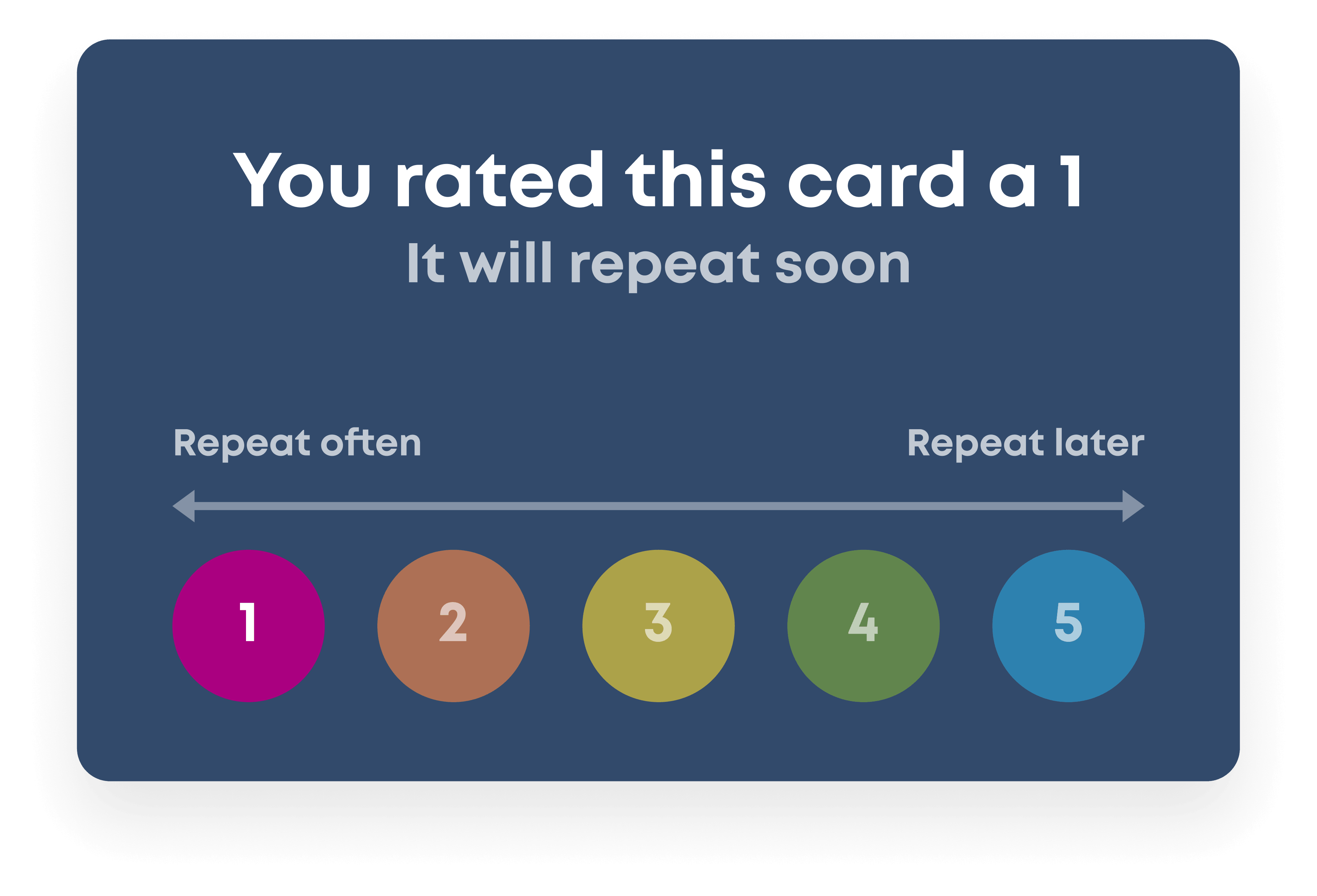
Studying with Brainscape’s flashcards also builds metacognition into every study session. After reviewing a card, you rate how well you know it. This habit helps you identify weak spots early, direct your effort more intentionally, and avoid mistaking familiarity for true understanding.

To make fast progress, study your IBHRE flashcards every day in short sessions of 15-30 minutes. Be honest when rating your confidence in each card, with 1s and 2s for concepts you’re particularly shaky on, and 5s for those you are confident you’ll never forget.

With our seamless study experience across web and mobile, you can study anytime, anywhere: between rounds, in a queue, or on your commute. With consistent use, Brainscape’s flashcard study method improves speed, pattern recognition, and accuracy, which are critical for strong performance on exam day.

How Long Is The IBHRE Exam?

The length varies based on the specific IBHRE certification exam. The Cardiac Device Remote Monitoring Specialist exam is 210 minutes long, while the Certified Electrophysiology Specialist exam runs for 240 minutes divided into four sections with breaks.

How Many Questions are on the IBHRE Exam?

The number of questions vary based on the specific IBHRE certification exam. The Cardiac Device Remote Monitoring Specialist exam has 150 questions, while the Certified Electrophysiology Specialist exam includes 200 questions divided into four sections with breaks.

What Score Do I Need to Pass the IBHRE Exam?

IBHRE uses a scaled scoring system rather than a fixed percentage of correct answers. You pass by meeting or exceeding the established cut score, which is set through a formal standard-setting process and can differ between exam administrations.

When & How Will I Receive my IBHRE Exam Results?

Exam results are released approximately 12 weeks after the exam period closes. Once scoring is complete, IBHRE sends an email with instructions for accessing your official score report.

Can I Retake the IBHRE Exam If I Don’t Pass & is There a Limit on Attempts?

Yes, you can retake the IBHRE exam if you do not pass. There is no limit on the number of attempts allowed

Prepare for the IBHRE Exam With Confidence

The IBHRE exam marks an important step for professionals working in cardiac rhythm management and electrophysiology. Brainscape’s IBHRE flashcards help organize a large and technical body of material into a steady, repeatable study routine that fits real clinical schedules. By reinforcing high-yield knowledge using proven learning science, these certified flashcards support stronger retention and faster recall. The result is more productive study time and greater confidence on exam day.

Additional Resources for IBHRE Learners

Decks in this class (24)

Fundamentals of electrophysiology
Arms the student with basic E.P. and electrical concepts. All pacemaker theory is built upon the understanding of these principles. Currently weighted 3% in the CCDS exam.
116  cards
Pulse generators
Covers aspects of generator construction from materials and components to battery chemistry and depletion characteristics. Currently weighted 3.5% in the CCDS exam.
75  cards
Follow-up: Programming
Provides exposure of various programming scenarios encountered during clinic follow up. Currently weighted 6% in the CCDS exam.
59  cards
Lead & electrode materials
Highlights lead manufacture technique and alludes to the pros/cons associated with different construction materials. Currently weighted 6% in the CCDS exam.
73  cards
Sensing
Provides an understanding of the concepts used by devices to appropriately detect intrinsic activity. Currently weighted 2.5% in the CCDS exam.
59  cards
Stimulation
Provides an understanding of the concepts used by devices to appropriately deliver pacing therapy. Currently weighted 3.5% in the CCDS exam.
46  cards
Timing cycles
Outlines the constituent cycles that provide appropriately timed pacing therapy for optimal haemodynamics. Currently weighted 6% in the CCDS exam.
130  cards
Algorithms
Provides an understanding of the software programming that allows appropriate therapy delivery in a number of different cardiac scenarios. Currently weighted 8% in the CCDS exam.
61  cards
Defibrillation concepts
Facilitates an understanding of how generator delivered defibrillation resolves tachyarrhythmia. Explores concepts from energy delivery to waveform generation. Currently weighted 1% in the CCDS exam.
67  cards
Implantable physiologic monitors
Provides an understanding of the clinical application of loop recorders. Currently weighted 1.5% in the CCDS exam.
19  cards
Pharmacology
Arms the student with an understanding of how drugs influence cardiac function and the respondent interaction with device therapy. Currently weighted 1% in the CCDS exam.
52  cards
Electrocardiography
Provides an understanding of ECG theory with respect to brady/tachy therapy. Currently weighted 4% in the CCDS exam.
49  cards
Clinical assessment
Provides an understanding of clinical presentation and diseases such as Chagas and Lyme plus their respondent effects on cardiac function. Currently weighted 4% in the CCDS exam.
18  cards
Indications
Highlights current AHA indications for Brady, Tachy and CRT therapy. Currently weighted 9% in the CCDS exam.
167  cards
Device & feature selection
Arms the student with the knowledge to interpret why certain devices / programming are applicable to their respective patient groups. Currently weighted 3% in the CCDS exam.
62  cards
Surgical technique & complication
Provides an overview of how generators / leads are implanted and the respondent complications that can arise. Currently weighted 9% in the CCDS exam.
80  cards
Paediatric & end of life consideration
Divulges ethical consideration surrounding EOL and practical concerns of implanting systems in the paediatric/growing patient. Currently weighted 1% in the CCDS exam.
50  cards
Safety
Covers aspects of patient and practitioner safety peri/post procedurally. Currently weighted 3% in the CCDS exam.
32  cards
Follow-up: Assessment & diagnostics
Facilitates the interpretation of generator diagnostics and the mechanisms behind them. Currently weighted 5% in the CCDS exam.
40  cards
Follow-up: Device assessment
Hones pattern recognition of IEGMs for various complications and arrhythmias commonly encountered in-clinic and discusses appropriate resolution. Currently weighted 10% in the CCDS exam.
170  cards
Follow-up: Pacing system complications
Describes generator complications encountered and respondent programming solutions. Currently weighted 4% in the CCDS exam.
32  cards
Follow-up: Remote monitoring
Provides an overview of remote monitoring systems and their position within patient centred care. Currently weighted 2% in the CCDS exam.
8  cards
Radiology
Discusses radiographic views, safety and management within the EP lab environment. Currently weighted 3% in the CCDS exam.
38  cards
Trials
Provides a review of key studies, inclusion criteria and findings. Currently not weighted in the CCDS exam; however is foundational to understanding how indications and therapy selections are informed.
62  cards

Boost IBHRE scores!

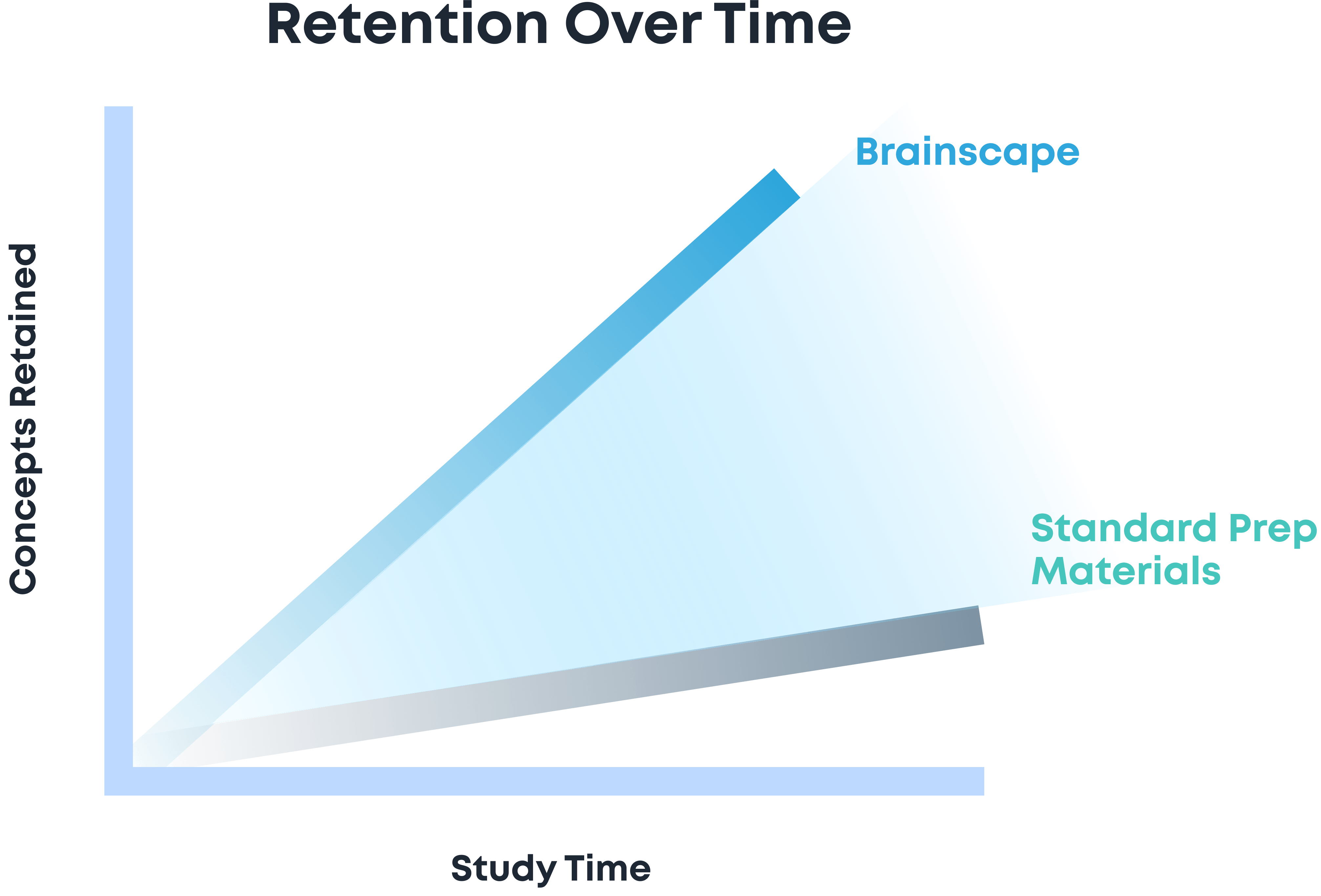
Brainscape’s IBHRE flashcards are scientifically proven to help you learn faster and retain knowledge for longer than traditional studying.
Happy customer leaving a positive review

The smartest study system.

Brainscape's adaptive, web & mobile flashcards system will drill you on your weaknesses, using a pattern guaranteed to help you learn more in less time.

Easy to add your own flashcards.

Easily collaborate with friends and sync your flashcards to the Brainscape mobile app.

Free to start or $8/mo for full access.

Looking for something else?