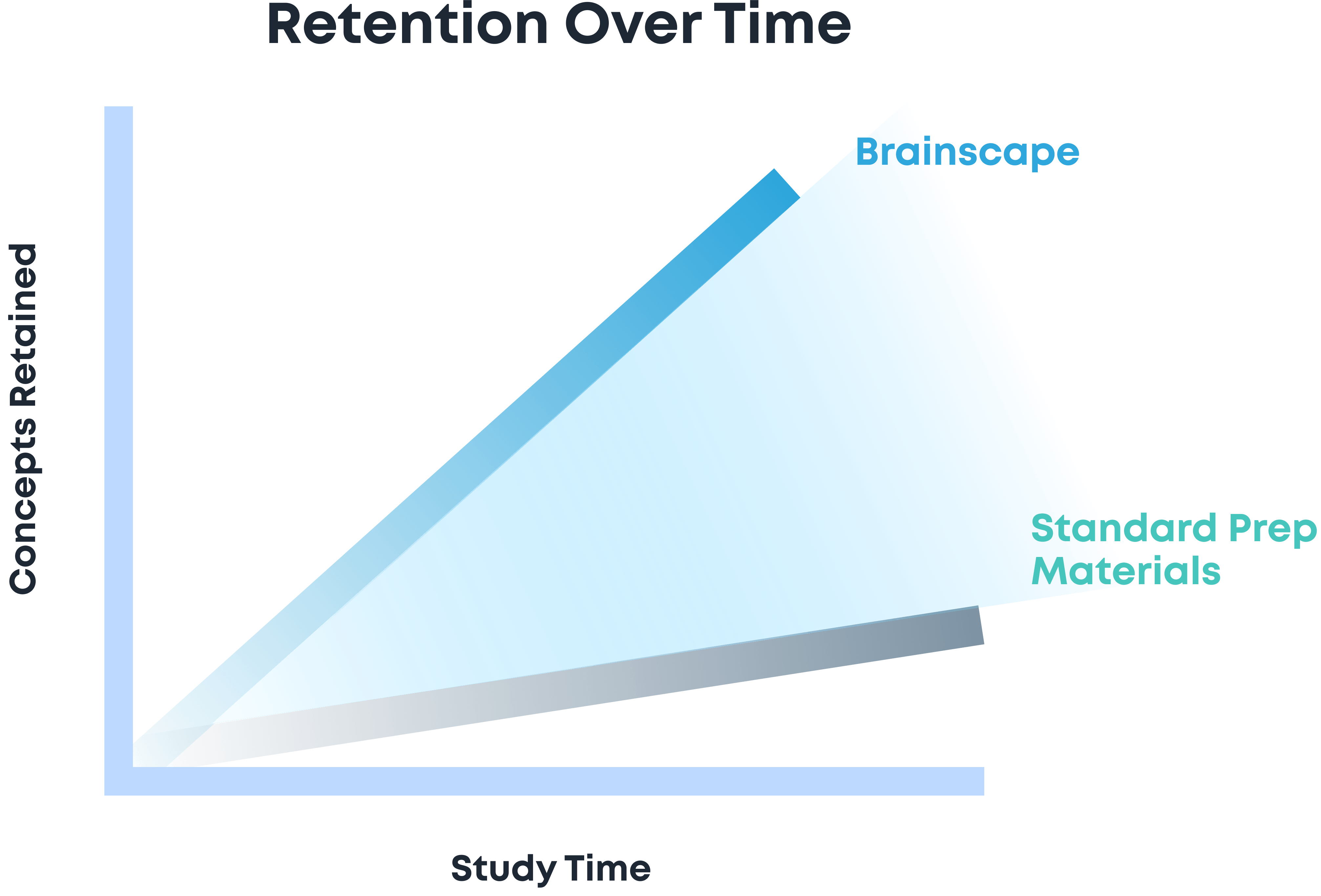
Brainscape’s expert-curated and vetted CMS Level 1 flashcards will help you study for the exam TWICE as efficiently! Perfect your wine and beverage knowledge with the same efficient study tactics used by the world's top sommeliers.
Everything you need to know has been broken down into question-and-answer pairs and neatly organized into 40 decks, which you can then study efficiently with Brainscape's sophisticated, science-backed study system.
Our CMS Level 1 flashcards are the ultimate study weapon to begin your journey towards becoming a certified sommelier.
What You Get with Brainscape’s CMS Level 1 Flashcards:
- Hundreds of flashcards with in-depth coverage of the most important grapes, the regions in which they’re grown, wine storage and service, and winemaking.
- Expert curation from our partner, Certified Wine Educator Sarah Looper (DipWSET).
- Fleshed-out details and explanations of wine laws, labeling terms, aging requirements, and classifications so that you have a thorough understanding of each topic covered.
- Peace of mind, as we cover everything you need to know in the official CMS Level 1 Introductory Sommelier textbook and required reading.
- A fast, effective spaced repetition study system that will help you learn everything you need to know TWICE as fast, and remember it for longer.
- Ongoing feedback, statistics, and visualization tools to help you track your progress, which motivates you to study even more (to keep your streak alive!)
- In-sync studying across Brainscape’s website and all your iOS and Android devices.
- A free CMS Level 1 study guide.
And when you’re ready, we have expert-created flashcards for the Certified Sommelier exam, so you can seamlessly continue your learning journey.
About Our Author, Sarah Looper (DipWSET)
Sarah Looper is a WSET Diploma educated Master Sommelier candidate and Certified Wine Educator with experience across the wine industry spectrum. Sarah has worked as a buyer for a boutique wine store in Manhattan, a wine director in several fine dining restaurants, Tastings Director at Wine & Spirits Magazine, and, most recently, a wine educator who helps students prepare for their wine exams. Having conquered the CMS’s Advanced Sommelier course and WSET Diploma, this industry veteran is a formidable wine nerd and an indispensable asset to the Brainscape team!
What Is The CMS Level 1 Exam?
The CMS Level 1 exam, officially known as the Introductory Sommelier Certificate, is the entry point into the Court of Master Sommeliers certification pathway. It provides a clear, structured foundation in wine knowledge, service, and hospitality, while setting you up for more advanced sommelier credentials.
Level 1 of the CMS consists of a short course with a multiple-choice exam. The test includes 70 questions, must be completed in 45 minutes, and requires a minimum score of 60% to pass. Questions cover the four core pillars of the CMS certification system: wine theory, tasting fundamentals, hospitality and service standards, and the business of the sommelier. The format rewards confident recall and practical understanding.
The CMS Level 1 exam is most commonly taken by hospitality professionals such as servers, bartenders, restaurant managers, and beverage directors, as well as serious wine enthusiasts looking to formalize their knowledge. Earning this qualification can signal your commitment and credibility to employers.
Most importantly, CMS Level 1 builds the essential base required for higher levels in the Court of Master Sommeliers program. The concepts introduced here form the backbone of the Certified, Advanced, and Master Sommelier exams, giving you a robust initial platform on which to build the habits, vocabulary, and confidence you will rely on throughout your sommelier journey.
What are the Essential Topics To Master For The CMS Level 1 Exam
The CMS Level 1 syllabus is built around four core domains. First is wine theory, which covers the fundamentals of viticulture and winemaking, major grape varieties, and key wine regions around the world. Questions often test your ability to recognize classic grape and region pairings, understand climate influences, or identify basic production methods. Knowing why Chardonnay tastes different in Chablis versus California matters more than memorizing obscure facts.
Next comes tasting fundamentals, which focus on the Court’s structured approach to tasting. You are not expected to blind-identify wines at this level, but you are expected to understand tasting terminology, basic wine structure, and how to describe what you smell and taste.
Thirdly, the hospitality and service section includes service standards, glassware, serving temperatures, storage practices, and guest interaction. You may see scenario-based questions such as how to properly present a bottle, correct a service mistake, or recommend a wine based on a guest’s preferences.
Finally, the business of the sommelier ties everything together. This domain covers pricing basics, wine lists, inventory awareness, and the role of wine in a restaurant’s overall operation. Questions often focus on practical decision-making, such as choosing wines for a menu or understanding the cost considerations behind a wine program.
Proven Study Strategies To Prepare Efficiently For The CMS Level 1 Exam
When it comes to preparing for CMS Level 1, consistency beats cramming every time. Most candidates do best with two to four weeks of focused prep, depending on prior experience.
Aim for short, regular study sessions rather than marathon weekends. For example, set aside 30 to 45 minutes on most days, with each week dedicated to one or two core areas from the CMS exam study guide. This allows you to manage your workload while thoroughly covering the curriculum.
One of the most effective CMS Level 1 study tips is to study actively. Instead of rereading notes, use study methods that test your capacity to recall information from your memory. Flashcards are especially useful here, since they force you to retrieve information rather than recognize it passively. Adding short mock quizzes or practice questions once or twice a week also helps you get comfortable with the exam format and pacing.
Your prep works best when you combine multiple resources. Start with the official CMS workbook to understand the scope and language of the exam. Pair it with reliable online summaries, tasting guides, and study flashcards for efficient review. Flashcards are ideal for reinforcing grape varieties, regions, service standards, and terminology.
Test-day nerves are normal, particularly since the exam follows a two-day course. To manage anxiety, practice answering questions under timed conditions before exam day. This builds familiarity and reduces surprises. Just as important, stick to a steady routine in the days leading up to the test. Sleep well, eat normally, and avoid last-minute overload. The best way to study for CMS Level 1 is to trust the habits you have built, walk in prepared, and let your preparation carry you through.
How Brainscape Flashcards Improve Recall & Boost Your CMS Level 1 Exam Performance
Flashcards are more than a quick review tool. With a daily investment of just 15-30 minutes of review, they support long-term retention by training your brain to recall information efficiently, which sets you up to succeed under exam pressure.
As mentioned earlier, active recall sits at the center of this approach. Instead of rereading notes or highlighting pages, flashcards ask you to produce the answer from memory before checking it. This effortful retrieval strengthens memory pathways, making wine regions, grape varieties, service steps, and terminology easier to access when time is tight. Each recall attempt acts as a small rehearsal for exam day.
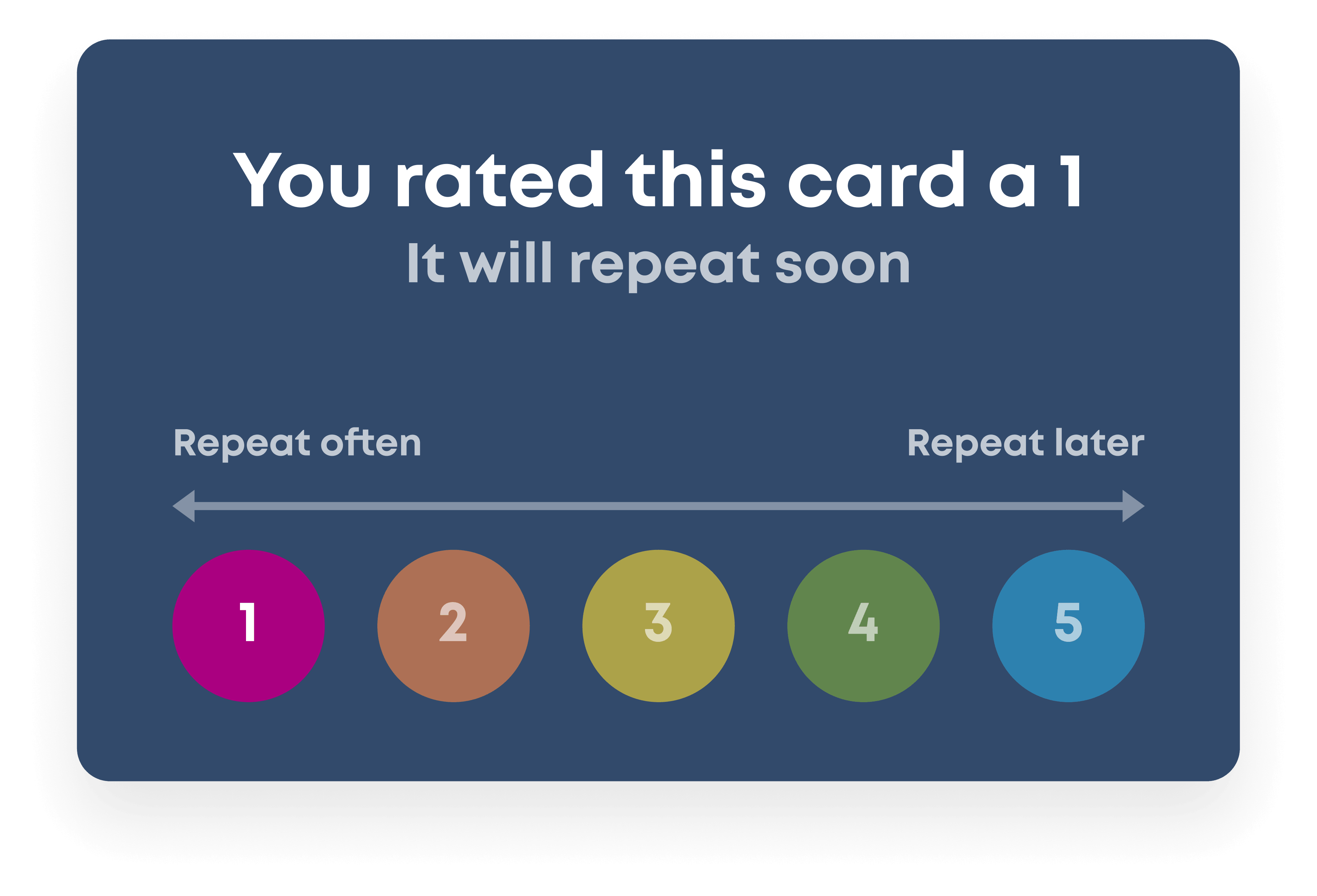
Flashcards also facilitate spaced repetition, which is the practice of reviewing information over gradually increasing intervals. Rather than studying everything at once and forgetting it days later, spaced repetition brings material back just before it starts to fade. Brainscape applies this by showing difficult cards more frequently and easing off on concepts you already know. This keeps study time focused on your weak areas and prevents wasting time on material that you already know.
Another key benefit is metacognition, or learning to judge what you actually know. Brainscape asks you to rate your confidence on each card, which encourages honest self-checking. Over time, this helps you spot gaps in your knowledge, adjust your study plan, and spend more time on weak areas. For many learners, this awareness is what turns scattered review into a clear and effective system.
When you study flashcards for the CMS exam with Brainscape, you reinforce high-priority concepts and keep essential facts fresh, even if you’re short on time. With full sync across web and mobile, you can study Brainscape’s CMS flashcards anytime, anywhere: on break at work, during commutes, or while waiting for a drink.
For best results, treat flashcards as a daily habit rather than a last-minute fix. Review a small set each day, rate your confidence honestly, and revisit missed concepts until they stick. When paired with reading and occasional practice questions, studying with flashcards improves both speed and accuracy. On exam day, that preparation shows up as faster recognition, fewer second guesses, and a calmer approach to each question.
Study Smarter For The CMS Level 1 Exam
The CMS Level 1 exam rewards clear thinking, fast recall, and a strong command of the fundamentals. Brainscape’s CMS Level 1 flashcards help turn a broad syllabus into a focused, repeatable study routine by reinforcing the concepts that appear most often on the exam using proven learning science. With short, flexible study sessions that fit around busy hospitality schedules, you can walk into the exam prepared, confident, and ready to take the next step in the Court of Master Sommeliers pathway.
Additional Resources for CMS Level 1 Learners