Brainscape’s adaptive National MFT flashcards are the most efficient way to prepare for the Licensed Marriage and Family Therapist (LMFT) Examination. Backed by cognitive science, they help you lock in complex theories, ethical principles, and diagnostic reasoning faster and more effectively, so you can pass on your first try and start helping clients sooner.
Developed by the Association of Marital and Family Therapy Regulatory Boards (AMFTRB), this comprehensive exam is required by most U.S. states and tests your ability to apply therapeutic theory and ethics to real-world clinical scenarios. Created in partnership with Dr. Diane Gehart, a leading National MFT educator, Brainscape’s flashcards help you build lasting mastery and true clinical confidence, one smart study session at a time.
Taking The California MFT Exam?
If you’re pursuing your MFT license in California, you’ll need to take the California Board of Behavioral Sciences (BBS) version of the exam instead. Please visit our dedicated page for California MFT Exam Flashcards for state-specific content, laws, and ethical standards.
What You Get with Brainscape’s National MFT Flashcards:
Hundreds of flashcards that cover the highest-yield concepts in the official AMFTRB test blueprint.
Accurate, exam-aligned material developed by Dr. Diane Gehart, PhD, LFMT, an expert in MFT training.
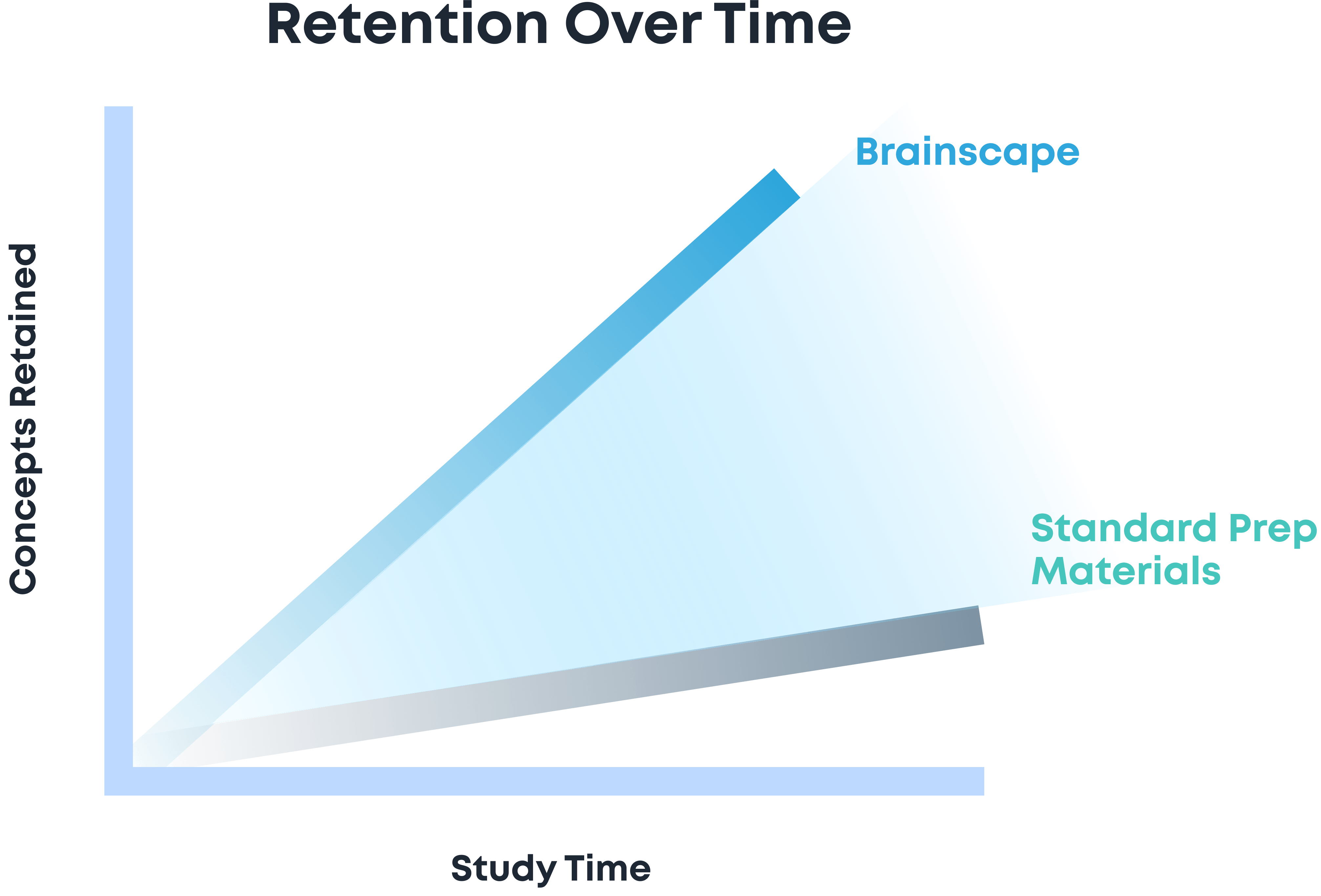
A fast, effective spaced repetition system that helps you learn everything twice as fast and remember it longer.
Real-time feedback, stats, and visual tools to track your progress and confidence.
A curriculum structured around the six official AMFTRB domains.
Study seamlessly across Brainscape’s web and mobile apps, anywhere you go.
About Brainscape’s Lead Author, Dr. Diane Gehart
Dr. Diane R. Gehart, PhD, LMFT, is one of the most respected voices in modern marriage and family therapy. A best-selling author of more than 14 professional and popular books, including Mastering Competencies in Family Therapy and Mindfulness and Acceptance in Couple and Family Therapy, Dr. Gehart has spent nearly three decades teaching, supervising, and mentoring the next generation of therapists.
As a Professor of Marriage and Family Therapy and Counseling at California State University, Northridge, and founder of Therapy That Works, Dr. Gehart has helped thousands of clinicians bridge the gap between theory and real-world practice. Through these expertly designed flashcards, Dr. Gehart helps future therapists not only pass with confidence but also internalize the principles that define compassionate, effective clinical practice.
What Is The National MFT Exam?
The National MFT Exam is the official licensure test created by the AMFTRB. It’s the gold standard for assessing whether candidates are ready to practice as licensed marriage and family therapists across most U.S. states (California has its own version).
This four-hour exam evaluates your entry-level competence: your ability to think systemically, apply theory to real-life scenarios, and make sound clinical judgments. The MFT tests your content knowledge as well as your capacity to apply this information in therapeutic scenarios.
What Topics Are Covered On The National MFT Exam?
The AMFTRB exam blueprint breaks down the skills every competent therapist must master. The six domains include:
The Practice of Systemic Therapy: understanding family systems and relational dynamics.
Assessing, Hypothesizing, and Diagnosing: identifying patterns, assessing functioning, and developing hypotheses.
Designing and Conducting Treatment: creating treatment plans and interventions grounded in theory and client needs.
Evaluating Ongoing Process and Terminating Treatment: monitoring progress and guiding clients toward healthy closure.
Managing Crisis Situations: applying crisis intervention strategies and maintaining safety.
Maintaining Ethical, Legal, and Professional Standards: ensuring practice that is responsible, compassionate, and compliant with professional codes.
Together, these areas test your ability to link theory with practice, demonstrating that you can think critically, act ethically, and help families thrive in the real world.
How Should You Study For The National MFT Exam?
Preparing for the National MFT Exam can feel like juggling a therapy caseload, a stack of textbooks, and your own self-care all at once. The key is to make a plan and study as intelligently and efficiently as possible. With the right structure and tools, you can make steady progress without burning out.
Here’s how to get there:
Create a study schedule using reliable prep materials. Begin by choosing a review course and breaking it into manageable daily goals to cover theory, ethics, and application in steady, focused chunks. For example, Dr. Diane Gehart’s Laugh Your Way to Licensure is an evidence-based, comprehensive National MFT review course.
Drill the fundamentals with flashcards. The key to mastering the National MFT exam is repetition and reinforcement of the core theories, terms, and models you’ll use every day as a therapist. Brainscape’s adaptive flashcards make this process faster and more effective by using cognitive science to supercharge your memorization speed.
Focus on understanding, not memorizing. The National MFT exam is designed to test application. Don’t just learn the theories; practice connecting them to client situations and ethical decisions. Brainscape’s flashcards are crafted to strengthen your grasp of how each model applies in real-world therapy.
Simulate the exam experience. Use practice tests to get comfortable with timing, pacing, and question styles. This helps you manage anxiety and stay sharp during the actual exam.
Refine your weak spots. Track which areas feel shaky and focus extra time there. Brainscape’s confidence rating system helps you target what needs the most review.
Balance study with self-care. Take breaks, move your body, and get enough sleep. You’re preparing to help others manage stress, so model it in your own process.
A consistent, thoughtful study plan that combines flashcard review and practice exams will keep your learning efficient and your confidence high all the way to exam day.
Why Are Flashcards The Best Tool For National MFT Prep?
Preparing for the National MFT exam can feel like trying to coach an anxious-avoidant couple to overcome a lifetime of unhelpful behaviors and beliefs in just one week. Between dense theory, overlapping models, and high-stakes pressure, it’s easy to get overwhelmed. That’s where Brainscape’s adaptive flashcards come in. They transform mountains of information into short, focused bursts of learning that actually stick.
Flashcards are effective because they’re based on proven cognitive science principles:
Active recall: Every time you flip a flashcard, you train your brain to pull information from memory instead of passively rereading it. That act of retrieval strengthens neural pathways, making concepts easier to recall under exam conditions.
Spaced repetition: Instead of cramming, this method helps you study smarter by showing you the right material at the right time. Difficult cards appear more often, while easier ones reappear less frequently. Brainscape automates this process so that you learn faster and retain information longer.
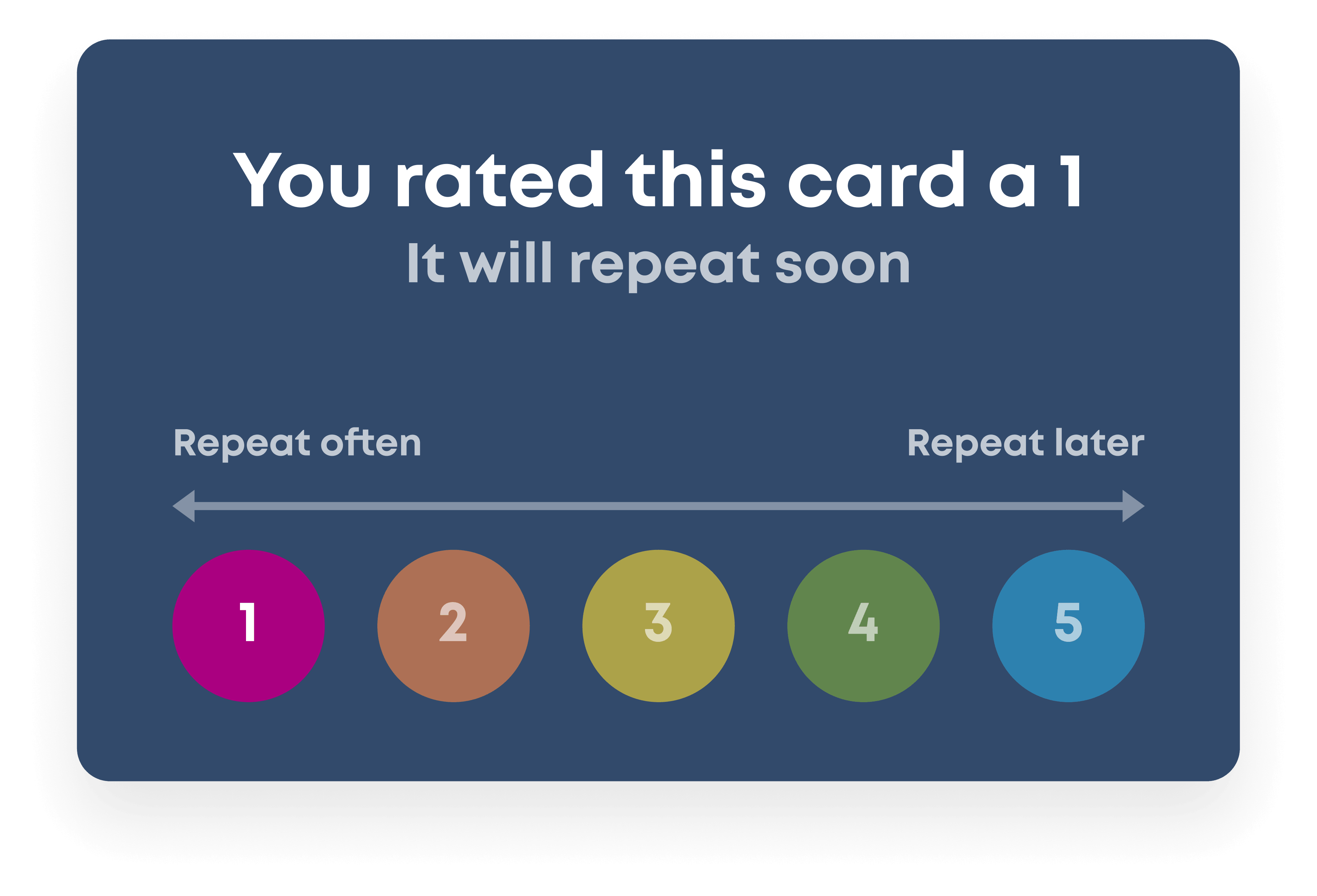
Metacognition: On every card, you rate your confidence from 1 to 5. This simple act of self-assessment helps you recognize where you’re strong, where you’re shaky, and where you need to focus next. It turns your studying into a personalized feedback loop that keeps you improving efficiently.
If you’re struggling with test anxiety, dense textbooks, or the challenge of memorizing complex theories, Brainscape makes studying manageable. The platform helps you learn more in less time, apply what you know to real-world therapy situations, and build lasting confidence without the stress or cost of traditional prep courses.
Perfect for busy professionals balancing work, study, and family, Brainscape’s National MFT flashcards offer a flexible, science-backed way to master key concepts and pass the exam on your first try. They are designed to produce the fastest possible progress from the time you spend studying.
How Long Is The National MFT Exam?
The National MFT Exam gives you four hours to complete 180 multiple-choice questions.
What Is The Passing Score For The National MFT Exam?
Each state sets its own scoring threshold, but most follow the national average, which means achieving a scaled score equivalent to around 60 to 75%. Because scoring is standardized, your performance is measured against the difficulty of your specific test form rather than a fixed raw percentage.
Pass The National MFT Exam With Confidence
The National MFT Exam is a major step toward becoming a licensed marriage and family therapist and beginning the work you’ve trained for: helping people heal and grow. With Brainscape’s adaptive National MFT flashcards, powered by active recall, spaced repetition, and metacognition, you can turn complex theories into clear, lasting knowledge. Study efficiently, stay motivated, and feel confident walking into your exam knowing you’ve built real mastery. This is your path to passing the first time and stepping fully into your career as a therapist.
Additional Resources for National MFT Test Learners