Brainscape’s NAVLE® flashcards give veterinary students and graduates the smartest, fastest way to prepare for the North American Veterinary Licensing Examination. Built for busy vet students juggling clinics and coursework, these flashcards help you retain high-yield clinical and scientific knowledge efficiently so that you score well on your first try.
This comprehensive collection was created in partnership with Zuku Review, one of the most trusted names in veterinary education. Zuku’s team has supported more than 80,000 veterinary professionals since 2007 and brings over 10,000 hours of teaching and clinical experience to their students. Together, Brainscape and Zuku have built an adaptive, mobile-friendly flashcard system that delivers fast, focused, and effective NAVLE prep, anytime and anywhere.
This study tool is your shortcut to mastering differential diagnoses, preventive medicine, and public health, so you can sail through the NAVLE exam and step confidently into your veterinary career.
What You Get with Brainscape’s NAVLE Flashcards:
- Hundreds of flashcards that cover the highest-yield concepts in the official NAVLE test blueprint, with all the fluff left out.
- Accurate, reliable, and expert-developed material created in collaboration with Zuku Review, one of the most trusted names in the vet prep space.
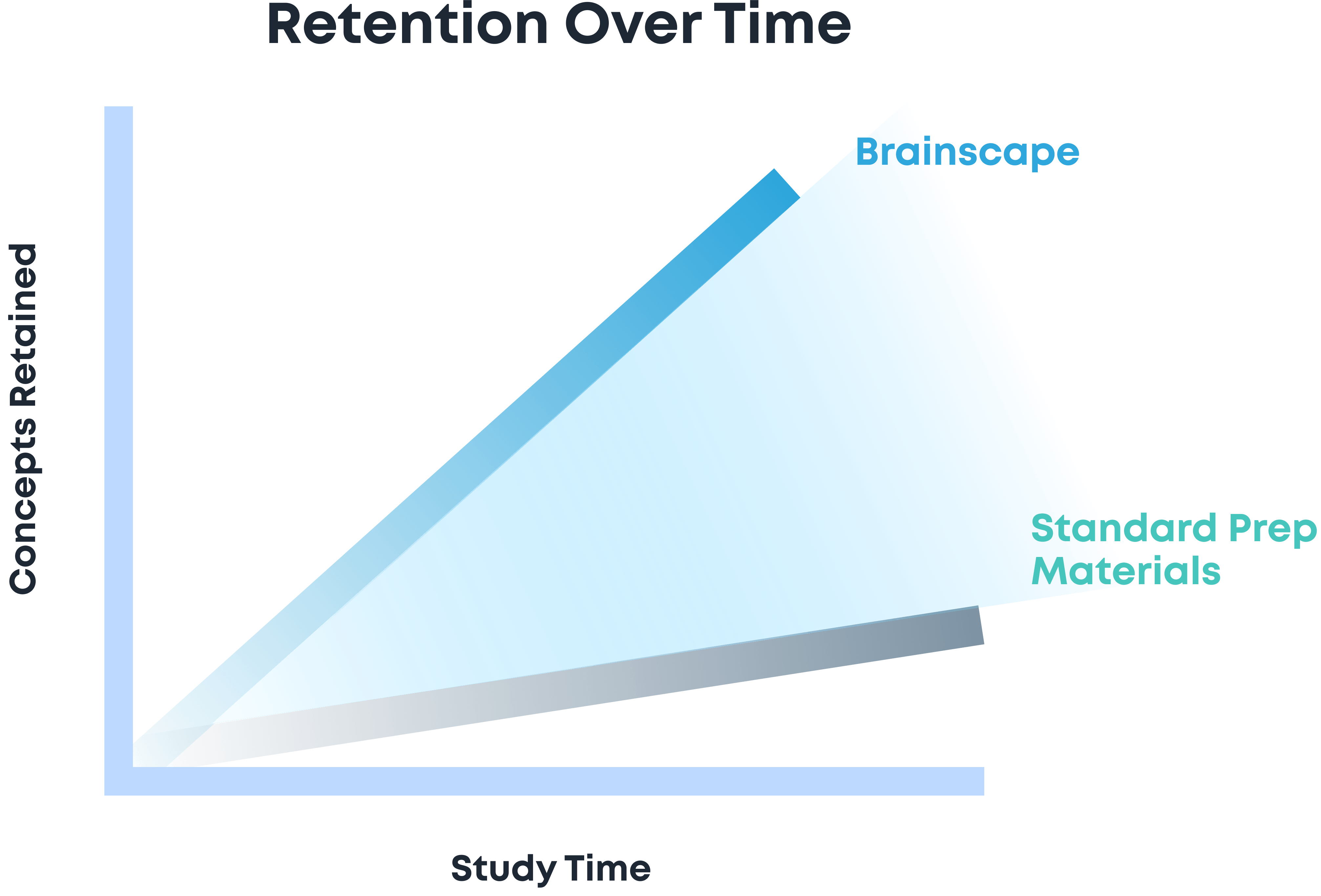
- A fast, effective spaced-repetition study system that helps you learn everything twice as fast and remember it for longer.
- Ongoing feedback, statistics, and visualisation tools to help you track your progress and stay motivated (keep your streak alive!).
- A carefully structured curriculum based on the ICVA’s official NAVLE content outline.
- A free NAVLE study guide with six crucial tips on how to prepare and score well.
- Exam style practice questions, which we'll email you as soon as you download these flashcards to your dashboard.
- Ultimate flexibility and convenience with full sync across web, iOS, and Android apps.
About Brainscape’s Partner, Zuku Review
Zuku Review was founded on one simple idea: veterinary students deserve a clearer, smarter, and more empowering way to learn. Created by Dr. Steve McLaughlin, a former CDC epidemiologist who spent years working in public health around the world, Zuku began in 2007 as a passion project to make complex material digestible for future veterinarians.
After struggling with massive study loads himself, Dr. McLaughlin built Zuku to help learners move beyond memorization and into true clinical reasoning. Today, Zuku Review has grown into one of the most respected names in veterinary education, trusted by more than 80,000 professionals worldwide. Their case-based approach mirrors the ICVA’s NAVLE testing framework, so you know that every flashcard and question aligns what’s actually on the exam.
From NAVLE and BCSE prep to continuing education for licensed veterinarians, Zuku’s mission is simple: to make veterinary learning efficient, engaging, and accessible. Together with Brainscape’s adaptive learning technology, they’ve created a study experience that helps every student go from overwhelmed to ready to crush the NAVLE.
What Topics Are Covered On The NAVLE?
The NAVLE covers nearly every aspect of veterinary medicine, testing your content knowledge as well as how you apply it in real-world clinical situations. The exam is designed to measure your competence across seven domains:
Diagnosis and treatment: Identifying diseases, interpreting lab results, and developing effective treatment plans.
Preventive medicine: Understanding vaccination schedules, parasite control, and herd health management.
Clinical procedures: Performing and evaluating diagnostic and surgical techniques safely and efficiently.
Animal welfare: Ensuring humane treatment and ethical decision-making in all species.
Professional conduct: Navigating the legal and ethical responsibilities of veterinary practice.
Practice management: Managing cases, client communication, and workplace dynamics.
Public health: Recognizing and mitigating zoonotic risks, food safety, and biosecurity concerns.
The content spans all major species groups, so you’ll need to switch mental gears between dogs, cows, chickens, and more. Some of the highest-yield focus areas include diagnostic reasoning, pharmacology, zoonotic diseases, and professional ethics.
With such a broad syllabus, you need an efficient study tool. Brainscape’s NAVLE flashcards help you zero in on what matters most, reinforcing the key facts and clinical reasoning skills you’ll need to pass with confidence.
How Should You Study For The NAVLE?
Preparing for the NAVLE can feel like trying to memorize every patient case you’ve ever seen, but that’s not possible. You can’t study every animal ever treated. Instead, you need to study strategically. With the right plan and tools, you can cover high-yield material efficiently and walk into the exam with confidence.
Here’s how to build an effective NAVLE study plan:
Create a structured schedule. Break the massive content outline into weekly themes. Dedicate focused time to species-specific systems, for example, one week on small animal internal medicine and the next on food animal management. Consistency is key, even if you only study an hour a day.
Master high-yield content. Prioritize clinical reasoning, diagnostic interpretation, and treatment planning. Spend extra time on preventive medicine, pharmacology, and epidemiology, as these topics show up often and form the backbone of good veterinary practice.
Use flashcards for rapid recall. Brainscape’s adaptive flashcards are perfect for memorizing species-specific facts, differential diagnoses, and drug mechanisms. They’ll help you retain details without spending endless hours rereading notes.
Simulate the exam environment. Practice with timed mock exams to build stamina for the six 60-minute blocks you’ll face on test day. This also helps refine your pacing so you’re not rushed during the final section.
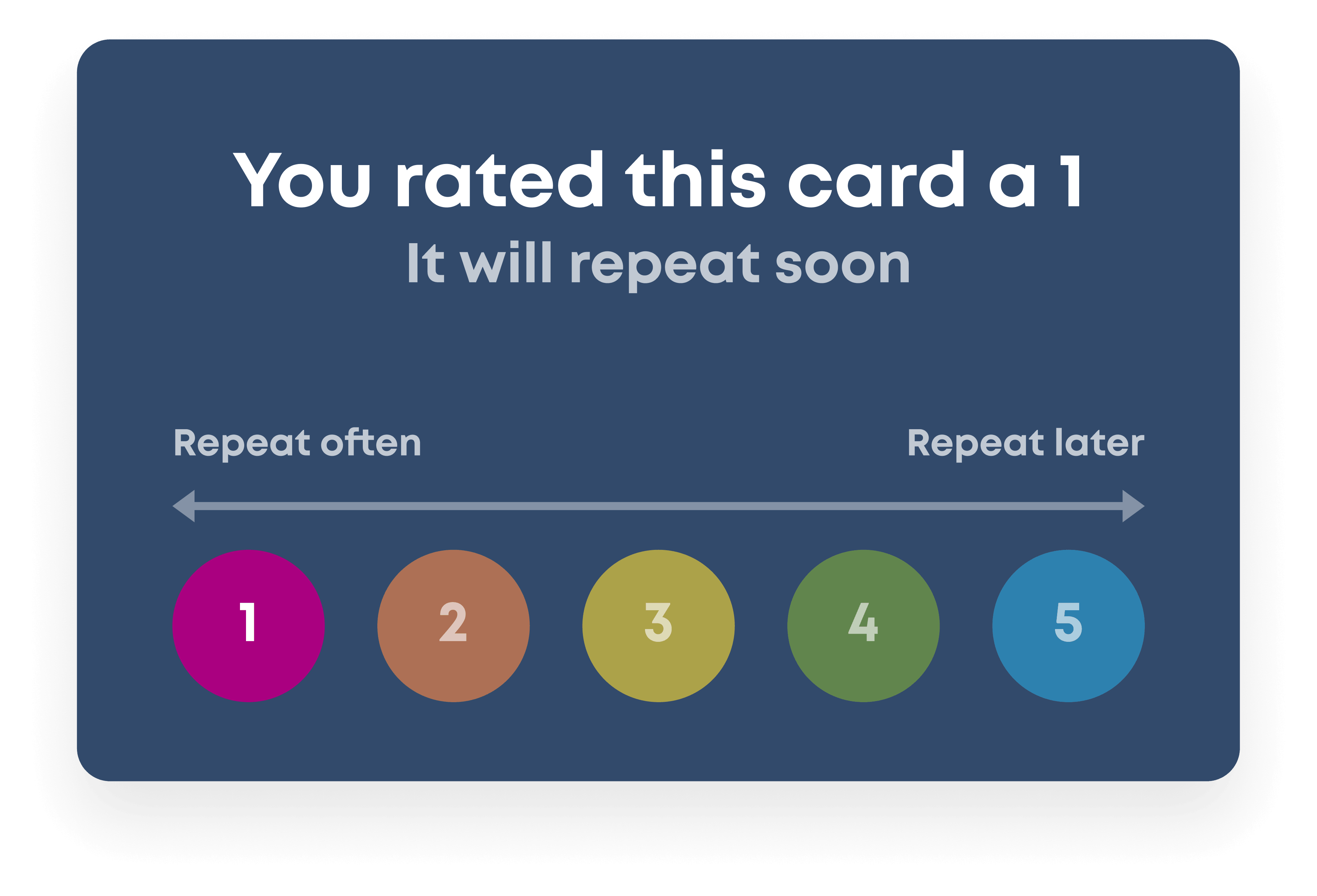
Track your weak areas. Review your results after each session and adjust your focus. Brainscape’s built-in confidence ratings make it easy to identify and strengthen the topics that need more work.
With a consistent plan, a solid mix of devoted study time, flashcard review, and practice tests, you’ll be fully prepared to ace the exam.
Why Flashcards Are One of the Best Tool for NAVLE Prep
When you’re staring down the NAVLE, with hundreds of species, systems, and scenarios to master, flashcards are the ultimate study weapon. They turn dense textbooks into digestible, repeatable bursts of learning, and they’re grounded in proven cognitive science.
Here’s why they work so well:
Active recall: Instead of passively rereading notes or highlighting pages, flashcards make you retrieve the answer from memory. That process strengthens the neural connections to the information, helping you recall it faster under test-day pressure. Flashcards train you to instantly pull up disease mechanisms, drug classes, or diagnostic pathways without hesitation, which is exactly the skill you’ll need under the time constraints of the NAVLE.
Spaced repetition: Most people forget new information within days unless they review it strategically. Spaced repetition solves that problem by reintroducing material at scientifically timed intervals, just as you’re about to forget it. Brainscape’s smart algorithm does this automatically, showing you harder cards more often and mastered ones less frequently so every minute you spend studying counts.
Metacognition: Brainscape takes learning one step further by asking you to rate how confident you are with each flashcard. This self-assessment trains your awareness of what you know versus what you think you know, keeping your focus exactly where it’s needed. Over time, you build a stronger, more efficient study routine that’s personalized to your performance.
Brainscape’s NAVLE flashcards make mastering massive amounts of information feel doable, even while balancing clinical rotations and coursework. You can study on your phone, tablet, or laptop, whenever you have a few minutes between cases. Your progress is fully synced across mobile and desktop, online and offline, so you never have to think about what to study next. Simply open the app and tap “STUDY” to start making real progress immediately.
Are Flashcards Enough To Pass The NAVLE?
Flashcards are an essential piece of your NAVLE study toolkit, but they shouldn’t be your only one. They’re perfect for building quick recall of definitions, pathophysiology, pharmacology, and treatment protocols, but the exam also tests your ability to apply that knowledge in a clinical context.
Use flashcards alongside your course material, practice exams, and ICVA study resources to test your reasoning and pacing under realistic conditions. Brainscape helps you nail the foundation, so that when you sit down on exam day, you’re not wasting mental energy trying to remember the basics.
With a strong mix of flashcards, practice tests, and consistent review, you’ll retain more, stress less, and give yourself the best possible chance to score high on the NAVLE.
How Long Is The NAVLE Exam?
The NAVLE contains 6 testing blocks of 65 minutes each. There are 45 minutes of total break time to be used between testing blocks, as well as an optional 15-minute tutorial before commencing.
How Many Questions Are On The NAVLE Exam?
You’ll answer 360 multiple-choice questions, divided into 6 testing blocks of 60 questions each..
What Is The Passing Score For The NAVLE Exam?
You’ll need a scaled score of 425 or higher on a range from 200 to 800.
How Much Does The NAVLE Exam Cost?
You can find the current price of the NAVLE exam on the ICVA website. If you’re taking the exam outside the United States or Canada, additional fees apply.
How Hard Is The NAVLE Exam?
It’s a tough one. The NAVLE covers every major species and discipline, testing both depth and breadth of veterinary knowledge. Many students juggle rotations while studying, which can make the workload intense. Brainscape’s adaptive flashcards help lighten the load by breaking down the content into short, targeted review sessions you can squeeze in anywhere.
How Long Should You Study For The NAVLE?
Most candidates spend 8 to 12 weeks preparing, for a total of 150 to 200 study hours. The best results come from combining daily flashcard review with weekly practice exams to test pacing and comprehension.
How Many Times Can You Take The NAVLE?
You can attempt the exam up to five times total. A sixth attempt may be granted only under special circumstances with approval from your licensing authority.
What Happens After You Pass The NAVLE?
Scores are typically released 4 to 5 weeks after the testing window closes. Once you’ve passed, you can apply for licensure in your chosen jurisdiction, completing any additional local requirements. While your NAVLE score never expires, veterinary licenses require regular renewal, depending on your local jurisdiction.
Master The NAVLE With Confidence
The NAVLE is no small feat. It’s a 6-hour leviathan that you need to slay before stepping into the world of licensed veterinary practice. The sheer volume of material across species, systems, and disciplines can feel overwhelming, but success isn’t about memorizing everything. It’s about studying smarter.
Brainscape’s NAVLE flashcards, built in partnership with Zuku Review, use the science of active recall, spaced repetition, and metacognition to help you retain high-yield content efficiently and effectively. With this structured, mobile-friendly system, you can stay organized, keep your motivation high, and feel confident walking into exam day ready to pass on your first attempt.
Additional Resources for NAVLE Test Learners