Brainscape’s NREMT flashcards are the fastest and most painless way to retain the crucial information you need to pass your EMT certification. Based on the official National Registry EMT test outline, these flashcards cover the same content taught by top test prep institutions.
Created in partnership with Jeri Price, a nationally registered and certified Paramedic and EMS Instructor with 33 years of experience, these adaptive EMT exam flashcards will dramatically cut your study time IN HALF, empowering you to swiftly master the highest-yield concepts you need to meet your EMT requirements, pass the exam, and save lives.
What You Get with Brainscape’s NREMT EMT Flashcards:
With Brainscape’s NREMT EMT flashcards, you get:
- Hundreds of flashcards that provide in-depth coverage of the current National Registry EMT curriculum, including key topics such as airway respiration and ventilation, cardiology and resuscitation, trauma, medical: obstetrics/gynecology, and EMS operations.
- Additional topics, such as preliminary EMT, patient assessment, airway management, pharmacology, shock, BLS/CPR, medical and trauma assessments, special populations, and other EMS functions, spread out over 10 decks.
- Peace of mind as we’ve covered the most important concepts taught by the top NREMT EMT test prep resources.
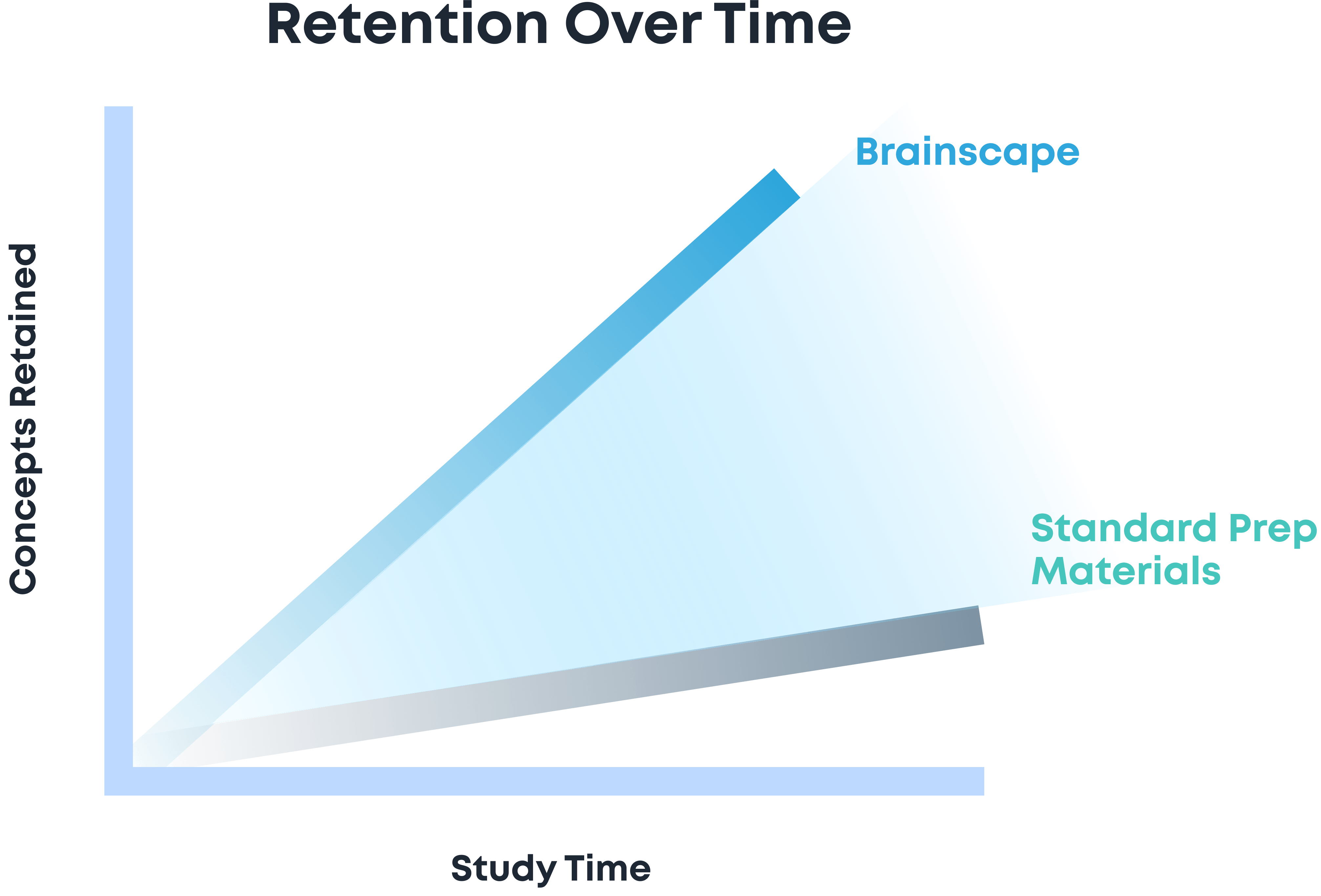
- A fast, effective spaced repetition study system that will help you learn everything you need to know TWICE as fast, and remember it for longer.
- Ongoing feedback, statistics, and visualization tools to help you track your progress, which motivates you to study even more (to keep your streak alive!)
- Ultimate freedom, accessibility, and convenience with in-sync studying across Brainscape’s website and all your iOS and Android devices.
- A library of additional (free) resources in Brainscape’s Academy for Medical Healthcare Professionals
About The Author
Jeri Price is a nationally registered and certified Paramedic and EMS Instructor with 33 years of experience under her belt. Throughout her impressive career, she has taught over 100 EMT courses, including CPR, EMR, Paramedic, ACLS, IV, EKG, PHTLS, PALS, and many more.
Jeri also serves as a board member of the Colorado State EMS Education Association and has authored countless exams, evaluations, and matrices while coordinating NREMT psychomotor skills finals at every level. In other words: she is a total rockstar in the EMS space, and we couldn’t have cooked up a better expert to curate our certified NREMT® EMT flashcards.
What Is The NREMT EMT Exam?
The NREMT EMT exam is the official certification test that proves that entry-level Emergency Medical Technicians have the knowledge and judgment to provide safe, effective patient care in the field. Passing it is your ticket to becoming a certified EMT and beginning your career in emergency services.
This exam is required for anyone seeking EMT certification, from people finishing a training program to candidates pursuing licensure in their state. It’s designed to measure how well you can apply what you’ve learned in real-world scenarios, from airway management to trauma response.
The test itself is a cognitive, computer-adaptive exam delivered at Pearson VUE testing centers. That means the number of questions you see (between 70 and 120) and the difficulty of those questions will adjust based on how well you’re doing. You will have up to two hours to complete the exam, and you’ll need to demonstrate consistent competency across all five subject areas to pass.
Once you’ve passed, your certification is valid for two years. You can renew this certification by retaking the exam or completing professional education, depending on the requirements of your state. For aspiring EMTs, this exam is the first step toward joining the ranks of professionals trusted to respond when lives are on the line.
The 6 Best Ways To Prepare For The NREMT EMT Exam
1. Start with a study schedule. Break the exam into content areas and set weekly goals (e.g., ‘Scene Size-up’ and ‘Safety’ one week, ‘Primary Assessment’ the next). Then divide those goals into manageable daily tasks, so you’re reviewing smaller chunks instead of getting overwhelmed by the whole exam at once.
2. Review your core material. Read through your EMT study guide or class notes to refresh your understanding of the basics. This step is about exposure: getting the concepts back into your working memory before you begin drilling them.
3. Use flashcards to lock in facts. Flashcards are perfect for locking this content into your long-term memory. Use short sessions (10–20 minutes a day) instead of marathon crams to keep things sharp.
4. Take practice tests. These help you get comfortable with the computer-adaptive test format and show you where you’re struggling. Use your results to fine-tune your flashcard reviews and focus your time where it matters most.
5. Practice applying knowledge. For the practical component of the test, practice running through the required procedures and techniques until they become muscle memory. More than mere repetition, make sure you’re performing each action perfectly. Slow at first and then steadily faster and more agile as each action becomes more automatic. There is no shortcut here.
6. Mix online and in-person study. Online tools like digital flashcards let you study anytime and anywhere, whether you’ve got five minutes in the ambulance bay or an hour at home. In-person study groups, on the other hand, give you the chance to discuss tricky protocols and quiz each other. The best prep combines both: use flashcards for solo practice and then bring them into group sessions to test your knowledge under pressure.
Why Flashcards Are One Of The Most Effective Study Tools
The EMT exam packs in a ton of material, from medical terms and acronyms to detailed patient care protocols and emergency procedures. Flashcards help you break all of that down into manageable bites, making it easier to review and remember the details you’ll need under pressure.
The secret lies in three proven learning principles: active recall, spaced repetition, and metacognition.
Active recall means pulling the answer out of your memory without hints, which is exactly what happens every time you flip a flashcard. For example, being asked “What are the signs of hypovolemic shock?” forces your brain to retrieve the information, strengthening the mental pathway that stores it.
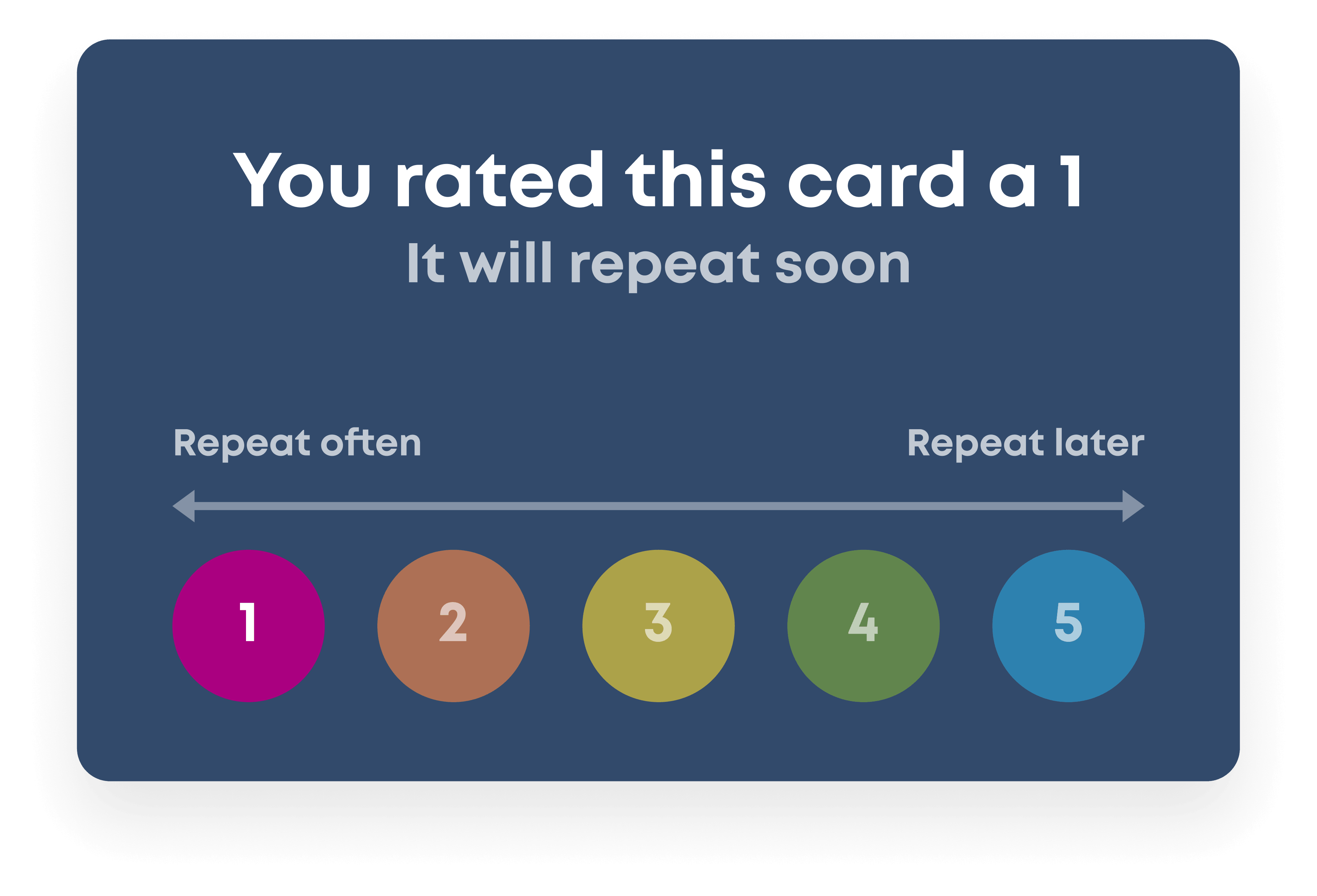
Spaced repetition is all about timing. Our brains forget things unless we revisit them at just the right intervals. Brainscape’s system automatically shows you difficult cards more often and easier ones less frequently, so you’re always reviewing at the moment when the knowledge is about to fade. This is the most efficient way to build long-term retention.
Metacognition is the practice of reflecting on how well you know something. Each time you rate a flashcard from 1 to 5 in Brainscape, you’re not only guiding the algorithm, you’re also developing awareness of your own strengths and weaknesses. This self-check deepens your learning and helps you focus on the topics that matter most.
Together, these principles make flashcards far more effective than passive study methods like rereading notes or highlighting a textbook. Notes can explain concepts in depth, but flashcards turn them into knowledge you can recall instantly, which is exactly what you need for the EMT exam (and the job).
Another huge benefit is convenience. With digital EMT flashcards, you can study in short bursts, anytime, anywhere: between calls, on your commute, or even while waiting for your coffee. Those minutes add up, giving you a steady stream of reinforcement without requiring marathon study sessions.
When compared to long study guides or bulky textbooks, flashcards stand out as the best way to study EMT material efficiently. They simplify complex information, sharpen recall, and let you focus on the specific areas that need the most work, allowing you to walk into the exam as your most prepared self.
Additional Resources For EMT Certification Success
While flashcards are an essential and powerful tool for ingraining and retaining the required knowledge, you’ll want to round out your prep with a few additional resources to make sure you’re fully ready for exam day.
Start with the official NREMT resources. Their handbooks and practice exams give you a clear picture of the exam structure and the types of questions you’ll face. Know what to expect, and you’ll have less stress on the day.
Don’t underestimate the value of study groups and peer support. Connecting with classmates or local EMT candidates can help you reinforce tricky topics, test each other on protocols, and share strategies for keeping calm under pressure.
Once you’ve passed, remember that EMT certification lasts for two years. You’ll need to make a plan to maintain that certification, either through retaking the exam or pursuing continuing education. The precise requirements to maintain your certification vary from state to state.
Finally, be aware of common pitfalls: rushing through questions, second-guessing yourself, or letting nerves take over. Build habits to manage test anxiety, such as practicing deep breathing, taking timed practice exams, and trusting your preparation.
Talk to colleagues and teachers who have taken the exam, and consult internet forums for tips on strategy from recent candidates. With the right mix of study materials, confidence, and focus, you’ll be well prepared to succeed.
Your Journey To EMT Exam Success Begins Here
Passing the EMT exam is a big step toward launching your career in emergency medicine, and the right preparation makes all the difference. Brainscape’s certified flashcards combine Jeri Price’s 33 years of experience with the world’s smartest study algorithm, breaking down complex material into manageable, memorable pieces so you can study with focus and confidence. By combining these flashcards with practice tests, you’ll build the knowledge and resilience needed for exam day. Work steadily day by day, and you’ll walk into the exam with confidence.
Frequently Asked Questions On The NREMT EMT Exam
How Long Is The NREMT EMT Exam?
The NREMT EMT exam allows up to 2 hours for completion. Because it is computer-adaptive, the exact time depends on how quickly you progress through the questions.
How Many Questions Are On The EMT Exam?
The exam includes 70 to 120 questions. The number you receive will vary, since the computer-adaptive format adjusts the test based on your performance.
How Is The NREMT EMT Exam Administered?
The exam is taken on a computer at Pearson VUE testing centers.
How Many Times Can You Take The NREMT EMT Exam If You Don’t Pass?
You are allowed three attempts per application cycle. If you do not pass after three tries, you’ll need to complete additional education before reapplying.
Additional Resources for NREMT EMT Test Learners
.png)