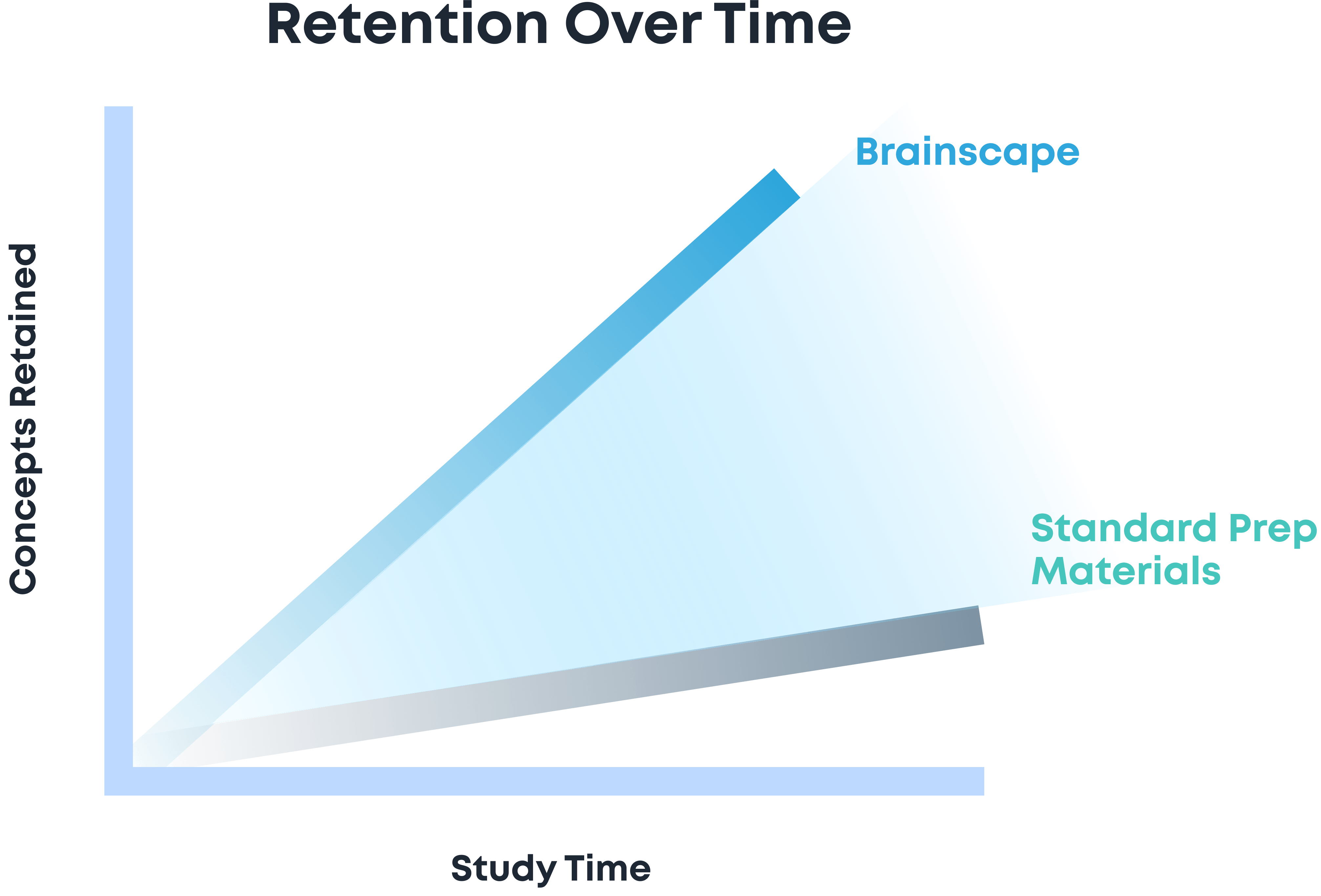
Brainscape’s NYSTCE Biology flashcards are the smartest way to prepare for the Biology CST exam, helping aspiring teachers master complex science content TWICE as fast.
Designed specifically for candidates seeking New York State biology certification, these flashcards cover the entire exam curriculum, from cell biology and genetics to ecology, physiology, and evolution. The content is closely aligned with the official NYSTCE Biology test outline, so you’re only studying what matters most.
By combining bite-sized Q&A cards with Brainscape’s cognitive science-backed study algorithm, you’ll reinforce key concepts twice as efficiently and build the confidence you need to succeed on exam day.
What You Get with Brainscape’s NYSTCE Biology Flashcards:
With Brainscape’s NYSTCE Biology flashcards, you get:
- Hundreds of flashcards that cover the highest-yield concepts in the official NYSTCE Biology test plan, with all the fluff left out.
- Accurate, reliable, and expert-developed material covering the most important concepts taught by the top NYSTCE Biology test prep resources.
- A fast, effective spaced repetition study system that will help you learn everything you need to know TWICE as fast, and remember it for longer.
- Ongoing feedback, statistics, and visualization tools to help you track your progress, which motivates you to study even more (to keep your streak alive!)
- A carefully tailored and scaffolded curriculum based on the official NYSTCE Biology test plan.
- Ultimate freedom, accessibility, and convenience with in-sync studying across Brainscape’s website and all your iOS and Android devices.
What Is The NYSTCE Biology CST Exam?
The NYSTCE Biology CST is part of the New York State Teacher Certification Examinations series, designed to make sure candidates are prepared to teach secondary-level biology. Passing this exam is a required step toward certification and ultimately securing a teaching position in New York schools.
It is suitable for a wide range of aspiring educators, including recent graduates of teacher preparation programs, career changers with science backgrounds, and substitute teachers seeking full licensure.
The test itself is computer-based and features 90 multiple-choice questions as well as one constructed-response question. To pass, candidates need to earn a scaled score of 520 or higher, demonstrating the depth of knowledge required to accurately teach biology.
NYSTCE Biology CST Content Outline & Key Topics
The NYSTCE Biology CST covers the body of scientific knowledge you’ll need to teach high school biology in New York. The exam focuses mostly on subject-matter expertise rather than pedagogy, so for 80% of your score, you’ll be tested with multiple-choice questions on your command of biology concepts rather than classroom management. The final 20% of your score comes from the only constructed-response question, which is about pedagogical design.
Here’s how the exam content is weighted:
- Structure and Function of Cells and Molecules (13%). Cell structures, transport, energy use, mitosis and meiosis, genetics, enzymes, and biochemistry.
- Structure and Function of Organisms (14%). Viruses, prokaryotes, protists, body systems, reproduction, homeostasis, and human growth and development.
- Matter and Energy (13%). Photosynthesis, cellular respiration, ATP production, biochemical pathways, and energy transfer in ecosystems.
- Interdependent Relationships in Ecosystems (13%). Populations, carrying capacity, biodiversity, human impacts, and ecosystem resilience.
- Inheritance and Variation of Traits (14%). DNA, gene expression, mutations, heredity, probability in genetics, and biotechnology.
- Evolution and the Unity and Diversity of Life (14%). Natural selection, population genetics, speciation, taxonomy, and evidence for evolution.
- Pedagogical Content Knowledge (20%). A constructed-response task where you write a brief analysis of design instruction towards a learning goal.
The main challenge of this exam lies in the breadth and depth of topics. Add in some overthinking about how each area is weighted, and it’s no surprise that many candidates feel overwhelmed. That’s where having a reliable NYSTCE Biology study guide and flashcards tailored to the official test format can make all the difference.
How To Study Effectively For The NYSTCE Biology Exam
Studying for the NYSTCE Biology exam can feel like trying to memorize an entire textbook of life sciences, but the right structure makes it manageable. The best way to study for the NYSTCE Biology exam is to break the process into clear, repeatable steps:
- Create a study schedule. Map out weekly and daily goals using a planner or calendar. Divide the test domains into smaller chunks so you can focus without getting overwhelmed.
- Review, digest, and reinforce. Spend part of each day reading or reviewing a section of content, then create notes to help you process it. Follow this immediately with flashcards to lock in the details, whether it’s vocabulary, diagrams, or cycles.
- Practice under timed conditions. Set aside weekly sessions to complete practice questions or a full-length test. This builds your stamina, improves pacing, and gets you used to the CST test format. Keep an error log so you can track and revisit weak spots.
- Prioritize balance. You may be juggling student teaching or work, so schedule short, consistent study sessions rather than marathon cramming. Build in rest days and remember that a healthy brain (and body) will always perform better on exam day.
Through regular progress with flashcards and practice exams, you’ll steadily build long-term retention instead of short-term cramming. Over time, this approach transforms the broad scope of the exam into a set of concepts you can confidently recall on test day.
Why Flashcards Are The Best Tool For NYSTCE Biology Prep
When you’re balancing student teaching, coursework, and exam prep, you need study methods that actually work. That’s where NYSTCE Biology flashcards shine. Brainscape’s digital flashcard algorithm is built on proven cognitive science to help you retain and apply knowledge under pressure. Brainscape’s NYSTCE Biology flashcards harness these three techniques:
Active recall: Instead of passively rereading notes, flashcards force your brain to retrieve information. For example, when asked to recall the steps of meiosis, you must reconstruct the answer from memory. This retrieval practice strengthens neural pathways, improving long-term retention.
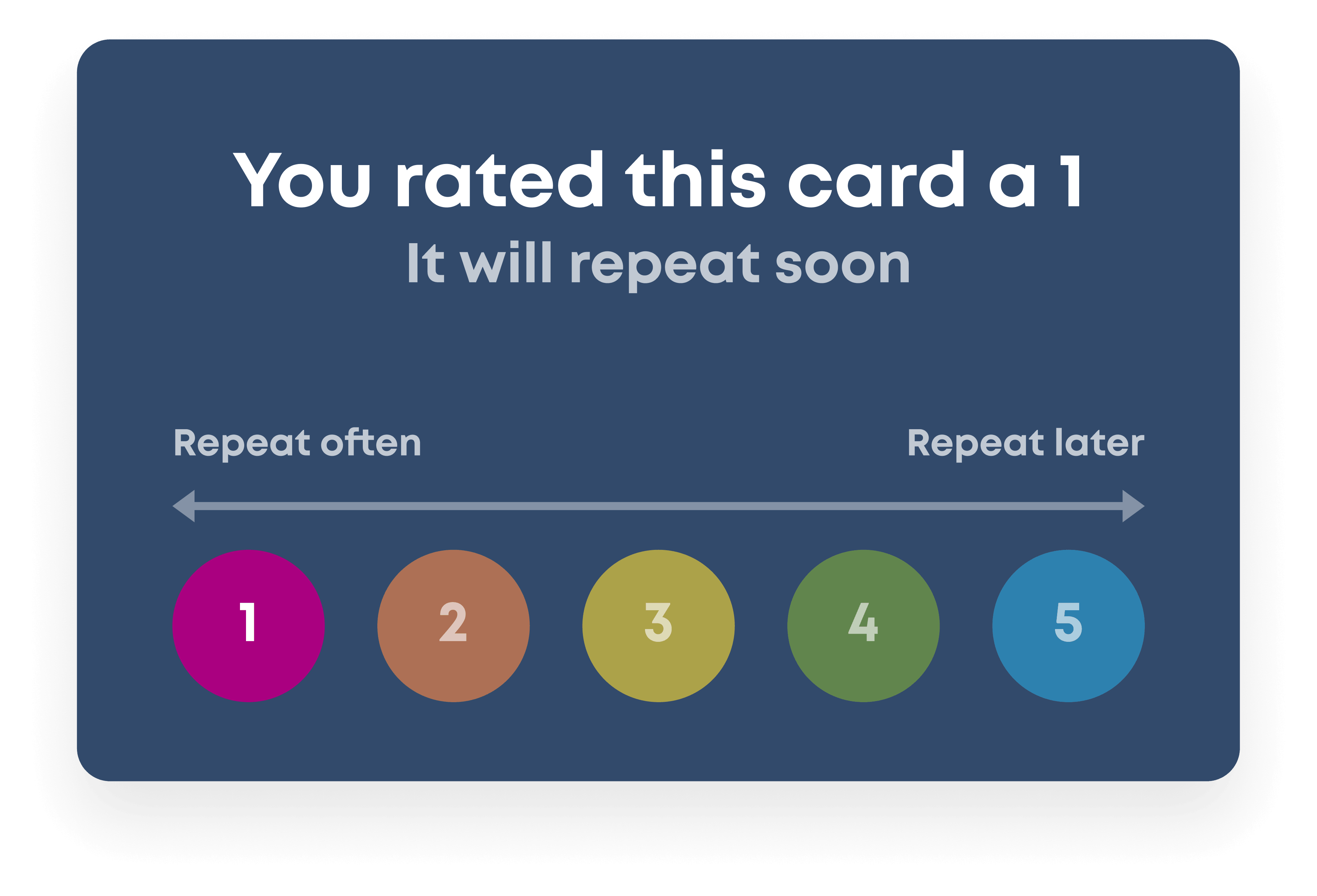
Spaced repetition: Your brain naturally forgets information without repeated exposure. Brainscape’s algorithm schedules flashcards so that difficult concepts (like enzyme regulation or Hardy-Weinberg calculations) reappear more often, while easier ones fade into the background. This rhythm ensures you review material right before you’re likely to forget it, making study time exponentially more efficient.
Metacognition. The best learners are aware of how well they know the material. With Brainscape, you rate your confidence after each flashcard. Over time, this builds a clear picture of your strengths and weak areas, allowing you to prioritize review and refine your study plan like an expert teacher designing targeted instruction.
The beauty of Brainscape’s system is that active recall, spaced repetition, and metacognition all work together like gears in a well-oiled machine. Our algorithm trains your brain to retain, connect, and apply the knowledge when it matters most.
And because Brainscape is available on web and mobile (with seamless syncing between), you’re not tied to a desk or a stack of index cards. You can pull out your NYSTCE Biology flashcards on the subway, while waiting for your next class, or even during a quick coffee break. Every spare crumb of time becomes a focused review microsession. In as little as 5 minutes a day, you can make real progress.
The Brainscape advantage is simple: an adaptive, mobile-friendly study tool that helps you make the most of your limited time, keep track of your growth, and walk into the exam confident that you’ve covered the content in the smartest way possible.
The Fastest Path To NYSTCE Biology Success
The NYSTCE Biology CST exam is your ticket to becoming a certified secondary biology teacher in New York, but the sheer breadth of content and time pressure can make it feel overwhelming. That’s where Brainscape comes in. With NYSTCE Biology flashcards built on cognitive science, you’ll have the ultimate study weapon to cut through the noise and focus on what matters most. Study smarter, stay consistent, and walk into test day ready to prove your mastery.
Frequently Asked Questions On The NYSTCE Biology Exam
How Many Questions Are On The NYSTCE Biology CST Exam?
The exam typically includes 90 multiple-choice questions and one constructed-response question. These assess a wide range of biology knowledge aligned with New York State teaching standards.
How Long Is The NYSTCE Biology Exam?
Candidates usually have 3 hours and 15 minutes to complete the test. Always check the official NYSTCE guidelines for the most current time limits.
What Score Do I Need To Pass The NYSTCE Biology CST?
A scaled score of 520 or higher is required to pass and move forward in the New York State certification process.
How Hard Is The NYSTCE Biology Exam?
Many candidates find the exam challenging because of its broad scope of content knowledge. A structured study plan and the right tools can make the workload far more manageable.
What Topics Are Covered On The NYSTCE Biology CST?
The exam covers cells and molecules, organisms, matter and energy, relationships in ecosystems, evolution, and pedagogical content knowledge. Most of these are assessed with multiple-choice questions, except for pedagogy, which is covered in a written response.
What’s The Best Way To Study For The NYSTCE Biology Exam?
Use digital flashcards alongside official NYSTCE prep guides and practice tests. Short, frequent study sessions will help you retain more than long cramming sessions.
Can I Retake The NYSTCE Biology Exam If I Don’t Pass?
Yes. You may retake the exam, but each attempt requires a new fee and compliance with NYSTCE’s retake scheduling policies.
Additional Resources for NYSTCE Biology Test Learners