Political Science 101 Flashcards
All the highest-yield concepts in any Political Science 101 or beginner course, class, or exam.

Watch video
Jordan M.
Undergrad Political Science Major
"These flashcards saved me before every test! Made learning fast and easy."

The fastest way to master Political Science 101!
Brainscape’s Political Science 101 flashcards distill the essential content from any beginner or 101 course, class, test, or exam into this collection of 940+ question-and-answer pairs, giving you a hyper-efficient and convenient study tool to ingrain and retain core political science topics.
Studying political science can feel like diving headfirst into a tidal wave of ideologies, historical movements, court cases, philosophers, and economics. For students enrolled in Political Science 101, the volume and complexity of content can quickly become overwhelming. But Brainscape's scientifically optimized Political Science 101 flashcards transform that mountain of material into a streamlined, manageable, and enjoyable study experience.
What you get with Brainscape’s Political Science 101 flashcards
Brainscape isn’t just another flashcard app. It’s built on decades of cognitive science research, designed to help you learn more political science topics in less time using an adaptive spaced repetition algorithm. Whether you're tackling Aristotle or the Articles of Confederation, our Political Science 101 flashcards are your path to faster recall, stronger comprehension, and better grades. It’s the ultimate study weapon for political science students aiming to succeed in their introductory course, ace exams, or just better identify the forces that shape our world.
- 940+ Digital flashcards on the highest-yield political science topics for any 101 course, class, or exam, with all the fluff left out.
- Peace of mind as we cover everything you need to know, saving you the guesswork of what topics to focus on, and hours of work making your own flashcards.
- A flashcard format that is engineered to make studying easy and efficient, allowing you to engage with the material effortlessly.
- A fast, effective spaced repetition learning system that will help you learn essential political science topics TWICE as fast, and remember them for longer.
- Our main features include ongoing feedback, statistics, and visualization tools to help you keep detailed track of your progress, which motivates you to study more often and manage your time effectively.
- A carefully tailored and scaffolded curriculum that logically builds on key Political Science 101 concepts.
- Ultimate freedom, access, and convenience to learn anytime, anywhere (even offline) with in-sync studying across Brainscape’s website and all your iOS and Android app devices.
Whether you're prepping for a Political Science 101 exam, trying to memorize core political science topics, or aiming to apply your knowledge to real-world scenarios, Brainscape will empower you to swiftly and confidently master the material that matters.
Created in Partnership with Trusted Experts in Political Science
To ensure our Political Science 101 flashcards are as accurate and comprehensive as possible, Brainscape partnered with leading political science educators and curriculum designers from top-tier universities. Our contributors include experienced college professors and instructional design professionals who specialize in teaching core political science topics at the undergraduate and advanced high school levels.
These subject-matter experts worked closely with Brainscape’s learning nerds to organize content around the most essential concepts students need to master: foundational political theories, major Supreme Court cases, forms of government, landmark legislation, influential thinkers, interest groups, public opinion, and more. The result? A highly curated and pedagogically sound flashcard collection that supports any learner interested in studying political science with clarity.
Our Political Science 101 flashcards align with major academic standards for introductory courses and AP Government frameworks. So, whether you're reviewing for a midterm, final, or just trying to retain dense content week after week, Brainscape will help you build a rock-solid foundation in this important discipline.
FAQ: Everything You Need to Know About Studying Political Science 101
What Do You Learn in Political Science 101?
Political Science 101 introduces students to the foundational concepts, structures, and debates that define political systems. You’ll discuss how governments are formed, how power is distributed, and how different political ideologies shape societies. Political science topics typically include the Constitution, branches of government, political ideologies, civil liberties, voting behavior, key Supreme Court cases, and political participation. Brainscape’s Political Science 101 flashcards cover all of these core concepts, helping you master the facts as quickly and as painlessly as humanly possible.
What Are the Basics of Political Science?
The basics of political science include understanding the structures of government, the nature of political power, the role of institutions, the function of interest groups, and the development of political thought. Students learn how laws are made, how different systems (like democracy or authoritarianism) function, and how political behavior is analyzed. Given the content-heavy nature of political science, digital flashcards are the best possible study tool to use alongside any course, class, or textbook to swiftly memorize key political science topics and facts as you progress.
What Are the Four Fields of Political Science?
Political science is generally divided into four main fields:
1. Comparative Politics: the study of political systems across different countries.
2. International Relations: the study of relationships between nations, including conflict, diplomacy, and global governance.
3. Political Theory: the exploration of political ideas, ideologies, and philosophical foundations.
4. American Government (or Public Administration): focused on U.S. institutions, constitutional law, federalism, and policy-making.
Brainscape’s Political Science 101 flashcards cover all four of these fields, helping you connect theory to real-life applications.
What Is the Most Important Concept in Political Science?
One of the most important concepts in political science is POWER. Who has it? How is it used? And how is it maintained or challenged? Power underlies nearly every aspect of politics, from policymaking to revolutions. Understanding how power operates is essential for making sense of ideologies and behavior. Brainscape’s Political Science 101 flashcards reinforce this core idea across multiple related topics in political science, from state sovereignty to party politics, interest groups, and public opinion.
Is Political Science 101 Hard?
It can be, but it doesn't need to be! Political science topics cover theory, history, law, and current events. That makes this subject intellectually rich, but also dense. Students often struggle with memorizing unfamiliar terminology, understanding abstract concepts, and applying theory to discuss real-life systems. But Brainscape’s Political Science 101 flashcards will help you retain key concepts faster and make cumulative studying far less stressful. With our adaptive flashcard system, learning political science becomes more manageable and more rewarding.
What Makes Brainscape Better Than Just Reading the Textbook?
Textbooks are great for big-picture understanding, but they aren’t designed the memory retention of the key political science topics. Brainscape leverages a proven learning tactic called spaced repetition to help you move information into your long-term memory. You’re not just reviewing facts. You’re actively engaging with them through repeated recall. That means deeper understanding and better test scores! Our platform also lets you study anywhere, anytime, making it ideal for busy students and working professionals alike.
Who Should Use These Political Science 101 Flashcards?
Anyone studying political science topics! Our users include high school students in AP Government classes, undergraduates in introductory political science courses, grad students prepping for exams, and even professionals brushing up for law school, foreign service work, or careers involving international politics. Whether you want to ace your political science final or finally grasp what Hobbes and Rousseau were arguing about, these flashcards were made for you.
How Long Will it Take Me to Get Through Brainscape’s Political Science 101 Flashcards?
That depends on your pace. Some users study a few minutes a day and complete studying these flashcards over the course of a semester. Others might binge through large sections in preparation for a big exam. At any given time, however, you can refer to Brainscape’s study stats to see your “Estimated Time Left”, which will tell you how much time it should take you to achieve 100% mastery. Moreover, your study journey in Brainscape automatically customizes itself according to your precise strengths and weaknesses, showing you the political science topics you struggle with more often and those you’re confident in less often. This ensures that every minute you spend studying yields maximum results.
Can Brainscape’s Political Science 101 Flashcards Help with LSAT or Grad School Prep?
Absolutely! Many future law students or MPP candidates take Political Science 101 as a foundational course. The vocabulary and concepts in this subject carry over into advanced coursework and professional applications. Brainscape’s Political Science 101 flashcards reinforce this core knowledge base so you can build upward. Mastering key topics in political science now will make higher-level analysis easier later.
Are Brainscape’s Political Science 101 Flashcards Updated?
Yes! Brainscape regularly updates its certified flashcard content to reflect the most current political science test plans and curricula. Our content team works with real educators to ensure the political science topics you study are both accurate and relevant to your course or exam. That includes recent legal developments, updated political science terminology, and current events that tie back to foundational principles, including political institutions, political culture, and the political socialization process.
Real-World Relevance: How Poli Sci 101 Shapes Your Understanding of the World
Political Science 101 is more than just a requirement for undergraduates or a stepping stone toward law school. It’s one of the most vital courses a 21st-century learner can take to understand how the world works. At a time when the headlines seem more volatile, the stakes more complex, and the global landscape more interconnected, the ability to identify and explain political dynamics is no longer just useful. It’s essential.
Political science, as a discipline, gives you the tools and perspectives to think critically about how decisions are made, account for differences in forms of power, and explain why institutions behave the way they do. These are questions that matter not just to government majors or future diplomats, but to professionals in finance, journalism, health, education, tech, and beyond.
Whether you’re an aspiring civil servant, a career-changer exploring graduate school, a finance professional managing portfolios in a volatile global economy, or just a citizen interested in social justice, understanding political systems can drastically improve your insight and decision-making.
In finance, for example, political science offers clarity on how policy shifts affect markets. Investors must assess the impact of new legislation, changes in party systems, global trade agreements, and international conflict. The relationship between politics and money is undeniable. Understanding the roots of political behavior helps analysts and economists make smarter calls.
For media professionals, knowledge of politics, public opinion, and the influence of mass media is indispensable. Reporters and content creators must explain how narratives are constructed and how party systems mobilize support in order to explain political ideologies to their audiences. Even in healthcare and tech, a foundational understanding of political bodies and governance helps leaders anticipate how laws, policies, and lobbying may affect their industries.
Political Science 101 is no longer niche. It’s cross-disciplinary knowledge for a globalized age.
Understanding the Landscape: Political Parties and Public Opinion
One of the first political science topics students learn is the role of political parties: how they’re formed, how they influence voter behavior, and how they evolve over time. In both established democracies and transitional states, parties shape everything from election results to policy agendas.
By comparing party systems across countries, a core aspect of comparative politics, students begin to account for differences in culture, history, and economic development and describe how they influence political organization. For example, the conservative two-party dominance in the U.S. looks very different from the multi-party coalitions common in Western Europe or the volatile party landscapes in some newer democracies. Understanding these variations in party systems deepens our comprehension of how representation and power actually function.
This isn’t just an academic exercise. These dynamics affect real people in real ways. They help explain why certain laws pass, why others fail, and how different political actors, from presidents to protestors, gain or lose support.
Another major political science topic is the role of public opinion. Understanding what people believe, how they’re influenced, and how they express dissatisfaction or support is critical for any policymaker or analyst. Whether through voting, protesting, or engagement with mass media, public sentiment shapes the behavior of political actors and the direction of government priorities.
The political culture of a country, including its shared values, civic habits, and attitudes toward authority, also plays a key role in shaping that opinion. Learning to identify both liberal and conservative perspectives and describe their differences gives you the power to comprehend the various forms of government that have developed through history. For example, nations with strong liberal democratic cultures tend to value free expression and civil liberties, while others may prioritize stability or tradition. Learning how to read and interpret a country’s political culture helps us understand its systems and behavior, not just through what leaders say, but also how the people respond.
Students of Political Science 101 come away with a more nuanced understanding of these relationships. They begin to see how ideas like being liberal or conservative operate not just as abstract ideologies but as living forces that shape public attitudes and policy outcomes.
Globalization and Mass Media
Political Science 101 also introduces learners to international relations, teaching them to describe how countries interact, cooperate, and sometimes collide. From trade agreements and military alliances to diplomacy and sanctions, the study of international relations explains how power flows across borders and to what degree the decisions of one nation ripple across the globe.
In today’s age of globalization, no sector is immune to foreign policy. Businesses depend on stable trade routes. Tech companies must discuss data regulations and cross-border ethics. Environmental justice activists advocate across international frameworks. Even pop culture is shaped by the political relationships between nations. Political science helps us decode the systems behind these connections. It clarifies the roles of international organizations, the impact of treaties, and the strategic calculus that goes into everything from humanitarian aid to military intervention.
This academic lens isn’t about theory alone. It’s about application. In a political landscape where conflicts in one region can trigger economic aftershocks thousands of miles away, being politically literate is an advantage in almost any career. This is especially given the importance of media literacy in the 21st century.
Mass media play a powerful role in shaping how citizens perceive their leaders, institutions, and each other. Political Science 101 teaches students to critically examine the media environment: how narratives are framed, how disinformation spreads, and how media impacts elections and public trust.
In democratic systems, mass media can act as a watchdog or a weapon. It can amplify marginalized voices or entrench existing power. Understanding this dual role is crucial for students hoping to navigate today’s hyper-connected information landscape.
Whether you plan to work in media, communications, or policy, studying how political messages are constructed and consumed can strengthen your ability to evaluate sources, describe systems, and communicate effectively.
At its heart, Political Science 101 is about the future. It’s about equipping learners with the tools to engage, influence, and improve the systems that govern our lives. It builds your understanding of how society works so that you can make a difference in it. It allows you to step back from the chaos of the news cycle and ask: Why is this happening? Who benefits? What can be done? And how have other countries faced similar challenges?
In a time when money, media, and political power are more linked than ever, the insights from Political Science 101 are more valuable than ever. Whether you're analyzing the economy, evaluating party platforms, or understanding voter behavior, Brainscape’s flashcards provide the clarity to cut through the noise.
Use Brainscape to Crush Your Next Political Science 101 Exam
Brainscape understands the complexity and pressure that political science students face. From introductory undergrads wrestling with unfamiliar vocabulary to AP Government students preparing for high-stakes exams, the struggle is real. We’ve designed our Political Science 101 flashcards to meet you exactly where you are. Our platform is purpose-built for learners who crave clarity, flexibility, and a smarter way to retain knowledge.
Are you a pre-law student staring down the LSAT? A political science major struggling to recall all the theories and thinkers before midterms? A lifelong learner trying to understand how international relations shape our daily news? No matter your path, our Political Science 101 flashcards make your learning journey more efficient, enjoyable, and effective.
Each flashcard is engineered to exercise your recall and deepen your understanding. Brainscape's adaptive algorithm gets to know what you know, and what you don’t, so you can spend less time second-guessing your progress and more time mastering core political science concepts. Forget cramming. Brainscape empowers you to build durable, test-ready knowledge that sticks.
We also know that political science isn’t just about memorizing facts. It’s about grappling with complex ideas, historical patterns, and philosophical debates. That’s why our Political Science 101 flashcards don’t just quiz you on definitions. They’re designed to scaffold your thinking so you can connect themes across topics like public opinion, political institutions, international relations, political theory, and more.
Brainscape is mobile, flexible, and ready when you are. Whether you’re squeezing in a study session between classes, reviewing in the car before a big test, or exploring new topics during a summer internship, our platform lets you study when and where it’s most convenient. We’re your daily learning companion, on your phone, on your laptop, and even offline.
Our users often say the biggest benefit of Brainscape isn’t just better grades or faster prep (though those help). It’s the confidence they gain along the way. That feeling of finally understanding why certain political ideologies matter, how political parties evolved, or what interest groups actually do in modern democracies. Our flashcards give you that clarity, so you can participate more thoughtfully in class, write stronger essays, and ace your exams with less stress.
If you’re studying political science for the first time, it can be hard to know what’s worth remembering. Our curated flashcards eliminate that guesswork. You’ll find everything from foundational terms to complex systems, like administrative and bureaucratic systems or the nuances of political participation, broken down into bite-sized, learnable nuggets.
We’ve designed our flashcards with real classroom curricula in mind, so you’re not just memorizing facts in a vacuum. You’re building context and comprehension that will serve you well beyond the classroom, in debates, interviews, grad school applications, and even real-life political engagement.
So, whether your dream is to be a civil rights lawyer, a policy analyst, a journalist, or simply a more informed citizen, Brainscape’s Political Science 101 flashcards are the ultimate study weapon.
Start studying smarter today. Join thousands of learners who trust Brainscape to make political science click. Because understanding how the world works shouldn’t feel out of reach, and with the right study tools, it isn’t!
Additional resources for Political Science 101 students
- Watch: Brainscape’s YouTube channel for immediately actionable tips on how to study more efficiently and deal with exam stress.
- Explore: Brainscape’s Academy for fantastic and free study guides on how to learn more efficiently, prepare for exams with confidence, and optimize your brain for performance.
- Get: Brainscape’s free study planners and exam countdown sheets to help you plan out and stay on top of your studies.
Decks included (11)
Pass any political science test
Our smart flashcards are a powerful complement to your studies. Try it for FREE and see for yourself or upgrade to Pro for full access. Not satisfied? We'll give you your money back.
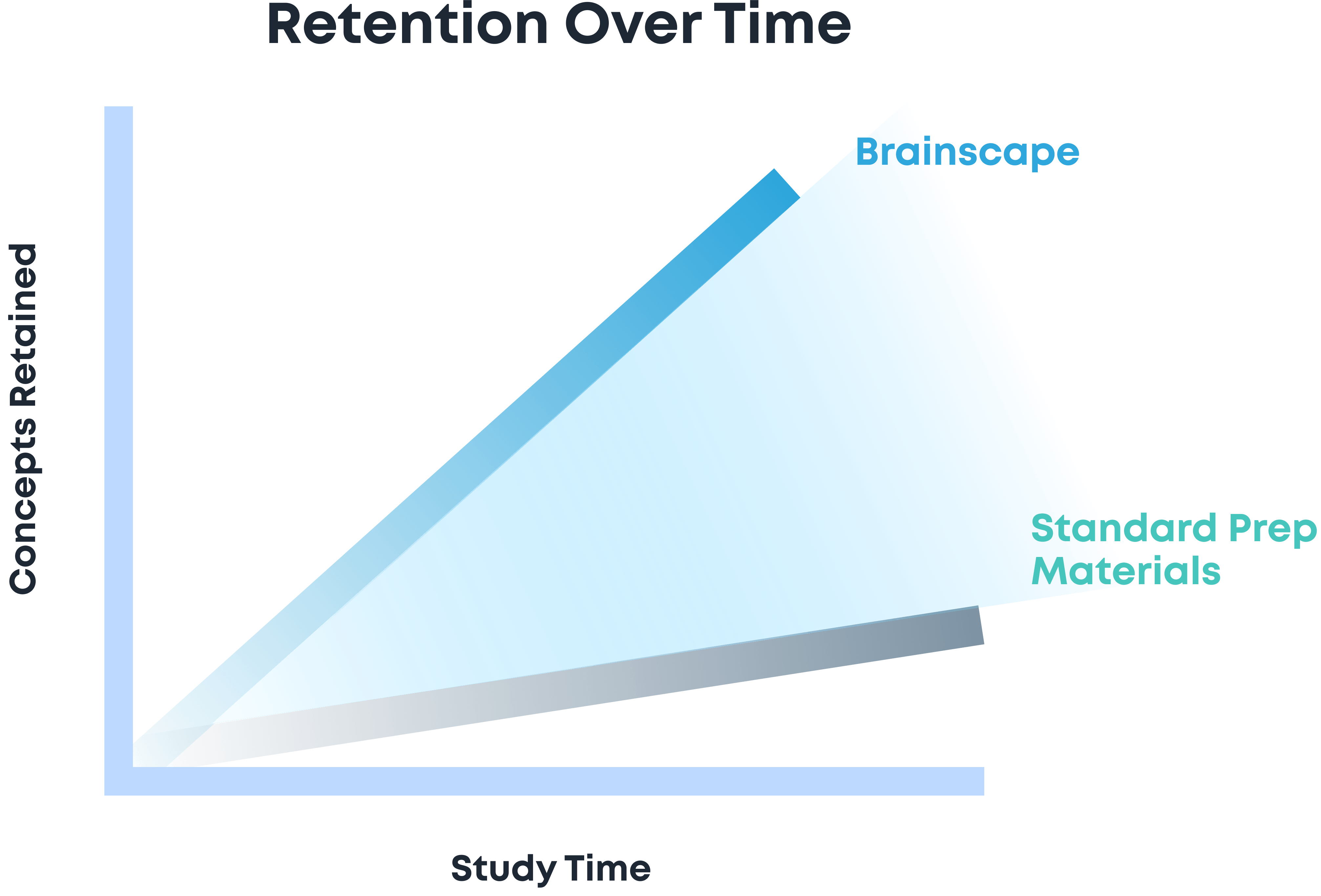
The smartest study method.
Brainscape's spaced repetition system is scientifically proven to help you learn faster and develop better study habits.
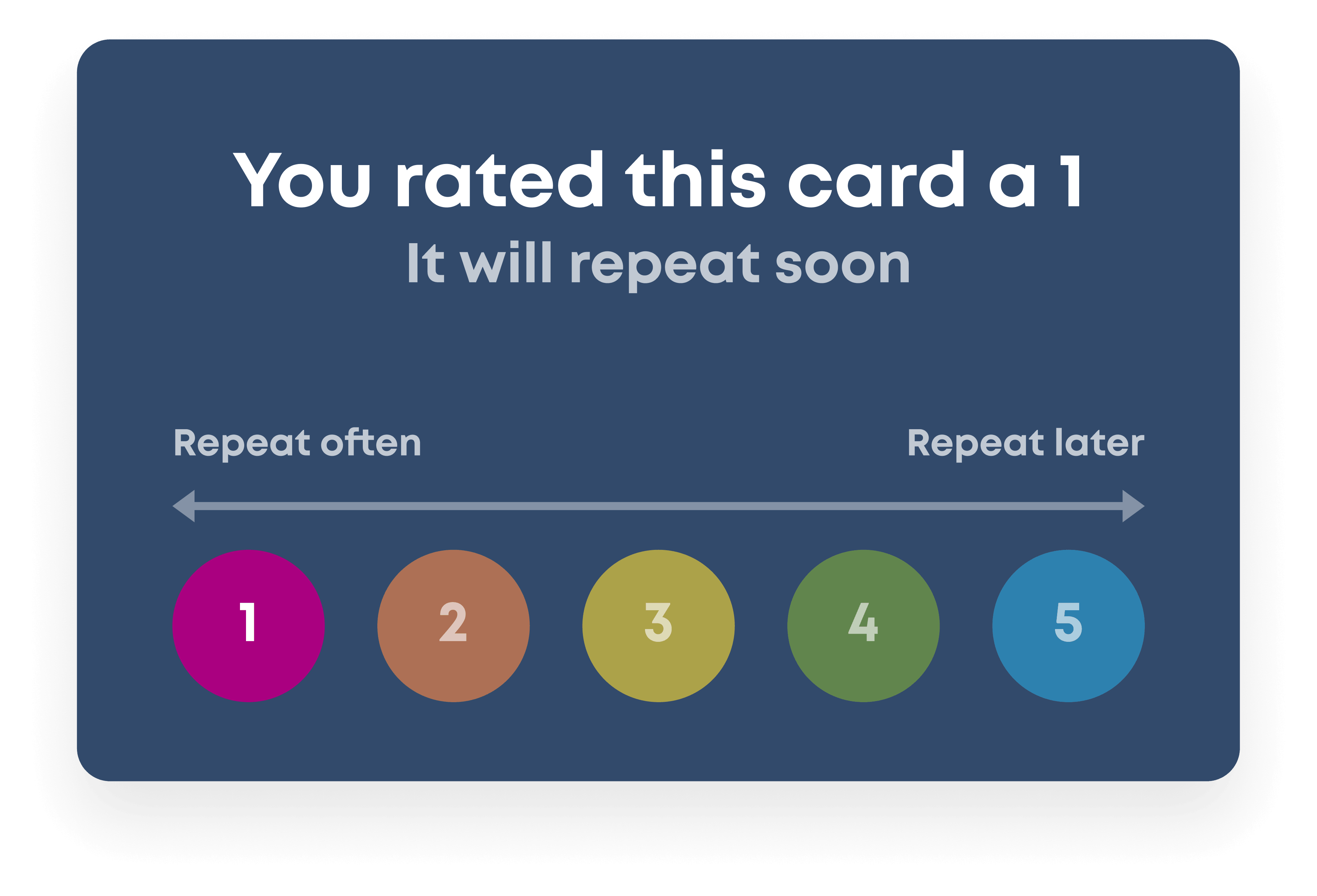
Easy to add your own flashcards.
Collaborate with others, add media, and keep all your flashcards in sync between the Brainscape website and mobile app.