Praxis (5511) - Fundamental Subjects: Content Knowledge
All the top concepts in the Praxis Fundamental Subjects: Content Knowledge 5511 curriculum.

decks
flashcards
learners
"Brainscape's flashcards were spot on. I aced the fundamentals section with ease!"

The best study app for Praxis 5511!
Decks included (16)
1 - Analyzing and Understanding Literature
This deck covers key aspects of reading and analyzing literature, including understanding literal and nonliteral meanings, identifying major themes and purposes, exploring relationships among literary elements, and examining texts within historical, cultural, and cross-cultural contexts. It also focuses on comparing literary texts for deeper insight.
94
cards
2 - Literary Methods and Their Effects
This deck discusses the meanings and effects created by specific literary elements, including point of view, character development, setting, tone, mood, imagery, and figurative language (e.g., metaphor, simile, personification). It will examine how these elements influence the overall impact of a literary work.
75
cards
3 - Reading and Communication Skills
This deck covers identifying main ideas and supporting details, summarizing/paraphrasing, and understanding language in context. It addresses text organization, fact vs. opinion, inferences, writing purposes, audience adaptation, and revision strategies.
115
cards
4 - Number Sense and Basic Algebra
This deck focuses on key math skills: computing with rational numbers, estimation, and solving problems with percent, ratios, and proportions. It emphasizes word problems, algebraic expressions, equivalent number forms (including graphs), and place value for ordering and grouping.
95
cards
5 - Geometry and Measurement Concepts
This deck emphasizes converting, selecting, and applying measurements within the same system. It covers using scale measurements for interpreting maps, drawings, or models, and solving problems related to area, perimeter, circumference, and volume. Additionally, it includes solving problems involving rates.
118
cards
6 - Data Analysis and Probability Skills
This deck focuses on interpreting data from charts, graphs, tables, and spreadsheets, identifying trends and patterns, and making inferences. It also covers calculating and comparing mean, median, mode, and range, as well as solving various problems using probability concepts.
74
cards
7 - Historical Continuity and Geographic Regions
This deck focuses on the chronological understanding of historical events and geographic literacy. It covers the analysis of historical documents, the role of individuals, groups, and movements in shaping history.
103
cards
8 - Socio-Historical Shifts: Effects of World-Changing Conflicts
This deck focuses on major conflicts and pivotal moments in history to understand their causes, outcomes and socio-economic significance.
97
cards
9 - Human Interaction with Nature, Resources, and the Earth's Physical Aspects
This deck explores the interaction between people and places, focusing on human impact on the environment, human adaptation and key geographic concepts.
78
cards
10 - Civics, Government, and Economic Choices
This deck emphasizes the understanding of major government systems, the U.S. political system, the rights and responsibilities of citizens, and key economic principles. It explores how economic factors influence individuals and nations, and how these factors interact with geographical and cultural aspects.
124
cards
11 - Nature and History of Science
This deck explores common data-gathering methods and tools (e.g., thermometers, microscopes), units of measurement (e.g., temperature, mass, energy), and scientific inquiry, including experimental design and error analysis. It highlights key scientific contributions and teaches data interpretation from tables, graphs, and charts.
110
cards
12 - Physics
This deck explores core concepts in physics, such as forces, motion, energy transformations, and atomic structure. These principles lay the groundwork for understanding more complex phenomena in other scientific fields.
130
cards
13 - Chemistry and Biology
This deck explores fundamental concepts in chemistry and biology, including atomic structure, chemical reactions, cellular biology, and genetics. The goal is to provide a comprehensive understanding of biological processes and their significance in the diversity of life.
152
cards
14 - Ecology and Earth Science
This deck explores the dynamic interplay between Earth's living and non-living systems. It investigates fundamental ecological concepts, including ecosystem function, energy flow, and evolutionary processes. It also delves into Earth's geological history, examining plate tectonics, the rock cycle, and the forces shaping our planet's surface, such as volcanoes, earthquakes, and tsunamis.
116
cards
15 - Astronomy and Atmospheric Science
This deck explores the universe, from Earth's atmosphere to distant galaxies. It covers atmospheric science, including the greenhouse effect, weather, and climate change. It also delves into our solar system, examining planets, dwarf planets, asteroids, comets, and the Sun. Finally, it explores stars, black holes, and galaxy formation and evolution.
70
cards
16 - Science, Technology, and Social Perspectives
This deck explores the interplay of science, technology, and society, focusing on their impact on the environment, public health, and resources. It covers key issues like pollution, the greenhouse effect, waste disposal, and medical advancements, along with science's role in energy production, resource conservation, and renewable/nonrenewable energy, providing a broad understanding of science's influence on human and environmental well-being.
89
cards
Boost Praxis Fundamental Subjects: Content Knowledge scores, guaranteed.
Our smart flashcards are a powerful complement to your studies. Try it for FREE and see for yourself or upgrade to Pro for full access. Not satisfied? We'll give you your money back.
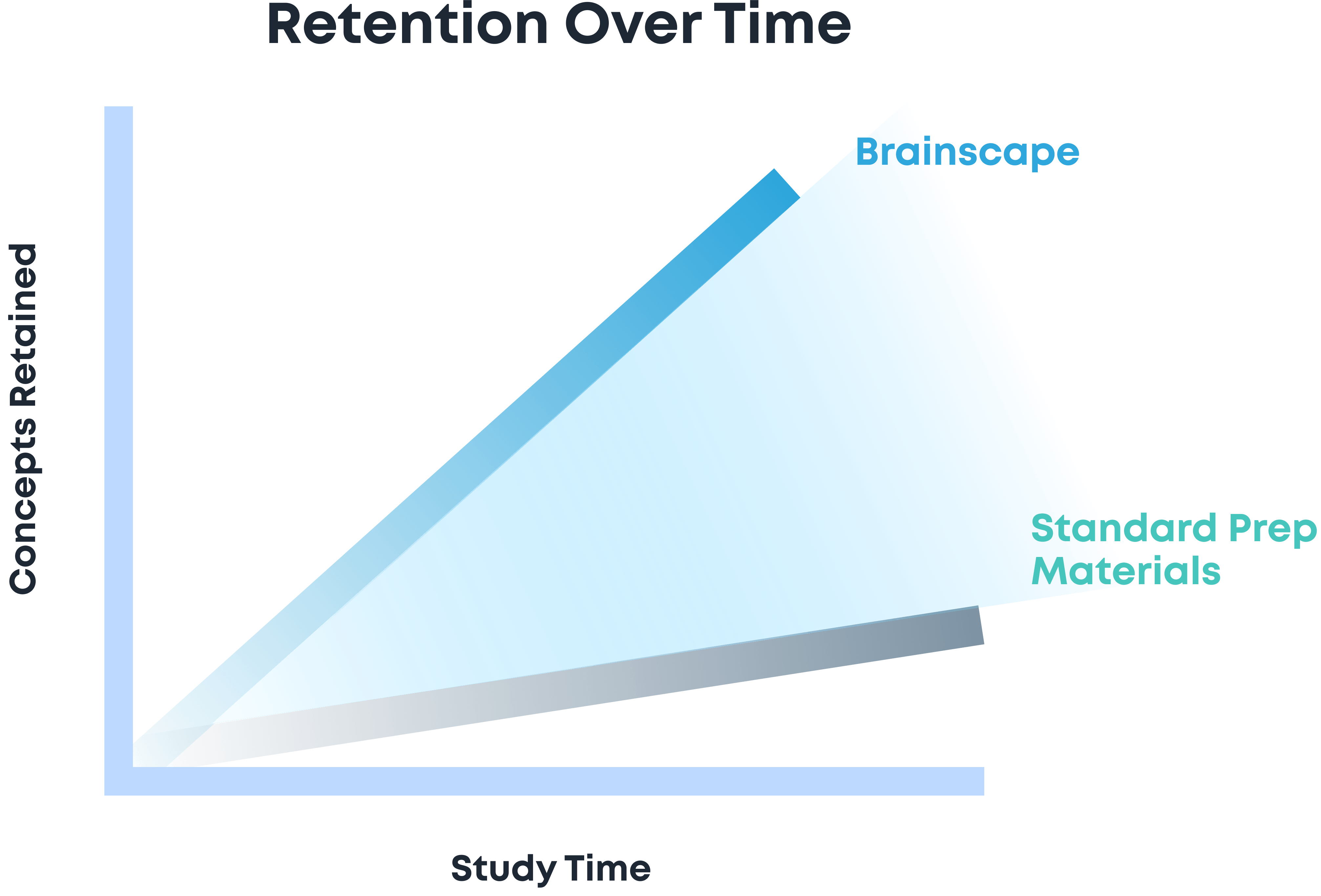
The smartest study method.
Brainscape's spaced repetition system is scientifically proven to help you learn faster and develop better study habits.
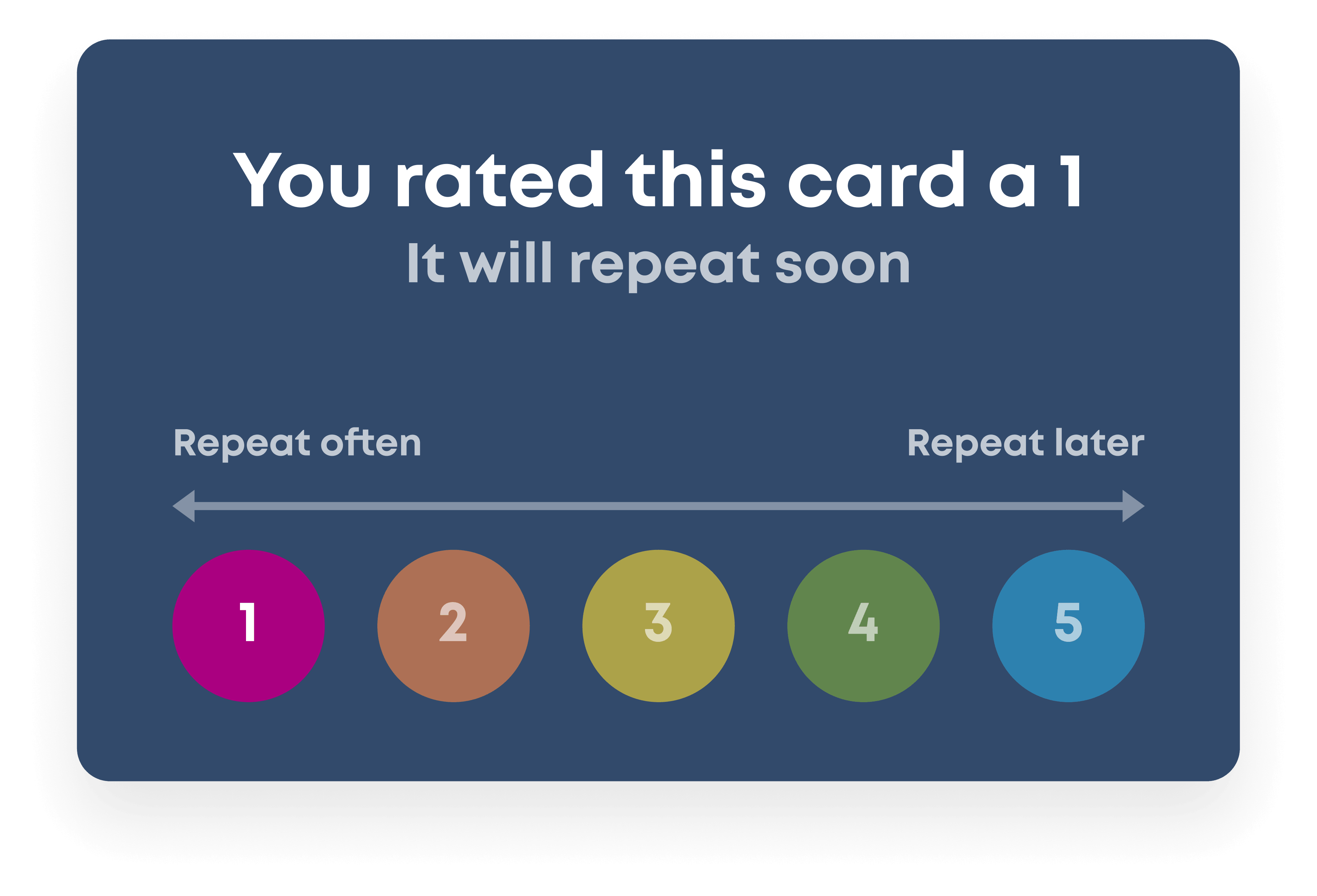
Easy to add your own flashcards.
Collaborate with others, add media, and keep all your flashcards in sync between the Brainscape website and mobile app.