Brainscape’s Emergency Medicine flashcards offer the fastest, most efficient way to study for the Membership of the Royal College of Emergency Medicine (MRCEM) exam. Created in partnership with Scott Odorizzi, a staff emergency physician and lecturer at the University of Ottawa, this adaptive study system helps you absorb information faster, stay focused, and build long-term retention across all exam topics.
Save dozens of hours making your own study assets with smart, digital flashcards that have already boiled down the highest-yield concepts you need to know, while using proven cognitive science tactics to help you learn, understand, and remember the material as fast and as painlessly as humanly possible.
What You Get with Brainscape’s MRCEM Exam Flashcards:
- 1,700+ Flashcards created in partnership with experts to covering the highest yield concepts tested by the MRCEM exams.
- Peace of mind as we’ve comprehensively covered the official MRCEM syllabus/blueprint, as well as popular exam prep resources like Rosen's Emergency Medicine (9th Edition).
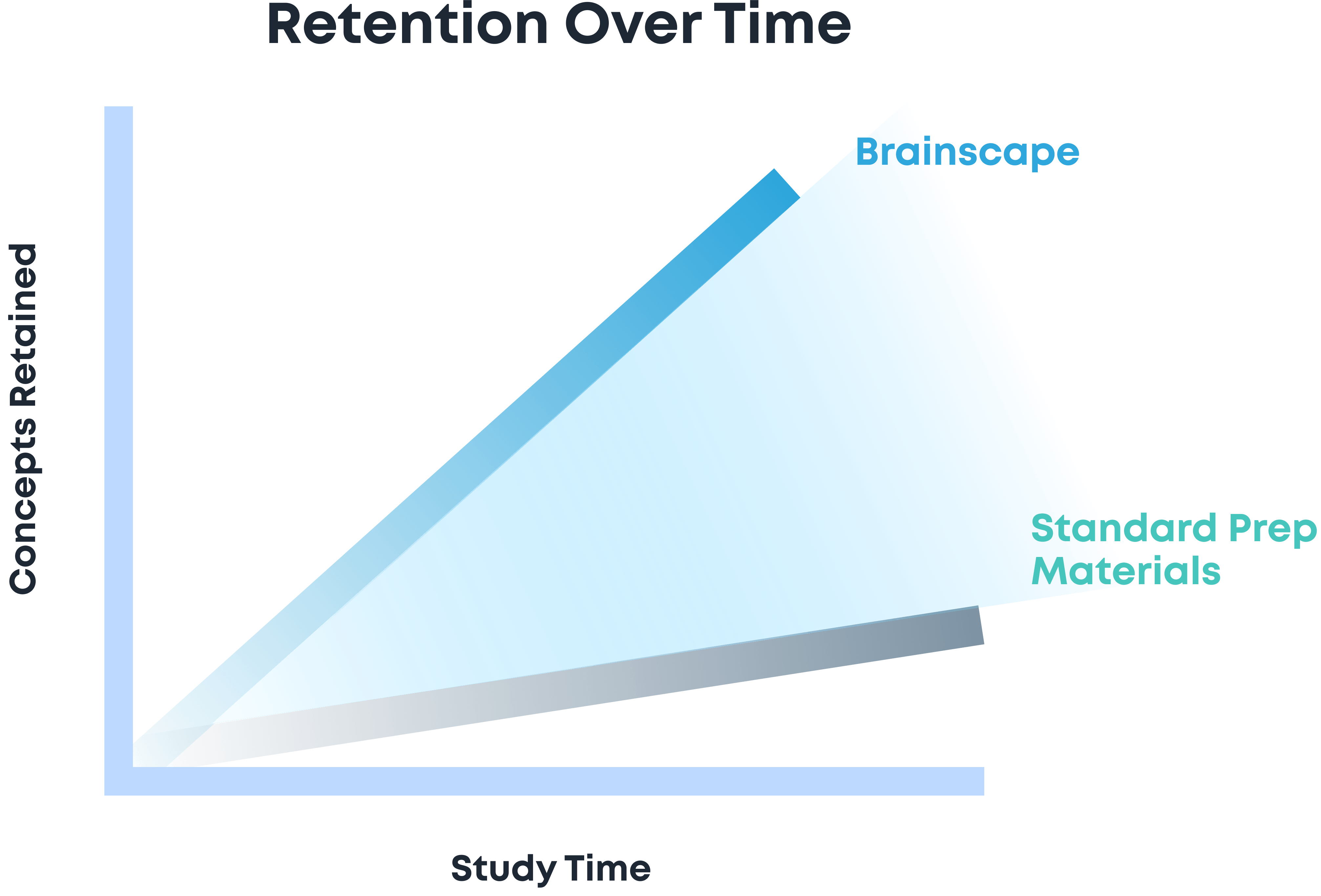
- A fast, effective spaced repetition study system that will help you learn everything you need to know TWICE as fast, and remember it for longer.
- Ongoing feedback, statistics, and visualisation tools to help you track your progress, which motivates you to study even more (to keep your streak alive!)
- Ultimate freedom, accessibility, and convenience with in-sync studying across Brainscape’s website and all your iOS and Android devices.
What Is The MRCEM Exam?
The MRCEM is a key milestone for doctors training in Emergency Medicine in Canada, the UK, and internationally. It assesses a candidate’s medical knowledge, clinical reasoning, and practical competence needed to provide safe, effective emergency care.
The qualification is recognised in the UK and in several international jurisdictions as a mark of professional expertise in the field. Passing the MRCEM shows that a doctor has mastered the essential foundations of acute care and is ready to progress to specialist emergency medicine training or more senior clinical roles.
How Is The MRCEM Exam Structured?
The MRCEM exam is divided into three stages, each assessing a different level of knowledge and skill in Emergency Medicine. Understanding how the exam is structured helps you build your study plan.
The MRCEM Primary is the first step. It focuses on the applied basic sciences that support emergency practice, including anatomy, physiology, pathology, pharmacology, and microbiology. This stage confirms that candidates have a strong understanding of the scientific concepts behind effective clinical care.
The MRCEM Intermediate SBA (Single Best Answer) exam comes next. It evaluates your ability to apply medical knowledge to real clinical situations, covering topics such as trauma, resuscitation, mental health, and paediatrics. It tests your judgment, prioritisation, and problem-solving under pressure.
Finally, the MRCEM OSCE (Objective Structured Clinical Examination) measures hands-on skills and communication. Through a series of short, simulated stations, candidates demonstrate their ability to assess patients, explain diagnoses, perform procedures, and interact professionally in a fast-paced clinical environment.
Each stage must be completed in sequence, with eligibility determined by the RCEM. A clear understanding of these components allows you to plan your preparation effectively and stay focused on what matters most at each step.
What Are The Best Ways To Prepare For The MRCEM Exam?
The MRCEM exam covers a vast amount of material, so studying efficiently is all about balance, structure, and steady progress. A clear plan and the right mix of study methods can make the process far less stressful.
1. Create a structured study plan.
Start by setting a realistic schedule that spreads your preparation across the months leading up to the exam. Begin with your textbook or review course and allocate time for each topic. Divide your time between the core subjects (basic sciences, clinical medicine, and communication skills) and build in short daily sessions for review. Consistency is far more effective than cramming.
2. Learn actively.
Engage with the material rather than just reading it. Use Brainscape’s flashcards to quiz yourself in order to lock all that information into your memory. Summarise concepts aloud and explain topics to peers. Active learning keeps information fresh and easier to recall when you need it most.
3. Practice with mock exams.
Taking full-length practice papers under timed conditions is one of the best ways to prepare for the real thing. It familiarises you with the question format, trains you to manage your time, and highlights areas that need extra work.
4. Test your theoretical knowledge with real-world applications.
Connect your reading to clinical experience whenever possible. Discuss cases with colleagues, review patient scenarios, or practice explaining procedures aloud. This bridges the gap between textbook knowledge and practical decision-making.
5. Keep your study routine flexible.
Emergency medicine doctors lead busy lives, so take advantage of short breaks and commutes for quick revision sessions. A few minutes here and there can make a big difference when multiplied over weeks of preparation.
By combining steady course study, daily flashcard review, and practice exams, you’ll build both the knowledge and confidence you need to perform at your best on exam day.
Why Are Brainscape’s Flashcards An Effective Study Tool For MRCEM Candidates?
For doctors balancing long shifts with exam prep, flashcards are one of the most efficient ways to study for the MRCEM exam. They make it easier to remember key facts, definitions, and clinical protocols without getting lost in pages of dense material.
Brainscape’s flashcards are built around three proven learning techniques that help you study smarter and retain information longer:
- Active recall: Instead of passively rereading notes, you quiz yourself by recalling information from memory. This process strengthens your ability to retrieve knowledge under pressure, during the exam, as well as in real emergencies.
- Spaced repetition: Everyone forgets what they don’t review often enough. Spaced repetition fixes this by revisiting topics at increasing intervals, helping you move information from short-term to long-term memory. Brainscape handles the timing automatically, bringing up difficult topics more often and letting mastered ones fade until you need them again.
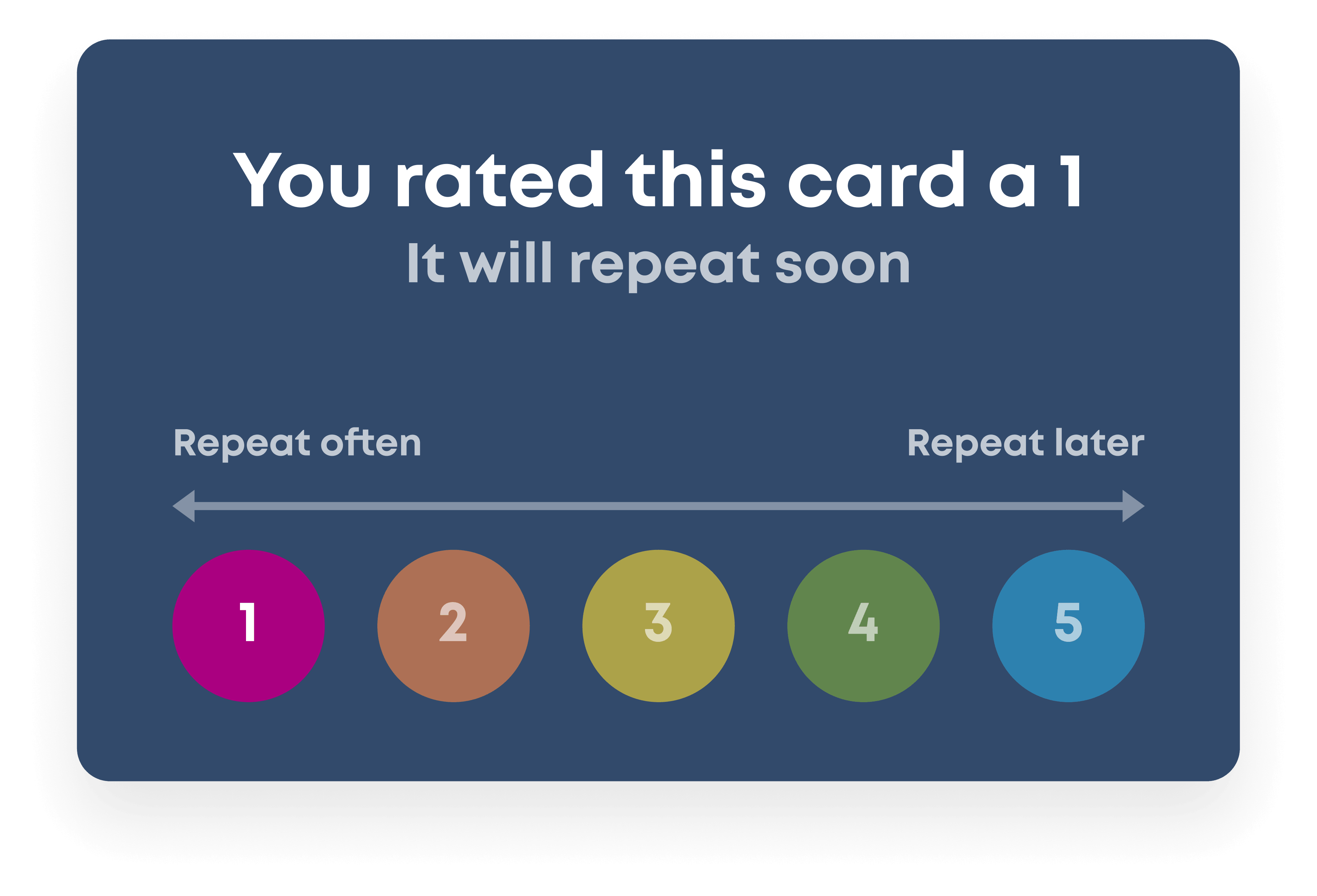
- Metacognition: After each card, you rate how confident you felt about your answer. This quick reflection helps you notice weak areas and focus future study sessions where they’ll have the most impact.
Because Brainscape works seamlessly on both web and mobile, you can study in short bursts during breaks or commutes. Each flashcard set follows the latest RCEM curriculum, covering anatomy, clinical reasoning, and emergency protocols across all three stages of the exam.
For busy clinicians, Brainscape flashcards turn spare minutes into meaningful study time. They’re an ultra-efficient, cognitive-science-backed way to prepare for the MRCEM and strengthen the core knowledge every emergency doctor needs.
How Long Is The MRCEM Exam?
The duration of the MRCEM exam depends on which stage you take. The MRCEM Primary lasts about 3 hours, the Intermediate SBA takes around 4 hours, split into two papers, and the OSCE runs for about 2 to 3 hours, depending on the number of stations. Each stage focuses on a different part of your emergency medicine knowledge and skills.
How Many Questions Are On The MRCEM Exam?
Both the Primary and Intermediate SBA exams contain 180 single best answer questions. The Primary covers applied basic sciences, while the Intermediate tests clinical reasoning and emergency care decision-making. The OSCE has 16 to 18 stations that assess communication, diagnosis, and procedural competence in realistic clinical settings.
How Is The MRCEM Exam Administered?
The Primary and Intermediate SBA exams are computer-based and can be taken at Pearson VUE test centres across the UK. The OSCE is conducted in person at designated assessment centres approved by the Royal College of Emergency Medicine. Each exam follows the same standardised format to ensure consistency and fairness for all candidates.
How Many Times Can You Take The MRCEM Exam, And What Is The Passing Score?
Candidates may retake each MRCEM component as long as they meet the eligibility rules and RCEM’s retake policy. The passing score varies by exam and is set using the Angoff standard-setting process. After each attempt, candidates receive a detailed score report showing how they performed across all topic areas.
Master Emergency Medicine With Confidence
Preparing for the MRCEM exam is one of the most important milestones in your emergency medicine career. Brainscape’s certified flashcards provide a clear and efficient way to review anatomy, physiology, and clinical reasoning. The platform helps you learn faster, retain more, and stay confident through every stage of preparation. Study smarter with Brainscape and take the next step toward earning your MRCEM.
Additional Resources for MRCEM Test Learners