The WSET® Level 1 Sake exam is your gateway to understanding the world of Japan’s iconic beverage, and Brainscape’s flashcards are ensure that you pass it with confidence. Designed for beginners, hospitality staff, and sake enthusiasts, these cards break down tricky terms, brewing steps, and service basics into quick, memorable nuggets of information you can study anytime, anywhere. (They also come with a free practice test, which you’ll receive via email as soon as you hit the “Start Studying” button.)
Instead of drowning in dense study guides, you’ll use cognitive science-backed methods proven to lock information into your long-term memory. The result? You’ll make fast progress, banking Japanese terminology you may never have heard of before—like Junmai, Ginjo, and Nigori—as quickly and as painlessly as humanly possible.
What You Get with Brainscape’s WSET Level 1 Sake Flashcards:
Created in partnership with the indomitable Sarah Looper (DipWSET), Brainscape’s flashcards offer a hyper-efficient study tool to ingrain and retain the facts you’ll encounter in the official WSET Level 1 Sake textbook. They’re mobile-friendly, interactive, and built for enthusiasts and hospitality pros on the go, whether you’re sneaking in a study session between shifts or brushing up with a glass of sake in hand.
With Brainscape’s WSET Level 1 Sake flashcards, you get:
- Adaptive, digital flashcards that cover the highest-yield concepts in the official WSET Level 1 Sake textbook and reading materials, with all the fluff left out.
- Peace of mind as we’ve created these flashcards in partnership with Sarah Looper (DipWSET), a Certified Wine Educator and Master Sommelier candidate with decades of experience.
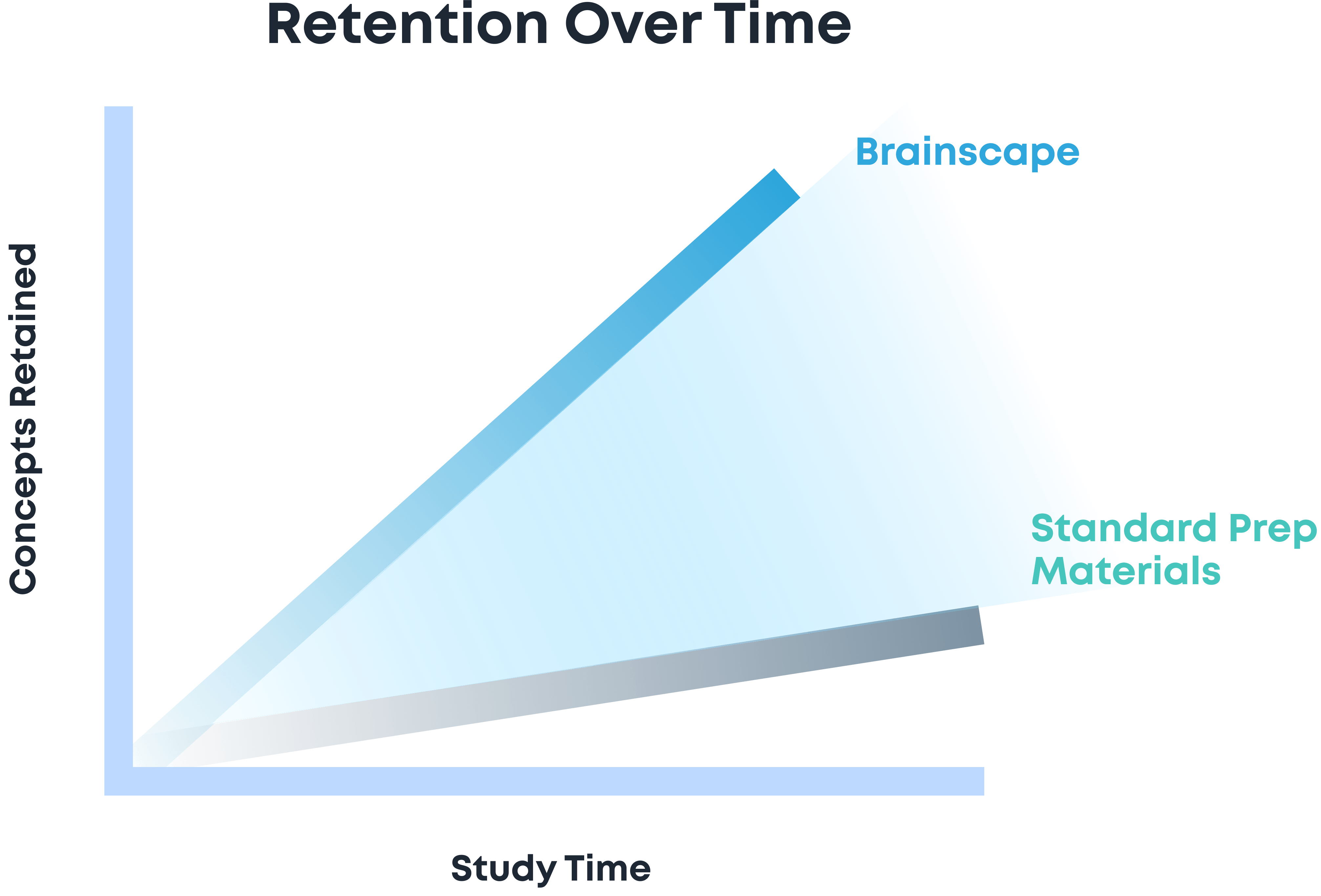
- A fast, effective spaced repetition study system that will help you learn everything you need to know TWICE as fast, and remember it for longer.
- A free practice test written in the same style as the WSET Level 1 Sake exam, covering the same content.
- Ongoing feedback, statistics, and visualization tools to help you track your progress, which motivates you to study even more (to keep your streak alive!)
- A carefully tailored and scaffolded curriculum based on the official WSET Level 1 Sake test plan.
- Ultimate freedom, accessibility, and convenience with in-sync studying across Brainscape’s website and all your iOS and Android devices.
- A free study guide with insider tips and strategies on studying for (and passing) the WSET Level 1 Sake exam.
About Our Lead Author
Sarah Looper is a Master Sommelier candidate, Certified Wine Educator, and WSET® Level 4 Diploma holder with experience across the wine industry spectrum. Sarah has worked as a buyer for a boutique wine store in Manhattan; a wine director in several fine dining restaurants; as Tastings Director at Wine & Spirits Magazine; and a wine educator, who helps students prepare for their wine and sommelier exams. Having conquered the CMS’s Advanced Sommelier course and WSET® Diploma, this industry veteran is a formidable wine nerd and an indispensable asset to the Brainscape team!
What Is The WSET Level 1 Award In Sake?
The WSET Level 1 Award in Sake is the perfect introduction to Japan’s iconic beverage, designed to give you a solid foundation in what sake is, how it’s made, and how to serve it properly. Think of it as your official license to stop nodding politely when someone drops words like Honjozo or Daiginjo at the bar and actually know what they mean.
This certification is made for hospitality staff, sake-curious enthusiasts, and complete beginners who want a structured, credible way to start their sake journey. The exam itself is simple: 30 multiple-choice questions, 45 minutes, and a 70% score to pass.
No prerequisites are required (other than being of legal drinking age), and the course is available year-round through WSET’s Approved Programme Providers across the globe.
WSET Level 1 Sake Exam Content Outline & Key Topics
So what exactly will you be tested on in the WSET Level 1 Sake exam? The curriculum is a tasty mix of history, science, and practical know-how that gets you comfortable with the essentials. Here’s the menu:
- What sake is. You’ll start with the basics: what sake actually is, where it fits in Japanese culture, and how it’s different from wine or beer. Spoiler: it’s not “rice wine.”
- Ingredients and production. Meet the four stars of the show: rice, water, koji, and yeast. You’ll learn how these simple ingredients are transformed through washing, polishing, steaming, and fermentation into the bottles you see at the bar.
- Categories and styles. Ever wondered why some bottles say Junmai while others say Daiginjo? The exam will walk you through the key categories, rice polishing ratios, and what these styles mean for aroma, flavor, and body.
- Storage and service basics. From sake temperature (chilled, room temp, or gently warmed) to proper glassware or traditional cups, you’ll know how to serve it right. Bonus: you’ll also learn how freshness matters, so you’re not accidentally sipping something past its prime.
- Pairing and faults. Level 1 keeps it simple: which foods make sake sing, and how to spot when something’s off in the glass.
- Japanese terminology. Get familiar with essential label terms, common regions, and those all-important rice polishing ratios. At first, the words may feel intimidating, but with flashcards and practice, they’ll become second nature.
In short, the exam questions focus on helping you recognize styles, ingredients, and service steps. With steady preparation, you’ll be able to breeze through those 30 multiple-choice questions like you were born pouring sake.
How To Study Effectively For The WSET Sake Level 1 Exam
Studying for the WSET Level 1 Sake exam doesn’t need to feel like cramming for a chemistry test. The biggest challenge for most candidates is memorizing Japanese terms, production steps, and tasting vocabulary. Words like Koji-kin or Junmai Daiginjo can seem intimidating at first, but with the right plan, you’ll have them flowing off your tongue in no time.
Here’s how to approach your prep in a structured, stress-free way:
1. Set a simple study schedule.
Break the material into weekly goals, then shrink those into daily tasks. Even ten to fifteen minutes a day adds up fast and prevents last-minute cramming.
2. Review the core material.
Start (and stick) with the official WSET textbook and reading materials so you can see the full picture. Read through the sections, highlight key points, and jot down short notes to ensure you understand the basics of ingredients, categories, and service.
3. Reinforce with flashcards.
Once you’ve reviewed, switch to flashcards to help lock in details. Flashcards are especially powerful for internalizing kanji terms, rice polishing ratios, brewing steps, and service vocabulary. Because they fit easily into a busy hospitality schedule, you can study on a break or between shifts.
4. Use practice questions.
Even at Level 1, it helps to quiz yourself with sample multiple-choice questions. Brainscape’s WSET Sake flashcards come with a free practice test, which you’ll receive via email as soon as you add them to your dashboard. This practice gets you comfortable with the exam format and shows you which topics need more attention.
5. Practice the WSET SAT tasting method.
An important part of this course is learning how to describe sake’s appearance, aroma, and taste. Each time you sip sake, follow the SAT steps carefully. Saying the descriptors out loud builds confidence and prepares you for the way WSET expects you to answer.
With a schedule, a balance of review and flashcards, some practice questions, and regular SAT tasting drills, you’ll build knowledge that feels natural and stays with you. By the time exam day arrives, you’ll not only know the facts but also have the confidence to use them.
Why Flashcards Are The Best Tool For Sake Certification Success
The WSET Sake Level 1 textbook is great, but let’s be honest: you can’t just read something and expect it to stay in your head. Flashcards swoop in like the bartender who knows your order before you even sit down, breaking all that dense information into quick, tasty sips you can actually handle. Here’s where the science gets fun…
Flashcards leverage three cognitive science techniques: active recall, spaced repetition, and metacognition.
Active recall is the core idea behind using flashcards. Instead of passively rereading the word Junmai over and over, a card asks you What does Junmai mean? and your brain has to serve up the answer from scratch. It’s like flexing a muscle: the more you force your memory to “lift,” the stronger it gets. Imagine being quizzed on polishing ratios while pouring drinks: if you can answer without peeking, that’s active recall doing its job.
Now layer on spaced repetition. Instead of cramming everything in one sitting, you circle back to the material at just the right time. Psychologists call this the forgetting curve: if you don’t review something, your brain starts to let it slip. But when you see it again, right before you would have forgotten it, the memory gets reinforced and lasts longer.
Brainscape automates this process, so if you’re finding a flashcard tricky, it will pop up more often until it sticks. Meanwhile, familiar facts will pop up less frequently, diverting your attention to the concepts that need more work. Over time, those intervals stretch out, and what once felt like foreign vocabulary becomes second nature.
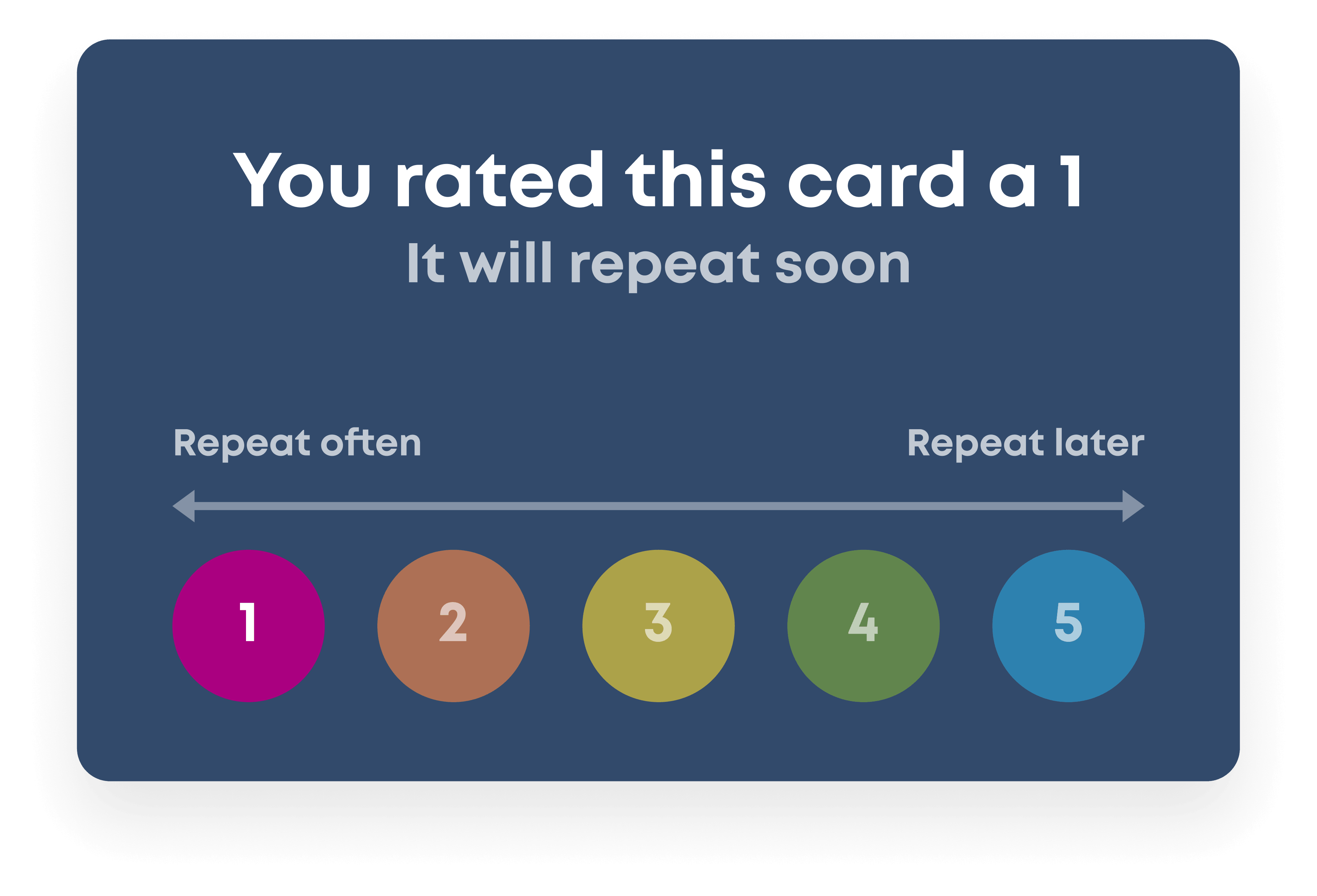
And then there’s metacognition, which is basically thinking about your thinking. Every time you answer a Brainscape flashcard, you’ll rate how confident you were on a scale of 1 to 5. That tiny moment of reflection makes you stop and assess: Do I really know this term, or did I just guess?
Not only does that rating feed back into the algorithm to adjust how often you’ll see the card again, but the act of self-assessment itself strengthens your learning. Research shows that this awareness of your own knowledge gaps helps you retain more and build confidence as you study.
When combined, active recall, spaced repetition, and metacognition create a study system you can actually trust. Instead of second-guessing what to review or wasting time rereading the same chapter, Brainscape flashcards keep you locked on the sweet spot of learning. The result is faster recall and stronger confidence on exam day.
Flashcards also play well with your official WSET materials. They’re not a replacement, but the perfect sidekick: your textbook lays out the map, and your flashcards help you actually remember the landmarks. Together, they give you the confidence to walk into the exam (or a sake bar) knowing your stuff.
So if you’re aiming for the best sake certification prep, flashcards are your ultimate study weapon. Fast, fun, and kind of addictive, like the first sip of a crisp Ginjo.
Should You Do WSET Level 1 Sake Or Level 2?
Think of WSET Level 1 Sake as your first date with sake. It is light, fun, and designed to help complete beginners, hospitality staff, or casual enthusiasts get comfortable with the basics. You’ll learn what sake is, how it’s made, and how to serve it without stressing over technical details.
WSET Level 2 Sake is more like moving in together. Things get serious. This level introduces you to regional distinctions, production factors, and a more structured approach to tasting. It is meant for industry professionals, advanced enthusiasts, or anyone who already has some wine or spirits knowledge and wants to connect the dots at a higher level.
If you’re brand new, Level 1 is the perfect starting point to build a strong foundation. On the other hand, if you already hold other beverage certifications or have significant experience in hospitality, you might be ready to skip ahead to Level 2.
The good news? Flashcards are a game-changer at both levels. They help you nail Japanese terminology, remember classification systems, and build confidence in tasting vocabulary. And while we’re focusing here on Level 1, Brainscape is already working on flashcards for Level 2 to make that next step just as smooth
Final Sip: Starting Your WSET Sake Journey
The WSET Level 1 Sake exam is your ticket to stepping confidently into the world of sake, whether you’re pouring it for guests or just want to impress your friends at dinner. The tricky part is memorizing the Japanese terms, brewing steps, and service rules without feeling overwhelmed.
That’s where Brainscape’s interactive flashcards come in, breaking everything into quick, easy study bites you can review anytime, anywhere. With science-backed repetition and a format that actually sticks, you’ll move past the stress and enjoy learning about sake like it was always meant to be consumed: smooth, approachable, and lots of fun.
Frequently Asked Questions On The WSET Level 1 Sake Exam
How Many Questions Are On The WSET Level 1 Sake Exam?
The exam has 30 multiple-choice questions, and you’ll need at least 21 correct (70%) to pass.
How Long Is The WSET Level 1 Sake Exam?
You’ll have 45 minutes to complete the test, which works out to about a minute and a half per question.
How Much Does The WSET Level 1 Sake Exam Cost?
The exam fee usually costs over $300, depending on which provider you register with. For up-to-date course information and fees, visit the WSET website.
Do I Need Any Prerequisites To Take The WSET Level 1 Sake Exam?
No prerequisites are required, though you must be of legal drinking age in your country.
What Topics Are Covered In The WSET Level 1 Sake Exam?
Expect questions on sake basics, ingredients, production steps, categories and styles, storage, service, and simple food pairings.
Is The WSET Level 1 Sake Exam Hard?
The exam is designed for beginners, but the Japanese terminology and brewing steps can trip people up. Flashcards make those tricky details much easier to lock in.
How Can I Prepare For The WSET Sake Level 1 Exam?
The best approach is a mix of official WSET study guides, interactive flashcards, tasting practice, and short, consistent study sessions.
What Happens If I Fail The WSET Level 1 Sake Exam?
You can retake it as many times as you like, but you’ll need to pay the fee again and schedule through your provider.
What Is The Difference Between WSET Level 1 Sake And Level 2 Sake?
Level 1 is a broad introduction, covering the essentials of production, service, and styles. Level 2 goes deeper, with regional distinctions, advanced production factors, and more detailed tasting analysis.
What’s The Best Way To Memorize Japanese Sake Terms?
Flashcards are ideal for memorizing label terms, polishing ratios, and regional names. The act of recalling the answer (active recall) helps move the vocabulary into your long-term memory.
Additional Resources for WSET Level 1 Sake Test Learners