WSET® Level 3 Spirits Flashcards for Exam Prep Success

All the top concepts in the official WSET Level 3 Spirits textbook to pass with distinction!
A laptop and mobile displaying WSET Level 3 Spirits flashcards
Class Icon

The fastest way to study WSET 3 Spirits.

Watch intro video

Brainscape’s WSET Level 3 Spirits flashcards have been created to help you study as quickly and as painlessly as humanly possible for the WSET Level 3 Spirits exam. Created in partnership with beverages industry veteran and certified educator Brian Mitchell, these web and mobile flashcards are for professionals and enthusiasts who want to learn the detailed production methods, regional styles, labelling rules, and structured tasting language tested by the WSET Level 3 Spirits exam.

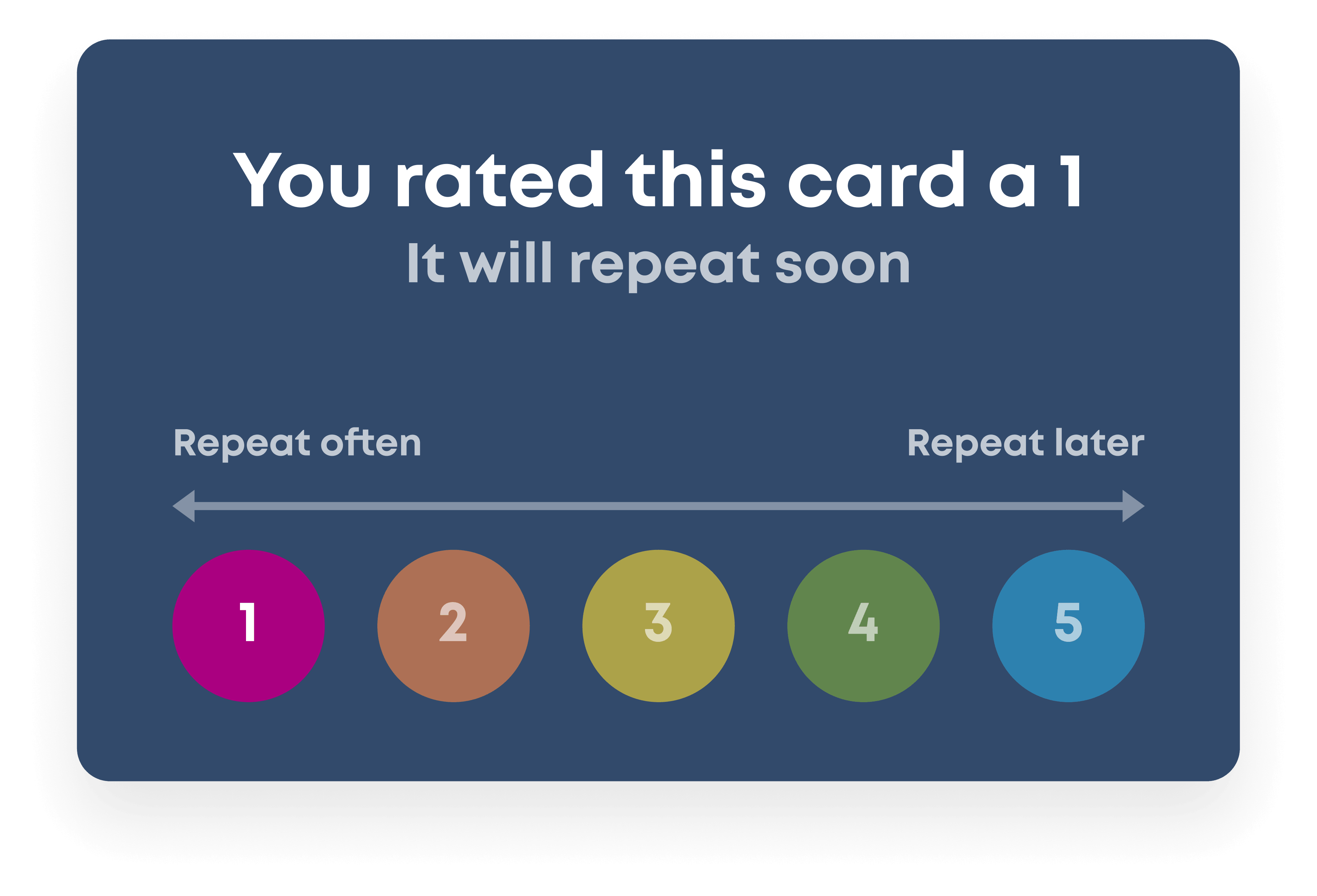
Brainscape’s adaptive study algorithm quickly customizes itself to your unique strengths and weaknesses, keeping you motivated and empowering you to learn the essential content needed to confidently take and pass the WSET L3 Spirits exam.

What You Get with Brainscape’s WSET Level 3 Spirits Flashcards:

  • Hundreds of flashcards that cover the highest-yield concepts in the official WSET Level 3 Spirits textbook.
  • Peace of mind as we’ve partnered with beverages industry expert and certified educator Brian Mitchell of the New England Wine Academy to ensure the content is complete, accurate, and up-to-date.
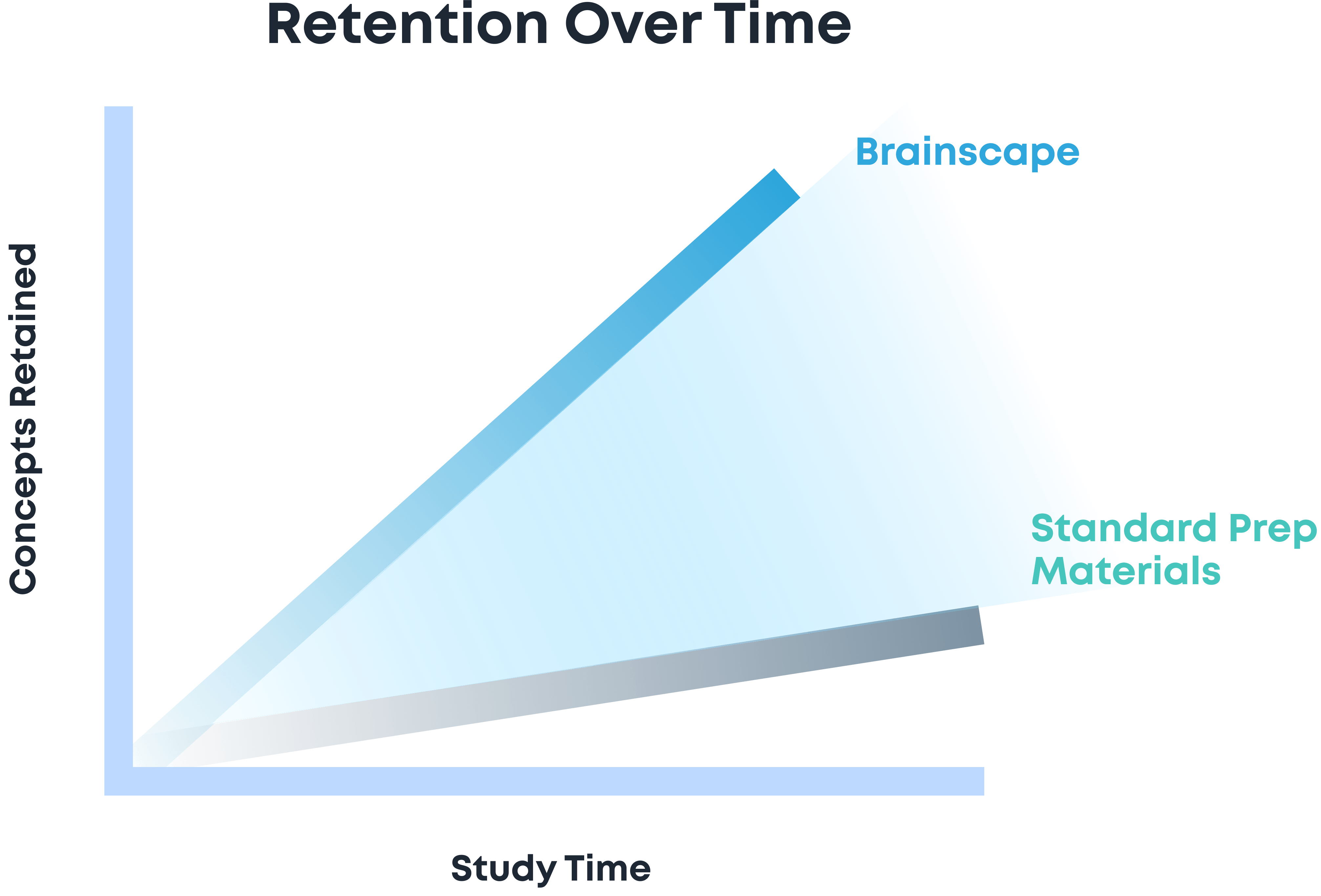
  • A fast, effective spaced repetition study system that will help you learn everything you need to know TWICE as fast, and remember it for longer.
  • Ongoing feedback, statistics, and visualization tools to help you track your progress, which motivates you to study even more (to keep your streak alive!)
  • Ultimate freedom, accessibility, and convenience with in-sync studying across Brainscape’s website and all your iOS and Android devices.
  • A free WSET Spirits study guide covering everything you need to know about the WSET Spirit qualifications.

About Our Author, Industry Veteran Brian Mitchell (DipWSET)

Brian Mitchell is an Advanced Sommelier, WSET Level 4 Diploma holder, and 30-year veteran of the beverage industry. As Director of Beverages for Max Restaurant Group, he oversees programs across 11 restaurants and trains hundreds of staff each year.

Founder of The New England Wine Academy and Vintage Wine School, Brian has led thousands of wine classes worldwide, sharing his expertise with professionals and enthusiasts alike. His mission? To make spirits education approachable, engaging, and more fun!

What is the WSET Level 3 Spirits Exam?

The WSET Level 3 Spirits qualification is an advanced spirits certification for people who already have a solid foundation and want to work at a deeper, more technical level. This course focuses on detailed production decisions, global styles, labelling rules, and structured tasting, with a clear emphasis on explaining how and why spirits taste the way they do. It is designed for learners who are ready to analyze spirits carefully and communicate their conclusions clearly.

This professional spirits course attracts hospitality professionals, bartenders, sommeliers, brand ambassadors, educators, and highly committed spirits enthusiasts building formal credentials. The WSET spirits exam combines a written theory paper with structured tasting assessments that require precise description, evaluation, and well-supported reasoning. Completing WSET Level 3 Spirits strengthens professional credibility, supports progression into senior industry roles, and prepares learners for WSET Diploma or other Level 4 study.

What are the Key Topics Covered In The WSET Level 3 Spirits Exam?

The WSET spirits syllabus at Level 3 examines spirits from raw material through to the finished bottle. You will study production methods in detail across all major categories, including whisky, rum, gin, vodka, tequila, brandy, and liqueurs. Fermentation choices, distillation techniques, still types, and maturation conditions are covered in depth, with clear links between production decisions, style, structure, and quality.

A significant part of the course focuses on spirits styles from around the world. You will study regional classifications, legal definitions, and labelling rules, learning how geography, regulation, and tradition influence what appears on the label and what is allowed in the bottle. This knowledge supports accurate comparison between producers and confident placement of spirits within their proper category.

Tasting at Level 3 is structured and disciplined. You will use advanced spirits tasting techniques to assess appearance, nose, palate, balance, and overall quality, while also learning to identify common faults and weaknesses. The syllabus also covers service, glassware, and storage best practices, focusing on the practical details that protect quality and support clear, professional presentation in both commercial and consumer settings.

What are the Best Study Strategies for the WSET Level 3 Spirits Exam?

Preparing for the WSET Level 3 Spirits exam requires structure and consistency. The syllabus is detailed, and your progress depends on keeping all the information organised and easy to revisit. Brainscape’s spirits flashcards help you memorize production techniques, regional styles, tasting descriptors, and technical terminology by optimizing even the shortest study sessions for long-term retention.

Studying is more effective when you regularly test your understanding instead of rereading material. Brainscape’s flashcards require you to search your memory for the answer rather than passively reading it in a textbook or recognizing it from multiple-choice options. This practice at producing the information from scratch strengthens your neural pathways and helps you recall information instantly under pressure, whether you’re in an exam or at a tasting with a client.

Brainscape’s fully portable study system is synced across web and mobile, as well as being optimized for offline study, so you can take your WSET prep with you everywhere. You can make progress in short sessions that fit into your regular life, anytime, anywhere: on the bus, waiting for a coffee, or on a break at work.

Tasting should always be part of your preparation. Review a production method or regional style, then taste with purpose and record observations using consistent language. Organize study sessions by spirit category or by themes such as distillation or maturation. This keeps study time efficient, strengthens tasting confidence, and turns steady preparation into clear progress.

How Long is the WSET Level 3 Spirits Exam?

The WSET Level 3 Spirits theory exam runs for 2 hours, followed by a 30-minute blind tasting.

How Many Questions are on the WSET Level 3 Spirits Exam?

The WSET Level 3 Spirits written exam includes around 50 multiple-choice questions and 10 short-answer questions. These questions focus on production methods, regional styles, maturation, labelling, and applied spirits knowledge.

How is the WSET Level 3 Spirits Exam Administered?

The exam is delivered through accredited WSET course providers and is usually taken in person. It combines a written theory paper with a supervised tasting assessment.

What is the Passing Grade For The WSET Level 3 Spirits Exam, & Can I Retake It?

A score of 55% on each part (theory and tasting) is required to pass the WSET Level 3 Spirits exam. If you do not pass on your first attempt, retakes are allowed, though timing and limits depend on your course provider.

Master the WSET Level 3 Spirits Exam with Confidence

The WSET Level 3 Award in Spirits is designed for professionals who want a deeper, more precise command of spirits. Brainscape’s WSET Level 3 Spirits flashcards organize a demanding syllabus into structured study sessions that fit around long workdays, tastings, and travel. You’ll review production detail, regional rules, and structured tasting language in an efficient, flexible system that is easy to use every day. With consistent preparation, you’ll sharpen your judgement, learn to communicate with clarity, and arrive at the exam focused and ready to succeed.

Additional Resources for WSET Level 3 Spirits Learners

Decks in this class (23)

Tasting & Evaluating Spirits
This deck is designed to help with the study of understanding how to taste and write a complete and universally understood spirit tasting note within the parameters of the WSET SAT for Level 3 Spirits.
123  cards
Raw Materials
This deck acts as a study aid for the introduction to many of the commonly used raw materials for spirits production, as well as the basics of how those materials are prepared for distillation and production.
150  cards
Alcoholic Fermentation
This deck covers the fundamentals of fermentation and how yeast and bacteria are used to produce alcohol as well as certain flavors or other characteristics of certain spirits around the world.
69  cards
Distillation
Distillation is an old and complex process that has been refined over the centuries in some places while remaining quite traditional in others. This deck covers the various aspects of distillation and still styles.
62  cards
Maturation
Between production and packaging, all spirits undergo some aspect of maturation. Certain processes are quick, while others may be complex and take years. This deck covers them with a specific focus on oak maturation.
65  cards
Flavors Other Than Oak
Some spirits are flavored and matured with products other than oak, This deck covers the study of those techniques and ingredients.
42  cards
Adjusting, Blending, Packaging
Post-distillation, distillers may choose to utilize various techniques to finish their products for sale. This deck reviews the various aspects of adjusting and finishing with regard to appearance, sweetness, texture, and the abv of the final product.
38  cards
The Spirits Industry
This deck helps to study the various aspects of the global spirits industry and how it varies across regions or product styles.
29  cards
American Whiskey
American whiskey is now considered one of the most recognized whiskey sub-categories, but with many style variations, it can be difficult to understand the differences. This deck covers all major American whiskey styles, along with and their production and legal backgrounds.
104  cards
Scotch Whisky
Scotch whisky is one of the most commonly consumed whisky styles in the world. This deck covers all aspects of this globally recognized spirit.
121  cards
Irish, Japanese, Canadian and Other Whiskies
Other important producers of whiskey are covered in this deck, which focuses on the differences in raw materials, production and other legal requirements.
53  cards
Shōchū, Baijiu, Soju
Some of the largest spirits categories produced in the world, this deck focuses on important Asian spirits categories and their historical backgrounds and unique production methods.
139  cards
Fruit Spirits - Cognac and Armagnac
This deck focuses on the production of certain fruit brandies and the similarities as well as key differences between the major French brandy areas of Armagnac and Cognac.
100  cards
Other Fruit Spirits
Looking to the large and diverse category of fruit spirits, this deck covers many of the major and some of the lesser-known fruit brandies/spirits produced throughout the world.
113  cards
Sugar Cane Spirits - Caribbean Rum
Caribbean-based rums are one of the most commonly consumed spirits categories in the world, but there are many aspects of the production and maturation processes that are less well understood. This deck covers all of the differences between the major rum productions of the Caribbean region.
93  cards
Sugar Cane Spirits - Cachaca and Other Rums
Rum and cane-based spirits are produced in many regions around the globe. This deck emphasizes the major players in this category.
21  cards
Agave Spirits
The complex nuances of agave-based spirits is the focus of this deck, which covers the history and production styles of Tequila and Mezcal, as well as lesser-known agave spirits from Mexico.
107  cards
Vodka
Popular but often misunderstood as a category, vodka has a long history as well as wide consumer appeal. This deck covers everything from the history to the various styles of production of vodka.
36  cards
Gin and Genever
At the crossroads of history, distillation, and flavored spirits, Gin has a unique place in the spirits world. This deck helps to understand the history of Gin and Genever, as well as the various production techniques and recognized styels.
37  cards
Flavored Spirits and Liqueurs
Flavorings have been added to beverages for centuries in order to cover up flaws or other aspects of production or to preserve the seasonal or beneficial aspects of certain flavoring agents. This deck covers many of the popular styles as well as the various aspects of how the flavor gets used and preserved in the spirit.
68  cards
Aromatised Wines
The long history of using aromatized wines for drinking or cocktail production is the focus of this deck, which looks at the various styles within this category.
90  cards
Units of Measurements and Conversions
Understanding the relationship, conversion, and key units of measure as related to the spirits industry is an important aspect for anyone looking to be successful with spirits. This deck helps build that knowledge.
53  cards
Spirits Tasting Lexicon
This deck is designed to build confidence in the use of the WSET Level 3 Spirits tasting lexicon.
31  cards

Ace WSET Level 3 Spirits!

Brainscape’s WSET Level 3 Spirits flashcards are scientifically proven to help you learn faster and retain knowledge for longer than traditional studying.
Happy customer leaving a positive review

The smartest study system.

Brainscape's adaptive, web & mobile flashcards system will drill you on your weaknesses, using a pattern guaranteed to help you learn more in less time.

Easy to add your own flashcards.

Easily collaborate with friends and sync your flashcards to the Brainscape mobile app.

Free to start or $8/mo for full access.

Looking for something else?