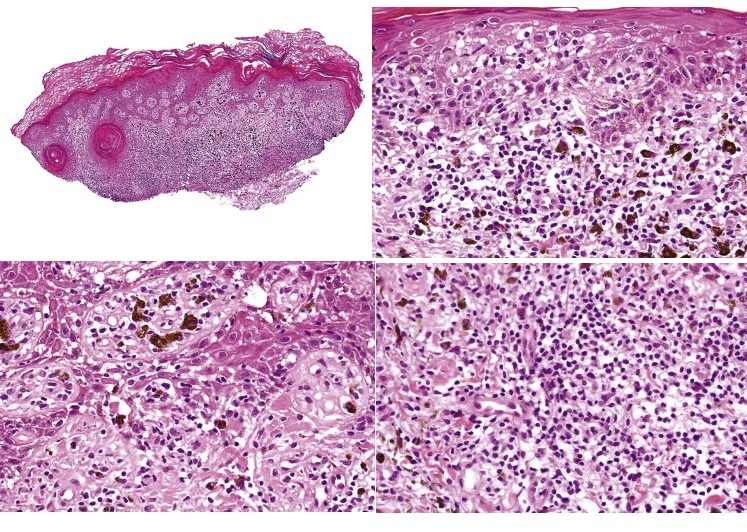
A lichenoid infiltrate that surrounds eccrine glands is seen in:
1 Lichenoid drug rection
2 Lichen striatus
3 Lichen planus
4 Lichenoid purpura
5 Lichen planopilaris
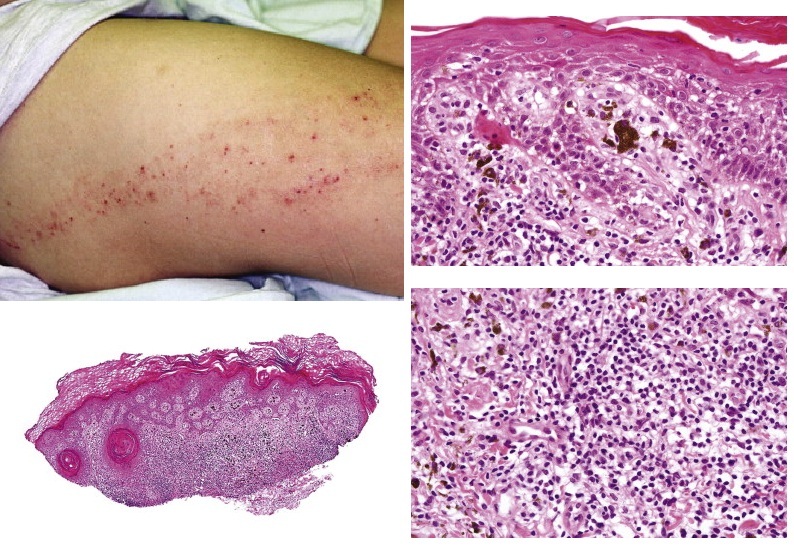
Lichen striatus is an uncommon inflammatory dermatitis seen most commonly in children aged 5 to 15.
It presents unilaterally along Blaschko’s lines as raised, slightly scaly, erythematous papules, which are often pruritic. These lesions typically regress spontaneously within a year.
The histopathologic features of lichen striatus include a superficial perivascular inflammatory lymphohistiocytic infiltrate with rare plasma cells and eosinophils.
There is a focal lichenoid infiltrate in the papillary dermis with basilar vacuolar alteration and necrotic keratinocytes.
Spongiosis with exocytosis of lymphocytes can be seen in the epidermis.
A specific and distinctive feature** of lichen striatus is the presence of an **inflammatory infiltrate that surrounds hair follicles and eccrine glands.
Epidemiology
- Most commonly seen in children, although any age may be affected
- No clear racial predilection
- Possible female predilection
- Case clustering
- Seasonal variation
Presentation
- Numerous small (1- to 3-mm) skin-colored to scaly, hyperpigmented, brownish papules coalescent into linear plaques
- Arranged along lines of Blaschko (cutaneous bands of embryologic development)
- Usually unilateral, rarely may be bilateral
- Papules are flat-topped or rough-surfaced
- Distributed over extremities, particularly the leg
- Usually asymptomatic, occasionally slightly pruritic
- Some reports suggest that these lesions may koebnerize
Prognosis and treatment
- Self-limited condition, with lesions typically resolving by 1 year
- Therapeutic options include topical corticosteroids, topical retinoids, and topical calcineurin inhibitors
Histology
- Parakeratosis, mild acanthosis
- Spongiotic dermatitis
- Interface change with cytoid bodies
- Satellite cell necrosis
- Superficial dermal, perivascular
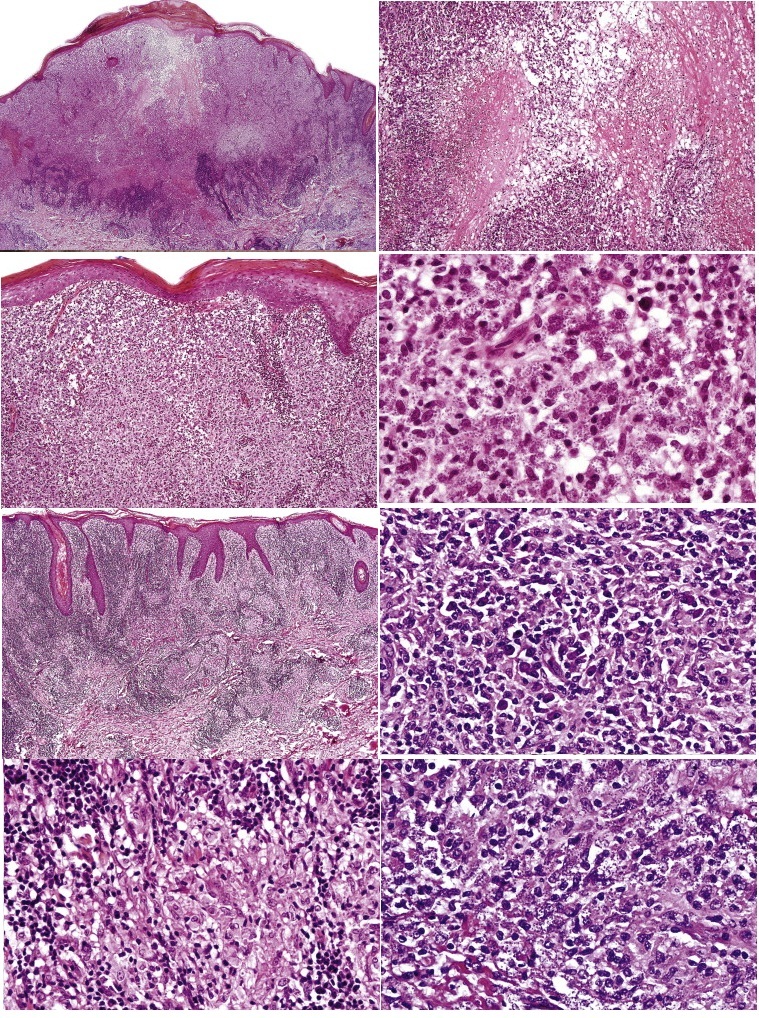
Lichen striatus. Erythematous scaly papules in a linear distribution on the thigh
Lichen striatus. Obliquely cut section. There is marked hyperkeratosis with parakeratosis, acanthosis, inflammation, and pigment incontinence
Lichen striatus. This field highlights the massive pigment incontinence.
Lichen striatus. There is a dense dermal lymphohistiocytic infiltrate
Comma-shaped bodies are seen in:
1 Benign cephalic histiocytosis
2 Malakoplakia
3 Sarcoidosis
4 Lipoid proteinosis
5 Gaucher’s
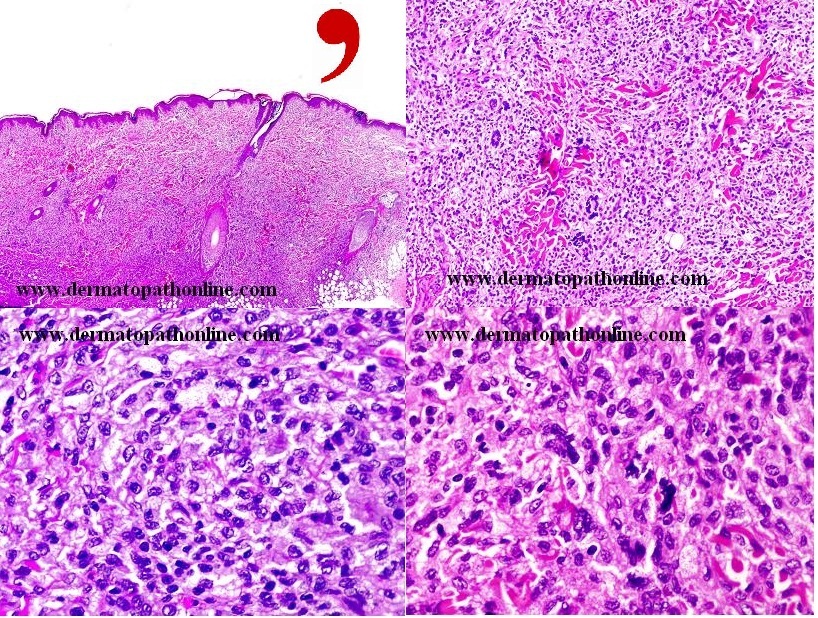
Benign cephalic histiocytosis
Comma-shaped bodies and worm-shaped bodies can be seen in a variety of histiocytoses and are non-specific. The most common association is with benign cephalic histiocytosis
S-100 (-)
CD1a (-)
CD68+
Factor XIIIa +
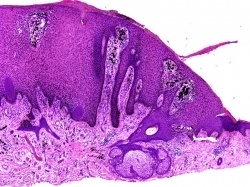
This tumor was excised from a verrucous yellow plaque on the scalp what is it?
1 Syringocystadenoma papilliferum
2 Eccrine acrospiroma
3 Hidradenoma Papilliferum
4 Tubular apocrine adenoma
5 Syringofibroadenoma
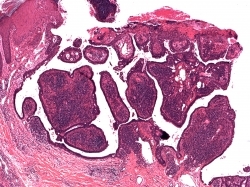
Syringocystadenoma Papilliferum: 33% arise in association with a nevus sebaceous, 10% may coexist with a BCC or trichoblastoma. A subset of cases has a deletion of 9q22 PTCH gene and 9q21 (p16). Histologically they present as surface invagination of glandular cords composed of one to two layers of cuboidal cells associated with a fibrovascular stroma with numerous plasma cells. Cystic spaces may form within which are free floating islands which are peripherally lined by cuboidal cells with an inner core composed of loose connective tissue, blood vessels and numerous plasma cells.
Fig 1 Syringocystadenoma papilliferum. Characteristic low-power morphology of a squamous epithelial border enclosing tall papillary projections with a dense infiltrate within their cores.
Fig 2 Syringocystadenoma papilliferum. The epithelium is double layered and the underlying stroma is rich in plasma cells.
Fig 3 Syringocystadenoma papilliferum. Superficially, the double-layered apocrine epithelium is replaced by squamous epithelium
Pathology
Histology
- Exophytic papillomatous lesion
- Fibrovascular core
- Papillae covered superficially by squamous epithelium
- Deeper aspect covered by a double-layered epithelium—inner tall columnar cells, outer cuboidal myoepithelial cells
- Decapitation secretion
- Ducts evident in deeper reaches
- Intense lymphocyte and plasma cell infiltrate often seen
- Background of nevus sebaceus sometimes evident
Immunopathology/special stains
- Inner layer of columnar cells positive for CEA, EMA, low-molecular-weight keratin
- Outer myoepithelial layer positive for SMA
- PAS highlights intracytoplasmic granules of inner layer
Main differential diagnoses
- Hidradenoma papilliferum
- Apocrine papillary hidradenoma
Dr Giam Yoke Chin
Senior Consultant
National Skin Centre
Introduction
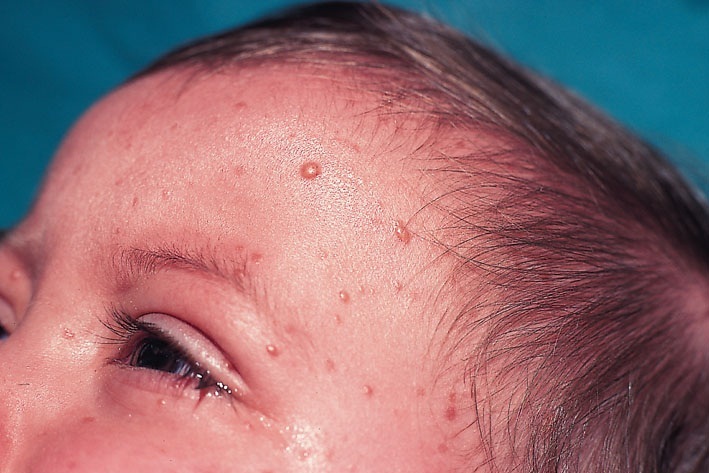
Papular eruptions occurring on healthy children’s faces can be puzzling. There are many possible causes e.g. milia, comedones, molluscum contagiosum, xanthogranuloma. In 1971, Gianotti described a condition called “Benign Cephalic Histiocytosis”. This is a self-healing eruption of yellow brown papules, occurring characteristically on the face of children. As the name suggests, in this condition, benign looking histiocytes accumulate on the facial skin of children. The cause is unknown.
Clinical features
5 cases were seen from 1988 to 1993 in National Skin Centre. They include 3 Chinese, 1 Indian and 1 Malay. These children were aged three to twenty-four months, with multiple 2 to 3 mm size papules, of yellow, brown and skin colour. All occurred on the cheeks, forehead and eyelids (Fig. 1 & 2).
Two of them had extension to the trunk and limbs. Three children had the diagnosis confirmed on histology. Two declined biopsy. The children were well with no evidence of organomegaly.
Benign Cephalic Histiocytosis**: **Clinical**: Face w/ Yellow, brown papules **Histology**: Benign histiocytes. Giant cells occasionally. **Ultrastructure: Comma-shaped bodies. S-100 (-)
Histiocytosis X:** Yellow brown papules with strongly adherent scaly crusts. Scalp, trunk, mucous membrane. **Histology: Large histiocytes with kidney-shaped nuclei. Infiltrate invades the epidermis. Ultrastructure: Birbek granules. S-100 (+) Treatment: Chemo
Investigations including: full blood count, serum cholesterol, triglyceride, and liver function tests were normal. Many improved within 6 months.
Discussion
Doctors have to be aware and be familiar with this histiocytosis as it is benign and self-limiting. The eruption are flat-topped, on the face (especially upper cheeks), but
can extend to the back of ears, arms, posterior neck (Fig. 3), thighs and buttocks.
Mucous membrane, palms, soles and viscera are spared. It regresses within 6 months to leave brown macules. These heal without scarring after one to a few years. The features differentiating Benign Cephalic Histiocytosis and Histiocytosis X are summarized in Table 1.
Histology, Immunology, Electron-Microscopy
The histiocytes are benign, though some show pleomorphic nuclei; with prominent nucleoli and scanty chromatin (Fig. 4).
Older lesions may show multinucleated giant cells [4,5]. They react with OKMI and Leu M3 monoclonal antibodies. SlOO-positive cells are absent. Ultrastructurally, about 20% of the histiocytes have comma-shaped bodies in their cytoplasm. These consist of two electron dense membranes of 60A1 separated by a space of 80A’. Birbeck granules seen in Histiocytosis X are not found.
Conclusion
This is another newly described disorder of the histiocytic Syndromes in children. It is important to be aware of: this condition, to avoid over-investigation and treatment of a benign condition.
The predominant location of the cleft in cicatricial pemphigoid is:
1 Dermal
2 Basment membrane zone
3 Basal keratinocytes
4 Supra basal
5 Subcorneal/granular
Basment membrane zone
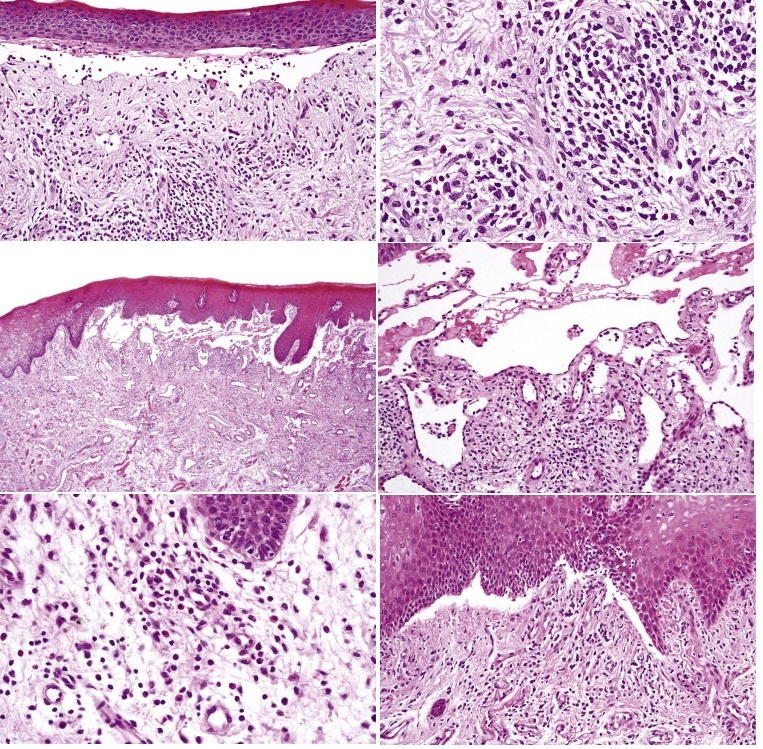
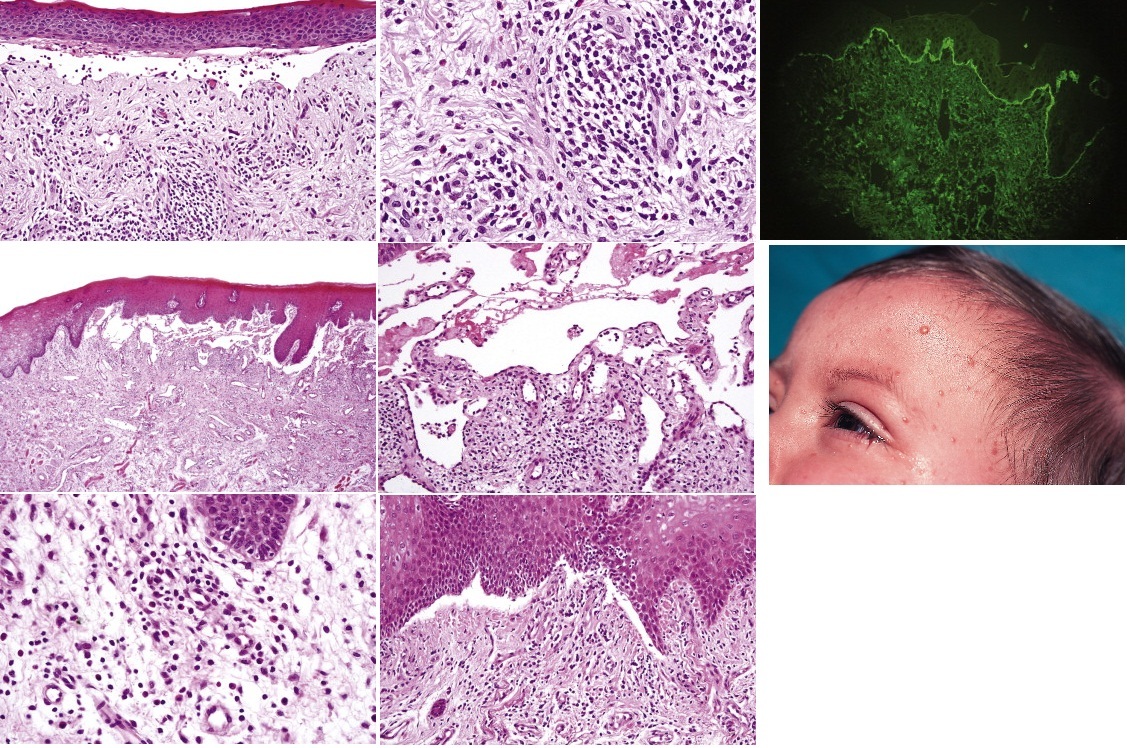
Cicatricial pemphigoid is an autoimmune blistering disease that presents with ulcers, blisters and erosions of mucosal surfaces, especially the eyes and mouth. The cleft in cicatricial pemphigoid is found in the basement membrane zone/subepidermal as the antigens are usually BPAg2,laminin 5 and alpha-6-beta-4 integrin. Direct immunoflourescence is identical to that of bullous pemphigoid showing linear IgG and complement deposits in the basement membrane zone.
Pathology
Histology
- Oral lesions: • Nonspecific ulcer with chronic inflammation
- May see subepithelial cleft with mixed inflammation in lamina propria
- Cutaneous lesions: • Subepidermal blister with fibrin, edema, inflammatory cells in blister cavity
- Variable degrees of inflammation in dermis: lymphocytes and histiocytes with admixed plasma cells, eosinophils, neutrophils
- May be cell poor/free
- Dermal fibrosis in longstanding lesions
Immunopathology/special stains
- Direct immunofluorescence: • Linear IgG, C3 along basement membrane zone
- May also see IgA
- Salt-split studies: epidermal and dermal localization depending on antigen targeted
- Indirect immunofluorescence: • Low titers
- Positive in less than 1⁄3 of patients
Main differential diagnoses
- Bullous pemphigoid
- Epidermolysis bullosa acquisita
- Linear IgA disease
Fig 1 Mucosal pemphigoid. Note the intense erythema with erosion, features of desquamative gingivitis.
(Courtesy of J Nunley, MD; Virginia Commonwealth University, Richmond.)
Fig 2 Mucosal pemphigoid. There is a subepidermal blister containing eosinophils and lymphocytes.
Fig 3 Mucosal pemphigoid. Note the perivascular and interstitial infiltrate of lymphocytes, histiocytes, and conspicuous eosinophils.
Fig 4 Mucosal pemphigoid. Low-power view of oral lesion.
Fig 5 Mucosal pemphigoid. High-power view of blister cavity shown in Figure 4.
Fig 6 Mucosal pemphigoid. There is perivascular and interstitial lymphohistiocytic infiltrate with occasional plasma cells.
Fig 7 Mucosal pemphigoid. Biopsy specimen of an early oral lesion showing a cell-free subepidermal cleft.
This tumor is best visualized using PAS stains with and without diastase what is it?
1 Clear cell acanthoma
2 Seborrheic keratosis
3 Bowen’s disease
4 Tricholemmoma
5 Inverted follicular keratosis
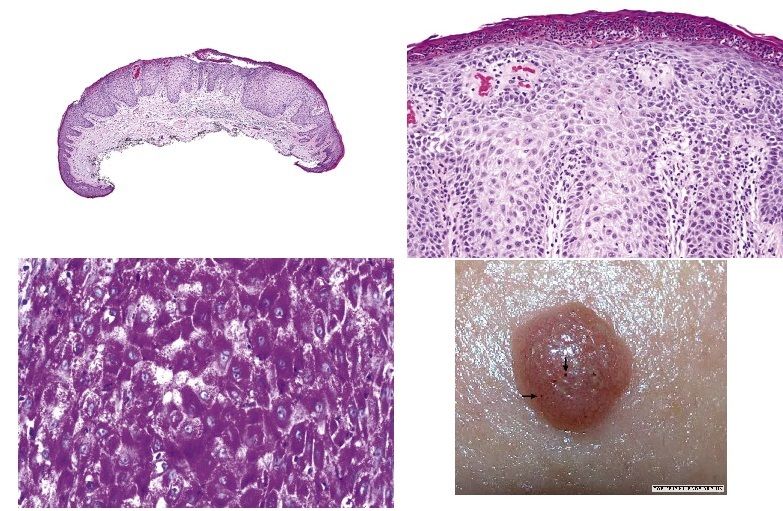
Clear cell acanthoma is composed of pale staining keratinocytes that have increased glycogen content. The increased glycogen in this tumor is due to a defect in phosphorylase. Histologically the keratinocytes are mildly enlarged and pale and distinctly separated from the surrounding epidermis. The epidermis appears focally expanded by an acanthotic plate like growth that spares the follicular epithelium. Also associated with this tumor are PMNs that extend into the epidermis. There may be edema of the papillary dermal and some telangiectasis. PAS stain with and without diastase highlights the abundant glycogen.
Histology
- Overlying parakeratosis, may contain neutrophil-imbued serum crust
- Psoriasiform epidermal hyperplasia with broad rete ridges
- Area of enlarged, glycogen-rich keratinocytes with pale cytoplasm, well demarcated from adjacent normal epidermis, and sparing intraepidermal adnexal structures
- Associated neutrophilic infiltration into the lesion, occasionally forming intraepidermal collections
- Variable spongiosis
- Variable intraepidermal dendritic melanocytes
- Papillary dermal edema
- Variable, superficial, dermal neutrophil infiltrate
Immunopathology/special stains
- PAS positive
- Diastase-PAS negative
Main differential diagnoses
- Psoriasis
- Trichilemmoma
- Seborrheic keratosis with clear cell change
Fig 1 Clear cell acanthoma. There is parakeratosis, psoriasiform hyperplasia, and epidermal pallor.
Fig 2 Clear cell acanthoma. There is an intracorneal pustule. The keratinocytes have pale-staining cytoplasm. There is no atypia.
Fig 3 Clear cell acanthoma. The clear cells are strongly positive for glycogen as seen in this PAS stain.
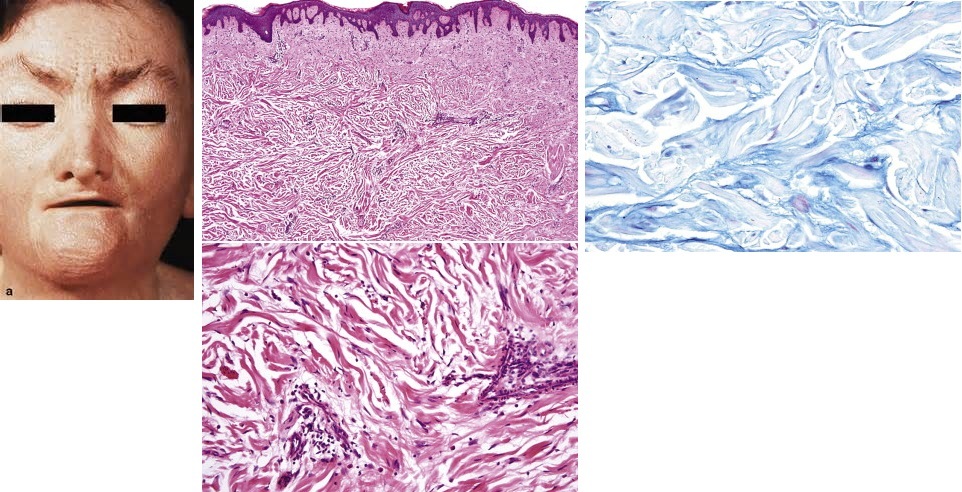
A skin biopsy shows numerous fibroblasts with fibrosis and thickening of the dermis. There is sparse mucin deposition and on low power the biopsy appears square. Which of the following paraproteins would you expect to find in this patient?
1 IgG lambda
2 IgA
3 IgM
4 IgG kappa
5 IgA gamma
IgG lambda
The description of the biopsy above is that of scleromyxedema. These patients have an associated IgG lambda paraprotein. Other IgG subtypes may occur but lambda is most common. Scleromyxedema is a subset of lichen myxedematosus (papular mucinosis). It will present with coalescent erythematous to yellow papules and plaques. The most common location is the face, but will occur in many other locations. The surrounding skin is usually sclerodermoid in appearance. (Bolognia, p648-9)
Clinical features
Epidemiology
- No gender predilection
- All races affected
- Most commonly affects those in middle age
Presentation
- Lichen myxedematosus • Discrete skin-colored to erythematous papules
- May be present in any location; limbs and trunk most common
- Typically asymptomatic
- Scleromyxedema • Discrete, waxy, skin-colored to erythematous papules
- Often begins on hands and wrists, symmetrical distribution
- Progresses to involve forearms, trunk, face
- Facial lesions characterized by linear papules that coalesce into plaques
- Results in sclerosis of the skin, contractures, tightening of skin around mouth, sclerodactyly
- May be associated with systemic involvement: esophageal, pulmonary, cardiac, neurologic
- IgG lamba gammopathy common, may evolve into multiple myeloma (rare)
Prognosis and treatment
- Lichen myxedematosus is a chronic condition
- Scleromyxedema worse prognosis, particularly if there is cardiac involvement
- Multiple myeloma rarely occurs
- Treatment is difficult: • Systemic corticosteroids, thalidomide, chemotherapy
- PUVA, photopheresis, electron-beam radiation, plasmapheresis
Pathology
Histology
- Both lichen myxedematosus and scleromyxedema show similar features
- Increased number of stellate fibroblasts in reticular dermis
- Increased dermal mucin, particularly early in the disease, which separates collagen fibers
- Dermal fibrosis and thickening is a late feature of scleromyxedema
- Mild superficial perivascular lymphocytic infiltrate
- Epidermal changes variable: atrophy to acanthosis
Immunopathology/special stains
- Mucin stains demonstrate increased dermal mucin
- Direct immunofluorescence studies may show IgG > IgM in dermis, or immediately underlying the epidermis in 1⁄3 of cases
Main differential diagnoses
- Nephrogenic systemic fibrosis
- Scleredema
Fig 1 Lichen myxedematosus. Low-power view showing separation of the dermal collagen fibers in the middle and on the left side. Toward the right, fibrosis is evident, suggesting transition to scleromyxedema.
Fig 2 Lichen myxedematosus. A light perivascular lymphocytic infiltrate is present. Increased numbers of spindled cells are seen.
Fig 3 Lichen myxedematosus. Fine, wispy strands of mucin are seen in this alcian blue preparation.
Which of the following shows granular deposition of IgA in the dermal papillae and along the basement membrane zone on direct immunoflourescence:
1 IgA pemphigus
2 Bullous pemphigoid
3 Linear IgA dermatosis
4 Dematitis herpetiformis
5 Herpes gestationalis
Dematitis herpetiformis
Dermatitis herpetiformis or Duhring’s disease, presents with very pruritic vesicles symmetrically on extensor surfaces. On histology it presents as suprapapillary vesicles with mostly neutrophils and inflammatory destruction of the basement membrane zone. Direct immunoflourescence shows granular deposition of IgA in the dermal papillae and along the basement membrane zone.
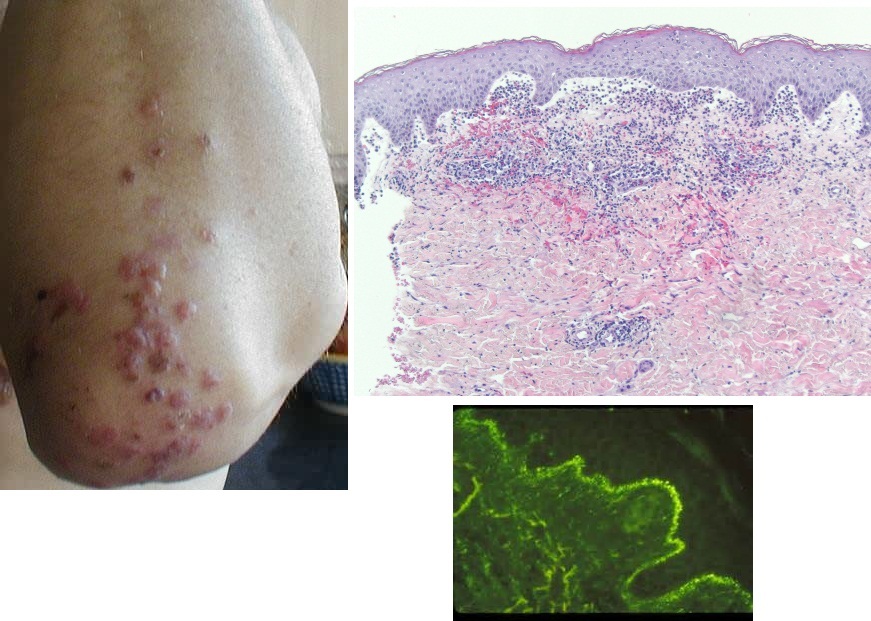
Acantholysis is not a prominent histopathologic feature of which disease?
1 Dermatitis herpetiformis
2 Darier’s disease
3 Grover’s disease
4 Pemphigus vulgaris
5 Hailey-Hailey diesease
Dermatitis herpetiformis is a bullous disease that on histology shows neutrophils in the dermal papillae. On direct immunoflourescence IgA is seen in a granular depostion pattern. Acantholysis is seen histologicaly in Darier’s disease, Grover’s disease, Pemphigus vulgaris, Hailey-Hailey disease and warty dyskeratoma.
Q/Q(M)-479628 Report a Problem
The predominant cleft in dermatitis herpetiformis is:
1 Dermal
2 Basement membrane zone
3 Basal keratinocytes
4 Suprabasal
5 Subcorneal/granular
Basement membrane zone
Dermatitis herpetiformis or Duhring’s disease, presents with very pruritic vesicles symmetrically on extensor surfaces. On histology it presents as suprapapillary vesicles with mostly neutrophils and inflammatory destruction of the basement membrane zone. Direct immunoflourescence shows granular deposition of IgA in the dermal papillae and along the basement membrane zone. The cleft in dermatitis herpetiformis is most commonly found in the basement membrane zone/subepidermal. The antigen is transglutaminase.
Q/Q(M)-479695 Report a Problem
Caterpillar bodies are seen in:
1 Lipoid proteinosis
2 Amyloidosis
3 Porphyria cutanea tarda
4 Mucocele
5 Dyskeratosis congenital
Porphyria cutanea tarda
Caterpillar bodies are thought to be type IV collagen.
Clinical features
Epidemiology
- Autosomal dominant, but majority of cases are sporadic
- Usually presents in late childhood (familial form) to early adulthood (sporadic form)
- Rare cases associated with exposure to polyhalogenated aromatic hydrocarbons
- No clear gender predilection
Presentation
- Photosensitivity, with disease flares resulting from excessive exposure to sunlight, but also potential liver insults, such as alcohol, oral contraceptives, hepatitis C virus, HIV, hemochromatosis
- Tense vesicles and bullae photodistributed classically over dorsal hands, forearms
- Often see blister remnants, crusted erosions, dyspigmentation
- Associated scarring and milia formation characteristic
- Hypertrichosis on face, usually sideburn, malar areas
- Hair (scarring alopecia) and nails (photo-onycholysis) may be affected
- Drug-induced pseudoporphyria can create similar clinical picture, although lacking hypertrichosis
- Metabolic laboratory studies show elevated urinary porphyrins
Prognosis and treatment
- Chronic, waxing–waning course, punctuated by episodes of disease flares
- Risk for hepatocellular carcinoma (hepatitis C–related?)
- Skin fragility may impair daily function, work
- Sun protection essential to management
- Therapeutic phlebotomy common first-line therapy
- Hydroxycholoroquine or chloroquine helpful
- Chelation also may be effective
Pathology
Histology
- Paucicellular subepidermal blister with festooning of dermal papillae
- Thickened papillary vessels with hyalinization
- Dermal sclerosis marked in chronic lesions (sclerodermiform)
- Solar elastosis prominent
- Identical histology in other cutaneous forms of porphyria
Immunopathology/special stains
- Direct immunofluorescence studies shows nonspecific pattern of immunoreactant (Ig, complement, laminin, and type-IV collagen) deposition around superficial dermal blood vessels, sweat glands, and along the dermal–epidermal junction
- Indirect immunofluorescence studies negative
- Thickened vessels, diastase-resistant, PAS-positive
- Intraepidermal, diastase resistant, PAS-positive “caterpillar” bodies
- Split often develops in lamina lucida but may be deep to lamina densa
Main differential diagnoses
- Pseudoporphyria
- Cell-poor/free bullous pemphigoid
- Epidermolysis bullosa congenita
- Epidermolysis bullosa acquisita
- Bullous amyloidosis
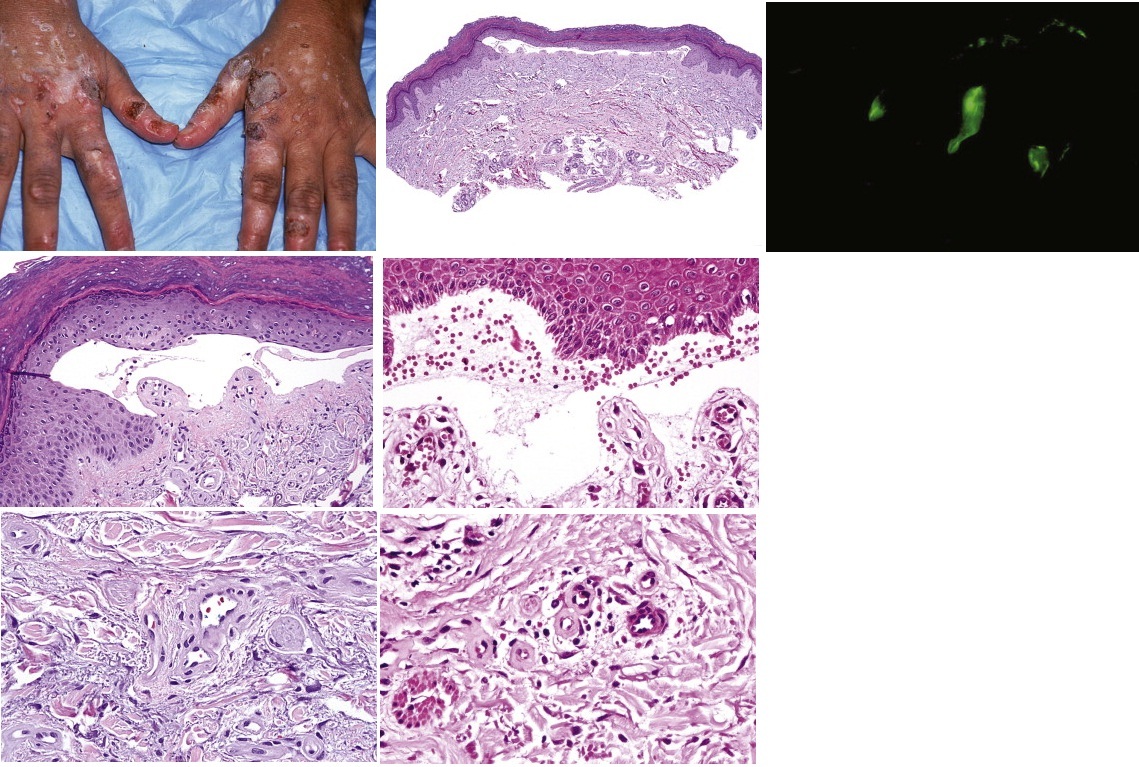
Fig 1 Porphyria cutanea tarda. Vesicles, erosions, and scarring on the dorsal hands.
Fig 2 Porphyria cutanea tarda. Scanning view of a subepidermal blister.
Fig 3 Porphyria cutanea tarda. The blister cavity is cell free. Note the festooning.
Fig 4 Porphyria cutanea tarda. The presence of erythrocytes in the lumen of the blister is a common finding.
Fig 5 Porphyria cutanea tarda. The blood vessels are thickened, and there is a background of solar elastosis.
Fig 6 Porphyria cutanea tarda. High-power view highlighting blood vessel wall hyalinization.
Fig 7 Porphyria cutanea tarda. The thickened blood vessel walls can be emphasized by direct immunofluorescence, in this example with C3. Note focal deposition along the dermal–epidermal junction as well.
Multiple dermatofibromas are seen in:
1 Cowden’s
2 Lobomycosis
3 Incontinentia pigmenti
4 Lupus erythematosus
5 Reticulohistiocytosis
Multiple dermatofibromas are seen in lupus erythematosus and immunosuppression/HIV.
This is considered to be the juvenile counterpart of DFSP:
1 Juvenile hyaline fibromatosis
2 Giant cell fibroblastoma
3 Myxofibrosarcoma
4 Myofibromatosis
5 Plexiform fibrous histiocytoma
Giant cell fibroblastoma
An entity called giant cell fibroblastoma is CD34-positive, is mostly seen in male children on the neck/trunk, and is thought to be a juvenile counterpart of DFSP.
Clinical features
Epidemiology
- Children, more often in boys
- Rarely in adults
Presentation
- Usually located on trunk and lower extremities
- Few- to several-centimeter plaque, nodule, or tumor
Prognosis and treatment
- Excision with wide margins is essential because recurrence is common
- Recurrence may have the histology of DFSP
Pathology
Histology
- Ill-defined infiltrative growth pattern
- Classic feature is the presence of pseudovascular spaces lined by giant cells
- Typically hypocellular with spindled and giant cells, but DFSP-like storiform areas may occur
- Mitoses are infrequent
- Some recurrences may show DFSP-like morphology
- DFSP may show areas of giant cell fibroblastoma
Immunopathology/special stains
- The majority are CD34 positive
- The lumina are negative with vascular specific endothelial markers
- CD99 positivity has also been described
- Cytogenetics: a translocation, t(17;22)(q21;q13), is seen in many cases
Main differential diagnosis
• Once the lumina are shown to be pseudovascular, there is no real differential diagnosis
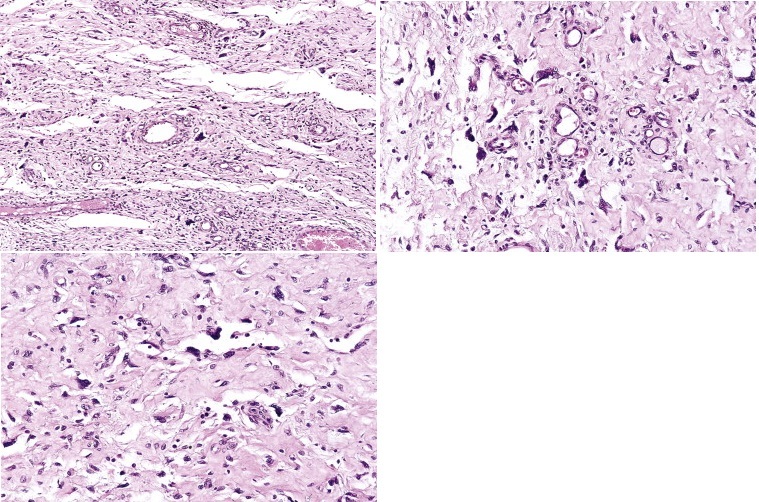
Fig 1 Giant cell fibroblastoma. This view shows an admixture of spindled and multinucleate giant cells with pseudovascular spaces.
Fig 2 Giant cell fibroblastoma. Giant cells have multiple hyperchromatic nuclei.
Fig 3 Giant cell fibroblastoma. The pseudovascular spaces are focally lined by giant cells.
Histologically, adenoma sebaceum represent which of the following lesions?
1 Neurofibromas
2 Angiofibromas
3 Collagenomas
4 Angiokeratomas
5 Smooth muscle hamartomas
Angiofibromas
Adenoma sebaceum, fibrous papules and pearly penile papules all have similar features histologically, presenting as angiofibromas. Features include atrophic epidermis with patchy melanocytic hyperplasia and hyperkeratosis, vertically oriented collagen, increased fibroblasts and blood vessels.
Clinical features
Epidemiology
- Affects middle-aged adults
- Commonly encountered lesion
Presentation
- Face, particularly nose
- Dome-shaped, firm, skin-colored, 2- to 3-mm telangiectatic papule
- May be clinically confused with basal cell carcinoma
- On the penis, tiny papules with similar histology may be seen—pearly penile papules
- Similar lesions, usually multiple, seen in association with tuberous sclerosis (called angiofibromas); on face also known as adenoma sebaceum; periungual lesions also known as Koenen tumors
Prognosis and treatment
• Generally no treatment is required, but the lesion is often removed when basal cell carcinoma is suspected clinically
Pathology
Histology
- Raised dermal nodule with prominent vessels and atypical spindled, stellate, or multinucleate myofibroblasts
- Collagenous stroma
- Mitotic figures are generally absent
- Melanocytic hyperplasia may be seen in the overlying epidermis
- Angiofibromas and pearly penile papules have identical histological features
Immunopathology/special stains
- Factor XIIIa positive, possibly CD34 positive
- S100-negative
Main differential diagnoses
- Dermatofibroma
- Multinucleate cell angiohistiocytoma
- Melanoma
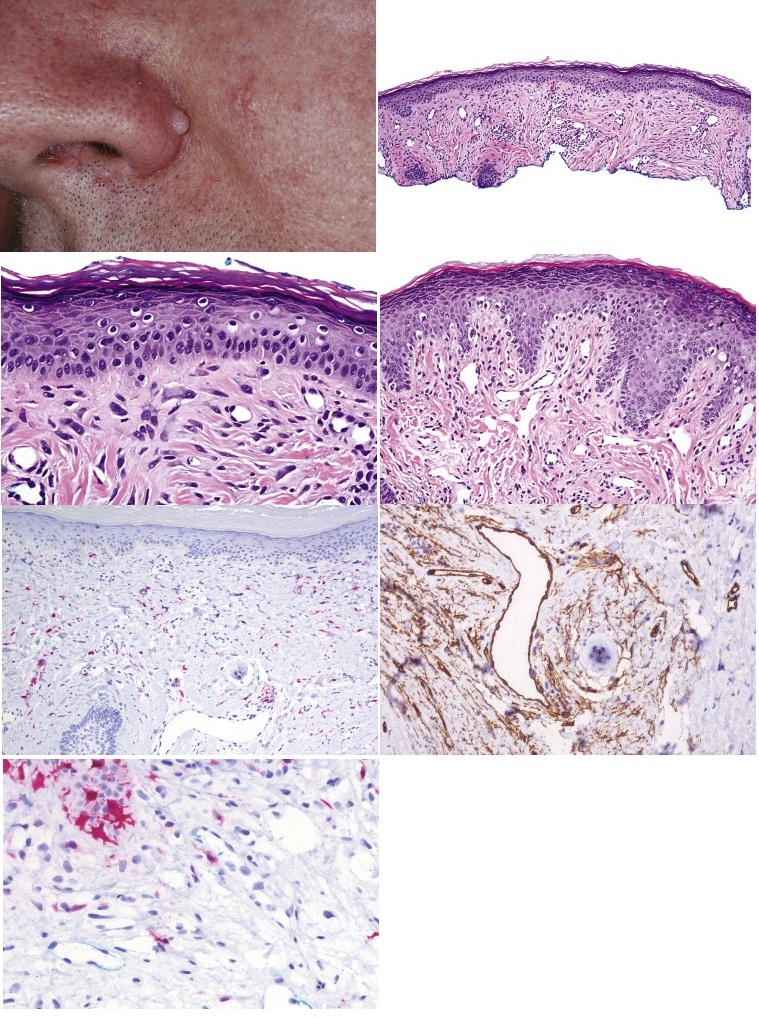
Fig 1 Fibrous papule. Firm, dome-shaped, whitish-pink papule on the alar rim.
Fig 2 Fibrous papule. Shave biopsy showing increased vascularity and hypercellularity.
Fig 3 Fibrous papule. High-power view showing characteristic atypical myofibroblasts.
Fig 4 Fibrous papule. In this example, there is melanocytic hyperplasia in the overlying epidermis. This should not be mistaken for an atypical melanocytic proliferation or lentigo maligna.
Fig 5 Fibrous papule. The lesional cells express factor XIIIa.
Fig 6 Fibrous papule. There is focal CD34 expression.
Fig 7 Fibrous papule. S100 protein is negative in lesional cells.
Which of the following stains is specific for melanin?
1 S-100
2 HMB-45
3 Fontana-Masson
4 MART-1
5 Melan-A
Fontana-Masson is a silver stain and stains melanin black. S-100, HMB 45, MART-1 (Melan-A) are melanocyte stains. S-100 also decorates Langerhans cells, acrosyringium, and neural crest-derived cells.
Q/Q(M)-478119 Report a Problem
What are these organisms?
1 Leishmania
2 Trichosporon beigelii
3 Sporothrix schenckii
4 Penicillium marneffei
5 Histoplasmosis capsulatum
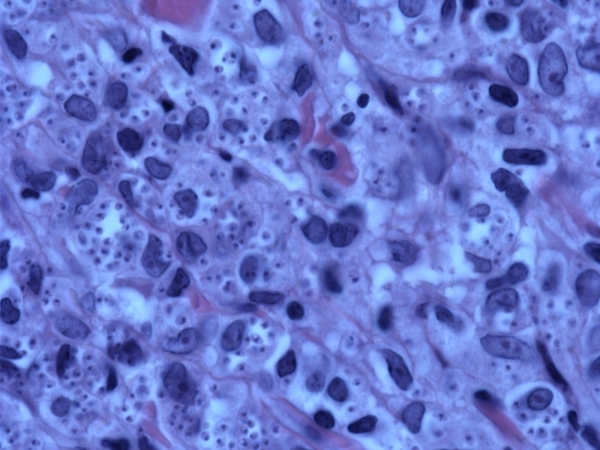
Leishmaniasis: Three main types: cutaneous (L tropica and mexicana), mucocutaneous (L. brasiliensis) and visceral/kala-azar (L donovani). Old world Leishmania (L tropica-major, minor and aethiopica) transmitted by Phlebotomus sandfly, new world (L mexicana, brasiliensis) transmitted by Lutzomyia sandfly. The promastigote lies in the sandfly is transmitted to humans and the amastigote infects macrophages. Macrophages become engorged with the organisms, but there is abnormal intracellular killing. Histology: Epidermis may display PEH and there is a dense dermal infiltrate consisting of foamy histiocytes, aka Leishman-Donovan bodies, with intracellular amastigotes along with epithelioid monocytes, giant cells, plasma cells and lymphocytes, variable eosinophils and PMNs. Organisms stain better with Giemsa, have a paranuclear kinetoplast and typically are located at periphery of macrophage, i.e. the Marquee sign. Can also see organism on skin slit smear. Older lesions show decreased organisms and tuberculoid granulomas may form.
Clinical features
Epidemiology
- Rare in United States
- More prevalent in South America, Central America, Mediterranean, Middle East, Africa, and Asia
- Wide age range, common in children
- Transmitted from bite of sand fly (Phlebotomus)
- Humans are an accidental host
- Different organism depending on type of leishmaniasis: • Cutaneous
- Old world (Africa, Asia, Europe): Leishmania major, L. tropica
- New world (North, Central and South America, Australia, and New Zealand): L. braziliensis, L. mexicana
- Mediterranean: L. donovani infantum
- Mucocutaneous: L. braziliensis
- Visceral: L. donovani, L. infantum
Presentation
- Cutaneous • Red papule that ulcerates with well-circumscribed, violaceous border
- Solitary or multiple lesions
- Located on face and upper limbs
- Localized lymphadenopathy
- Also known as “Baghdad boil,” “oriental sore,” “Chiclero’s ulcer”
- Mucocutaneous • Cutaneous lesion develops initially
- Mucosal lesions occur from direct extension, lymphatic or hematogenous spread
- Mucosal involvement is erosive, scarring, disfiguring
- Located on and around oral and nasal regions and may erode into cartilage; spares bone
- Hyperaccelerated immune response
- Visceral (kala-azar) • Fever
- Hepatosplenomegaly, cirrhosis
- Diarrhea
- Lymphadenopathy
- Pancytopenia
- Darkening of skin, xerosis
Prognosis and treatment
- First-line treatment: antimonials
- Other options: pentamadine, amphotericin B, ketoconazole, allopurinol, miltefosine
- Cutaneous lesions may resolve without treatment: L. brazilinesis should be treated to prevent mucocutaneous disease
- Prognosis • Cutaneous: spontaneously heals in 6 to 12 months
- Mucocutaneous: malnutrition and pneumonia most common causes of death
- Visceral: partial response to treatment; relapsing, chronic, and progressive disease
Pathology
Histology
- Acute lesions show irregular epidermal hyperplasia with ulceration
- Dense dermal infiltrate of histiocytes, lymphocytes, plasma cells
- Histiocytes contain intracellular amastigotes
- Chronic lesions may contain granulomata
Immunopathology/special stains
• Giemsa stain demonstrates intracellular organism and highlights kinetoplast
Main differential diagnoses
- Other intracellular infections • Histoplasmosis
- Granuloma inguinale
- Rhinoscleroma
Fig 1 Leishmaniasis. Low-power view of a fairly acute lesion with incipient ulceration.
Fig 2 Leishmaniasis. There is necrosis and abscess formation.
Fig 3 Leishmaniasis. There is an intense histiocytic infiltrate in the superficial dermis.
Fig 4 Leishmaniasis. Very high-power view showing amastigotes surrounded by a clear space.
Fig 5 Leishmaniasis. Low-power view of a chronic lesion showing a widespread granulomatous infiltrate.
Fig 6 Leishmaniasis. There is an admixture of plasma cells and histiocytes.
Fig 7 Leishmaniasis. High-power view of granuloma.
Fig 8 Leishmaniasis. Numerous intracellular amastigotes are seen in the superficial dermis.
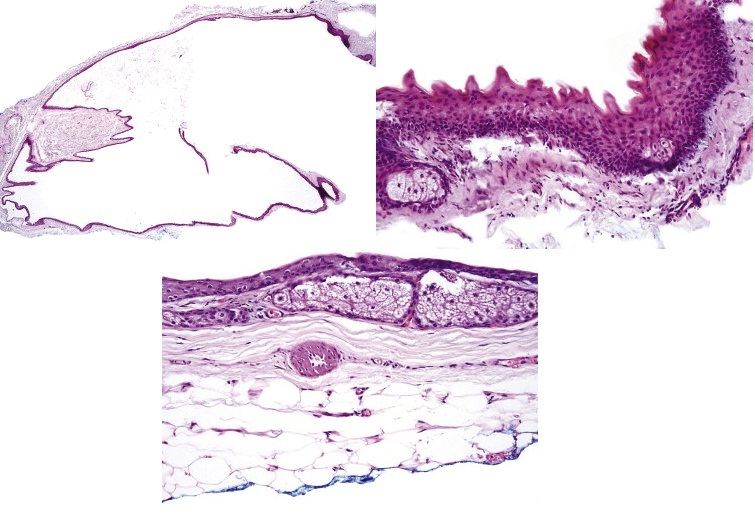
Steatocystoma multiplex is associated with:
1 Jadassohn-Lewandowsky
2 Jackson-Lawler
3 Schaufer-Brunauer
4 Zinsser-Engman-Cole
5 Touraine-Solente-Gole
Jackson-Lawler (Jackson-Sertoli) is known as pachyonychia congenital type 2. Multiple steatocysts can be seen in this condition.
Clinical features
Epidemiology
- May arise as a solitary lesion (steatocystoma simplex) or as multiple lesions (steatocystoma multiplex)
- Steatocystoma multiplex linked to defect in keratin 17, which is also mutated in pachyonychia congenita
- Familial form autosomal dominantly inherited
- Lesion usually arises in second and third decades of life
- No clear gender predilection
- No clear racial tendency
Presentation
- Skin-colored to translucent, smooth, 1- to 5-mm papule
- If lanced, clear fluid expressed
- Occurs in areas with sebaceous gland concentration, particularly the chest
- May exceptionally occur in conjunction with eruptive vellus hair cysts
Prognosis and treatment
- Sporadic and inherited forms benign, although lesions may rupture and incite inflammation and scarring
- Surgical excision, aspiration, and laser therapy performed
Pathology
Histology
- Dermal-based cystic lesion
- Lined by thin squamous epithelium
- Absent granular cell layer
- Mature sebaceous glands attached to wall
- Cyst lined by an eosinophilic cuticle
- Cyst lumen contains sebaceous material, keratin, and rare vellus hair fragments
Immunopathology/special stains
• Keratins 17 and 10 positive (see Eruptive Vellus Hair Cyst)
Main differential diagnoses
- Eruptive vellus hair cyst
- Epidermoid cyst
- Dermoid cyst
Fig 1 Steatocystoma. Scanning view showing a thin-walled empty cyst.
Fig 2 Steatocystoma. The stratified squamous epithelium has an inner, undulating hyaline cuticle.
Fig 3 Steatocystoma. The presence of a sebaceous gland adjacent to or in the cyst wall is a diagnostic feature.
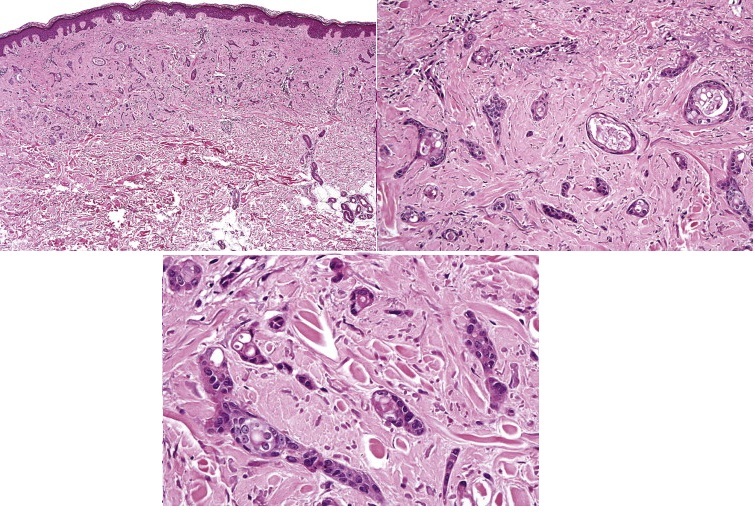
This was excised from the face, what is this neoplasm ?
1 Syringoma
2 Trichoadenoma
3 Basal cell carcinoma
4 Desmoplastic trichoepithelioma
5 Microcystic adenocarcinoma
Syringomas on the eyelids, cheeks, chests and can be eruptive and increased numbers in Down’s syndrome and a clear cell change has been associated with diabetes. Histologically this is a dermal tumor consisting of eccrine ducts, lined by two cell layers sometimes creating a tad pole appearance, there can also be small basaloid islands or strands of cells. Within the lumens of the ducts is eosinophilic material, the lumens are CEA+. The tumor is located superficially and fails to display perineural extension as is seen in MAC. The glands are associated with a fibrous sclerotic stroma, usually no (or minimal) keratin cysts or foreign body granulomas as seen in desmoplastic trichoepithelioma. Enlargement of the glandular cells more of a clear or vacuolated cytoplasm can be seen in patients with diabetes.
Clinical features
Epidemiology
- Condition of adulthood, arising at puberty
- Female predilection
- Eruptive type found in Africans, Asians, or those with Downs syndrome
Presentation
- Translucent to bluish, skin-colored, or yellowish, sometimes cystic papule, measuring a few millimeters in diameter
- Usually multiple lesions
- Most commonly arises on the face, particularly in the infraorbital region and cheek, but also may appear on the neck, chest, abdomen, axilla, penis, or vulva
- Eruptive variant often presents as brown hyperpigmented small papules on anterior trunk
Prognosis and treatment
- Benign tumor
- Surgical excision, electrosurgery, cryotherapy, laser therapy, or chemical peeling sometimes performed electively
- Clear cell syringoma associated with diabetes mellitus
Pathology
Histology
- Proliferation of small cords, strands, and tubules within the dermis, morphologically reminiscent of tadpoles
- Generally restricted to the superficial and middermis
- Tubules consist of a double layer of often flattened cuboidal cells; intracytoplasmic lumina with cuticles are generally present
- Lumina can contain amorphous, eosinophilic inspissated material
- No pleomorphism or mitotic activity
- Background sclerotic stroma
- Extension into deep dermis or subcutaneous fat and perineural infiltration absent (compare with microcystic adnexal carcinoma)
- Clear cell variant with cytoplasmic glycogen
Immunopathology/special stains
- Ductal lumina highlighted with CEA, EMA, and diastase-PAS
- Intracytoplasmic glycogen in clear cell variant highlighted with PAS
Main differential diagnoses
- Microcystic adnexal carcinoma
- Desmoplastic trichoepithelioma
- Morpheaform basal cell carcinoma
Fig 1 Syringoma. Typical low-power appearance of epithelial strands and tubules in a dense fibrous stroma.
Fig 2 Syringoma. There are well-formed tubules, some with attached attenuated epithelial strands—the so-called tadpole appearance.
Fig 3 Syringoma. The epithelial cells are uniform. Note the intracytoplasmic lumina.
Stromelysin 3 is a negative marker for which of the following?
1 Dermatofibroma
2 Basal cell carcinoma
3 Dermatofibromasarcoma protuberans
4 Squamous cell carcinoma
5 Breast carcinoma
Stromelysin 3 is a negative marker which helps to distinguish dermatofibrosarcoma protuberans from dermatofibromas. Stromelysin 3 is a metalloproteinase which is expressed tissue remodeling. In a study performed by Cribier et.al. 100% of dermatofibromas stained positive Stromelysin 3 (ST3) is a member of the metalloproteinase family, which is expressed in tissue remodeling processes such as scarring, embryogenesis, or tumoral invasion.
Definition
• A low-grade malignant fibroblastic tumor of young adults characterized by a monotonous storiform growth pattern
Clinical features
Epidemiology
• Predilection for young adults
Presentation
- Slow-growing plaque that evolves into multiple nodules or protuberances (hence the name)
- Trunk and lower extremities most often affected
Prognosis and treatment
- Wide excision is recommended because there is a high risk of recurrence
- Recurrence may have the histology of giant cell fibroblastoma (see later)
- Lesion may recur with fibrosarcomatous transformation
- Fibrosarcomatous transformation (see under Histology) regarded as a poor prognostic indicator with an increased recurrence rate and significant metastatic potential
- Imatinib (Gleevec) recently FDA approved for treatment—tyrosine kinase inhibitor
Pathology
Histology
- Grenz zone often present
- Monotonous storiform growth pattern
- Tumor composed of spindled cells that are, in general, more uniform and less pleomorphic than may be seen in a dermatofibroma
- Mitoses are usually inconspicuous
- The classic picture is one of a lace-like pattern with trapped lobules of fat between spindled cells (so-called honeycomb)
- In some tumors, less classic appearances predominate: hypocellular, myxoid, and giant cell fibroblastoma–like
- Bednar tumor refers to those lesions containing pigmented dendritic cells (pigment is melanin)
- Fibrosarcomatous transformation is characterized by a typical herringbone morphology of more-closely packed spindled cells with increased mitoses
- Evaluating adequacy of excisions is problematic, because the peripheral portions may appear quite bland
- Especially in the setting of recurrences, it may be difficult to distinguish scar from hypocellular DFSP (even more problematic on frozen sections).
Immunopathology/special stains
- The majority are CD34 positive
- CD99 positivity has also been described
- Cytogenetics: a translocation, t(17;22)(q21;q13), is seen in many cases
- Pigmented cells in Bednar tumor are S100 positive
Main differential diagnoses
- Dermatofibroma
- Spindle cell melanoma
- Leiomyosarcoma
- Perineurioma
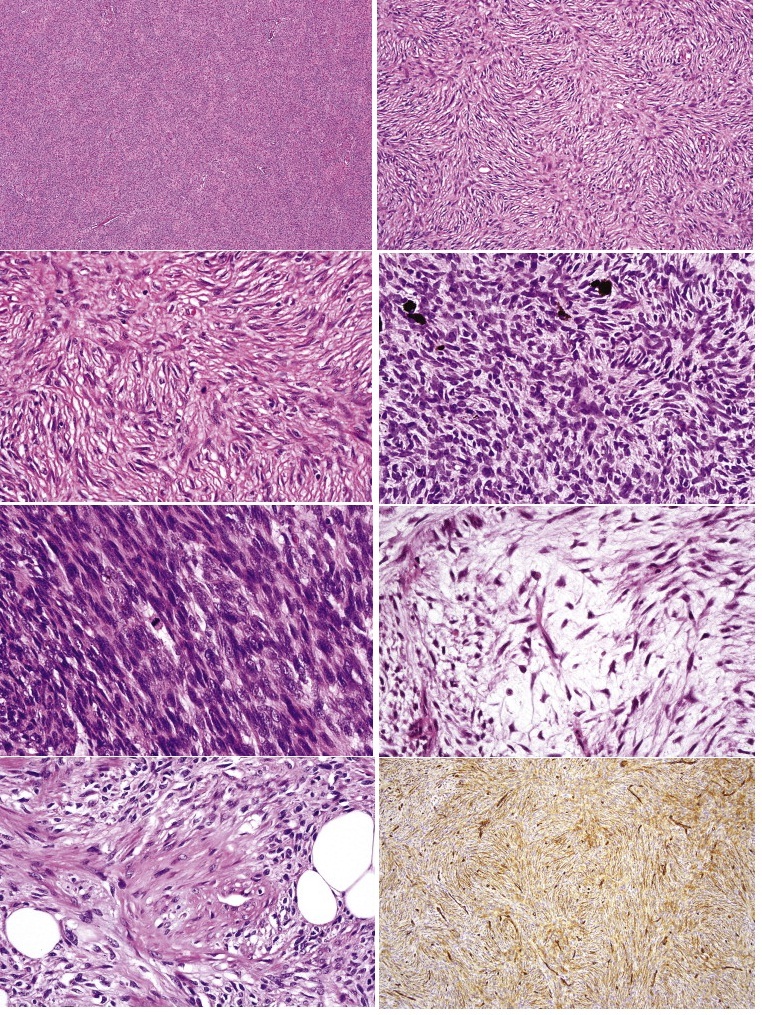
Fig 1 Dermatofibrosarcoma protuberans. Low-power view showing a diffuse spindled cell tumor.
Fig 2 Dermatofibrosarcoma protuberans. At this magnification, the classical storiform growth pattern is well demonstrated.
Fig 3 Dermatofibrosarcoma protuberans. Mitoses as seen in the center of the field are generally uncommon.
Fig 4 Dermatofibrosarcoma protuberans. Pigmented dendritic cells and melanophages characterize the Bednar tumor variant.
(Courtesy of E Calonje, MD; St John’s Institute of Dermatology, London.)
Fig 5 Dermatofibrosarcoma protuberans. This is a high-power view showing fibrosarcomatous transformation. Note the fascicular growth pattern, nuclear pleomorphism, and mitotic figure.
(Courtesy of E Calonje, MD; St John’s Institute of Dermatology, London.)
Fig 6 Dermatofibrosarcoma protuberans. Occasionally, excessive mucin deposition is a feature. Usually, more typical features are evident elsewhere in the lesion.
Fig 7 Dermatofibrosarcoma protuberans. Exceptionally smooth muscle differentiation is seen—the myoid variant.
(Courtesy of E Calonje, MD; St John’s Institute of Dermatology, London.)
Fig 8 Dermatofibrosarcoma protuberans. The tumor cells show uniform expression for CD34.
Subcutaneous fat necrosis of the newborn has been associated with:
1 Hypocalcemia
2 Hypercalcemia
3 Hypokalemia
4 Hyperkalemia
5 Hyponatremia
Hypercalcemia has been noted in some cases of subcutaneous fat necrosis of the newborn.
Eosinophilia-Myalgia syndrome is caused by:
1 Norwegian salt-petter
2 Unadultered Spanish grapeseed oil
3 Pb intoxication
4 L-Tryptophan
5 Excessive anaerobic exercise
L-Tryptophan
The eosinophilia myalgia syndrome is characterized by marked peripheral eosinophilia with a clinical spectrum of signs and symptoms, including generalized myalgias, pneumonitis, myocarditis, neuropathy, encephalopathy and fibrosis. Many patients progress to a clinical picture clinically indistinguishable from eosinophilic fasciitis. The disease is caused by the ingestion of certain lots of L-tryptophan.
Which of the following immunohistochemical stains can help distinguish basal cell carcinomas and trichoepitheliomas from microcystic adnexal carcinomas?
1 Pro-collagen 1
2 CD34
3 Peanut agglutinin
4 TTF-1
5 Ber-Ep4
Ber-Ep4 helps distinguish between BCCs/Trichoepitheliomas and microcystic adnexal carcinomas. Morpheaform BCC and desmoplastic trichoepithelioma are Ber-Ep4 positive where as microcystic adnexal carcinomas (MAC) are Ber-Ep4 negative. Other markers that help distinguish between BCCs and trichoepitheliomas are peanut agglutinin and CD34. Peanut agglutinin is positive in BCC and negative in trichoepithelioma vs CD34 which is negative in BCC and positive in the peritumoral fibroblasts of trichoepitheliomas.
Silver preferentially deposits in:
1 Eccrine glands
2 Apocrine glands
3 Hair follicles
4 Fat
5 Eccrine glands and apocrine glands
Type 2 minocycline pigmentation. Has what type of granules?
Type 2 minocycline pigmentation stains positive with________.
Type 3 minocycline pigmentation stains positive with ____.
Amiodarone pigmentation is found at what location and what cell is present?
Eccrine glands
Argyria can look like normal skin if you do not notice the silver (black) deposits in the eccrine glands in the deep dermis.
Clinical features
Epidemiology
- Exposure to a variety of medications implicated: antimalarials, chemotherapeutic agents, minocycline, psychotropic agents, heavy metals, amiodarone, azidothymidine, among others
- Wide age range (from young adults to elderly) affected, although certain agents (e.g., minocycline) generally not used in children
- Any race may be affected
- Minocycline therapy usually for more than few years duration
- Trauma may serve as risk factor in some cases (e.g., minocycline pigmentation type I)
- Sun exposure may serve as a risk factor in some cases (e.g., minocycline pigmentation type III, amiodarone)
Presentation
- Antimalarials: pretibial blue-gray (yellow for quinacrine) macular pigmentation, may also involve face, mucosae, nail bed
- Chemotherapeutic agents (e.g., bleomycin, carmustine, cyclophosphamide, daunorubicin, 5-fluorouracil): medication dependent, usually within weeks to months, may be localized or diffuse, various shades of brown-gray, can exhibit flagellate pattern, often with photosensitivity
- Minocycline: brownish-black to blue-gray macular pigmentation • Type I: blue-gray pigmentation distributed over scarred sites or at sites of previous inflammation, commonly affecting the face; involvement of acne scars typical
- Type II: blue-gray, brownish macular pigmentation, typically generalized distribution, with predilection for extremities (pretibial area typical), arising over normal skin lacking antecedent inflammation
- Type III: sun-exposed areas exhibit “muddy brown” pigmentation in symmetrical fashion
- Pigmentation may also involve teeth, nails, lips, sclerae, and internal organs (e.g., thyroid, bones, prostate, brain)
- Psychotropic agents: chlorpromazine induces purplish-gray pigmentation of face, arms, legs; tricyclics induce photodistributed blue-gray discoloration
- Heavy metals: silver (argyria) associated with localized or diffuse blue–slate gray mucocutaneous pigmentation with accentuation at photodistributed sites; gold (chrysiasis) induces photodistributed blue-gray discoloration of skin; iron from ferric subsulfate application can leave blue-gray pigmentation locally
- Amiodarone: blue-gray photodistributed pigmentation, often following photoallergic dermatitis
- Azidothymidine: bluish pigmentation of nails and brown pigmentation of skin
- Hydroxyurea: brown-gray pigmentation of nails and mucosa
Prognosis and treatment
- Pigmentation may fade slowly with discontinuation of drug
- Sun protection essential for photoexacerbated drug-induced pigmentation
- Bleaching creams and/or laser therapy may help lighten pigmentation in some cases
Immunopathology/special stains
- Masson-Fontana stain highlights melanin pigment
- Iron stains (e.g., Perl’s Prussian blue) highlight iron pigment
- Antimalarial pigmentation: Masson-Fontana positive or negative; Prussian blue negative or positive
- Chemotherapeutic agents: Masson-Fontana usually positive
- Minocycline type I: Masson-Fontana negative; Prussian blue positive
- Minocycline type II: Masson-Fontana positive; Prussian blue positive
- Minocycline type III: Masson-Fontana positive; Prussian blue negative
- Psychotropic pigmentation: Masson-Fontana positive
- Amiodarone pigmentation: lysosomal granules within macrophages highlighted by PAS stain
- Argyria: silver deposits appear white with dark field examination
Main differential diagnoses
- Postinflammatory pigmentation
- Melasma
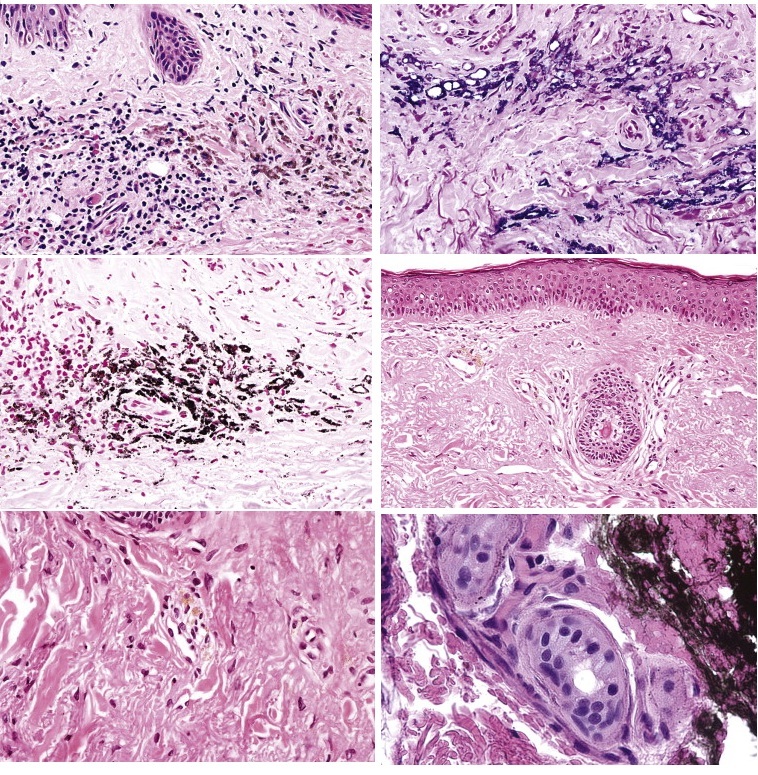
Fig 1 Type 2 minocycline pigmentation. Note the golden-brown pigment granules.
Fig 2 Type 2 minocycline pigmentation. Perl’s Prussian blue stain is positive.
Fig 3 Type 3 minocycline pigmentation. Masson-Fontana stain is positive.
Fig 4 Amiodarone pigmentation. Perivascular pigment-rich macrophages are present.
Fig 5 High-power view showing amiodarone pigmentation.
Fig 6 Argyria. Speckled black pigmentation present along the eccrine gland basement membrane.
The cytoplasmic granules seen in granular cell tumor are:
1 Phagolysosomes
2 Ribosomes
3 Mitochondria
4 Intermediate filaments
5 Vacuoles
The granules in granular cell tumor are phagolysosomes. The granularity of the granular cell layer in epidermodysplasia verruciformis may be secondary to increased ribosomes. Mitochondria fill the cells in hibernoma.
Granular Cell Tumor
Definition
• A neuroectodermal tumor characterized by S100-positive tumor cells containing lysosomal granules
Clinical features
Epidemiology
- Middle-aged to elderly adults
- Female predilection
- More common in blacks
Presentation
- Wide anatomic distribution
- Most frequently on tongue, trunk, and extremities
- 1- to 2-cm nodule
- Asymptomatic, gradually enlarges
- Other extracutaneous sites include: esophagus, small and large intestines, upper respiratory tract
- Malignant variant characterized by rapid growth, larger size, deeper lesion
- Frequently solitary, although can be multiple
Prognosis and treatment
- Excision is usually curative for benign lesions (the vast majority)
- Malignant variant rare; risk of spread to lymph nodes, lungs
Pathology
Histology
- Overlying epidermis is typically acanthotic
- May show pseudoepitheliomatous hyperplasia
- Irregular mass of cells with eosinophilic granular cytoplasm
- Uniform, small, often hyperchromatic nuclei
- Occasional mitoses may be seen
- Perineural invasion can be present and does not imply malignancy
- Criteria of malignancy include: size >5 cm, necrosis, brisk mitotic activity and pleomorphism
Immunopathology/special stains
- Diastase-PAS positive
- S100 positive
- NKI/C3, NSE, CD68, and PGP 9.5 are also positive
Main differential diagnoses
- Other granular cell tumors (e.g., granular cell leiomyoma, granular cell neurofibroma, granular cell basal cell carcinoma)
- Rhabdomyoma
- Melanocytic neoplasms
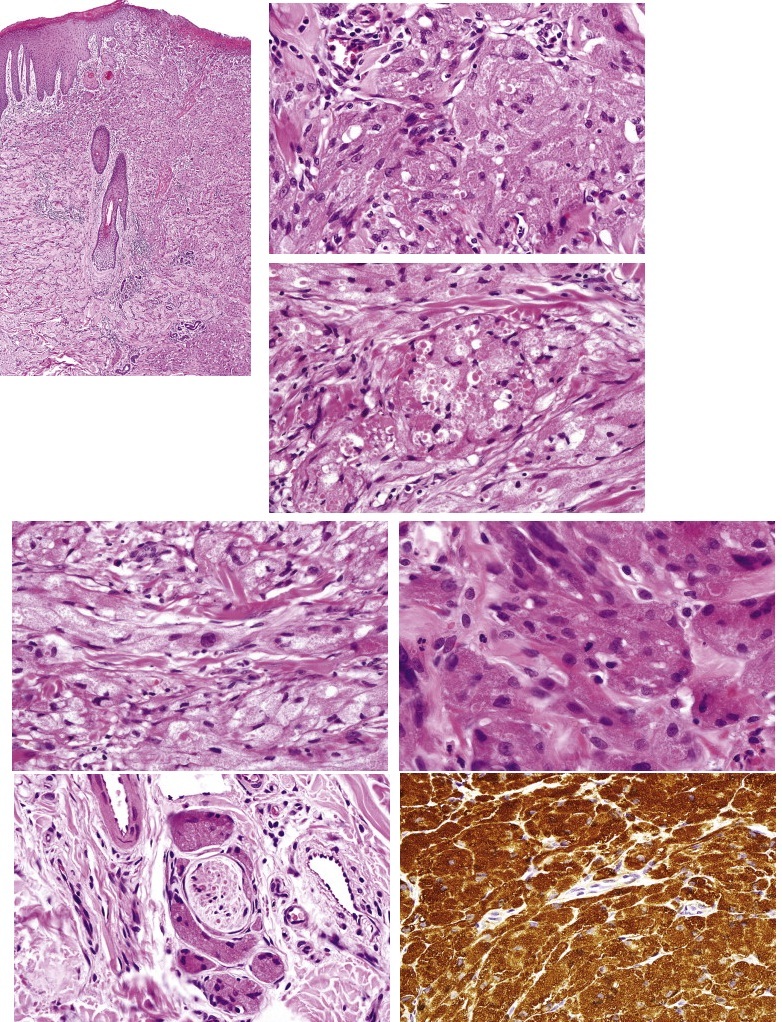
Fig 1 Granular cell tumor. Part of an ulcerated lesion showing pseudoepitheliomatous hyperplasia.
Fig 2 Granular cell tumor. The tumor cells are large with abundant eosinophilic cytoplasm and uniform vesicular nuclei.
Fig 3 Granular cell tumor. Eosinophilic, intracytoplasmic inclusions are also a common feature.
Fig 4 Granular cell tumor. Very occasional pleomorphic nuclei are sometimes seen and in the absence of other features of malignancy are of no consequence.
Fig 5 Granular cell tumor. Very occasional normal mitotic figures are sometimes present.
Fig 6 Granular cell tumor. Perineural infiltration is often seen but is of no clinical significance.
Fig 7 Granular cell tumor. There is strong and uniform S100 protein expression.
What is this neoplasm?
1 Pilomatricoma
2 Proliferating pilar tumor
3 Trichoepithelioma
4 Basal cell carcinoma
5 Eccrine acrospiroma
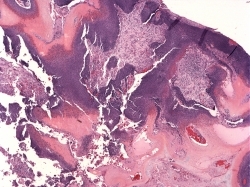
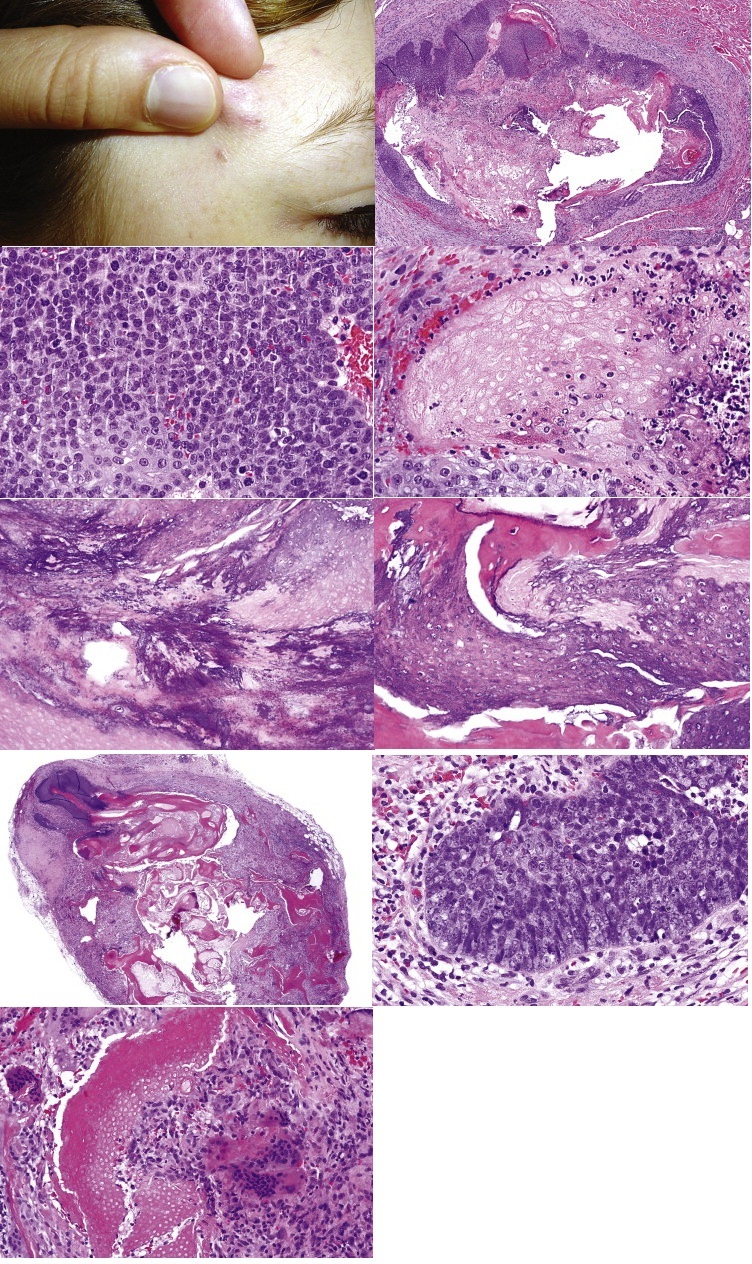
Pilomatrixoma (Calcifying epithelioma of Malherbe): Found on the head, neck and upper extremities in the first 2 decades of life. Typically solitary but multiple pilomatricomas arise in several syndromes. Even in isolation these tumors may arise due to activating mutations in the beta-catenin gene. Histologically: This tumor consists of two major cell types plus an intermediate or transitional cell type. Initially the tumor is more cystic with the cells at the periphery of the tumor that are more basophilic with indistinct cell borders and little cytoplasm. The cells have hyperchromatic nuclei and often normal mitoses can be appreciated. Centrally there are eosinophilic “ghost or shadow†cells which are cells that have undergone terminal differentiation. These cells have more distinct borders, increased cytoplasm but only a ghost of a nucleus. Then there are cells that reside somewhere in between these two cell types. The proportion of these cells varies depending on the stage of the lesion; i.e younger lesions have more basophilic cells and appear more cystic, older lesions have a greater component of ghost cells and up to 20% of lesions on removal are completely composed of ghost cells.
Pilomatrixoma
Definition
• Benign adnexal tumor with differentiation toward the hair matrix
Clinical features
Epidemiology
- Presents in children and middle-aged adults most commonly
- Slight female predilection
- Possible predilection for whites
- Multiple lesions may be familial and can be associated with myotonic dystrophy
- Defects in beta-catenin implicated in pathogenesis
Presentation
- Firm to very hard, 2- to 3-mm to 2- to 3-cm nodule
- Often asymptomatic
- Located commonly on the head and neck, especially cheeks, but may present on the trunk and extremities
- Usually skin colored, but may exhibit bluish or vascular hue
- With stretching of the overlying skin, multifaceted angulation (“tenting”) of the skin is observed
- Multiple lesions sometimes present
Prognosis and treatment
- Benign tumor for which excision is curative
- Occasional recurrences following incomplete excision
Pathology
Histology
- Circumscribed dermal nodular proliferation arranged in cellular sheets, often with central cyst formation
- Tumor composed of two types of matrical cells: basaloid cells and ghost (shadow) cells
- Basaloid cells describe basophilic, monotonous epithelial cells
- Ghost (shadow) cells describe eosinophilic cells left with only remnant nuclear outlines
- Evolving lesions may show very brisk mitotic activity
- Calcification common and bone is not uncommon
- Areas of granulomatous inflammation with foreign-body–type giant cell reaction develop at sites of tumor degeneration
Immunopathology/special stains
• Not contributory
Main differential diagnoses
- Matrical carcinoma
- Basal cell carcinoma with matrical differentiation
Fig 1 Pilomatrixoma. Erythematous, firm nodule on the right temple of a girl.
Fig 2 Pilomatrixoma. Low-power view showing a circumscribed basophilic tumor surrounded by compressed fibrous tissue.
Fig 3 Pilomatrixoma. The basaloid cells have basophilic cytoplasm and regular oval or round vesicular nuclei with a prominent nucleolus. Note that there is brisk mitotic activity. This is a common feature and should not be taken to imply malignancy.
Fig 4 Pilomatrixoma. High-power view of typical eosinophilic anucleate “ghost” cells.
Fig 5 Pilomatrixoma. Stippled basophilic calcification is invariable in established lesions.
Fig 6 Pilomatrixoma. Many old lesions show bone formation sometimes accompanied by marrow spaces.
Fig 7 Pilomatrixoma. Scanning view of a circumscribed nodule.
(Courtesy of D Whittemore, DO; University of Texas, Houston.)
Fig 8 Pilomatrixoma. High-power view of basaloid cells showing vesicular nuclei and mitotic activity.
(Courtesy of D Whittemore, DO; University of Texas, Houston.)
Fig 9 Pilomatrixoma. Multinucleate giant cell are conspicuous.
(Courtesy of D Whittemore, DO; University of Texas, Houston.)