What is Henle-Koch’s postulates?
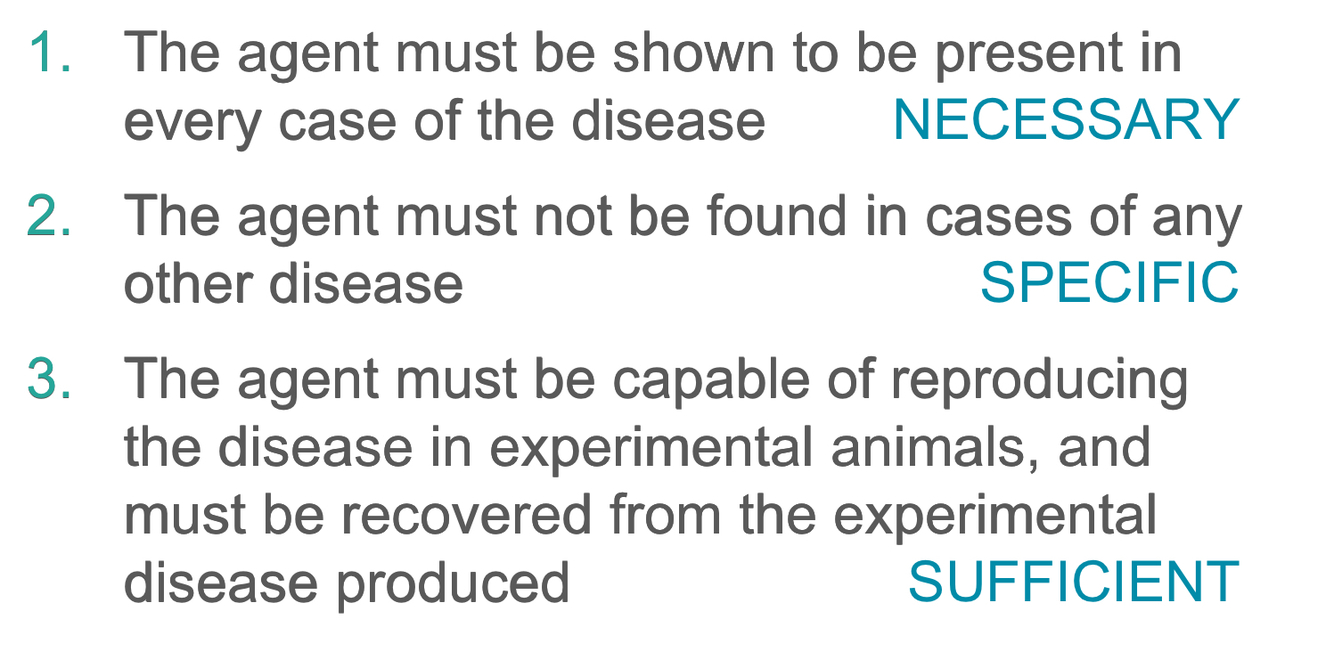
- Four criteria designed to establish a causative relationship between a microbe and a disease
What do the following concepts mean in Henle-Koch’s postulates?
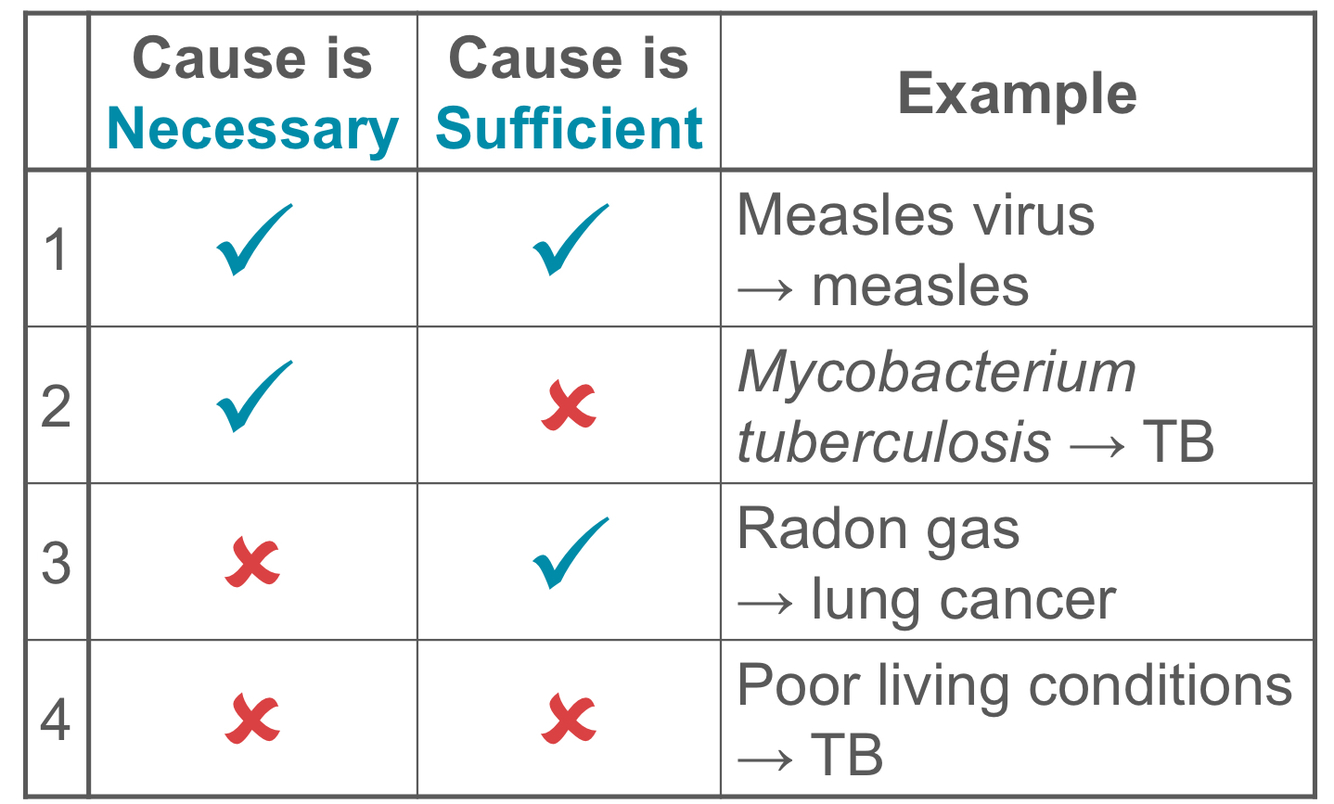
- Necessary
- Specific
- Sufficient
- Necessary: A cause always precedes the disease, i.e disease cannot occur without the cause
- Specific: The cause is absent in other diseases (no longer relevant)
- Sufficient: The cause alone can cause the disease (once predisposing and precipitating factors are in place)
What does a cause effect relationship mean in an epidemiological context?
What are some examples where exposures do not have to be necessary or sufficient to be important causes?
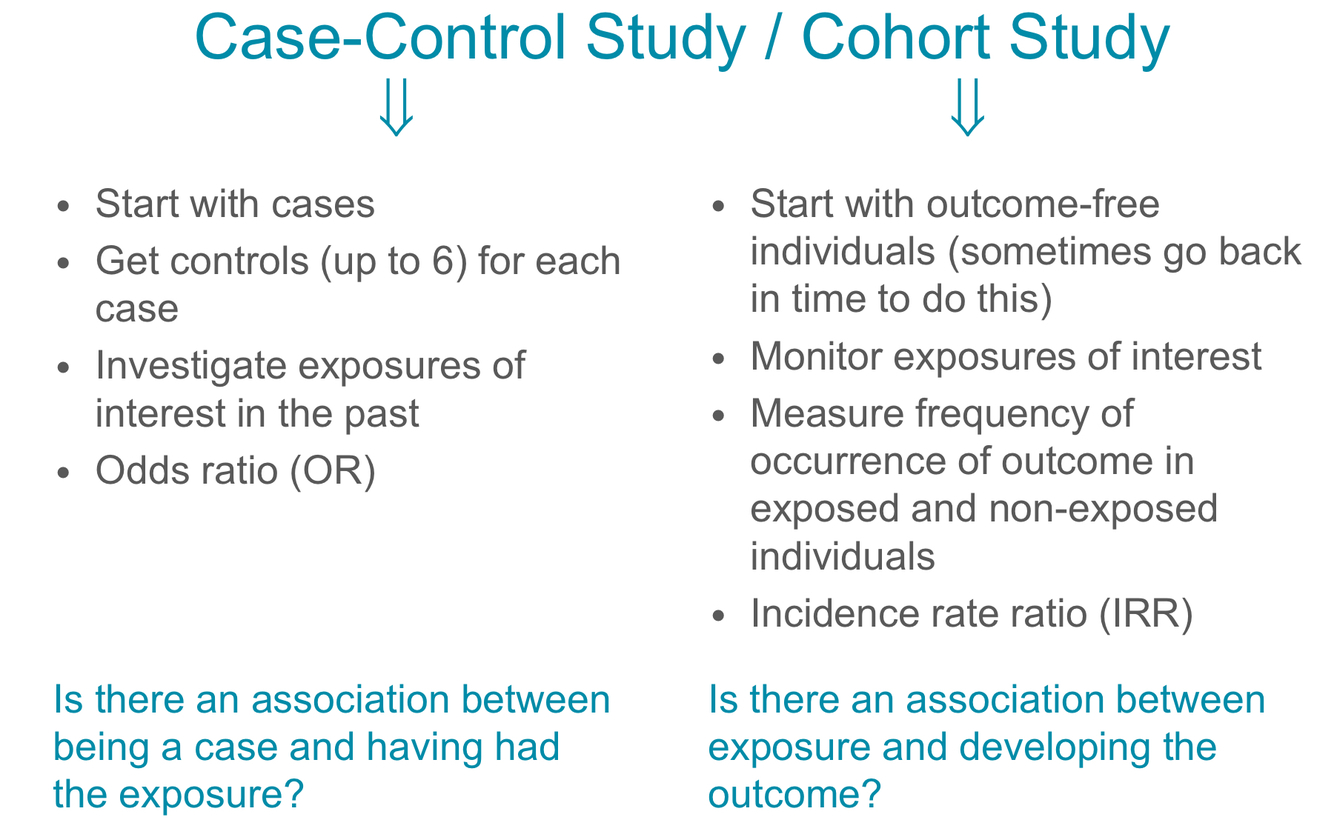
Outline the differences between case control and cohort studies.
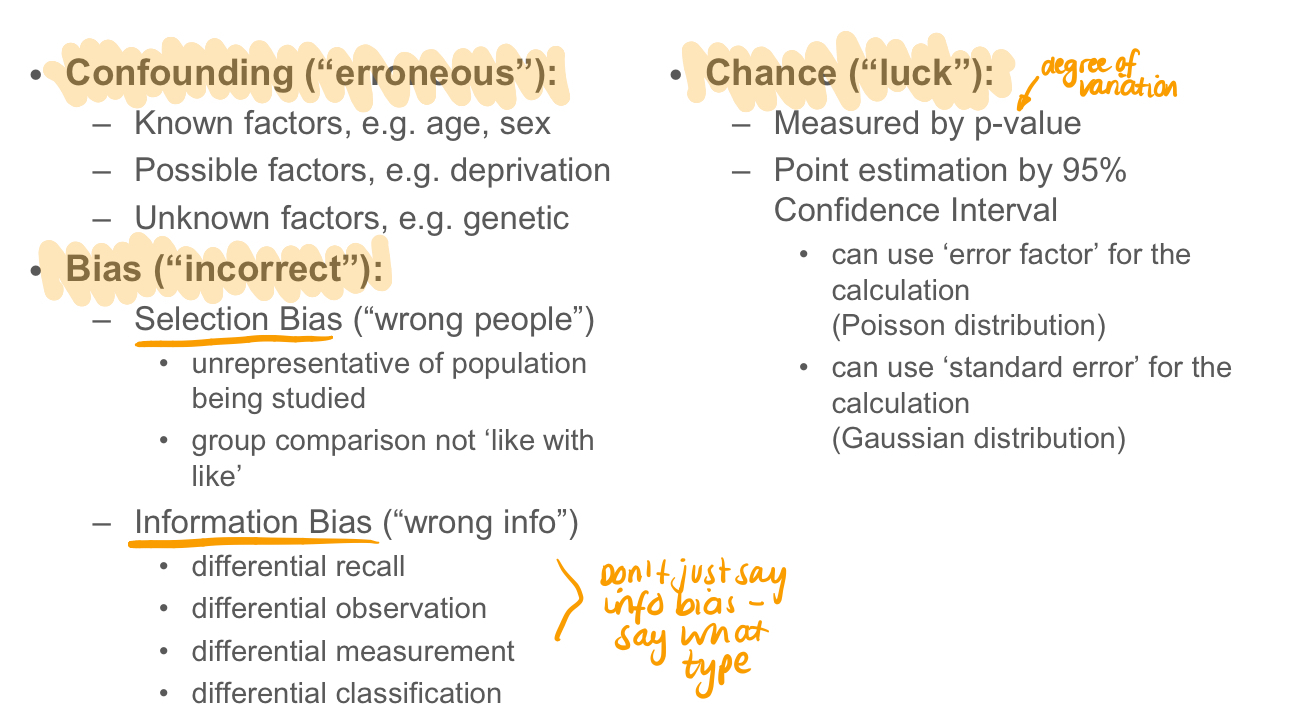
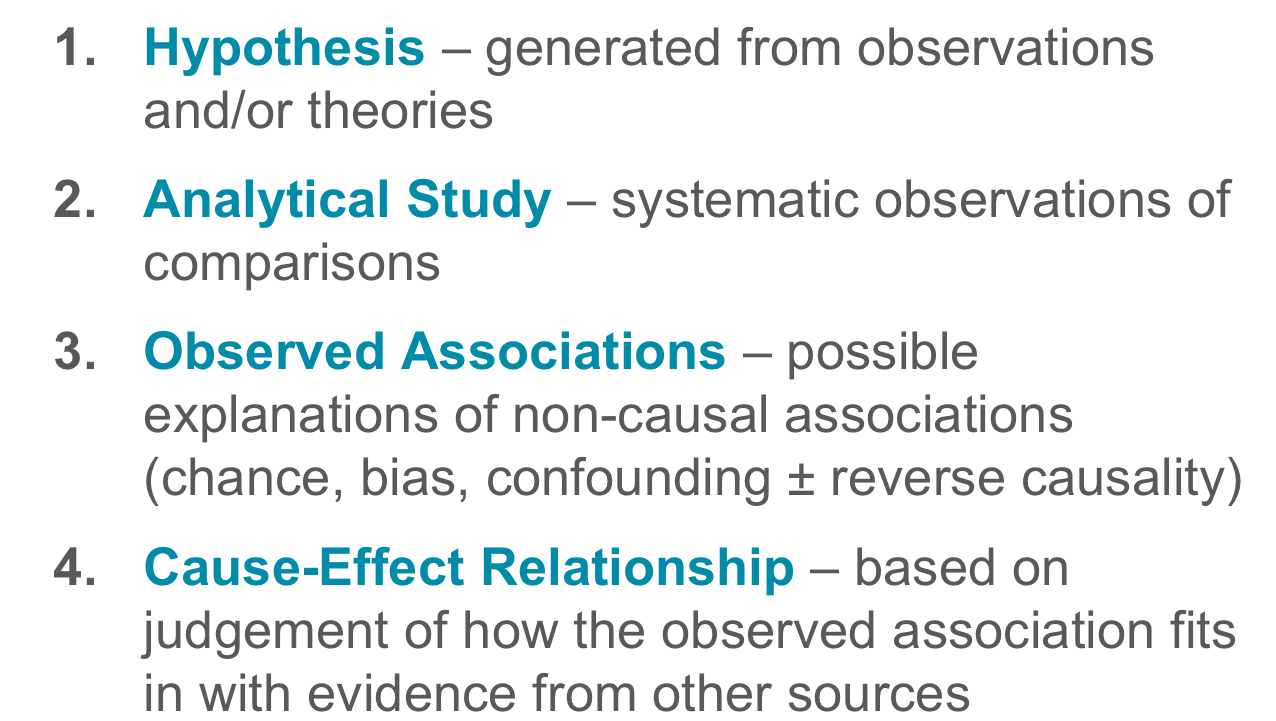
What are some possible explanations for associations with no true causal effect relationship?
- Systematic and random variation (see photo)
- Alternative associations (see next flashcard)
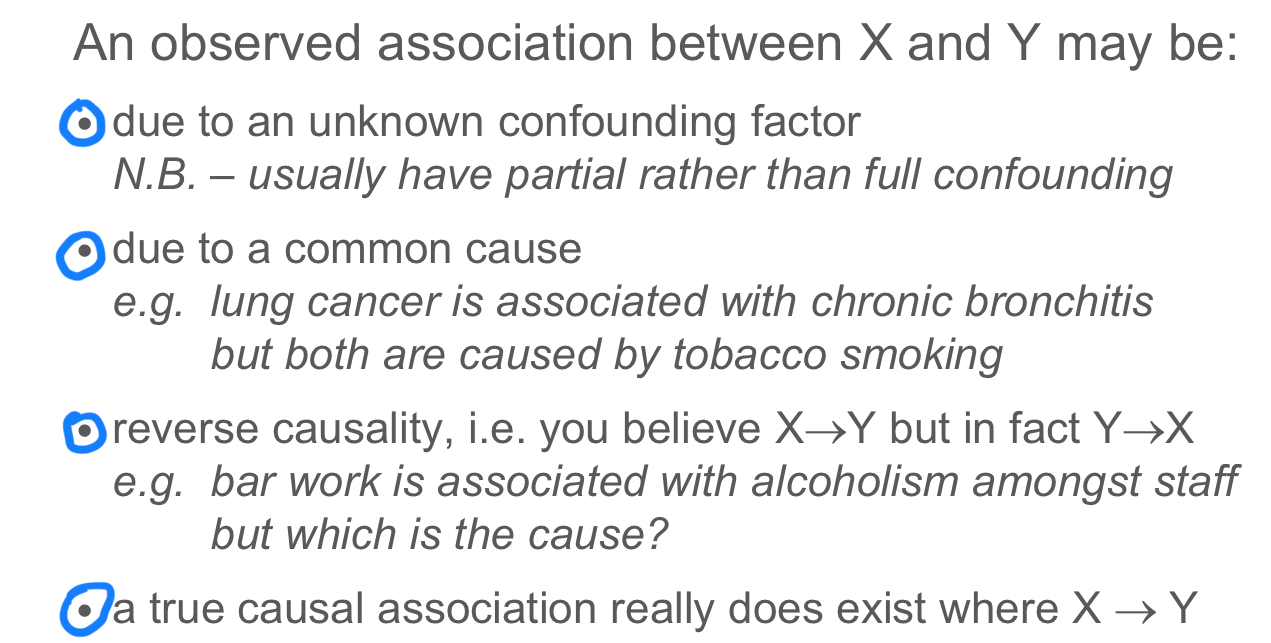
There is an observation between X and Y, what could be the reasons for this association?
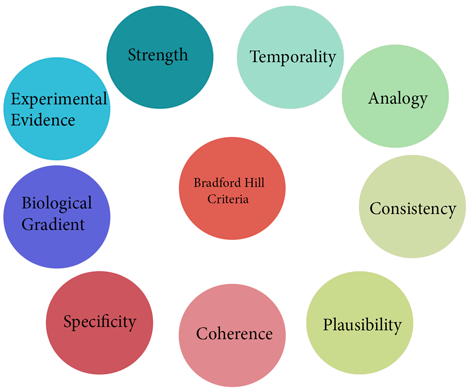
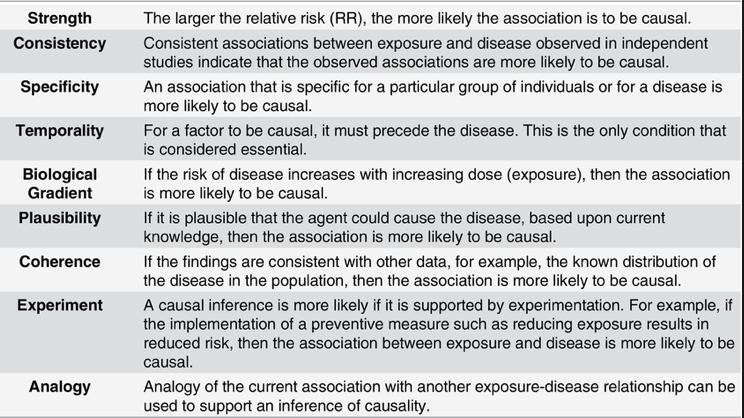
How can you evaluate the strengh of evidence in favour of a potential cause-effect relationship?
In exam, will be given a statement and asked which criteria of Bradford Hills has been met.
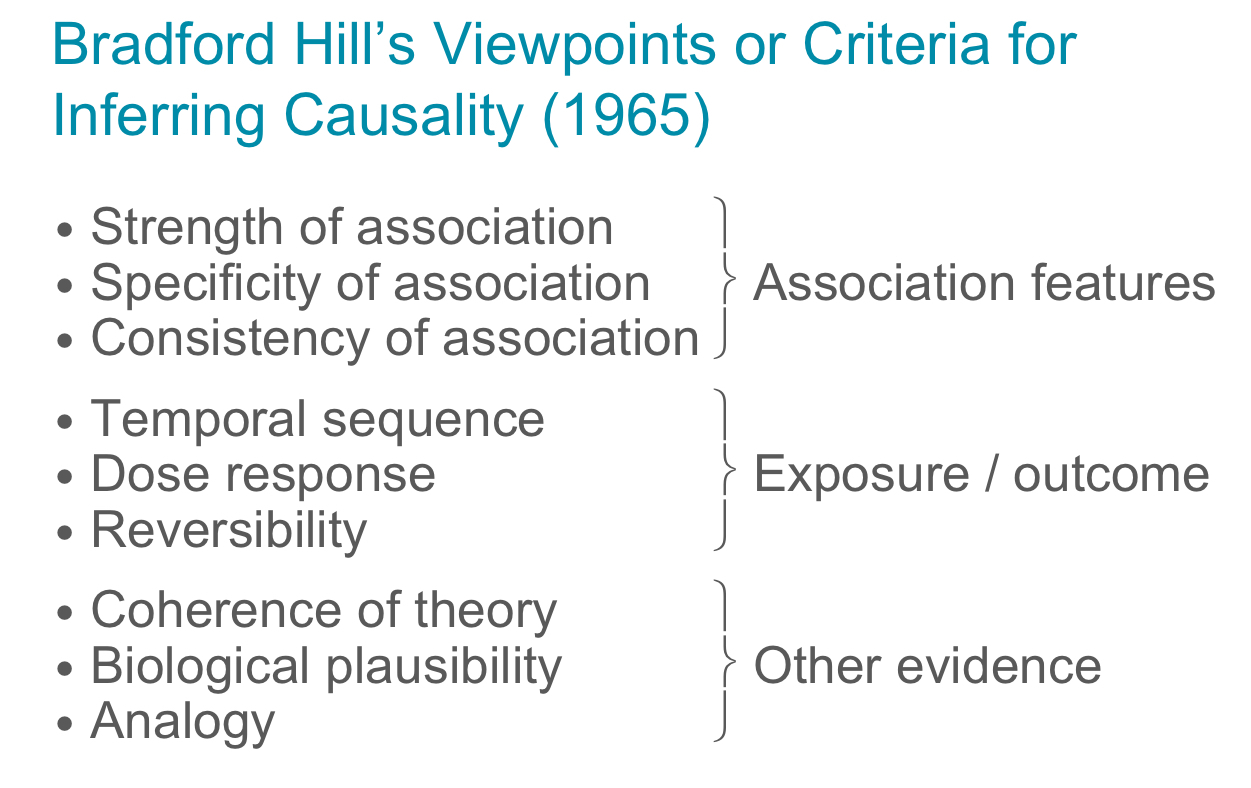
Describe the following criteria of Bradford Hill criteria, give an example and give a criticism of each:
- Strength
- Specificity
- Consistency
- Strength:
- causal link more likely to be true when strong associations, e.g high odds ratio. Association unlikely to be explained by bias or confounding
- e.g heavy smokers 20 times more risk of mortality from laryngeal cancer than non-smokers
- Just because strong not true, e.g Kaposi’s Sarcoma and AIDS
2. Specifity (not now used much):
- causal link more likely when outcome is associated with one specific cause
- e.g mesothelioma and asbestos exposure
- Just because lack of specificity doesn’t weaken case, e.g tobacco smoking associated with many cancers and diseases and current models of disease causation are multifactorial
3. Consistency:
- causal link more likely if association is observed in lots of different studies and different sub-groups as different groups and studies unlikely to be due to same confounding or bias
- e.g smoking and ischaemic heart disease demonstrated in lots of studies
- However, lack of consistency can be due to features of study design and inconsistency may exist because of differences in other causal factors, e.g pregnancy and cat poo
Describe the following criteria of Bradford Hill criteria, give an example and give a criticism of each:
- Temporal Sequence
- Dose Response (biological gradient)
- Reversibility (Experiment)
1. Temporality:
- causal link likely if exposure preceds outcome
- e.g british doctors cohort study for tobacco and diseases
- Can be issue fulfilling this criteria when lookung at cross sectional and case-control studies so use prospective cohort or randomised control studies
- Biological Gradient:
- causal link more likely if different levels of exposure lead to different risk of acquiring outcome, unlikely to be due to confounding or bias
- e.g risk of leukaemia and distance to Nagasaki
- Lack of gradient doesn’t rule out causal link, e.g threshold effect and U-shaped relationship. Also tobacco and drinking confounding
- Experiment:
- causal link very likely if removal of exposure leads to reduced risk of acquiring the outcome.
- USED THE MOST BUT DIFFICULT TO DEMONSTRATE
Why is the experiment criteria for Bradford Hill difficult to fulfill?
- Many diseases have long time lags so cannot do prospective e.g asbestos exposure
- Ethical issues with RCT, e.g smoking cessation
- Public health programme to remove exposure requires action by society
Describe the following criteria of Bradford Hill criteria, give an example and give a criticism of each:
- Coherence
- Plausibility
- Analogy
1. Coherence:
- causal link more likely if observed association conforms with current knowledge and theories
- e.g socioecoomic deprivation and greater ill health
- Inappropriate rejection of unfavoured associations, e.g publication bias and helicobacter pylori with peptic ulcers
2. Plausibility:
- causal link more likely if biologically plausible mechanism is displayed
- However, there is an issue as scurvy known to be prevented by citrus fruit way before they knew it was Vit C and Mg and heart attacks is biologically plausible but no causal link
3. Analogy:
- causal link more likely if analogy exists with other diseases or species,
- e.g Hep B help used to predict spread of HIV
- However, sheep scrapies did not pass over to humans so they assumed cow BSE wouldn’t too but it did
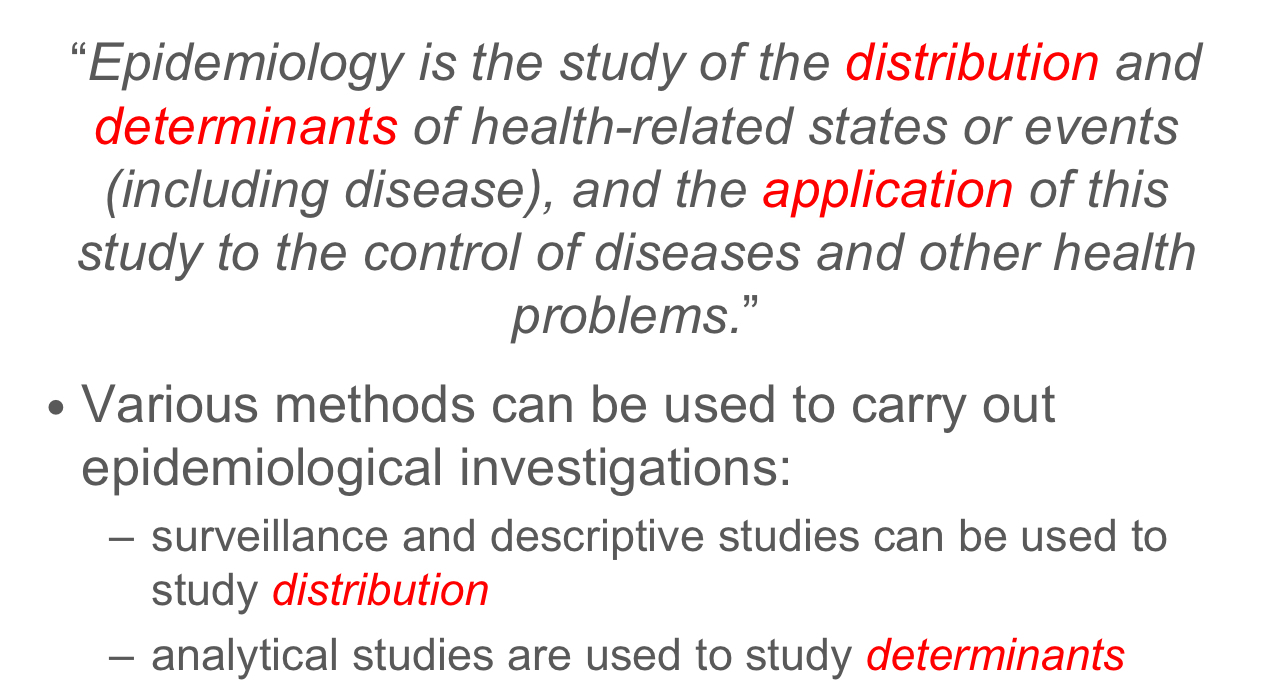
What is the definition of epidemiology and what is assumed in this field?
- Disease does not occur randomly, it has causal and preventable factors that can be identified through systematic investigation
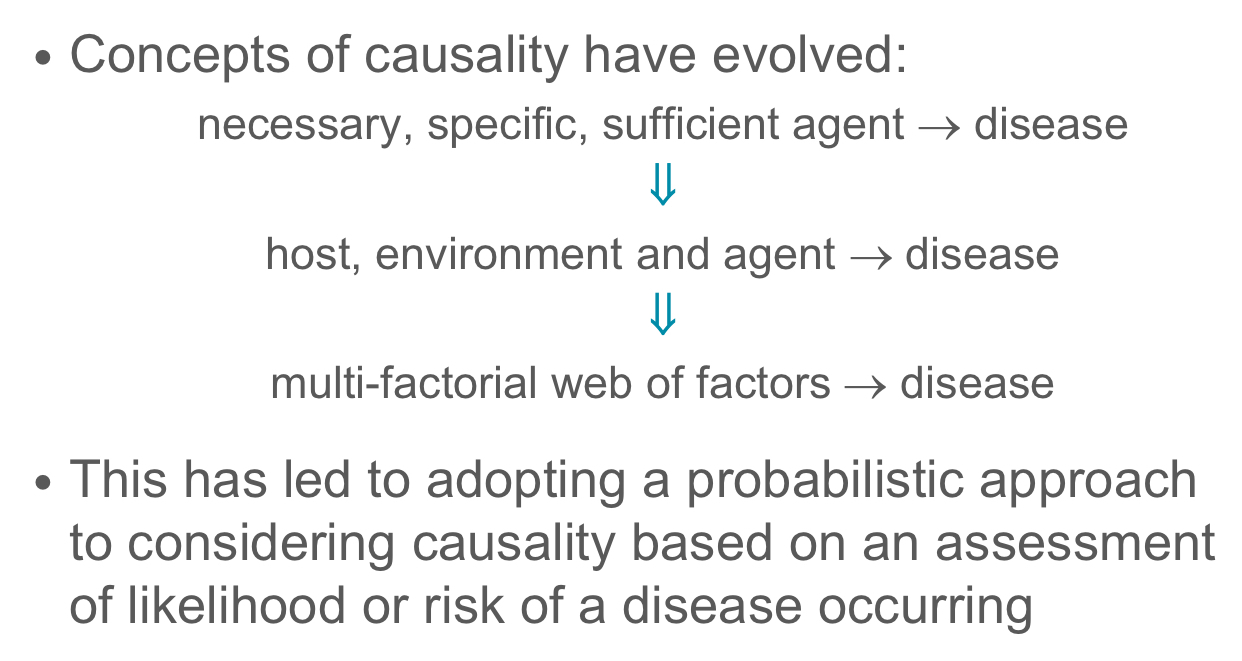
How has the concept of causality changed over time in epidemiology?
How do epidemiologists work through an investigation to find a causal effect?
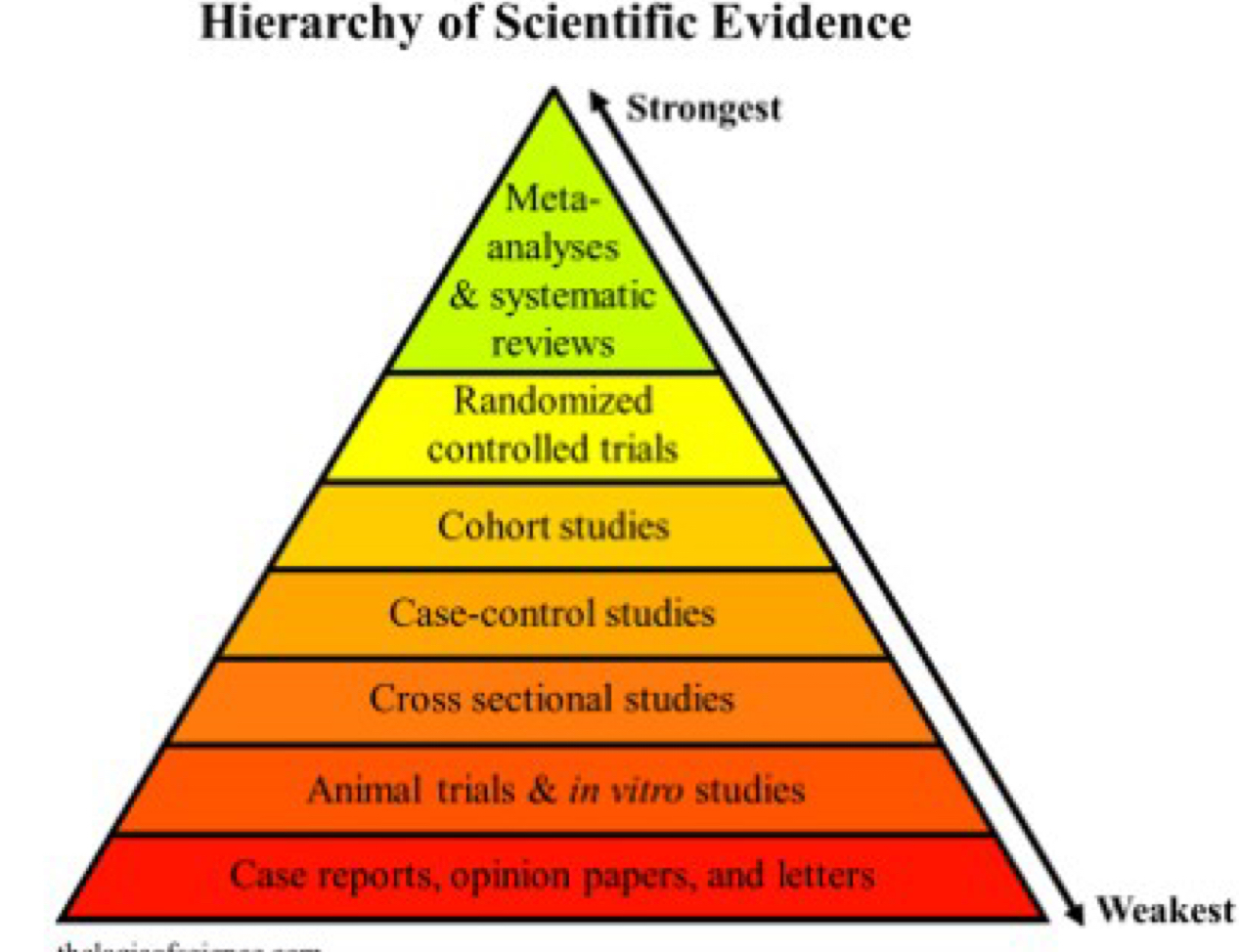
What is the hierarchy of scientific evidence?
Studies have different scales of how strongly their evidence is taken

-
1 - Global Determinants of Health17
-
2- Sampling Variation, Bias and Confounding23
-
3 - Intro to Stats12
-
4 - Epidemiological Study Designs19
-
5 - Biopsychosocial Model of Medicine15
-
6 - Chronic Illness18
-
7 - Public Health and Your Practice25
-
8 - Resource Allocation and Healthcare Economics29
-
9 - PROMs16
-
10 - Health Related Behaviours23
-
11 - Prevention and Screening31
-
12 - Adherence and Concordance14
-
13 - Substance Misuse20
-
14 - Cross Sectional and Cohort Studies18
-
15 - Case-Control Study18
-
16 - Causality16
-
17 - Patient Safety 124
-
18 - Patient Safety 213
-
19 - Critical Appraisals19
-
20 - Communicable Disease Control11
-
21 - Transmission of Infection8
-
22 - Health Improvement19
-
23 - Healthcare Systems9



