What are some of the common causes of falls in older people?
Syncopal or Non-Syncopal (INTRINSIC OR EXTRINSIC)
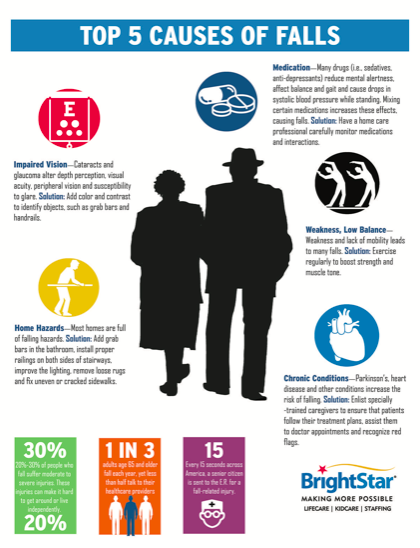
- Trips on hazards
- Diabetes
- OA
- Stroke
- UTI
- Aortic stenosis
- Vasovagal episode
- Ruptured AAA
- Post micturition syncope
- Postural hypertension
- Hip OA
- Dehydration
- GBS
What questions do you need to ask in a history of a present complaint if someone presents with a fall?
Who? - Did anyone see so can take collateral history
When? - Night/Vision, did they get up out of a chair or go to the toilet
Where? - Home, shops, any trip hazards or flashing lights from TV
What? - Before, During, After
How? - How long on the floor for rhabdomyolysis, how many times before and in last 6 months, any serious injuries
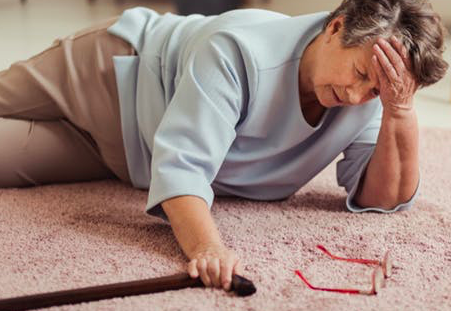
What questions do you need to answer in the WHAT section of taking a history for a fall?
COLLATERAL HISTORY IMPORTANT
Before:
- Any symptoms before like lightheadedness?
- Chest pain?
- Trip?
During:
- Loss of consciousness?
- Incontinence, tongue biting, shaking, pale?
- Any injuries
After:
- Did they regain consciousness quickly?
- Could they get up without help?
- Any confusion or neurological symptoms?
What are the most common causes for loss of consciousness?
Syncope
Seizures
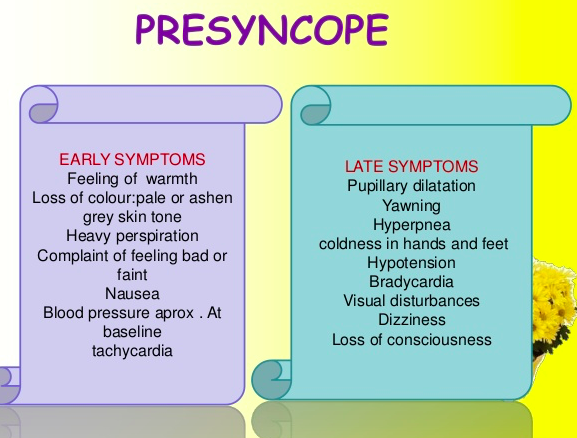
What is syncope and what are the symptoms of pre-syncope?
Transient loss of consciousness characterised by fast onset and spontaneous recovery due to reduced perfusion pressure in the brain. It is self limiting
- Light headedness
- Sweating
- Pallor
- Blurred vision
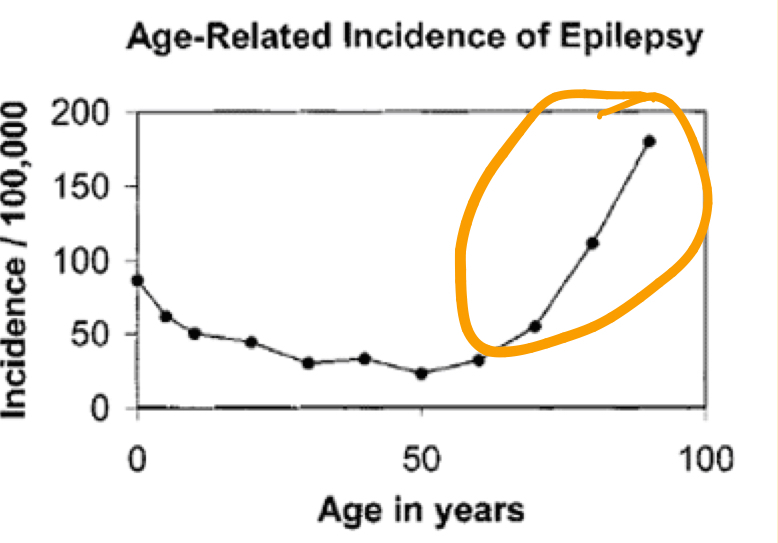
Why is it important to think about a seizure in an elderly patient if they have had loss of consciousness during a fall?
- Lots of new epilepsy diagnoses present at older age
- Seizures can be really subtle, e.g a twitch, so ask collateral if any abnormal movements
What are the three main categories of the causes of syncope?
- Reflex syncope
- Orthostatic hypertension
- Cardiac/Cardiopulmonary Disease
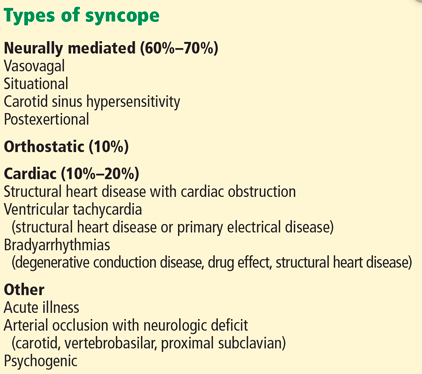
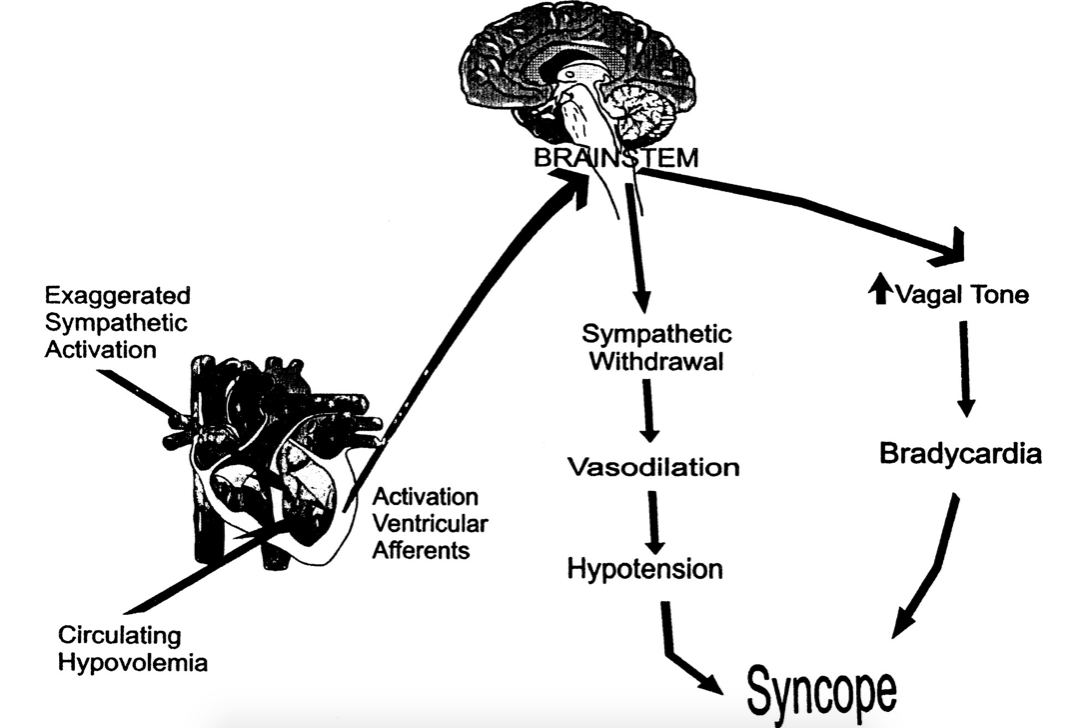
What is reflex syncope and some examples of this?
Brief loss of consciousness due to a neurologically induced drop in blood pressure as there is a drop in sympathetic innervation so heart rate goes down and so does cardiac output and blood pressure
- Vasovagal: prolonged standing, stress etc
- Situational: coughing, straining
- Carotid Sinus massage: tight collar
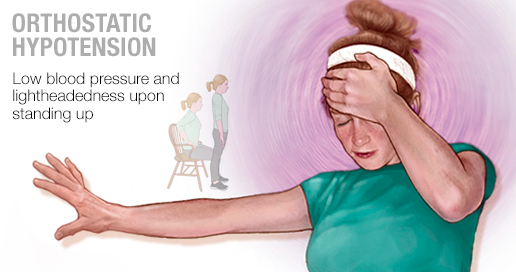
What is the definition of orthostatic hypotension?
Decrease in systolic blood pressure of 20 mm Hg or a decrease in diastolic blood pressure of 10 mm Hg within three minutes of standing when compared with blood pressure from the sitting or supine position
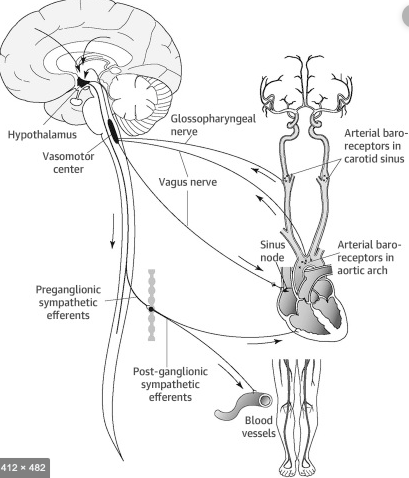
What is the pathophysiology behind orthostatic hypotension (postural) syncope? (baroreceptor reflex important)
- Standing up causes 500/800ml of blood to pool in legs
- Decrease in EDV and therefore CO and therefore BP
- Baroreceptors detect this and raise CO by increasing HR and contractility
- If baroreceptor reflex fails there is not an increase in CO so syncope as loss of perfusion pressure
What are some causes of baroreceptor reflex failure?
- Lose sensivity with age and hypertension
- Dehydration (so elderly need to drink regularly)
- Medications like antihypertensives
What are some causes of cardiac syncope?
DO ECG ON ANYONE PRESENTING WITH FALL
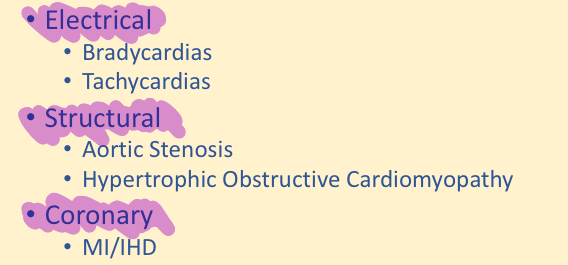
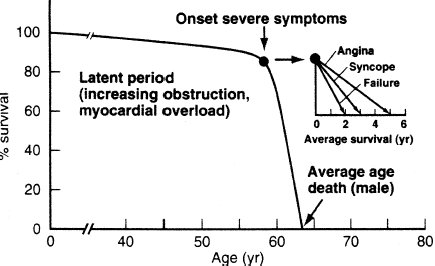
Why does aortic stenosis lead to syncope and why does it need to be detected and treated quickly?
- Narrowing of the aortic valve so heart has to work harder so if exercising can fail to adequately perfuse brain
- Mean survival is 2-5 years if untreated
What are some red flags in a patient’s history that would indicate their syncope is cardiac related?
- Exertional syncope
- Family history of cardiac disease or sudden cardiac death
- Preceding chest pain or palpatations
- PMH of heart disease, e.g ASD as a kid
- Abnormal ECG
What is the most common cause of a non-syncopal fall?
- Trips and slips
- Can be multifactoral e.g OA and diabetic nephropathy and tripping on hazard
- LOC following head trauma is still non-syncopal fall
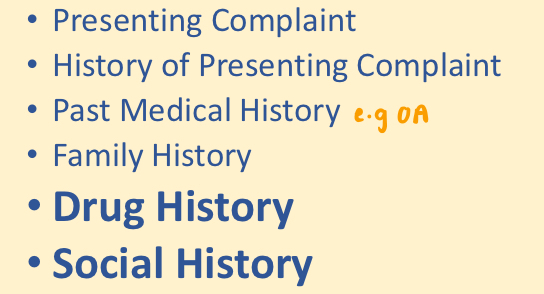
Apart from the presenting complaint, what are some other important aspects to take a history of when a patient presents after a fall?
Drug History:
polypharmacy?
any new medications?
any drugs that can induce drowziness? (antidepressants, benzodiazepenes, analgesia)
antihypertensies?
have they had a medication review in the past year?
Social History:
- alcohol and smoking?
- who do they live with and do they have help?
- do they have walking aid or furniture walking?
- any stairs?
- family close by?
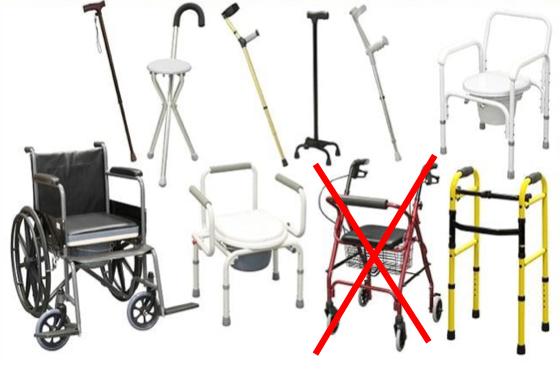
What type of walking aid is not recommended?
Refer to OT if using walking wheeler as these can cause issues with stability and falls
What examinations should you perform on a patient presenting after a fall?
- Palpate all bony prominences to check for fractures
- Full neurovascular, cranial nerve, respiratory and CVS exam
What investigations should you perform when a patient presents after a fall?
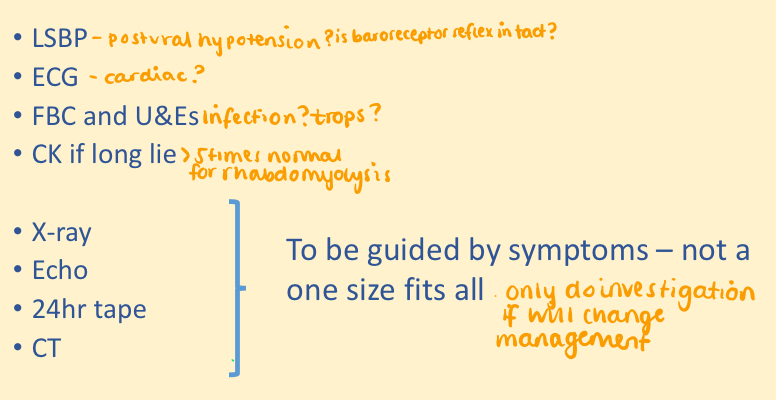
Why should we be concerned about rhabdomyolysis in a patient following a fall?
- Can cause electrolyte disturbances, DIC, renal failure, organ failure
- Can be from trauma, prolonged immobilisation, after marathons
- Serum CK will be 5 times upper limit of normal
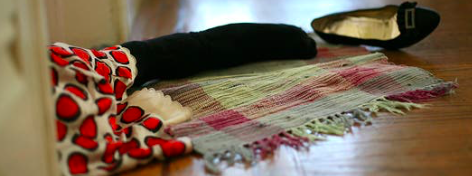
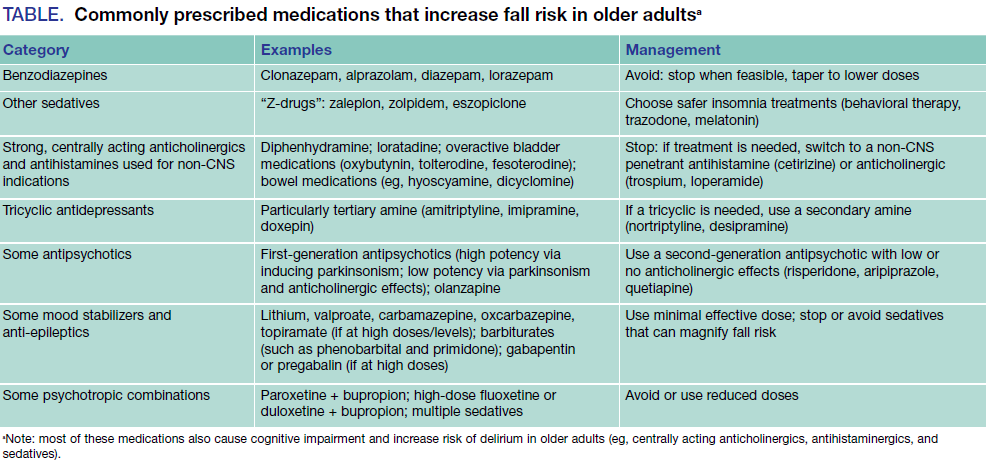
What are some classes of drugs that can lead to falls in the elderly?
- Antihypertensives
- Anti-arrhythmics
- Analgesia
- Benzodiazepenes
- Antidepressants
- Antipsychotics
Patients taking 4 or more drugs at more risk of falls
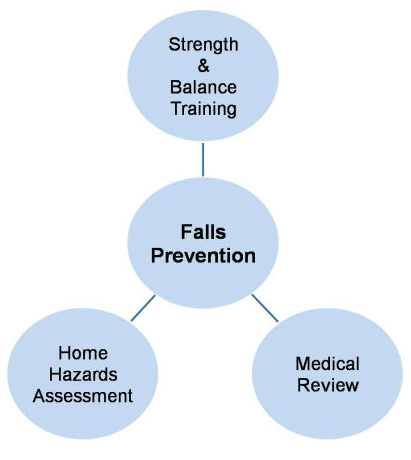
What are some practical solutions to minimise the risk of falls in the elderly?
- Vision test
- Drink plenty
- Does patient need increased help at home?
- Remove trip hazards like rugs and bad lighting
- Have regular medication reviews
- OT assessment of home and walking aids
- Stand up slowly
What are some terms that should not be used on a patients notes when treating the elderly?
- Acopia (inability to cope with daily activites of living)
- Social Admission (no acute medical needs)
- Mechanical fall
- Failed discharge
- Bed blocker
What factors are involved in maintaining our balance?
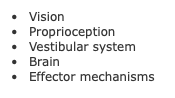

-
1 - Child Safeguarding32
-
2 - Managing Falls24
-
3 - Dementia and Nutrition in the Elderly16
-
4 - Male Urology35
-
5 - Trends in Male Health19
-
6 - Dermatology History16
-
7 - Skin Conditions14
-
8 - Frailty and Palliative Care21
-
9 - Childhood Immunisation11
-
10 - Paediatric Sepsis15
-
11 - Breast Disease Management18
-
12 - Breast Pathology35



