How do you decide what type of hypersensitivity reaction someone is undergoing?
- The trigger
- The timing
- Symptoms
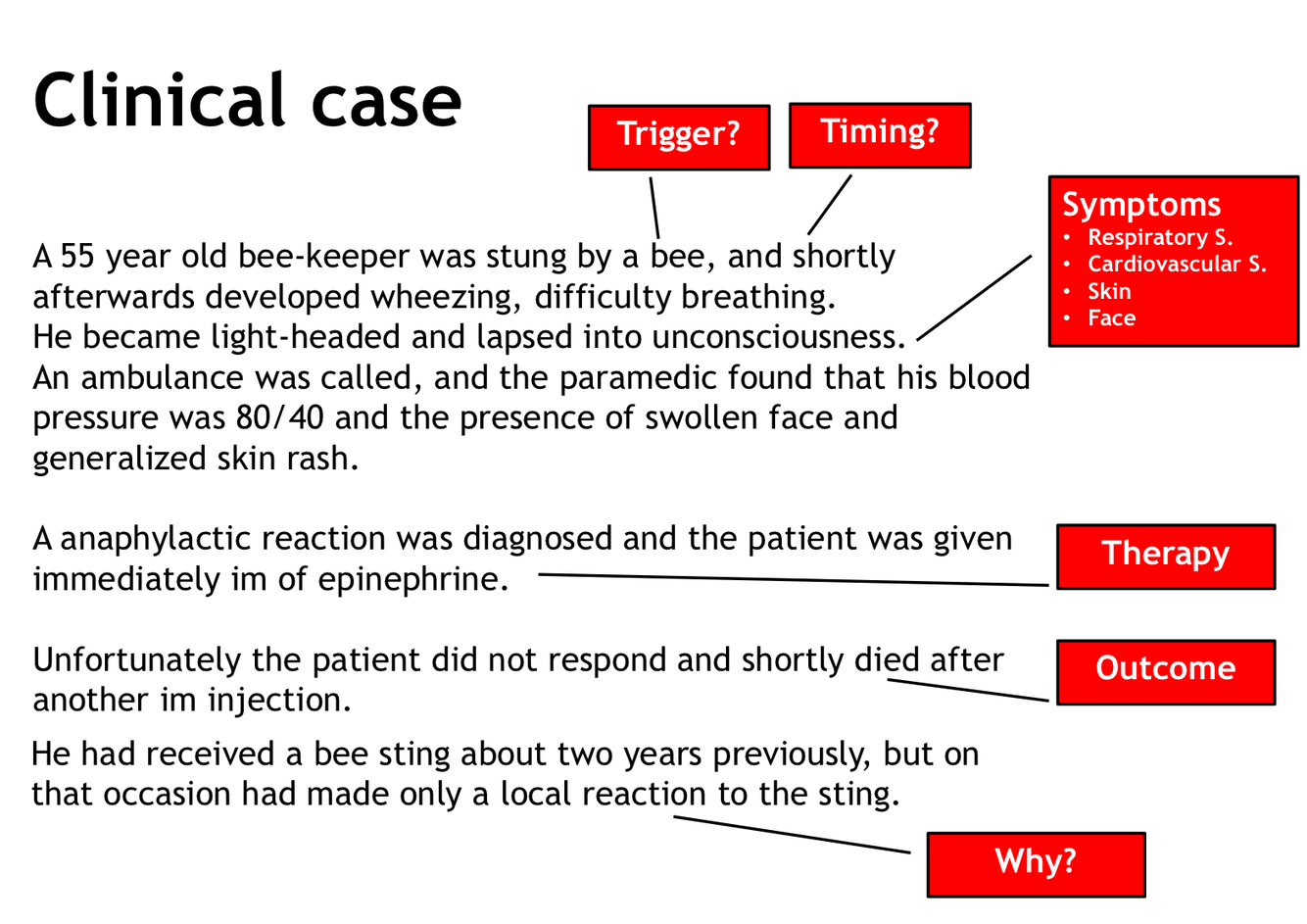
Type I hypersensitivity is known as an allergy (IgE). What are the characteristics of this reaction and what are the different types of reaction?
- Antigen: environmental non infectious antigens (allergen)
- Immediate reaction <30mins
- Local reaction: ingested or inhaled allergen
- Systemic reaction: insect sting or IV administration (bad)
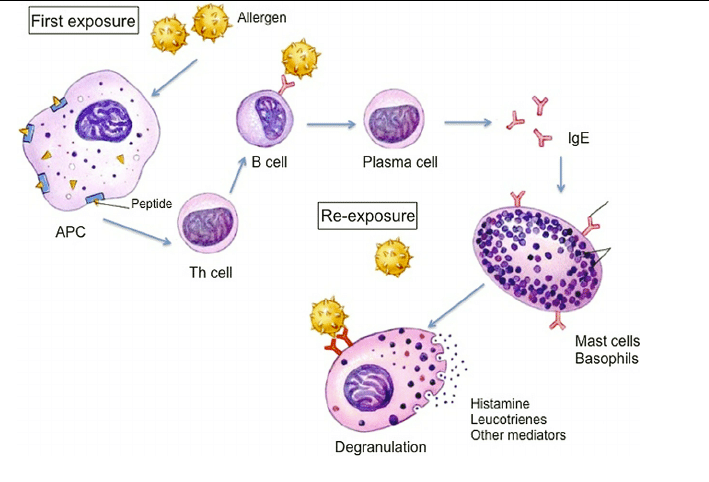
What are some examples of allergens?
People with latex allergy often allergic to vegetable and fruit like potato and kiwi. Due to cross reactive allergens. Called oral allergy syndrome
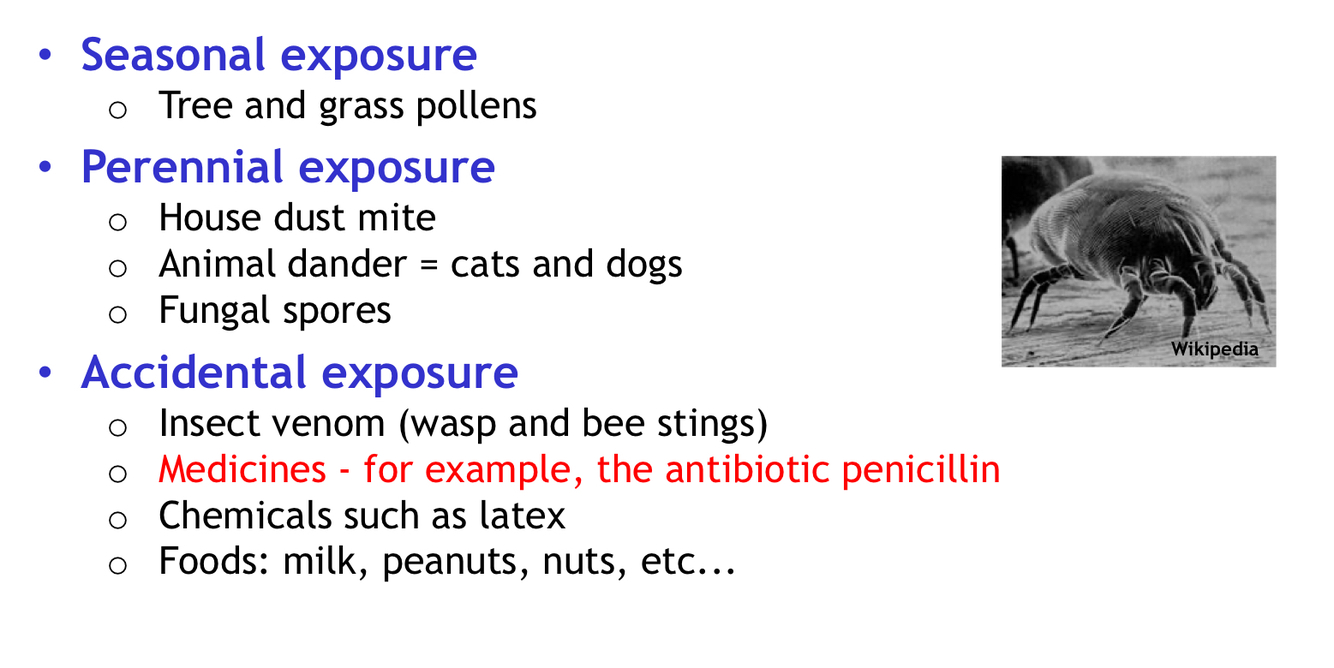
What are the mechanisms that cause damage in a type I hypersensitivity reaction?
- Abnormal adaptive immune response against the allergens: TH2 response, IgE production
- Mast cell activation: sensitised individuals
- Allergic disorders depend on mast cell location
Why do people in Westernised countries have more allergies than those in developing countries?
- TH1 response in developing countries forming IgG due to all of their exposures
- TH2 respose forming IgE in Westernised world
- DIFFERENT LIFESTYLES
- Also genetics affect allergies as well as environment
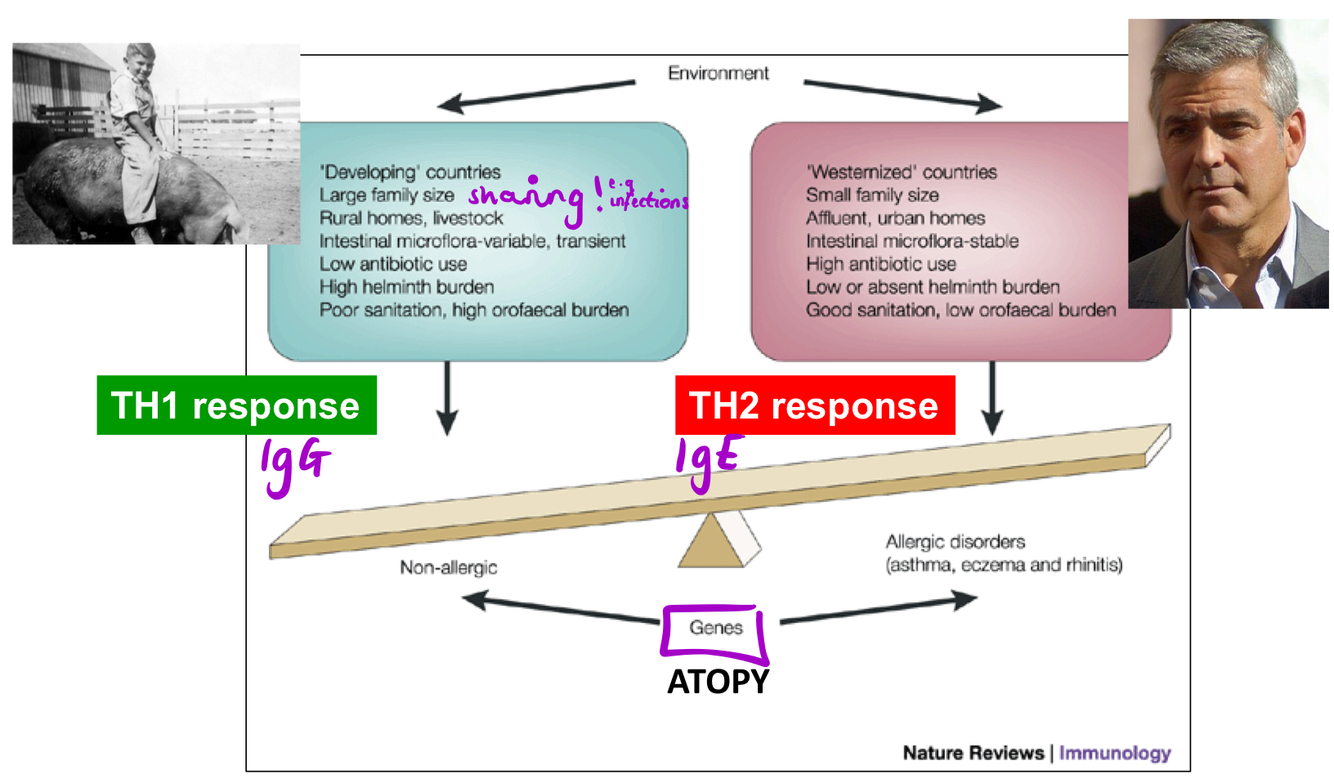
What is the hygeine hypothesis?
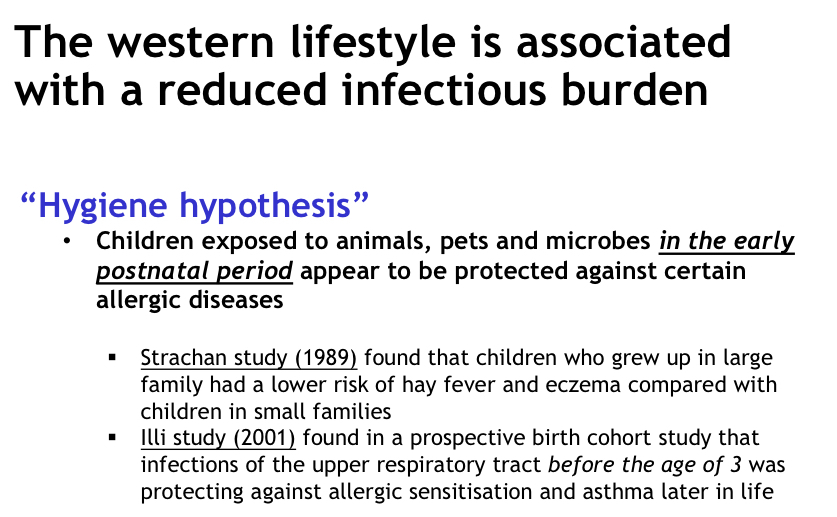
What are the two most notable factors associated with developed countries to explain the high incidence of allergies?
- Reduced infectious burden: animals, pets and microbes
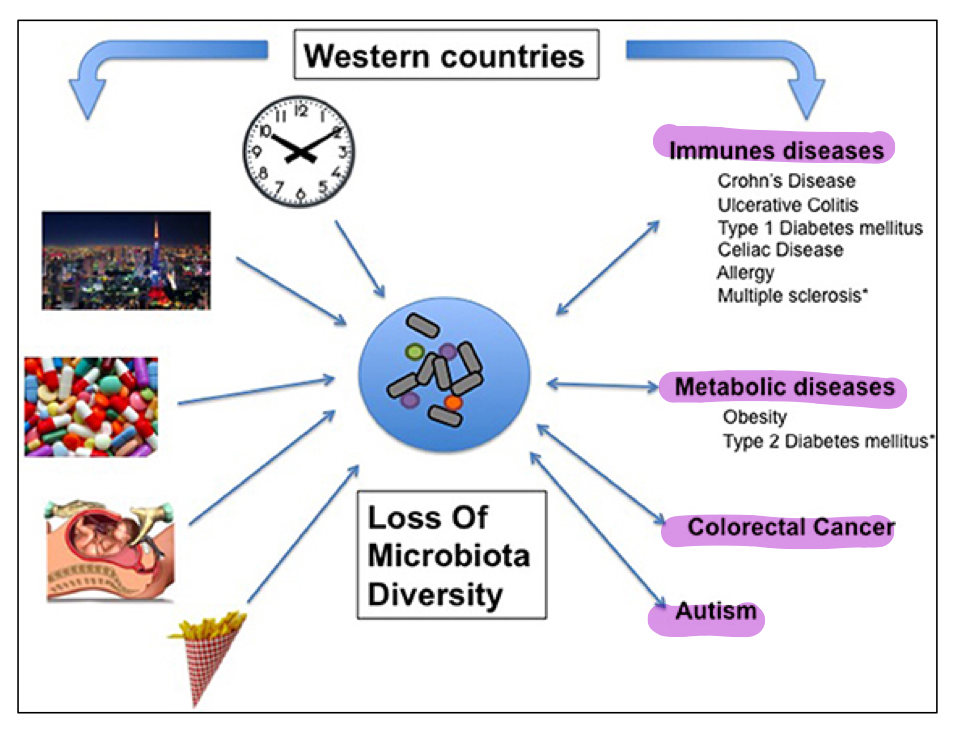
- Microbial dysbiosis: alteration of the symbiotic relationships with parasites and bacteria

What is dysbiosis?
- Composition and functional alterations of the microbiome
- Often occurs due to Western lifestyle, e.g from junk food, stress, c-sections, urban living, and increases risk to immune diseases and other things (see image)
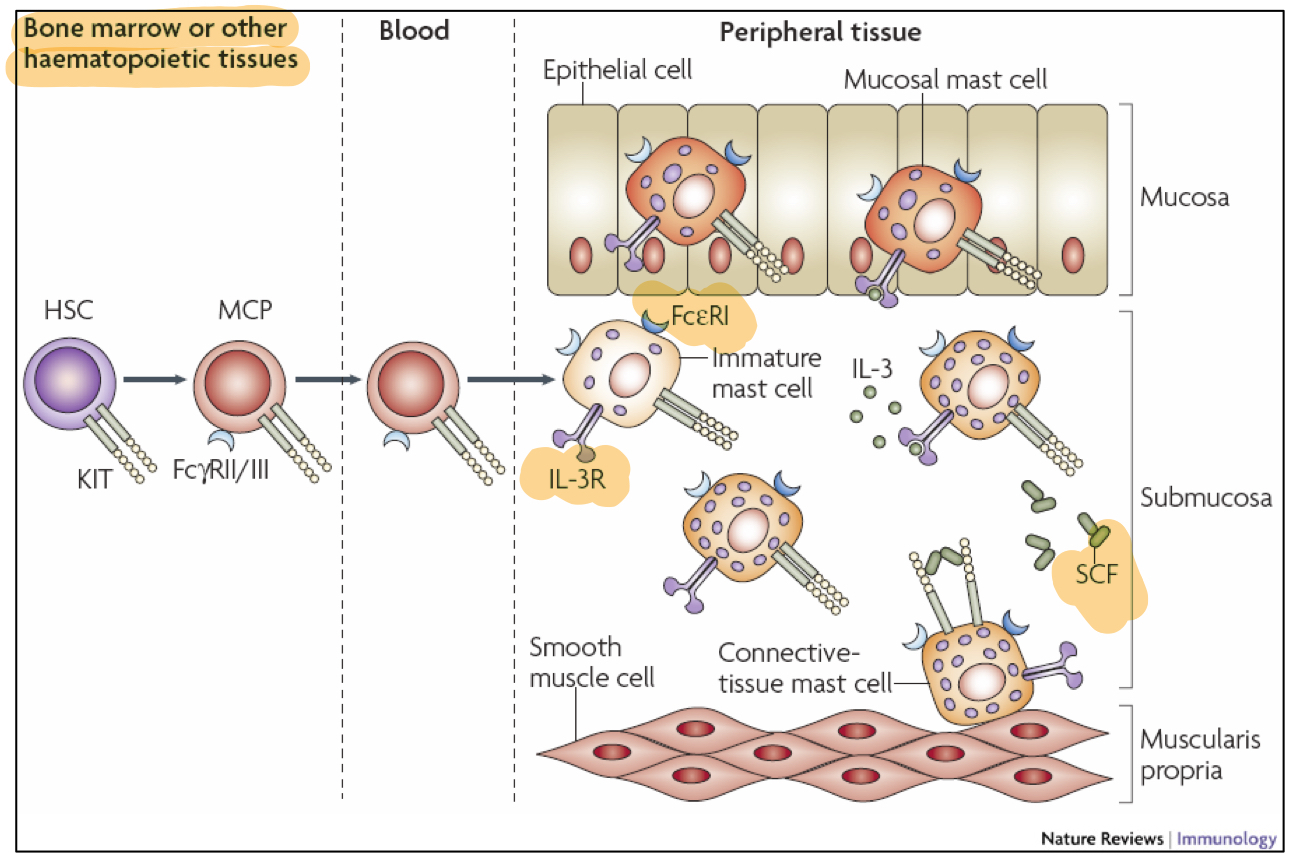
Where are the strategic locations of mast cells?
- Most mucosal and epithelial tissues - GI tract, skin, respiratory epithelium
- Connective tissue (surrounding blood cells)
- Important role in parasitic infections and inflammation
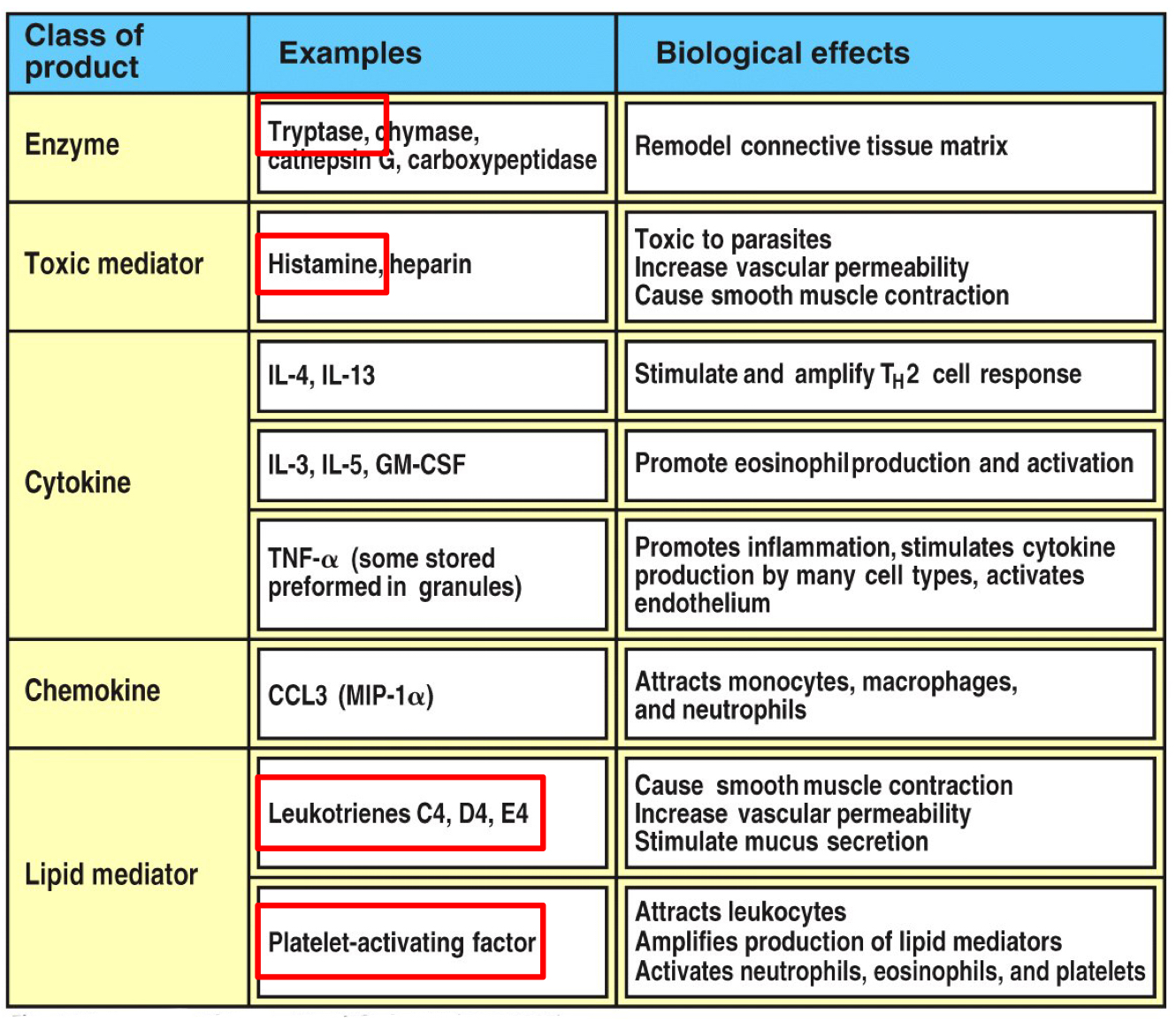
What are some important mast cell mediators that are involved in an allergic reaction and what are their biological effects?
- Tryptase
- Leukotrienes C4, D4, E4
- Platelet activating factor
- Histamine
What is the immune mechanism of an allergic reaction?
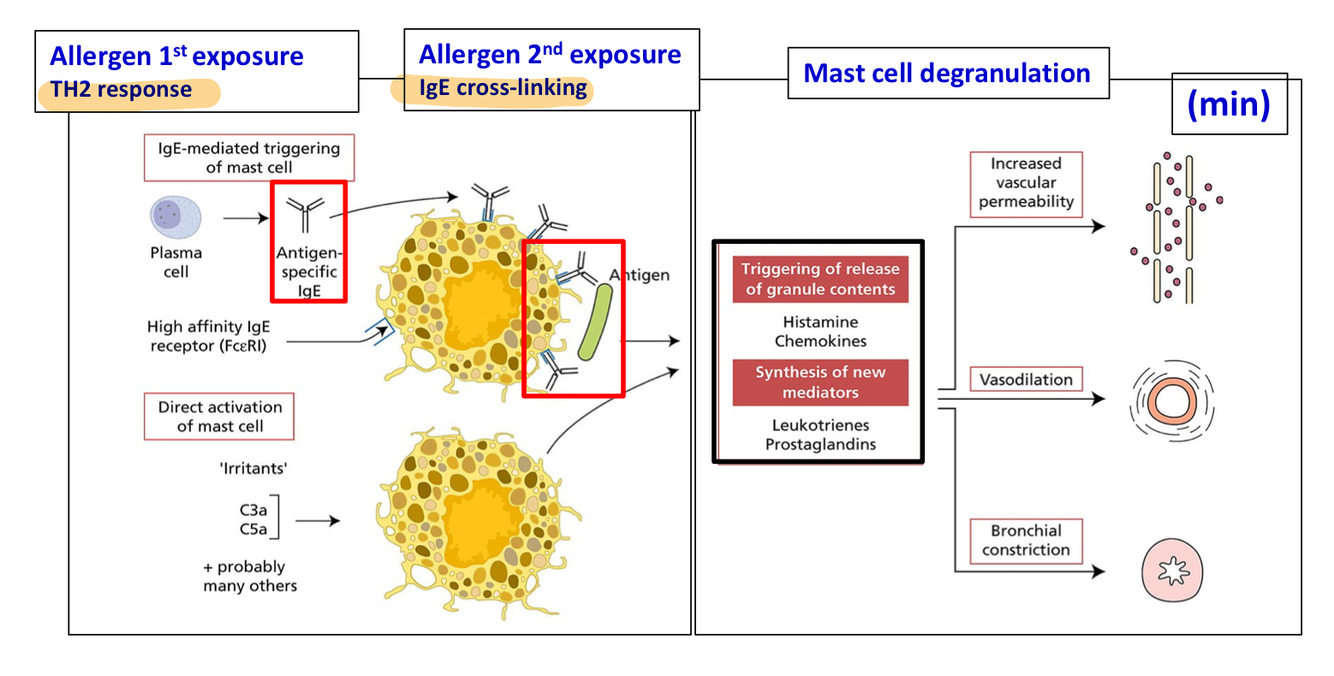
- 1st allergen exposure TH2 response and IgE bind to FCERI receptor on mast cell sensitising them
- 2nd allergen exposure cross-linking of antigen specific IgE causing mast cell degranulation and release of mediators like histamines and leukotrienes that cause changes like vasodilation and increased vascular permeability
- Location of exposure determines allergic reaction response
Urticaria is a skin manifestation of allergic reactions. How is it caused?
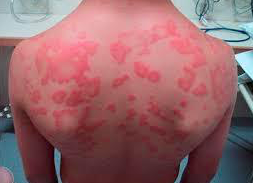
- Mast cell activation within the epidermis causing itchy rash
- Mediators: histamine and leukotrienes/cytokines
- If chronic exposure then atopic dermatitis or eczema
Angioedema is a facial manifestation of allergic reactions. How is it caused?
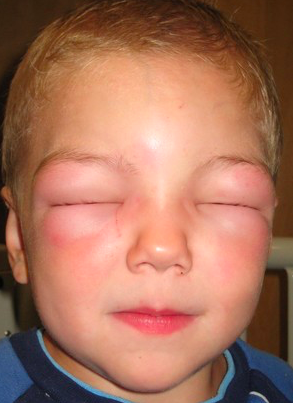
- Mast cell activation in the deep dermis so non itchy
- Mediators = histamine and bradykinin
- Occurs in lip, eyes, tongue and upper respiratory tracts which can be dangerous!!!!
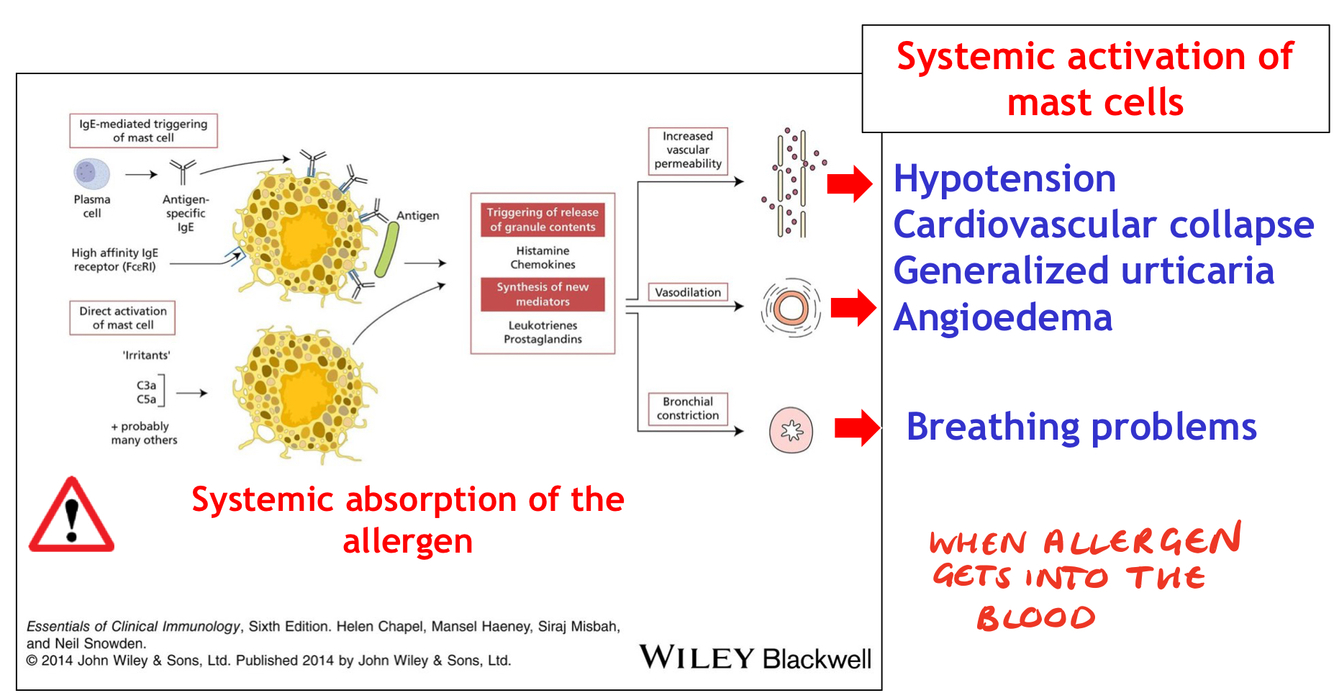
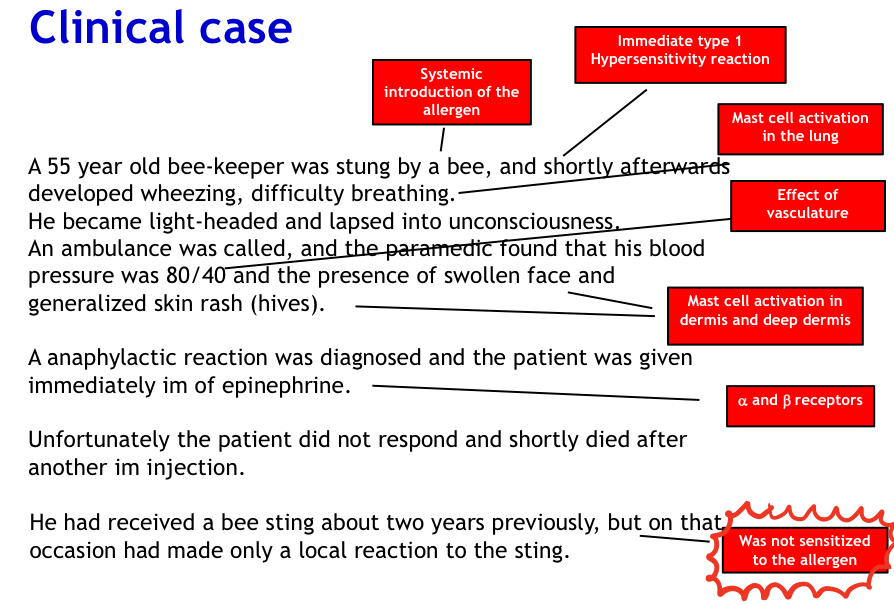
What is anaphylaxis caused by and what are some manifestations of this pathological process?
- Systemic activation of mast cells
- Hypotension
- CVS collapse
- Generalised urticaria
- Angiooedema
- Breathing problems so stridor and wheezing
What is the definition of anaphylaxis and what are some of the signs and symptoms?
Acute onset rapidly progressive allergic reaction involving skin features and at least one other organ system (e.g CVS, GI, Lungs)
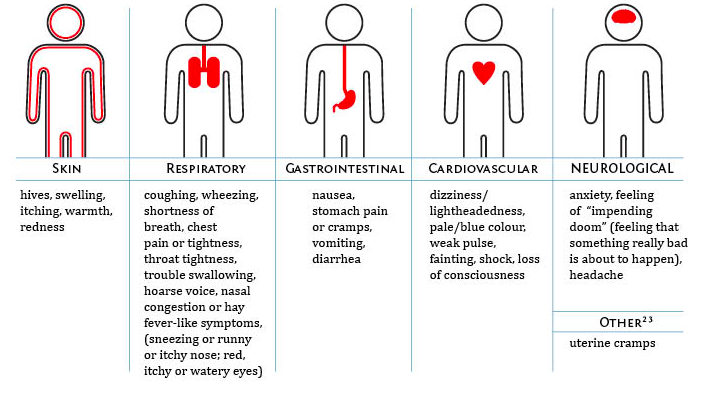
How do we treat anaphylactic shock and what is the mechanism of action for this therapy?
- IM epinephrine (adrenaline)
- Acts on mainly A1 and B2 receptors to reverse peripheral dilation and bronchospasm and increase the force of myocardial contraction
- Do not delay treatment, monitor pulse, b.p, oxygen, ECG
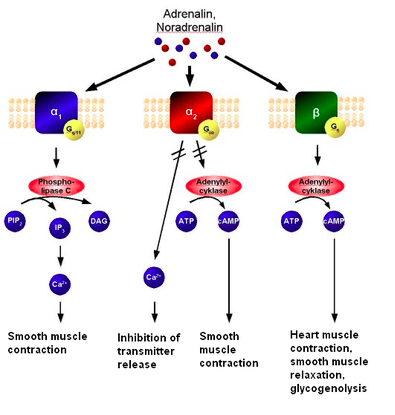
What is needed for epipens to be effective in anaphylaxis?
- IM over SC administration
- Proper technique
- May need multiple doses
Why may someone be stung by a bee and have a local reaction and then five years later be stung by a bee and go into anaphylaxis?
Not initially sensitised to the allergen
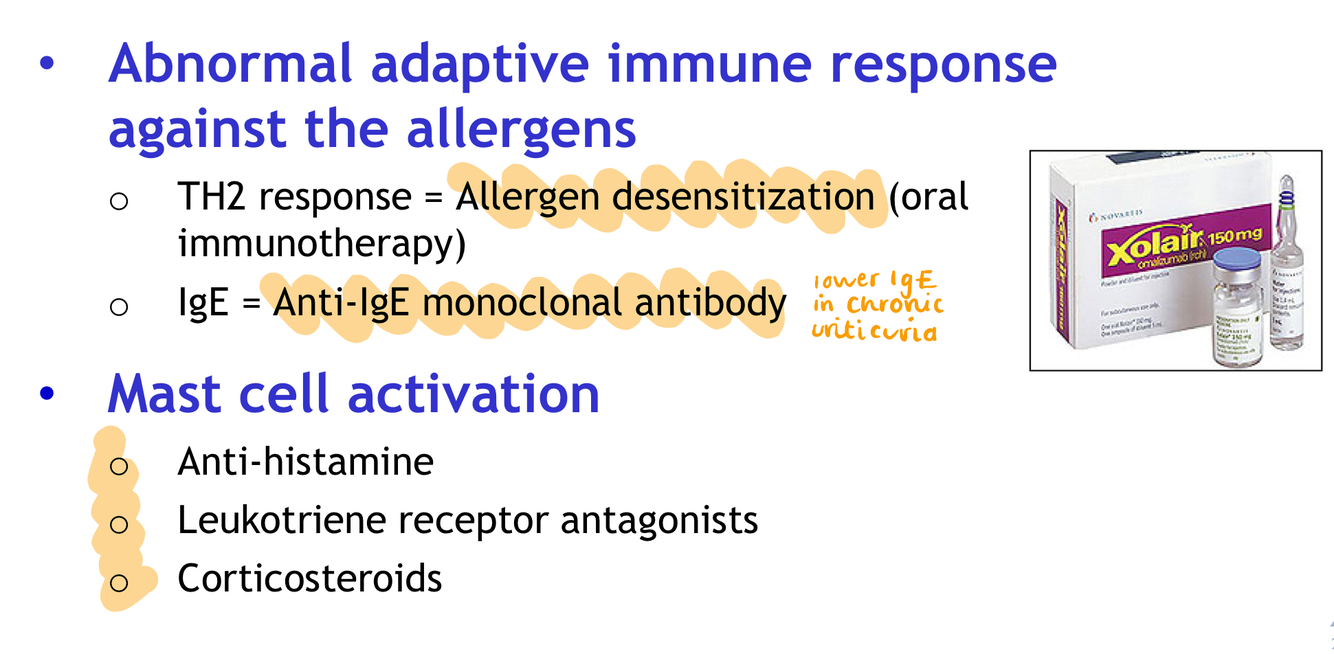
What are some forms of therapy for mast cell activation and abnormal adaptive immune response in type I hypersensitivity reactions?
- Oral immunotherapy
- Anti-IgE
What is allergen desensitisation and how does it work?
- Administration of increasing doses of allergen extracts over a period of years either by injection or sublingual. 90% effective in those with wasp and bee venom anaphylaxis
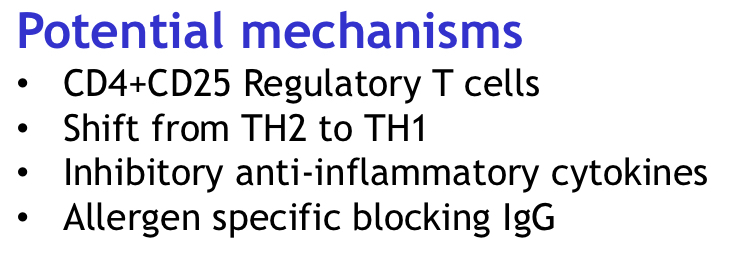
- Mechanism unknown but theories
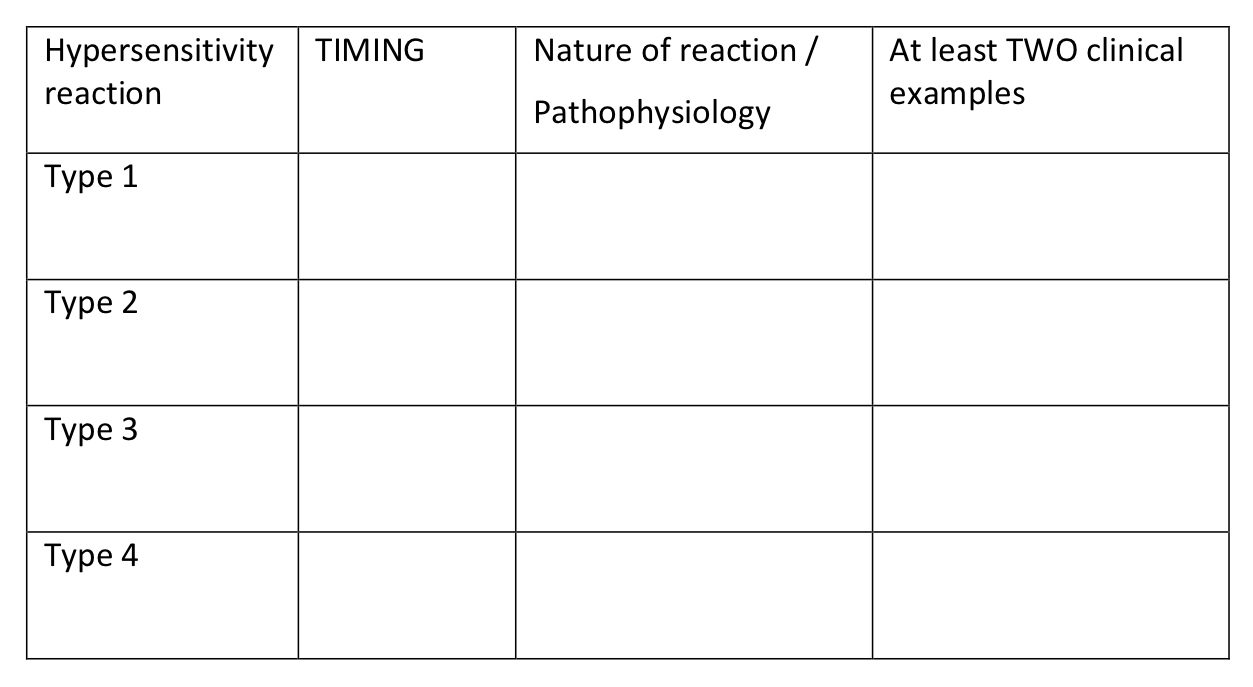
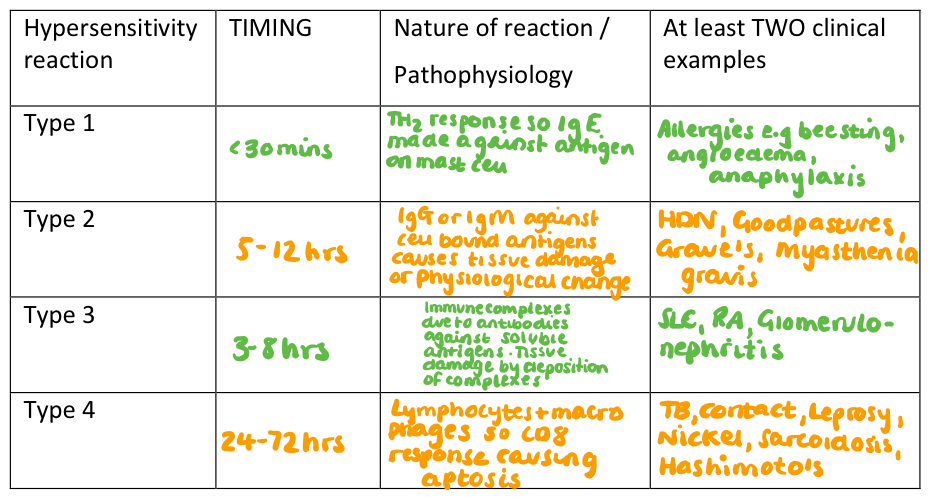
Complete the following table.
What type of hypersensitivity reaction is myasthenia gravis and how can people die from an exacerbation of this disease?
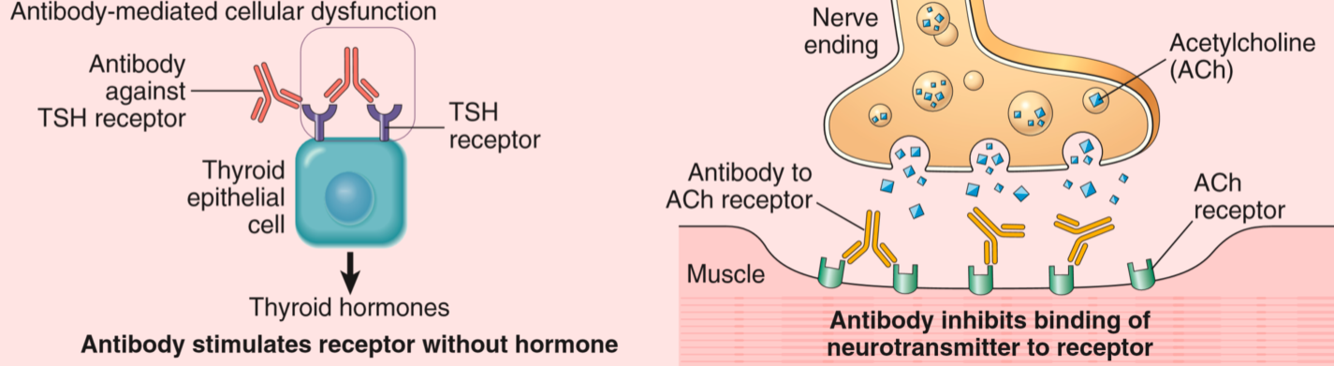
- Type II due to autoantibodies against AchR
- Can go into respiratory arrest due to tiring of the diaphragm as not enough depolarisation occuring at neuromuscular junction for an action potential
- Send to ITU and intubate
How would you treat myasthenia gravis and what are the side effects of this treatment?
- Plasmapheresis for acute exacerbation
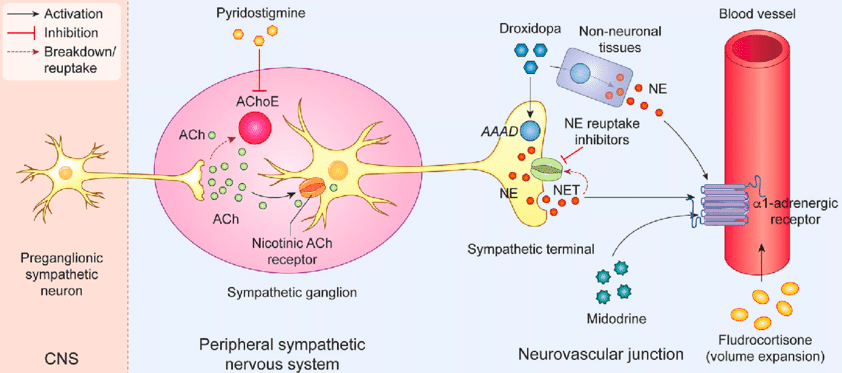
- Pyridostigmine (AchE inhibitor) which causes an increase in Ach concentration in the synaptic cleft so more likely to depolarise the end plate
- SLUDGE: salivation, lacrimation, vomiting, diarrhoea, cough, sweating, muscle twitching/cramps
What are some examples of diseases cause by type II hypersensitivity reactions associated with changes in receptor function?
- Myasthenia Gravis
- Grave’s disease
- Anti-GBM syndrome



