Describe the two leading theories for the cause of inflammatory bowel disease
The cause of IBD is not well-established. It is thought to result from immune-mediated and cytokine-mediated bowel injury triggered by environmental factors in a genetically-predisposed individual. This person may not be able to “down-regulate” after inflammation of the colon. Two theories are:
- An inflammatory response may destroy the intestine’s barrier properties leading to increased uptake of bacterial products or dietary antigens. Circulating immune complexes produce a systemic inflammatory response with extraintestinal manifestations.
- An autoimmune response to antigens common to intestine, skin, synovium, eye and biliary tree.
What is ulcerative colitis?
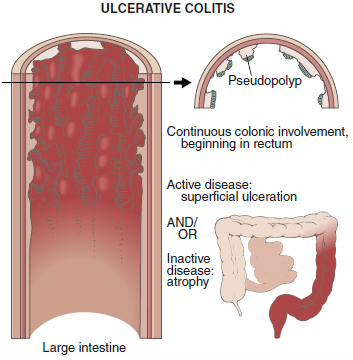
It is a chronic inflammatory disease that causes ulceration of the colonic mucosa and extends proximally from the rectum into the colon
Describe the pathophysiology of ulcerative colitis & what causes it?
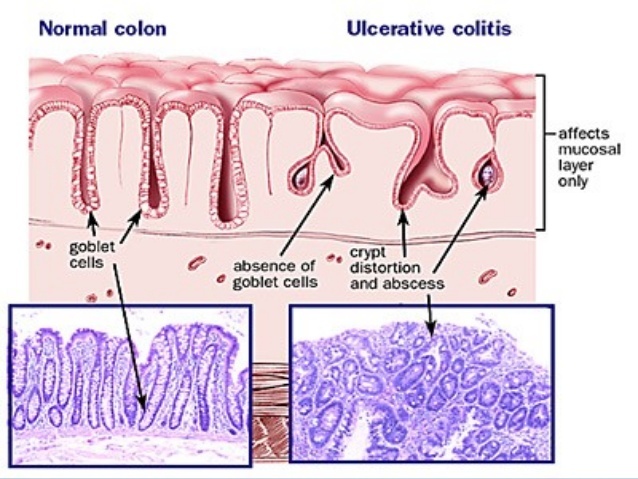
- UC results in ulcers that start at the rectum and move along the large intestine. The ulcers extend from the mucosa to the submucosal lining leading to colonic epithelial inflammation
- It is usually limited to the rectum and sigmoid colon.
- The ulcers that form are circumferential & continuous with no skip lesions & form crypt abscesses
- Cause of UC is unknown, dietary, infectious, genetic, and immunologic are suggested causes.
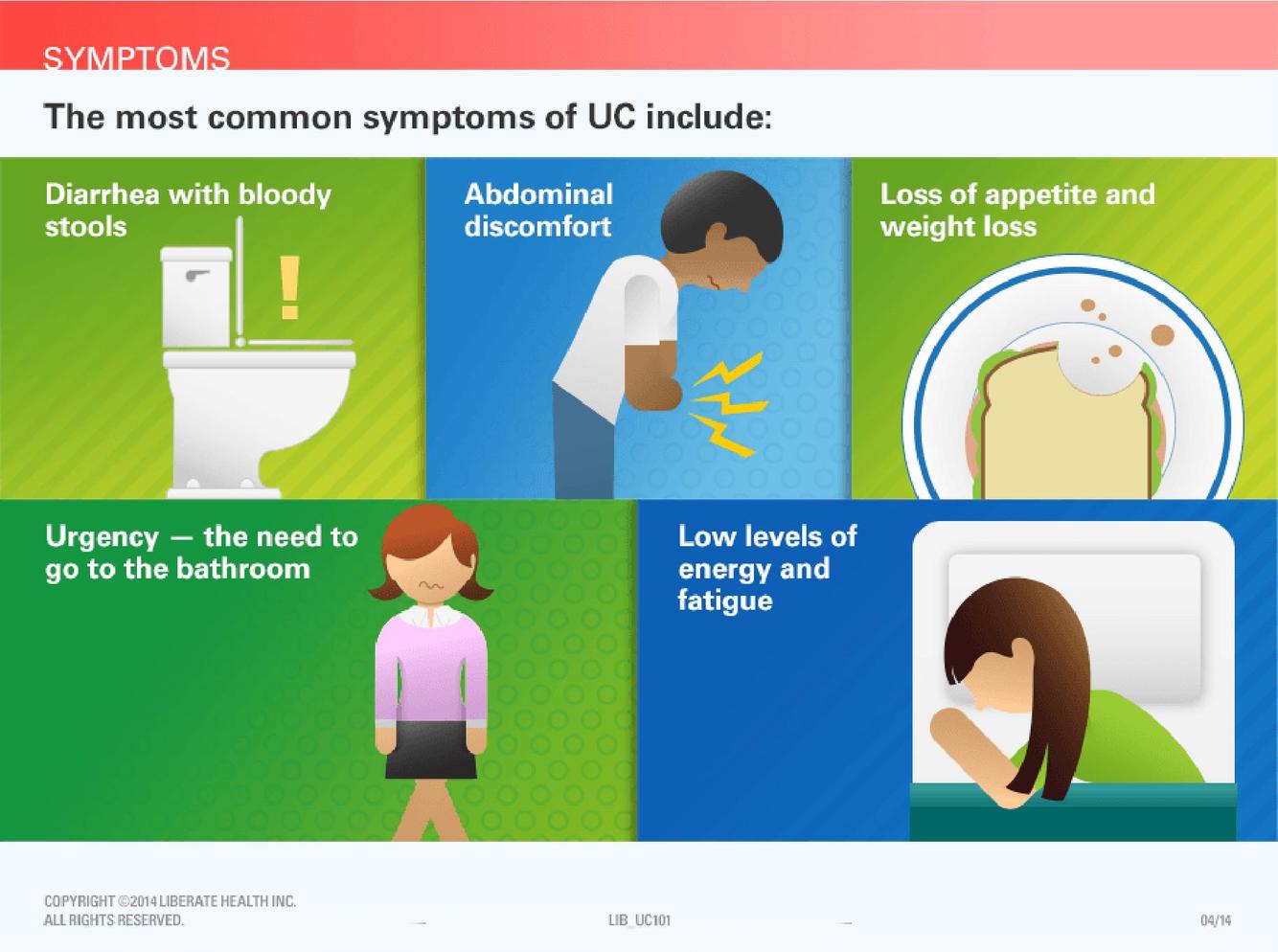
What are some symptoms associated with ulcerative colitis?
- Ulcerations → Anal Bleeding
- Edema & swelling from the inflammation → Cramping & abdominal pain
- Anal irritation stimulates the autonomic and somatic nerves → the urge to defecate
- Damaged colonic epithelial cells are unable to reabsorb sodium & water → Frequent watery diarrhea, Small amounts of blood and purulent material may also be present
- Intermittent periods of exacerbation and remission
- Severe bouts may be associated with fever, 10-20 bowel movements/day, dehydration, anemia
What is crohn’s disease?
Is an idiopathic inflammatory disorder that affects any part of the GI tract from the mouth to the anus.
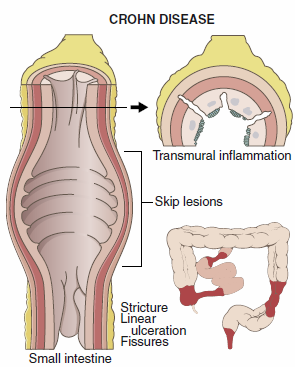
Describe the pathophysiology of Crohn’s disease & what causes it?
- There is transmural (full-thickness) inflammation of the small and/or large intestine leading to characteristic “skip lesions” (discontinuous areas of inflamed bowel with areas of healthy bowel in between)
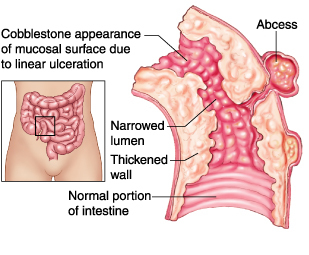
- The inflammation leads to thickened mucosa with cobblestoning caused by submucosal edema
- The ulcerations can also lead to fistulae
What are some symptoms associated with crohn’s disease?
- Diarrhea with or without blood
- Post prandial RLQ pain
- Anal pain resulting from perianal abscesses, skin tags, fissures or fistulae
- Fever, vomiting, fatigue, weight loss
- Anorexia
- Palpable intestinal mass resulting from ileal involvement
- Severe flare can lead to electrolyte imbalance, hypoalbuminemia, vitamin B12 deficiency
- Extraintestinal manifestations: oxalate stones, gallstones, aphthous ulcers, clubbing of fingers, uveitis, conjunctivitis, erythema nodosum (red, painful nodules on anterior legs), stunted growth in children, delayed puberty
What is fulminant hepatitis (acute liver failure)?
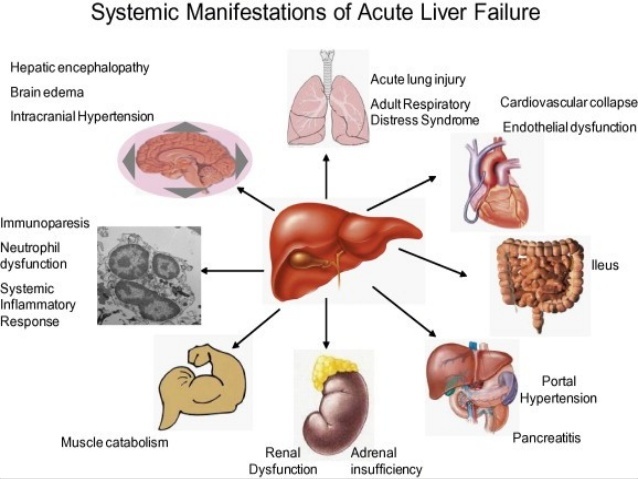
- It is a rare syndrome resulting in massive impairment or necrosis of liver cells and a decrease in liver size (acute yellow atrophy) that usually occurs after infection with certain hepatitis viruses, exposure to toxic agents, or drug-induced injury
- Acetaminophen overdose is the leading case of acute liver failure in the U.S.
- Hepatitis B virus is sometimes responsible for fulminant hepatitis, and up to 50% of cases of fulminant hepatitis B involve hepatitis D virus coinfection.
What is acute pancreatitis?
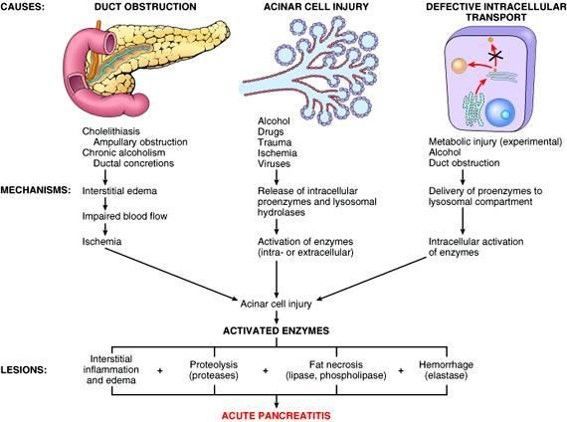
An acute inflammation of the pancreases caused by an obstruction to the outflow of pancreatic digestive enzymes caused by bile duct or pancreatic duct obstruction
Describe the pathophysiology of acute pancreatitis
If caused by an obstruction:
- The backup of pancreatic secretions causes activation and release of enzymes within the pancreatic acinar cells →
- The activated enzymes cause autodigestion of pancreatic cells and tissues resulting in inflammation →
- The autodigestion causes vascular damage, coagulative necrosis, fat necrosis, and formation of pseudocysts →
- Edema within the pancreatic capsule leads to ischemia and necrosis
Describe what causes the systemic effects associated with acute pancreatitis
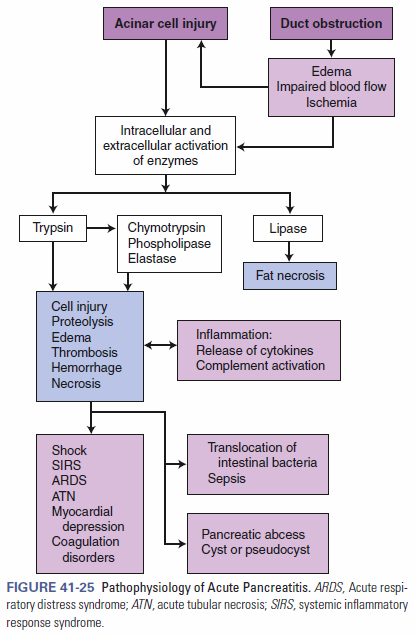
- Proinflammatory cytokines and vasoactive peptides are released into the bloodstream from the acute inflammation →
- This activates leukocytes, causes injury to blood vessel walls, and coagulation abnormalities with the development of vasodilation, hypotension, and shock →
- ARDS, HF, renal failure, SIRS, & sepsis may develop from the flood of cytokines and peptides released into the blood
What are the clinical manifestations associated with acute pancreatitis?
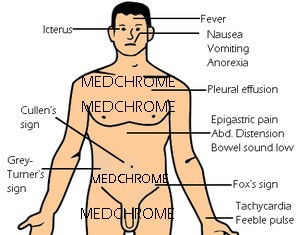
- Epigastric or midabdominal pain is the cardinal symptom of acute pancreatitis. The pain may radiate to the back because of the retroperitoneal location of the pancreas
- N/V can occur and are caused by the hypermotility or paralytic ileus secondary to pancreatitis or peritonitis.
- Hypotension and hypovolemia can lead to shock → decreased renal profession leads to renal failure
What causes chronic pancreatitis?
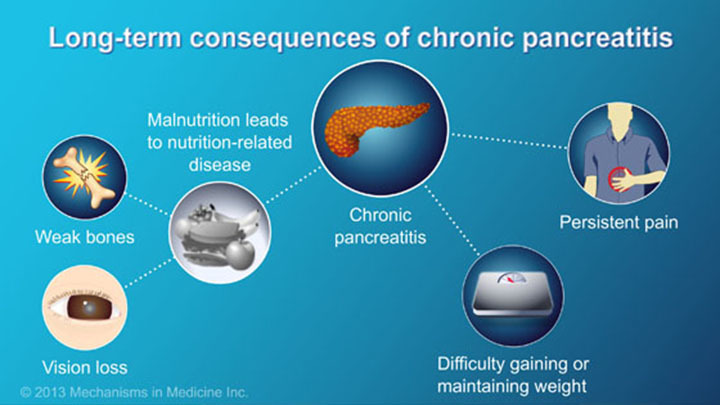
- Chronic alcohol abuse is the most common cause of chronic pancreatitis
- Obstruction from gallstones, autoimmune disease, gene mutations, smoking, and obesity are associated w/ chronic pancreatitis.
- The pancreatic parenchyma is destroyed and replaced by fibrous tissues, strictures, calcification, ductal obstruction, and pancreatic cysts.
- Continuous or intermittent abdominal pain is the classic symptom
What is gastroesophageal reflux disease?
The persistent return of acid and pepsin into the esophagus and results in complications such as mucosal erosion & bleeding
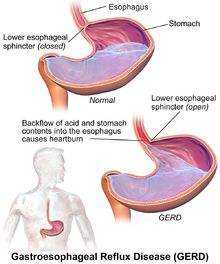
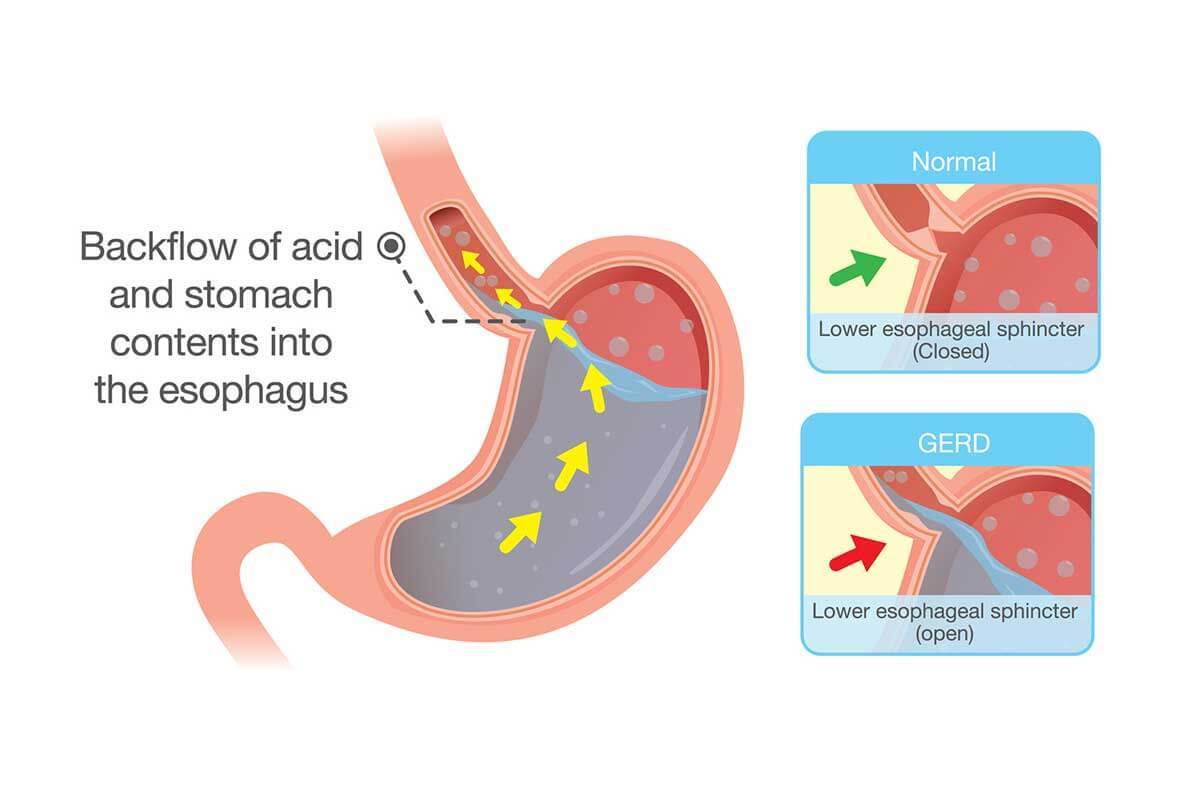
Describe the pathophysiology of GERD
- There is a decreased resting tone of the lower esophageal sphincter
- Vomiting, coughing, lifting, bending, or obesity increases abdominal pressure contributing to the development of reflux esophagitis
- GERD causes inflammatory responses in the esophageal wall leading to hyperemia, edema, tissue fragility, erosion, and ulcerations
What are the risk factors for peptic ulcer disease?
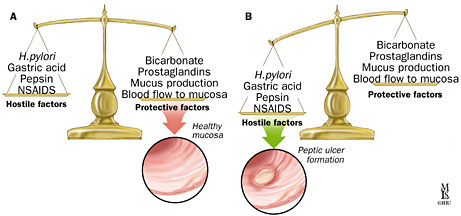
- Genetic predisposition, H. pylori infection of the gastric mucosa, and habitual use of NSAIDS can cause a break in the protective lining of the lower esophagus, stomach, or duodenum.
- Other factors include excessive alcohol use, smoking, acute pancreatitis, COPD, and cirrhosis
How does chronic use of NSAIDs contribute to peptic ulcer formation?
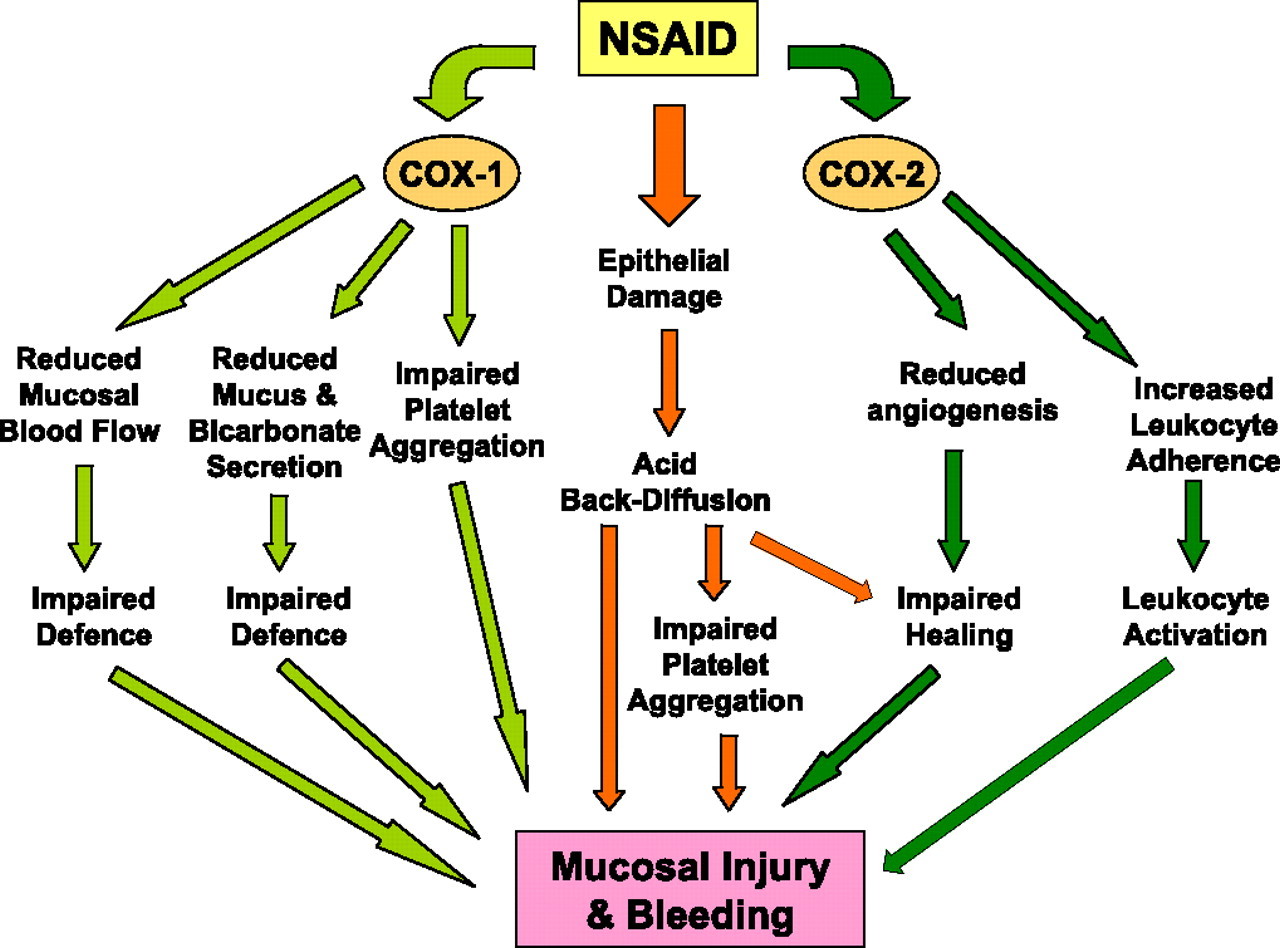
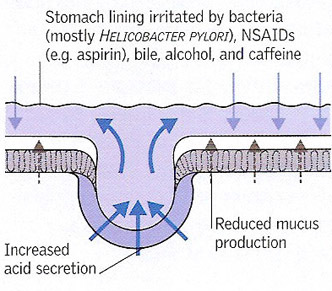
- Chronic use of NSAIDs suppresses mucosal prostaglandin synthesis, resulting in decreased bicarbonate secretion and mucin production and increased secretion of hydrochloric acid
- Disruption of the mucosa exposes submucosal areas to gastric secretions and autodigestion causing erosion and ulceration
How does H. Pylori contribute to peptic ulcer formation?
- H. pylori causes inflammation and immune responses that promote mucosal ulcerations or prevent healing of the injured mucosal tissue.
What are gastric ulcers and what causes them?
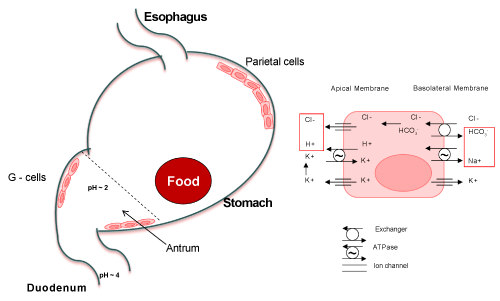
Gastric ulcers are ulcers of the stomach and they develop in the antral region, adjacent to the acid-secreting mucosa of the body and are frequently caused by H. Pylori
How do gastric ulcers form?
Can be caused by H. Pylori OR:
- Primary defect in gastric ulcer formation involves an abnormality that increases the mucosal barrier’s permeability to H+ ions leading to damage of the mucosa → ulcer formation
- Gastric secretion may be normal or less than normal and there may be a decreased mass of parietal cells → limited mucus secreted from the mucosal cells → gastric ulcer formation
- Pyloric sphincter fails to respond to normal stimuli (entry of acid, protein, and fat into the duodenum) to increase resting tone, allowing reflux bile and pancreatic enzymes to damage the gastric mucosa
What is the most common composition of gallstones?
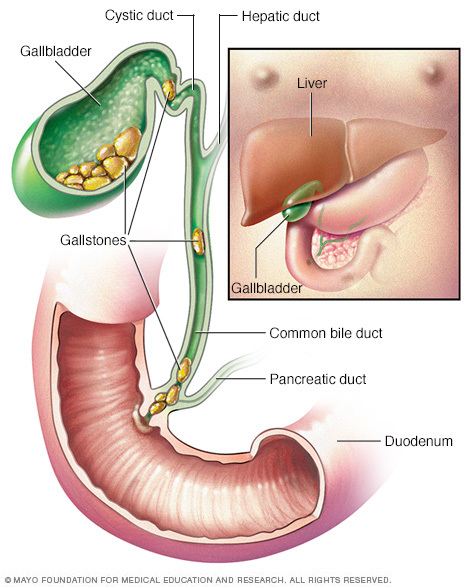
- The most common type of gallstones are cholesterol gallstones and they are formed in bile that is supersaturated which cholesterol produced by the liver.
- PIgmented gallstones are either black or brown. Black stones are formed of calcium bilirubinate, whereas brown stones are composed of calcium soaps, unconjugated bilirubin, cholesterol,, fatty acids, and mucin and are associated w/ bacterial infections
How is Hepatitis A spread?
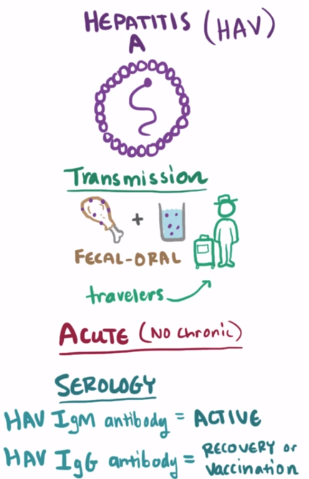
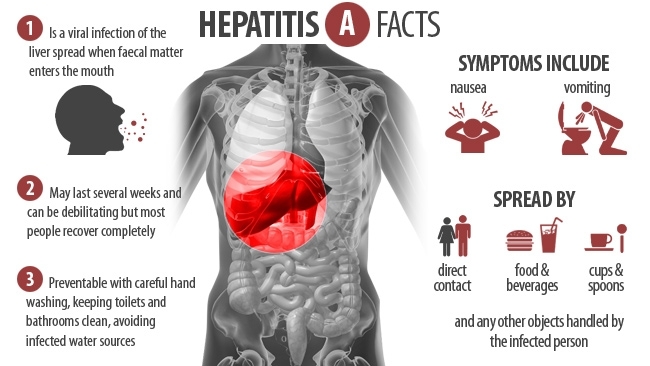
Hepatitis A is spread via the feces, bile, and sera of infected individuals and is usually transmitted via the fecal-oral route, but can also be transmitted via infected blood.
What are the clinical manifestations of Hepatitis A?
- nonspecific prodrome with anorexia, fever, fatigue, arthralgias, myalgias
- Flu-like symptoms usually resolve when jaundice becomes evident. There may also be clay-colored stools, a skin rash, weight loss and an aversion to cigarette smoke. Hepatomegaly is common. Splenomegaly is occasionally seen.
What are the serologic markers for HepA?
Serologic testing for hepatitis antibodies confirms the diagnosis.
- IgM anti-HAV is detectable 3-6 months after infection
- IgG anti-HAV by itself indicates past infection with recovery. These individuals are immune to re-infection.
- Liver enzymes ALT and AST are elevated. Bilirubin may also be elevated.