Appendicular Skeleton Flashcards

(128 cards)

1
Q

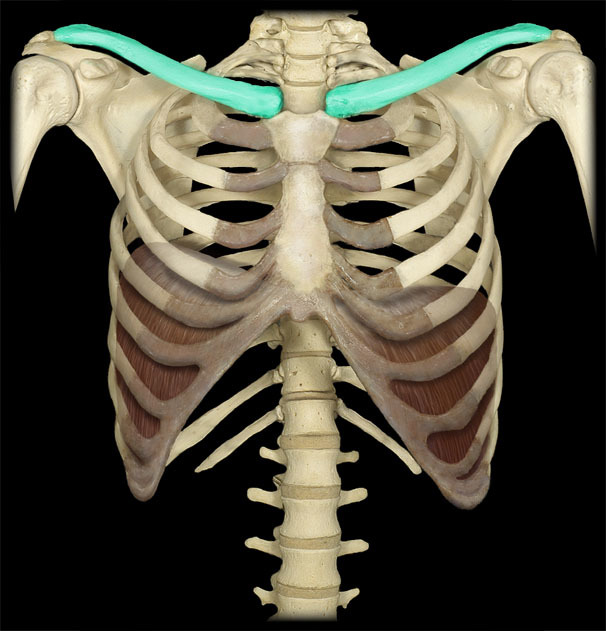
slender curved bone which connects the scapular to the sternum
A

clavicle

2
Q

the most lateral part of the clavicle which forms a joint with the scapula
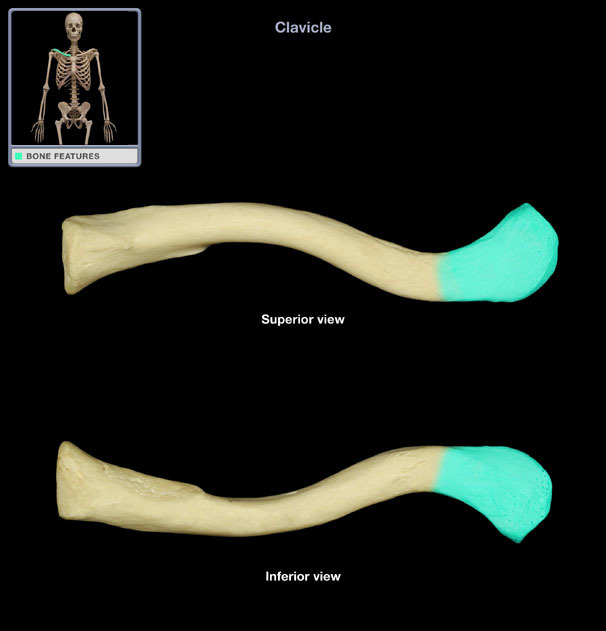
A

acromial end

3
Q

most medial part of the clavicle which forms a joint with the sternum
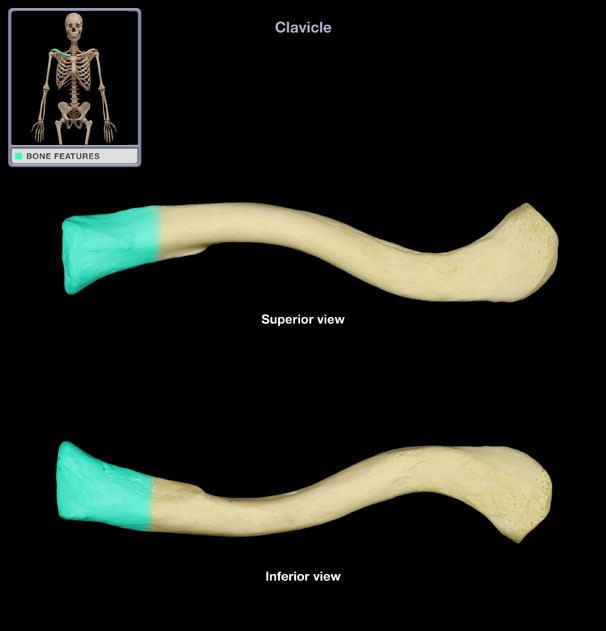
A

sternal end

4
Q

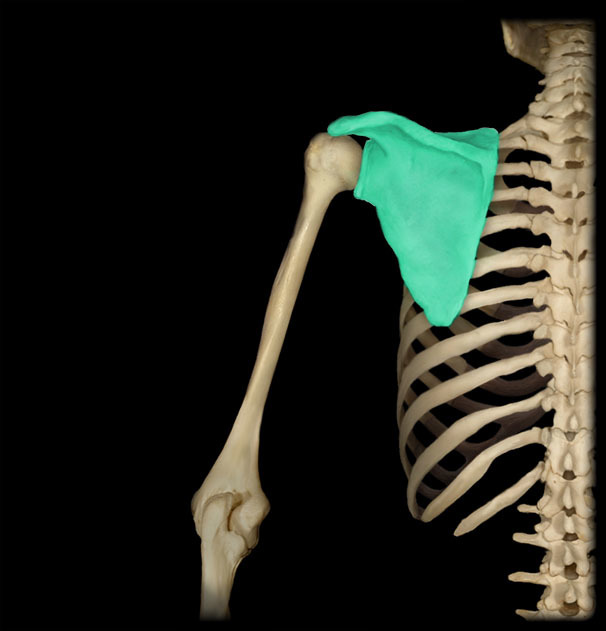
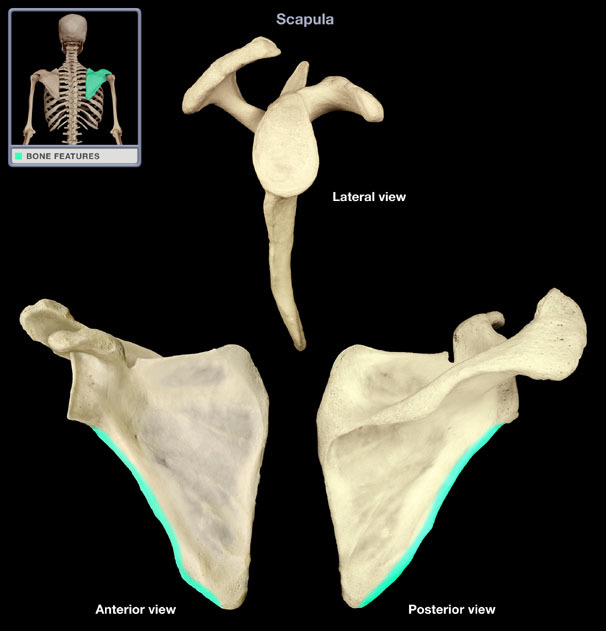
triangular shaped shoulder blade

A

scapula

5
Q

posterior ridge of scapula

A

spine of scapula

6
Q

scapular process extending laterally from the spine of the scapula, articulates with the clavicle
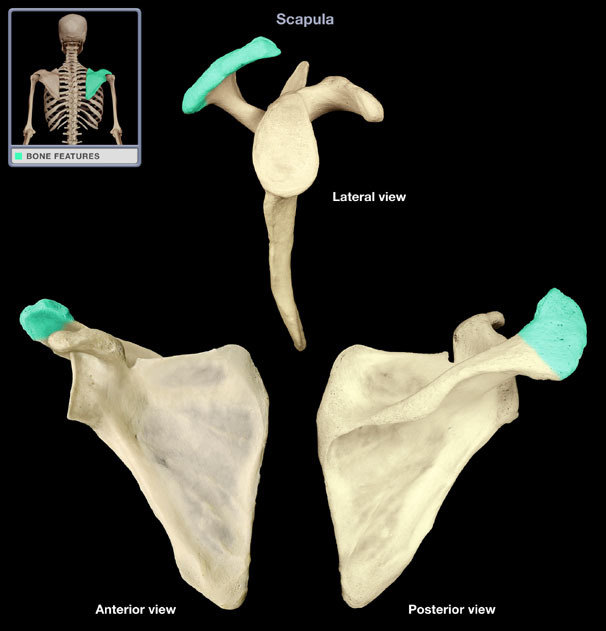
A

acromion process

acromion is on the spine

7
Q

process on the anterior, superior side of scapula near the glenoid cavity extending laterally
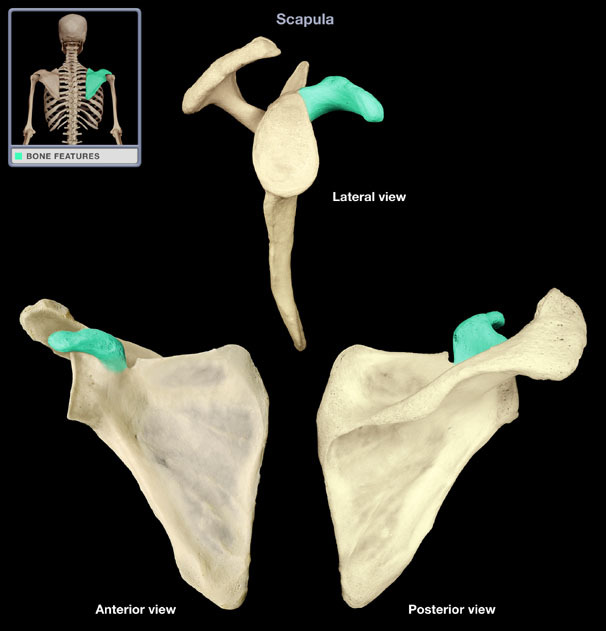
A

coracoid process

8
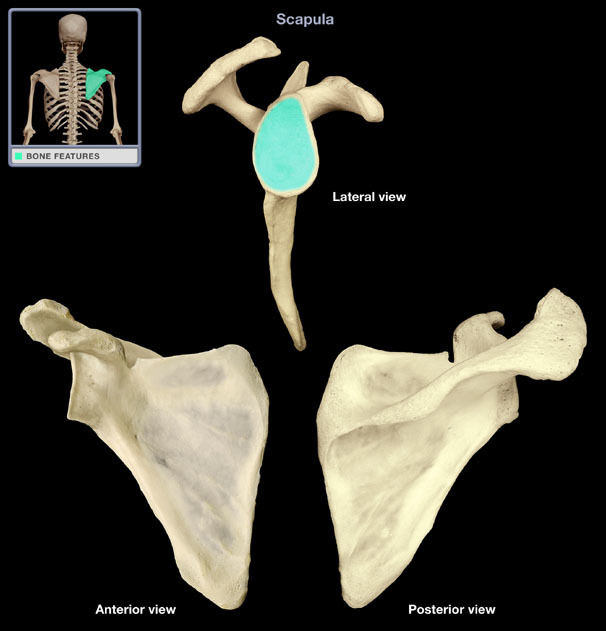
Q

lateral aspect of scapula which serves as point of articulation with the humerous
A

glenoid cavity

uncle glen is very humerous

9
Q

prominence superior to the glenoid cavity
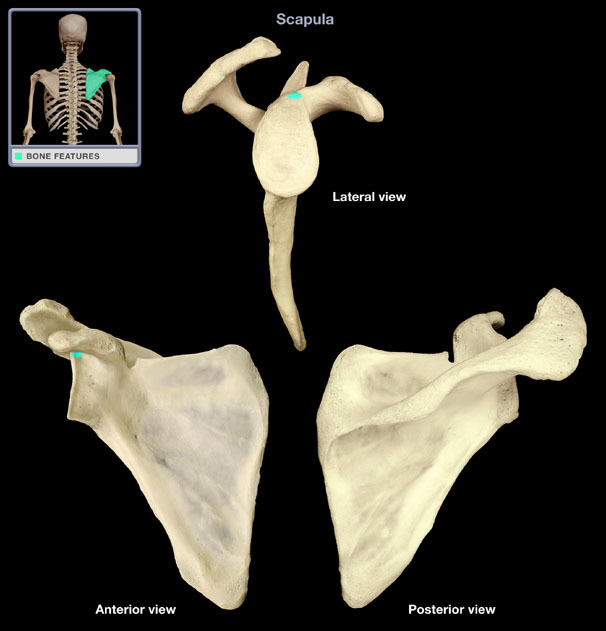
A

supraglenoid tubercle

10
Q

prominence inferior to the glenoid cavity
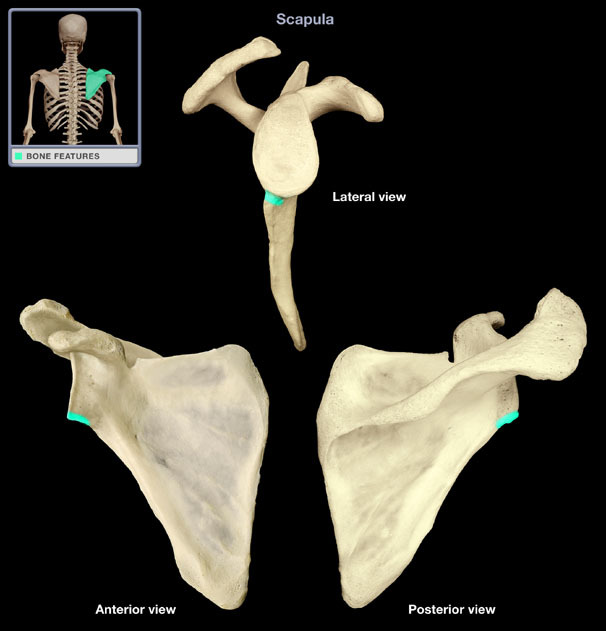
A

infraglenoid tubercle

11
Q

depression on the on the posterior surface of the scapula superior to the spine
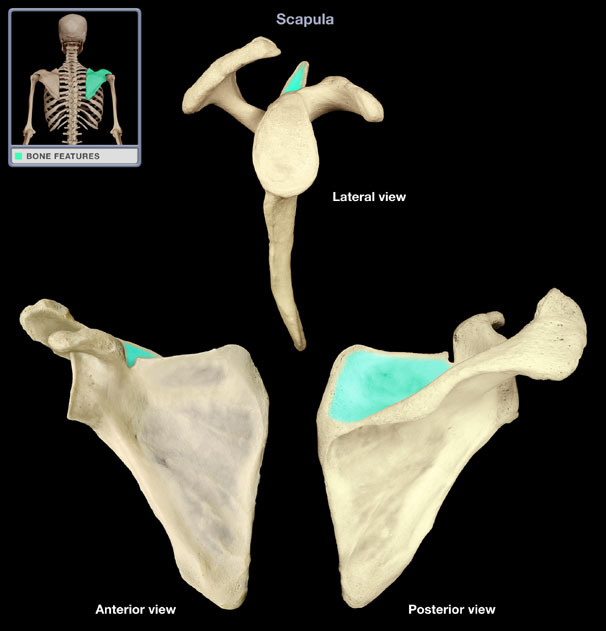
A

supraspinous fossa

12
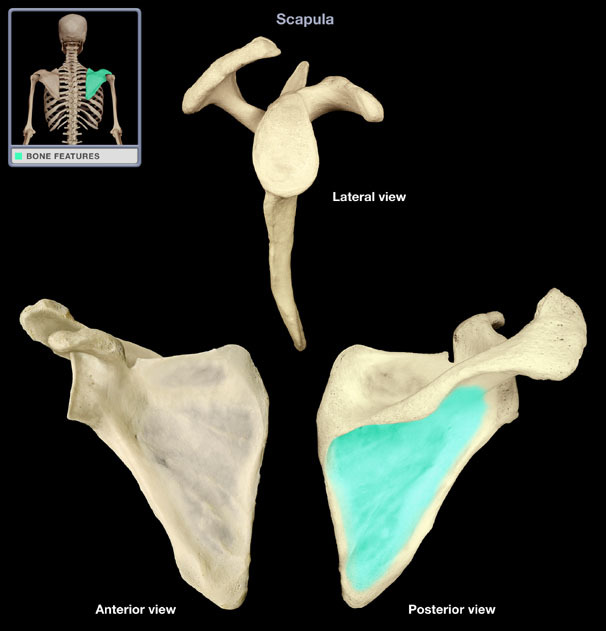
Q

depression on the posterior surface of the scapula inferior to the spine
A

infraspinous fossa

13
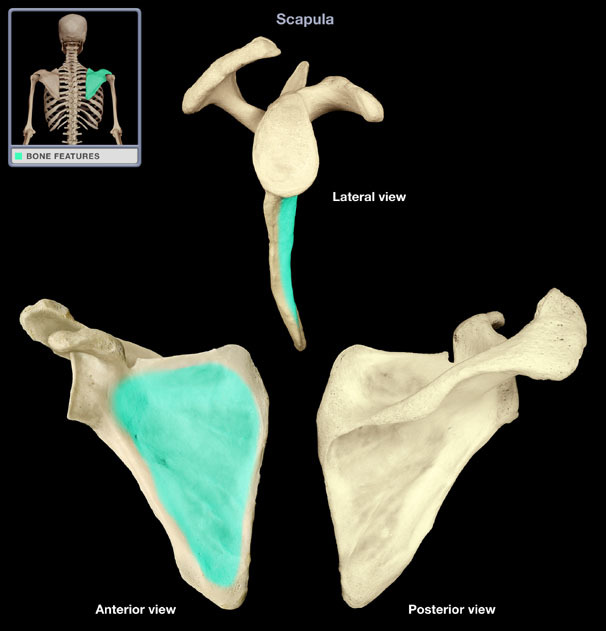
Q

depression on the anterior surface of the scapula
A

subscapular fossa

14
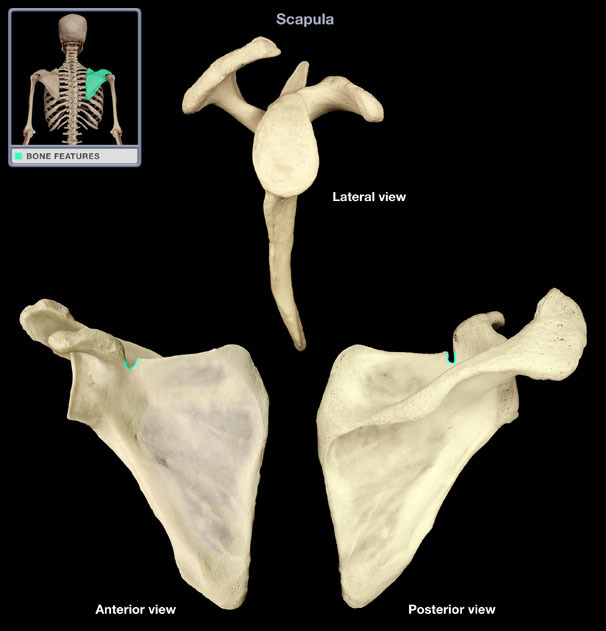
Q

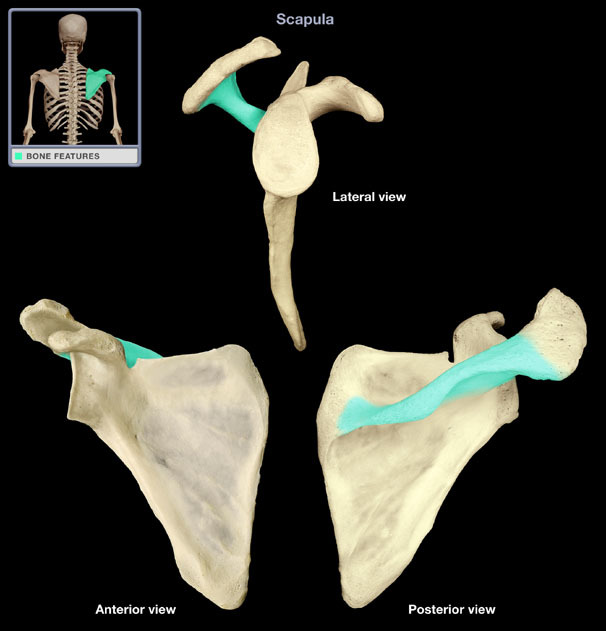
the notch medial to the corocoid process
A

suprascapular notch

15
Q

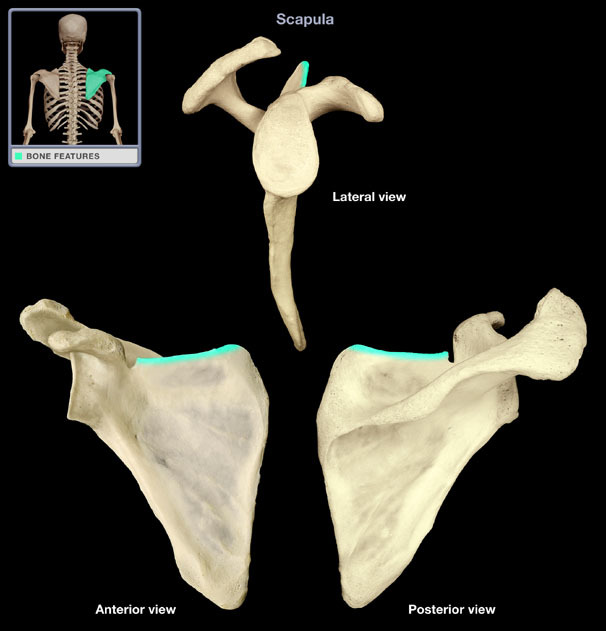
top ridge

A

superior border

16
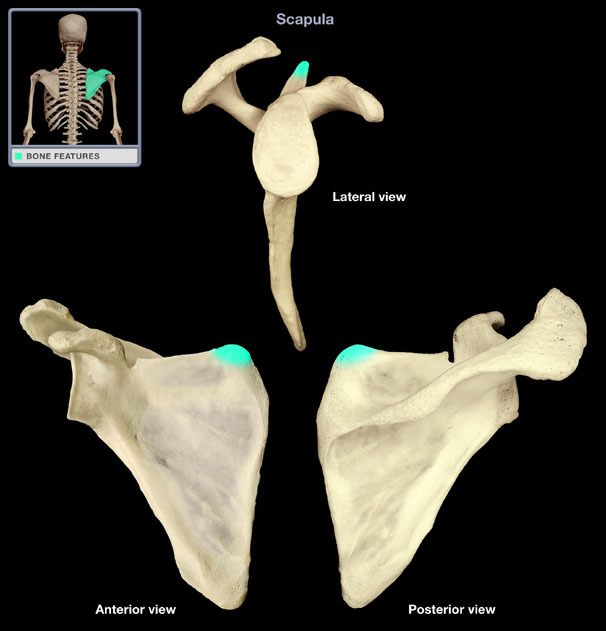
Q

junction of the superior and medial borders
A

superior angle

17
Q

vertebral side

A

medial border

18
Q

junction of the medial and lateral borders
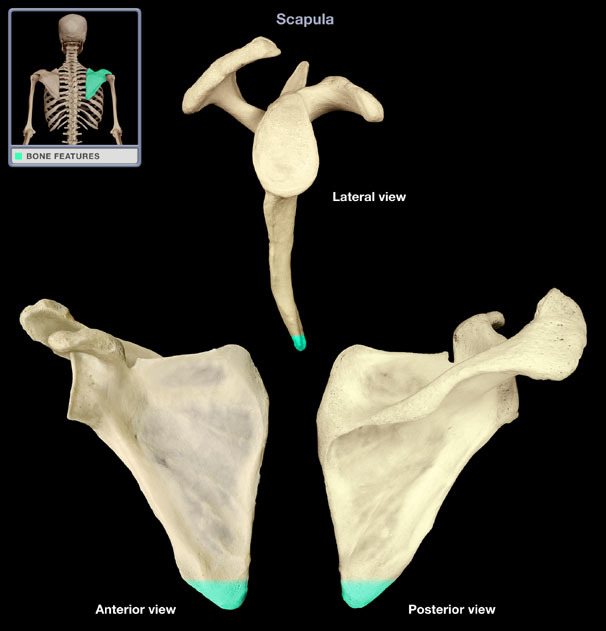
A

inferior angle

19
Q

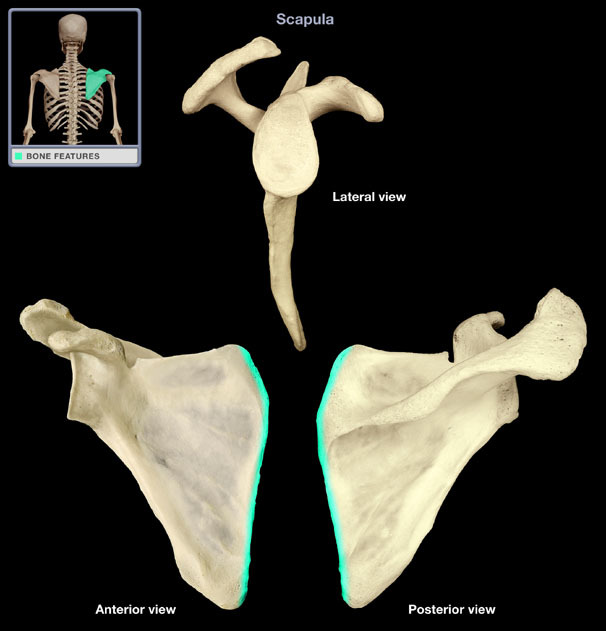
axillary side

A

lateral border

20
Q

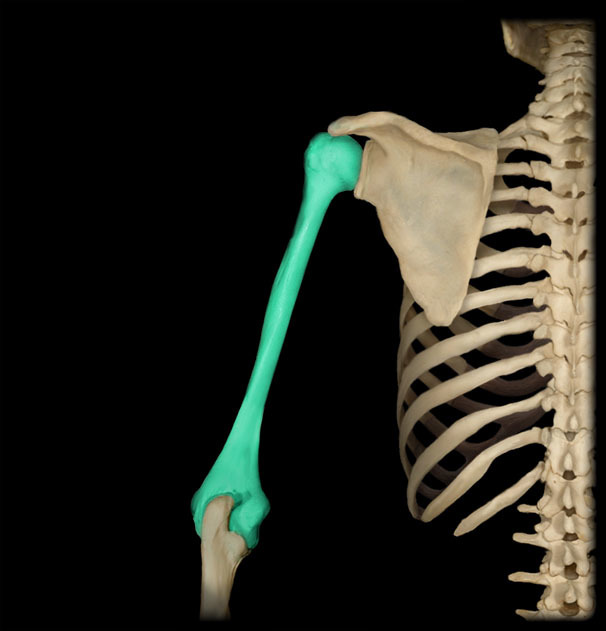
long bone of the upper arm

A

humerous

21
Q

proximal rounded portion which articulates with the glenoid cavity
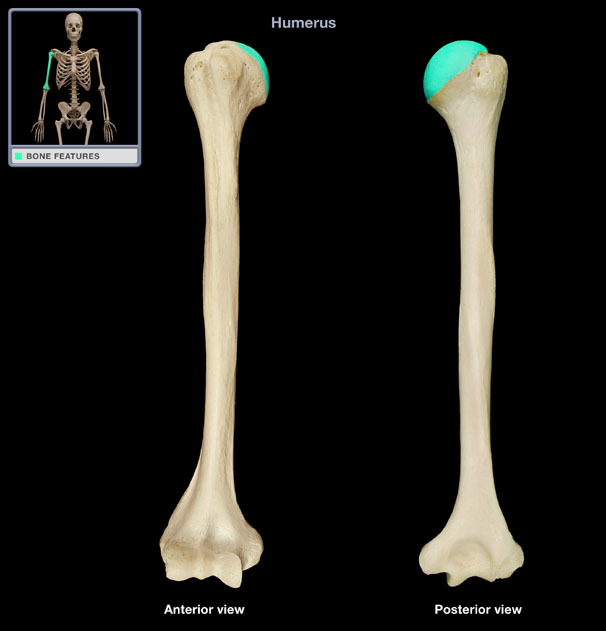
A

head

22
Q

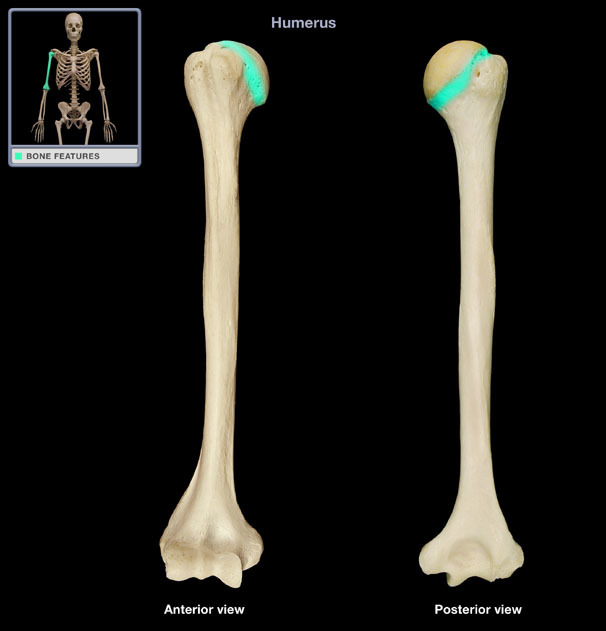
anatomical neck

A

tapering of the humerous immediatly inferior to the head

23
Q

a process lateral to the humeral head and inferior to the anatomical neck
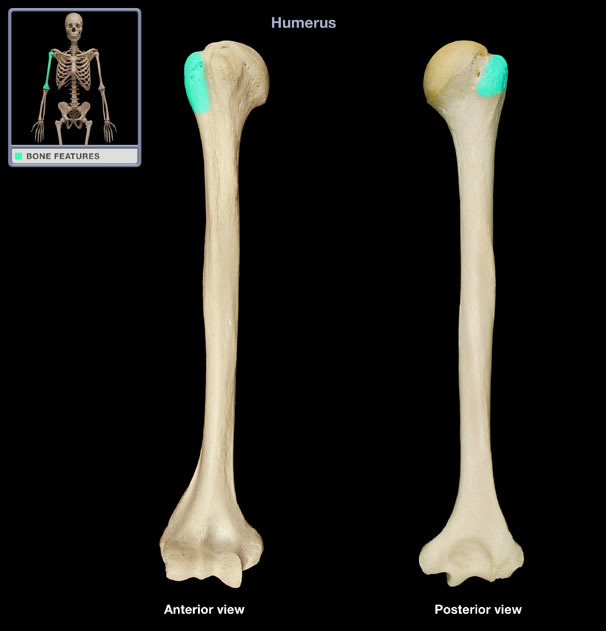
A

greater tubercle

looking down the head, it is the bigger one

24
Q

process anterior to the greater tubercle of the humerous
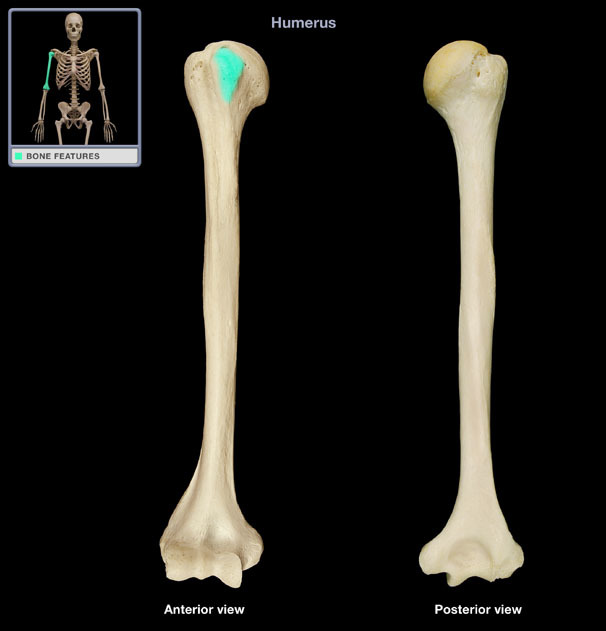
A

lesser tubercle

looking down the head it is the smaller one

25
groove between the greater and lesser tubercles of the humerous
intertubercle groove
26
tapering region of the humeral shaft inferior to the anatomical neck
surgical neck
27
elevation on the lateral side of the humeral shaft for muscle attachment
deltoid tuberosity
28
smooth prominence located proximal to the medial epicondyle for muscle attachement
medial supracondylar ridge
29
smooth prominence located proximal to lateral epicondyle for muscle attachment
lateral supracondylar ridge
30
lateral condyle on the dital end if the humerous which articulates with the head of radius
**c**apitulum **C** of **MTC Love**
31
medial condyle on the distal end if the humerous which articulates wiht the trochlear notch
trochlear **T** of **MTC L**ove
32
located on the distal endof the humerous superior to the capitulum
lateral epicondyle **L** of **MTC L**ove
33
located on the distal end of the humerous superior to the trochlear
medial epicondyle **M** of **MTC L**ove
34
located on the anterior side of the distal end of the humerous superior to the trochlear and articulates with the olecranon process of the ulna
coronoid fossa
35
located on the posteior side of the distal end of the humerous superior to the trochlear and articulates with the olecranon process of the ulna
olecranon fossa **Ole** dancing
36
the medial bone of the forearm
ulna
37
half-moon shaped notch which forms a hinge joint with the trochlear of the humerous
trochlear notch
38
located on the proximal end of the ulna, smaller than and distal to the olecranon process
coronoid process
39
located on the proximal end of the ulna, larger than and proxoimal to the coronoid process
olecranon process
40
depression on the proximal end of the ulna; articulates with the head of the radius
radial notch
41
short vertical ridge of inferior to the radial notch
supinator crest
42
ridge along the lateral portion of the ulnar shaft that points towards the radius
interosseous crest
43
distal region of the ulna
head of the ulna
44
medial projection at the dital end
styloid process of the ulna
45
lateral bone of the forearm
radius
46
knob on the on the proximal end of radius
head circle flat part
47
region between head and tuberosity
neck
48
a roughened elevation on radial shaft
radial tuberosity
49
ridge along medial portion of the shaft that points towards ulna
interosseous crest
50
depression on the medial, distal end of the radius, articulates with the head of the ulna
ulnar notch where the ulna articulates
51
lateral projection at the distal end
styloid projection
52
consisting of eight wrist bones arranged into two rows of four
carpus (carpals)
53
scapoid **s**o long to pinky here comes the thumb
54
lunate so **l**ong to pinky here comes the thumb
55
triquetrum so long **t**o pinky here comes the thumb **tri**quetrum is surounded by **three** other bones.
56
pisiform so long to **p**inky here comes the thumb
57
hamate so long to pinky **h**ere comes the thumb the one with the claw
58
capitate so long to pinky here **c**omes the thumn
59
trapezoid so long to pinky here some **t**he thumb
60
**t**rapezium so long to pinky here come the **t**humb trapezi**um** is on the th**umb**
61
five bones forming the palm
metacarpus (metacarpals)
62
14 digits each consisting of proximal, middle, and distal bone, the pollex having only two; each phalanx has a proximal base and a distal head
phalanges
63
os coxa
hip bone; composed of the ilium, ishium, and pubis
64
lateral depression of the os coxa which articulates with the head of the femur
acetabulum the head of the femur goes here
65
large opening between ishium and pubis
obturator foramen
66
superior flattened portion of the os coxa
ilium
67
ridge on the superior border of the ilium
iliac crest
68
anterior termination of the iliac crest
anterior superior iliac spine nose of george washington
69
process inferior to the anterior superior iliac spine
anterior inferior iliac spine
70
posterior termination on the iliac spine
posterior superior iliac crest
71
process inferior to the to the posterior superior iliac spine
posterior inferior iliac spine
72
posterior indentation in ilium
greater sciatic notch
73
region on the ilium for articulation with the sacrum
auricular surface
74
a depression on medial of the fan-shaped portion of the ilium
iliac fossa
75
posterior and inferior portion of the os coxa
ischium
76
flattened part of ischium
ramus
77
process located posterior to the acetabulum
ischial spine
78
notch immediatly inferior to the ischial spine
lesser sciatic notch
79
inferior roughened surface of the ischium for ligament and muscle attachement
ischial tuberosity
80
most anterior portion of the os coxa
pubis
81
flattened superior border on the obturator
superior ramus
82
flattened medial border of the obtorator foramen
inferior ramus
83
anterior prominence superior to the pubic symphysis, lateral end of pubic crest
pubic tubercle
84
margin of bone between the pubic tubercles of adjacent pubis bones
pubic crest
85
joint with fibrocartilage disc joining the two os coxa anteriorly
pubic symphysis (symphisis pubis)
86
bone of upper leg
femur
87
superior rounded portion that forms a ball-and-socket joint with the acetabulum
head
88
central depression onthe femoral head for a ligamentous attachement to the acetabulum
fovea **cap**itis a **cap** goes on the head
89
narrowed part which connects the head to the shaft at the lateral angle
neck
90
the diaphysis of femoral body
shaft
91
large prominance lateral to the femoral head
greater trochanter
92
the smaller prominance inferior to the head on the medial side of the femur
lesser trochanter
93
region formed posteriorly between the greater and lesser trochanter
intertrochanteric crest
94
region formed anteriorly between the greater and lesser trochanter
intertrochanteric line
95
rough surface adjacent to prolonged lateral ridge of superior linea aspera
gluteal tuberosity
96
rough surface on the posterior side of the femur extending vertically along the shaft
linea aspera
97
medial knob on the distal end of the femur which forms a hinge joint with the tibia
medial condyle
98
lateral knob on the distal end of the femur which form a hinge joint with the tibia
lateral condyle
99
medial elevation on the distal end of the femur superior and medial to the medial condyle
medial epicondyle
100
lateral elevation on th distal end of the femur superior and lateral to the lateral condyle
lateral epicondyle
101
posterior notch located between the condyles
intercondylar notch
102
anterior depression between the femoral condyles
patellar surface
103
triangular semsamoid bone
patella
104
pointed inferior end
apex
105
flat superior portion of patella
base
106
depression which articulte with the femoral condyles
articular facets
107
the anteriomedial bone of the lower leg
tibia
108
medial depression on the proximal end of the tibia which articulates with the femur
medial condyle
109
lateral depression on the proximal end of the tibia which articulates with the femur
lateral condyle
110
process between condyles
intercondylar eminence
111
rough surface on the anterior and proximal surface of the tibia
tibial tuberosity
112
long vertical ridge on the anterior surface of the tibia
anterior crest
113
distal medial process forming the ankle buldge
medial malleolus
114
lateral notch on the distal end of the tibia where the tibia and fibula articulate
fibular notch
115
long thin bone lateral and slightly posterior to the tibia
fibula
116
knob at the poximal end of the fibula
head
117
lateral process on the distal end of the fibula
lateral malleolus
118
psterior foot comprised of seven bones
tarsus (tarsals)
119
talus cal can **t**ell us about cute boys in navy uniforms
120
calcaneus **cal can** tell us about cute boys in navy uniforms
121
calcaneal tuberosity heel bone
122
**nav**icular cal can tell us about cute boys in **navy** uniforms
123
cuboid cal can tell us about **cute boys** in navy uniforms
124
Lateral c**uneiform** cal can tell us about cute boys in navy **uniform**s
125
intermediate c**uneiform** cal can tell us about cute boys in navy **uniform**s
126
medial c**uneiform** cal can tell us about cute boys in navy **uniform**s
127
middle portion of the foot comprised of five bones
metatarsus (metarsals)
128
14 total; four digets each consisting of proximal middle and distal bones; the hallux having only two each phalanx has a proximal base ans a distal head
phalanges