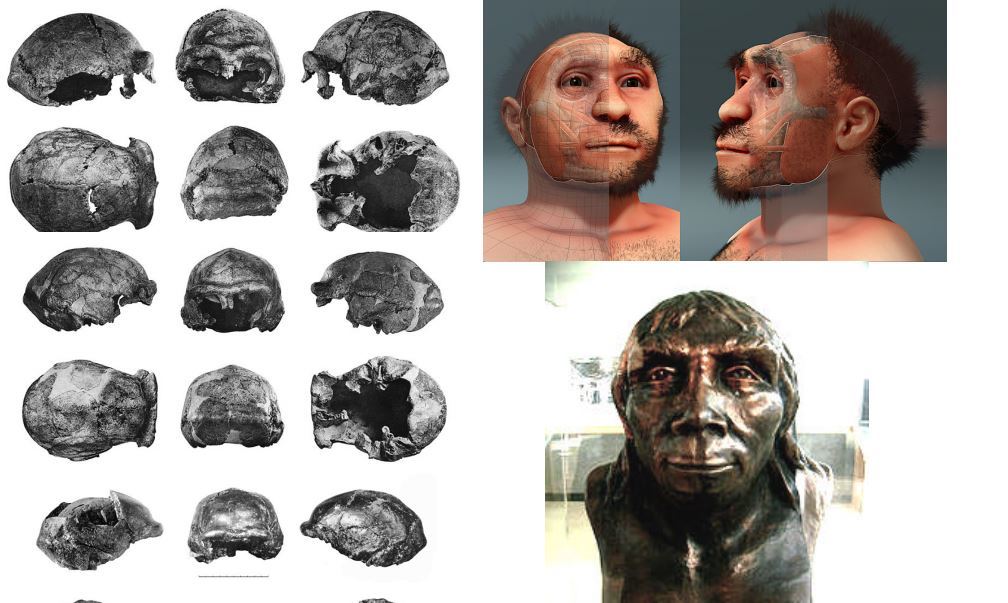
Asian scholars maintain that Asians are racially different to other humans. The basis for this is Peking Man, who was excavated in 1927, and found to be form around 750,000BC, but was destroyed in WWII.
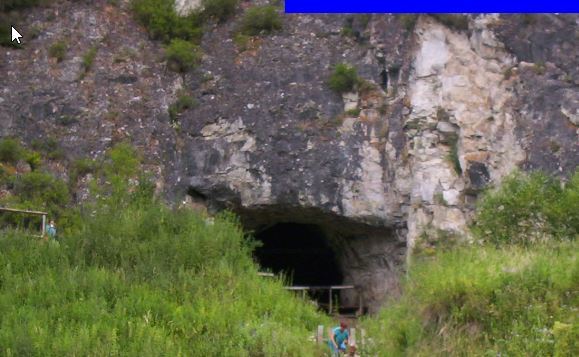
Denisovan cave - bones found here proved there were separate human species in Siberia. Some asians have Denisovan DNA, providing a basis for chinese theory. 40,000 BP
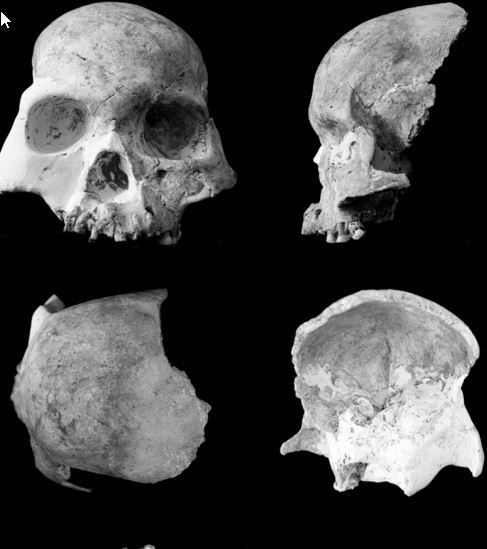
Red Deer cave skull- The Red Deer Cave People were the most recent known prehistoric population that do not resemble modern humans. Fossils between 14,500 and 11,500 years old were found
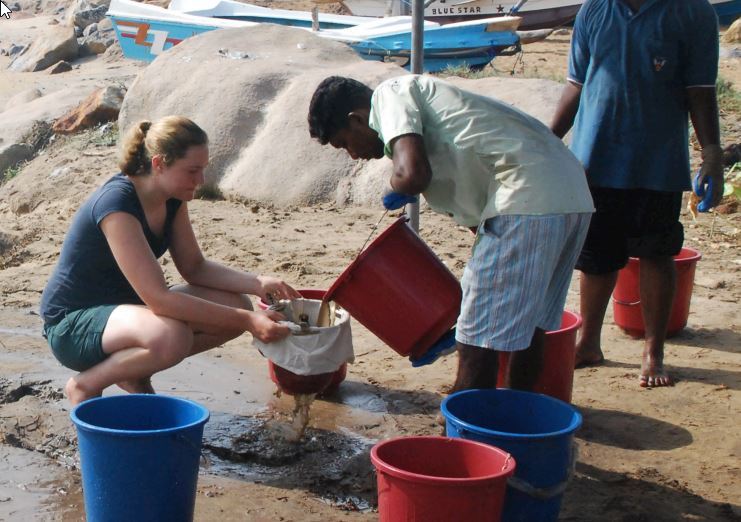
Plant remains are recovered and seperated from the soil using flotation to understand the development of agriculture and state formation
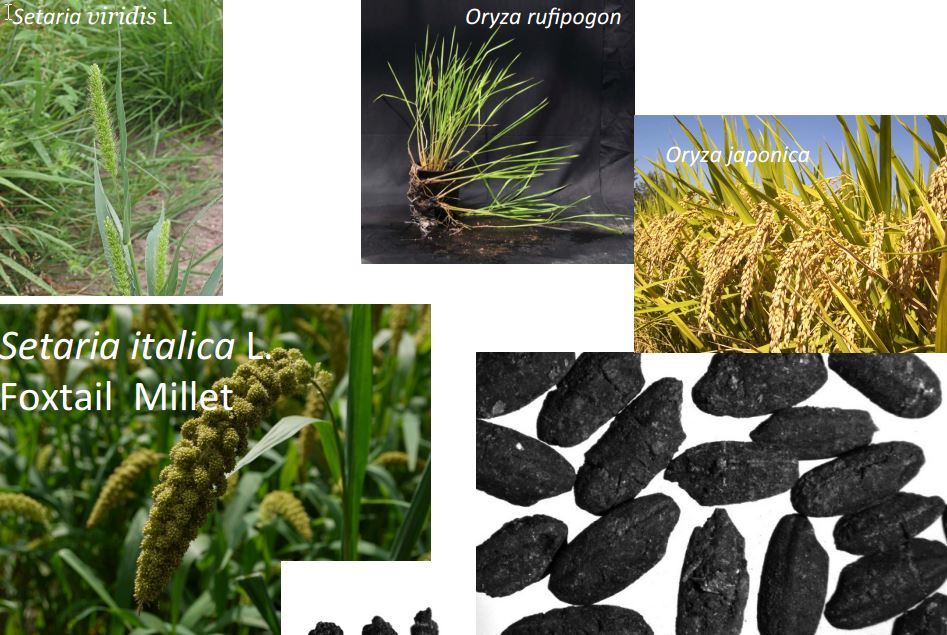
Plant domestication was independently invented. In China this focused on rice and millet, the remains of which are occasionally found today, preserved through arid conditions.
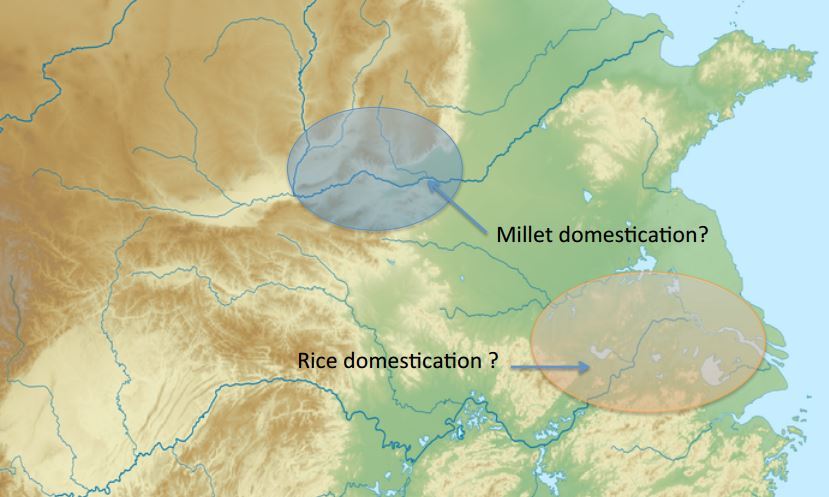
Millet and Rice domestication took place in separate areas- Millet in the Steppe area and Rice in the Yaghtzee River
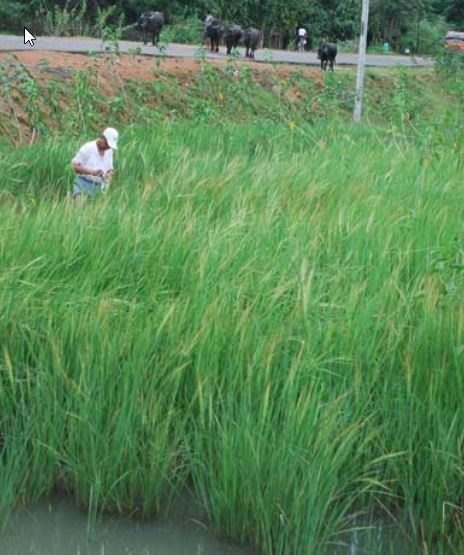
Wild rice to domesticated rice: Oryza rufipogon - a perennial of permanent pools
Domesticated in the Yangtze, c. 5000 BCE to: Oryza japonica Oryza nivara - an annual grass on monsoon-filled seasonal puddles
Hybridised with O. japonica in Northern India, c. 2500 BC to: Oryza indica
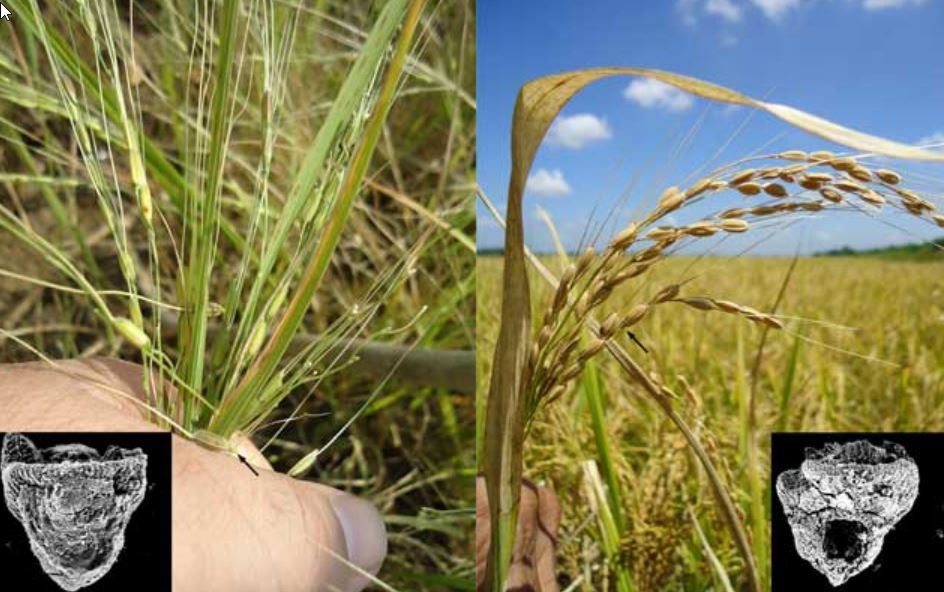
Wild rice and domesticated rice, and characteris*c spikelets, recovered from flota*on
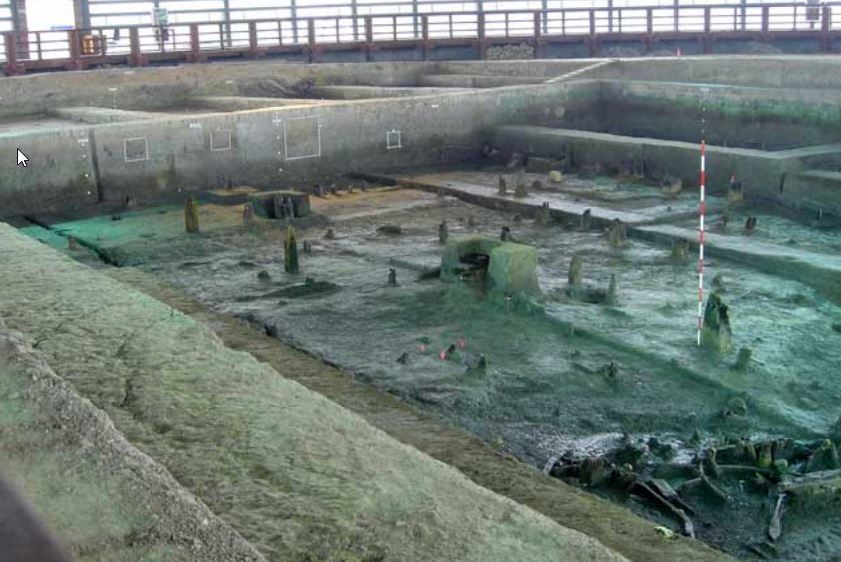
Tianluoshan (c.5000–4200 BC) after the 2007 excavations by the Zhejiang Province Institute of Archaeology - the earliest evidence of domesticated rice
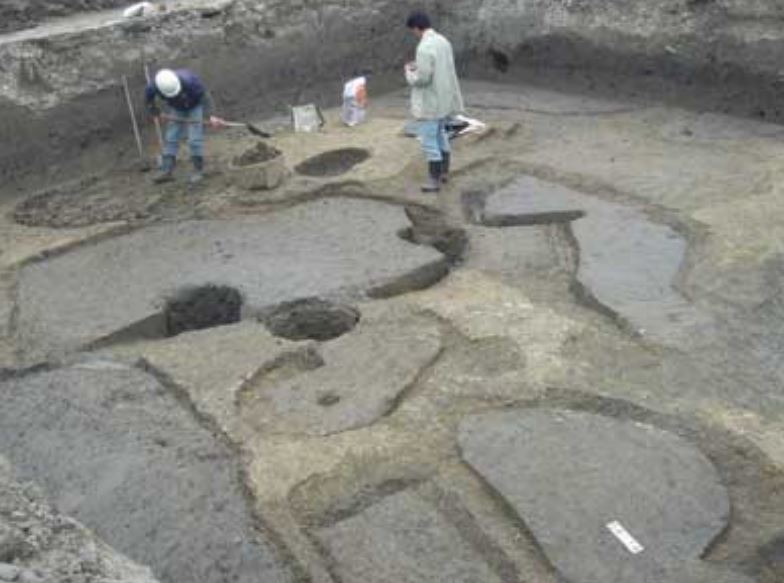
The eariieist paddy fields? Caoxieshan (Jiangsu, China), excavated by Suzhou Museum in 2008-
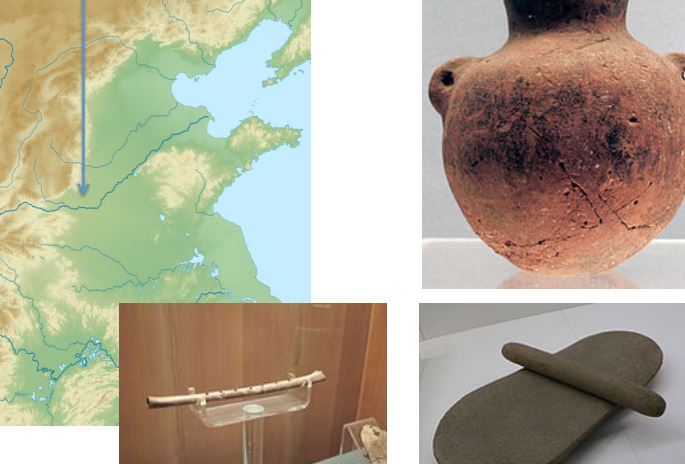
Peiligang culture c. 7000 -5000 BC
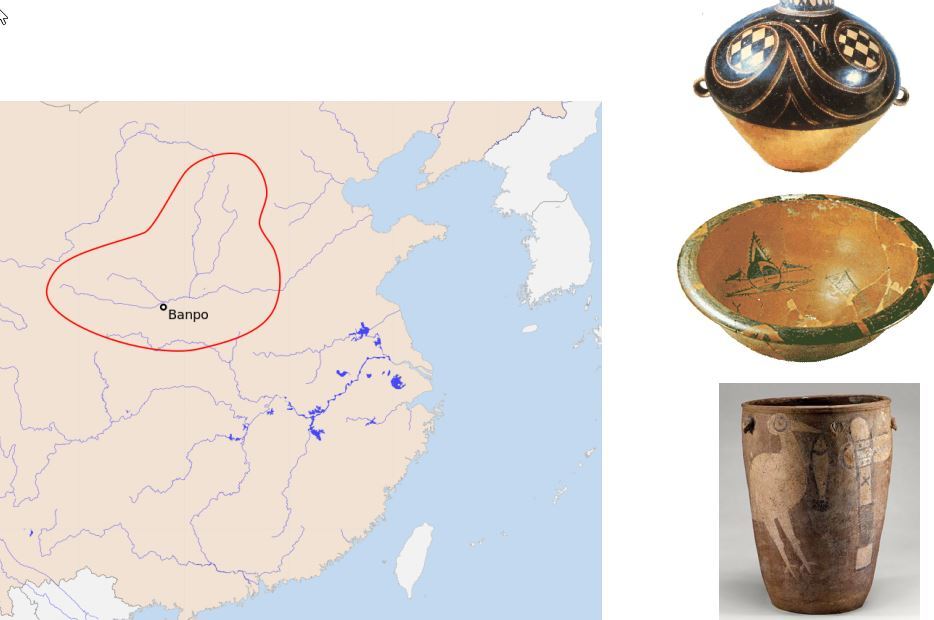
Yangshao culture, c 5000 – 3000 BC-
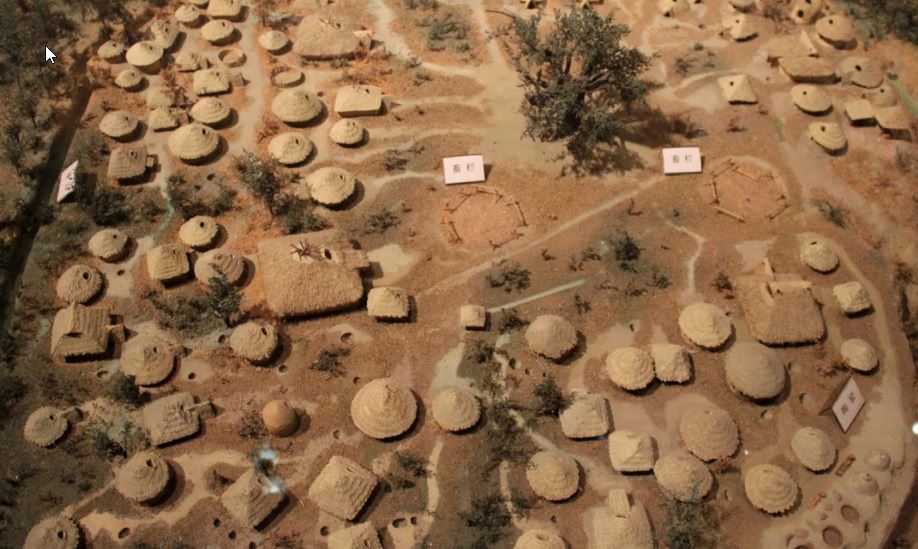
Jiangzhai Neolithic Settlement - Enclousures for stock and storage pits for grain. 5000-4000 BC.
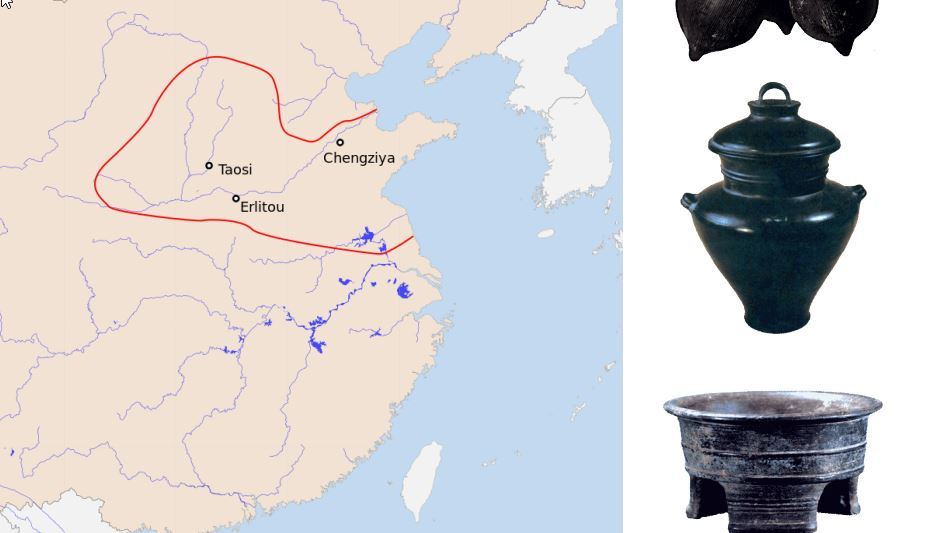
Longshan culture, c 3000 – 2000 BC - Jade wares, burnished fine wares, very sophisticated pottery
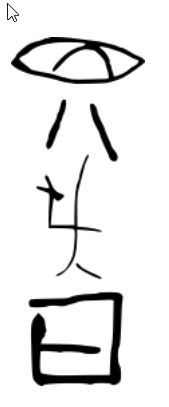
Jiahu culture 7000 BC, psuedoalphabets?
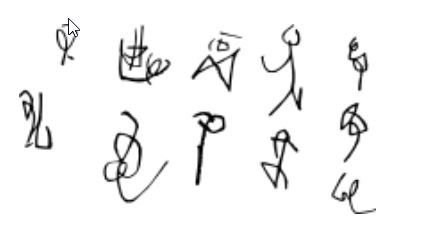
Eleven characters found at Dinggong in Shandong, China on a pobery sherd, Longshan culture, 3000 BC
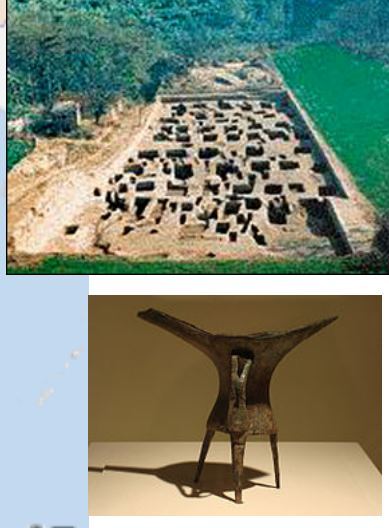
Bronze Age Dynastic China Xia Dynasty c. 2070 – 1600 BC Linked possibly to the Eritou culture….-
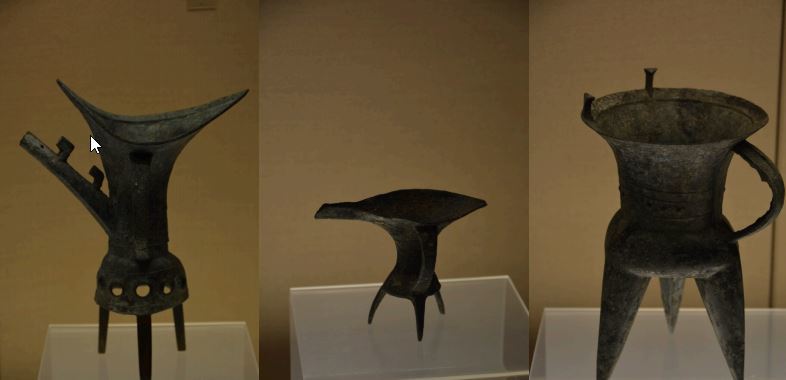
Xia culture - 21st to 16th century BC
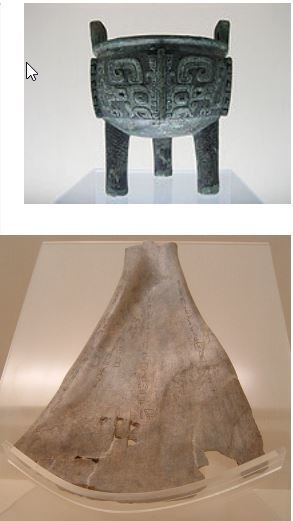
Shang Dynasty (c. 1600 – 1100 BC)
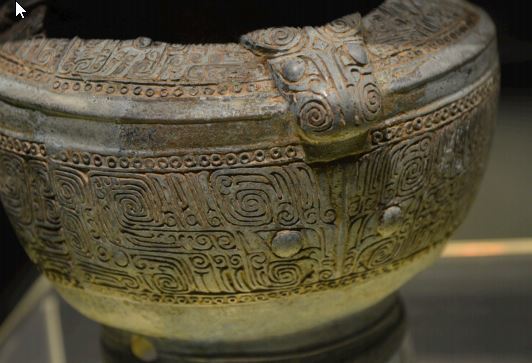
Early and Middle Shang culture- 16th -13th century BC
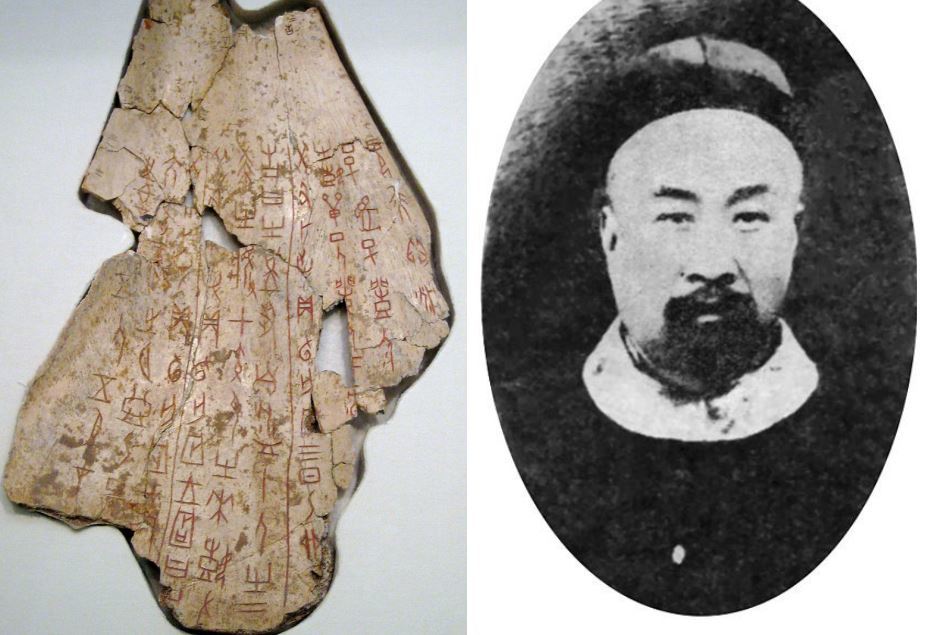
Wang Yirong was a director of the Chinese Imperial Academy, best known as the first to recognize that the symbols inscribed on oracle bones were an early form of Chinese writing.
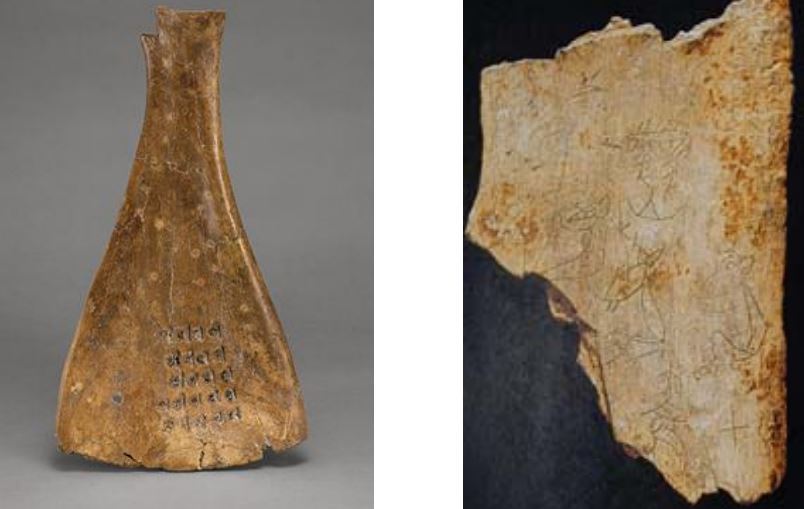
Inscribed ox scapula (c. 1200 BC) and Oracle-bone inscription (c. 1200 BC) showing early chinese characters
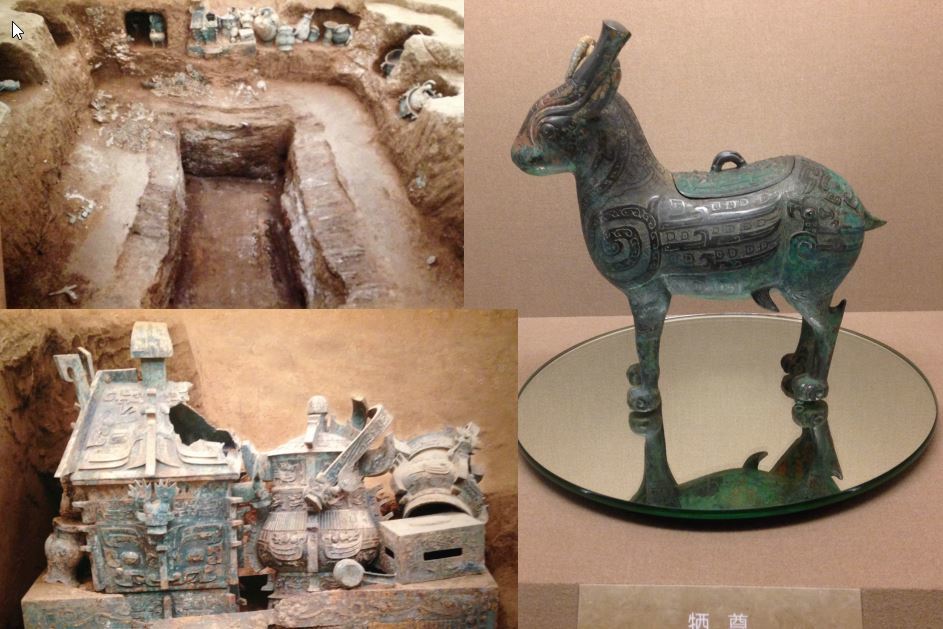
Western Zhou Dynasty (1046 – 711 BC)
- The Shang had been weaken by constant warfare with neighbours
- Succession of new line of rulers from a nomadic tribe in the west
- Capital city founded in Xi’an
- The Zhou adopted much of the Shang lifestyle, technology and arts
- Adopted administrative system including feudalism
- Different religion to the Shang – warship sun and stars
- Human sacrifice was banned
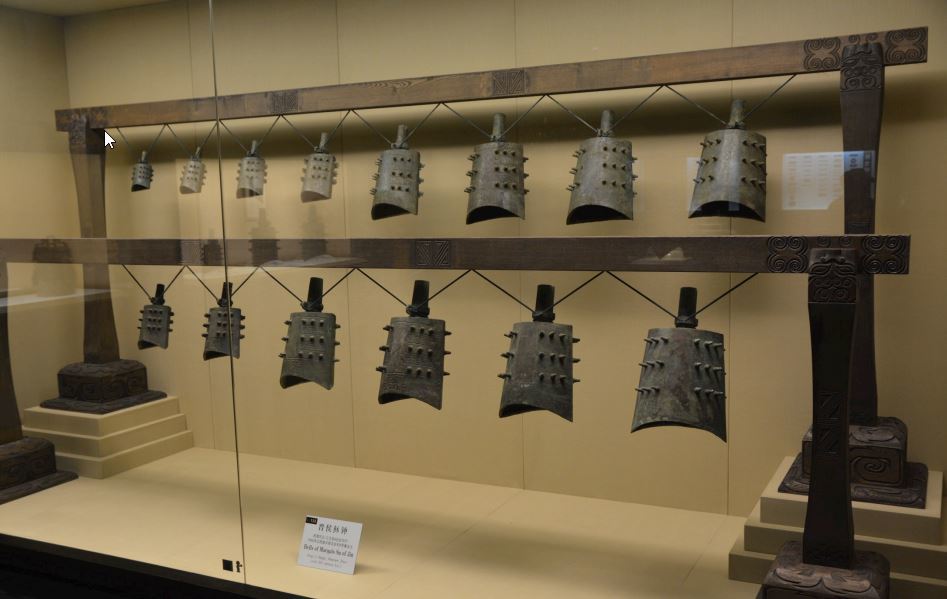
Eastern Zhou Dynasty (711 – 211 BC)
- Capital moved east to Honan (near modern Loyang)
- Zhou emperor lost power to feudal lords
- Arising of various states and alliances against each other
- Warfare between rival states
- By 600 BC iron was widely used
- In 400-200 BC – development of institutions to enhance the power of the central authority, which led to absolutism
- Changes in manner of warfare – used professional soldiers, army led by paid officer, decreased role of chariot



-
Human Evolution34
-
Arctic Societies7
-
Britain8
-
Africa21
-
Ancient Egypt47
-
Bristol Slavery20
-
Asia36
-
The Palaeolithic29
-
Mesopotamia26
-
Neolithisation in the Near East12
-
Mesolithic3
-
Eurasian Steppes20
-
European Prehistory30
-
Argentina8
-
Industry and Urbanisation4
-
Ancient America18
-
Ancient Greece20
-
Minoan and Mycenaean Worlds15



