What are the 3 common things that can be affected that cause abnormal bleeding?
1 - blood vessel disorders
2 - platelet disorders
3 - coagulation disorders (clotting factors)
Although uncommon, what is Hereditary Haemorrhagic Telangiectasia as a form of blood vessel disorder?
- Haemorrhagic = violent bleeding
- Telangiectasia = end of blood vessels dilate
- blood vessel dilated and swell casuing bleeding
- common in skin and mucous membranes
- present with nose or GI tract bleeds
Inherited collagen abnormalities can cause dysfuctional blood vessels. What happens in this instance?
- Ehlers Danlos Syndrome is one of most common
- small blood vessels are weak and can rupture
Scurvy is an acquired disorder that can affect blood vessels. How can scurvy cause this?
- hypertophy of fragile blood vessels
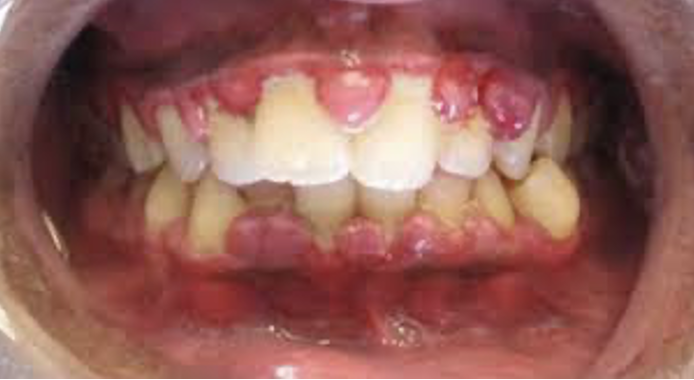
What is the most commonly acquired cause of dysfuctional blood vessels?
- ageing
- collagen loses it properties and blood vessles become damaged
What is the normal range for platelets?
- 150-400 x109/L
- collagen is exposed to blood and activates platelets
- this triggers coagulation cascade
What is thrombocytopenia?
- low platelet count <150
- BUT symptoms wont present until <10
In relation to bleeding, what do patients with platelet disorders generally present with?
- superficial
- epitaxis (nose bleeds), GI tract bleeds, bruising
- petechial rash (red dots on skin)
What are the 4 most common causes of acquired platelet dysfunction?
- bone marrow disorders (dysfunctional platelets)
- immune thrombocytopenia (low platelets)
- drug related (damaged platelets)
- disseminated intravascular coagulation (DIC)
What is immune thrombocytopenic purpura?
- immune cells attack platelets, reducing their numbers
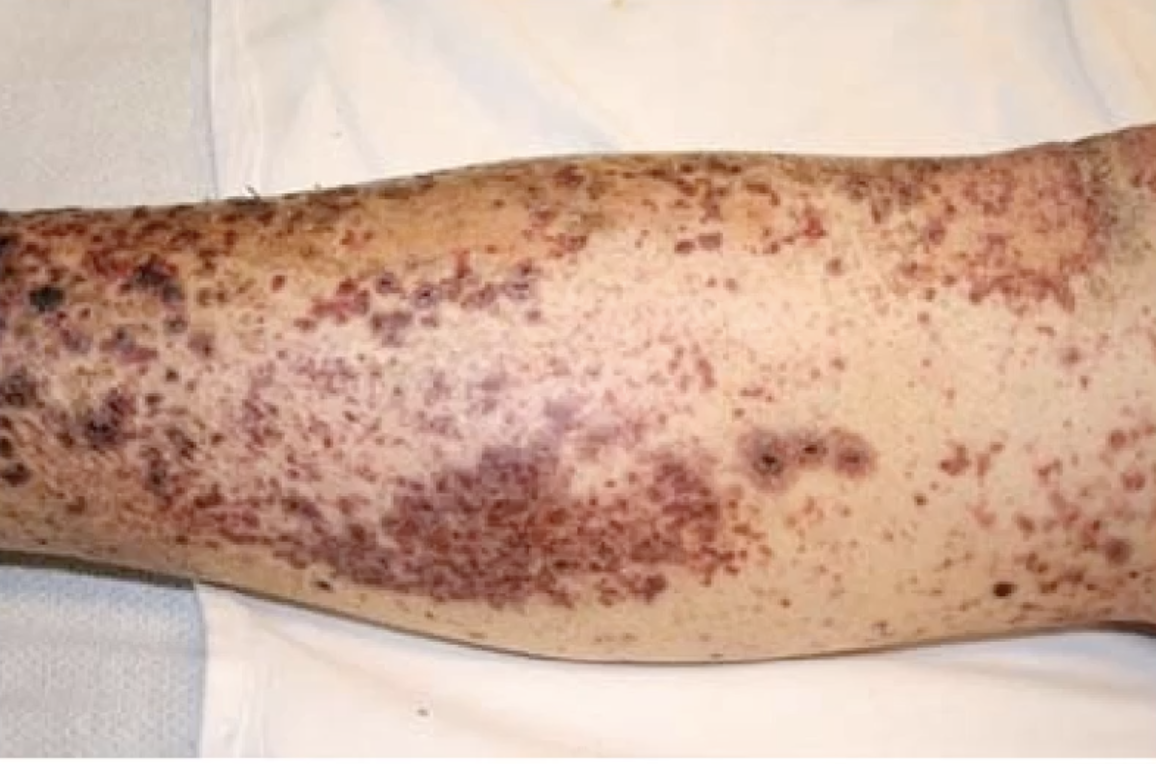
Does immune thrombocytopenic purpura affect young or older people more?
- more common in children who have good outcomes
- adults less affected but need more support to recover
What are the treatment options for patients with chronic immune thrombocytopenic purpura?
- steroids
- immunoglobulins
- occasionally splenectomy
Drugs are the most common causes of acquired platelet dysfunction. What drugs have been linked with this?
- drugs (asprin, clopidogral, NSAIDs)
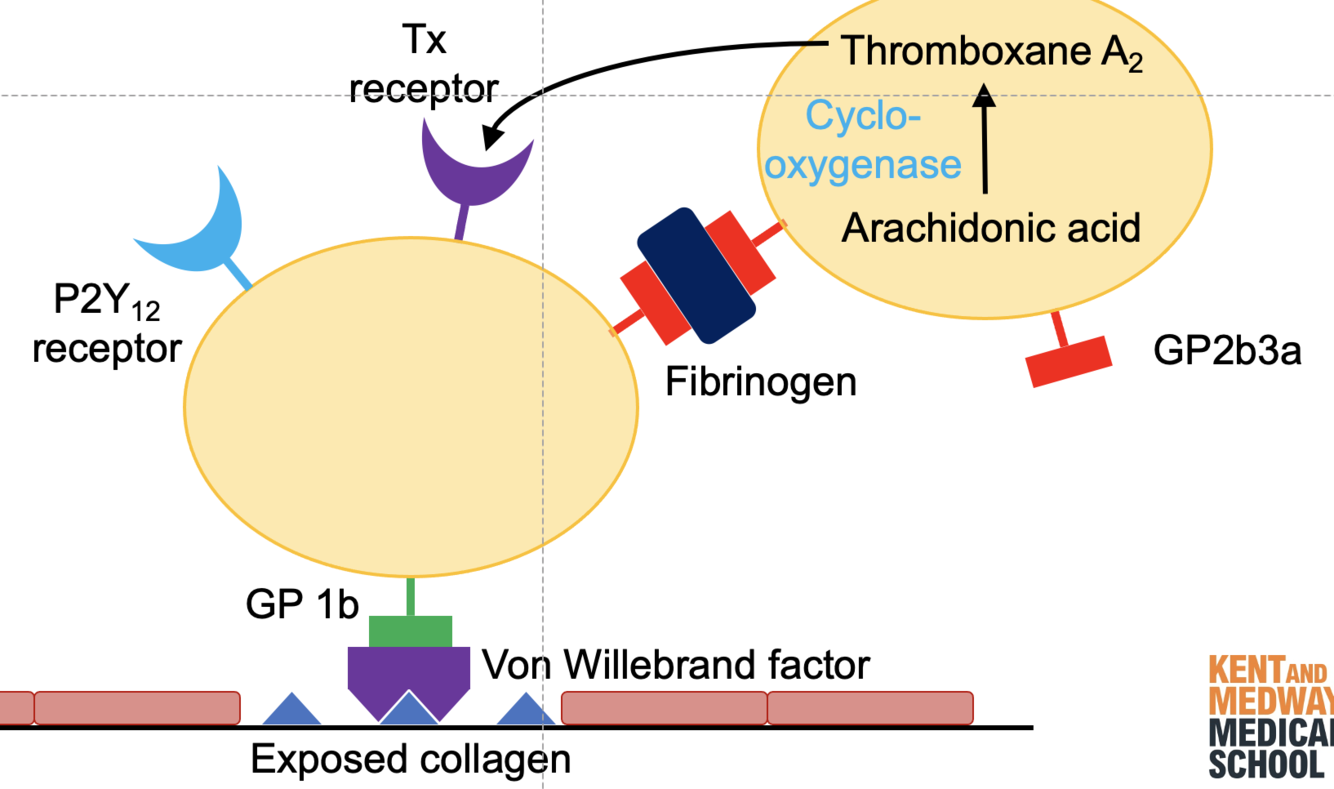
Glanzmann’s thrombocytopenia is an inherited cause of platelet disorders. How does this affect platelet function?
- leads to Gp 2b/3a deficiency
- Gp 2b/3a binds fibrinogen
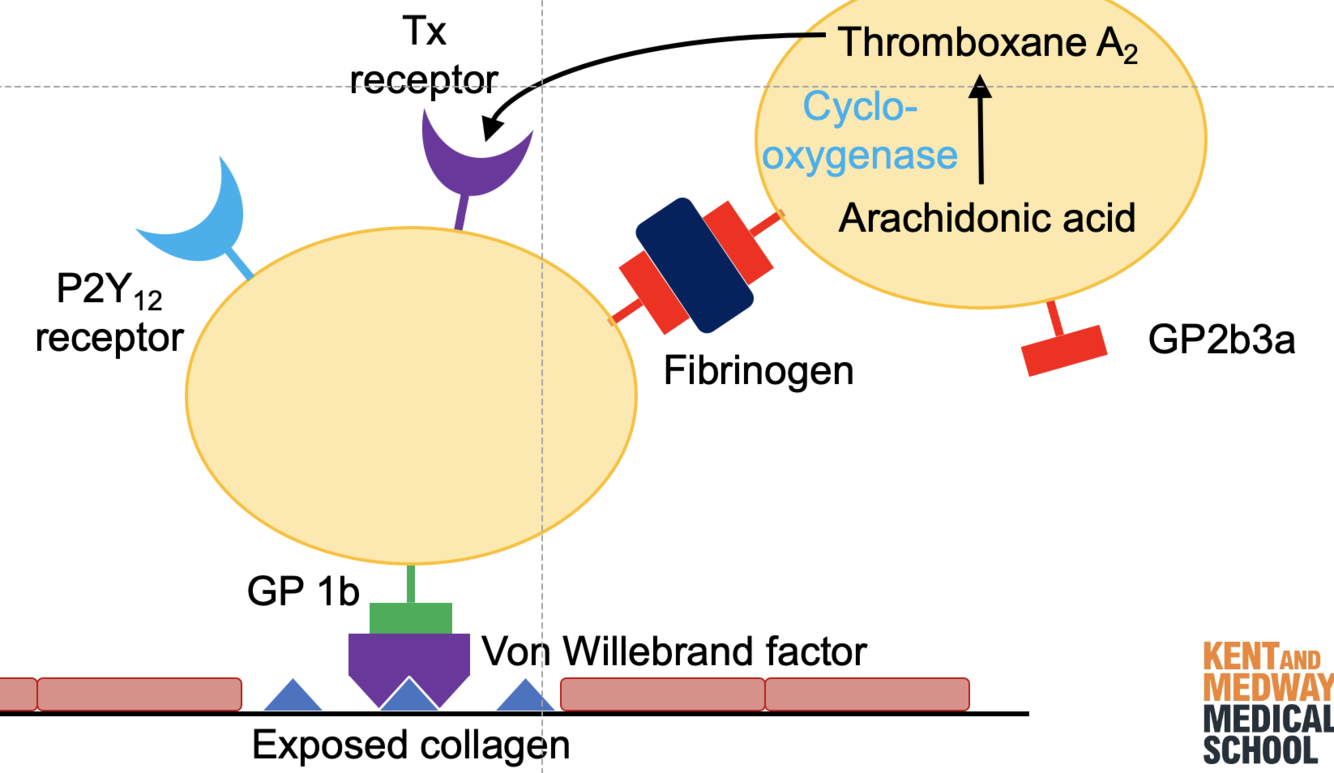
Bernard-Soulier syndrome is an inherited cause of platelet disorders. How does this affect platelet function?
- leads to Gp1b deficiency
- Gp1b binds to Von Willebrands factor
What is haemophilia?
- genetic disorder
- affects bodies ability to make blood clots
What is the most common inherited blood coagulation abnormality?
- haemophilia
- BUT generally not that common
Haemophilia A (which is the more common form) Haemophilia B are the 2 most common inherited blood clotting abnormality. What factors are affected in each?
- Haemophilia A = Factor VIII (8) deficiency
- Haemophilia B = Factor IX (9) deficiency
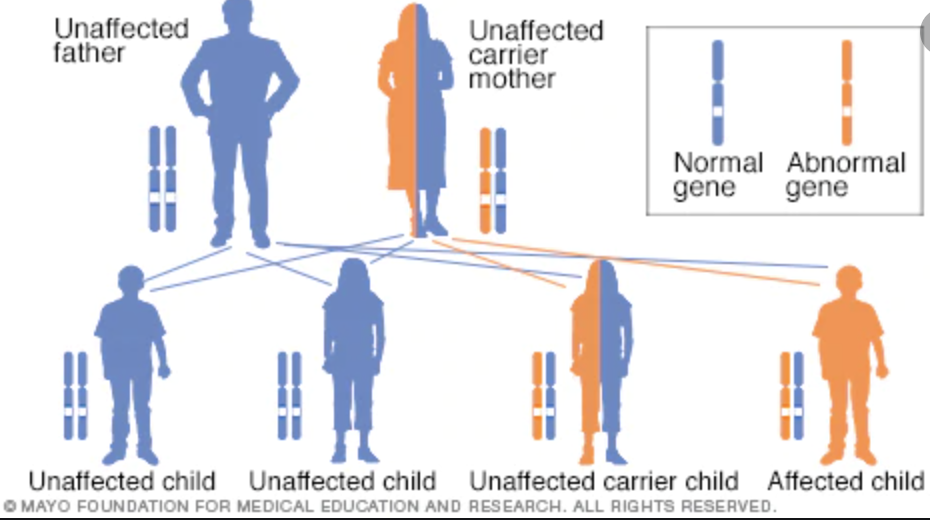
What does X linked recessive mean?
- a mutation in a gene on the X chromosome that will always causes the phenotype to be always expressed in males
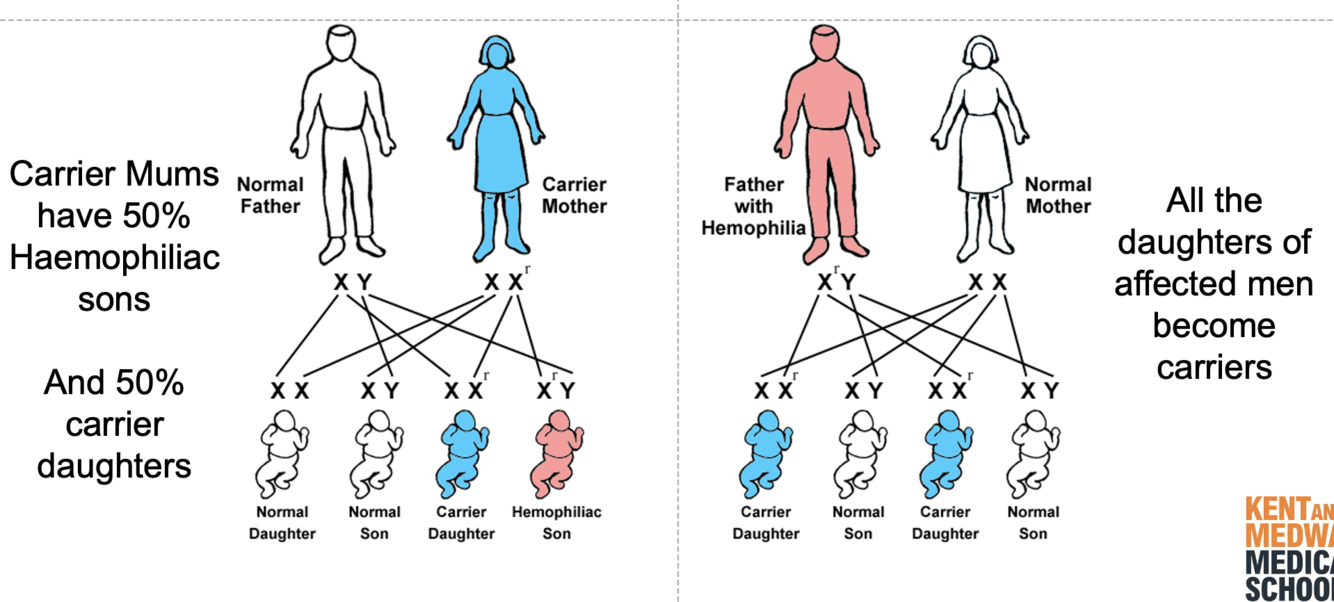
Are men and women equally affected by haemophilia?
- no
- women can only be carriers
- if men have one gene they have disease
- men cannot transmit disease
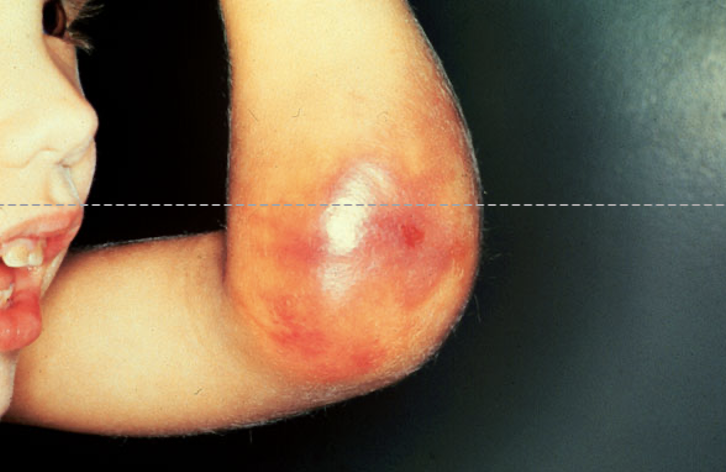
What are some of the common presenting symptoms of haemophilia?
- spontaneous bleeding into joints and muscles
- joint disease
- famility history 1:3 chance
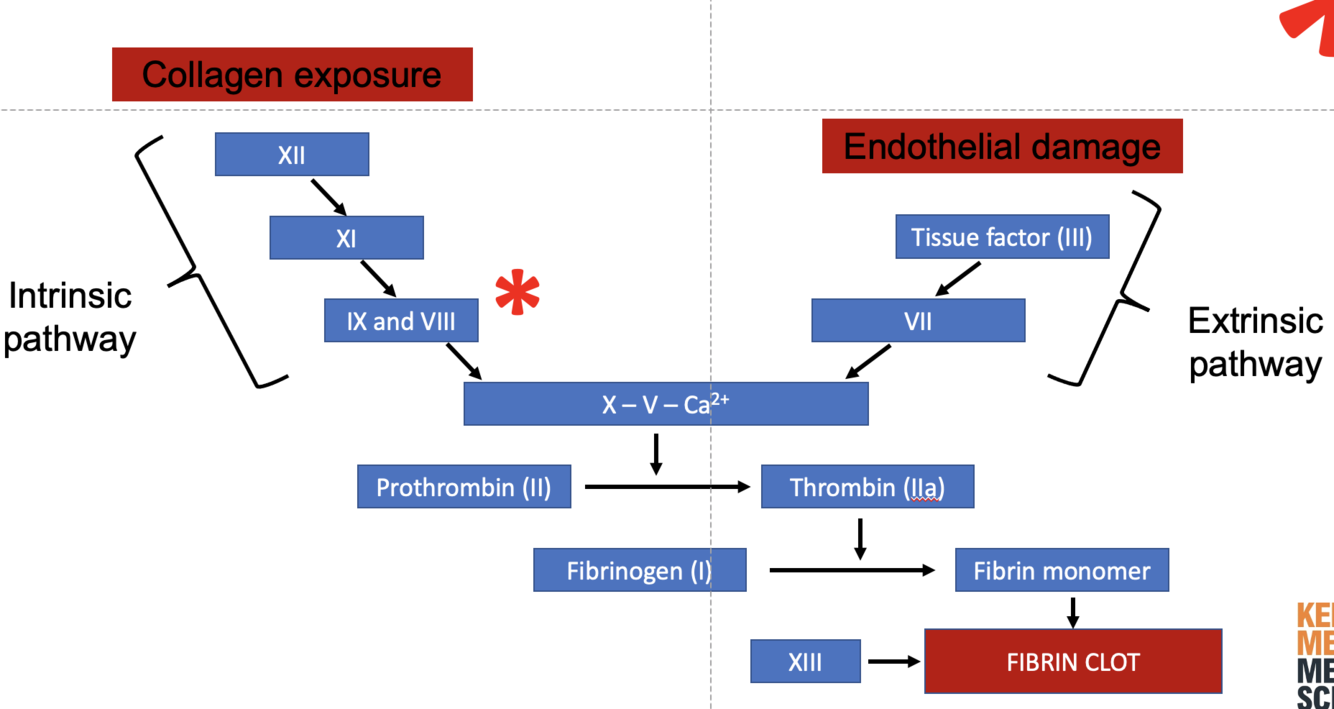
The activated partial thromboplastin time (APTT) is a test to determine clotting pathways. What aspects of the clotting cascade can the APTT test assess?
- intrinsic pathway
- used to assess heparin efficacy
The prothrombin time (PT) is a test to determine clotting pathways. What aspects of the clotting cascade can the PT test assess?
- extrinsic pathways
- important with epithelial surfaces due to tissue factor
- used to assess the efficacy of warfarin
What is does the international normalised ratio (INR) mean in clotting function?
- patients prothrombin time (PT) is compared with normal (PT)


-
Mediastinum: Superior, Anterior and Posterior76
-
Heart and Fundamentals of Cardiovascular System (Middle Mediastinum)66
-
Understanding the Physiology of the Cardiovascular System56
-
Drug Treatment for CV Disease Hypertension83
-
Blood Pressure - Physiology and Pathology81
-
Lipid Metabolism89
-
Atherogenesis69
-
Dyslipidaemias: diagnosis, pharmacotherapy and prevention83
-
Haemostasis88
-
Physiology of Normal White Blood Cells82
-
Blood Groups and Blood Transfusion72
-
Anatomy Definition Lists167
-
The Cardiac Cycle50
-
Anaemia70
-
Haematological Cancer64
-
Bleeding Disorders49
-
Venous Thromboembolism41
-
Pharmacotherapy of Haemostasis and Thrombosis37
-
Valvular Dysfunction71
-
Ischaemic Heart Disease62
-
Heart Failure51
-
Drug Treatment for IHD and HF32
-
Cardiac Rehabilitation38
-
Acute Coronary Syndrome and Sudden Death63
-
HLB Core Drugs300



