Corporate structures
- Mutual societies
- no dividends
- finance cannot readily be raised
- Proprietaries
- easy access to capital markets
- greater economics of scale
- more dynamic mangement
- Private companies
- smilar restrictions to raising capital as mutuals
- Close involvement of owners is a management advantage
Mitigating risk
- Avoiding
- Accepting and minimizing
- Sharing
- Transferring
Information asymmetry
- Anti-selection
- Moral hazard
Key roles of the state
- Provide benefits (e.g. retirement / medical care / unemployment)
- Educate or require education (about importance of providing for the future)
- Regulate to encourage or compel (benefit provision by or on behalf of population, e.g. by tax breaks)
- Regulate bodies providing benefits to ensure security for promises made
Funding level of a defined benefit scheme
Value of assets / Value of liabilities
Types of pension schemes
- Defined benefit scheme
- Defined contribution scheme
- Defined ambition scheme
- Risks are share between the different parties involved
Types of pension scheme members
- Actives
- Still earning future benefits
- Deferrred member
- stopped earning future benefits but have existing benefit entitlement
- Current pensioneers
Provider of pensions
- Occupations schemes
- offered by employers to their employees
- Personal pension plans or arrangements
- purchased from an insurance company by an individual
Regulatory regimes
- Unregulated markets
- Voluntary odes of conduct
- Self-regulation
- No government intervention
- Implemented by people with greatest knowledge
- Respond rapidly to chcanges in market needs
- Closeness of regulator to industry
- regulator may accept industry’s point of view and not consumer
- inhibit entrants to the market
- Statutory regulation
Forms of regulation
- Prescriptive
- Freedom of action
- rules on publicity
- Outcome-based
- Freedom of action, but prescribe outcome that will be tolerated
Maintaining confidence
- Capital adequacy
- Competence and integrity
- Require professional qualifications
- Prevent an individual working in a particular industry if they are not deemed a “fit and proper” person
- Compensation scheme
- Other protection for investors
- Ensure that the market is transparent, orderly and provides proper protection to investors
- Stock exchange requirements
- Fulfill specificed obligations for the disclosure of financial and other information
Dealing with information asymmetry
- Disclosure and education
- Remove conflict of interest
- restrict to publily available information
- Chinese walls
- Negotiation / Price controls
- Maximum commission rates
- fee basis instead of commission
- max premium rates / management charges
- Remove unfair features of insurance contracts
Reasons for need of regulation
- Confidence
- Information asymmetry
Aims of regulation
- Correct perceived market inefficiencies
- Protect consumers of financial products
- Maintain confidence in the financial system
- Help reduce financial crime
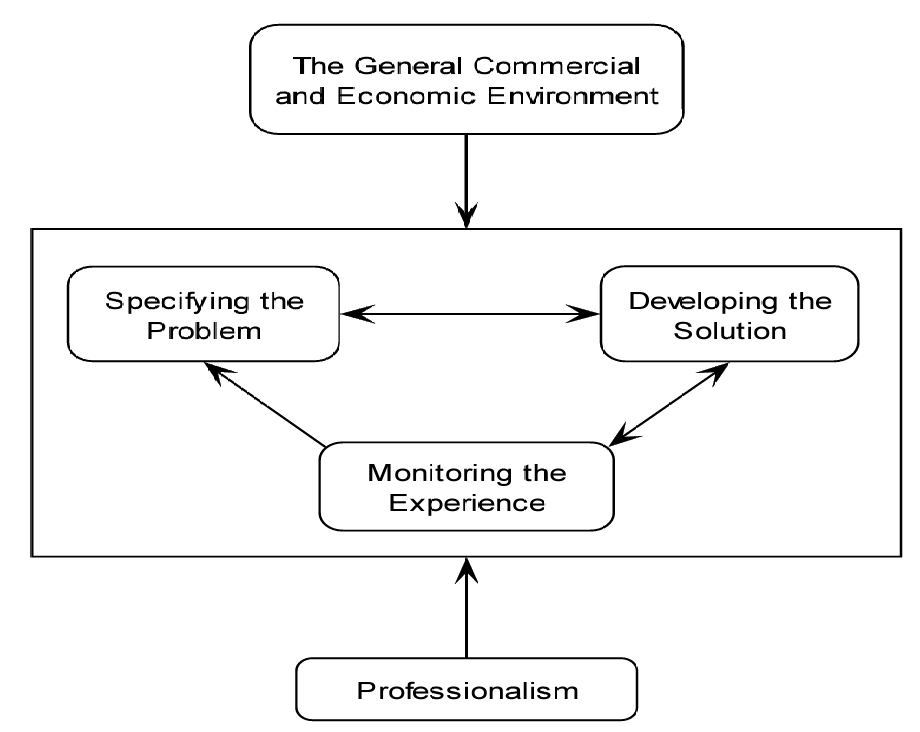
Actuarial controll cycle (ACC)
Underwriting
a process used by the (life) insurer to decide the level of risk posed by a potential policyholder. As a result of underwriting, the policyholder may be charged a higher than standard premium, given a lower than standard benefit, or even declined insurance.
With-profit: Factors when setting level of bonus
- Smooth benefits (keep back profits in good years to help in bad years)
- Policyholder expactations (e.g. based on past bonus distributions)
- Competitors (looking at what competitors are doing)
- Regulatory limits (adhering to regulatory limits on payout)
Pure endowment and endowment assurance: Customer needs
- Means of transferring wealth from parents to children (guarantee that substantial wealth transfer will be made, even in the case of death)
- Sometimes used as a means of repaying the capital on a loan
- Saving money for retirement
Whole life assurance: Customer needs
- Provide for funeral expenses
- Meeting liability to tax on the death (e.g. inheritance tax or death duties)
- Generally providing long-term protection to dependents
Term assurance: Customer needs
- Providing protection against financial loss for the assured’s dependants
- Decreasing term assurance to repay balance outstanding under a loan
- Where the policyholder is a corporate body or partnership, provide p_rotection against the financial loss that might arise on the death of a key person_ within the organisation
Convertible or renewable term assurance: Customer needs
- Combine attractions of a term assurance (cheap death cover) with the certainty of being able either to convert to a a permanent form of contract, or to renew the original contract without health evidence being provided
Income drawdown: Customer needs
- Should the member die before having to secure an annuity, the member’s heirs can inherit the balcance of the funds
Income drawdown: Risks
- If only the income earned on the fund is taken, income could be volatile
- If too high a level of income is taken the capital could reduce to zero before the member dies
- Charges taken in relation to administering the arrangement may be high
- Remaining fund on the member’s death may be insufficient to provide adequate benefits for a dependant
- May be tax charge on the residual fund on the member’s death
Rating factor
A factor used to determine the premium rate for a policy, which is measurable in an objective way and relates to the likelihood and/or severity of the risk. It must, therefore, be a risk factor or a proxy for a risk factor of risk factors.






