1.2 million people in the UK have Asthma in 2019
a. Incidence
b. Prevalence
b. Prevalence
(the bathtub)
760,000 new cases of Asthma were diagnosed annually
a. incidence
b. prevalence
a. incidence
(coming out of the tap)
Symptoms
a manifestation of the disease apparent to the patient themselves
Signs
a manifestation of the disease that the physican perceives (more objective)
Symptoms of COPD
- Cough productive of sputum
- Dyspnoea
- Wheeeze
- Progressive* and not fully reversible
Risk factors for COPD
- smoking
- pollution
- occupational exposures
- genetics (aplha 1 antitrypsin deficiency)
- poor lung growth in childhood
Complications of COPD
- Cor pulmonale (Right sided HF)
- Type 2 respiratory failure
- Secondary Polycythaemia
Type 2 respiratory failure
complication of COPD
*HYPOXIA with HYPERCAPNIA
* Respiratory system cannot remove Carbon Dioxoide
* Increased resistance to breathing (COPD, Asthma)
* Area of lung not available for gas exchange (COPD - emphysema)
Type 1 Respiratory failure
- Hypoxia WITHOUT hypercapnia
- Respiratory system cannot adequetely supply oxygen to the body
what type of respiratory failure is COPD associated with
Type 2
Hypoxia WITH hypercapnia
Polycythaemia is a complication of COPD
a. true
b. false
a. True
Having a high concentration of RBCs - makes the blood thicker and less able to travel through the organs
Non-drug treatments for COPD
- Smoking cessation
- Pulmonary rehabilitation (MDT)
- Dietition
- Pychological
- Vaccinations (pnrumococcal vaccine and influenza)
What vaccinations should patients with COPD be offered?
- Pneumococcal
- Influenza (flu)
How does smoking damage healthy lungs
Toxins are engulfed by inflammatory cells which release elastase in response to infection/cigarette smoke
Elastase damages healthy lungs
A rare inherited cause of emphysema
Alpha 1 anti- trysin enzyne deficiency
What happens in Alpha 1 anti- trysin enzyne deficiency
- Early onset of COPD/emphysema <45 years
- Alpha-1-trypsin is a anti-elastase (elastase inhibitor) which limits the damage caused by activated inflammatory cells releasing elastase
- When absent/low - alveolar damage and emphysema
When would you suspect someone to have alpha-1-trysin deficiency as cause of COPD
- very young with COPD features
- non-smoker
- Basal predominance to emphysema
- Liver fibrosis or cirrhosis
Chronic bronchitis is defined as
having a cough productive of sputum in at least 3 months
in 2 consecutive years
what chest wall deformity is associated with COPD
due to hyperinflation of the chest
“barrel chest”
the anterior/posterior distance is larger than expected
what objective signs might you discover on examination of COPD patient
- Chest wall deformities (barrel)
- Pursed lip breathing (trying to increase expiratory pressure)
- Cyanosis (tongue, lips, peripherals) - hypoxia
- Raised JVP (later , right HF)
- peripheral oedema
- Cachexia - severe weight loss
- Expiratory whistling
Modified medical research councils (mMRC)
breathlessness scale
0-4
0= strenous exercise
1 = hurrying on level/slight hills
2 = walking slow, stopping
3 = few mins or 100m
4 = dressing/undressing
Pulmonary Acinus refers to
gas exchange tissue of the lung (everything distal to the terminal bronchiole)
(Respiratory bronchioles, alveolar ducts, sacs)
Centriacinar emphysema
- Loss of tissue is concentrated in CENTRE of acinus
- affects upper lobes in both lungs (apical)
- associated with smoking/COPD - smoking inhalation damages the top of the lungs
Panacinar emphysema
- Lower lobes/zones
- Takes out Large AREAs (all of the acinus is wiped out/not just the centre)
- Associated with Alpha -1- trysin deficiency -> basal predominance/or heavy smokers
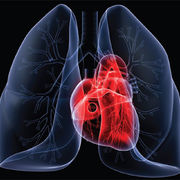
-
Respiratory physiology 1.1/1.266
-
2.0 respiratory lectures61
-
3.0 respiratory lectures55
-
3.3 respiratory lectures45
-
4.0 respiratory lectures138
-
Week 4 : Lung Cancer131
-
CVS 1.1. 1.2101
-
CVS 2.1, 2.1104
-
Week 2: COPD40
-
Week 2: Asthma63
-
CVS Cardiac Cycle56
-
CVS 5.0: SV and HR114
-
ECG questions62
-
CVS week 2150
-
Hypertension104
-
Atheroma (Atherosclerosis)50
-
Stable Angina50
-
CVS week 298
-
CVS physiology90
-
Thrombus/embolism19
-
Acute coronary syndromes46
-
Rheumatic HD, Stroke, Anuerysms77
-
Week 3 CVS85
-
Week 3 continued94
-
CVS71
-
week 4 (HF and arrythmias)81
-
CVS pharamacology5
-
Week 4 CVS , HF , congestion, oedema66
-
Respiratory ADDITIONAL45
-
CVS ADDITIONAL2
-
COPD57
-
Respiratory WEEK 263
-
Respiratory WEEK 365
-
Respiratory week 3 tbc77
-
Week 3 respiratory57
-
pleural disease WEEK 493
-
Respiratory WEEK 566
-
Week 5 respiratory46
-
Week 5 respiratory93
-
Week 3 CVS87
-
Week 4 CVS87
-
week 4 CVS - heart failure107
-
week 5 CVS61
-
Week 553
-
week 5 CVS99
-
CVS meds23
-
physiology CV68
-
last minute44
-
Week 5 questions32
-
extra40
-
Congenital67
-
last minte14



