CXR
Densities
Photons shot at a receptor.
Things that absorb more photons appear more opaque.
From most to least radiopaque:
- Metal
- Bone
- Soft tissue
- Fat
- Lung
- Air
PA View
Beam coming from the posterior and going to the anterior.
Heart size is the most accurate.
AP View
Beam coming from anterior and going posterior.
For patients unable to stand for CXR.
Heart appears bigger b/c closer to the beam.
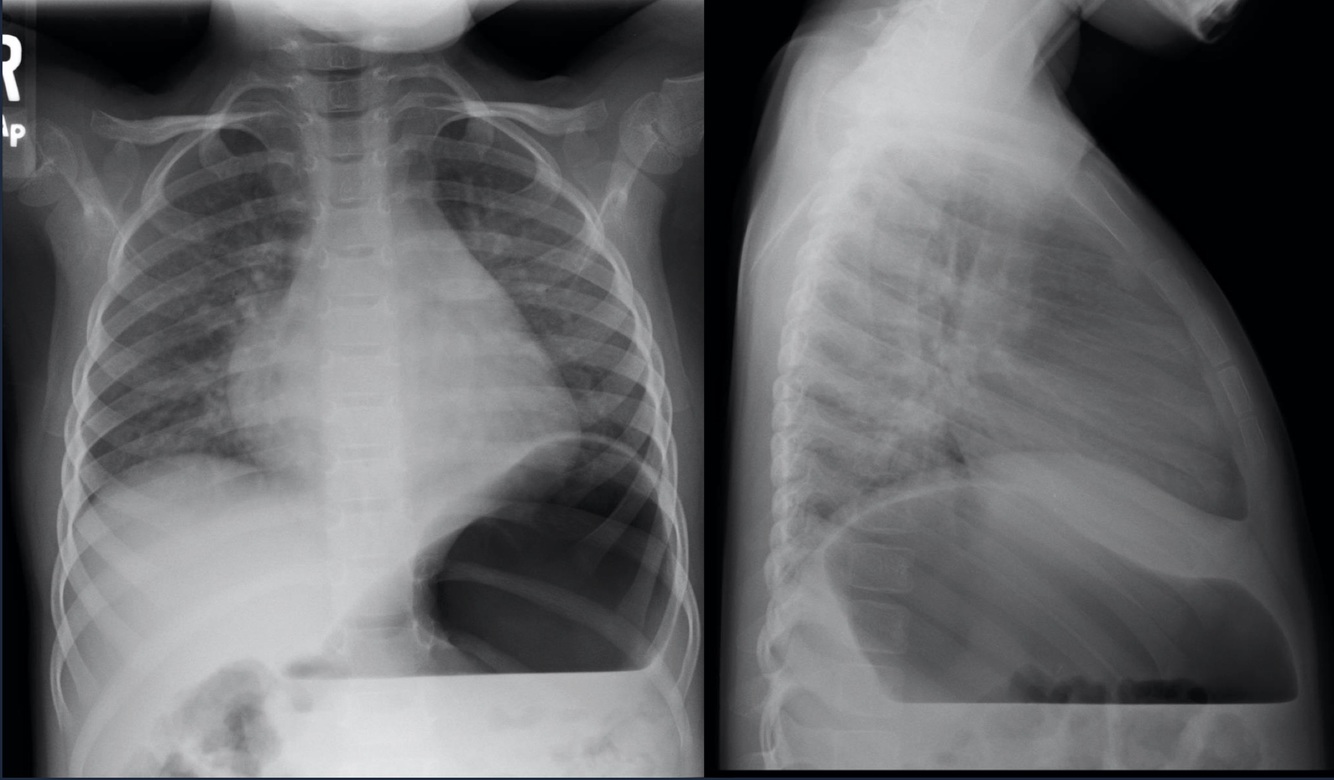
Lateral View
By convention, beam on the right, detector on the left.
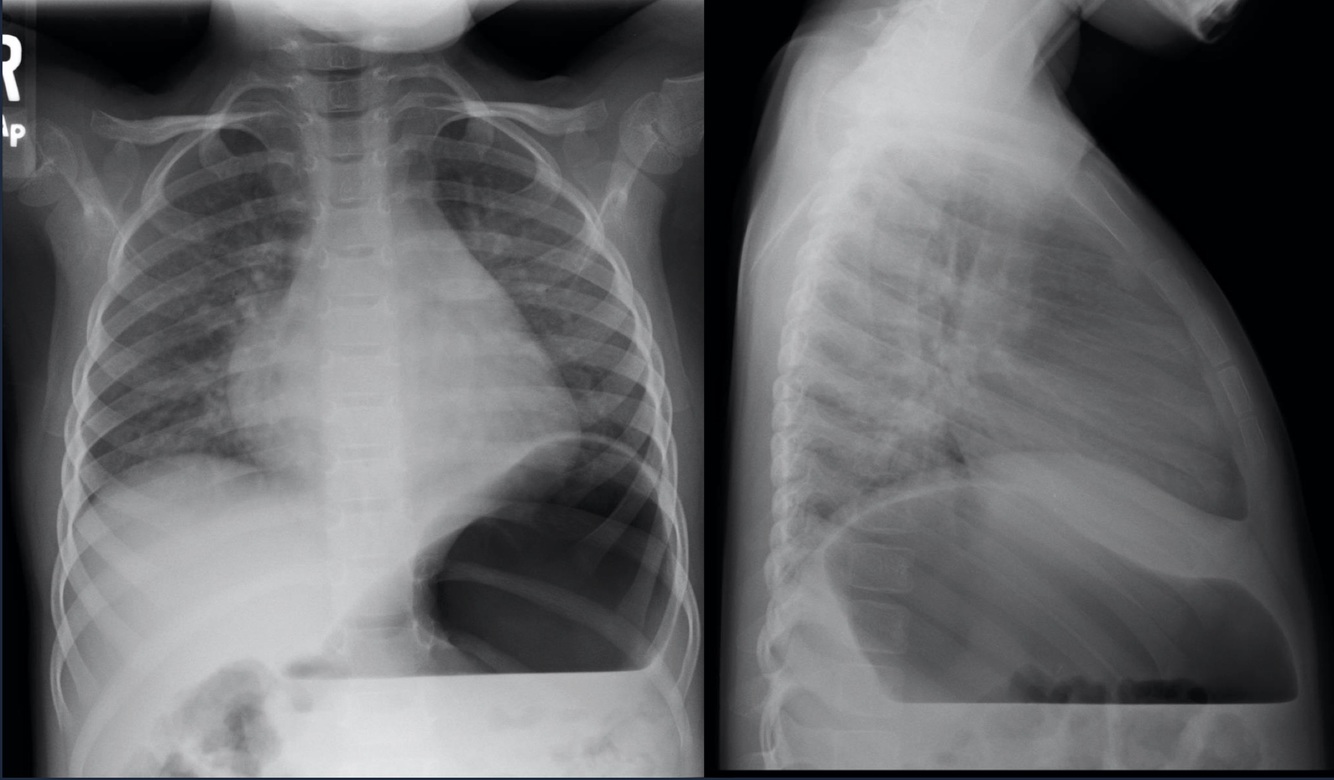
CXR
Reading Checklist
Which view i.e. PA, AP, lateral?
Develop a systematic search pattern and always look at every CXR in the same way.
Do not stop at the first abnormality found.
- Lungs
- Trachea & right paratracheal stripe
- Pleural margins
- Cardiomediastinal silhouette
- Hila
- Pulmonary vasculature
- Diaphragm
- Costophrenic sulci
- Abdomen
- Bones
- Soft tissues of chest wall and neck
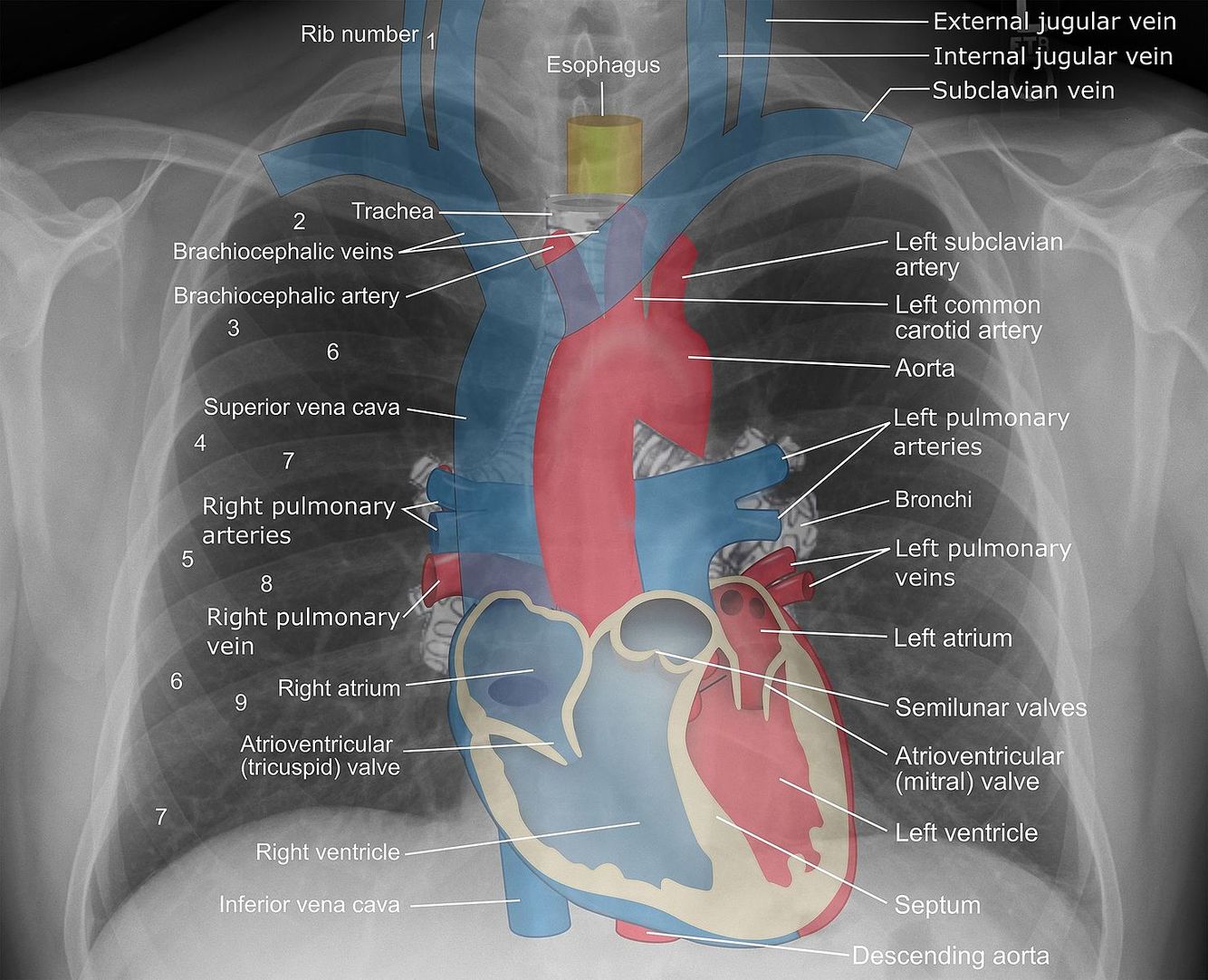
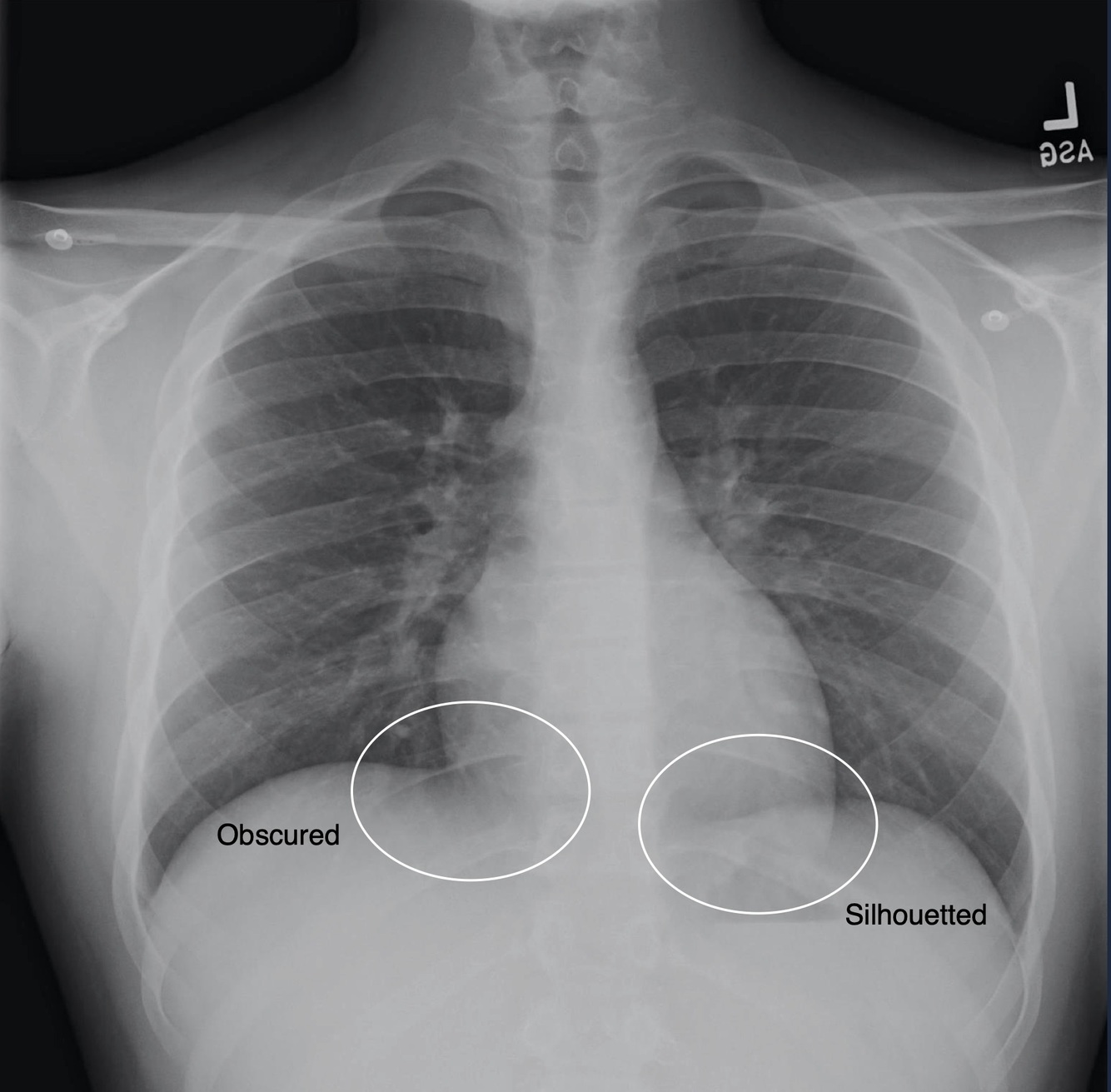
Obscured Margin
When two soft tissue densities lie in apposition, their borders will become indistinguishable or obscured.
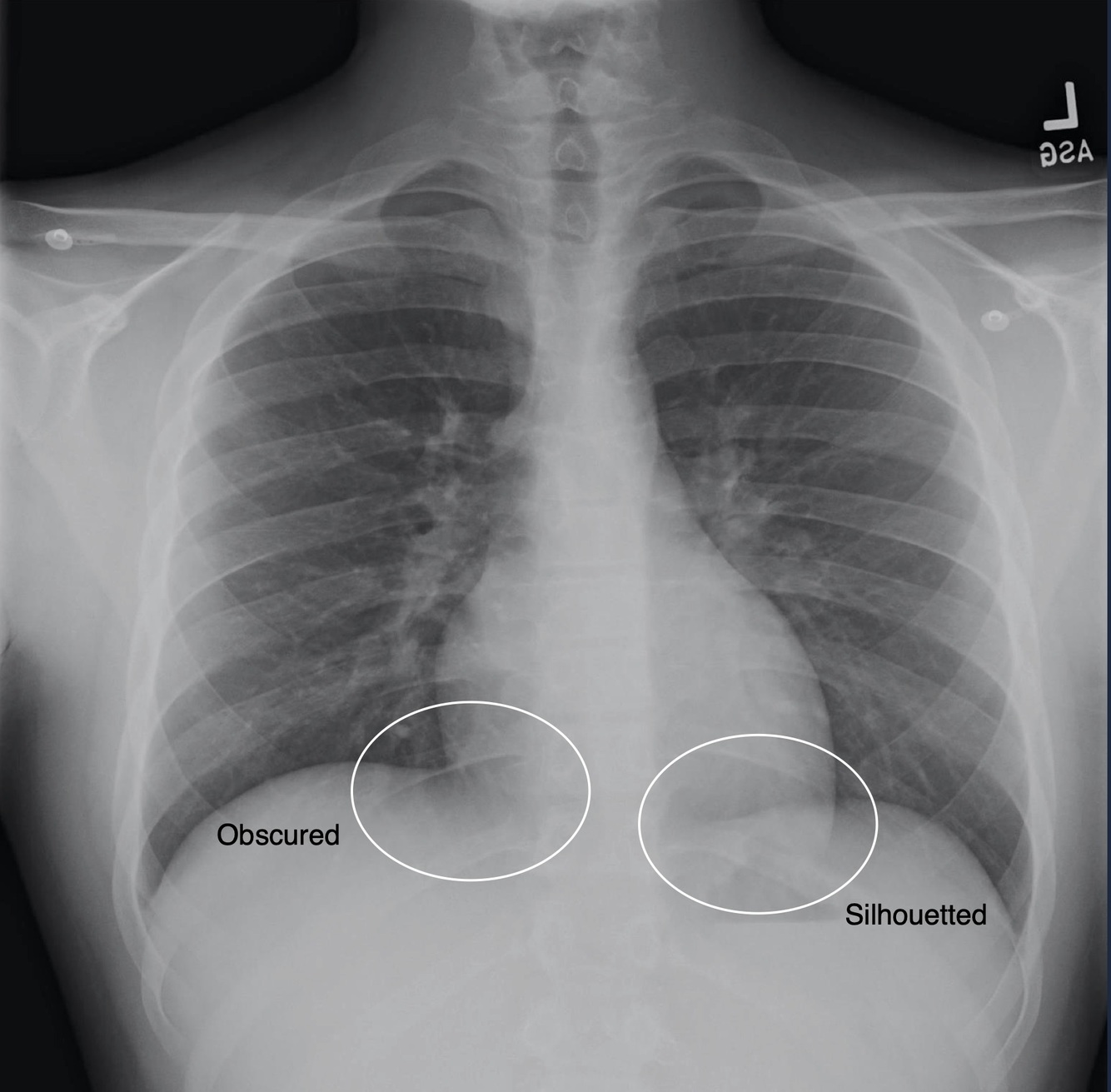
Silhouette Sign
When two soft tissue densities overlap in an image but are seperated by air, their borders will still be visible.
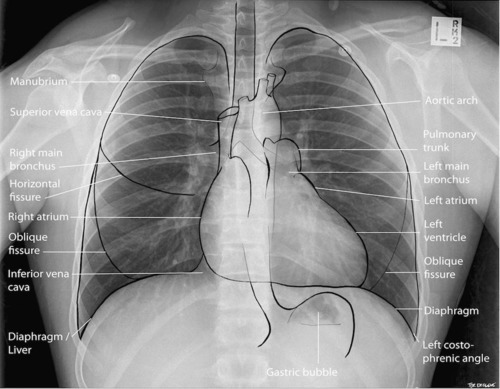
Lung Anatomy
- Right lung
- 3 lobes ⇒ upper, middle, lower
- 2 fissures ⇒ oblique “major” fissure, horizontal “minor” fissure
- Minor fissure can be seen on PA/AP view if there is an abnormality
- Left lung
- 2 lobes ⇒ upper and lower
- 1 fissure ⇒ oblique “major” fissure
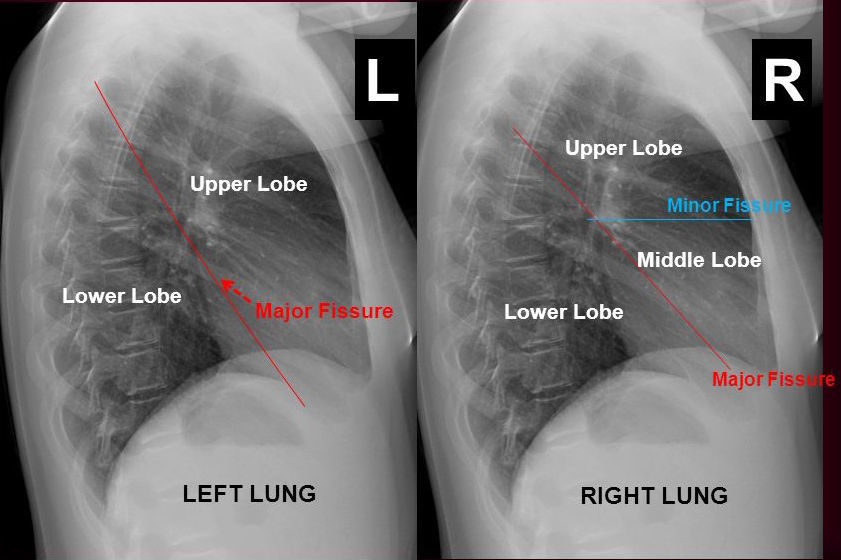
Pulmonary Fissures
Lateral View
Can see b/l oblique fissures and horizontal fissure on the right.
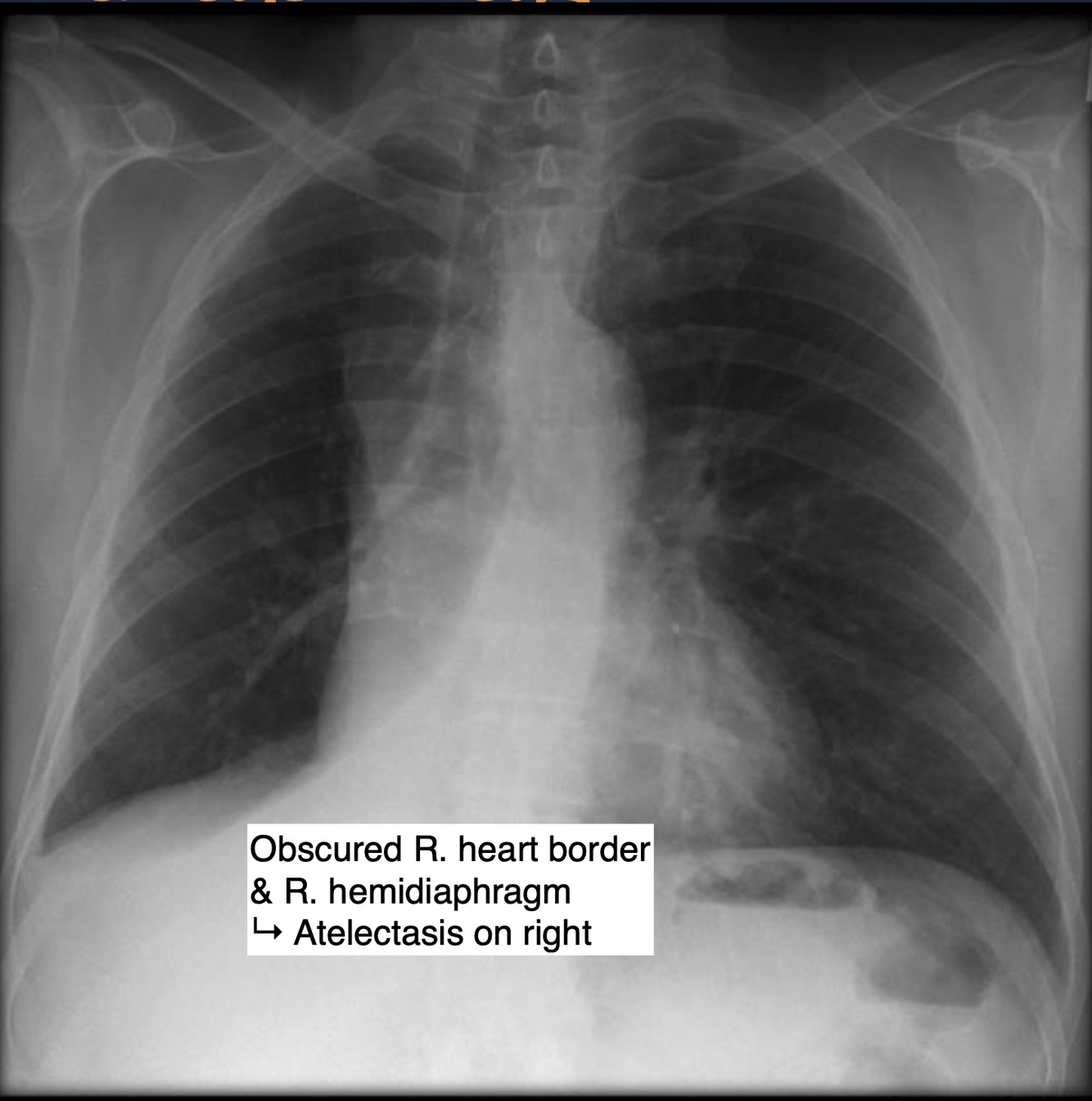
Atelectasis
Definition
Collapse of alveoli.
- Can affect part of all of a lung
- Lobar
- Segmental
- Sub-segmental
Atelectasis
Causes
- Asthma
- Mucous plugging
- FB aspiration
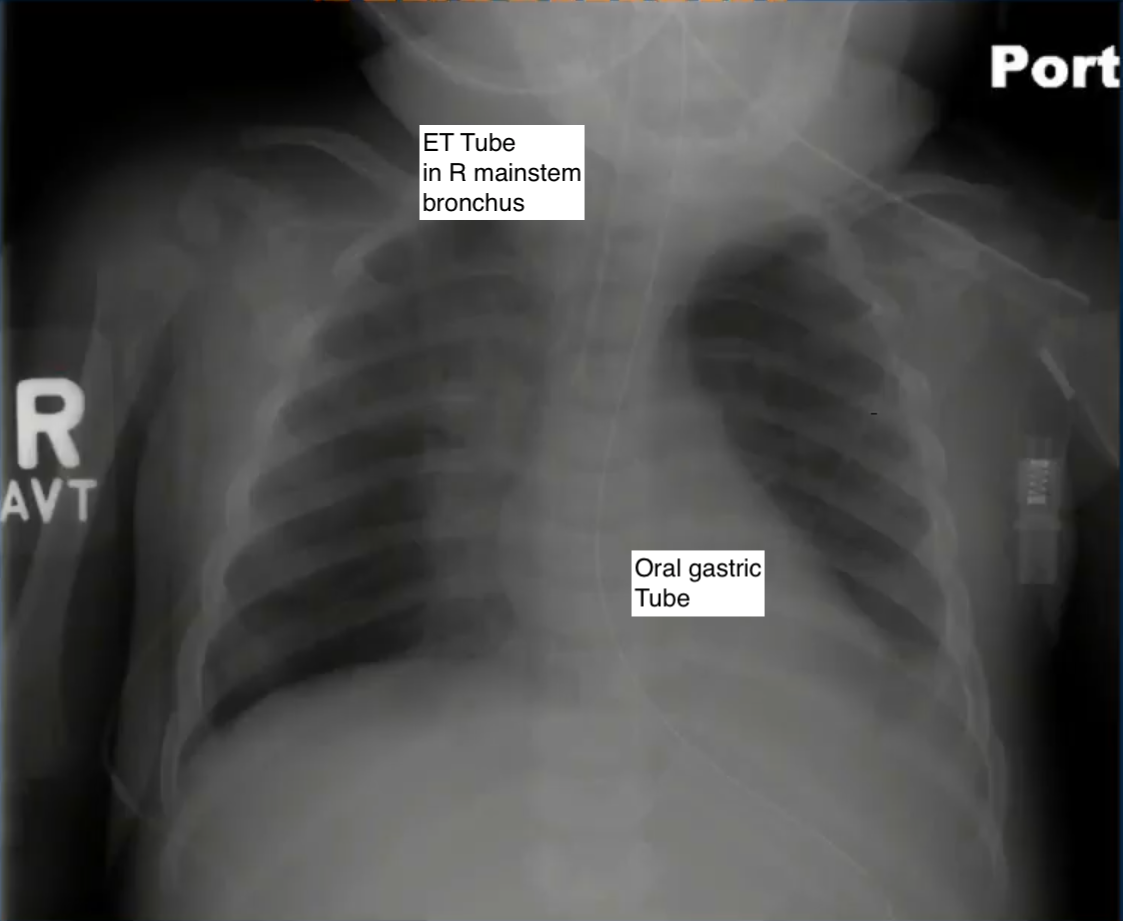
- Iatrogenic ⇒ ETT inserted into one mainstem bronchus, collapsing the other
- Obstructive lesions ⇒ ex. carcinoma
- Compression from concomitant pleural effusion
Lobar Atelectasis
Radiological sign ⇒ volume loss
- Shift of fissures
- Hemi-diaphragm elevation
- Compensatory hyperinflation of other lobes
Pneumonia
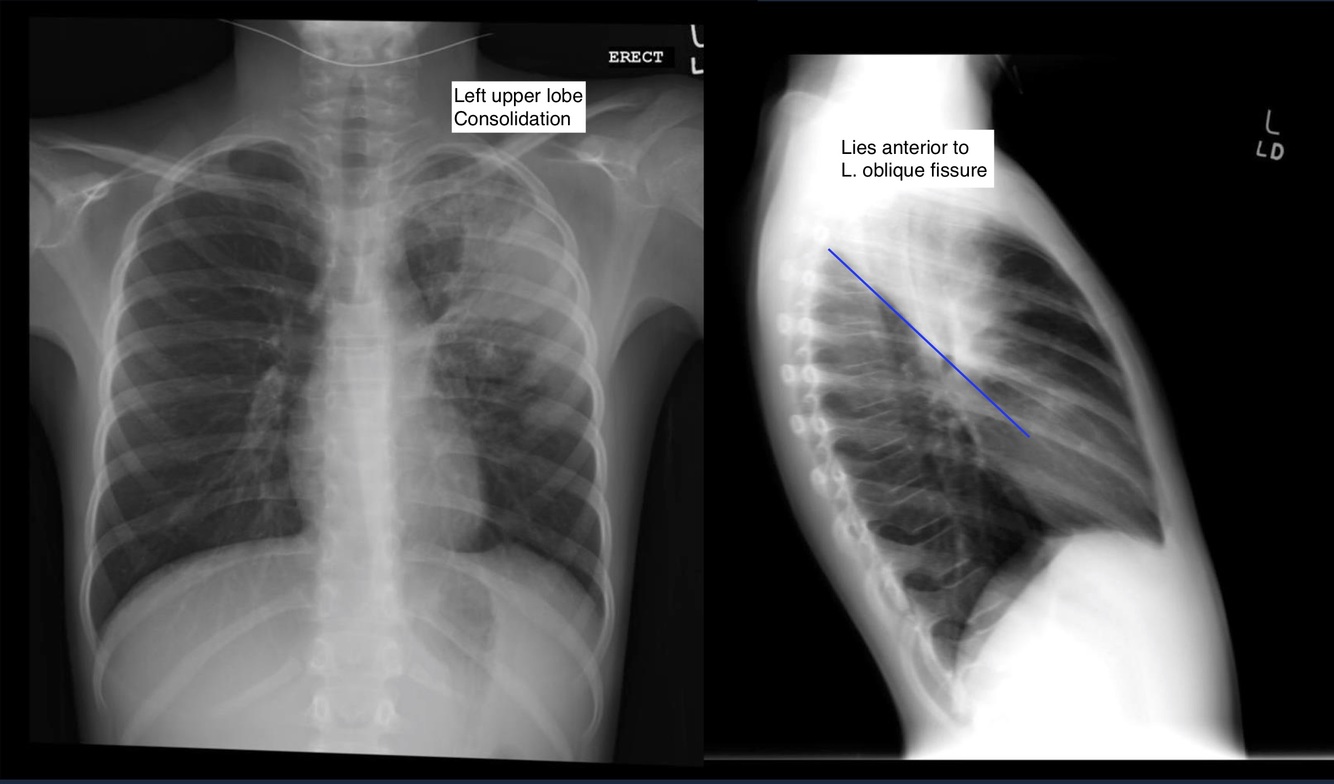
Infection of the lung with pus in the alveoli or interstitium.
- Types:
- Lobar PNA
- Interstitial PNA
- Associated with inflammation of the lung parenchyma
- Bacterial ⇒ alveolar (lobar) consolidation ± pleural effusions
- Viral ⇒ increased interstitial markings
- Radiographic improvement lags behind clinical improvement
- F/U CXR in 6 weeks if patient clinically improving
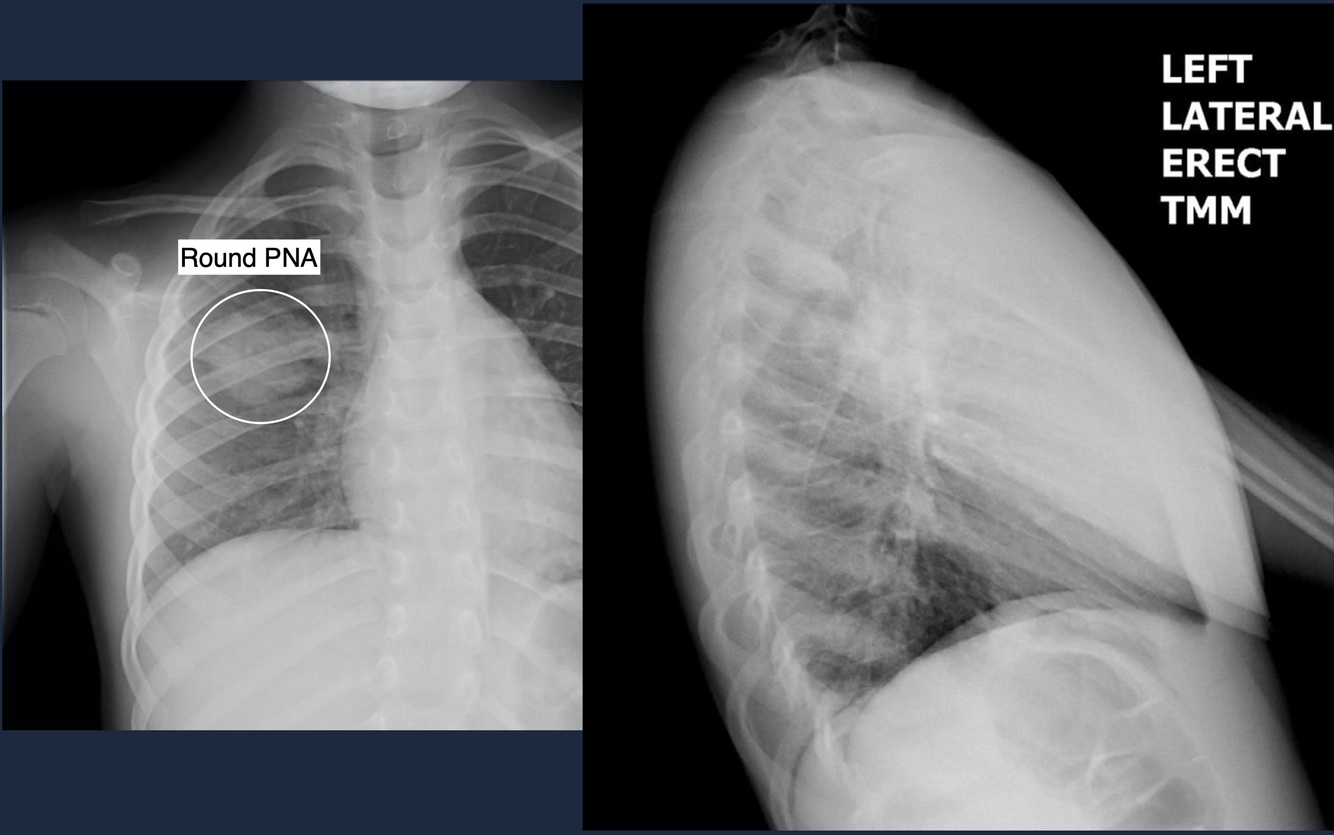
Round Pneumonia
- Typically seen in kids
- Likely due to absence of collateral air-communicating pathways ⇒ pores of Kohn, canals of Lambert
- Limits spread of infection
Complications of PNA
- Pleural effusion
- Empyema
- Abscess
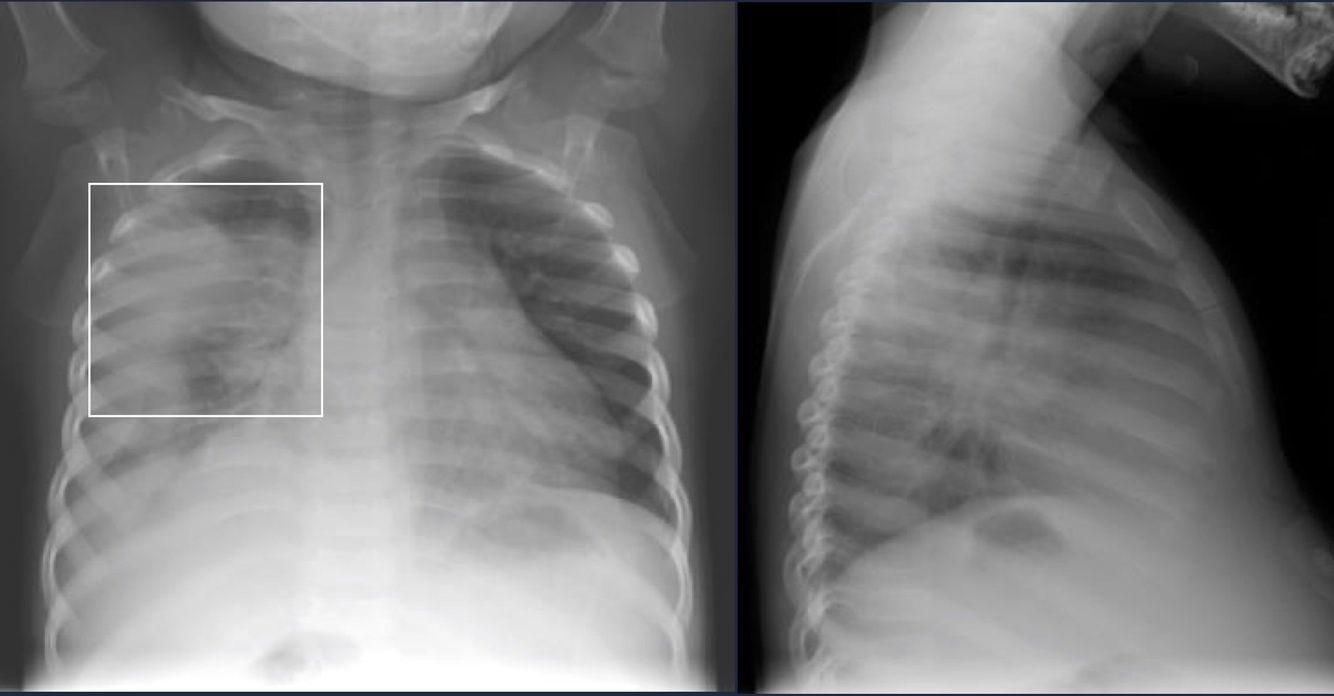
Complicated PNA
Work-up
Typically requires cross-sectional imaging:
Ultrasound or CT
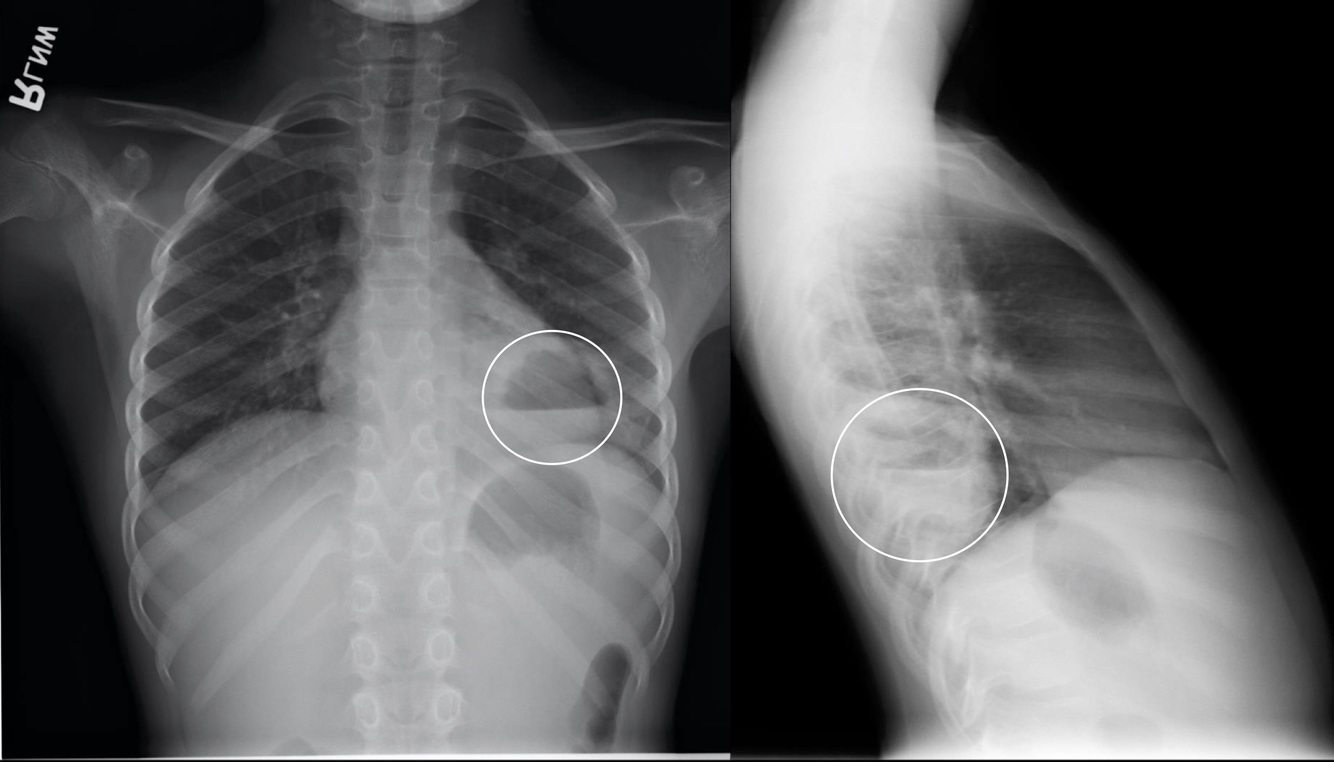
Lung Abscess
Collection of pus in the lung.
- Factors associated with higher mortality
- Abscesses > 4 cm
- Nosocomial infections
- Abx resistant strains
- Predisposing conditions:
- Aspiration
- Intubation
- Bronchiectasis
- Bronchial obstruction
- Hematogenous spread
- Immunocompromised
Trachea
Normally found in the midline.
Abnormalities:
Tube placement
Tension pneumothorax
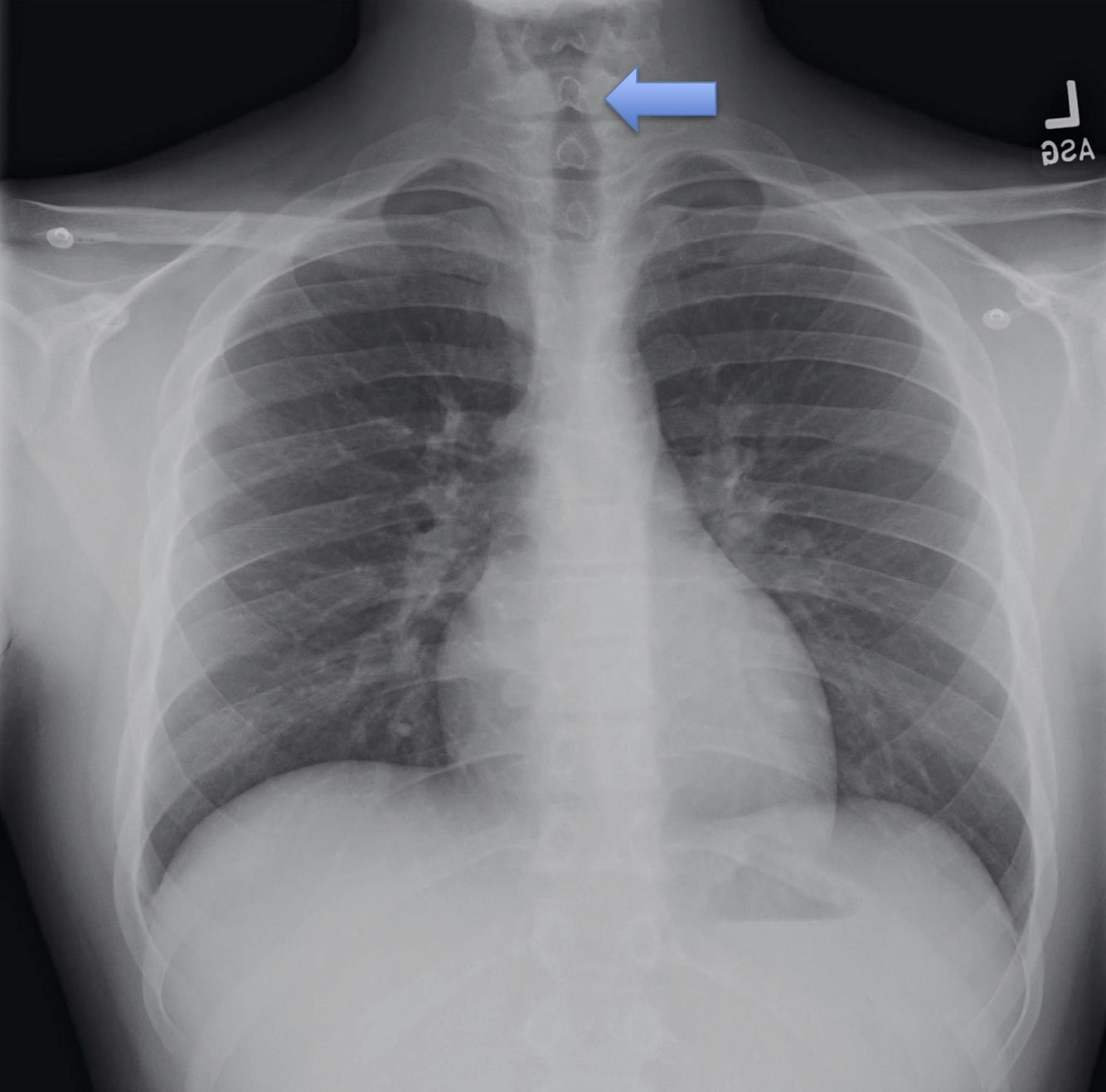
Trachea
Lateral View
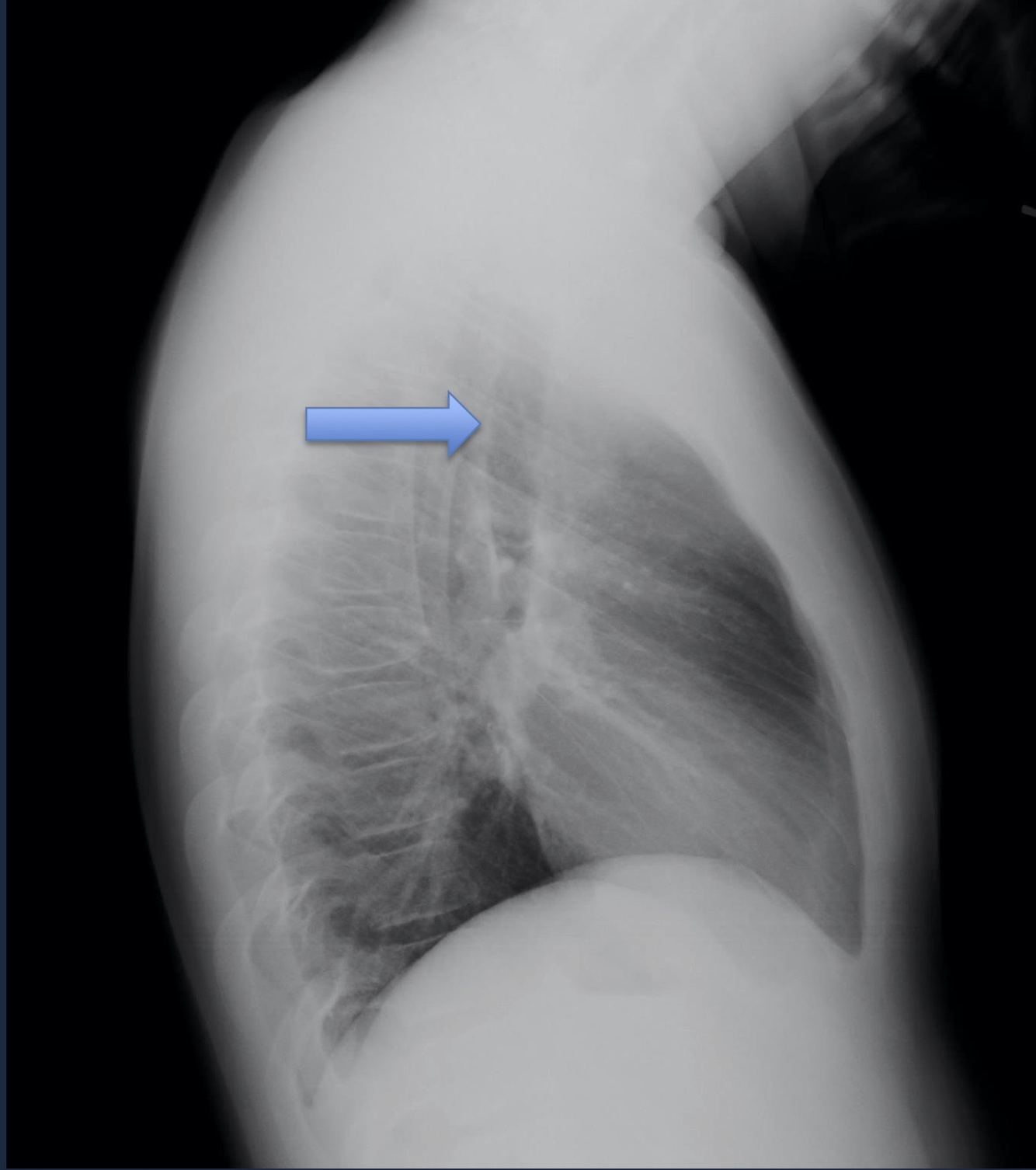
Trachea
Tube Placement
Pneumothorax
Air trapped within the pleural cavity.
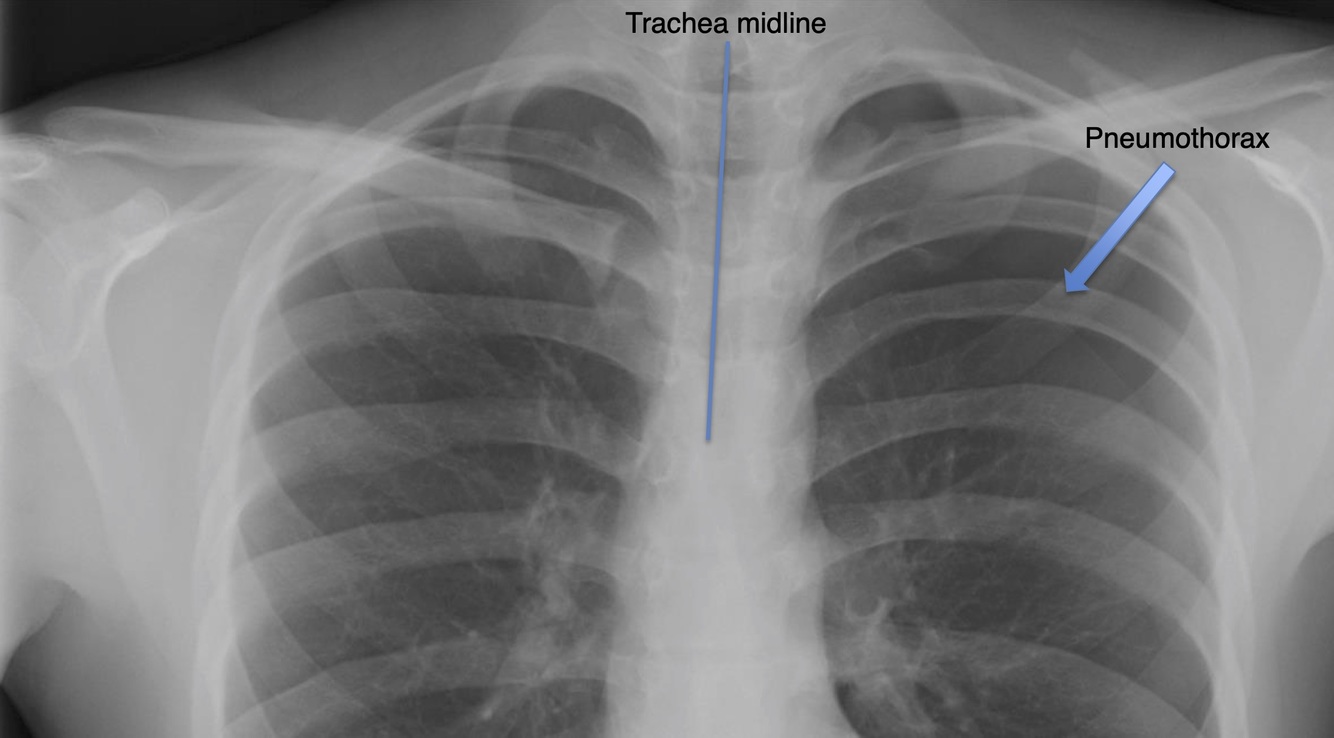
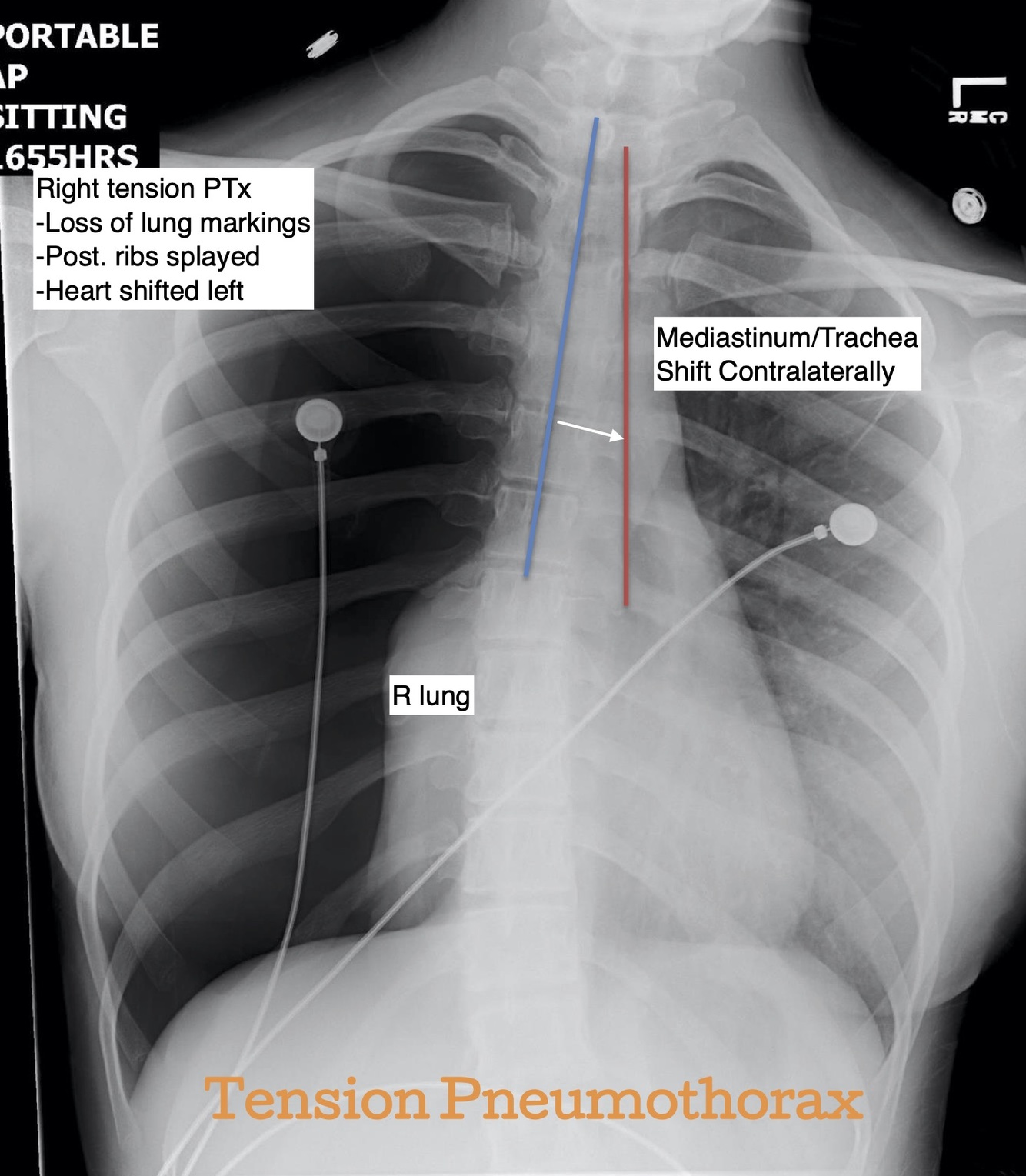
Tension Pneumothorax
Signs of tension PTx:
- Depressed/inverted hemidiaphragm
- Contralateral shift of mediastinum and trachea
- Expansion of spaces between ribs
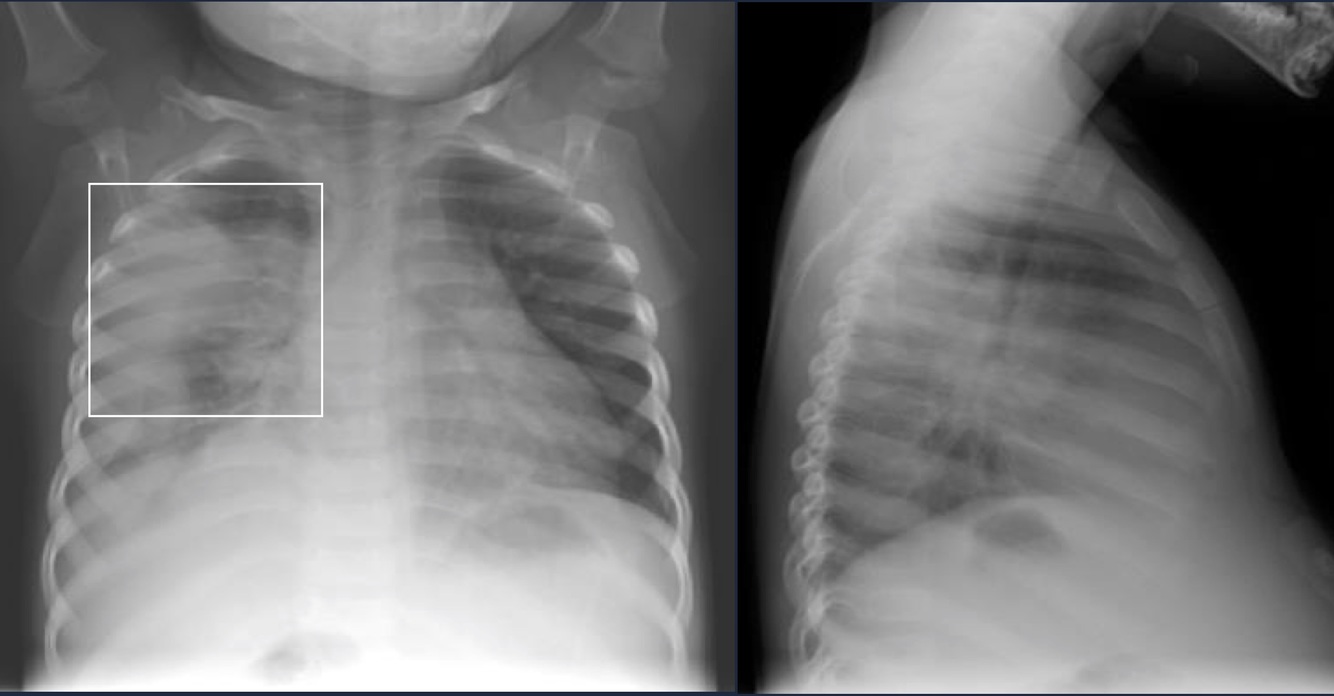
Pleural Effusion
Fluid within the pleural cavity.
CXR: Complicated PNA with pleural involvement.
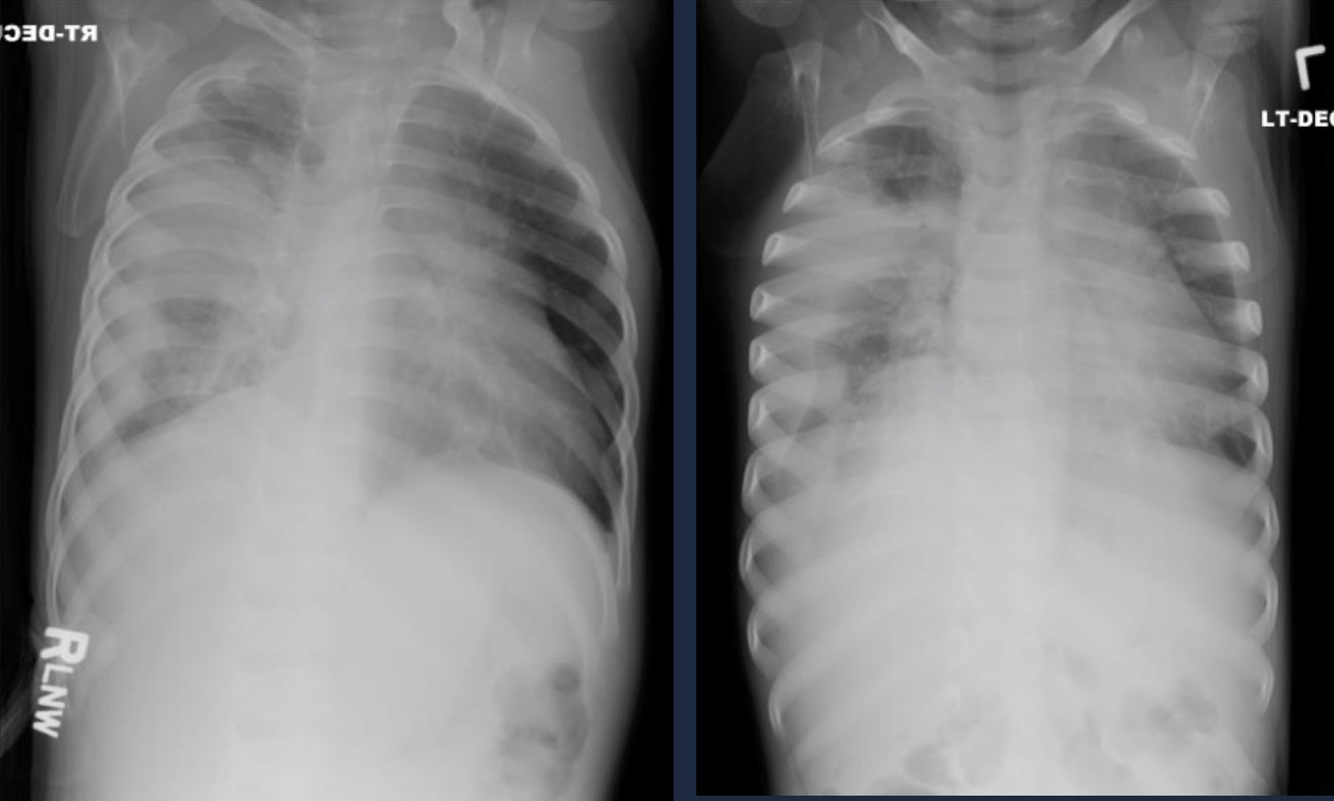
Empyema
Pus within the pleural cavity.
- Usually arises from PNA w/ associated parapneumonic effusions.
- 3 stages:
- Exudative
- Fibropurulent
- Organizing
- Usual organism ⇒ Strep. pneumoniae
- To evaluate using CXR:
- Take left and right lateral views
- If there is no shifting i.e. looks about the same ⇒ likely stuck and empyema


-
Pulmonary Physiology Review112
-
Pulmonary Signs and Symptoms48
-
Gas Exchange32
-
Pulmonary Mechanics and PFTs42
-
CXR32
-
Asthma44
-
COPD50
-
CF, Bronchiectasis, and OSA27
-
Respiratory Pharmacology34
-
Pulmonary HTN12
-
Pulmonary Embolism31
-
Upper Respiratory Treact Infections56
-
Antimicrobial Vaccines48
-
Viral Respiratory Pathogens100
-
Antivirals42
-
Mycobacteria, Other AFB, Antimycotic Agents82
-
Respiratory Fungi47
-
Antifungals50
-
Bacterial Pneumonia68
-
Pulmonary Infection Pathology26
-
Clinical Approach to Pneumonia25
-
Protein Synthesis Inhibitors50
-
Pulmonary Tumors47
-
Deep Space Neck Infections15
-
Parenchymal Lung Diseases and Sarcoidosis78
-
Pleural Disease32
-
Shock Pathophysiology22
-
Sepsis and ARDS25



