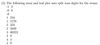
_________ ___________ involves the organization and __________ of data sets using _____, ______ and ___ ______ calculated from the ____ ___.
Descriptive statistics involves the organization and description of data sets using tables, charts and key numbers calculated from the data set.
Descriptive statistics can be done for both _______ data and __________ data
Descriptive statistics can be done for both sample data and population data
Descriptive statistics can be done for both sample data and population data, although some definitions. Some definitions (like the _______ _________) depend on whether you are dealing with _______ data or _________ data.
Descriptive statistics can be done for both sample data and population data, although some definitions. Some definitions (like the standard deviation) depend on whether you are dealing with sample data or population data.
It is important to _________ the data you are describing, because different types of data require different __________ statistics:
It is important to classify the data you are describing, because different types of data require different descriptive statistics:
___________ or __________ Data
- __________ data is non-numerical data (for example, eye color of each Metro State student). We use ___ charts and ___ charts to graph distributions of _________ data
Categorical or Qualitative Data
- Categorical data is non-numerical data (for example, eye color of each Metro State student). We use pie charts and bar charts to graph distributions of categorical data
______ ____
- is numerical data whose possible values can be ________ (for example, the number of siblings of each Metro State student). We use histograms with midpoint labels to graph ________ _____.
is numerical data whose possible values can be counted (for example, the number of siblings of each Metro State student). We use histograms with midpoint labels to graph discrete data.
Continuous Data
- is numerical data that can take ___ _______ in a __________ range of numbers (for example, the height in mm of a Metro State student). We use histograms with ___ points to describe _________ data
- is numerical data that can take any value in a continuous range of numbers (for example, the height in mm of a Metro State student). We use histograms with cut points to describe continuous data
- *Standard deviation**
- A _________ measure of how much scores vary around the ____ score.
- The _______ of a value in a _________ (or sample) from the _____ value of the population (or sample).
- A measure of _________ that describes an ________ distance of every score from the mean.
- The square root of the _________.
- a computation of how much scores vary around a ____
- Used to measure ________ of a data set. It is calculated as the square root of the _______ of a set of ___,
Standard deviation
- A computed measure of how much scores vary around the mean score.
- The distance of a value in a population (or sample) from the mean value of the population (or sample).
- A measure of variability that describes an average distance of every score from the mean.
- The square root of the variance.
- a computation of how much scores vary around a mean
- Used to measure variability of a data set. It is calculated as the square root of the variance of a set of data,
Mean
- A measure of ______ in a set of _______ data, computed by ______ the values in a list and then _______ by the number of values in the list.
- The arithmetic average of a ________, obtained by ______ the scores and then _______ by the number of scores.
- The _______ or central value of a set of _______.
- Average
- A measure of center in a set of numerical data, computed by adding the values in a list and then dividing by the number of values in the list.
- The arithmetic average of a distribution, obtained by adding the scores and then dividing by the number of scores.
- The average or central value of a set of quantities.
frequency distribution
-
a chart or array of scores, usually arranged from _______ to _______, showing the number of _________ for each score
-
A summary chart, showing how ________ each of the various scores in a set of data _____
-
a ___________ of observed __________ of occurrence of the values of a variable
-
an orderly __________ of scores indicating the frequency of each score or group of scores
-
Listing of data values along with their __________ frequencies.
-
A table that contains data about how ____ certain scores occur or how many subjects fit into each _______ that is so often used for _______ data.
-
a chart or array of scores, usually arranged from highest to lowest, showing the number of instances for each score
-
A summary chart, showing how frequently each of the various scores in a set of data occurs
-
a distribution of observed frequencies of occurrence of the values of a variable
-
an orderly arrangement of scores indicating the frequency of each score or group of scores
-
Listing of data values along with their corresponding frequencies.
-
A table that contains data about how often certain scores occur or how many subjects fit into each category that is so often used for nominal data.
relative frequency distribution
-
lists each category of data ________ with the ________ _________
-
The frequencies of a distribution of scores converted into ___________
-
a listing of all ______ and their relative frequencies
-
=(_________ for a class)/(___ of all frequency)
-
shows ______ frequencies of all scores
-
shows the _________ of a distribution’s outcomes in each interval.
Ex. 10% are between 1-2 m, 15% 2-3… Horse shoe curve
-
lists each category of data together with the relative frequency
-
The frequencies of a distribution of scores converted into percentages
-
a listing of all classes and their relative frequencies
-
=(frequency for a class)/(sum of all frequency)
-
shows relative frequencies of all scores
-
shows the percentage of a distribution’s outcomes in each interval. Ex. 10% are between 1-2 m, 15% 2-3… Horse shoe curve
pie chart
A form of graph which represents numeric values as ________of a circle.
-
chart based on a circle and shows ________, __________, and the size of _______ parts in relation to the whole
-
a circular chart divided into _________ areas ________ to the percentages of the whole
A form of graph which represents numeric values as segments of a circle.
-
chart based on a circle and shows fractions, percentages, and the size of various parts in relation to the whole
-
a circular chart divided into triangular areas proportional to the percentages of the whole
2.1. Practice Problem (Categorical Data). The class levels of a simple random sample of students are as follow. The abbreviations F, So, J, Se stand for Freshman, Sophmore, Junior and Senior, respectively.
{ Se , Se , Se , F , J , Se , Se , So , J , J , Se , Se , F , Se , Se , Se , So , So , So , So , Se , Se }
(1) Construct a table that gives the frequency distribution of this data
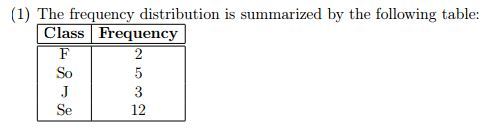
2.1. Practice Problem (Categorical Data). The class levels of a simple random sample of students are as follow. The abbreviations F, So, J, Se stand for Freshman, Sophmore, Junior and Senior, respectively.
{ Se , Se , Se , F , J , Se , Se , So , J , J , Se , Se , F , Se , Se , Se , So , So , So , So , Se , Se }
(2) Construct a table that gives the relative frequency distribution of this data.
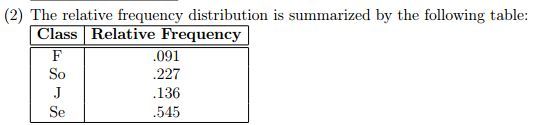
2.1. Practice Problem (Categorical Data). The class levels of a simple random sample of students are as follow. The abbreviations F, So, J, Se stand for Freshman, Sophmore, Junior and Senior, respectively.
{ Se , Se , Se , F , J , Se , Se , So , J , J , Se , Se , F , Se , Se , Se , So , So , So , So , Se , Se }
(3) Construct a pie chart of this data that displays the percentage of students at each class level.
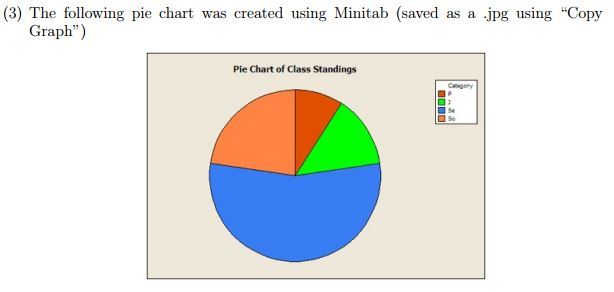
2.1. Practice Problem (Categorical Data). The class levels of a simple random sample of students are as follow. The abbreviations F, So, J, Se stand for Freshman, Sophmore, Junior and Senior, respectively.
{ Se , Se , Se , F , J , Se , Se , So , J , J , Se , Se , F , Se , Se , Se , So , So , So , So , Se , Se }
(4) Construct a bar graph of this data that displays the frequency of students at each class level.
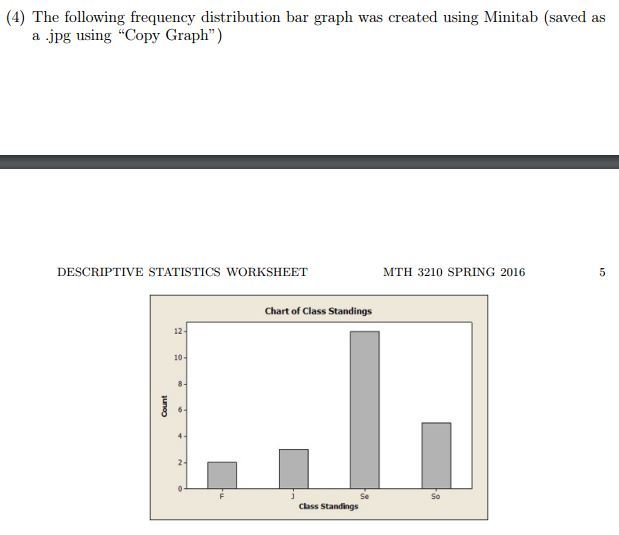
2.1. Practice Problem (Categorical Data). The class levels of a simple random sample of students are as follow. The abbreviations F, So, J, Se stand for Freshman, Sophmore, Junior and Senior, respectively.
{ Se , Se , Se , F , J , Se , Se , So , J , J , Se , Se , F , Se , Se , Se , So , So , So , So , Se , Se }
(5) Construct a bar graph of this data that displays the relative frequency of students at each class level.
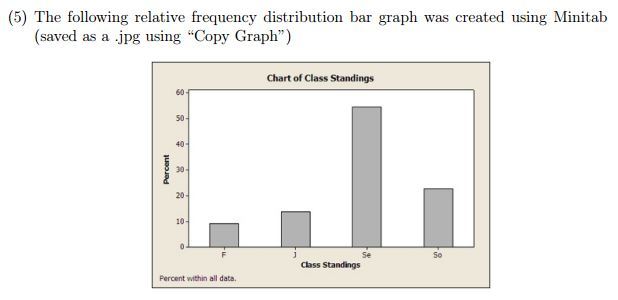
- Practice Problem (Discrete Data). A sample of clutch sizes (number of eggs produced) for a certain type of duck is given as follows: { 13 , 11 , 9 , 8 , 11 , 7 , 9 , 9 , 10 , 6 11 , 10 , 10 , 10 , 12 , 10 , 10 , 7 , 10 }
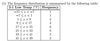
(1) Construct a table that gives the frequency distribution of this data.
- Practice Problem (Discrete Data). A sample of clutch sizes (number of eggs produced) for a certain type of duck is given as follows: { 13 , 11 , 9 , 8 , 11 , 7 , 9 , 9 , 10 , 6 11 , 10 , 10 , 10 , 12 , 10 , 10 , 7 , 10 }
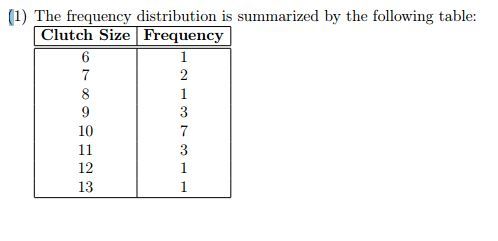
- Practice Problem (Discrete Data). A sample of clutch sizes (number of eggs produced) for a certain type of duck is given as follows: { 13 , 11 , 9 , 8 , 11 , 7 , 9 , 9 , 10 , 6 11 , 10 , 10 , 10 , 12 , 10 , 10 , 7 , 10 }
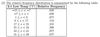
(2) Construct a table that gives the relative frequency distribution of this data.
- Practice Problem (Discrete Data). A sample of clutch sizes (number of eggs produced) for a certain type of duck is given as follows: { 13 , 11 , 9 , 8 , 11 , 7 , 9 , 9 , 10 , 6 11 , 10 , 10 , 10 , 12 , 10 , 10 , 7 , 10 }
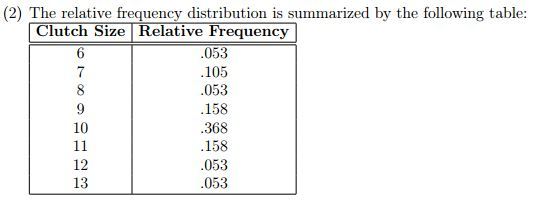
- Practice Problem (Discrete Data). A sample of clutch sizes (number of eggs produced) for a certain type of duck is given as follows: { 13 , 11 , 9 , 8 , 11 , 7 , 9 , 9 , 10 , 6 11 , 10 , 10 , 10 , 12 , 10 , 10 , 7 , 10 }
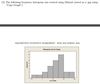
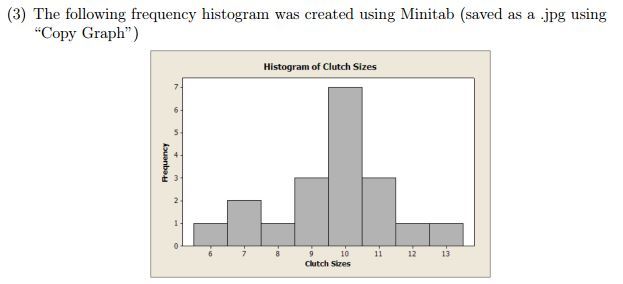
(3) Construct a frequency histogram of this data.
- Practice Problem (Discrete Data). A sample of clutch sizes (number of eggs produced) for a certain type of duck is given as follows: { 13 , 11 , 9 , 8 , 11 , 7 , 9 , 9 , 10 , 6 11 , 10 , 10 , 10 , 12 , 10 , 10 , 7 , 10 }
- Practice Problem (Discrete Data). A sample of clutch sizes (number of eggs produced) for a certain type of duck is given as follows: { 13 , 11 , 9 , 8 , 11 , 7 , 9 , 9 , 10 , 6 11 , 10 , 10 , 10 , 12 , 10 , 10 , 7 , 10 }
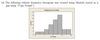
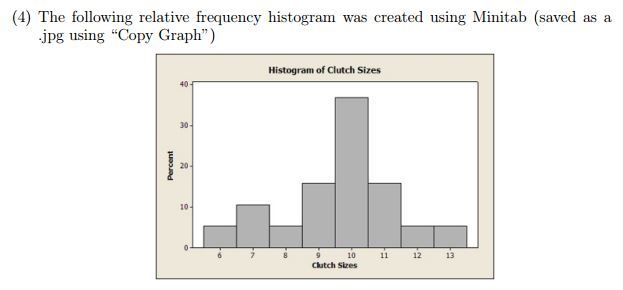
(4) Construct a relative frequency histogram of this data.
- Practice Problem (Discrete Data). A sample of clutch sizes (number of eggs produced) for a certain type of duck is given as follows: { 13 , 11 , 9 , 8 , 11 , 7 , 9 , 9 , 10 , 6 11 , 10 , 10 , 10 , 12 , 10 , 10 , 7 , 10 }
- Practice Problem (Discrete Data). A sample of clutch sizes (number of eggs produced) for a certain type of duck is given as follows: { 13 , 11 , 9 , 8 , 11 , 7 , 9 , 9 , 10 , 6 11 , 10 , 10 , 10 , 12 , 10 , 10 , 7 , 10 }
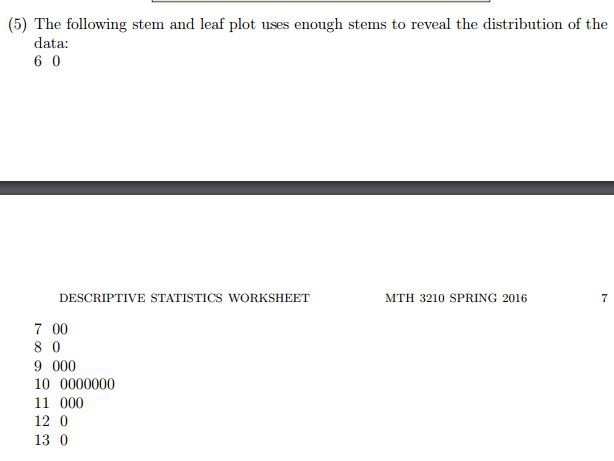
(5) Construct a stem and leaf plot for this data set.
- Practice Problem (Discrete Data). A sample of clutch sizes (number of eggs produced) for a certain type of duck is given as follows: { 13 , 11 , 9 , 8 , 11 , 7 , 9 , 9 , 10 , 6 11 , 10 , 10 , 10 , 12 , 10 , 10 , 7 , 10 }
- Practice Problem (Discrete Data). A sample of clutch sizes (number of eggs produced) for a certain type of duck is given as follows: { 13 , 11 , 9 , 8 , 11 , 7 , 9 , 9 , 10 , 6 11 , 10 , 10 , 10 , 12 , 10 , 10 , 7 , 10 }
(1) Construct a table that gives the frequency distribution of this data.
(2) Construct a table that gives the relative frequency distribution of this data.
(3) Construct a frequency histogram of this data. (4) Construct a relative frequency histogram of this data.
(5) Construct a stem and leaf plot for this data set.
(6) Find the sample mean for this data set.
(7) Find the median of this data set.
(8) Find the sample standard deviation of this data set.
(9) Describe in complete sentences the distribution of this data set using vocabulary presented in the textbook.
- Practice Problem (Discrete Data). A sample of clutch sizes (number of eggs produced) for a certain type of duck is given as follows: { 13 , 11 , 9 , 8 , 11 , 7 , 9 , 9 , 10 , 6 11 , 10 , 10 , 10 , 12 , 10 , 10 , 7 , 10 }
(6) The mean is ¯x = 9.632
- Practice Problem (Discrete Data). A sample of clutch sizes (number of eggs produced) for a certain type of duck is given as follows: { 13 , 11 , 9 , 8 , 11 , 7 , 9 , 9 , 10 , 6 11 , 10 , 10 , 10 , 12 , 10 , 10 , 7 , 10 }
(7) Find the median of this data set.
- Practice Problem (Discrete Data). A sample of clutch sizes (number of eggs produced) for a certain type of duck is given as follows: { 13 , 11 , 9 , 8 , 11 , 7 , 9 , 9 , 10 , 6 11 , 10 , 10 , 10 , 12 , 10 , 10 , 7 , 10 }
(7) The median is 10.