Which energy carriers are produced in mineral oil refineries besides diesel and gasoline (petrol)? Indicate 3.
LPG (propane, butane), kerosene, light fuel oils, heavy fuel oils
Which are the 2 leading nations in global bioethanol production and which are their major domestic feedstock crops used for bioethanol production?
- USA (1P), corn (1P) - brazil (1P), sugar cane (1P)
a, Explain the term “second generation bioethanol”. b, Indicate 2 major technical hurdles of second bioethanol technology and give brief explanations.
A, Bioethanol produced from lignocellulosic biomass B, Major hurdles – optional answers: - complex pre-treatment for disintegration of feedstock required to enable bioconversion -enzyme costs are still high, since demand of enzymes is high enzyme activities have to be improved and costs for enzyme production have to be reduced - performance of pentose fermenting microorganism has to be improved (mainly for fermentation of xylose from hemicellulose) by bioengineering to achieve high yields of bioethanol -reduction of process steps for enzymatic hydrolysis & fermentation – target: consolidated bioprocessing -economy of scale requires large scale plants –> supply of feedstock for large scale plants may be a hurdle
Production of BtL-fuels via the Fischer-Tropsch-pathway.
a, Describe in headlines the production of Fischer-Tropsch-fuels from wood.
b, By which means can the yield of FT- diesel fuel be enhanced?
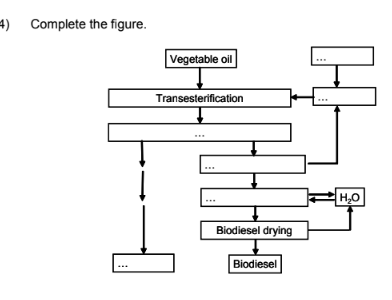
Solution:
- *A,**
- gasification of wood 1 P
- cleaning of gasification gas 1 P
- gas conditioning 1 P
- FT-Synthesis 1 P
- separation of the oil phase to get a diesel, wax and petrol fraction 1 P
- *Optional credits for intermediate steps, e.g.:**
- Grinding of feedstock
- pyrolysis
- cooling /washing of FT raw product
B, Hydrocracking of waxes, H2-import, Low temperature process
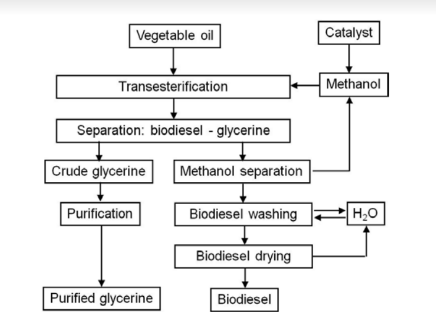
Discuss the benefits and drawbacks of using algal oils based fuels for
transportation.
Solution - possible arguments:
Benefits:
-algae production requires no agricultural areas food for fuel conflicts can be
avoided
-high biomass & biofuel yields per acreage possible (yet requires high
performance bioreactors!)
-drop-in-fuels may be produced, e.g. by HVO technology
Drawbacks:
-Still poor energy efficiency, mainly due to high energy demand for downstream
processing
-still high costs of fuel production
(-technology still under R&D)

-
Doris-Introduction41
-
Doris-Bioethanol15
-
Höldrich Part40
-
Doris-Global bioethanol production and consumption8
-
Doris-Biodiesel-vegetable oil fuels, HVO24
-
Doris-Biodiesel production and consumption1
-
Doris-Algal lipid based biofuels15
-
Doris-BtL Fuels22
-
Doris-Gaseous Fuels16
-
Doris-Sustainability Issues13
-
Effenberger- the limits of biomass & bioenergy; Overview of (conventional) biomass process chains21
-
Excercises5
-
Previous Exam-Qs2



