Define
Normal temp
Fever
Hyperthermia
hyperpyrexia
NORMAL TEMPERATURE varies throughout the day and typically 36.8 ±0.8 ℃ FEVER is regulated by the hypothalamus in response to pyrogens, resulting in a rise in core temperature ≥37.8℃
HYPERTHERMIA is not regulated by the hypothalamus and is an uncontrolled body temperature rise
HYPERPYREXIA is an extraordinarily high fever (≥41.5℃) and type of hyperthermia
Thermoregulation
where is heat generated from?
how is heat distributed?
How is heat lost?
what part of the body is trying to be controlled in thermoregulation?
What areas are involved in neurological thermoregulation?
NORMAL TEMPERATURE varies throughout the day
and typically 36.8 ± 0.8°C
- Heat is generated from metabolically active cells
- Heat is both local and distributed by the circulatory
system
- Heat is lost to the environment (conduction, convection, radiation and evaporation)
- Temperature of the shell and of the core
- Temperature remains under tight regulation at a
neurological level and a “thermal setpoint” theory
Neurological thermoregulation
•Rostral hypothalamus
(pre-optic area)
- Limbic system, brain stem
- Afferent signals from spinal cord, brainstem
- Efferent signals via the spinal cord,sympathetic system
what is a fever?
A state of elevated core temperature, which is often, but not necessarily, part of the defensive responses of multicellular organisms (host) to the invasion of live (microorganisms) or inanimate matter recognized as pathogenic or alien by the host” “An elevation in core body temperature above the daily range for an individual”
Body temperature fluctuates throughout the day
Mackowiak et al JAMA 1992:
Normal temperature = 36.8±0.8°C
Abnormal → Temperature ≥37.3°C in the early morning
Abnormal → Temperature ≥37.8°C overall
what are causes of hyperthermia
Hyperthermia is not regulated by the hypothalamus and uncontrolled body temperature
Excessive heat for thermoreg control - hypothalamic setpoint normal
Heat stroke syndromes
Metabolic disease - thyrotoxic storm, phaeochromocytoma, diabetic ketoacidosis.
Pharmacological agents - atropine, certain anaesthetics, neuroepiletic malignant syndrome(antipsychotics, autonomic dysfunction)
serotonin syndrome - cocaine, NMDA(ectasy), amphetamines, TCAs, SSRIs, MAOI, lithium
Neurological injury -brain haemorrhage, hypothalamic stroke, status epilepticus
Pyrogens cause fevers
What is the difference between exogenous and endogenous pyrogens?
EXOGENOUS PYROGENS -
are derived from outside of the host and mainly microbes and their products
ENODENOUS PYROGENS
are host-derived biologically active proteins (pyrogenic cytokines)
EXOGENOUS PYROGENS are derived from outside of the host and mainly microbes and their products
Bacterial infection and the production of bacterial endotoxins
• Lipopolysaccharide - (LPS) on gram-negative Enterobacteriaceae
Viral infection and non-human genetic material
- Influenza
- RSV and others
Bacterial exotoxins
Bacterial endotoxins
Viral genetic material
Fungal elements
→ Act as TLR ligands and activation of innate
immunity
→ Production of host
pyrogenic cytokines
What are examples of endogenous pyrogenes?
ENODENOUS PYROGENS
are host
-
derived
biologically active
proteins (pyrogenic
cytokines
Produced on activation
of TLRs
Over 70 cytokines
•
IL
-
1, IL -6 and TNF
Stimulate lymphocyte proliferation, granulocytosisin the bone marrow
PGE2
and thermostat control
PGE2 = Prostaglandin E2
• During fever [PGE2]↑↑ in hypothalamic tissue and
3rd cerebral ventricle (hypothalamic regulatory
centres)
- PGE2 is not a neurotransmitter but cAMP is
- Destruction of these tissues reduces the ability of
pyrogens to cause fever
• Animal studies suggest pyrogens do not cross the
blood - brain barrier
How does infectious agents lead to a fever?
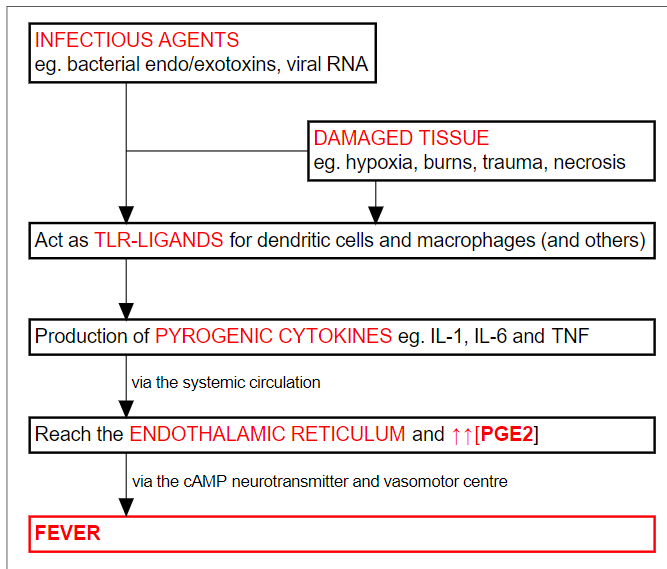
What can cause problem with TLR ligans for dendritic cells and macrophages (and others)
Host genetic deficiencies
Treatment of autoimmune disease
•Glucocorticoids
Production of pyrogenic cytokines get out of control examples which can lead to fevers
Cytokine disease and non
-
infection fever
Malignancies
• Lymphoma and leukaemia
Systemic vasculitis
• Eosinophilic granulomatosis
with polyangiitis
• Granulomatosis with polyangiitis
Other autoimmune diseases
- Still’s disease (a disorder featuring inflammation, is characterized by high spiking fevers, salmon-colored rash that comes and goes, and arthritis. Still’s disease is also referred to as systemic-onset juvenile idiopathic arthritis.)
- Familial Mediterranean fever (Familial Mediterranean Fever (FMF) is a genetic disorder that causes recurrent episodes of fever that are typically accompanied by pain in the abdomen, chest, or joints. It most often occurs in individuals of Mediterranean and Middle Eastern descent, and the first episodes typically begin in childhood.)
Biologic agents and possible infection without fever
Treatment of
autoimmune disease
- Anti - IL1 (anakinra)
- Anti-TNF (infliximab)and ↑risk of TB reactivation
What can dampen or mess up fever response preventing the endothalamic reticulum in the brain working
Brain injury
- Hypothalamic stroke
- Haemhorrage
- Status epilepticus
Use of anti-pyrexics
- Paracetamol
- Aspirin
- NSAIDs
Pyrexia of unknown origin
3 criteria
3 general classifications are?
The PUO aetiology has
The PUO definition has
3 criteria:
- Fever ≥37.8 °C on several occasions
- Duration of fever ≥21 days
- Uncertain diagnosis after one week of investigation
in hospital
3 general classifications:
- Infections
- Malignancies
- Systemic rheumatic diseases
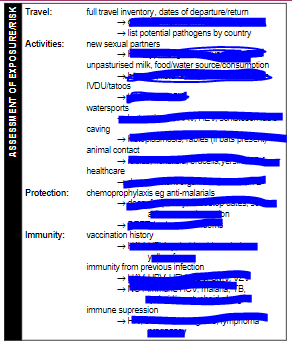
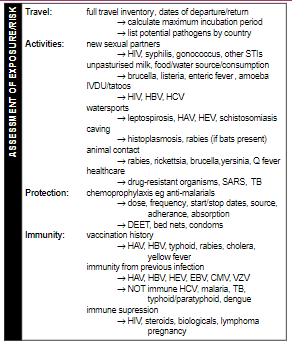
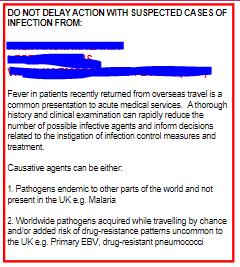
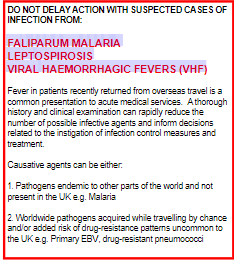
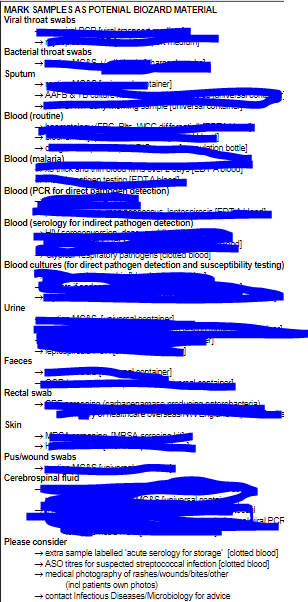
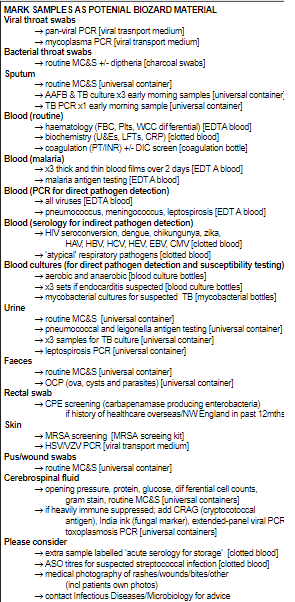
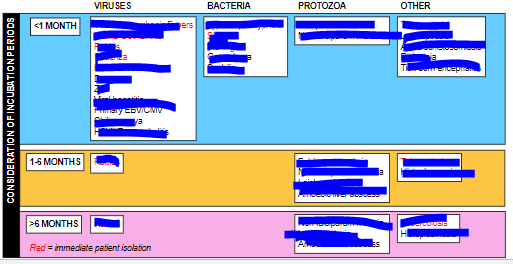
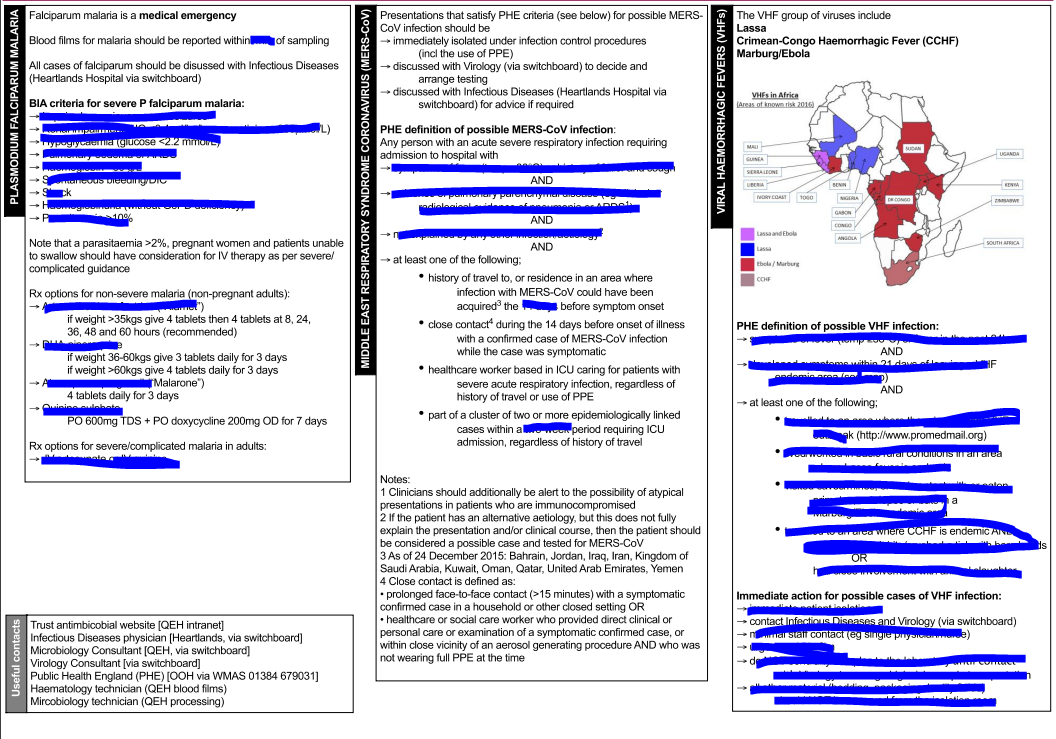
falciparum malaria
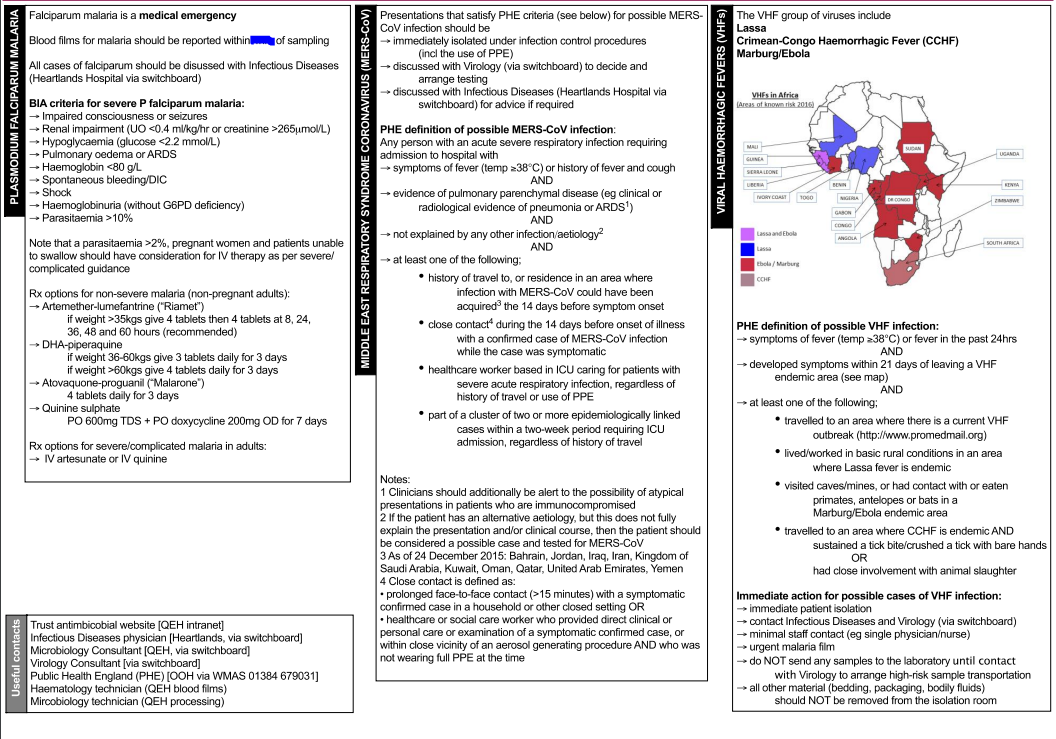
is a medical emergency.
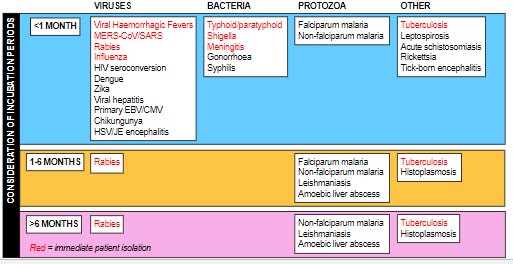
non falciparum malaria -> more than 6 months

-
Basics of Safeguarding adults and children12
-
Introduction to Pathology2
-
Acute inflammation26
-
Chronic inflammation31
-
Cell Turnover and Disorders of Cell Proliferation and Differentiation35
-
Healing and repair36
-
Neoplasia 1+238
-
Taking a drug history +BNF introduction16
-
Introduction to infection27
-
Fever19
-
Sepsis15
-
Antimicrobials42
-
Movement as Medicine5
-
Healthy lifestyle12
-
Tuberculosis: Microbiology of Diagnosis and Management21
-
Imaging of the heart and lungs54
-
Non-neoplastic lung pathology37
-
Upper Respiratory tract37
-
Tumours of the lung and pleura20
-
Neuropathology 1:trauma, infection, demyelination and neurogenerative diseases24
-
Neuropathology 2 - vascular disease and tumours35
-
Thrombosis, Embolism, Ischaemia & Infaction31
-
Cardiovascular Therapeutics70
-
Atherosclerosis and ischaemic heart dieases21
-
Other cardiovascular pathology (cardiovascular system 2)31
-
Renal Disease28
-
salt and water balance20
-
Potassium21
-
Calcium, magnesium and phosphate31
-
Acid-Base Balance17
-
Biochemical Aspects of GI Disease and Nutrition37
-
Nutritional history, examination and assessment12
-
Pathology of the GI tract11



