What are the tools for Financial Analysis ?
1:- Ratio Analysis 2:- Common Size Analysis 3:- Graphical Analysis 4:- Regression Analysis
What are the important purpose for which Ration Analysis can be useful ?
- Project Future earnings and Cash Flow
- Evaluate a firm’s flexibility (the ability to grow and meet obligations even when unexpected circumastances arises)
- Assess management’s performance
- Evaluate changes in the firm and the industry overtime
- Compare the firm with industry competitors
What are the Limitations of Ratio Analysis ?
- Financial Ratios are not useful when viewed in isolation. They are only informative when compared to those of other firms or to the company’s historical performace
- Comparisons with other companies are made more difficult by differnet accounting treatments. This particularly important when comparing US firms to non US Firms
- It is difficult to find comparable industry ratios when analyzing companies that operate in multiple industries
- Conclusions can’t be made by calculating a single ratio. All ratios must be viewed relative to one another
- Determining the target or comparision value for a ratio is difficult requiring some range of accepatable values
What is Common Size Analysis ?
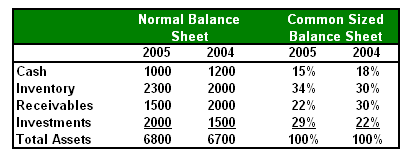
Common Size Statements normalize balance sheets and income statements and allow the analyst to more easily compare performance accross firms and for a single firm over time
- A vertical common size balance sheet expresses all the balance sheet accounts as a percentage of total assetss
- A vertical common size income statement expresses all income statement items as percentage of sales
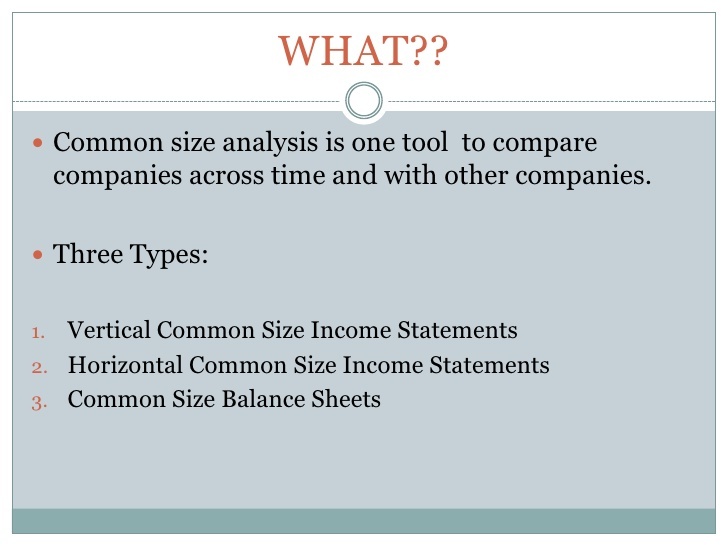
Common Size Statements and Ratio Analysis
In addition to comparision of financial data accross firms and time,common size analysis is appropriate for quickly viewing certain financial ratios
- For example the gross profit margin, operating profit margin and net profit margin are all clearly indicated within a common size income statement.
- Vertical Common Size income statement ratios are especially useful for studying trends in costs and profit margins
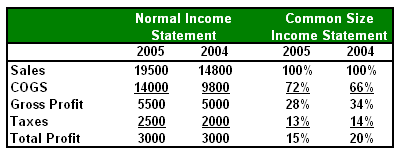
Vertical Common Size Income Statment Ratios
Income Statment Account / Sales
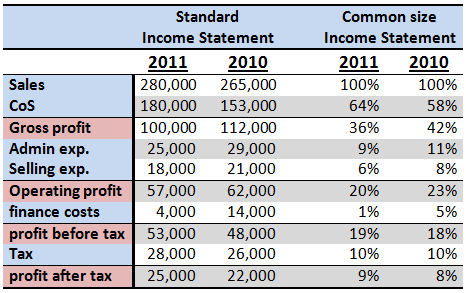
Vertical Common SIze Balance Sheet Ratios
Balance Sheet Account / Totat Assets
Graphical Analysis
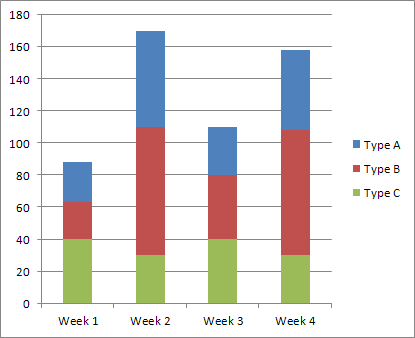
Graphs can be used to visually present performance comparisons and compositions of financial statement elements over time
Explain Different Types of Graphs
- Stacked Column Graph
- Line Graph
Stacked Column Graph
A stacked column graph (also called a stacked bar graph shows the changes in items from year to year in graphical form
What are the different types of Ratios ?
Activity Ratios
Liquidity Ratios
Solvency Ratios
Profitability Ratios
Valuation Ratios
Activity Ratios
or
Asset Utilization Ratios
or
Operating Efficiency Ratio
This category includes several ratios also referred to asset utilization or turnover ratios . They often give indications of how well a firm utilizes various assets such as inventory and fixed asssets. These include
- Inventory Turnover Ratio
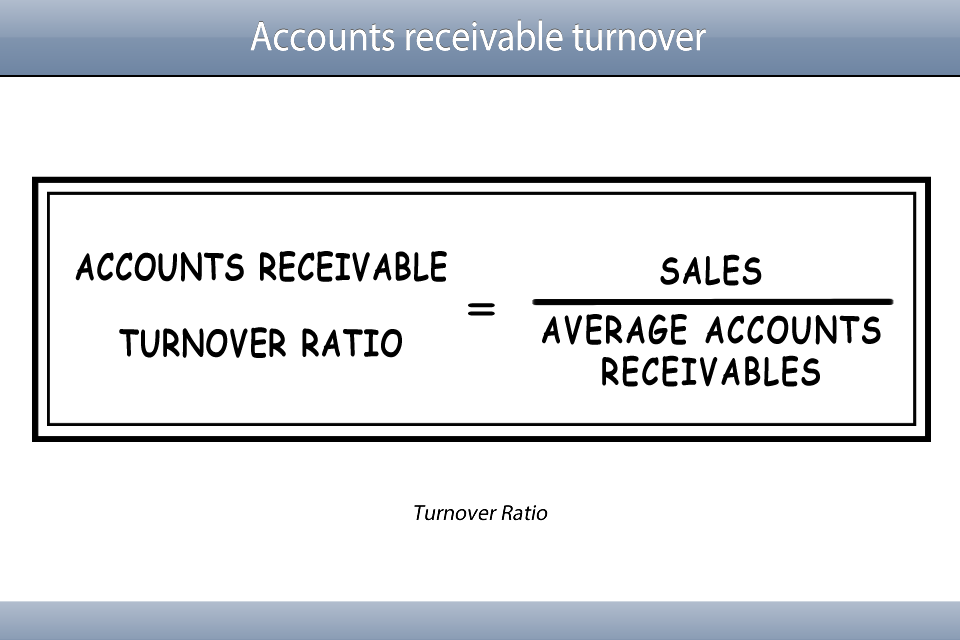
- Receivable Turnover Ratio
- Total Asset Turnover
Liquidity Ratios
Liquidity here refers to the ability to pay short term obligations as they come due.
- Current Ratio
- Quick Ratio
- Cash Ratio
- Defensive Interval Ratio
- Cash Conversion Cycle
Solvency Ratios
Solvency Ratios give the analyst information on the firm’s financial leverage and ability to meet its long term obligations
Profitability Ratios
Profitability Ratios provide information on how well the company generates operating profits and net profits from its sales
Valuation Ratios
Sales per share earnings per share and price to cash flow per share are examples of ratios used in comparing the realtive valuation of companies
Receivable Turnover