Jeff Bezos on Outside-in strategy:
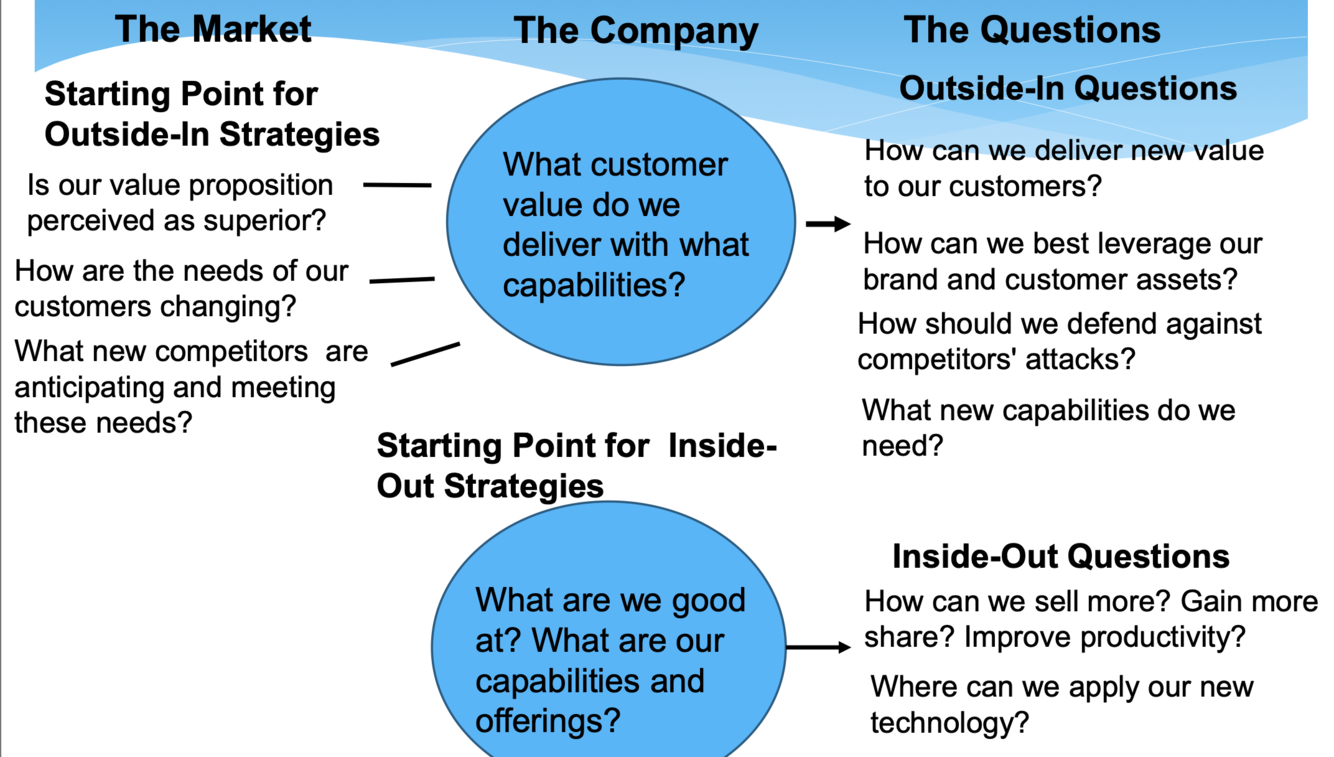
Paths to marketing strategy:
(the market, the company, the questions)
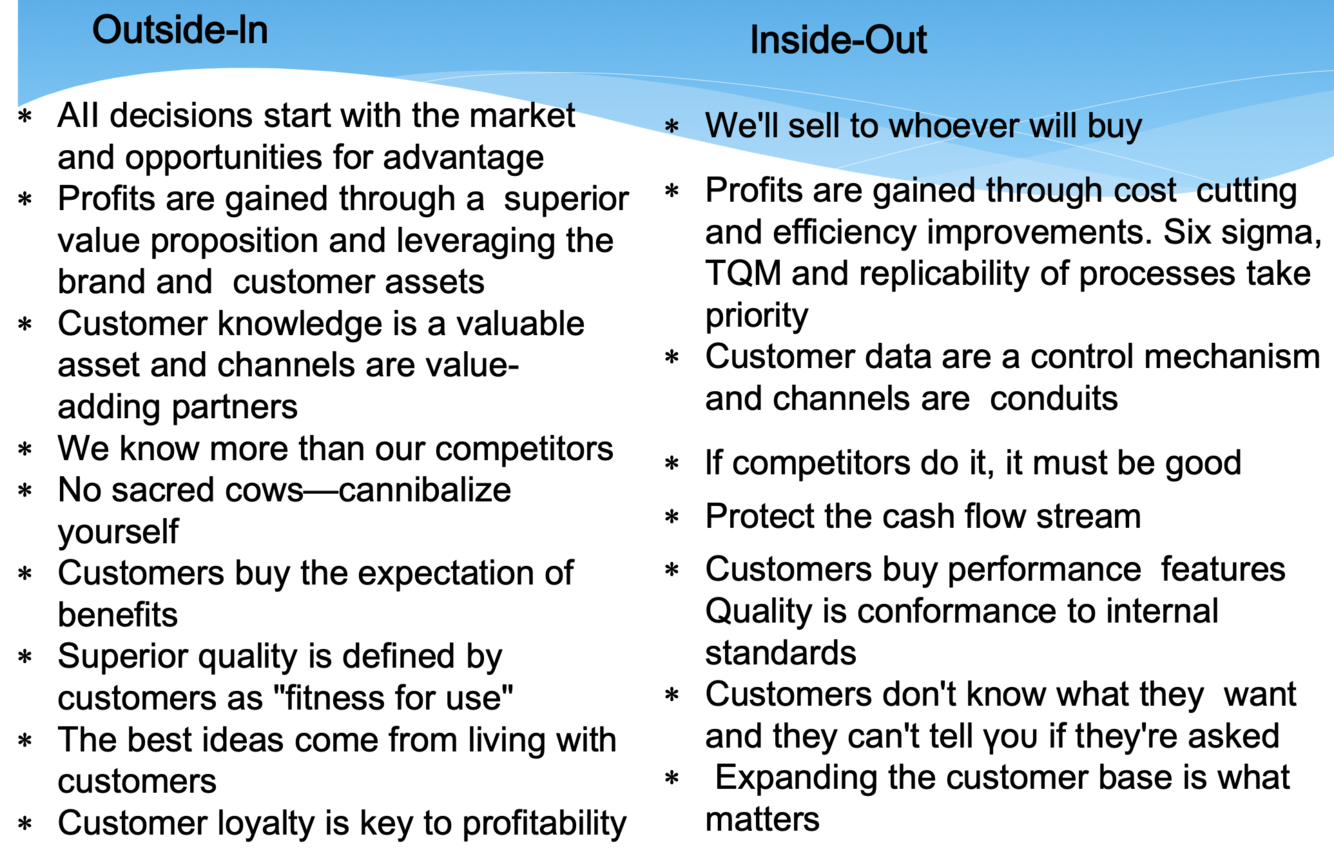
Differences between inside out and outside-in:
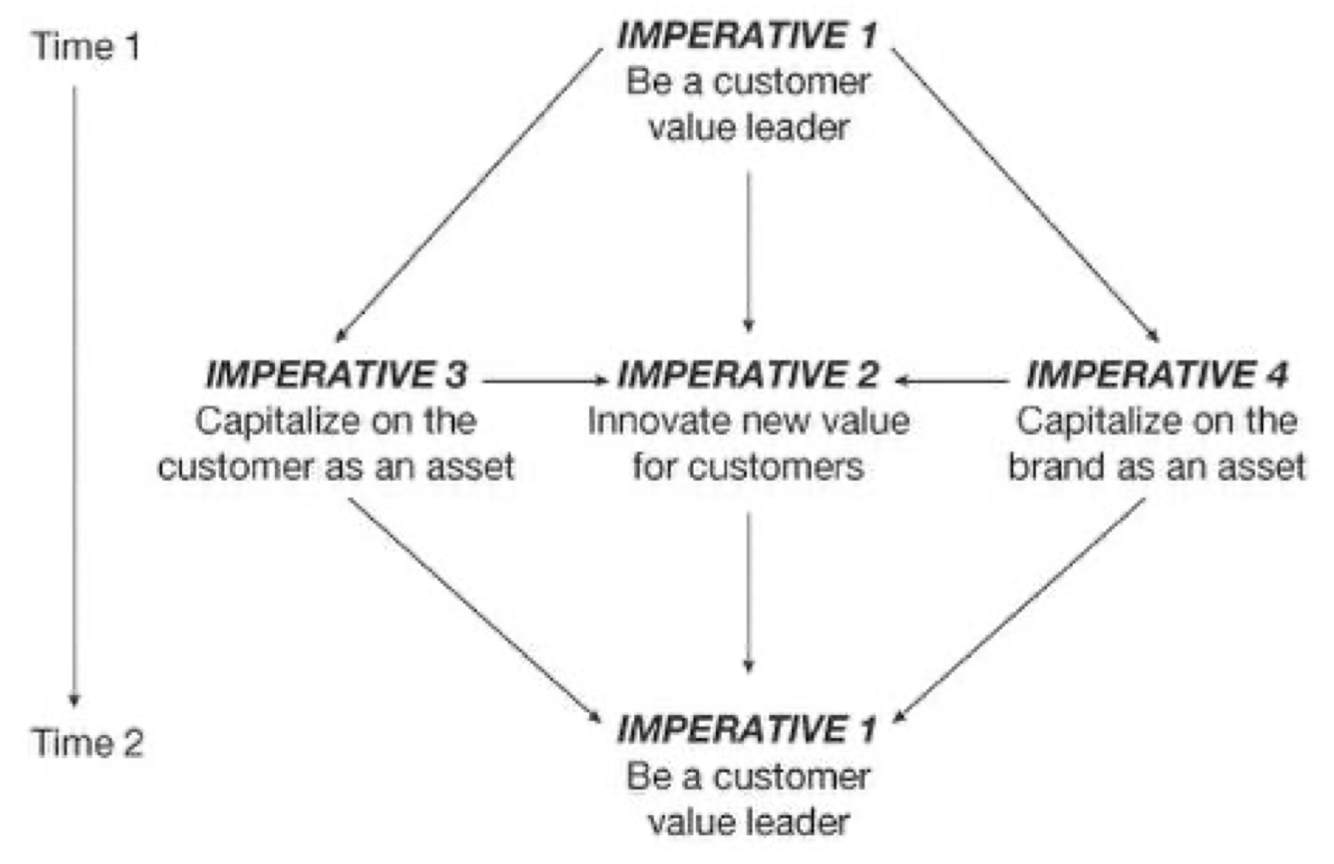
The elements/imperatives of the outside-in framework:
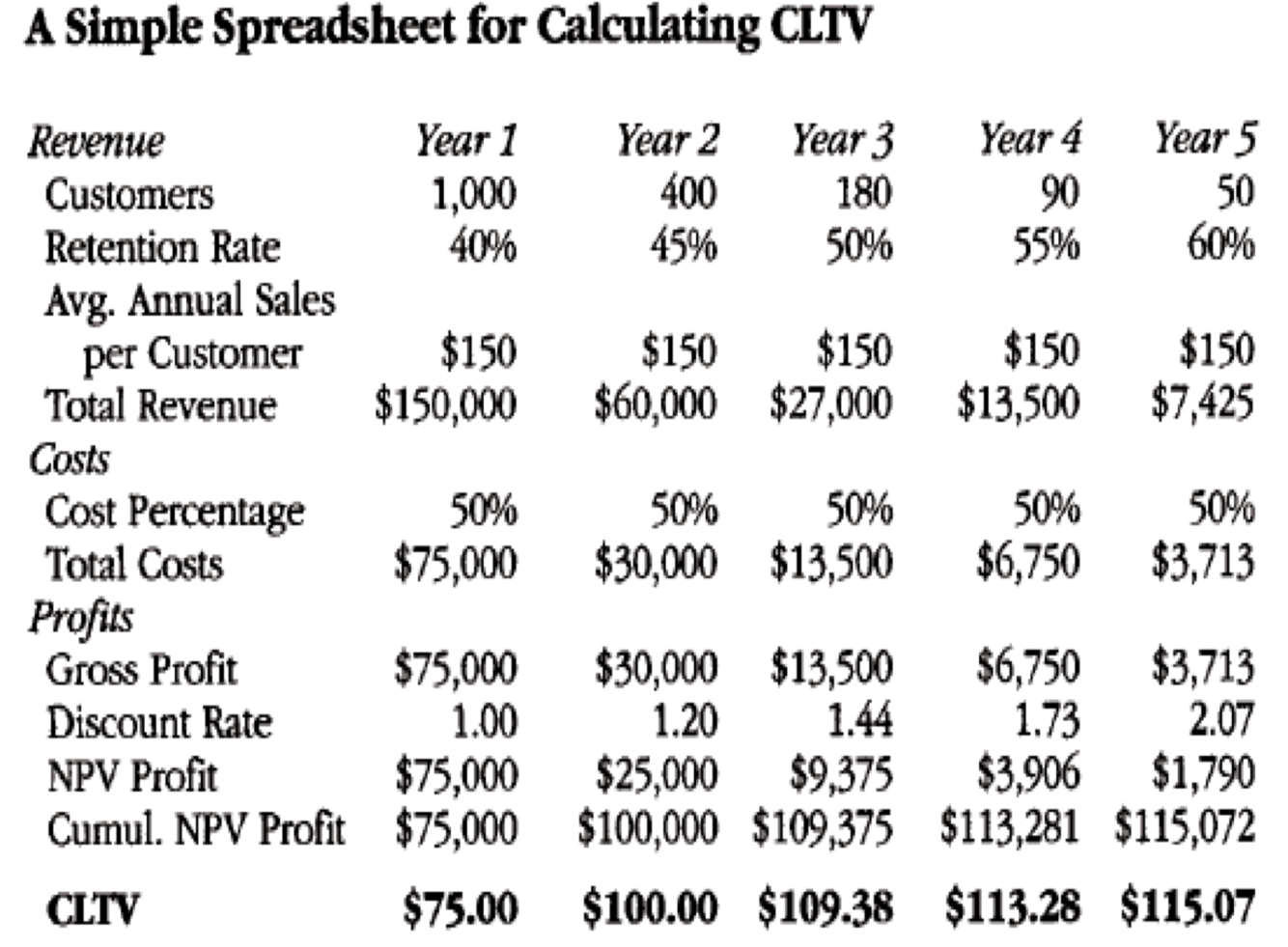
Customer equity =
Total of the discounted lifetime values of all of its customers
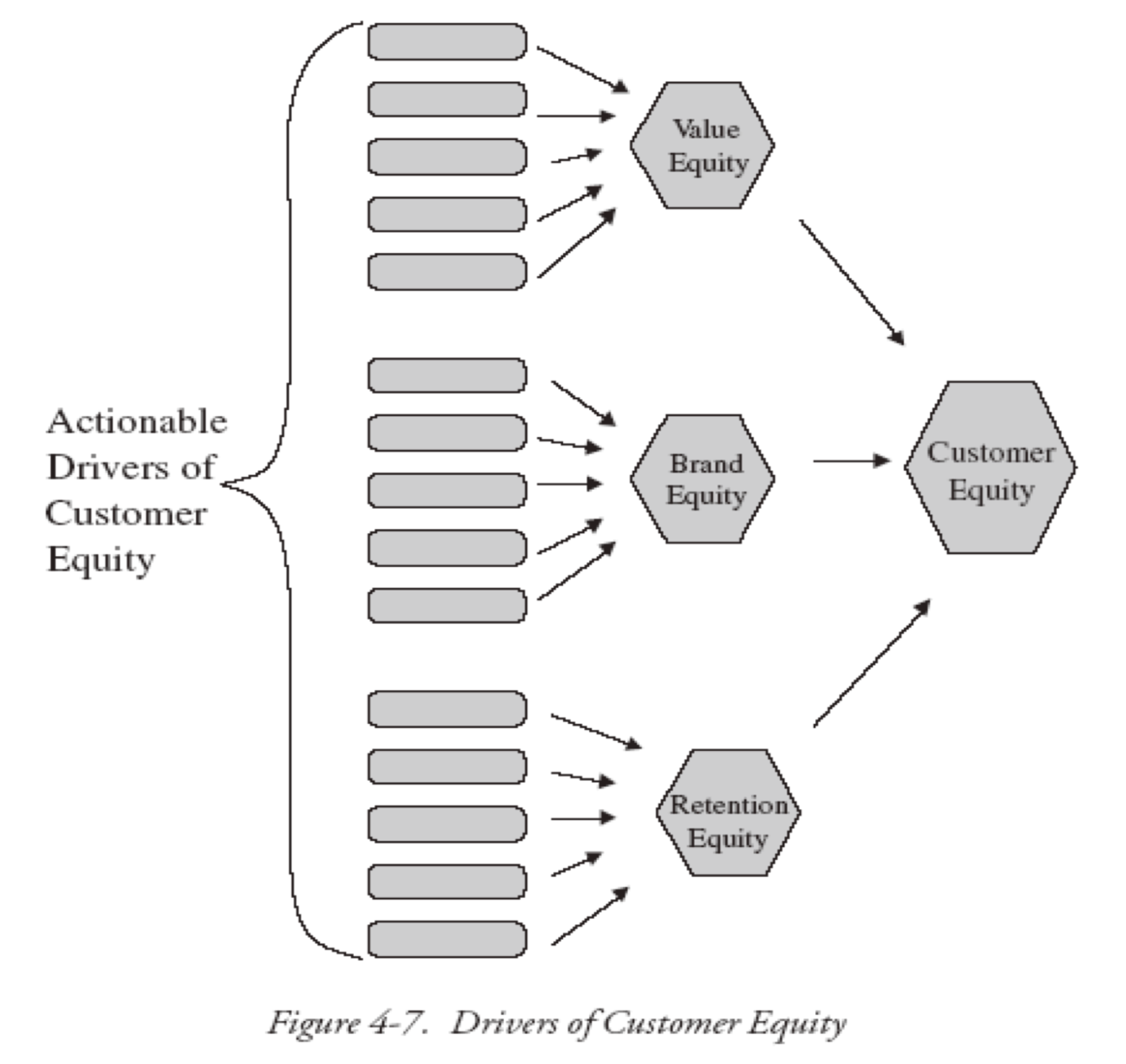
Drivers of customer equity:
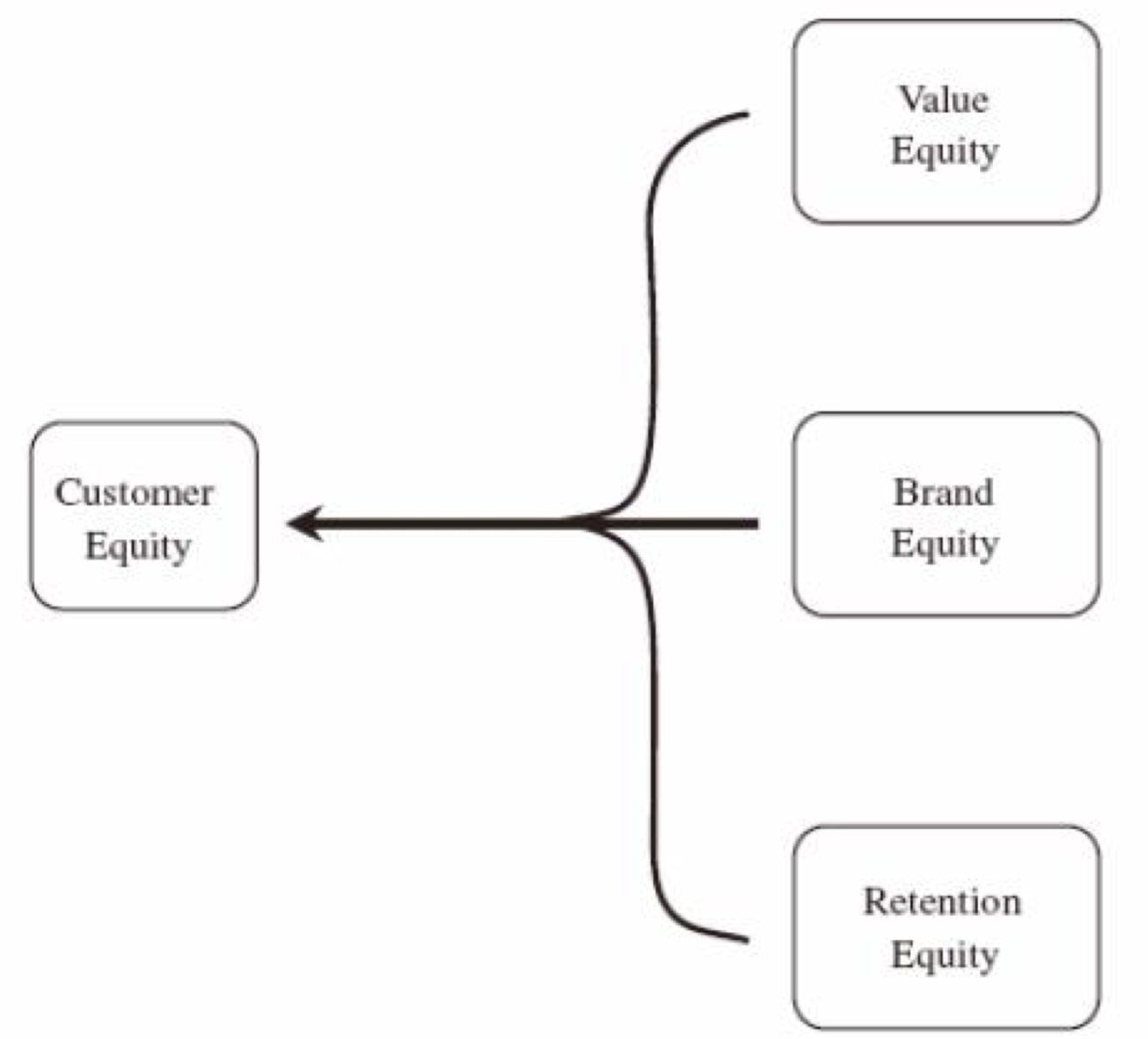
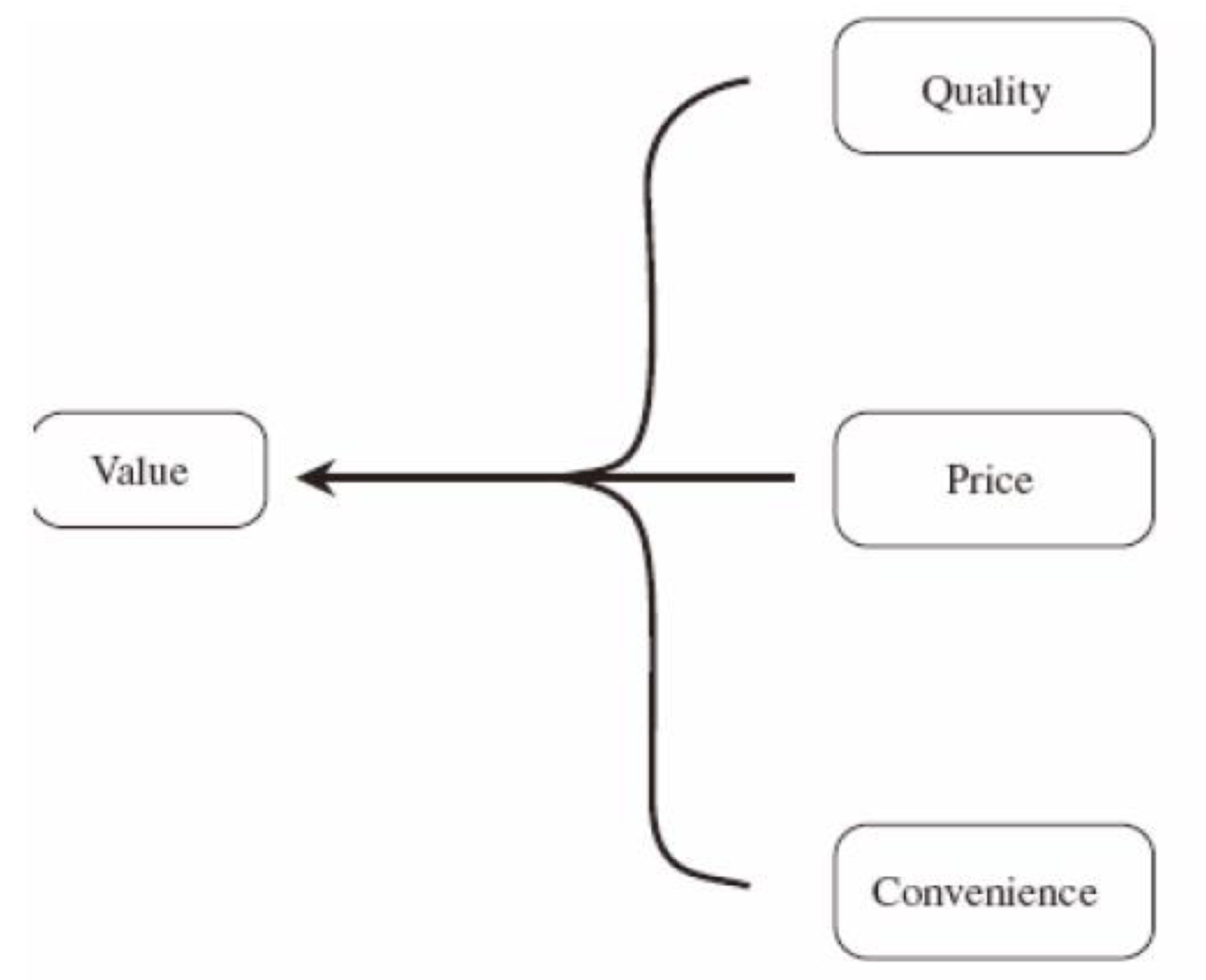
Value Equity =
Value Equity is the customer’s objective assessment of the utility of a brand, based on perceptions of what is given up for what is received. Value equity emphasises the rational and objective aspects of the firm’s offerings.
Value Equity considers questions such as:
- How does the customer evaluate the quality of the firm’s offerings?
- How attractive is the price?
- How convenient is it to do business with the firm?
Brand Equity =
Brand Equity is the customer’s subjective and intangible assessment of the brand, above and beyond its objectively perceived value. This evaluation is shaped by the firm’s marketing strategy and tactics and is influenced by the customer through life experiences and associations with the brand.
Brand Equity considers questions such as:
- What does communication from the company about the brand evoke in the customer?
- Does the customer associate certain emotions, lifestyles, or experiences with the brand?
- Does the customer consider the brand part of himself or herself?
Brands are important because _brands die last_: the Thomas Cook brand name has been bought 16 million by Chineses
Retention Equity =
Retention Equity is the tendency of the customer to stick with the brand, above and beyond the customers objective and subjective assessments of the brand. It focuses on the relationship between the customer and the firm, based upon the actions taken by the firm and by the customer to establish, build, and maintain a relationship.
Retention equity considers questions such as:
- What did the customer buy last time?
- Does the customer benefit from the relationship with the firm?
- Does the firm benefit from the relationship with the customer?
- Does the customer stand to lose if the relationship is discontinued?
Drivers of Retention Equity:
- Loyalty programs (frequent purchase/reward programs)
- Special recognition and treatment programs
- Affinity (emotional connection) programs
- Community programs
- Knowledge-building programs (learning relationship or structural bonds)
Key Steps in Driving Customer Equity:
- What’s the most critical connection?
- What really drives Customer Equity?
- Brand? Value? Or Retention?
- What are the key drivers of Brand Equity?
- Value Equity? Retention Equity?
- These drivers must be Actionable.
- Benchmark against your competitors.
- Invest in the areas where the payback to Customer Equity is highest.
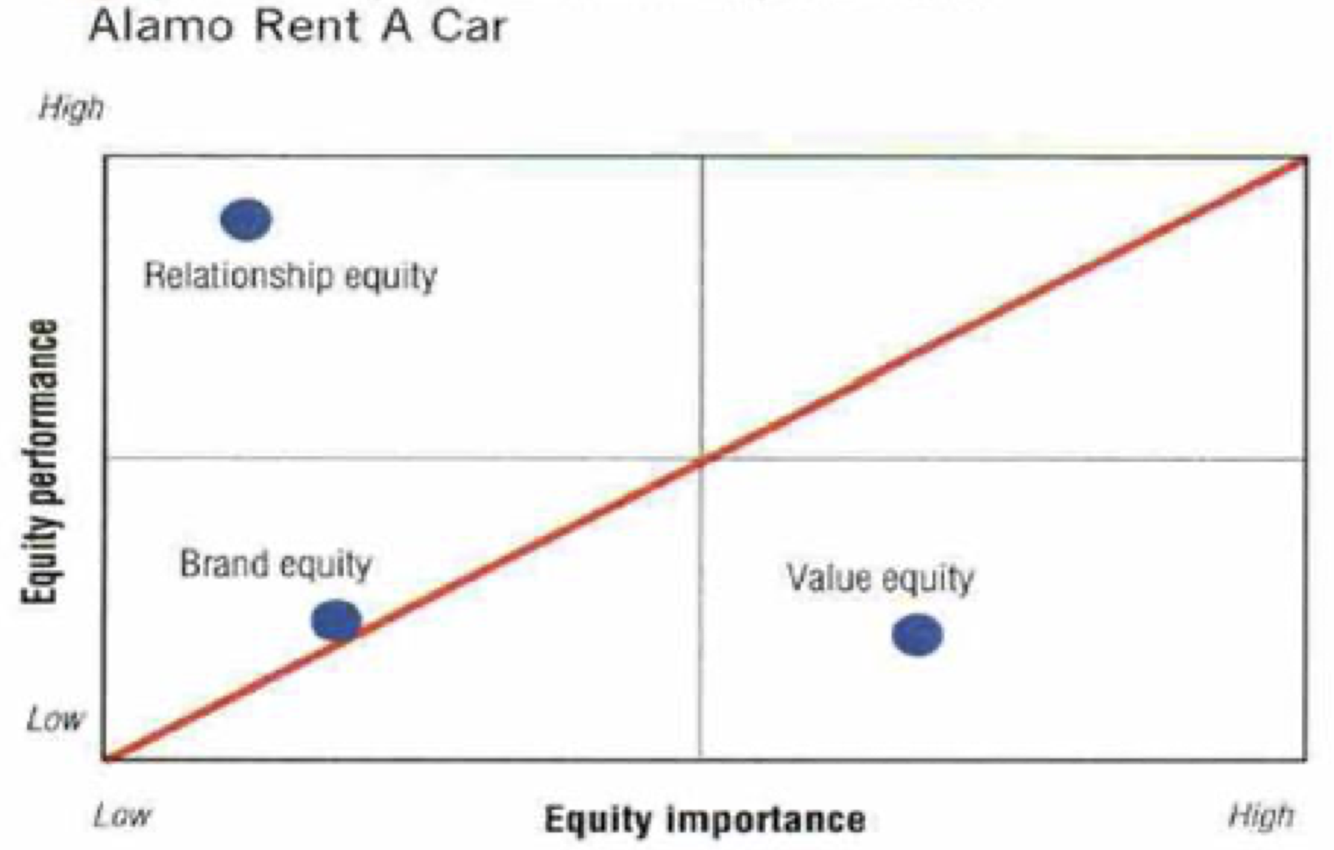
Importance-performance map:
Know where to spend your money and establish what is important for your customer lifetime value
Drivers of value equity:
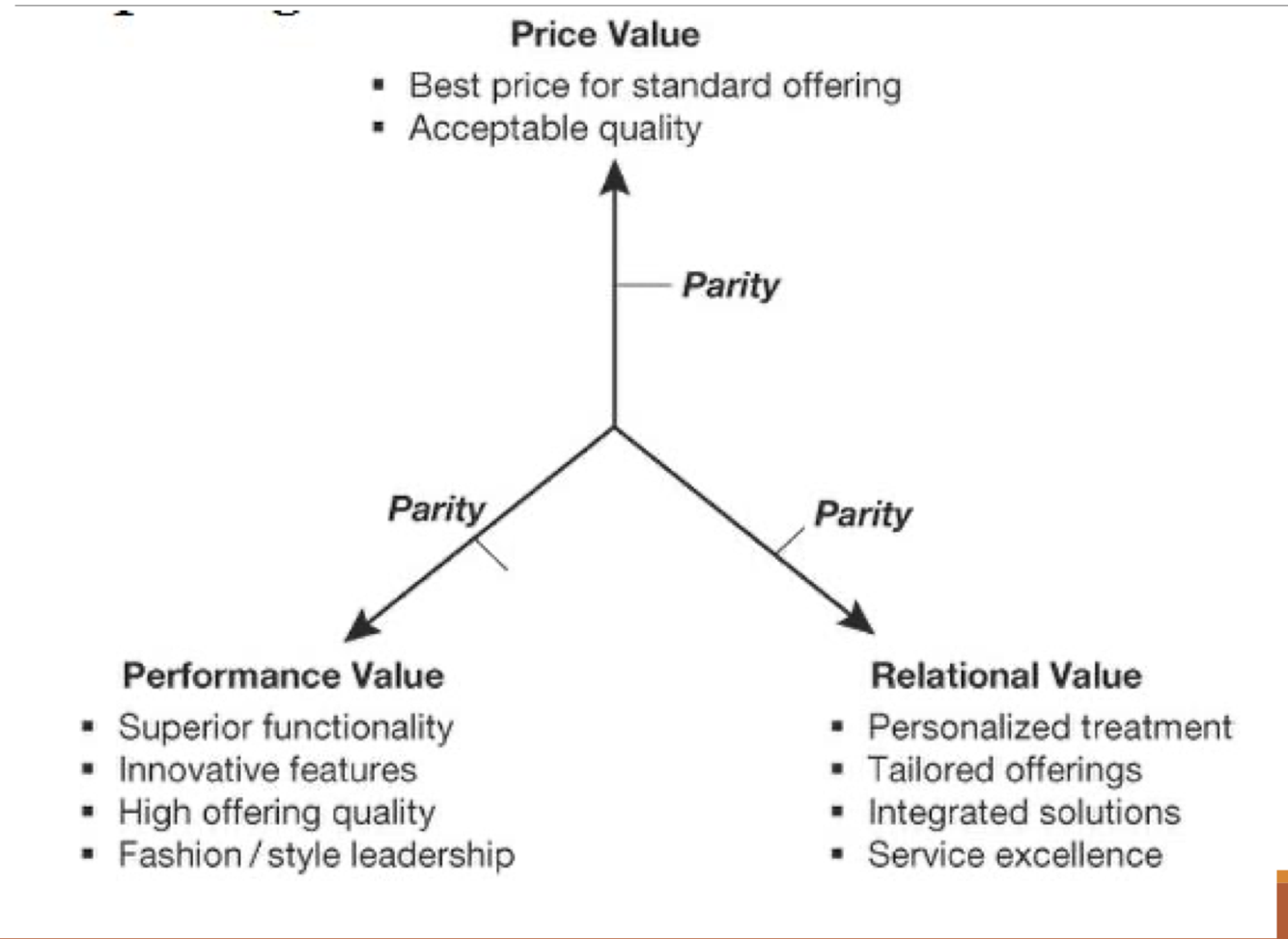
Value vectors:
- Price value
- Relational Value
- Performance Value
- i.e. UNIQLO focuses on prices (low) but also quality
- i.e. Nike focuses on performance
- i.e. ZAPPOS focuses on relational
When does value equity matters?
- When there are or can be differences among competing products
- Purchases with complex decision processes
- B2B purchases
- Innovative products or services
- Firms wanting to recycle products in the maturity stage of life cycle
Convenience =
- Location
- Ease of use
- Availability
Evolving Strategic Positions:
The parity points change over time. Customers become more confident and more demanding the more they know the brand/concept and the more competitors offering there are.
Sometimes, there is saturation (no difference in performance in the market/max performance reached) so companies need to compete on price or relations
Mark & Spencer example:
Revamped marketing strategy for clothing (seen as clothes for “old women”) and earned the first place for top women brand.
Introduced loyalty cards in 2016 (loyalty cards are used to collect data about the shopping habits of customers)
Nectar card: very effective as it allows them to collect a lot of data (multi-outlets card)




