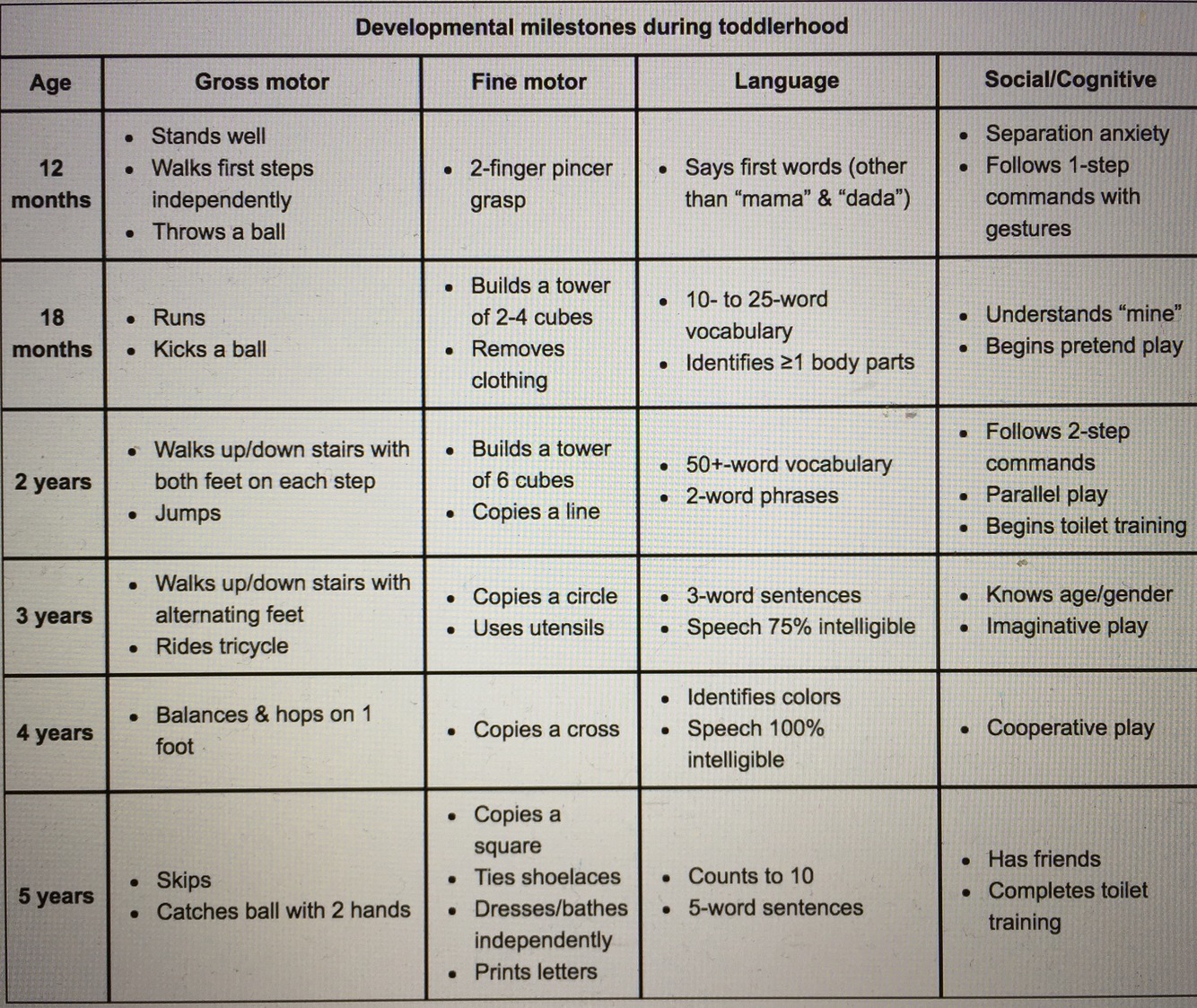
Development milestones during toddlerhood
(Gross motor, fine motor, language, social/cognitive)
- 12 months
- 18 months
- 2 years
- 3 years
- 4 years
- 5 years
Skills necessary to begin toilet training
Usually ready to start at >=2 years; But bedwetting is normal until age 5
- Voluntarily control sphincters
- Walk
- Remove pants
- Follow 2-step commands
- Communicate the need to urinate and stool
- Imittate actions of other people (e.g., sit on toilet)
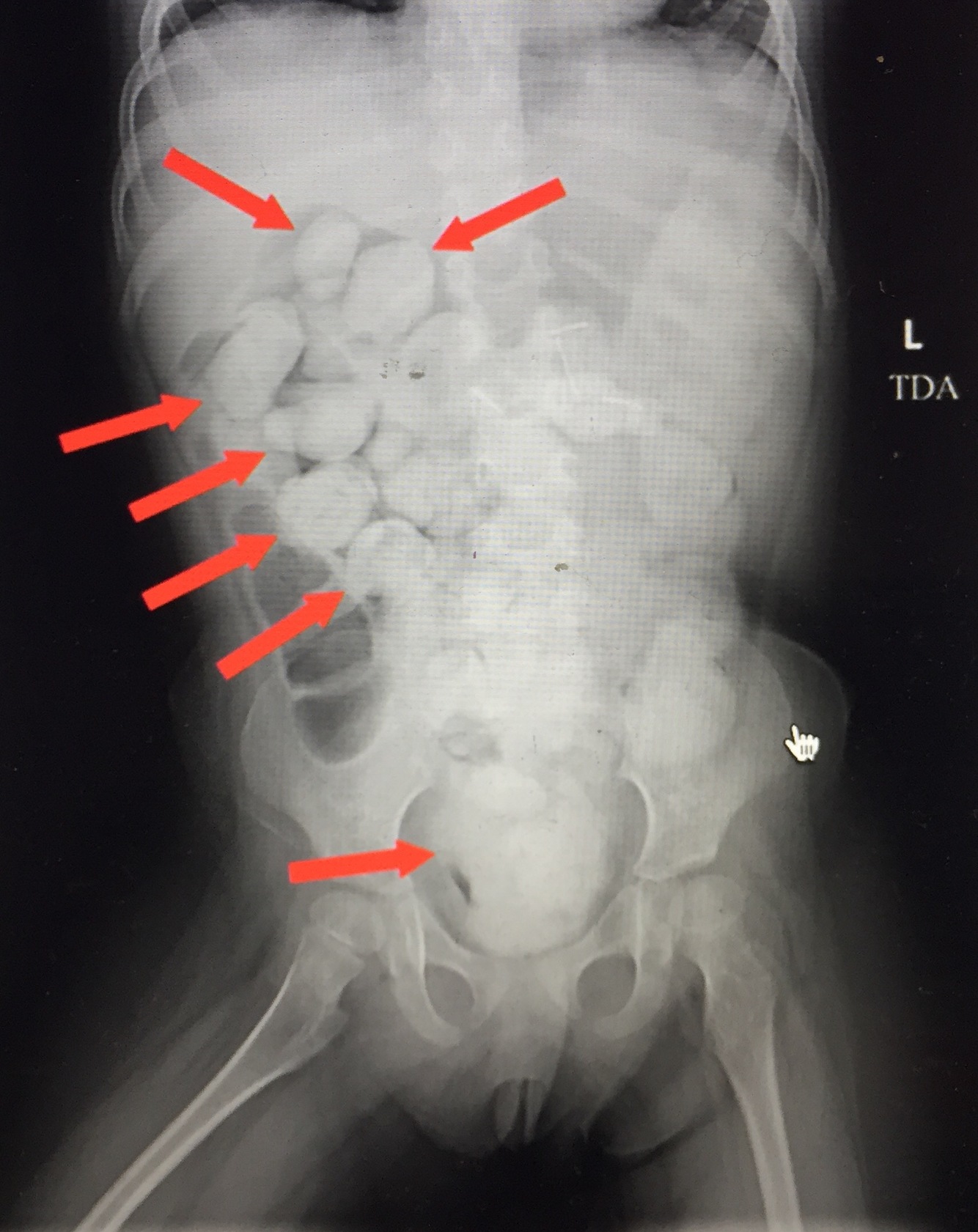
Constipation
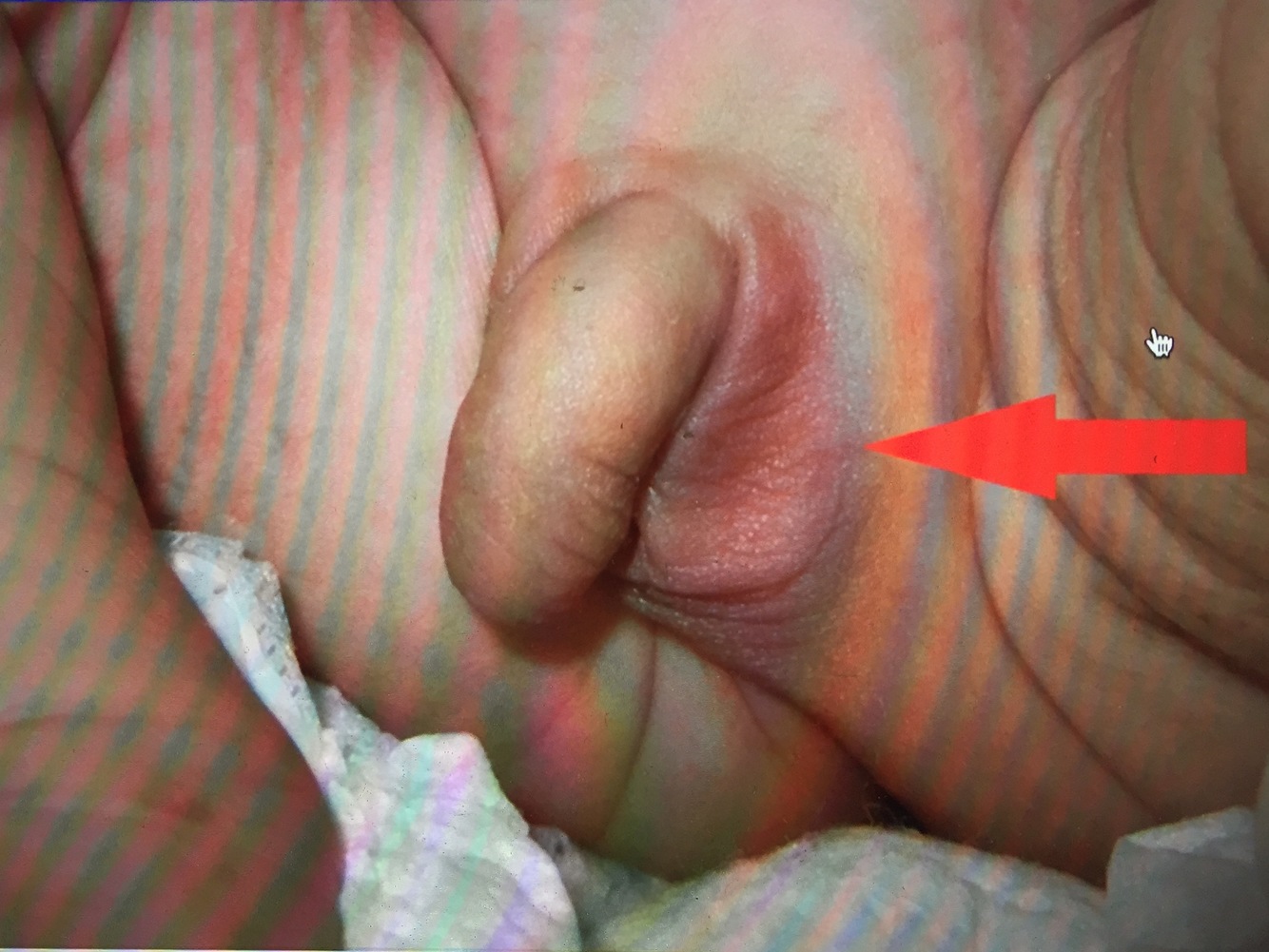
Cryptorchidism
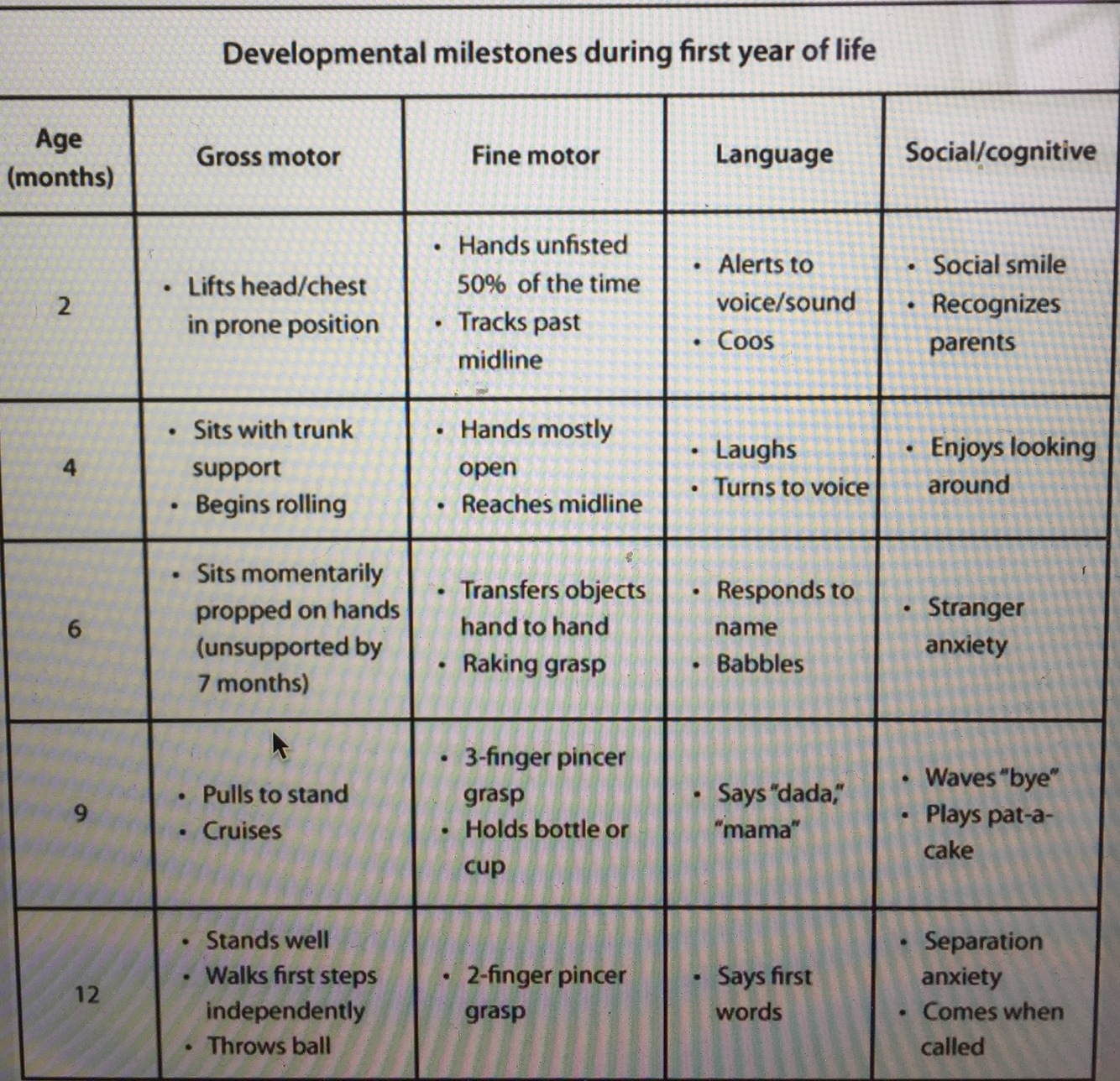
Developmental milestones during first year of life (Gross motor, fine motor, language, social/cognitive)
- 2 months
- 4 months
- 6 months
- 9 months
- 12 months
By 12 months, babies should triple their weight and their height should increase by 50%
Blunt abdominal trauma with a negative fast
Should have a CT (despite negative fast) if high risk features are present: anemia, guarding
Persistant pneumothorax and significant air leak following chest tube placement
Blunt chest trauma
Pneumomediastinum
Subcutaneous emphysema
Tracheobronchial rupture
Causes of posteroperative fever
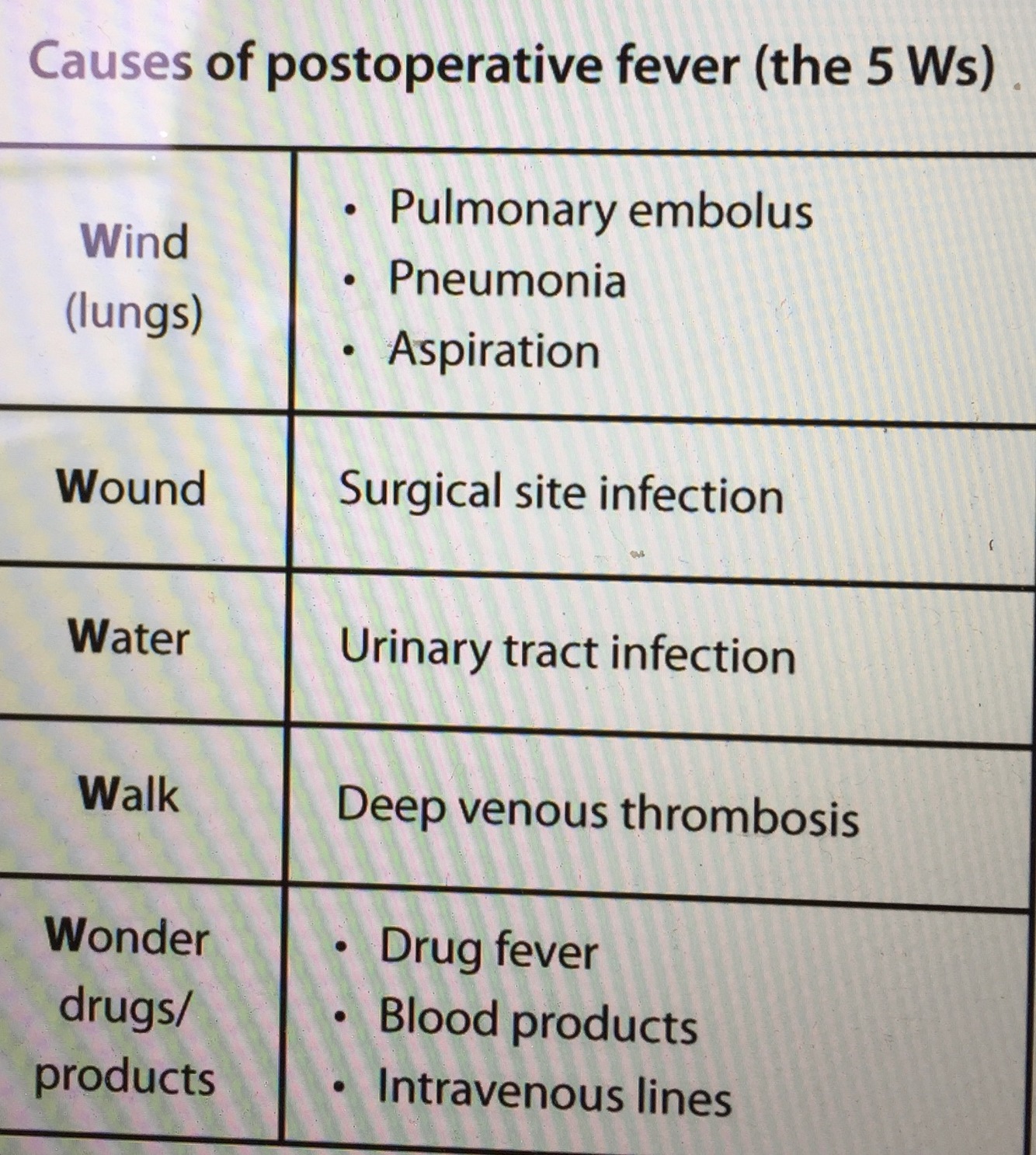
Most frequent cause of nosocomial bloodstream infectionin patients with intravascular devices
Coagulase negative staphylococci
Timeline of cause of posteroperative fever (Timing, causes)
- Immediate
- Acute
- Subacute
- Delayed

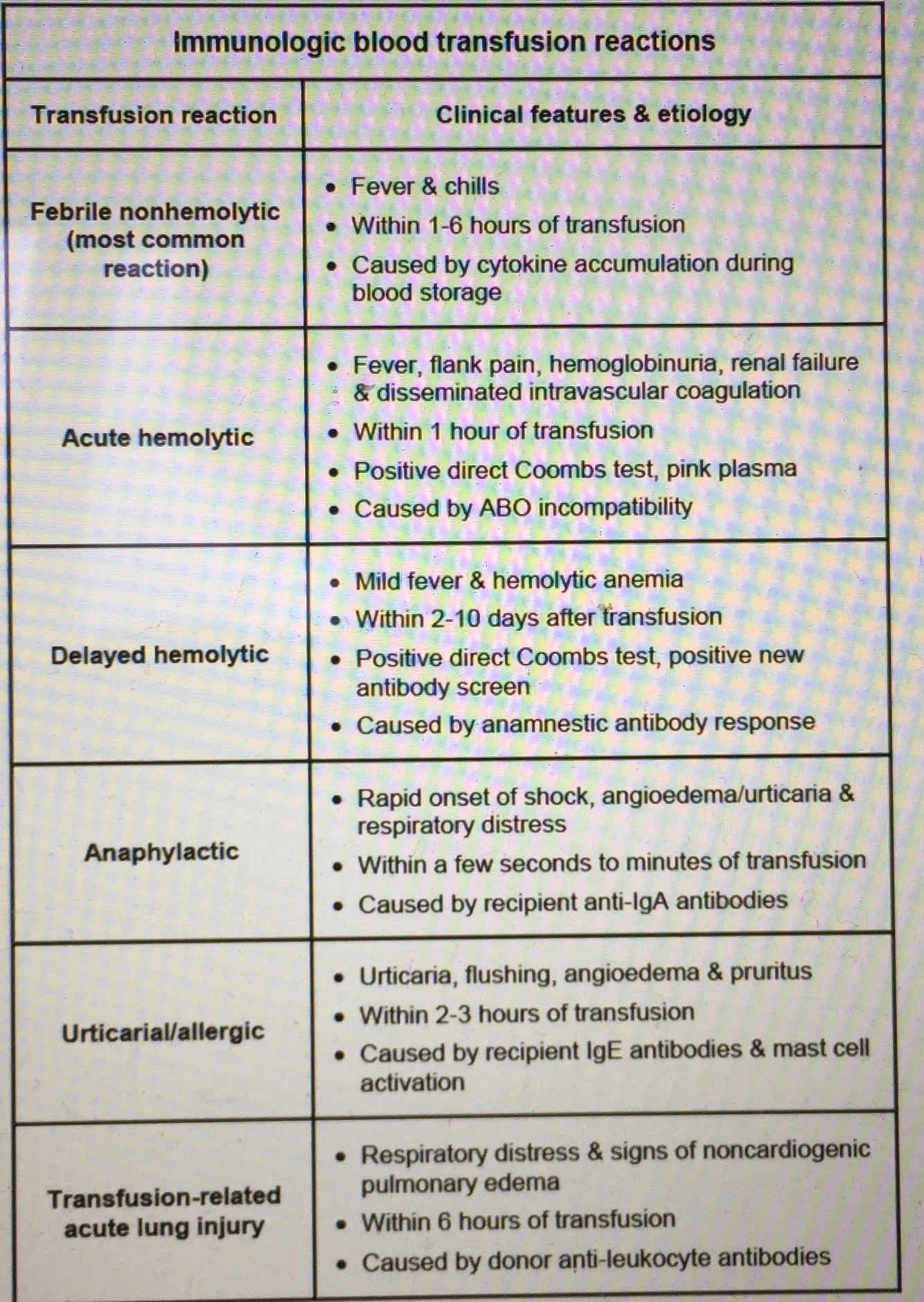
Immunologic blood transusion reactions (Clinical features and etiology)
- Febrile nonhemolytic
- Acute hemolytic
- Delayed hemolytic
- Anaphylactic
- Urticarial/allergic
- Transfusion-related acute lung injury
Organisms causing UTIs related to indwelling urinary catheters
Enteric organisms
- Escheria coli*
- Klebsiella pneumoniae*
- Proteus mirabilis*
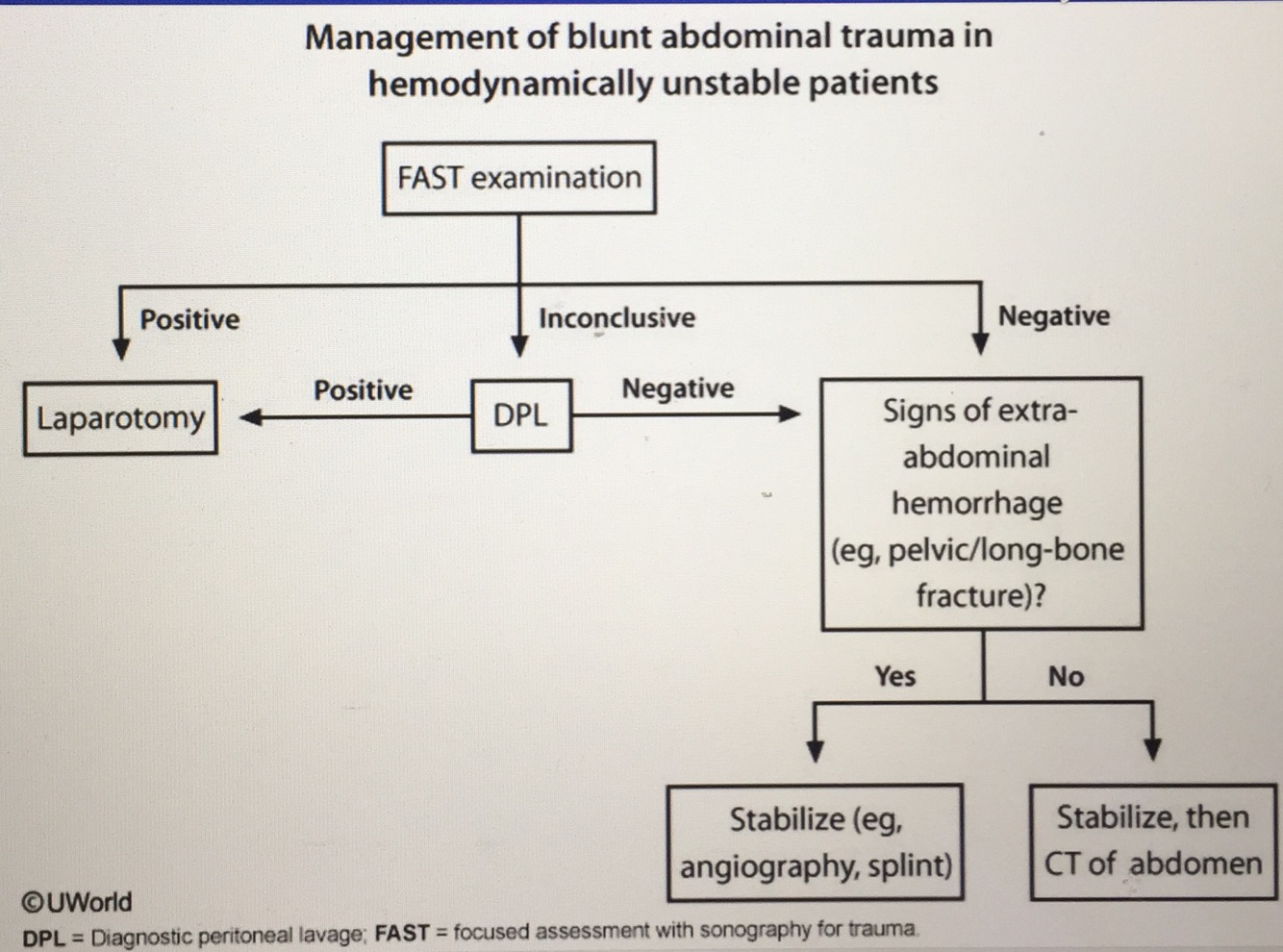
Management of blunt abdominal trauma in hemodynamically unstable patients
Gunshot would below this level can potentially involve the abdomen and requires exploratory laparotomy in unstable patients
Nipple level (4th intercostal space)
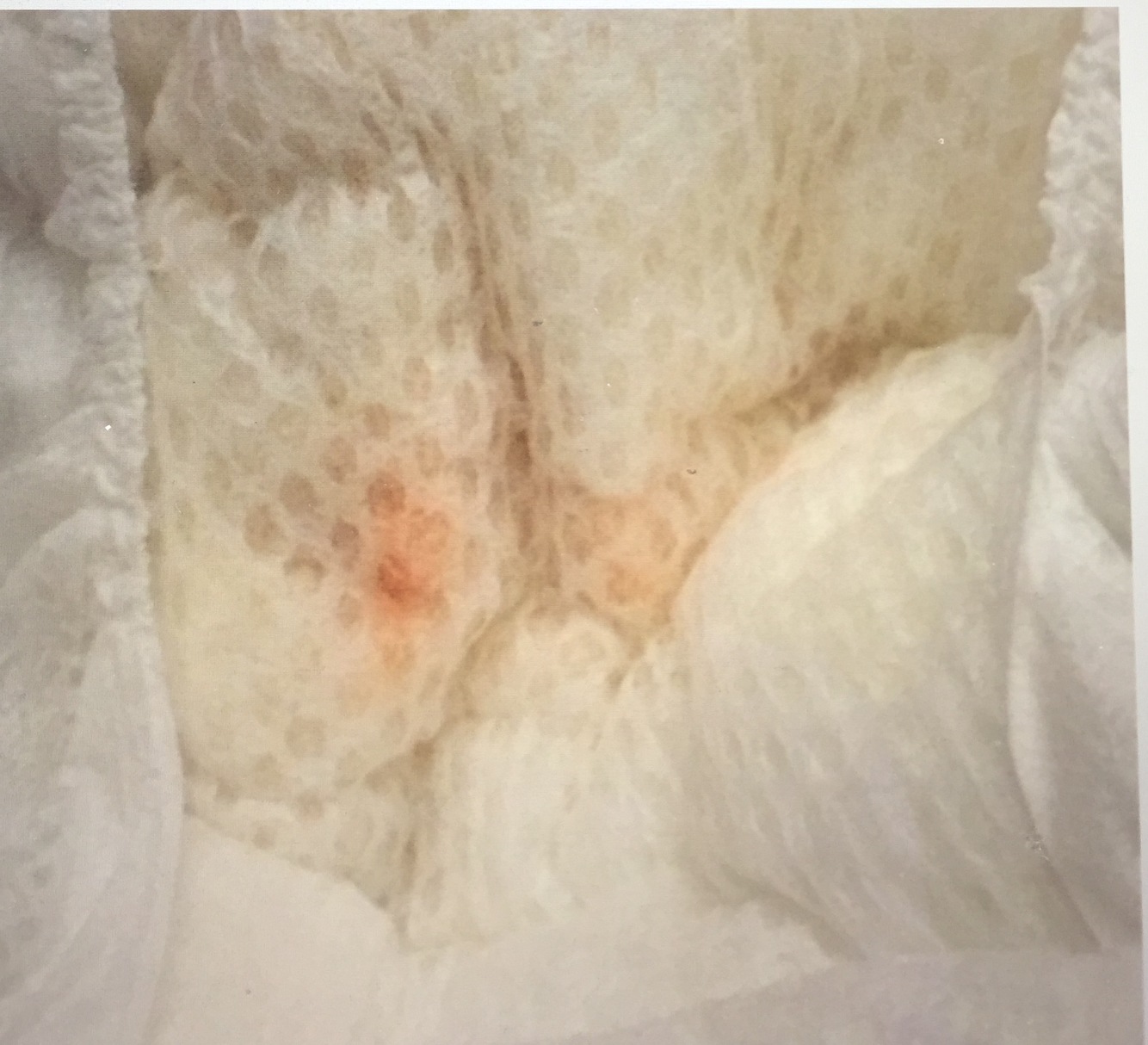
Pink stains or brick dust in neonatal diapers represents uric acid crystals.
Uric acid excretion is especially high at birth and decreases until adolescence.
Commonly seen during first week, or in later months with the morning void after the infant begins to sleep through the night.
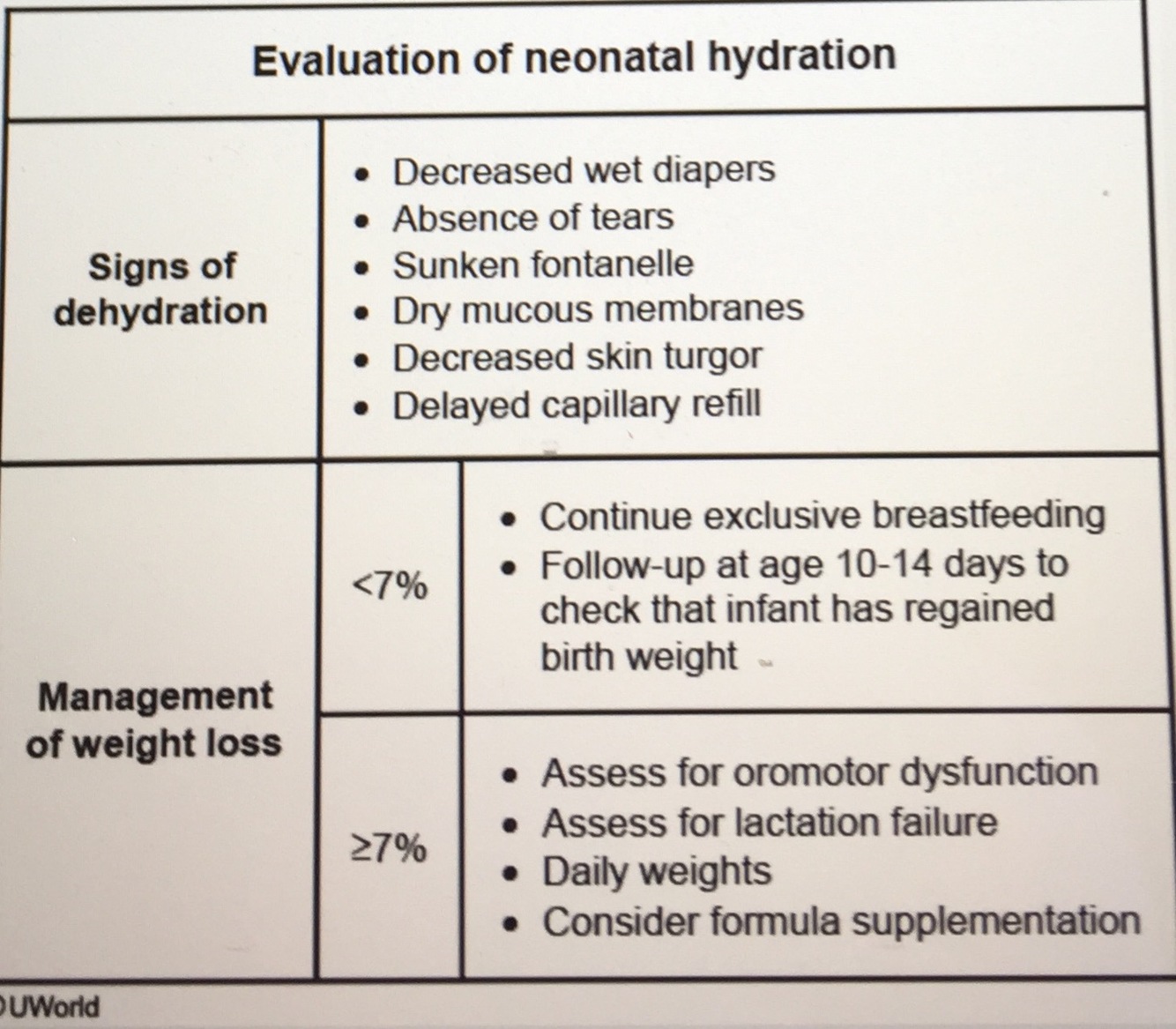
Evaluation of neonatal dehydration
- Signs of dehydration
- Management of weight loss
Glasgow coma scale (GCS)
Ability to open eyes
Motor response
Verbal response

-
Rheumatology/Orthopedics & Sports94
-
Cardiovascular system132
-
Nervous system104
-
Endocrine, Diabetes, & Metabolism69
-
Pregnancy, Childbirth, & Puerperium77
-
Pulmonary & Critical Care76
-
Allergy and Immunology15
-
Gastrointestinal & Nutrition100
-
Dermatology63
-
Renal, Urinary Systems, and Electrolytes70
-
Infectious diseases115
-
Hematology/Oncology75
-
Psychiatric/Behavioral & Substance Abuse57
-
Female Reproductive System & Breast50
-
Male reproductive system4
-
Ear, Nose, and Throat10
-
Ophthalmology24
-
Biostatistics & Epidemiology14
-
Miscellaneous (Multisystem)6
-
General Principles17
-
Poisoning & Environmental Exposures25
-
Social Sciences (Ethics/Legal/Professional)3



