Types of cells in the gastric gland
Mucosal, parietal, chief, endocrine (enterochromaffin like cells, G cells, D cells)
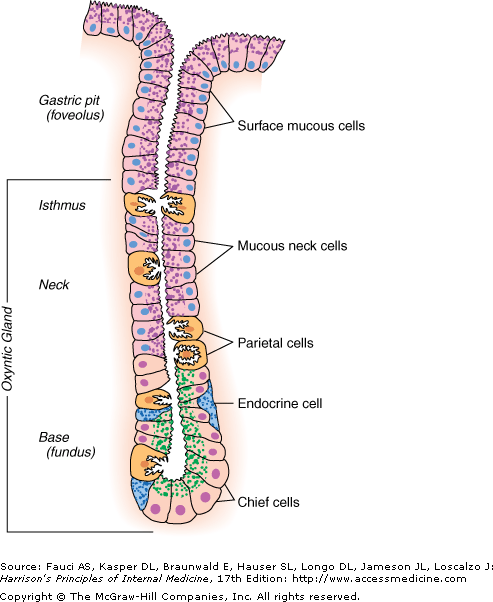
location & function of mucosal cells
Near the top/pit of gastric gland, mucosal cells secrete mucous and bicarb
Location & function of parietal cells
- Isthmus of gastric gland
- secrete gastric acid and IF
Parietal cells: resting vs stimulated state
Go between resting and stimulated state.
Resting state: tubovesicles in cytoplasm that contain proton pumps. Surface: receptors for gastrin, Ach, histamine
Stimulated state: TVs and PPs fuse to surface. Canaliculus surface area of cell expands to make room for more. HCl and KCl released. Hydrogen and chloride bind –> hydrochloric acid.
K+ is pumped back into cell and process continues
Location & function of chief cells
Base of gastric gland
Chief cells secrete gastric lipase and pepsin to break downlipids and proteins
Location and function of endocrine cells
Interspersed through gastric gland
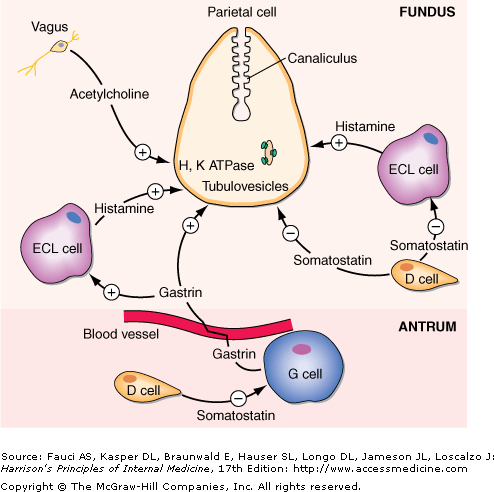
- Enterochromaffin like cells (ECLs) secrete histamine
- G cells secrete gastrin
- D cells secrete somatostatin (the brakes)
chemical messengers that increase gastric acid secretion
Ach, histamine, and gastrin all increase GA secretion.
(Ach released by vagus)
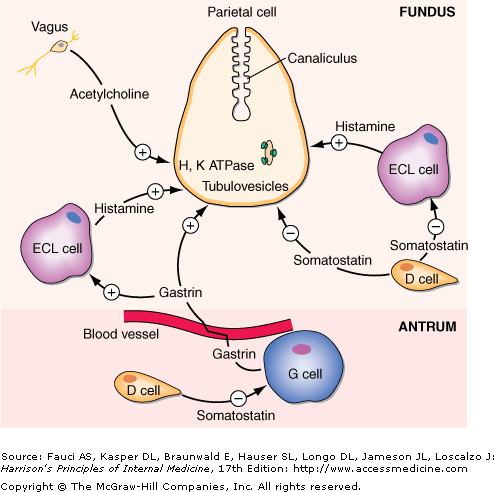
chemical messenger that inhibits gastric acid secretion
Somatostatin: binds to ECLs, G cells, and directly to parietal cells to inhibit GA secretion
Gastric Acid Defenses
Lower esophageal sphincter tone
- Prevents acid reflux into esophagus
Gastric mucous coats the surface of the stomach
- Traps secreted bicarb
- Secreted by mucous cells
- Stimulated by PGs (PGE1 and PGE2)
Mucous creates gel-like surface. Stimulated by PGs, NSAIDs, decrease PG synthesis – hence ulcer w/overuse
Causes of / risk factors for GERD
- decreased lower esophageal sphincter tone (caffeine, chocolate, spicy foods, etc)
- decreasedesophageal clearance of gastric fluids
- decreased saliva production (iatrogenic – meds)
- Delayed gastric emptying (gastroparesis from diabetes)
- Obesity
- Pregnancy
How to treat GERD in pregnancy: lifestyle
Lifestyle modification before pharm interventions:
- Smaller meals
- Avoid eating at bedtime
- Elevate HOB
How to treat GERD in pregnancy: pharm
Pharm stepwise Tx:
- Antacids
- H2 antagonists –> Ranitidine (Zantac) has most safety data
- PPI (less safety data c/t H2Bs): Lansoprazole (Prevacid) and Pantoprazole (Protonix) have more safety data
Type of drugs used to treat GERD
PPIs, antacids, H2 blockers
Types of PPIs
- Omeprazole (Prilosec)
- Esomeprazole (Nexium)
- Pantoprazole (Protonix)
- Lansoprazole (Prevacid)
- Dexlansoprazole (Dexilant)
- Rabeprazole (Aciphex)
PPI: MOA
Prodrugs absorbed in sm intestines
Travel systematically to parietal cells
Activated by stimulated proton pumps
Irreversible disulfide bonds formed with the proton pump
Must create new proton pumps to secrete gastric acid. Why they are so effective.
PPI: dosing
Counseling: take 15-30min before bfast or biggest meal of day; Dose after dinner for nocturnal symptoms
PPIs: absorption
A: rapid, bioavailability & absorption rate decreased w/food
PPIs: half life & duration
½ life: 1.5h, 24h duration (irreversible bond)
PPIs: metabolism
M: liver via CYP2C19 and CYP3A4
PPIs: Excretion
E: inactive in urine and feces
PPIs: important drug interaction
Clopidogred (Plavix) Interaction – prodrug requiring CYP2C19 activation: potential reduce antiPLT activity; avoid PPI or RX protonix or aciphex if necessary
PPIs: ADRs
Prolonged use:
- decreased vit B12 absorption
- decreased mg (esp w/diuretics)
- increased risk bone fractures (decreased Ca absorption) Ca needs acidic environment
- increased risk C. diff & pneumonia (GA destroys c diff spores, bacteria)
Discontinuation causes rebound acid hypersecretion * -Temporary. some recommend H2B bridge.*
Short term well-tolerated
PPIs: crush or split tablets?
• Do not crush or split tablets
PPIs vs H2 blockers for esophageal GERD Sx
PPIs more efficacious




