Ratio Analysis
5 categories of ratios
- Profitability ratio 盈利能力指标
- Activity ratio 营运指标
- Liquidity ratio 流动性指标
- Solvency ratio 清偿能力指标
- Valuation ratio 估值指标
What should be taken into consideration
when doing ration analysis?
3
- Company goals and strategy
- Industry norms (benchmarks)
- Economic conditions (business cycles)
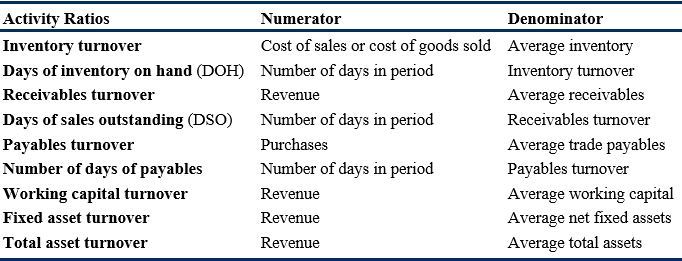
【Activity Ratios】
Inventory turnover
——Days of inventory on hand (DOH)
Receivables turnover
—— Days of sales outstanding (DSO)
Payables turnover
—— AVG payment period
- Operating cycle
- Cash conversion cycle
operating cycle【从原材料到现金】 = DOH+DSO
Cash conversion cycle【从现金支出到现金收回】= DOH+DSO-Payment period
【Activity Ratios】
working capital turnover
fixed asset turnover
total asset turnover
net revenue/AVG working capital
net revenue/AVG net fixed assets
net revenue/ AVG total assets
good inventory turnover/DOH
can mean/ can also mean
good receivables turnover/DSO
can mean/ can also mean
good payables turnover/ payment period
can mean/ can also mean
effective inventory management/no adequate inventory
effecient collection management/ credit policy too tight
making full use of credit facilities/ liquidity trouble?
【working capital turnover】potential problem
【fixed asset turnover】potential problem 2
【total asset turnover】 can be indicator for
no or negative working capital: 失效
- 新公司资产折旧少,turnover低。2.REV可能平滑增长,但资产波动大,可比性不强
capital intensity (labor-intensive or capital-intensive)
activitiy ratios are used to asses:
and usful to asses
activity ratio analysis is always combined in analysis of
operating efficiency
liquidity
revenue growth
【Liquidity Ratios】
current ratio
quick ratio
cash ratio
Defensive interval ratio
current assets/current liabilities
cash+marketable securities+Receivables【less inventory】/current liabilities
cash+marketable securities/current liabilities
cash+marketable securities+receivables/daily cash expenditure
【Liquidity ratios】
current ratio higher/lower means
cash ratio potential problem
higher: higher level of liquidity
lower: need CFO or outside financing to meet current obligations
marketable securities市场价格波动大,cash ratio可能不可靠
【Solvency Ratios】
debt to assets
debt to capital
debt to equity
financial leverage
total debt/total assets
total debt/total debt+total equity
total debt/total equity
AVG total debt/AVG total equity
【Solvency Ratio】
利息保障倍数 interest coverage
Fixed charge coverage
EBIT/Int payment
(EBIT+lease payments)/(interest+lease payments)
debt 与 capital
的含义
debt: liabilities that bear interest
比liabilities更狭义
capital=debt+equity
【solvency】debt-to-assets ratio
what does it mean?
percentage of total assets financed with debt
【Profitability Ratios】
Gross profit margin
Net profit margin
Operating profit margin
Pretax margin
net profit margin (N.I./ revenue)
gross profit margin (gross profit/revenue)
operating profit margin (operating income/revenue)
pretax margin (EBT/revenue)
【Profitability Ratios】
Return on Assets (ROA)
Operating ROA
Return on total capital
Return on Equity (ROE)
Return on common equity
[NI+int(1-t)]/AVG total assets
EBIT(Operating income)/AVG TL Ass
EBIT/total debt and equity
NI/AVG Tl. Equity
(NI-preferred div)/avg common equity
【Profitability ratios】
gross profit margin means?
operating profit margin 增速高于 gross profit margin意味着?
pretax margin突出?
competitive advantage, pricing power, cost control
controlling operating cost
non-operating income,利息负担
Retension rate 定义
divident payout rate 定义
EPS/DPS 定义
div payout rate equation
股利留存率
股利支付率
Eearnings/share, divident/share (all common shares)
= div/NI = DPS/EPS
Firm Sustainable Growth rate
g =

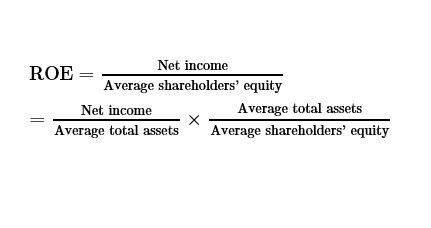
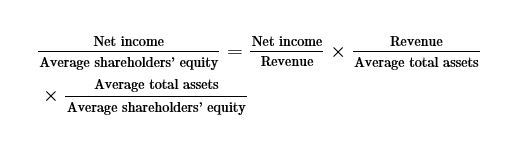
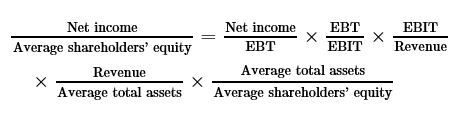
DuPont Analysis
二分法
公式
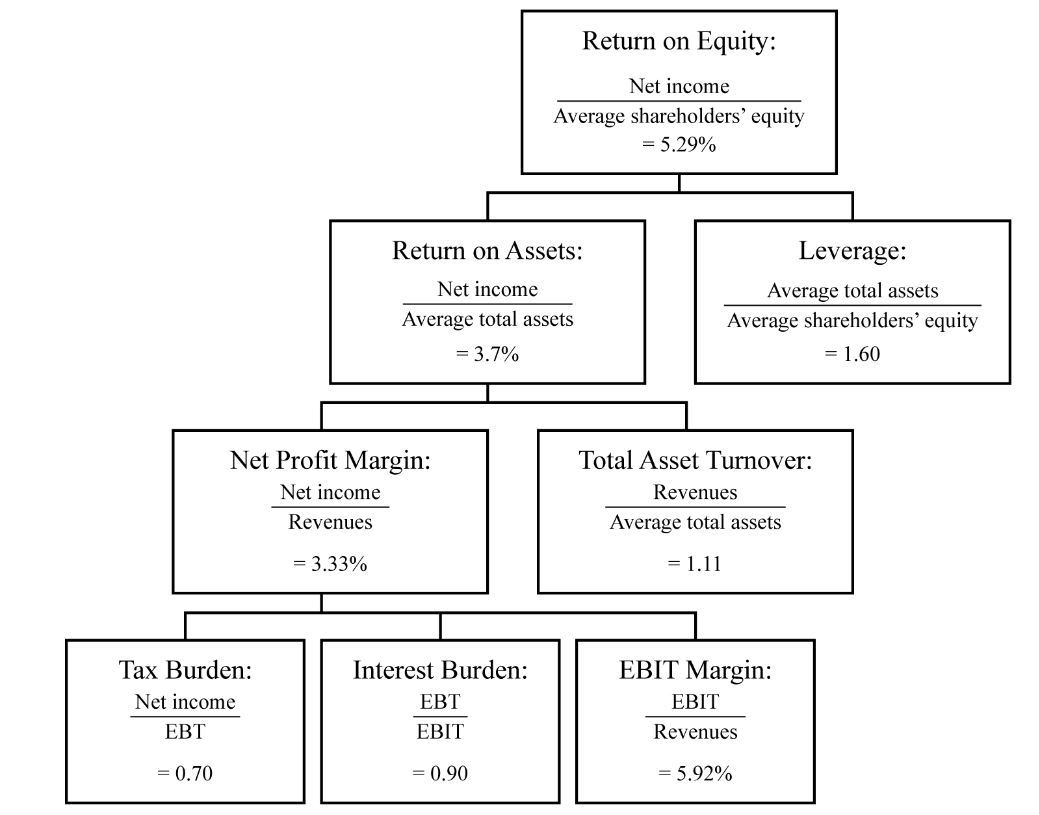
ROE = ROA * Leverage
DuPont Analysis
三分法
公式
ROE = Net profit margin * total asset turnover * leverage
DuPont Analysis
五分法
公式
ROE = Tax burden * interest burden * EBIT margin * total asset turnover * leverage
DuPont Analysis
ROE tree
逐步分解
【Valuation Ratios】
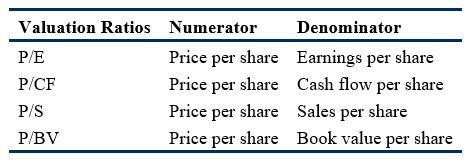
P/E
P/CF
P/EBITDA
P/S
P/BV
及分别含义
- P/E会受non-recurring earnings影响,可用P/CF
- EBITDA去除企业different stage& infrastructure maturity因素
- sales可用于negative net income
- BV: relation between a company’s required rate of return and actual rate of return (>1)
Credit Analysis
Altman Z-score
结论
Z-score < 1.81, high probability of bankrupcy




