Liver disease
Pathophysiology: Inflammation (from alcohol or immune response to viral antigens) damages liver parenchyma, activates stellate cells which causes proliferation of fibrous connective tissues. Fibrosis leads to reduced blood flow, results in congestion of the spleen (splenomegaly) and portal hypertension.
Cirrhosis: late stage, irreversible fibrosis of liver, resulting in jaundice, ascites, portal hypertension, liver dysfunction, hepatic encephalopathy.
Causes: hepatitis and alcoholic liver disease.
Signs/symptoms: jaundice, ascites (fluid in peritoneal cavity), spider angiomas, sialadenosis (parotid gland enlarge), ankle edema, hemorrhage from esophageal varices, hepatic encephalopathy, coma, death. Avoid rapid removal of alcohol.
Lab findings
- Elevated plasma bilirubin and liver enzymes (aminotransferase ALT, AST)
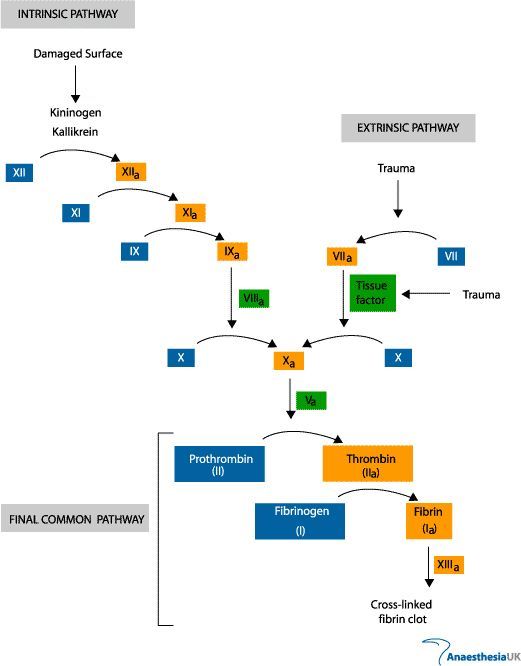
- Prolonged PT, pTT (Factor 10 common vit K dependent clotting factor)
bilirubin = pigment from RBC breakdown, normally absorbed by liver and passed in feces
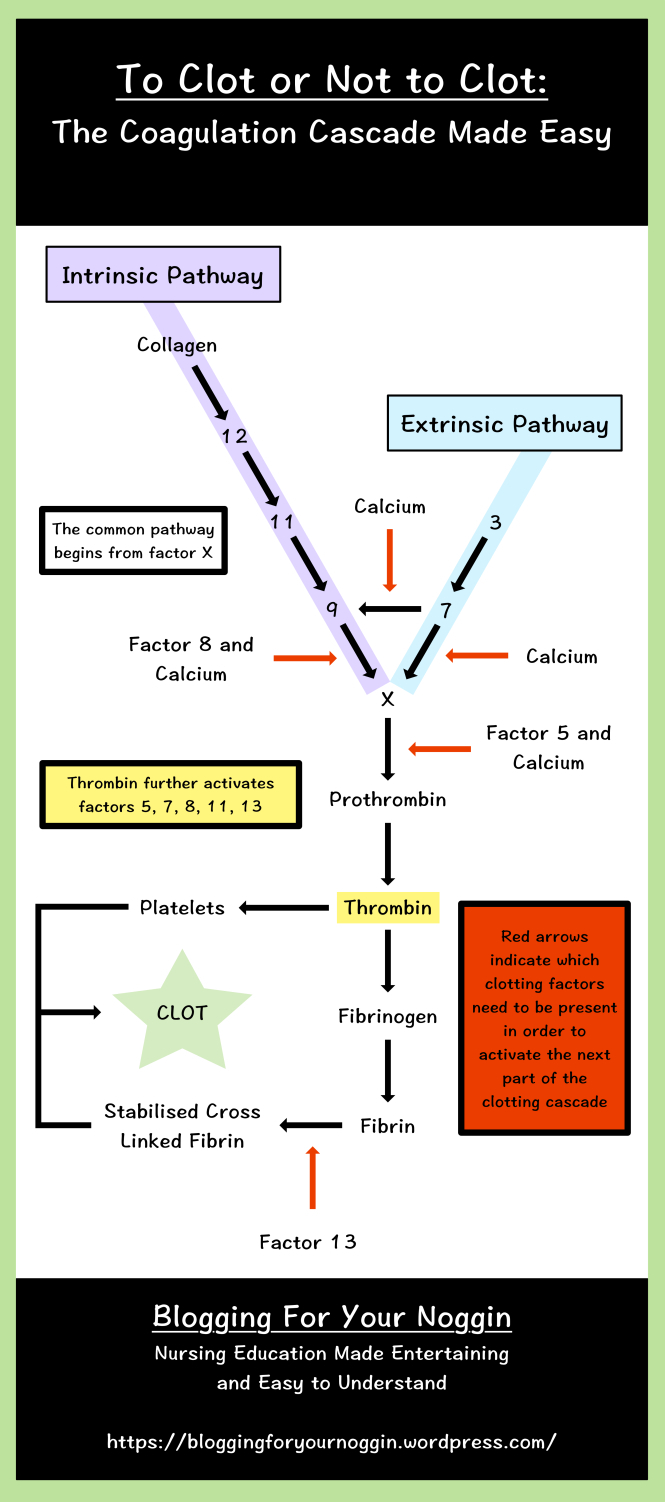
Clotting Cascade
Hepatitis
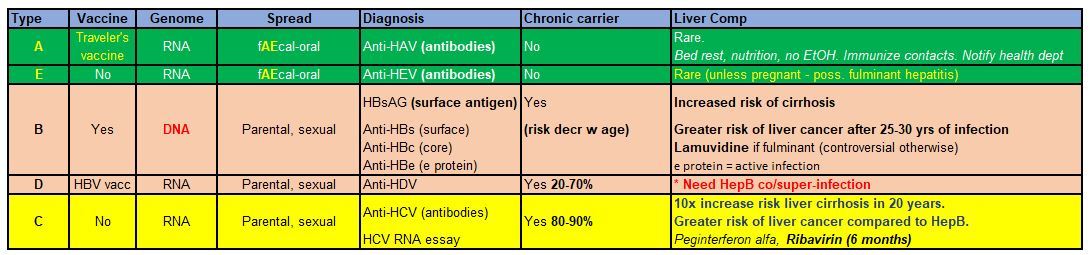
Hepatitis: inflammation of liver. Primary cause of liver cancer.
Acute hepatitis can lead to chronic hepatitis, fulminant hepatic failure, cholestatic hepatitis, extrahepatic syndromes.
Chronic hepatitis: duration at least 6 months (can suspect if extended viremia for 3+ mos).
- Hep B (2%-7%)
- Hep C (50-85%)
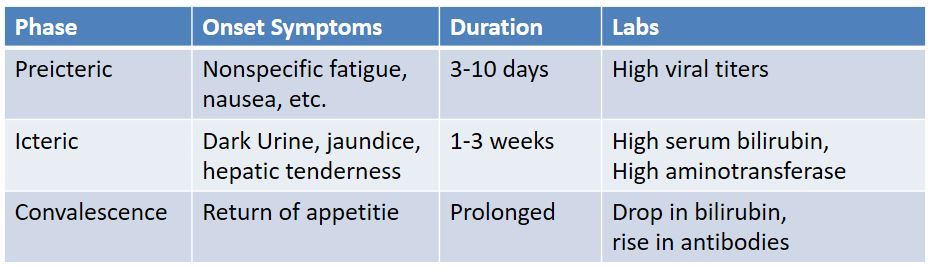
Hepatitis - Disease Progression
Occupational Risk
Occupational risk:
Hep B most infectious (survive in dried blood 1 week)
HepC much less infectious No significant role of saliva
Per OSHA, employer must:
- Provide HepB vaccine
- Provide bloodborne pathogen training
- Provide PPE
- Provide exposure control plan (eval, FU)
- Keep records
Dental management
Med consult: impaired drug metab and bleeding tendency
Severe dz may require hospital setting
Impaired drug metabolism (X_limit/avoid)
- Lidocaine etc safe in appropriate amt (3 carp). May need higher dose in alcoholic liver dz.
- EPI limit to 2 carp 1:100K (portal HTN - monitor BP)
- End stage: X_aspirin, NSAIDs, Tylenol, narcotics
- X_BNZ/barbiturates
- Abx premed NOT needed. For infection: Pen/Amox OK. X_metronidazole, vancomycin, TCN
Prolonged bleeding
- Reduced coagulation factors (2,7,9,10 vit K dependent)
- Low platelet (sequestration in enlarged spleen from portal HTN)
- May need Vit K and/or platelet/clotting factor replacement
Alcoholic Liver Disease
Liver dmg by alcohol + acetaldehyde.
15% alcoholic have cirrhosis.
Fatty liver >> alcoholic hepatitis (reversible) >> cirrhosis (irreversible)
Dental Management:
- Recognize (spider angiomas, enlarged parotids)
- Avoid rapid alcohol removal
- Bleeding tendency
- Drug interaction
- Increase in oral cancer

-
Diabetes10
-
Hypertension9
-
Liver8
-
GI9
-
Kidney6
-
Infective Endocarditis4
-
Ischemic Heart Disease4
-
Cardiac Arrhythmias2
-
Congestive Heart Failure3
-
COPD3
-
Asthma4
-
Tuberculosis2
-
Obstructive Sleep Apnea and Smoking Cessation3
-
Red Blood Cell Disorders8
-
White Blood Cell DIsorders11
-
Acquired and Congenital Bleeding Disorders8



