Explain how billirubin is metabolized and excreted both in a normal person and in a person with high levels of billirubin.
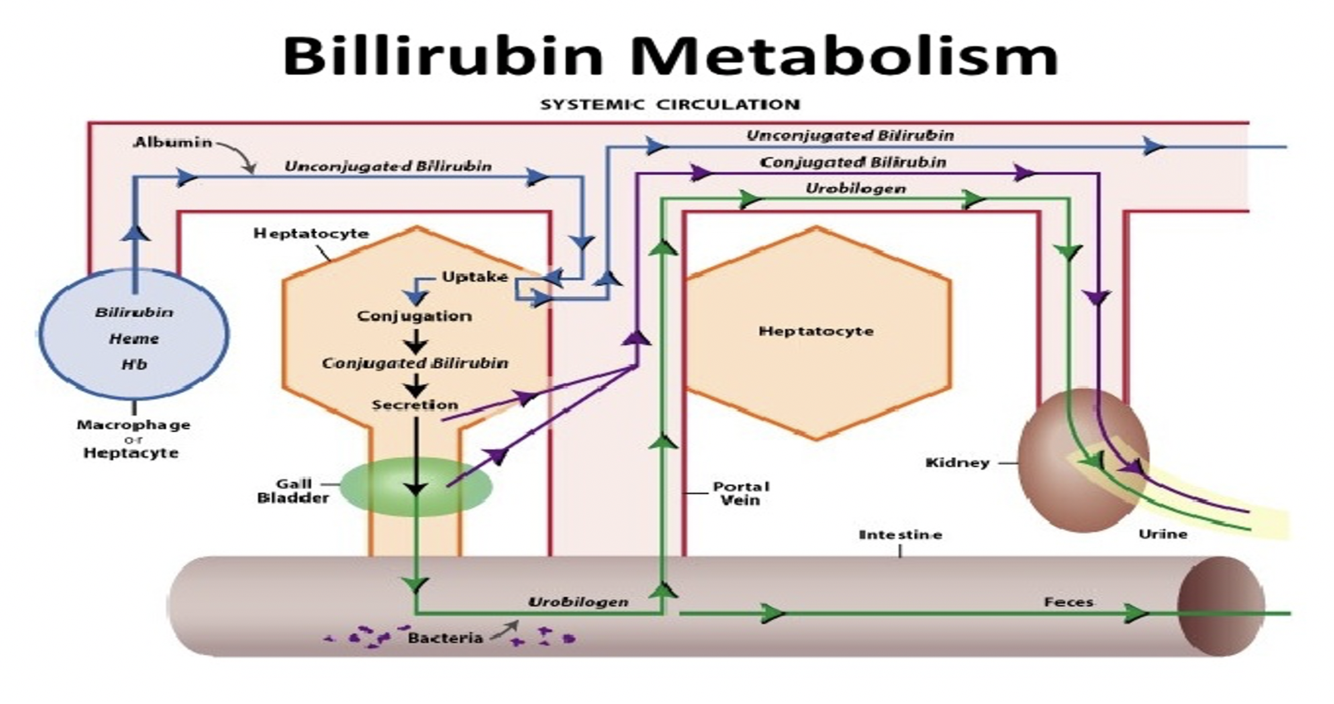
Billirubin is a breakdown product of heme. In the body, 85% of heme comes from the metabolism of old RBCs, but the remainder comes from recycling of myoglobin and enzymes that contain heme (cytochromes, catalases). The metabolism of heme to billirubin takes place in either macrophages or hepatocytes. Once billirubin is produced in these cells, it is secreted into the blood where it binds to albumin. Albumin carries it to the liver where the billirubin is actively uptaken into the hepatocyte and albumin is released back into the bloodstream. Once inside the liver cell, billirubin undergoes conjugation where it is made into glucuronide - billirubin by the enzyme UDP-glucuronide transferase. In a normal healthy person who does not have high levels of billirubin, conjugated billirubin is secreted from the liver in the bile and goes to the gallbladder. Once in the gallbladder, it is secreted as bile into the small intestine. In the GI tract, it is acted upon by bacteria in the colon which turn it into urobilogen. Urobilogen can be excreted in the feces (gives feces its brown color) or it can be absorbed into the blood and secreted in the urine. This is all normal.
When a person has high levels of billirubin in their blood, their liver is processing more billirubin than a normal person. As such, high levels of conjugated billirubin can accumulate in the liver and some of this can be secreted into the blood instead of the bile. Once in the blood, the conjugated billirubin is excreted in the urine, giving the urine a very dark yellow color. Additionally, when high billirubin is present in the blood, it’s possible that the person may not be able to uptake it all into the liver and you can see unconjugated billirubin in the blood. This cannot be excreted so it circulates and causes jaundice.
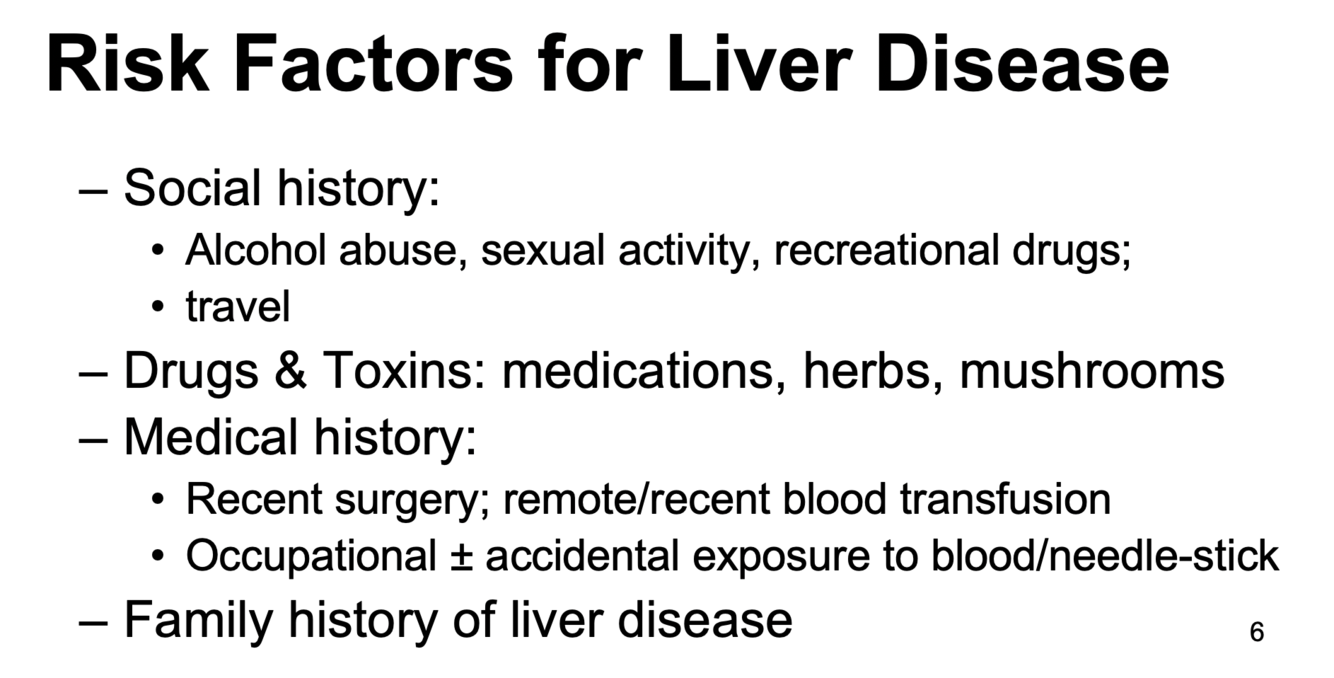
What are the risk factors for liver disease?
What liver pathology is seen here?
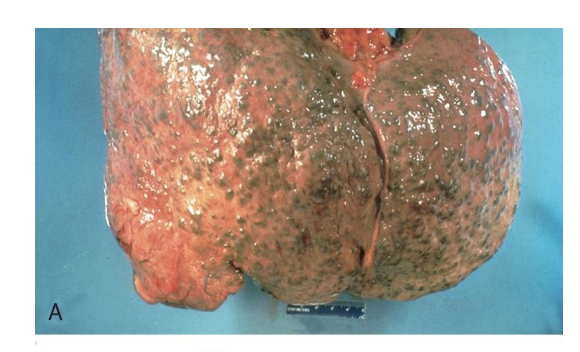
Cirrhosis that leads to obstruction of biliary secretion from liver so there is green nodules on liver due to build up of bile in liver
What liver pathology is seen here?
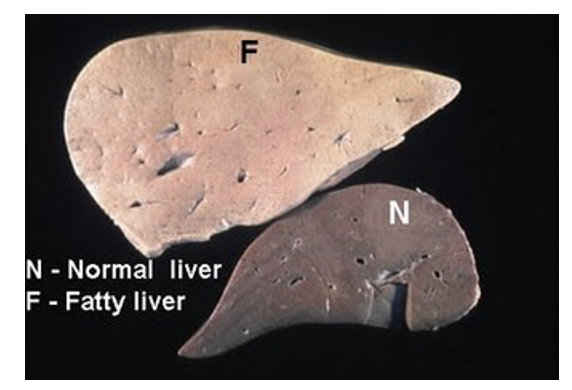
Fatty liver (alcoholism, diabetes, metabolic syndrome, obesity)
What liver pathology is seen here?
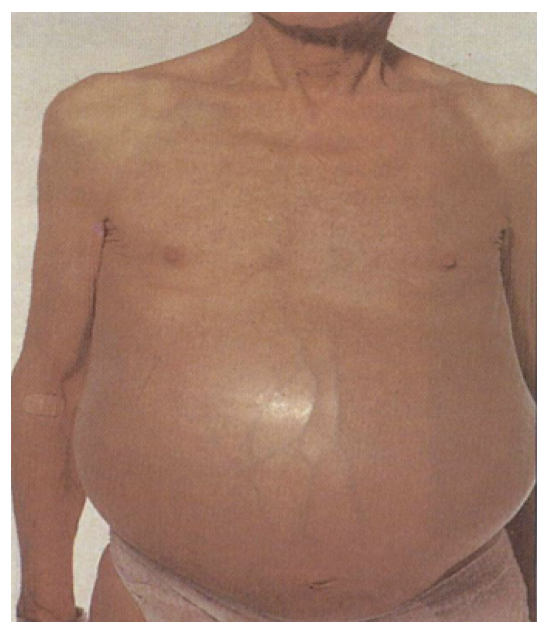
Ascites
What are the 3 classifications of jaundice?
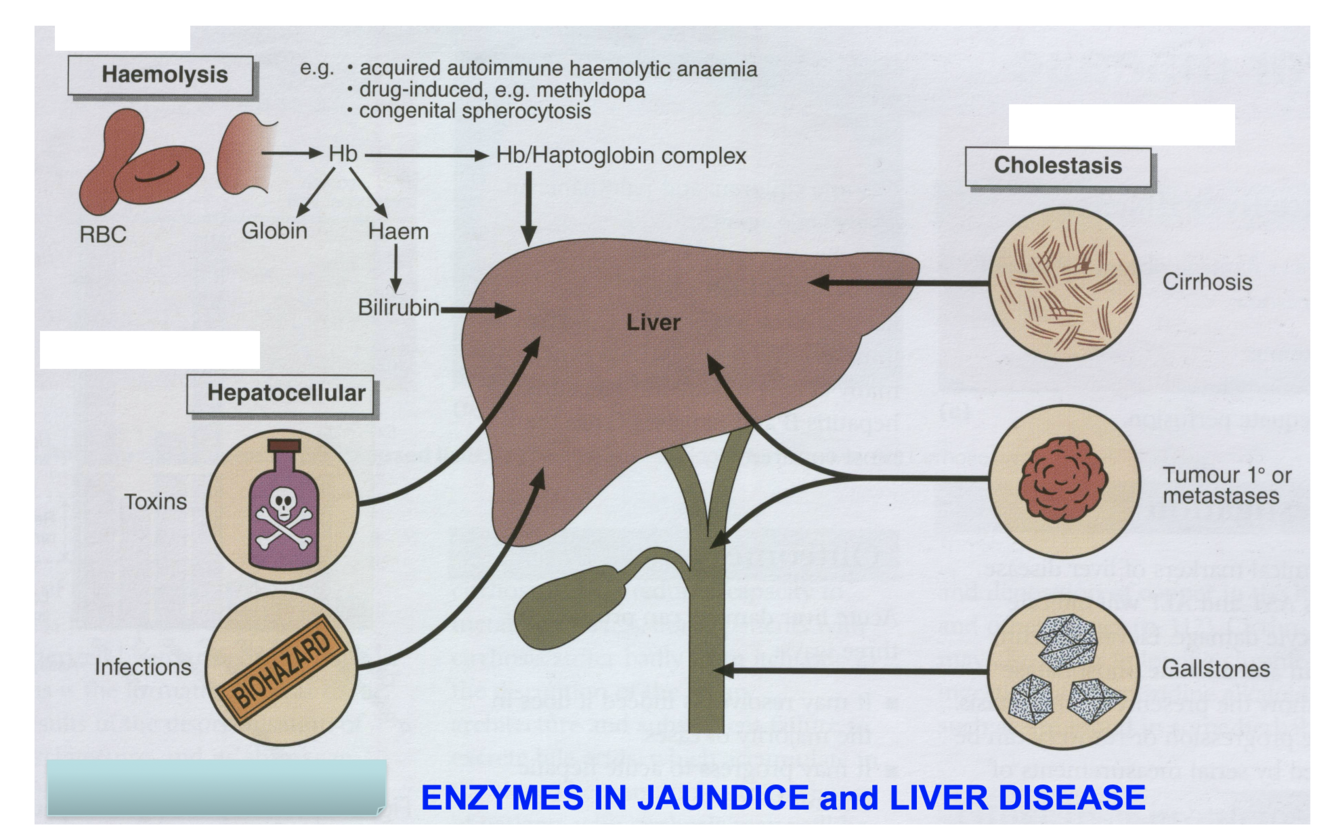
- Pre-hepatic / hemolytic –> drug induced, hemolytic anemia, etc –> results in build up of billirubin in blood that is unconjugated b/c liver can’t conjugate fast enogh
- Hepatocellular –> damge to liver from toxins, infections, etc –> results in build up of both conjugated and unconjugated billirubin
- Post-hepatic –> liver function is fine but there is an issue getting bile from liver to gallbladder (cirrhosis, tumor, gallstones) –> results in build up of conjugated billirubin
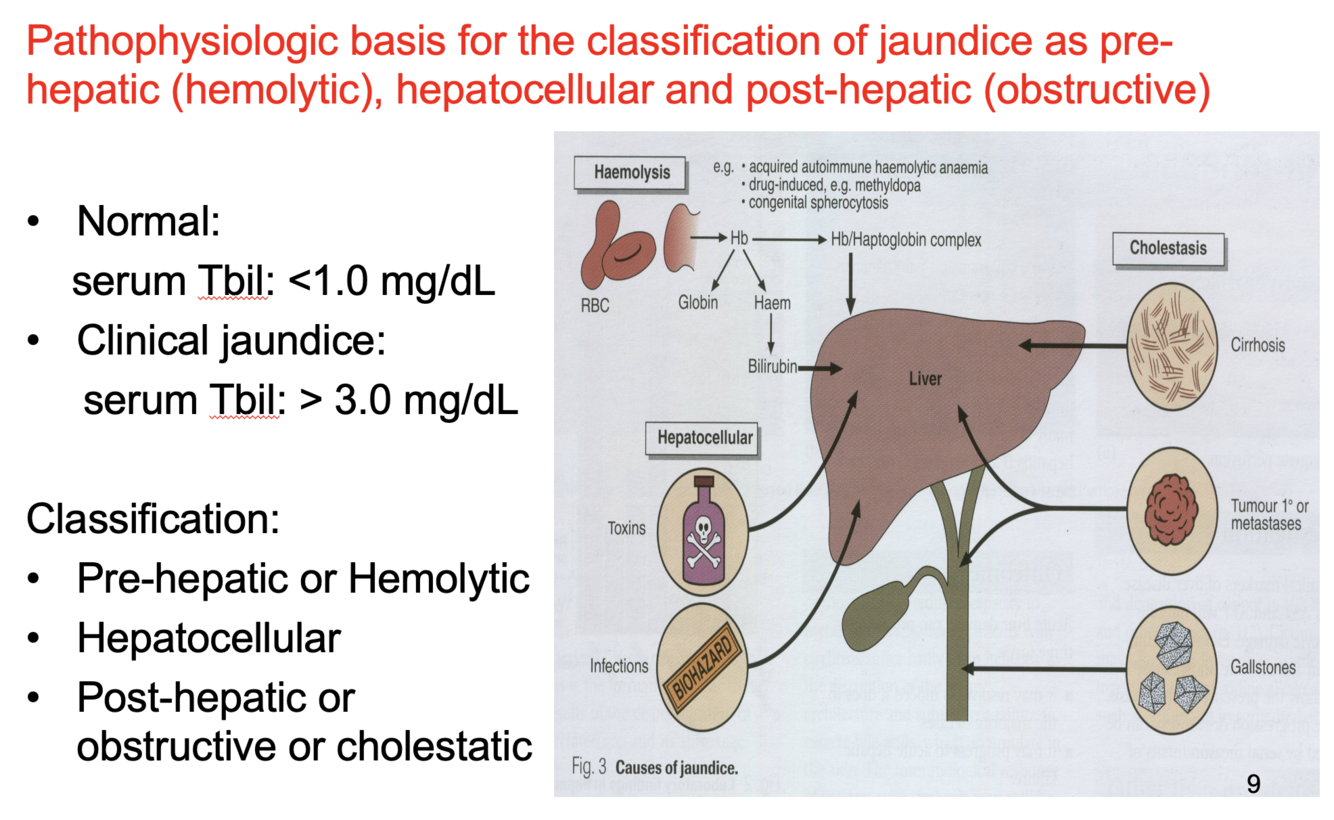
If unconjugated billirubin is found in the serum, it is most likely due to […]
Hemolytic disorder
If conjugated billirubin is found in the serum, it is most likely due to […]
Liver and/or billiary tract disease
If a person has unconjugated billirubin in serum, will you find billirubin in their urine?
No - can’t be excreted
Billirubin found in the urine implies […]
That the billirubin is conjugated and the presence of hepatobilliary disease
What are the possible causes of unconjugated hyperbillirubinemia?
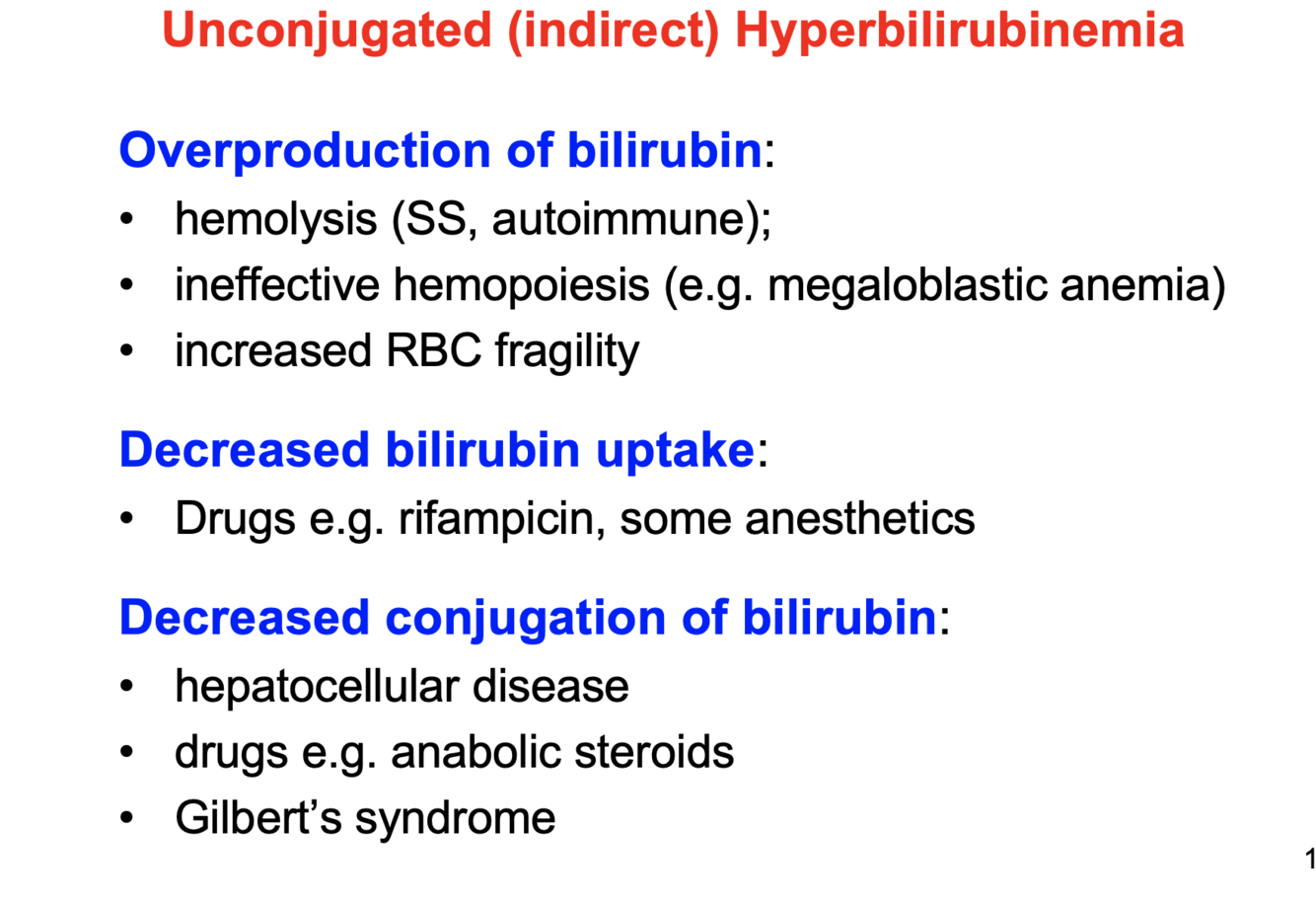
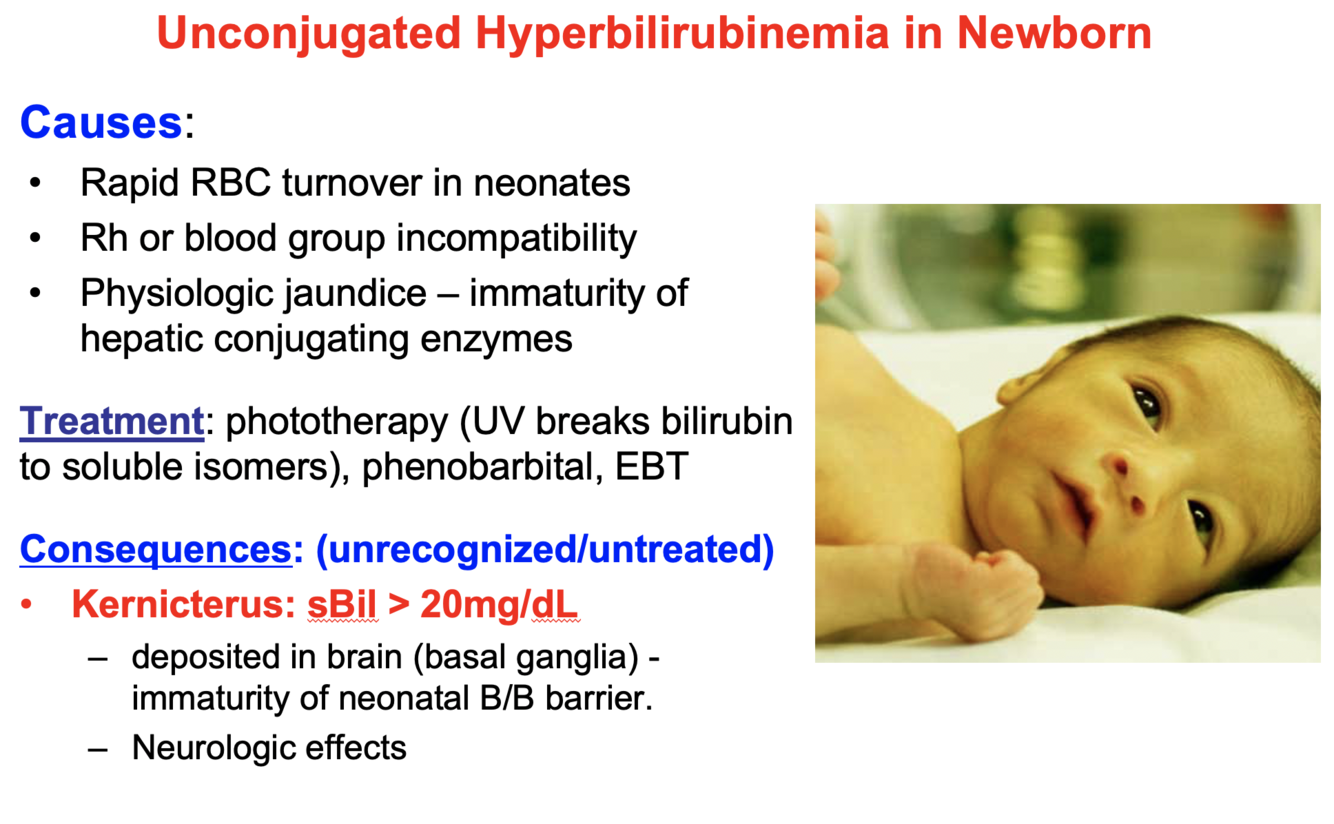
- What is different about seeing unconjugated hyperbillirubinemia in a newborn vs. an adult?
- What are the causes of this in a newborn?
- What is the treatment if it is found to be pathologic?
- What is the biggest consequence of untreated hyperbillirubinemia in a newborn?
- It is sometimes not pathologic in newborn b/c their hepatobiliary system is immature so in some infants it clears on its own as the liver develops more
- See slide for rest of questions
Why do we measure blood ammonia in relation to liver function?
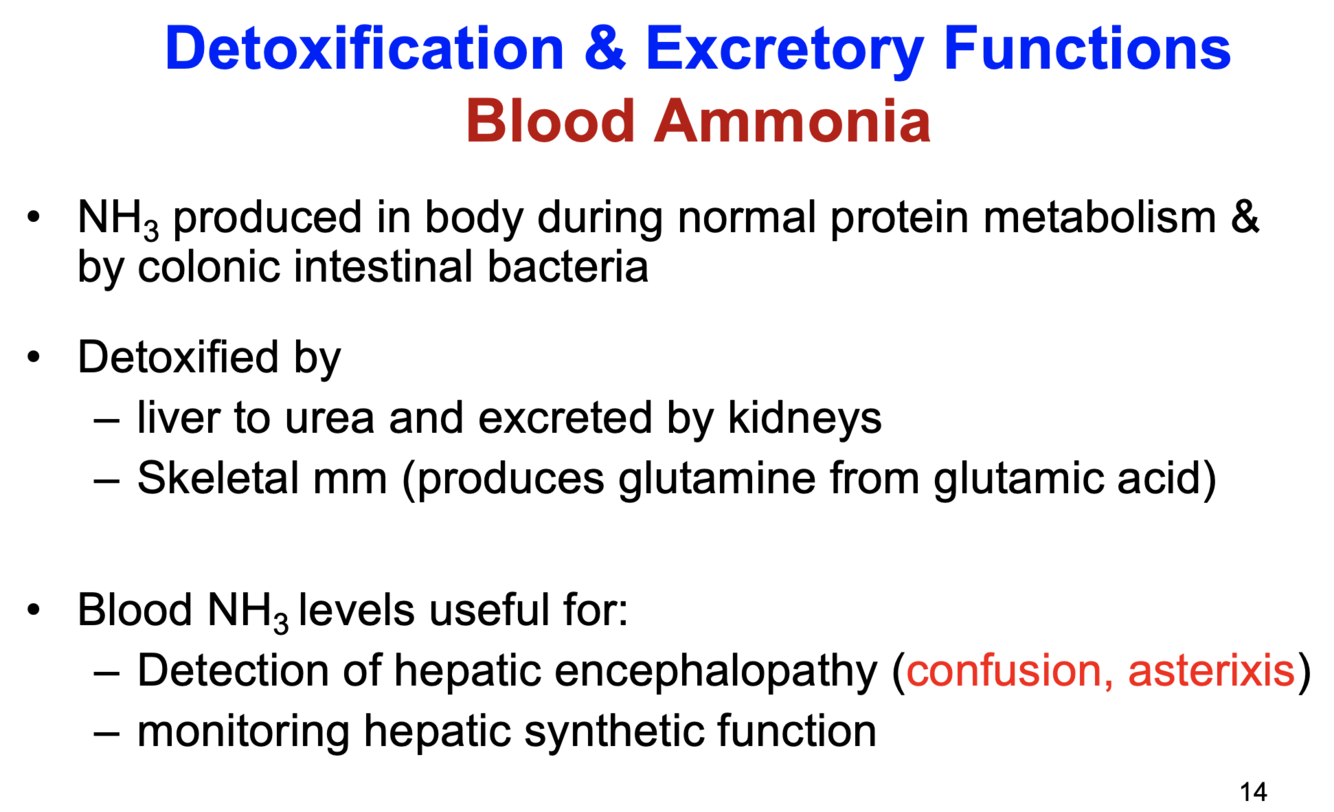
There are several liver enzymes that can be tested for tin the serum. What does increased enzyme activity tell you?
Only tells you about liver dysfunction, not liver function
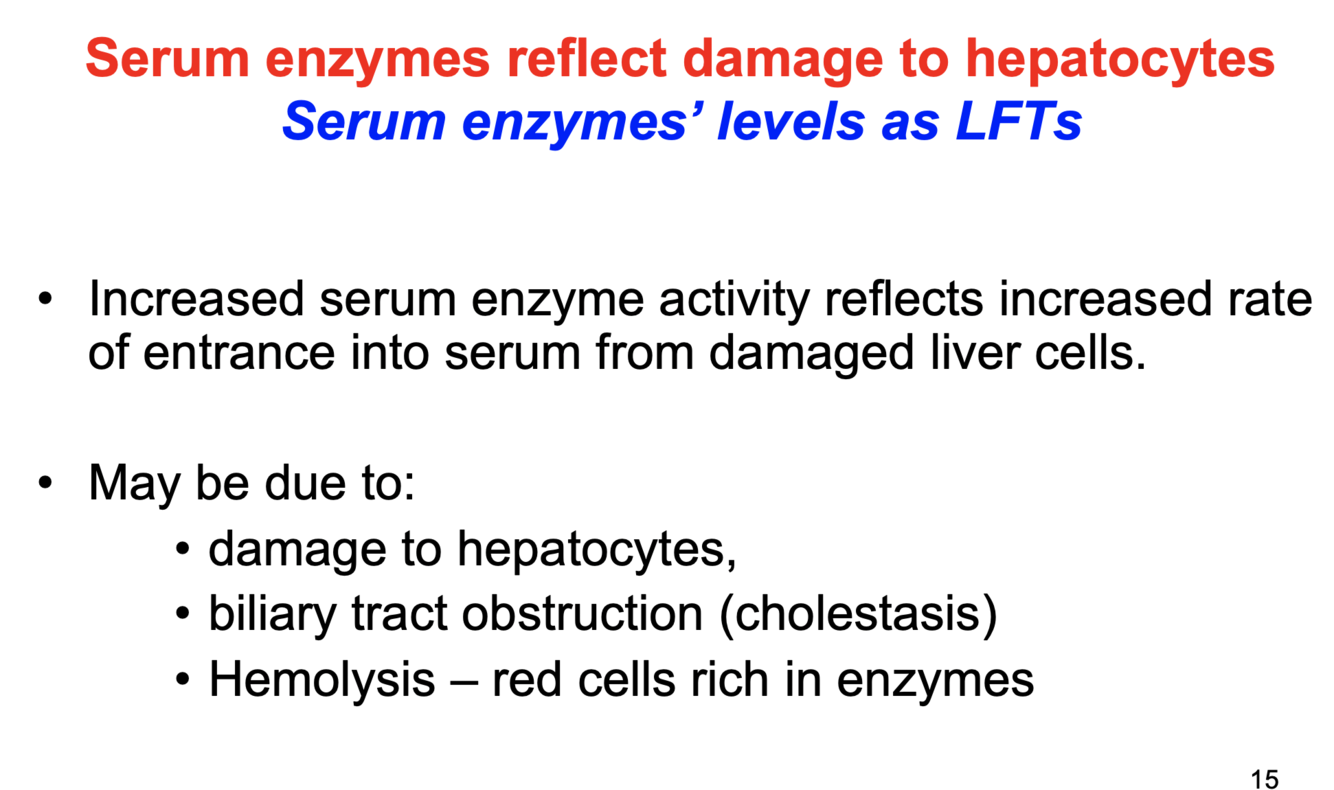
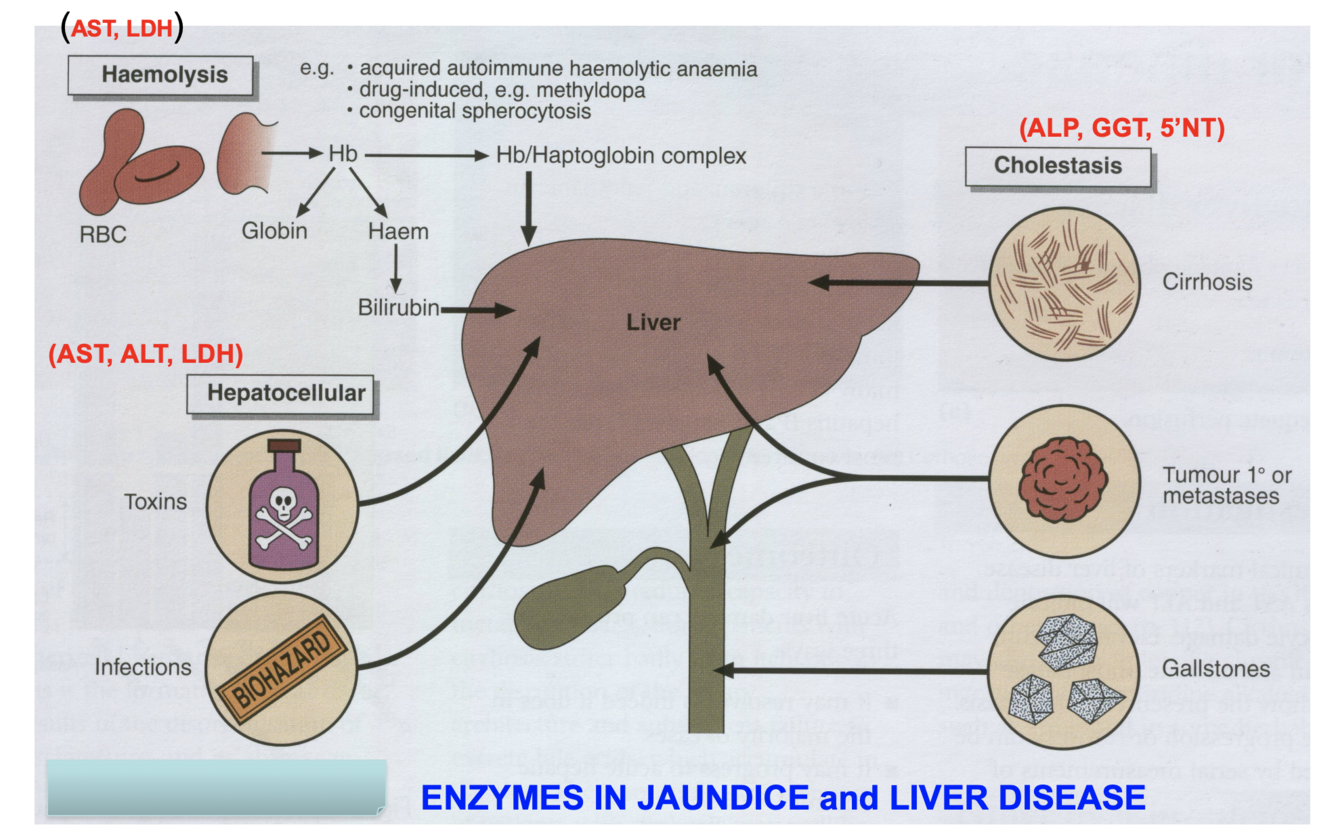
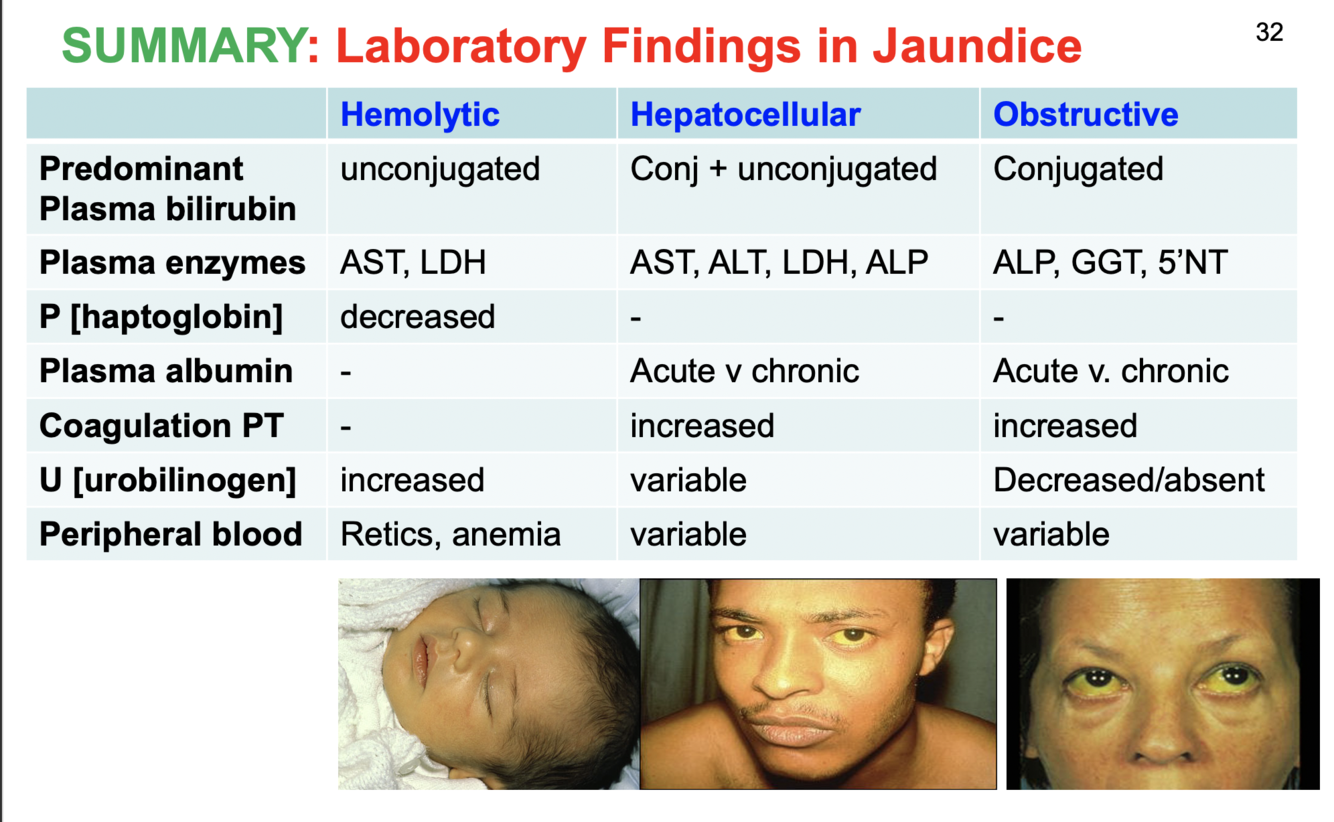
Let’s say a person has jaundice and you need to distinguish between the causes of jaundice. What 3 enzymes can be measured in serum to check for liver dysfunction that indicates hepatocellular damage?
AST
- Non-specific to liver, also in RBCs so can be high with hemolytic jaundice also
- Extramitochondrial and mitochondrial
ALT
- Found primarily in liver, if this is high it indicates liver damage
- Strictly extramitochondrial
LDH
- Cytosolic enzyme, has several isozymes throughout body so it has poor diagnostic sensitivity and specificity for liver disease
- Let’s say that a person has elevated levels of AST and ALT. How do you distinguish between elevation that signals liver disease and elevation that may not be due to liver disease?
- What does the ratio of AST:ALT tell you?
- Normal range in serum is 10-20 Units/Liter
- 20 U/L - 300 U/L is not specific to liver disease
- > 1000 U/L indicates extensive liver damage due to drugs, virus, toxins
- See image
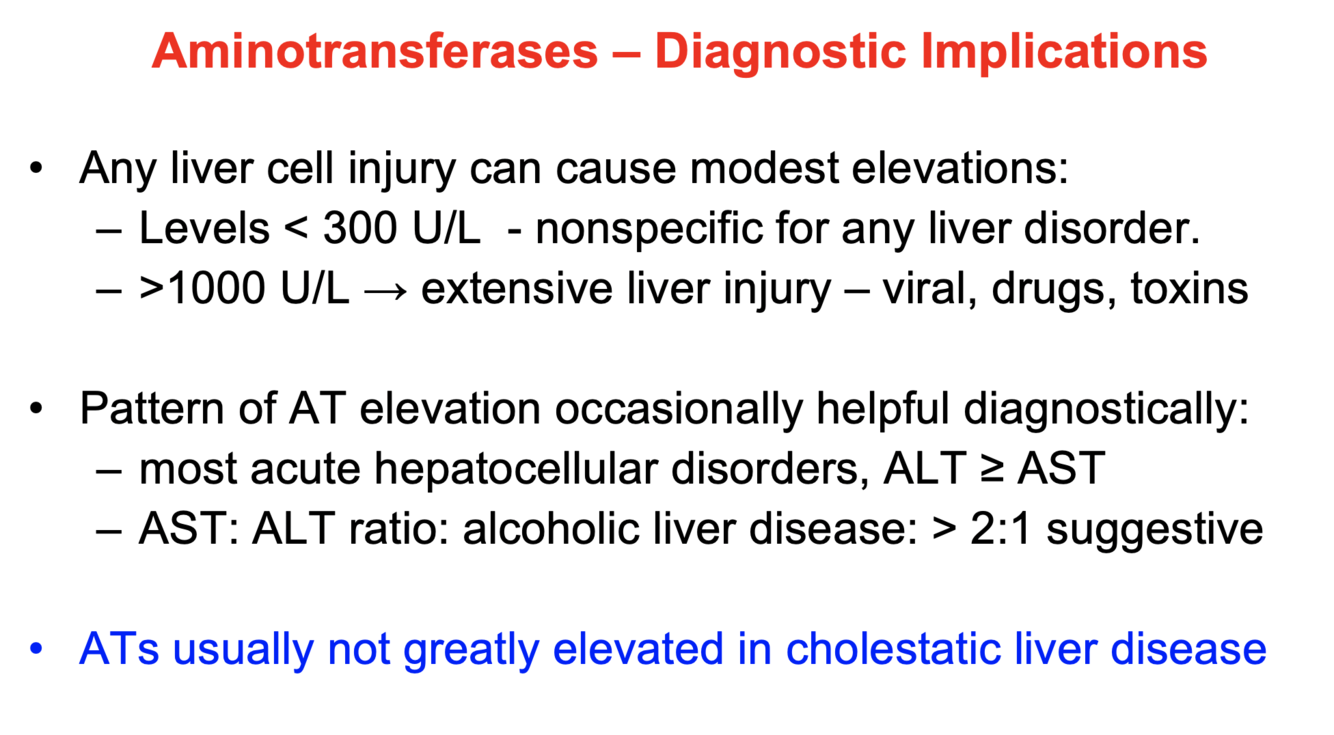
Let’s say a person has jaundice and you need to distinguish between the causes of jaundice. What 3 enzymes can be measured in serum to check for liver dysfunction that indicates cholestasis or post-hepatic jaundice?
AlkPhos (ALP)
- Has isozymes in other parts of body, but is found near biliary cannaliculi in liver
- If elevated, and you don’t suspect other possible sources of elevation, it’s good indication of issue with biliary tract
Gamma glutamyl transpeptidase (GGT)
- Helps in DiffDx when ALP is elevated but you may suspect another cause of elevated ALP (bone disease)
5’-nucleotidase (5’-NT)
- Also found near bile cannalicular membrane, but not widely used clinically
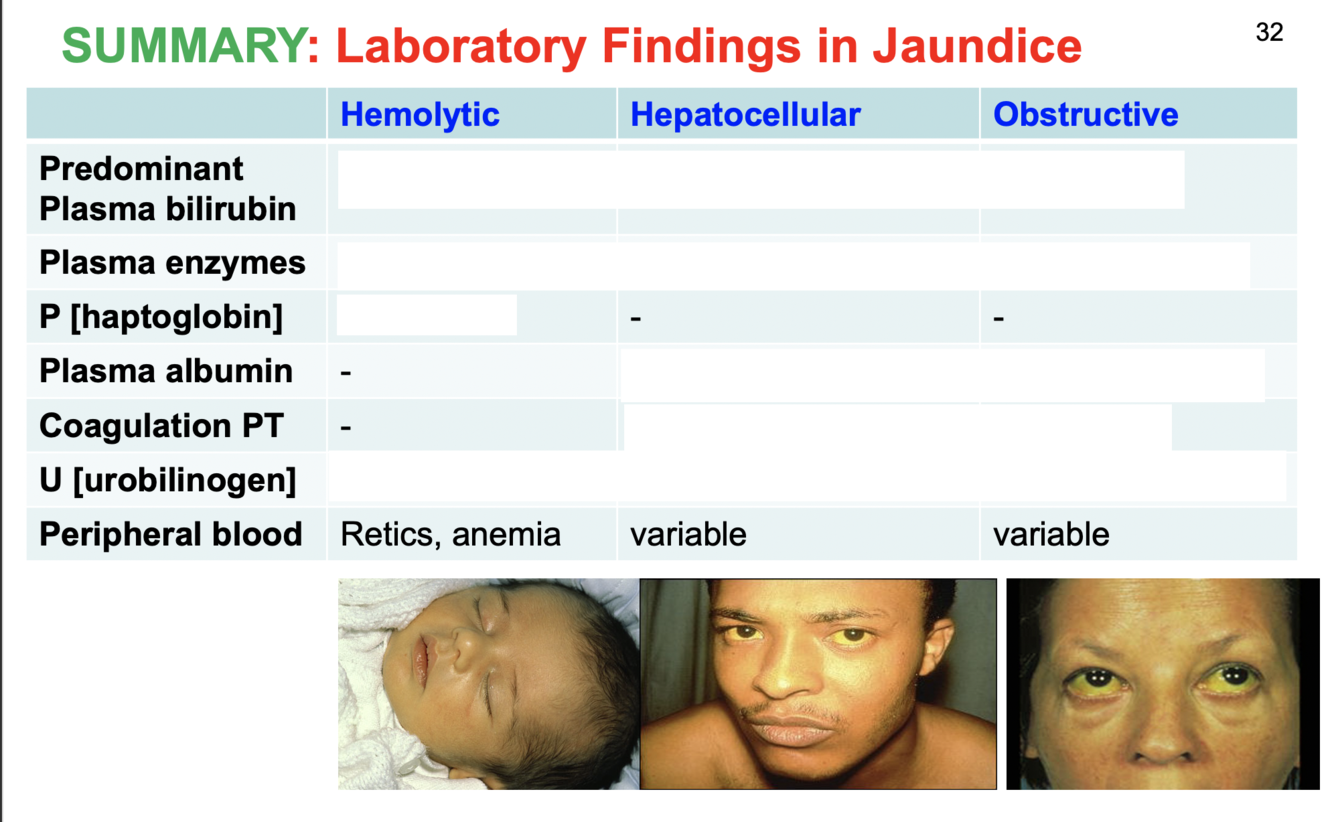
In the image below, which liver enzymes would you expect to be elevated in the following types of jaundice?
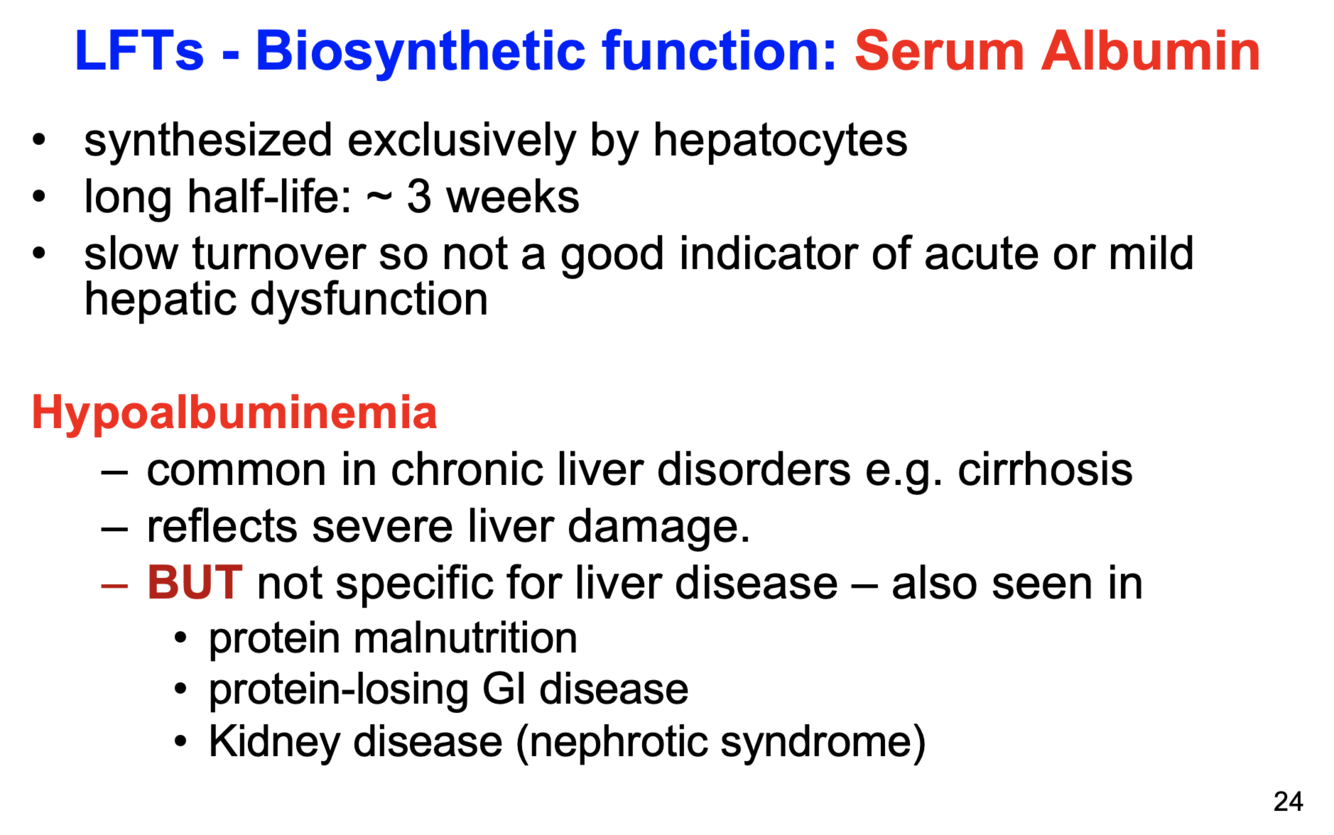
Serum albumin is made exclusively by the liver. Is it a good measure of liver function?
It has a long half life (3 weeks) so if it is not normal it cannot detect acute disturbances to liver function. However, hypoalbuminemia is common in chronic liver disease like cirrhosis and reflects severe damage. However, you can also see hypoalbuminemia in other disorders. Important to measure other things too.
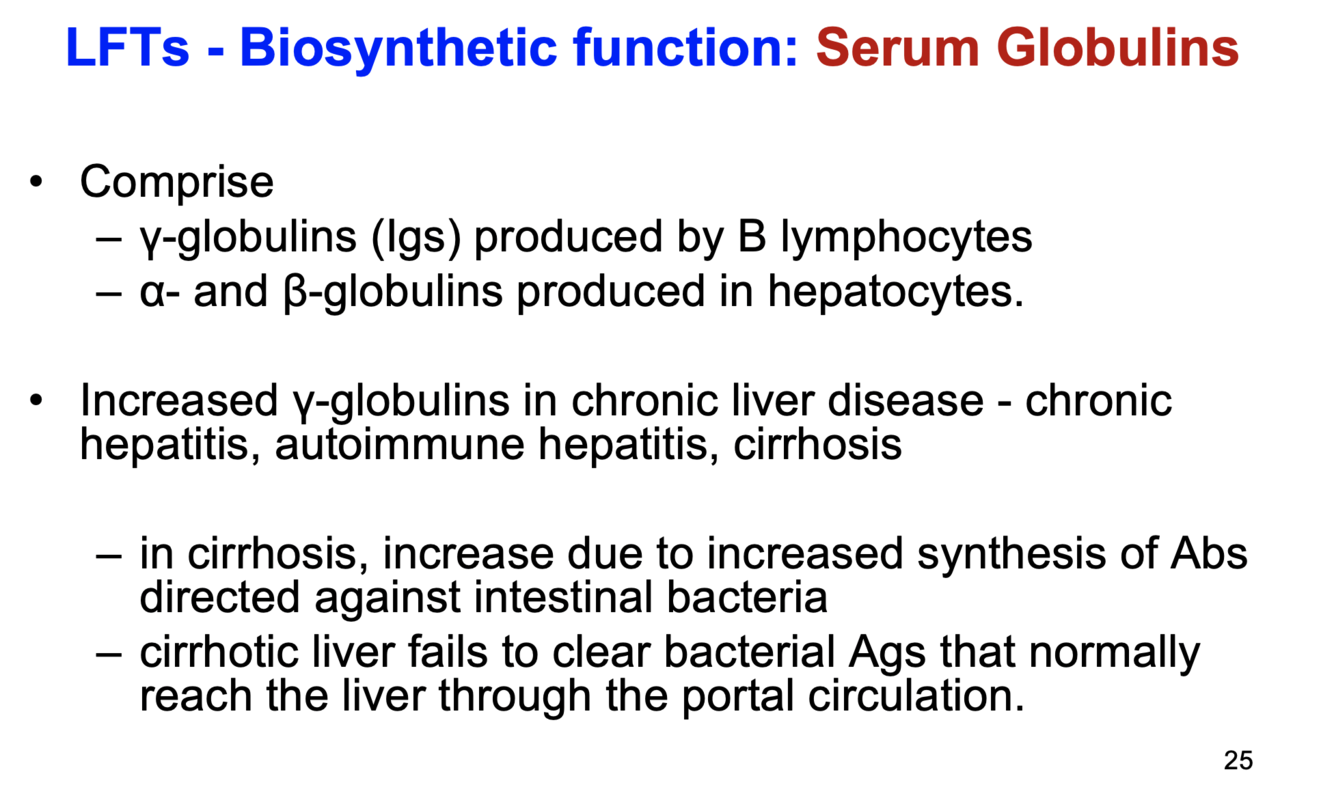
What does increased globulins in blood tell you?
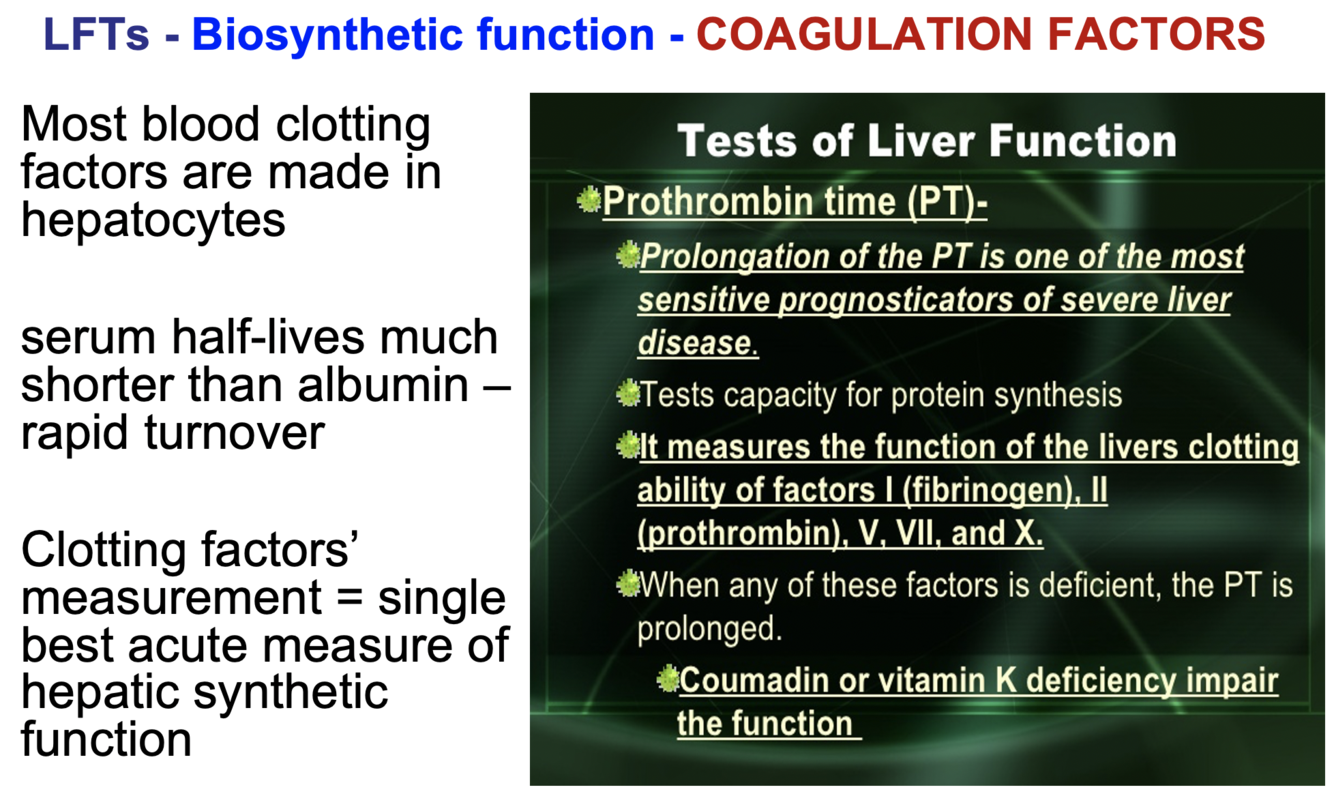
Since albumin levels can’t detect acute liver damage, what other thing can you measure in the serum that can?
If you have cholestasis and can’t get bile into GI tract, you can’t absorb fat so you can’t absorb vitK which can lead to decreased clotting factors since many of these require vitK
What other tests, aside from serum enzymes, albumin, globulin, and clotting factors, can be ordered to assess liver function?
Serology to look for virus
- Hep A,B,C,D,E
- Autoimmune Hep
Liver Biopsy
- Look at histological differences
Imaging
- Ultrasound, CT, MRI
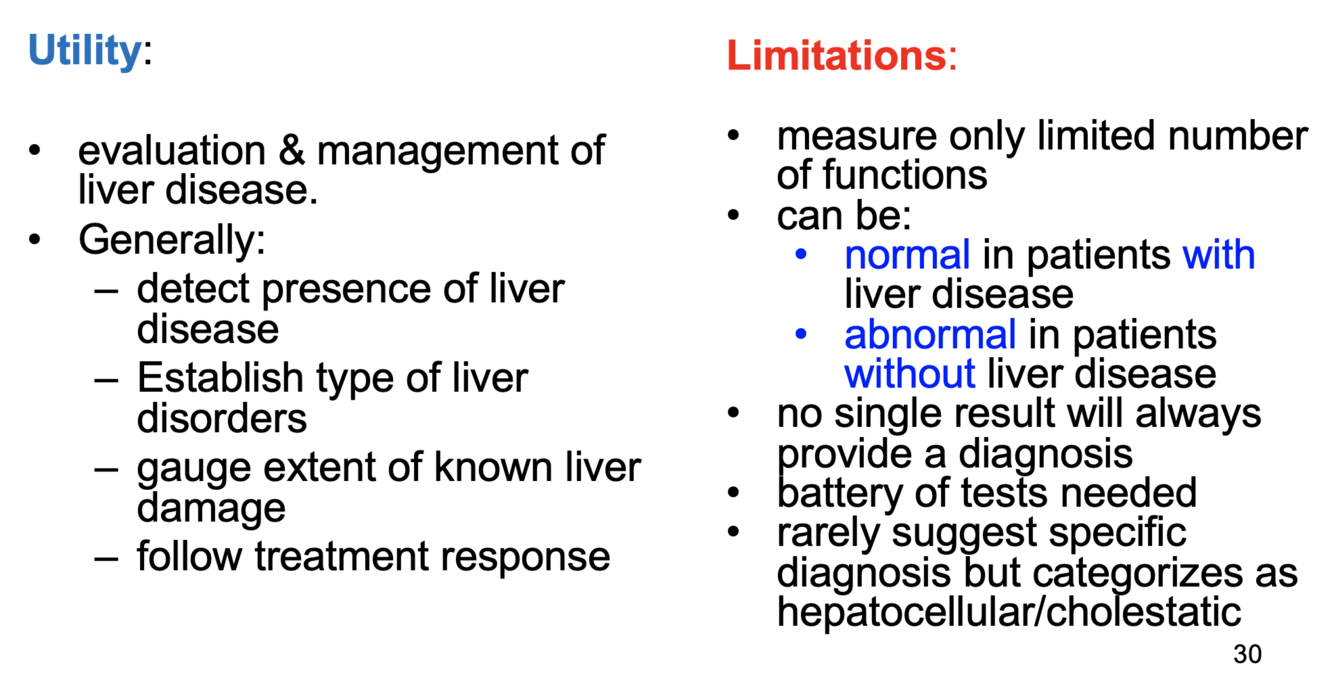
Compare the utility of LFTs with their limitations.



-
Intro to GI Physiology21
-
Histology of GI Tract70
-
GI Motility45
-
Oral Cavity28
-
Integrated Pharmacology25
-
Anterior abdominal wall and peritoneum55
-
Salivary and Pancreatic Secretions41
-
Hormones and Gastric Secretions30
-
GI Imaging28
-
Intestinal Absorption and Secretion of Fluids and Electrolytes51
-
Digestion and Absorption of Carbs and Vitamins22
-
Digestion and Absorption of Proteins and Fats30
-
Intro to Liver and Gallbladder Function34
-
Liver Function Tests50
-
Anatomy - Foregut93
-
Abdominal CT23
-
Integrated Response to a Meal14
-
GI Immunity25
-
GI Microbiome17
-
Intro to Endocrinology23
-
Membrane, nuclear and calcium signaling26
-
Histology of endocrine organs47
-
Hypothalamus and Anterior Pituitary Structure and Function28
-
GH, IGF and Prolactin Regulation of Growth43
-
Pituitary Glycoproteins and POMC derived peptides21
-
Posterior Pituitary ADH and Oxytocin20
-
Anatomy - Midgut and Hindgut53
-
Regulation of Satiety24
-
Obesity18
-
Thyroid anatomy, hormones and iodine balance75
-
Regulation of calcium, phosphate and magnesium homeostasis68
-
Glucocorticoids and Adrenal Androgens30
-
Mineralocorticoids24
-
Adrenal Medulla and Catecholamines25
-
Insulin & Glucagon46
-
Blood Glucose Homeostasis & Concept of Glucose Tolerance48
-
Anatomy - Kidney and Adrenals21
-
Anatomy - Posterior Abdominal Wall37
-
Female Physiology57
-
Male Physiology69
-
Bladder Anatomy and Physiology21
-
Imaging of Bladder and Kidneys30
-
Histology of Male and Female Reproductive System32
-
Sexual Health Disparities15
-
Dissection - Pelvis, General for Both Sexes58
-
Dissection - Pelvis & Perineum of people with penises28
-
Dissection - Pelvis & Perineum in people with vaginas27
-
Social Determinants of Teen Pregnancy15
-
Imaging of Pelvis35
-
Fertilization & Implantation37
-
Contraception19
-
Physiology of Pregnancy17
-
Parturition42
-
Embryology50
-
Prenatal Diagnosis Screening26
-
Special Topics in Pregnancy16
-
Colorectal Cancer Prevention13
-
Weekly Cases50



