Data
The terms ‘data’ and ‘information’ are often used interchangeably but they do not mean the same thing.
The term ‘data’ refers to unprocessed facts or statistics that have no context.
Information
The term ‘information’ refers to data that has been processed, organised and structured into context.
It is data that has been given context (meaning).
Categories of information used by individuals
- Communication(contacting a friend about dinner plans, emailing someone at sixth-form to talk about a lesson)
- Planning(Using a calender app to keep track of dates etc.)
- Education and Training(Revision textbooks, Virtual Leanring Environments (google classroom))
- Financial (keeping track of your expenses using a spreadsheet)
- Entertainment(reading a film review online)
- Research(looking up information you didn’t know before, learning a new recipe for a dish)
- Location dependent (find local restaurants near you)
Categories of Information for Organisations
- Knowledge Management and Creation(sharing information across multiple branches in a company)
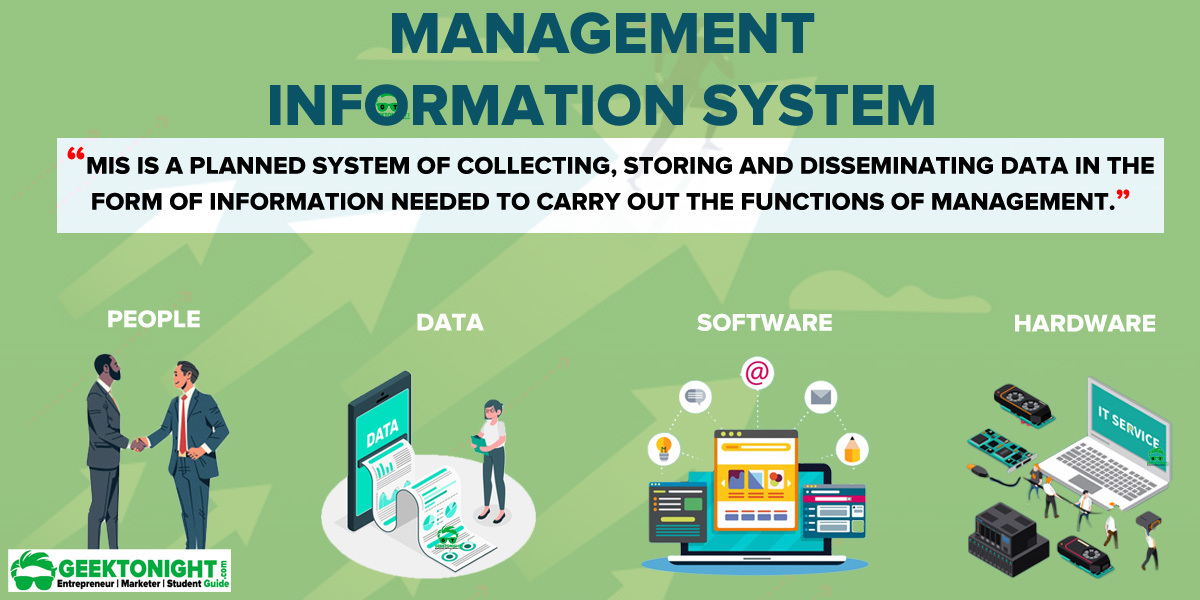
- Management Information Systems(a system that provides an overview of key information, individuals data that works for a company)
- Financial Analysis and Modelling(Analysing trends, looking at top products)
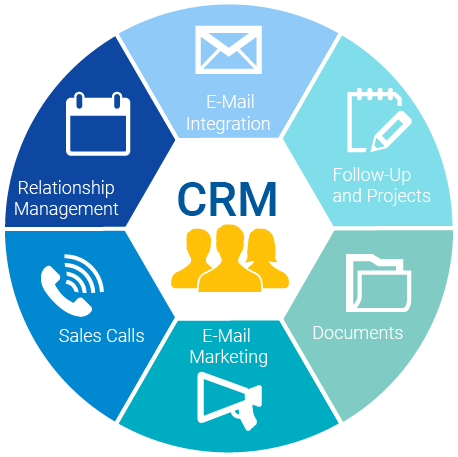
- Contact Management (managing the details of customers/ managing doctors appointments)
- Internal/External Information (providing info to customers or employees within a business)
- Big Data(a large volume of data, e/g health of a country)
- Marketing, Promotion and Sales (identifying trends in sales figures)
- Decision Making(using data to inform what choices to make, amount of resources to be sent to a specific area in a company)
Management Information Systems (MIS)
A system that provides an overview of key information e.g. the location and contact details of each charity worker in a disaster area. A decision can be made on overall figures or individual data as appropriate.
Stages of Data Analysis
- Identify the need
- Define the scope
- Identify Potential Sources
- Source and Select Information
- Select the most appropriate tools
- Process and analyze data
- Record and store information
- Share results
Data Analysis Tools
- Data Tables (Databases are often split into tables to be easier to update, view and manipulate)
- Visualisation of Data(Visualising data (by producing a chart or graph of collected data for example) makes it easier for an audience to see trends and patterns.)
- Trend & Pattern Identification
- Data Cleaning (removing unnecessary data)
- GIS / Location Mapping (Using geographic data to any analysis. Location of staff to see production flow etc.)
Types of information systems
Open Systems
Closed Systems
Open information system
This type of system can interact with other information systems (e.g. another database) to exchange data, even from different platforms (types of computers).
Disadvantages: it is more at risk of data loss and/or hacking as it communicates with other systems.
Closed Information Systems
This type of system is private and cannot exchange data with other systems.
Access is limited but it is much more secure than an open system.
Management information systems
Customer Relationship Management System