Forms of Bacteria
Coccus
Bacillus
Sprirlli
Gram Positive Bacteria (reason, examples)
Staphylococcus aureus
Streptococcus pneumoniae
Streptococcus pyogenes
One Cell membrane+ thick Cell wall –> peptidoglycans in Cell wall keep colour of gram stain
Gramm Negative
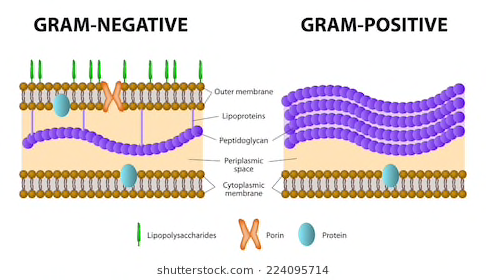
Gram Negative bacterias examples
E-coli
Salmonella
Shigella
Vibro cholerae
Neisseria
Which steps are required for bacterias to cause illness?
- Colonize
- Persist –> immune response, physical etc.
- Replicate –> nutrients required
- Spread
- Cause Disease –> Produce toxins, affect immune respone, induce diorhe
Extracellular Pathogens
predominanatly outside of cells
Staphylococcus
Strptococcus
Yersinia
Neisseria
Intracellular Pathogens
Mainly inside of cell
Can:
Escape in Cell (Listeria Shigella)
Prevent fusion with lysosomes (Salmonella, Mycrobacteria)
Fusion with lysosomes and formation of pagolysosome (Coxiella)
Horizontal Bacterial DNA exchange:
Transformation: DNA uptake of free DNA
Conjugation: Sharing of plasmid ring throuhg mating bridge
Transduction: uptake of bacterial DNA through Phage (Virus) and further spread
A Pathogenicity Island
DNA fragment that contributes to disease
Injectiosome
Action fragment that sticks out of bacteria, used to be injected in cells –> modification of Actin filament –> engulfment
Flagella
“Tail” of bacteria
Actin fillament
Used fo movement
Bacterial Infectivity
General stragegie which help to cause infection (–> direct effect on infectious dose)
Transmission
Colonization
Tropism Finding unique niche
Replication
Avoid immune defence of host
Bacterial Virulence
Ability to cause disease
- production of toxins
- Enzymes that influence host function
- Interfere with host normal function
- complete immune invastion
Infective dose
Number of bacteria which can cause disease (dependant on Infectivity)
Potential sources
Intrinsic (self infection)
Extrinsic (environment)
Possible routs of bacterial infections
Upper respiratory trackt –> Upper respiratory trackt infection, lower rewpiratory trackt infection, Spread to adjacent tissues (e.g. ear, brain,) –> Spread to bloodstram
Urogenital trackt –> Bloodstream and/or Pregnancy, Baby (genital)
Broken skin
Gastro-intestinal trackt
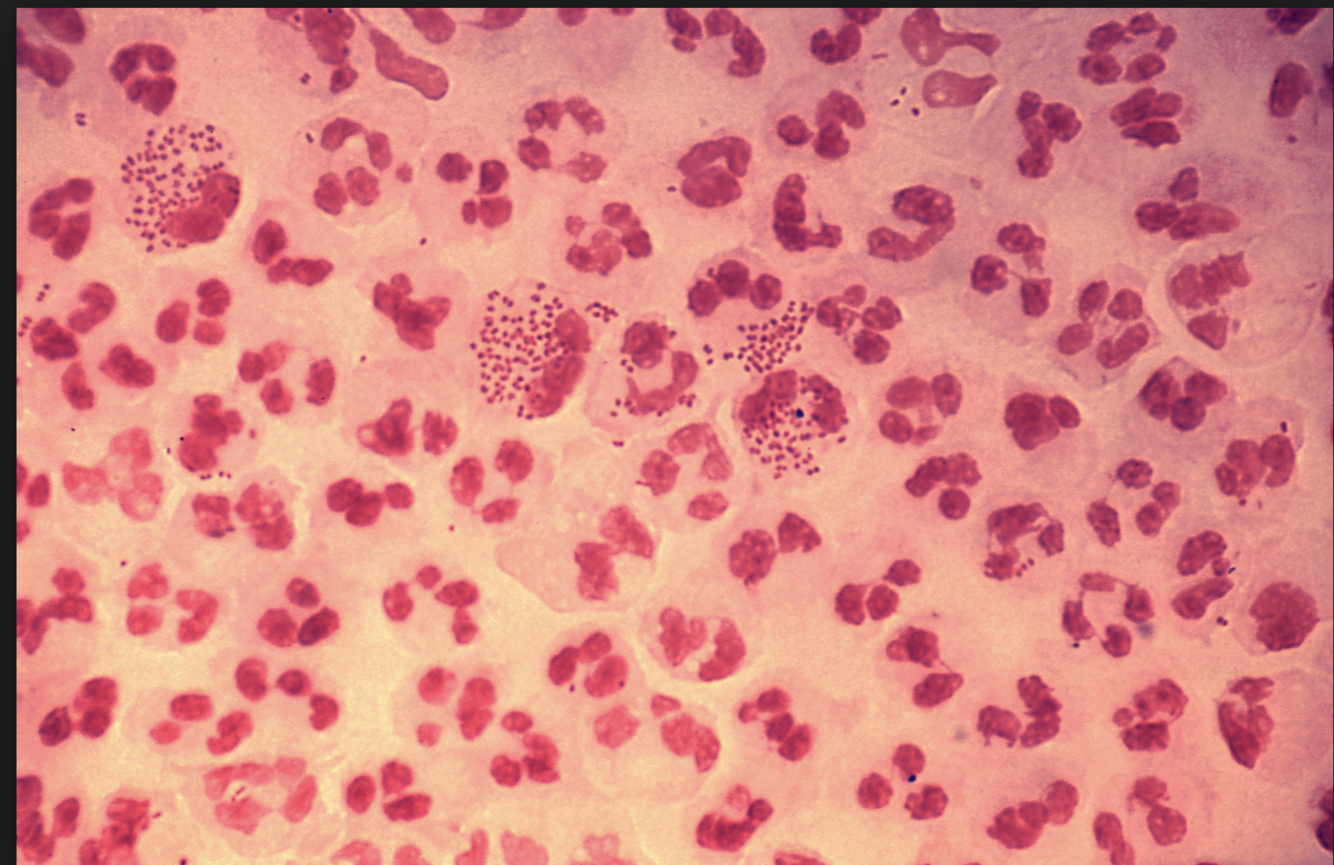
Neisseria
Gram negative
- Meningititis (Neisseria meningitidis (Meningokokken)–> Tröpfcheninfetktionen
Neisseria Gonorrhoeae ( cause Tripper) –> sexuell übertragbar
Haemophilus influenzae
Gram negative
bacillus
Tröpfcheninfektion
Mainly symptoms in upper respiratory trackt
Escherichia coli
Gram negative
Sources of bacterial infection
Intrinsc (any non-sterile site of body)
Extrinsic (outside world)
Expected vs unexpected portals of entry
Expected: Harmless bacterial via expected route
Unexpected: Harmless via unexpected route or pathogenic bacteria via any route
Possible routes of infection : Upper respiratory trackt + examples
Upper respiratory trackt –> adjacent tissue /lower respiratory trackt
Bloodstream
Mouth: e.g. streptococcus pyogenes –> Tonsilitis
Neisseria meningitidis –> Meningococcal septicemis
Upper respiratory: S. pneumonia/pneumonia
Possible routes of infection: Urogenital trackt
Urinatry infection –> Bloodstream
Genital –>( pregnangy related) 1.GBS/neonatal meningitis).–> Bloodstream
Possible routes of infection : broken skin
selbsterklärend
e.g. staph. A.
streptococcus pyogens




