Midterm 1 Flashcards

(75 cards)

1
Q

Sign convention is that Qin and Wout are

A

positive

2
Q

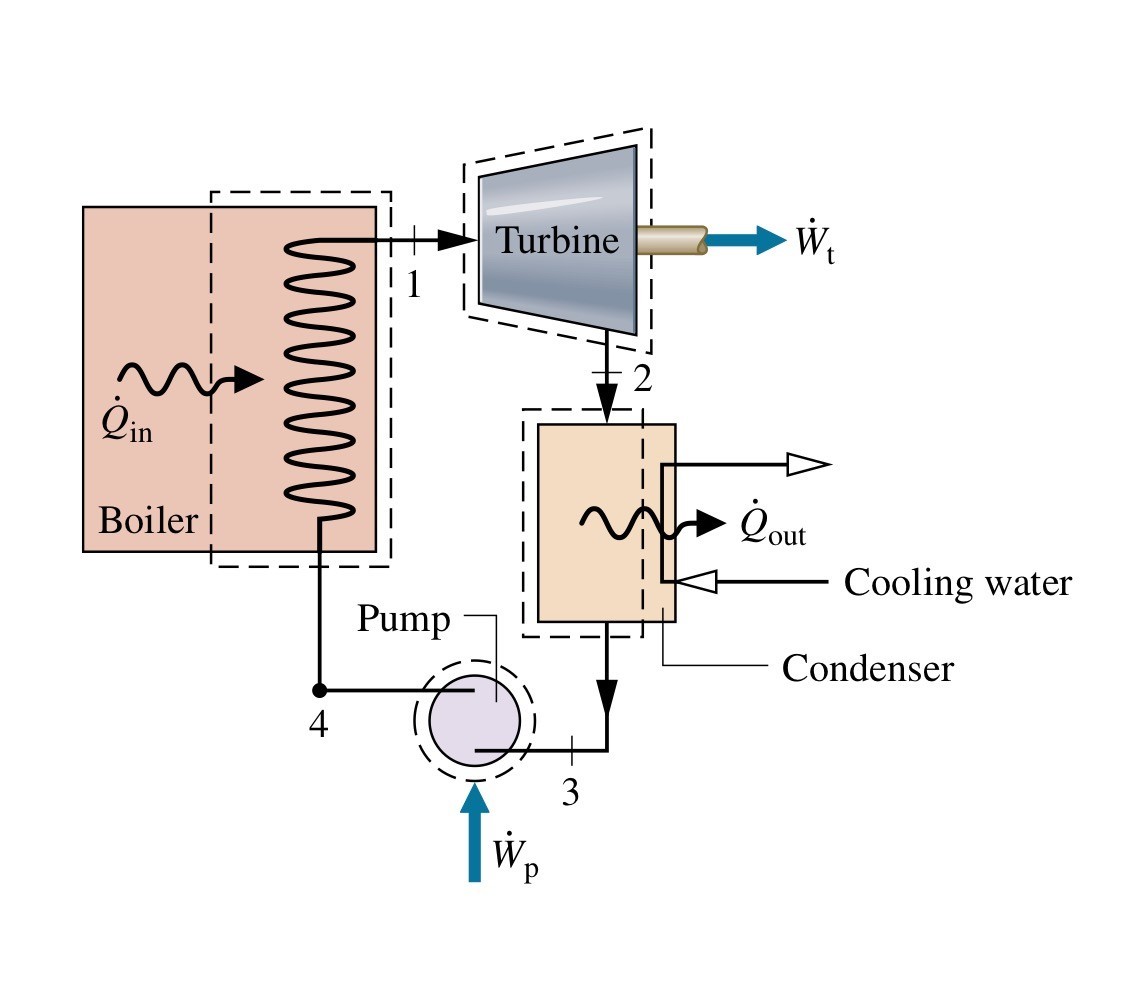
Brouwers Rules:

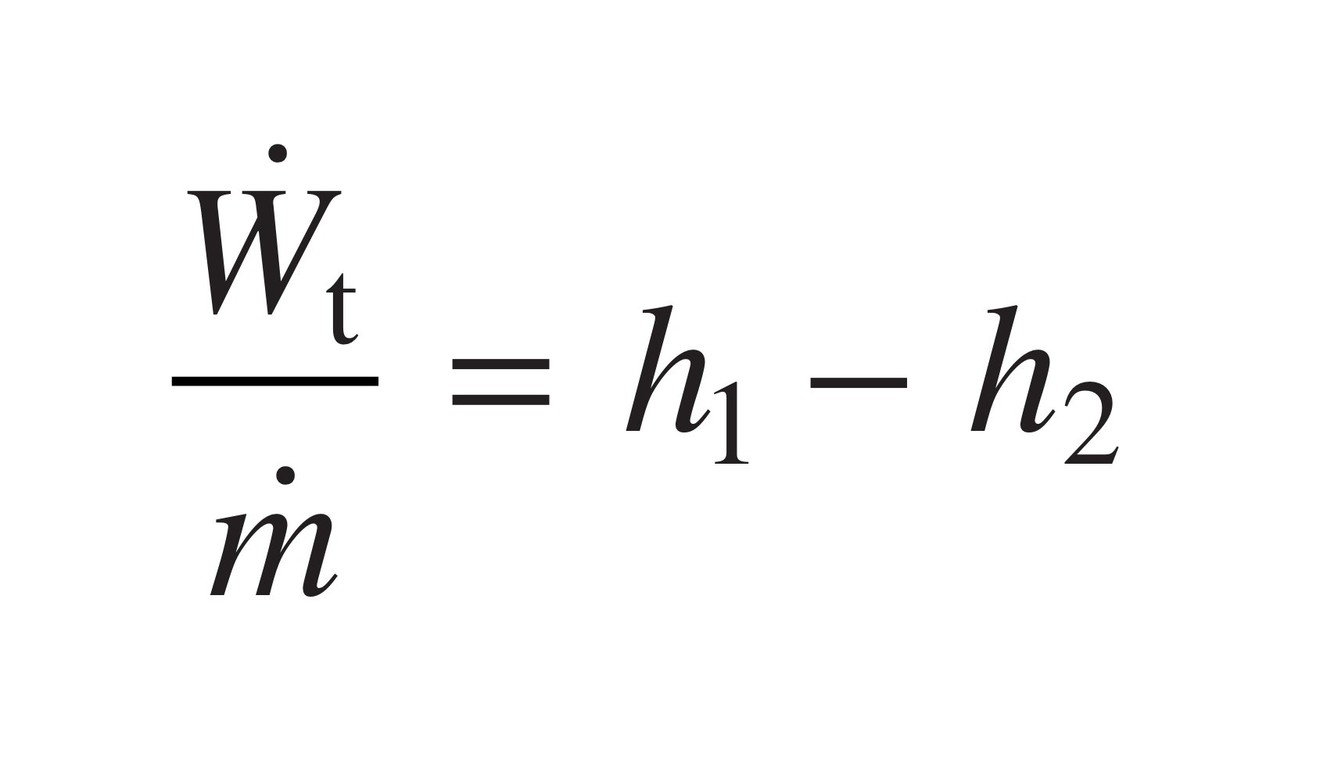
Rule 6

A

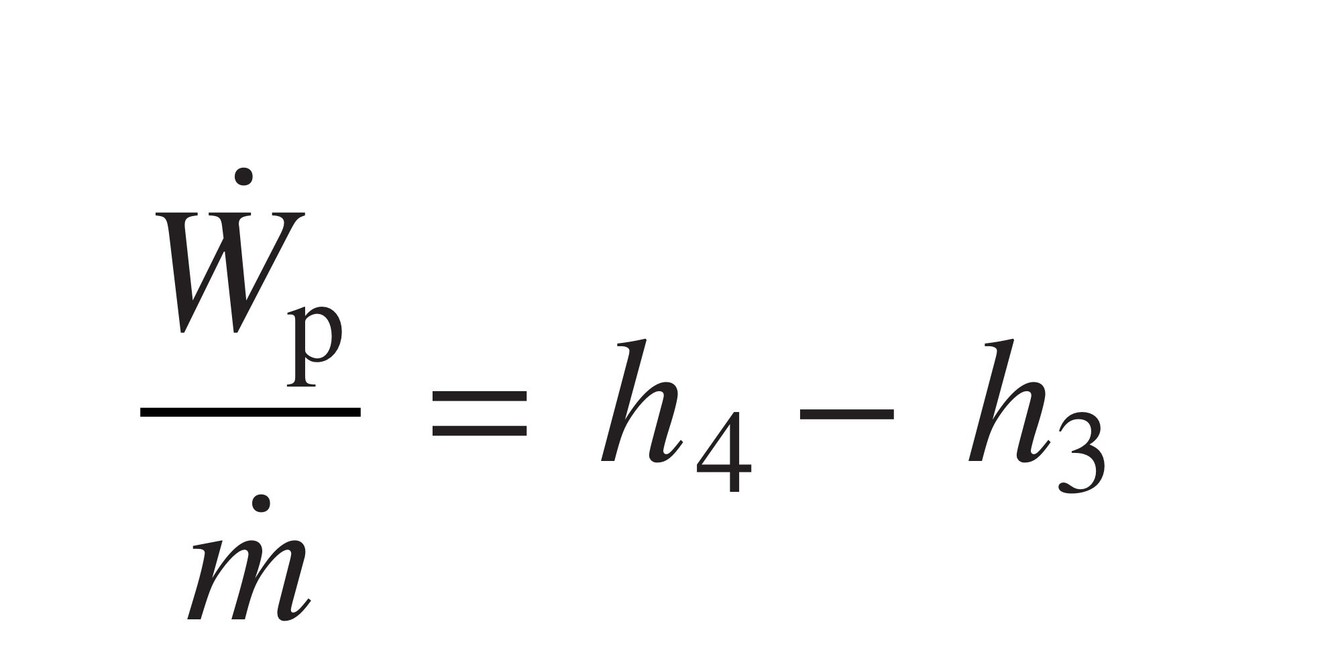
Ethics

3
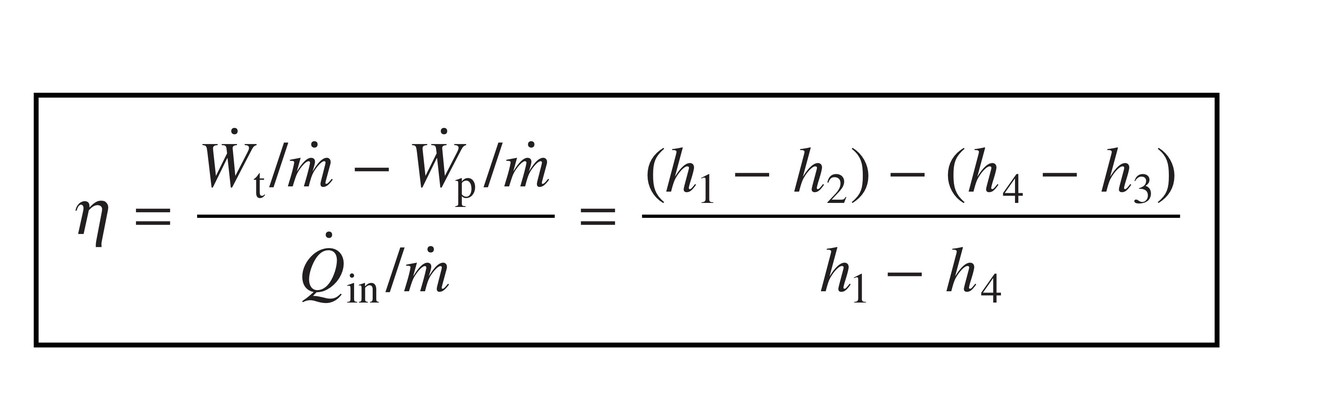
Q

Fundamental cannons of engineering ethics

A
  1. hold paramount the safety, health, and welfare of the public
  2. build their reputation on the merit of their services, shall not compete unfairly with others
  3. be faithful agents or trustees, avoid conflicts of interest
  4. objective and truthful
  5. consider environmental impacts
4
Q

Closed system

A

No transfer of mass

5
Q

Open system

A

region of space through which mass flows

6
Q

Change in energy of closed system

A

ΔE=ΔU+ΔKE+ΔPE

7
Q

W>0 means work is done ____ the system

A

by

8
Q

Q>0 means heat transfer ___ the system

A

to

9
Q

Rankine Cycle Model

A
10
Q

Rankine Cycle

Turbine Work Equation

A
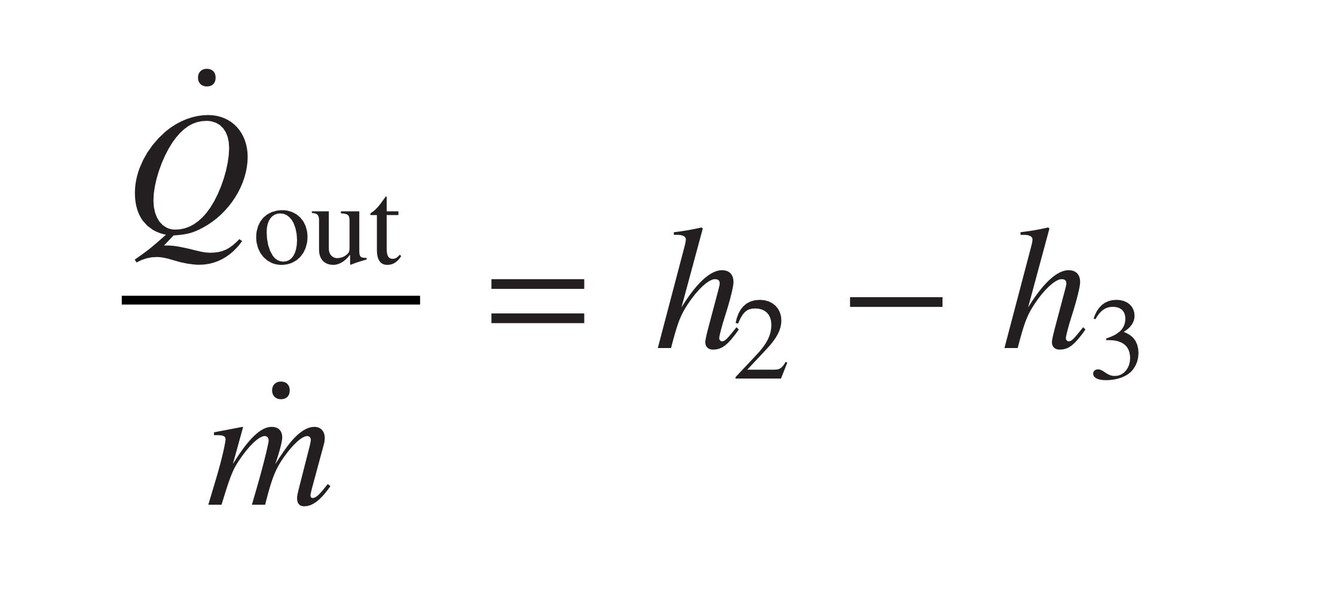
11
Q

Rankine Cycle

Condenser Heat Transfer Eq
A
12
Q

Rankine Cycle

Pump Work Eq

A
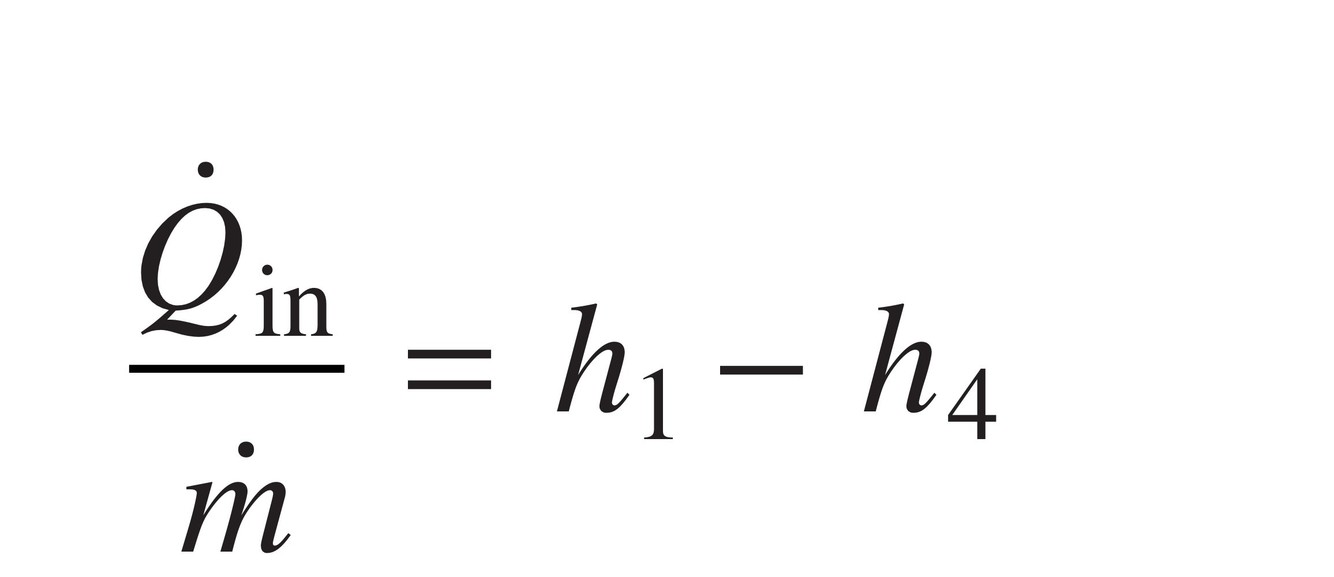
13
Q

Rankine Cycle

Boiler Heat Transfer Eq
A
14
Q

Rankine Cycle

Thermal Efficiency

A
15
Q

Rankine Cycle

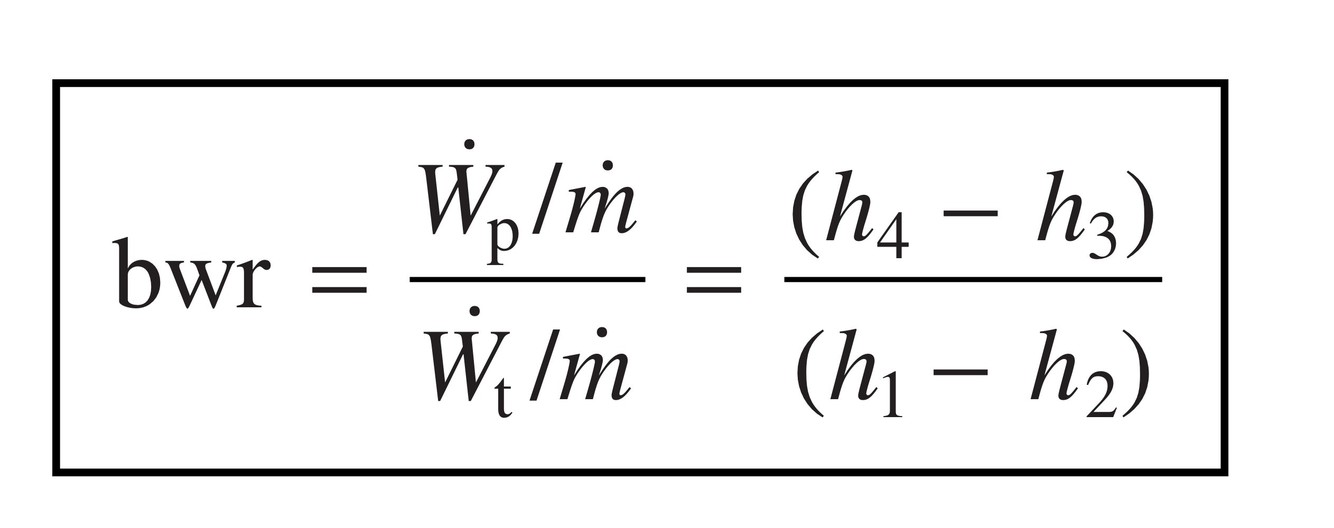
Back Work Ratio

A
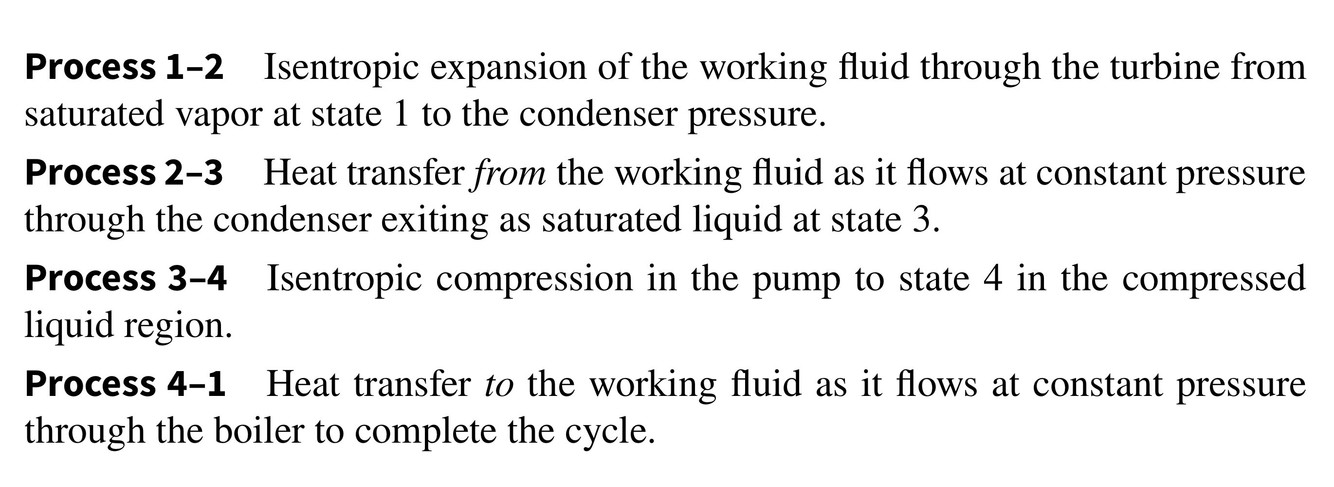
16
Q

Rankine Cycle Processes

1-2

2-3

3-4

4-1
A
17
Q

Rankine Cycle Ideal

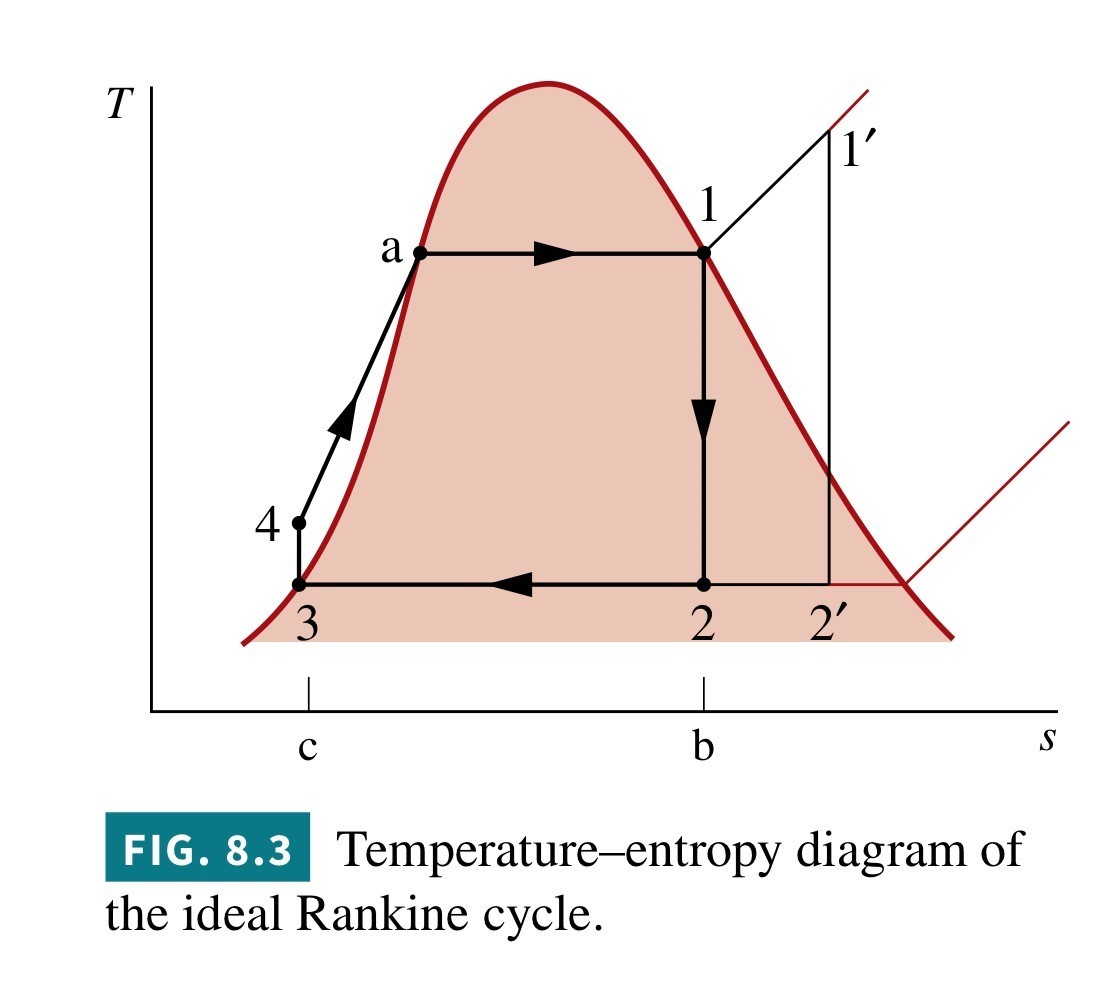
TS Diagram

A
18
Q

Rankine cycle

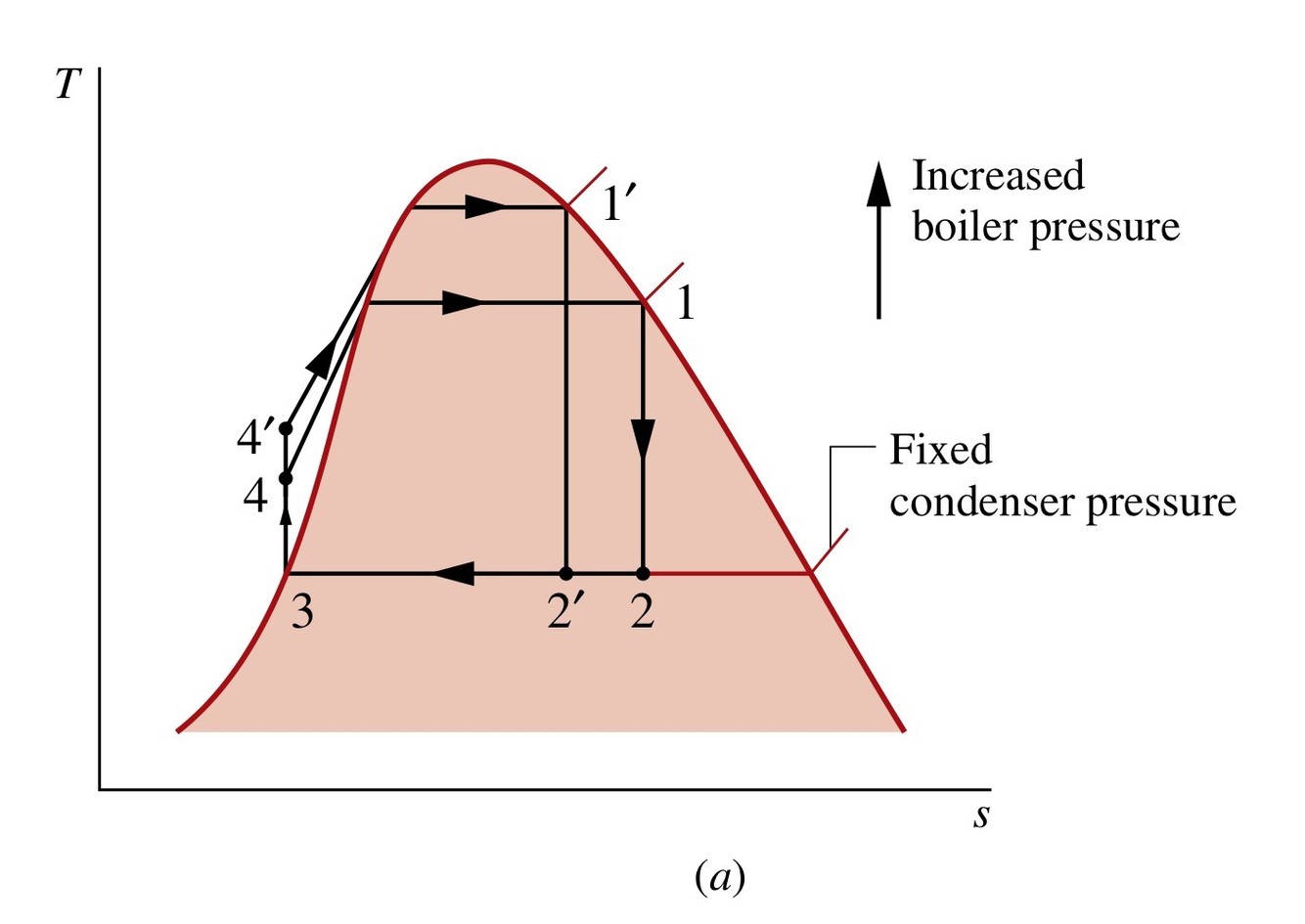
Increasing Boiler pressure (increases or decreases) thermal efficiency?

What is the TS diagram?

A

Increase

19
Q

Rankine Cycle

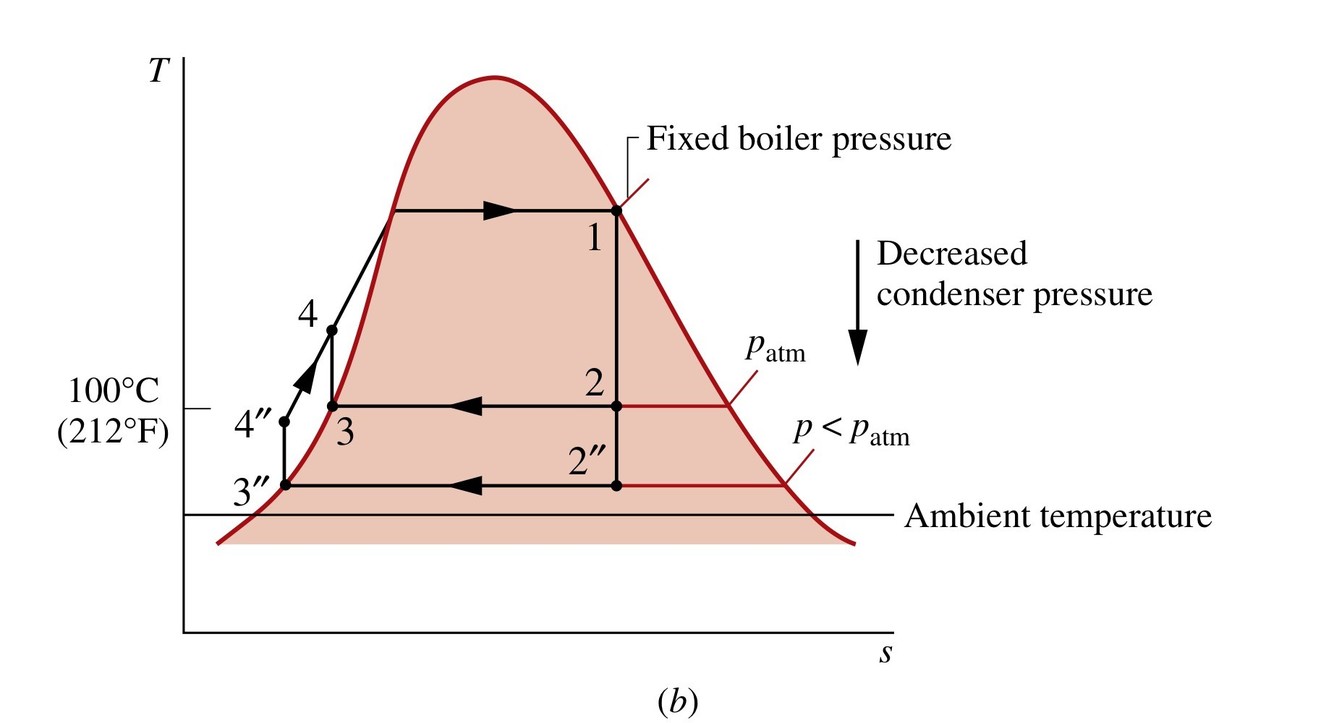
Decreasing compressor pressure (increases or decreases) thermal efficiency?

What is the TS diagram?

A

Increases

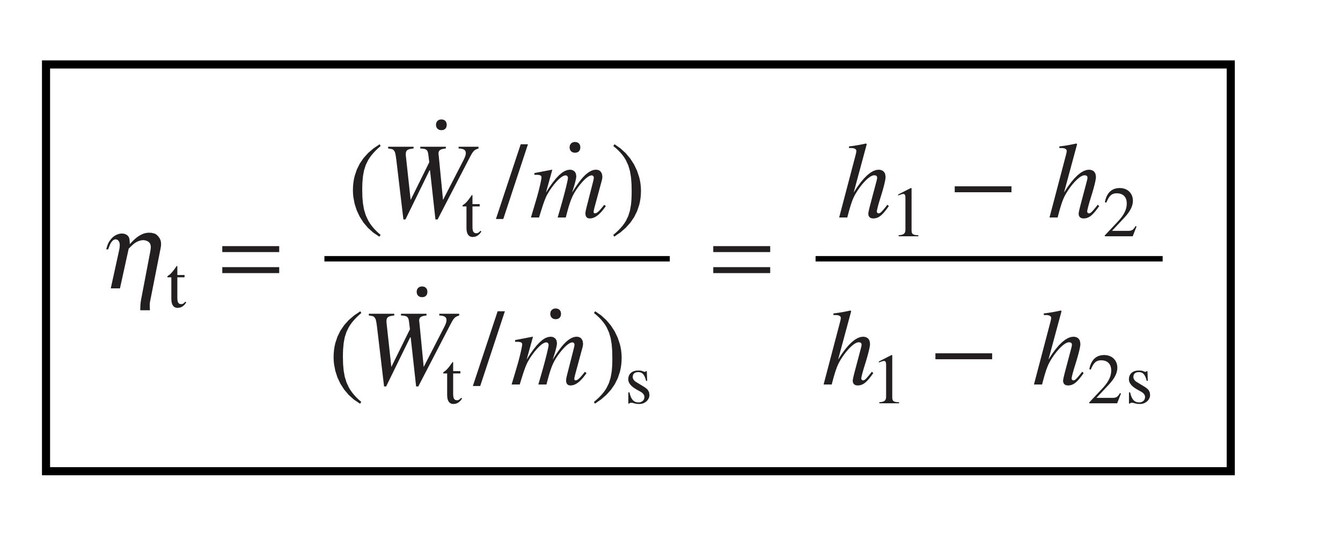
20
Q

Rankine cycle

Isentropic efficiency turbine
A
21
Q

Rankine Cycle

Isentropic Pump Efiiciency
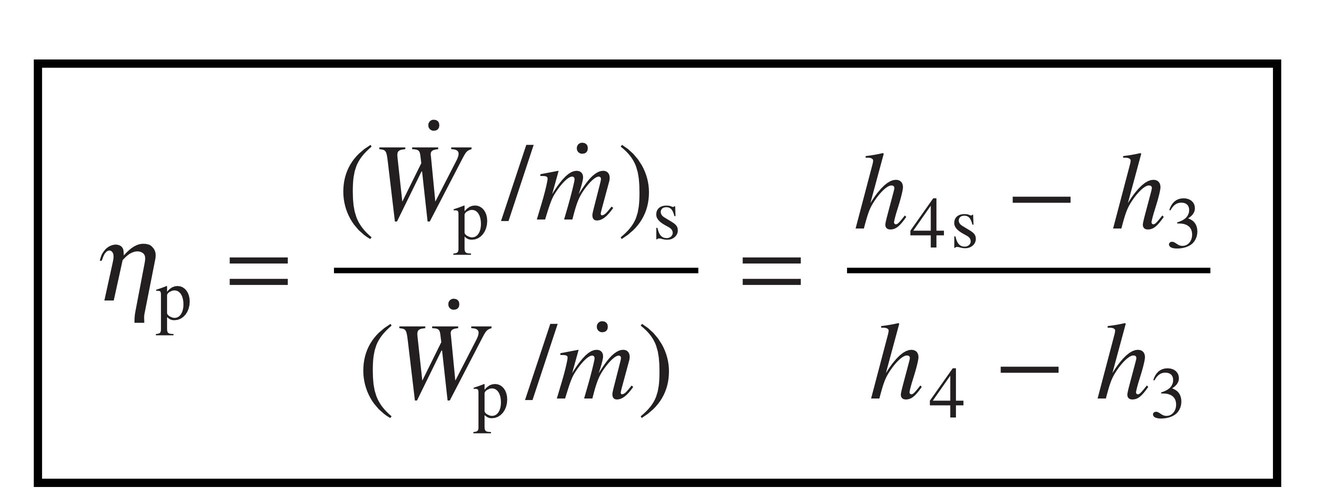
A
22
Q

Rankine Cycle

Most significant source of irreversibility

A

combustion

23
Q

Rankine Cycle

What is superheat?

A

Adding heat to vapor before entering the turbine so that the vapor is supereated

24
Q

Rankine Cycle

The superheater in the cycle is a ___ and the combination of the boiler and superheater is called a ______.

A

heat exchanger

steam generator

25
Rankine Cycle Using a superheater ____ the thermal efficiency. It also ____ the quality at the turbine exit.
increases increases
26
Rankine Cycle With reheat, a power plant can take advantage of ____ efficiency that results from ____ boiler pressure and avoid ____ quality steam at the turbine exit.
increased higher low
27
Rankine Cycle Advancements in materials have allowed for power plants to operate with steam generator pressures exceeding the critical pressure of water. These plants are called _____ vapor power plants.

Supercritical.
28
Rankine Cycle Ideal reheat diagram
29
Rankine Cycle Ideal Reheat TS Diagram
30
Rankine Cycle Supercritical TS Diagram
31
Rankine Cycle During regeneration, the average temperature of heat addition is \_\_\_\_, thereby tending to ____ the thermal efficiency.
increased increase
32
Rankine Cycle An open feedwater heater is
a type of direct contact heat exchanger in which streams at different temperatures mix to foorm a stream at an intermediate temperature
33
Rankine Cycle A source of irrevirsibility with open feedwater heaters is in \_\_\_\_.
mixing
34
Rankine Cycle With open feedwater heaters, the amount of energy to vaporize or superheat steam is \_\_\_\_, resulting in ____ thermal efficiency.
reduced increased
35
Rankine Cycle Closed feedwater heaters are shell-and-tube type recuperators in which the feedwater temperature _______ as the extracted steam condenses on the outside of the tubes carrying the feedwater.
increases
36
Rankine Cycle Open feedwater heater diagram
37
Rankine Cycle Open feedwater heater TS diagram
38
Rankine Cycle Closed Feedwater heater diagram
39
Rankine Cycle Closed feedwater heater TS diagram
40
Rankine Cycle Cogeneration systems are
integrated systems that simultaneously yield two valuable products- electricity and steam- from a single fuel input.
41
Rankine Cycle Regenerative vapor power cycle w open feedwater heater Equations for turbine, pump, steam generator, and condenser
42
Rankine Cycle y for open feedwater heater
43
Rankine Cycle y for closed feedwater heater
44
Deaeration is
a process of purifying the working fluid in a multiple-feedwater-heater system to prevent corrosion ( heater operating at P\> Patm so that oxygen and other dissolved gasses can be vented)
45
\_\_\_\_\_\_\_\_ is used as the working fluid in the vast majority of vapor power systems
demineralized water
46
Organic Rankine Cycles employ _____ as working fluids due to their relatively low boiling points, allowing for low-temp power production
organic substances like hydrocarbons, refrigerants, ammonia, and silicon oiol
47
Gas Power Systems Compression Ratio is defined as
the volume of the dead center divided by the volume at the top dead center
48
Gas Power Systems Two principle types of reciprocating internal combustion engines are
Spark-ignition engine compression-ignition engine
49
in a spark ignition engine, a mixture of ____ and ____ is ignited by a \_\_\_\_\_.
fuel air spark plug
50
In a compression ignitioin engine, ____ is compressed to a high enough temperature and pressure that _____ occurs spontaneously when fuel is injected
air combustion
51
In engines, the mean effective pressure is
the theoretical constant pressure that, when acted on by a piston during the power stroke, would produce the same net work as actually developed in one cycle
52
mep=
(net work for one cycle) / (displacement volume)
53
Which energy variables should be used for first law analysis of the “open” (control volume, CV) and “closed” (control mass) thermodynamic cycles?
Enthalpy (H) for open systems and internal energy (U) for closed systems
54
Which of the following statements is not true?
Entropy of a working fluid undergoing a process within a system can only increase.
55
The figure below shows p-v diagram for Carnot cycle. Which one of the following processes are incorrectly matched with what is happening during the process? ## Footnote Process 3-4: Adiabatic Expansion None of the above Process 4-1: Isothermal Compression Process 1-2: Adiabatic Compression Process 2-3: Isothermal Expansion
None of the above
56
Which one of the following options correctly represents the Rankine cycle's thermal efficiency? ## Footnote W\_net/Q\_in 1-(T\_cold/T\_hot) 1-(Q\_out/Q\_in) (h1'-h4)/(h2'-h3)
W\_net/Q\_in or 1-(Q\_out/Q\_in)
57
Which one of the following is true about Otto and Diesel Cycles? ## Footnote Assuming the same compression ratio, Otto cycle is more efficient. Otto cycle is practically more efficient than Diesel cycle The working fluid of both cycles is a mixture of air and fuel that when analyzing cycles, thermal properties of the mixture have to be accounted for. Diesel cycle is more efficient because heat addition occurs at constant pressure instead of at constant volume.
Assuming the same compression ratio, Otto cycle is more efficient.
58
Select all that are true about Air standard assumptions. ## Footnote The working fluid is air and behaves as an ideal gas. The exhaust process is replaced by the heat rejection process. All the process are internally reversible. "Cold air standard assumptions" is just an another name for Air standard assumptions. When analyzing the combustion process, the air standard assumptions cannot be applied because they do not account for any fuel-mixing effect.
The working fluid is air and behaves as an ideal gas. The exhaust process is replaced by the heat rejection process. All the process are internally reversible.
59
Otto Cycle TS Diagram
60
Diesel Cycle TS Diagram
61
Dual Cycle TS Diagram
62
Otto Cycle Process
63
Brayton cycle Ideal Shematic
64
Brayton cycle TS Diagram ideal
65
Brayton Cycle Reheat TS Diagram
66
Brayton Cycle Combined Schematic
67
Brayton Cycle Regeneration TS Diagram
68
Brayton Cycle Reheat and intercooling Schematic
69
Brayton Cycle Reheat and intercooling TS Diagram
70
Brayton Cycle Regeneration Schematic
71
Brayton Cycle Reheat Schematic
72
Ericsson TS Diagram
73
Stirling TS Diagram
74
Jet Engine Schematic
75
Jet Engine TS Diagram