State the mobile radiography equipment specifications?
- CR and DR mobiles
- Mainly battery operated, charged at mains
- Battery powers drive function and exposure
- Brakes! Deadman switch
- Filtration
- Manoeuvrability
Outline the generators used for mobile radiography?
•Battery operated
–3 phase output
–High Frequency generators
•Capacitor discharge
–Constant potential output
Clinical indications for Mobile CXR
- •Line placement
- •NG tube
- •Chest drain placement
- •Post intubation
- •Serious cardiac conditions/Post cardiac arrest
- •Rapid desaturation/deterioration
- •Chest Trauma
Name some Mobile requests
- Abdomen
- Post MUA (Manipulation Under Anesthesia) images
- Intensive Care Patients (ICU)
- Multi trauma series
–CXR
–Lateral C-Spine
–Pelvis XR
Why would ‘mobile radiography’ be required?
- Intubated patient
- Patient unstable
- Serious contagious infections
- ICU
- SCBU/NICU
What are valid reasons for a mobile x-ray?
- “Too sick!”
- On Oxygen
- On Monitoring
- Bedbound
- No nurse escort available
- Need it urgently
- Routine check for ICU patient
- MRSA/C-Diff???
What are some challenges associated with mobile x-ray?
- Unfamiliar environment
- May be stressful situations
- Feeling of being watched
- Uncooperative or unwell patients
- Modified techniques often required
How to Prepare to perform a mobile x-ray?
- Preparation is key!
- Prepare as much as possible before bothering the patient
–Discuss patient with nursing team
–Check patient ID
–Wash hands, PPE
–Check for people within the controlled area
–Make room and remove any obstacles
–Position your machine
–Set your exposure
–Prepare your IR
–THEN position your patient!
How to perform a mobile x-ray?
Technical considerations
- Landscape vs Portrait
- Top of cassette at C7/top of shoulders
- Check for symmetry
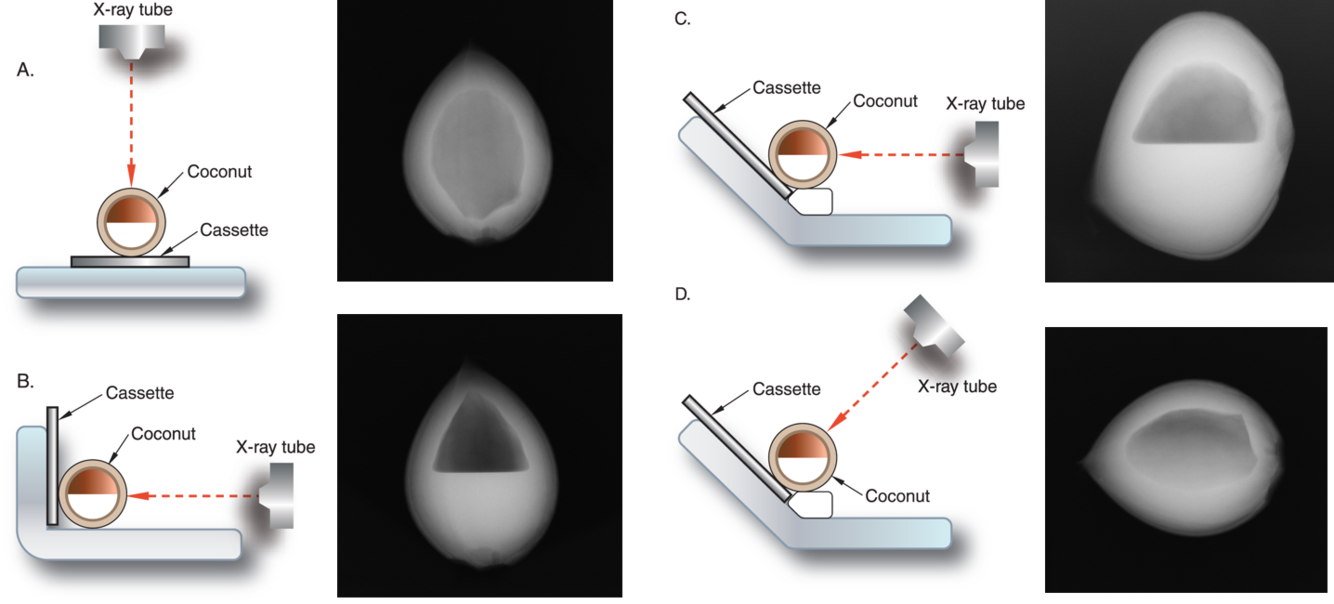
- Angle 10 degrees caudal
- Collimation – be brave!
- Annotation: Sidemarkers vital, erect/supine, label as mobile
- SID 150-180cm
- Grid usage
- Documentation (exposure, ID check, any problems)
Explain the patient care side of a mobile x-ray?
- Patients may be confused, uncooperative, difficult to position
- Prepare patient for cold hard board
- Big inspiration (or watch breathing)
- Make patient comfortable post positioning
- Leave area how you found it
List some possible obstacles on the ward?
•Many obstacles on the ward:
–Curtains
–Bedside tables
–Drips and monitors
–Catheter bags
–Intubation gear
–Televisions!
•Units may have sensors for collision
List some imaging considerations?
- Immobilization
- PA CXR is possible with mobiles
–Good for cardiac patients to assess CTR
- Distortion
- Watch for artefacts on patient
–Monitor leads
–Necklaces
–Defib pads
–Top pockets!
–Pillows and blankets
Mobile Radiography
Supine vs Erect CXR?
- Erect preferred
- Supine
–no fluid levels
–heart magnified
–less inspiration
•Semi-erect?
Explain the image assessment for a mobile x-ray?
Positioning for mobile CXR?
- Similar considerations to projectional radiographs done in department
- For a mobile CXR
–Positioning:
- Inspiration
- Lordotic?
- Rotation
- ?Patient Motion
–Anatomy/Artefacts
•Apices/lung bases
–Collimation
–Markers
–Exposure
- Penetration
- Contrast/Resolution
- SNR/EI
–Nomenclature
•If in doubt talk to the referrer
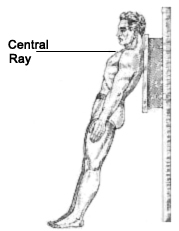
What is lordotic positioning?
Why use it?
When the anatomy of interest is the lung apices, the view is sometimes referred to as an apical lordotic view- apical refers to the anatomy and lordotic refers to the patient position/technique.
The lordotic technique for the apices and for the RML might only differ in their coning.
The apical lordotic can be performed in the first instance if the suspected or known pathology is associated with the lung apices- eg tuberculosis. The same projection can be used to demonstrate the middle lobe of the right lung and the lingula segment of the left upper lobe.