System effect
Integument
- Increase pressure skin
- Decrease circulation causing ischemia
- pressure injury
ischemia
-reduce blood flow
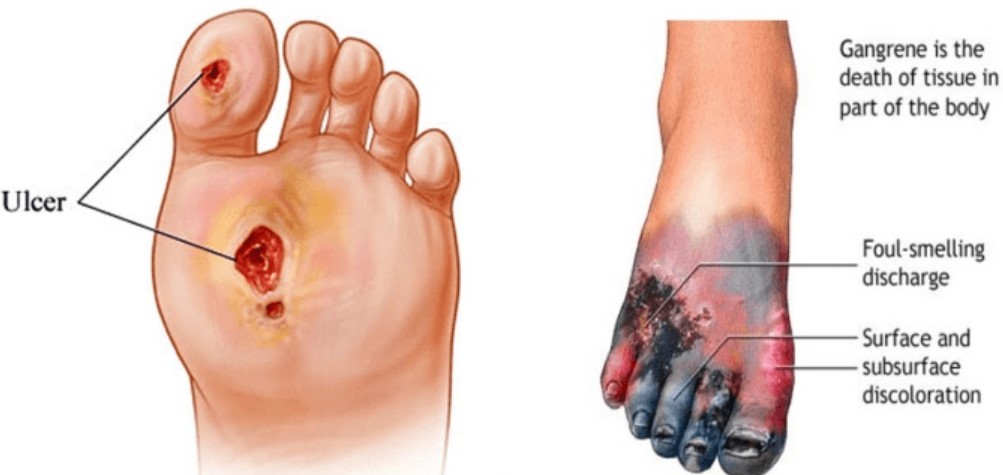
System effect
Respiratory
- Decrease oxygenation and carbon dioxide exchange
- Weekend respiratory muscle
- Risk for atelectasis and pneumonia
- Decrease cough response
- *Atelectasis**
- the collapse of part or all of a lung, is caused by a blockage of the air passages

Cardio
System effect
- Decrease cardiac output
- Poor effectiveness, leads to increased cardiac workload
- Increased oxygenation requirement
- Increase risk for thrombus
Thrombus-blood clot

System effect
Elimination
- Urinary stasis(inactivity)
- Decreased intake, use catheter result UTI
- Decrease peristalsis
- Constipation-increased fecal impaction
System effect
Musculoskeletal
- Impaired balance
- Atrophy of muscle
- Altered Ca metabolism(osteoporosis)
- Foot drop
- Altered joint mobility
Assessment
Respiratory system
-Assess full respiratory cycle
for observing chest wall and symmetry
- Auscultate all lung fields
- Observe cough with or without sputum production
Intervention
Respiratory
We want open lungs and get air through
- Deep breathing exercises
- Use an incentive spirometer
-Controlled coughing
3 deep breathes then forced cough
Assessment
Cardio
-Vital signs
Tachycardia? Orthostatic hypotension?
Any disses?
- Palpate for edema and skin warmth
- Observe perfusion and DVT
Intervention
Cardio
- Assist increase activity ASAP
- Change position often as possible
- Dangling and slow transitions
- Teach ROM
- Use elastic stocking
DVT prevention
- Early ambulation (especially after surgery)
- leg, foot ankle exercise
- ROM q1h
- Promote fluid intake
- Avoid crossing leg, prolonged sitting
- ROM q1h
An older adult has limited mobility as a result of a surgical repair of a fractured hip. During assessment, you note that the patient cannot tolerate lying flat. 許す
Which of the following assessment data support a pos
sible pulmonary problem related to impaired mobility? (Select all that apply.)
A. B/P = 128/84
B. Respirations 26 per minute on room air
C. HR 114
D. Crackles heard on auscultation
E. Pain reported as 3 on scale of 0 to 10 after medication
B. C. D
Patients with reduced mobility are at risk for retained pulmonary secretions, and this risk increases in postoperative patients. As a result of retained secretions, the respiratory rate increases.
The heart rate also increases because the heart is trying to improve oxygen levels.
These symptoms are of concern for older adults because, if left untreated, further complications such as heart failure can occur.
A patient has her call bell on and looks frightened when you enter the room. She has been on bed rest for 3 days following a fractured femur. She says, “It hurts when I try to breathe, and I can’t catch my breath.”
Your first action is to:
A. Call the health care provider to report this change in condition.
B. Give the patient a paper bag to breathe into to decrease her anxiety.
C. Assess her vital signs, perform a respiratory assessment, and be prepared to start oxygen.
D. Explain that this is normal after such trauma and administer the ordered pain medication.
C.
These are signs of possible pulmonary emboli, which can be life-threatening. You must assess your patient, be prepared to start oxygen, and have someone call the surgeon while you stay with the patient to continue to monitor her status.
The nurse puts elastic stockings on a patient following major abdominal surgery. The nurse teaches the patient that the stockings are used after a surgical procedure to:
A. Prevent varicose veins.
B. Prevent muscular atrophy.
C. Ensure joint mobility and prevent contractures.
D. Promote venous return to the heart.
D
Elastic stockings maintain external pressure on the lower extremities and assist in promoting venous return to the heart.
This increase in venous return helps reduce the stasis of blood and in turn reduces the risk for deep vein thrombosis (DVT) formation in the lower extremities.
A nurse is teaching a community group about ways to minimize the risk of developing osteoporosis. Which of the following statements made by a woman in the audience reflects a need for further education?
A. “I usually go swimming with my family at the YMCA 3 times a week.”
B. “I need to ask my doctor if I should have a bone mineral density check this year.”
C. “If I don’t drink milk at dinner, I’ll eat broccoli or cabbage to get the calcium that I need in my diet.”
D. “I’ll check the label of my multivitamin. If it has calcium, I can save money by not taking another pill. “
D.
Just because a multivitamin has calcium in it does not mean that the woman is receiving enough to meet her needs. She must know her requirement and make the decision based on that rather than on the value for calcium on the label.
The patient at greatest risk for developing multiple adverse effects of immobility is a:
A. 1-year-old child with a hernia repair.
B. 80-year-old woman who has suffered a hemorrhagic cerebrovascular accident (CVA).
C. 51-year-old woman following a thyroidectomy.
D. 38-year-old woman undergoing a hysterectomy.
B.
The older the patient and the greater the period of immobility, which can be significant following a hemorrhagic stroke, the greater is the number of systems that can be affected by the immobility.
Immobility type 4
Temporary
Permanent
Sudden onset(fracture arm, trauma)
Slow onset
Assessment
Musculoskeletal
- ROM capability
- Muscle tone and mass
- Observe contractures
- Monitor gait
- Monitor intake of Ca
- Monitor assist device with ADLs
Intervention
Musculoskeletal
- Make sure to reposition q2
- Encourage active or passive ROM
- Assist ambulation with assistive devices
What is the goal of the psychosocial aspect?
3
- Maintain a sleep/wake pattern
- Archive socialization
- Complete self independently
Assessment
Psychosocial
- Emotional, mental status
- Behavior and decision making skills
- Coping skills
- sleep cycle
- Level of consciousness
- Family functioning
- ADL
- Social activities
Consequences of immobility
Infants to school age
- Slower progression in the development
- Body aligned with the line of gravity
(unbalanced posture)
Intervention
Infants to school age
- Incorporate play
- Provide socialization
- Encourage self-care
- prevent fall
Consequences of immobility
Adolescents
- Imbalanced growth possible altered with immobility
- Delayed development of independence
- Social isolation
Intervention
Adolescents
- Facilitate independence
- Involve in decision making
- Promote socialization
facilitate 促進する



