What are the functions of Alpha and Beta cells in the Islets of Langerhans
- Alpha cells produce and release glucagon
- Glucagon is a catabolic hormone that increases blood glucose. Its primary target organ is the liver, where it promotes glycogenesis.
- Beta Cells synthesize and secrete insulin.
- Insulin-dependent cells (skeletal and cardiac muscles) require insulin to metabolize glucose as fuel.
What causes Diabetes Type 1?
- Usually a result of a loss of beta cells in the pancreatic islets leading to absolute insulin deficiency ( none or not enough insulin is produced)
- Inheritance of certain histocompatibility leukocyte antigen types predispose to this condition
- Autoimmune destruction of beta cells with progressive loss
- Triggering event may activate autoimmune process. This may be a virus, chemical, or stress
What causes Diabetes Type 2?
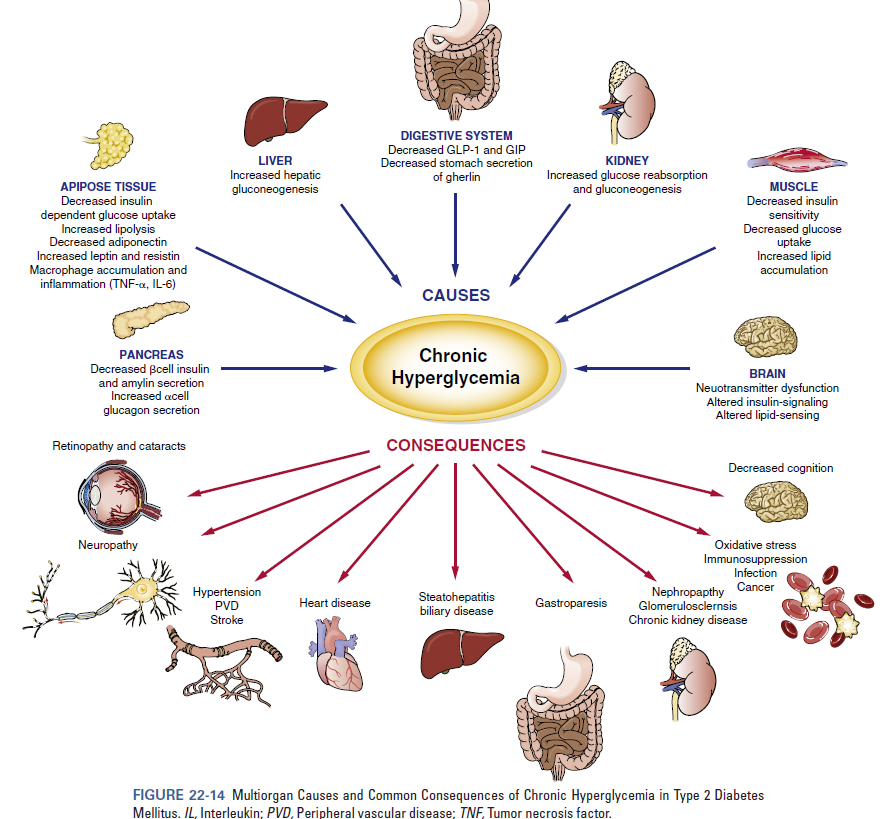
- Type II DM is due to insulin resistance of the body’s cells.
- Insulin resistance is defined as a suboptimal response of insulin- sensitive tissues (especially liver, muscle, and adipose tissue) to insulin.
- Insulin resistance results from a variety of mechanisms including genetic predisposition, excessive calorie storage volume, metabolic dysfunction, receptor down regulation, and glucose transport abnormalities. Abdominal obesity in particularly is correlated with insulin resistance.
What are risk factors for DM II?
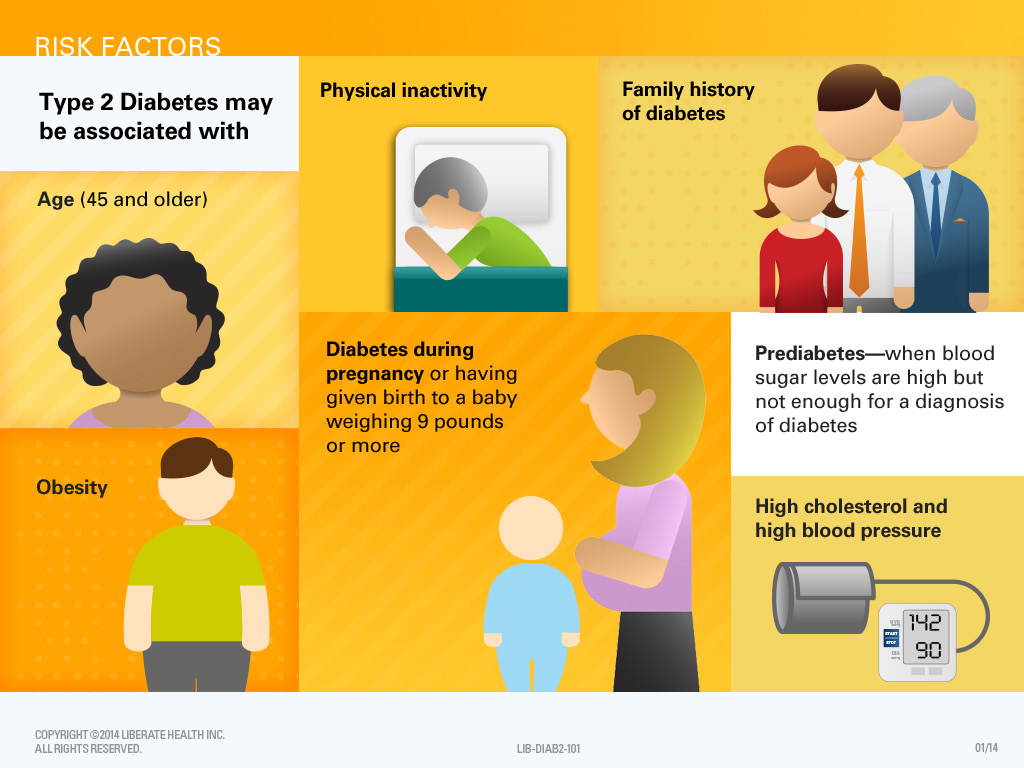
■Age: Onset typically after age 40, but incidence in younger age groups is increasing rapidly as the younger population becomes more overweight
■Obesity: 80% of Type 2 diabetics are obese
■Genetic susceptibility:
■A variant form of a gene on chromosome 1 increases risk by 25%. However 85 % of the population has this variation and not all become diabetic.
■Some ethnic groups (African-American, Asian-American, Hispanic, Native American, and Pacific Islander) are at increased risk
■Parent or sibling with diabetes
■Gestational diabetes or a child heavier than 9 pounds at birth
■Hypertension
■Triglyceridemia
metabolic syndrome
What are the three metabolic defects in Diabetes Type 2
- Insuline Resistance
- Insulin Deficiency
- Hepatic Glucose Production
How does insulin resistance develop?
- This may begin years before diabetes develops. It is theorized that chronic overconsumption of food desensitizes cells to insulin. Some think this may be an effort to protect cells from all the excess glucose. However, the pancreas compensates for a while by producing more insulin. Hyperinsulinemia results.
- Skeletal muscle responds to insulin excess with a reduction in blood flow so that less insulin is delivered to the tissues. Adipose tissue releases free fatty acids that act as a barrier to insulin delivery. The liver continues to produce glucose.
- Over time the excess strain on pancreatic cells wears them out. Genetically susceptible individuals may be especially vulnerable to increased pancreatic cell turnover and injury. Eventually there is a reduction in beta cell mass.
What are the effects of insulin deficiency?
- Glucose levels rise
- the weakened pancreas (from insulin resistance compensation) is unable to produce enough insulin to meet demand
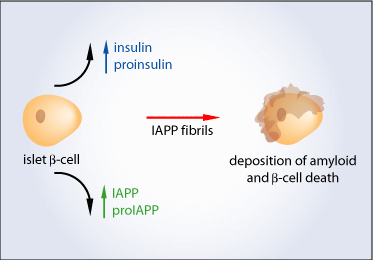
- Amylin accumulates outside of beta cells and may contribute to further tissue damage.
- Amylin is an amino acid peptide normally produced by beta cells and packaged with insulin. Normallyh supresses glucagon release
What happens with hepatic glucose production in type 2 diabetes?
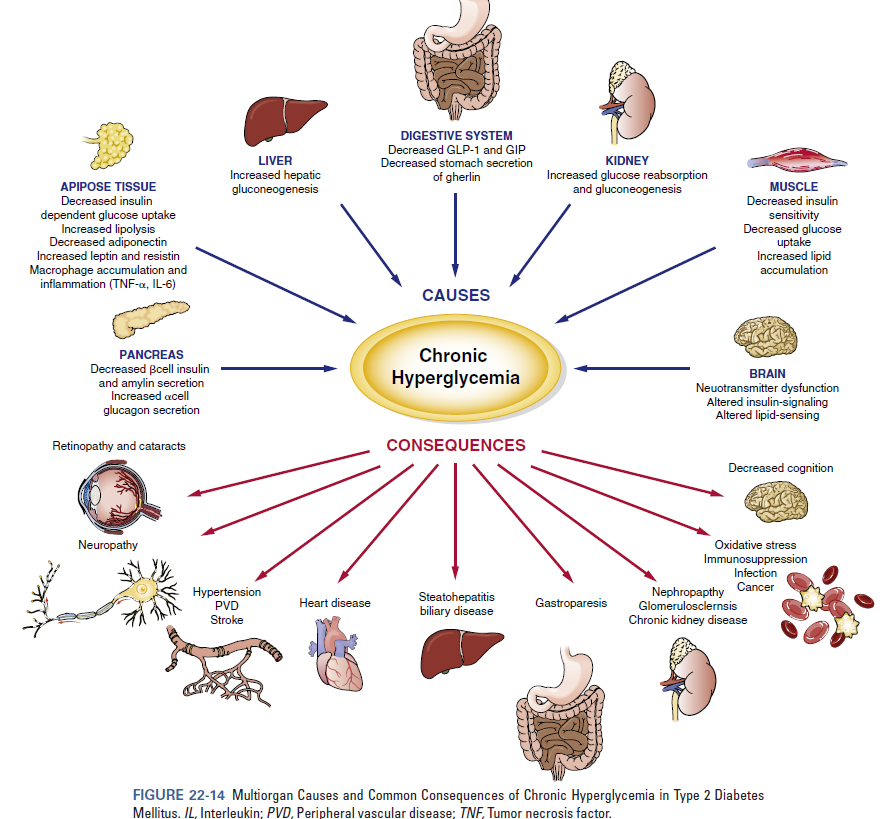
The liver continues to produce glucose, despite rising glucose levels (r/t insulin resistance, insulin deficiency). Low levels of insulin signal the liver to release additional glucose.
Explain the relationship between obesity, insulin resistance and hyperinsulinemia in the development of type II diabetes mellitus.
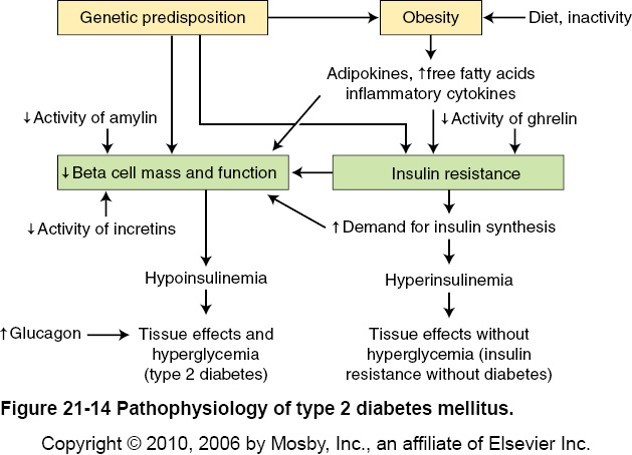
- Abdominal obesity is correlated with insulin resistance.
- Obesity results in the secretion of adipokines, which causes an increase in free fatty acid and the release of inflammatory cytokines, which then causes a decrease in the activity of ghrelin, leading to insulin resistance.
- Insulin resistance occurs throughout the body cells, but is particularly a problem with skeletal muscle and liver.
- Insulin resistance causes the pancreas to pump out even greater amounts of insulin leading to hyperinsulinemia. This is in response to rising blood glucose levels.
- Over time, the pancreatic cells may not be able to keep up with the demand for insulin and hypoinsulinemia will result which leads to type II diabetes.
What is metabolic syndrome?
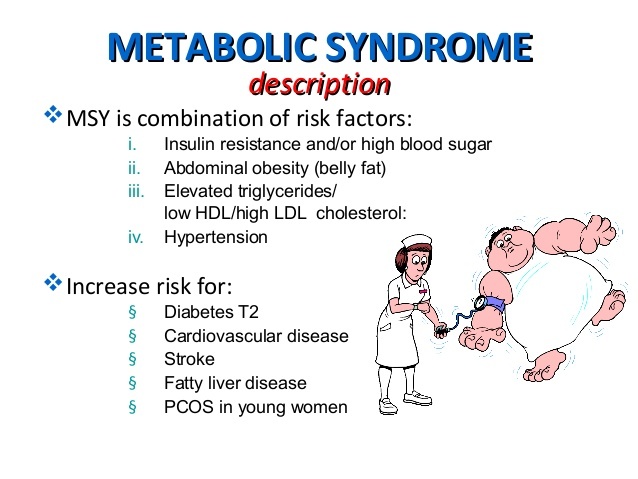
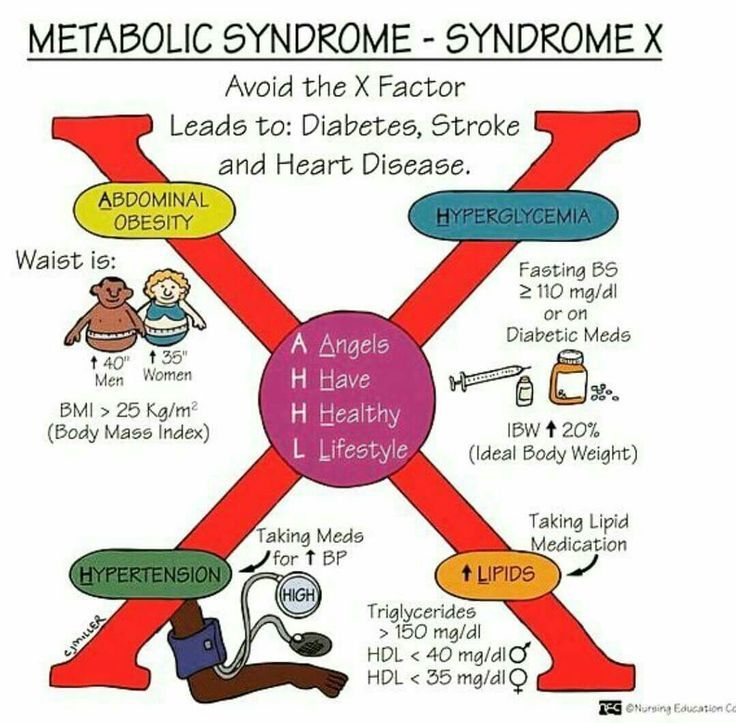
Metabolic Syndrome is a constellation of disorders (central obesity, dyslipedemia, prehypertension, and elevated fasting blood glucose level) that together confer a high risk of developing type 2 diabetes and associated cardiovascular complications
What is the Diagnostic Criteria for Metabolic Syndrome?
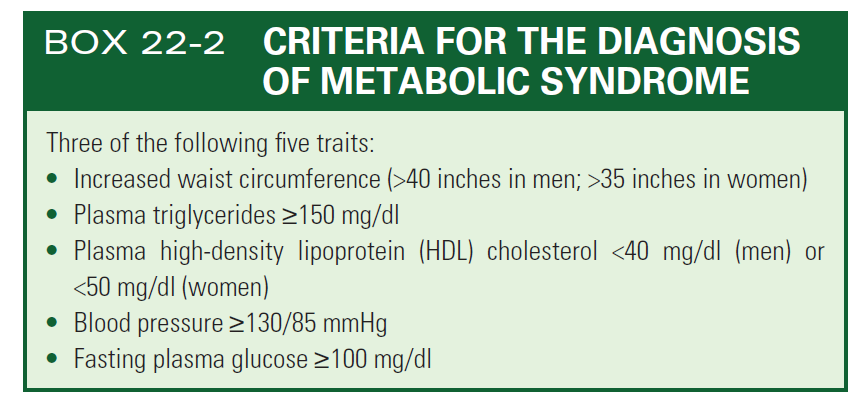
central obesity: waist circumference equal to or greater than 40 inches for males and 35 inches for females (or ethnic-specific values for Asians)
- at least 3 of the following:
- elevated triglycerides: at least 1.7 mmol/L or 150 mg/dL
- low HDL cholesterol: less than 1.04 mmol/L or 40 mg/dL in males, less than 1.29 mmol/L or 50 mg/dL in females
- elevated blood pressure of at least 130/85 mm Hg
- fasting hyperglycemia: greater than 5.6 mmol/L or 100 mg/d or previous history or diabetes or impaired glucose tolerance
What are complications of the metabolic syndrome?
- Complications in later stages:
- Coronary artery disease
- Atherosclerosis
- Cerebral Vascular Accident
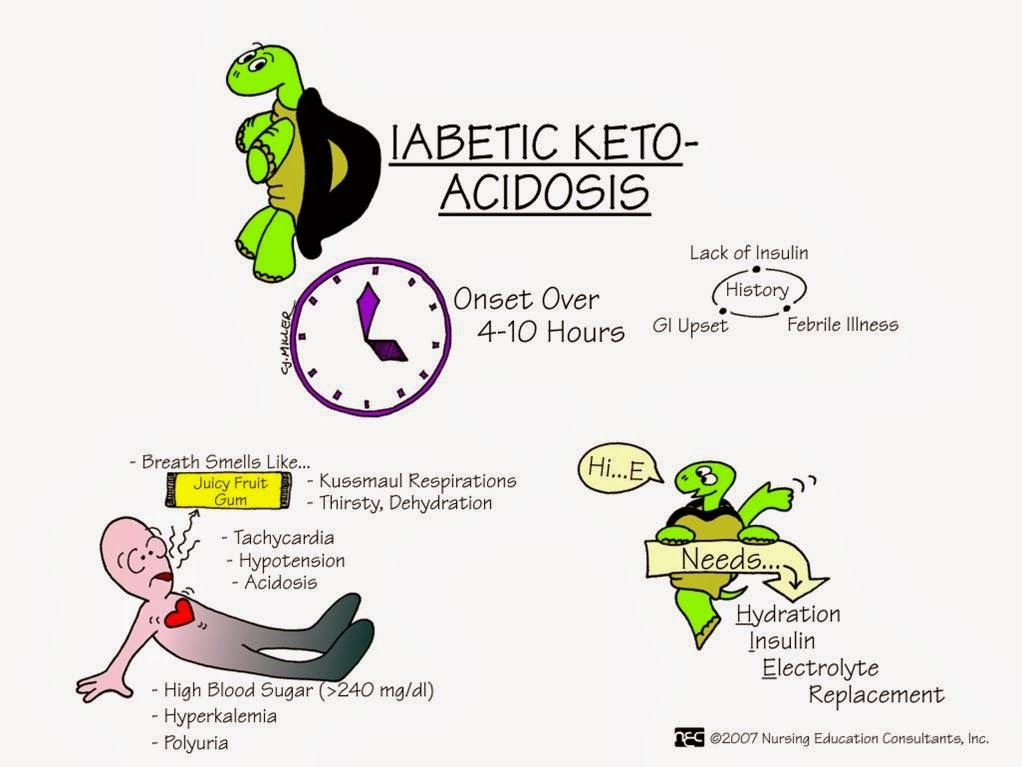
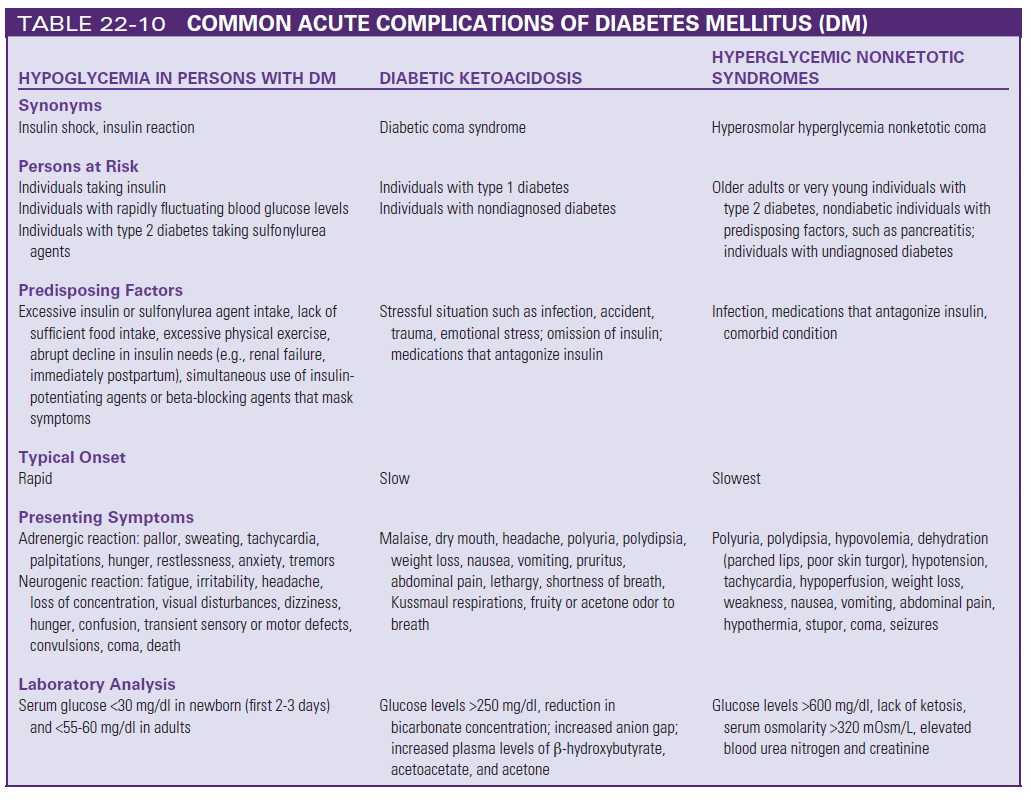
What is Diabetic Ketoacidosis (DKA)?
- Diabetic Ketoacidosis develops when there is an absolute or relative deficiency of insulin and an increase in the levels of insulin counterregulatory hormones.
- Usually associated with Type 1
- Common precipitating factor is intercurrent illness (infection,trauma, surgery, emotions, MI)
- The most important electrolyte disturbance is a marked deficiency in Total body (not serum) potassium
- Cerebral edema, especially in children
How does DKA develop?
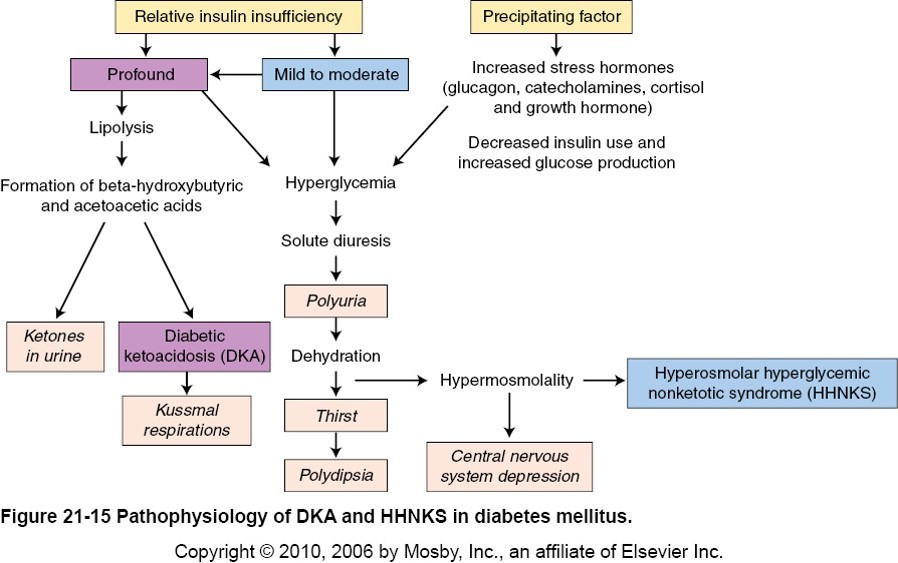
- Insuline deficiency –> increase in insulin counterregulatory hormones (catecholamines, cortisol, glucagon, and GH)
- Counterregulator hormones antagonize insulin by increasing glucose production and decrease tissue use
- Profound insulin defieciency results in decreased glucose uptake , increased fat mobilization with release of fatty acids, and accelerated gluconeogenesis and ketogenesis
- Insulin deficiency–> hepatic overproduction of B-hydroxybutyrate and acetoacetic acids causes increase in ketone concentrations
- bicarbonate buffering does not occur –> metabolic acidocis
Wnat is Hyperosmolar hyperglycemic nonketotic syndrome (HHNKS)?
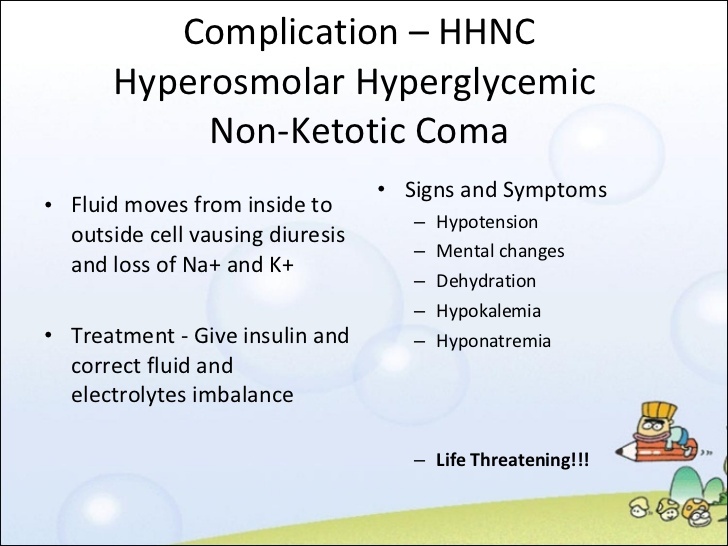
HHNKS is a life threatening emergency most often precipitated by infections, medications, nonadherance to diabetes. Usually associated with Type 2. Can also occur in individuals with pancreatic destruction from other causes ( pancreatic cancer)
What are the characteristics of HHNKS?
- Type 2 Diabetes
- HHNKS is characterized by a lack of ketosis
- Beause the amount of insulin required to inhibit fat breakdown is less than the amount of insulin effective glucose transport, insulin levels are sufficient are sufficient to prevent excessive lipolysis but not to use glucose properly.
- Glucose levels are higher in HHNKS >600
- Severe dehydration and potassium deficit
Compare and contrast the pathophysiology of hyperosmolar hyperglycemic non-ketotic syndrome (HHNKS) and diabetic ketoacidosis (DKA).
- DKA
- Usually associated with Type 1
- Insulin deficiency more profound in DKA than HHNKS
- Illness, trauma, surgery, emotions
- Total body (not serum) potassium deficiency
- Cerebral edema, especially in children
- HHNKS
- Usually associated with Type 2
- Fluid deficiency more marked in HHNKS
- Higher glucose than DKA b/c of volume depletion
- Less ketosis
- potassium deficit
- high mortality
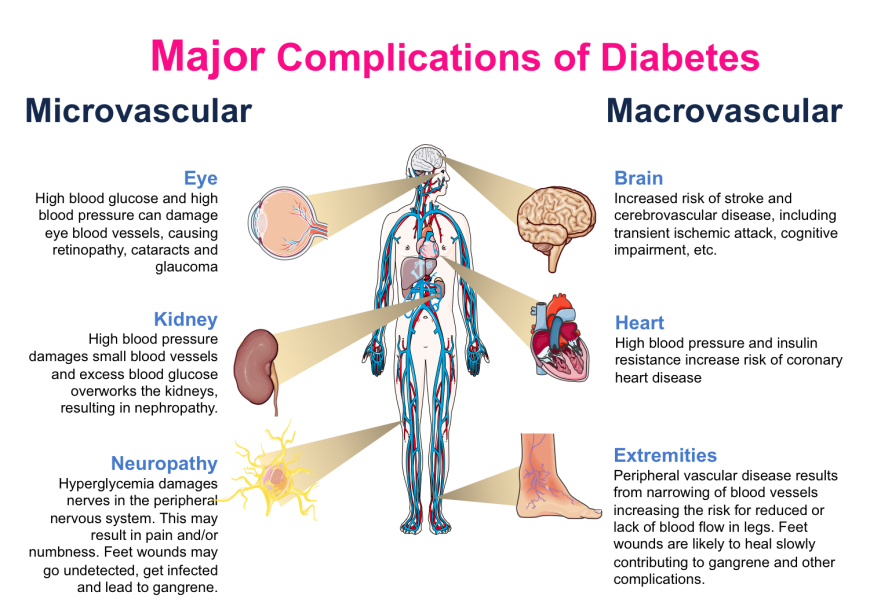
What are microvascular complications of diabetes?
■Microvascular disease resulting from thickening of the cell basement membrane caused by accumulation of glucose and other “sugars”
■Diabetic retinopathy resulting from microanueurysms in small blood vessels. These result in fluid leakage, edema and small hemorrhages.
■Diabetic nephropathy resulting from basement membrane thickening and glomerulosclerosis
■Neuropathy resulting from nerve degeneration
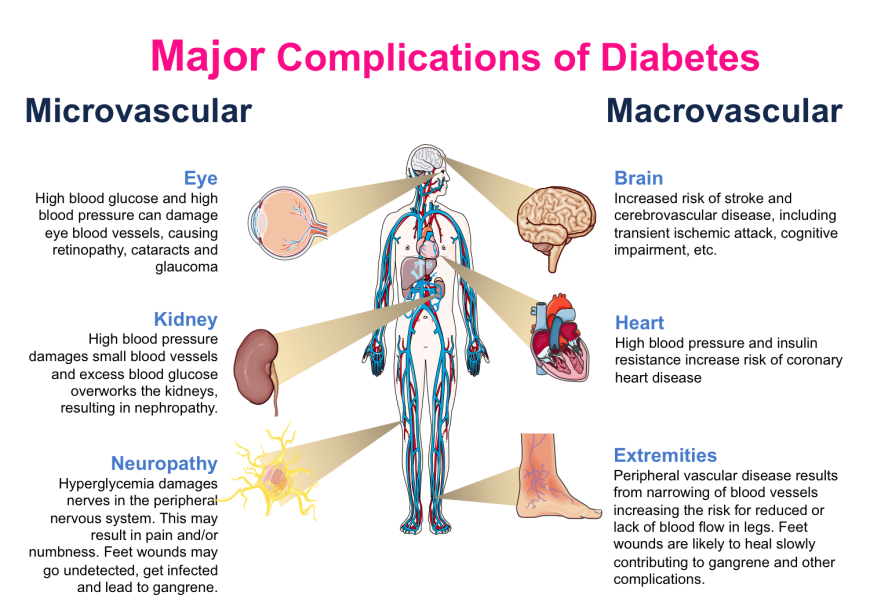
What are macrovascular complications of Diabetes?
Macrovascular disease (lesions in large and medium sized arteries) increases risk for accelerated atherosclerosis, MI, , stroke, and peripheral vascular disease.
- Coronary artery disease is the most common cause of morbidity and mortality in diabetes
Poor wound healing can lead to amputation
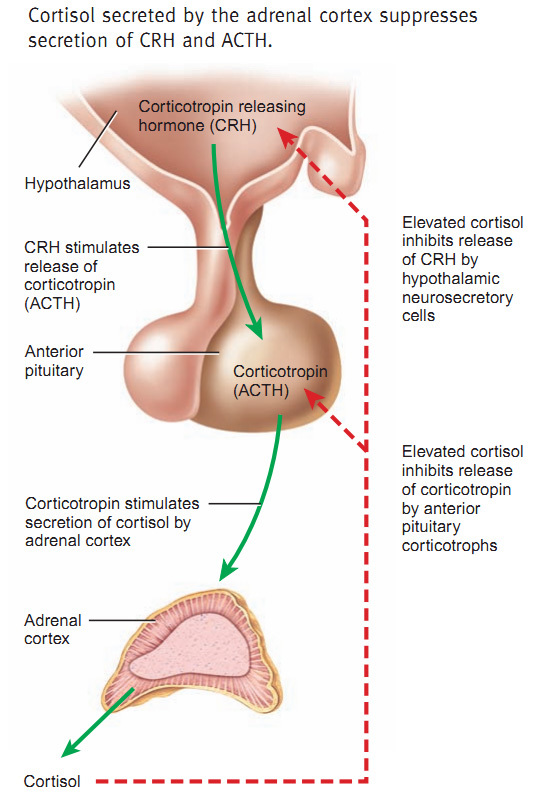
Describe the feedback loop involving the hypothalamus-pituitary gland and target adrenal glands
When the body undergoes stress( hypoxia, hypoglycemia, exercise or cortisol deficiency) the hypothalamus produces CRH- which in turn acts on the anterior pituitary to release ACTH- which in turn acts on the adrenal cortex to release glucocorticoids ( mainly cortisol).
The negative feedback inhibition is when (in this case) cortisol binds to receptors in the hypothalamus and anterior pituitary and has the effect of inhibiting secretion of CRH and ACTH. This leads to less stimulation of cortisol by the adrenal cortex. Anything that disrupts this system will cause dysfunction- such as pituitary or adrenal tumors.
What is Cushing disease?
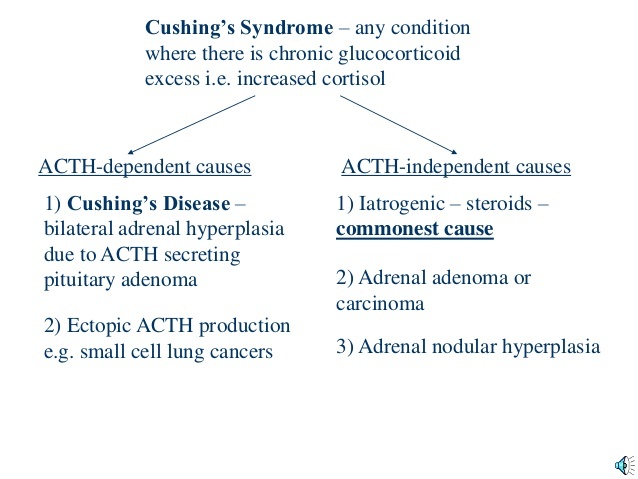
Cushing disease is overproduction of pituitary ACTH by a pituitary adenoma (can occur at any age).
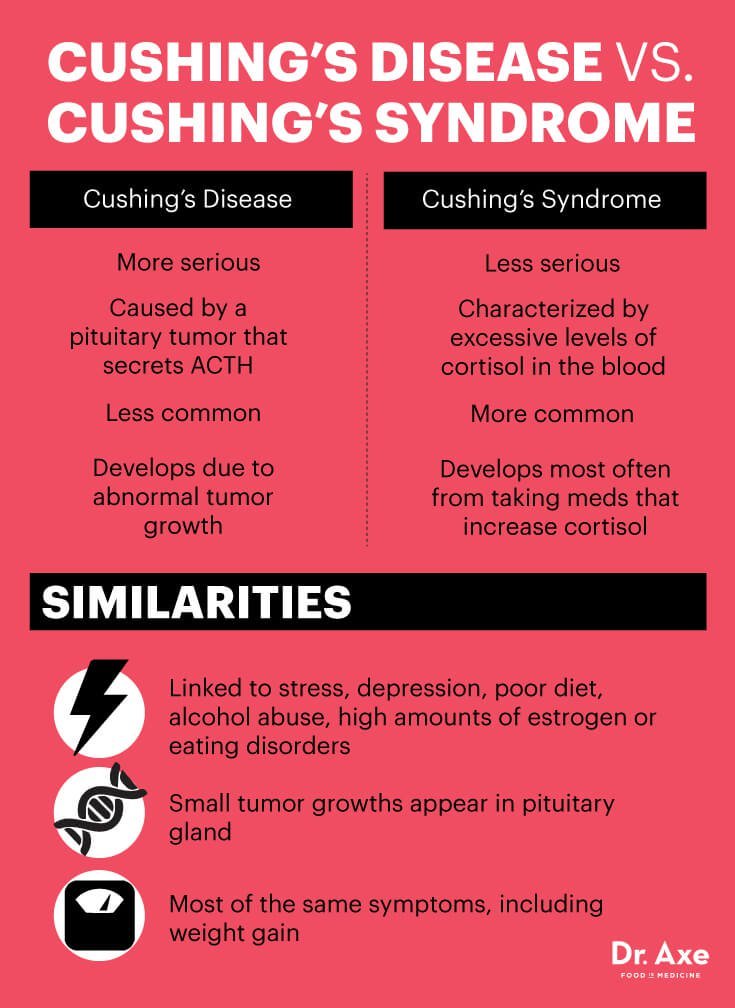
What is cushing syndrome?
Complex of clinical manifestations resulting from chronic exposure to excess cortisol. The adrenal glands release cortisol when a message/ACTH is received from the pituitary gland.
- individuals lack diurnal/circadian secretions patterns of ACTH and Cortisol
- Individuals Do not increase ACTH and Cortisol in response to stress
- excess ACTH stimulates excess production of cortisol and there is loss of feedback control of ACTH production
- Secretion of cortisol and adrenal androgens is increased, and CRH is inhibited
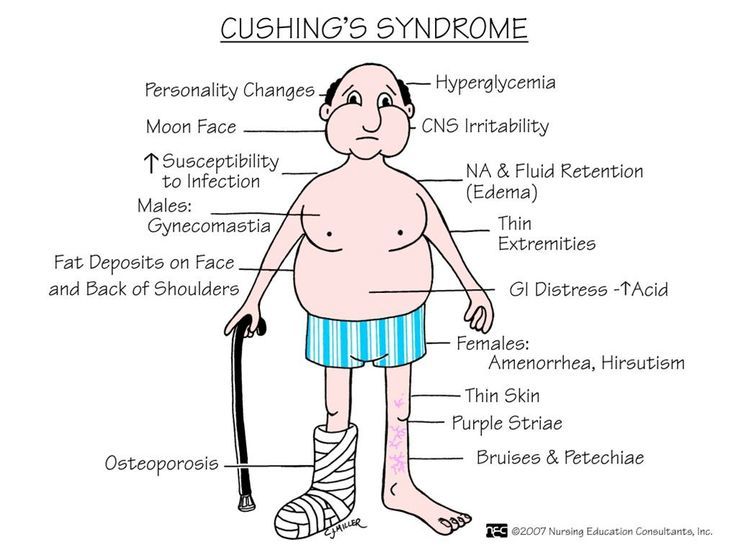
What are signs and symptoms of cushings syndrome?
■Weight gain due to accumulation of adipose tissue in the trunk (truncal obesity), facial (moon face), and cervical areas (buffalo hump).
■Glucose intolerance due to cortisol-induced insulin resistance. (polyuria due to hyperglycemia).
■Protein wasting and muscle wasting/weakness; thin extremities.
■Hypercalcinuria; vasoconstriction/HTN; increased susceptibility infections.
■Purple striae observed in the trunk area; easy bruising.
■Hyperpigmentation (bronze skin); thinning hair; acne; increased body hair.
What is addisons disease?
- Hypocortisolism - low levels of cortisol secretion
- Addisons disease is characterized by inadequate corticosteroid and mineralcorticoid synthesis and elevated serum ACTH levels.
- Most common cause is autoimmune destruction of adrenal cortex