- A low PAPP-A value has a positive predictive value for ____.
- Elevations in maternal serum β-hCG and alpha-fetoprotein levels (ie, both levels are greater than 2.0 MoM) in the second trimester are associated with what pregnancy complications?
- Small-for-gestational-age fetus; IUGR, preE, PTL, abruption
- Late fetal loss, PreE, intrauterine growth restriction, preterm delivery
75g 2hr GTT for GDM Dx Values
F: 92
1hr: 180
2hr: 153
Defintion of Chorio:
Define isolated mat fever:
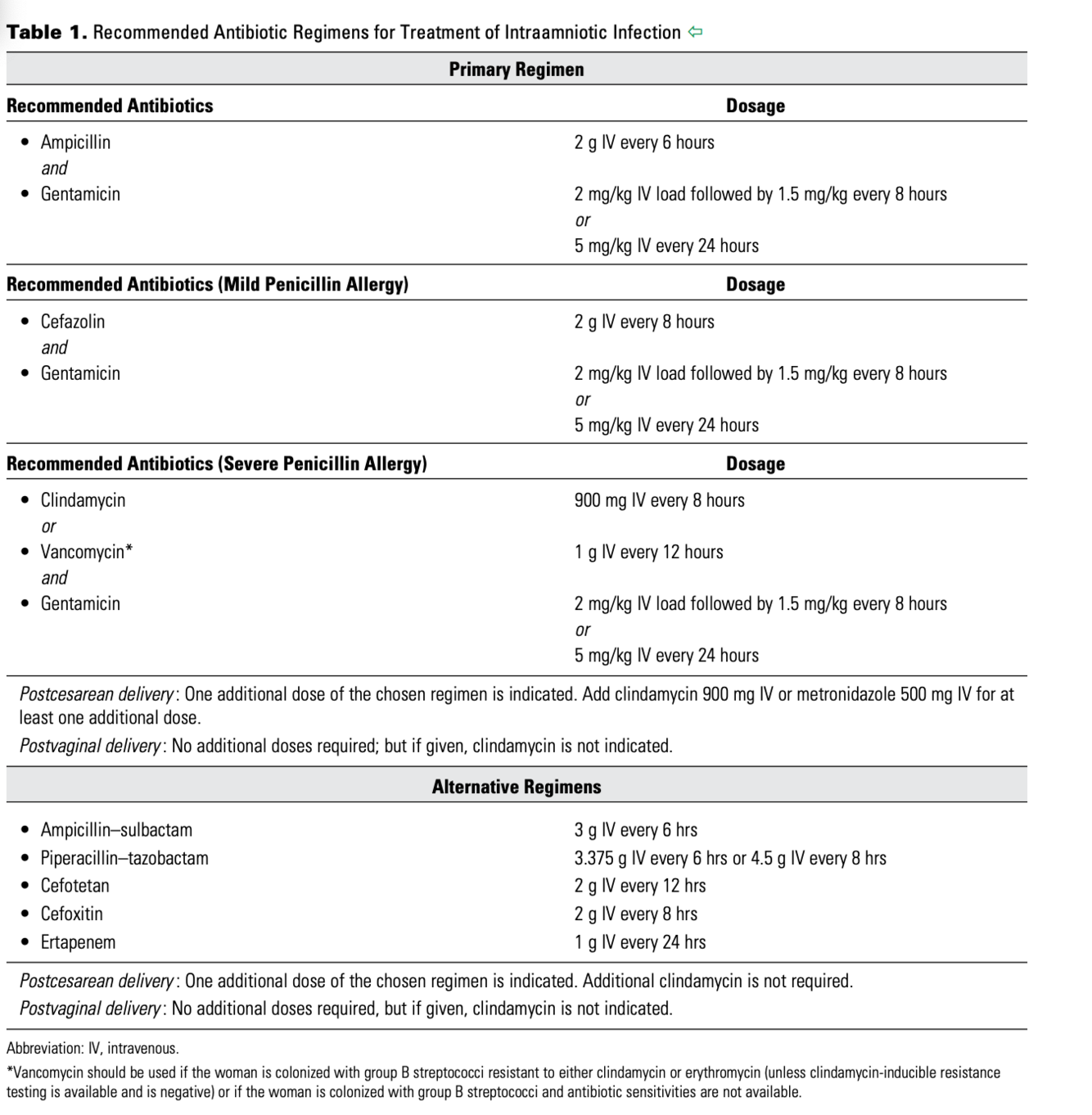
2 g of cefazolin in patients weighing more than __ kg.
3 g in patients weighing more than __ kg.
If allergic to a PCN and allergy not severe, can you still give ancef?
When do we redose ancef?
Azithro at the time of CD has been shown to dec rate of __.
Ampicillin is added to the endometritis treatment regimen in a patient who has not improved after 48–72 hours of gentamicin and clindamycin for coverage of ___.
Fever plus one more: Discharge, WBC, fetal tachy (no mat tachy or ut ttp anymore)
Isolated mat fever: > 100.4 and still high in 30 min, or 102.2 x1. ACOG recommends administration of intrapartum antibiotics for patients with isolated maternal fever unless a source other than intraamniotic infection is identified.
1g of cefazolin in patients weighing
2 g of cefazolin in patients weighing > = 80 kg
3 g in patients weighing > 120 kg.
Yes. Less than 1% of patients with penicillin allergy are allergic to cephalosporins. Unless severe alergy to PCN, can give.
EBL > 1500, 4hrs
endometritis and SSI
Ampicillin is added to the endometritis treatment regimen in a patient who has not improved after 48–72 hours of gentamicin and clindamycin for coverage of Enterococcus species.
ACE inhibitors are associated with what fetal outcomes?
- Neonatal renal failure (anuria, oligohydramnios, arterial hypotension)
- intrauterine growth restriction
- limb defects
- Respiratory distress syndrome, pulmonary hypoplasia
- death
- Accreta US Findings
- State % Risk of acretta w/ Previa and history of cesarean delivery.
- Endometrial ablation, age, uterine manipulation, and IVF all inc risk of accreta. T or F
- Ultrasonographic findings strongly associated with placenta accreta include
- lacunae (MOST SENSITIVE, hypoechoic spaces) within the placenta;
- hypervascularity in the myometrium or placenta;
- loss of the retroplacental hypoechogenic zones, which represents an absence of the normal decidua basalis between the myometrium and placenta;
- myometrial thinning at the placental bed
- placenta bulging into the bladder.
Previa + h/o CD
1 CS 3% (if no previa .03%)
2 CD 11%
3 CD 40%
4 CD 61%
5 CD 67% (no previa .8%)
True
Neonatal signs of an acute intrapartum event include…
- Apgar score of less than 5 at 5 minutes and 10 minutes;
- fetal umbilical artery acidemia with fetal umbilical artery pH less than 7 or a
- base excess of more than 12 mmol/L;
- magnetic resonance imaging consistent with hypoxic-ischemic changes
- multisystem organ failure
- Most common sign of an amnioti fluic embolus?
- Hypoxemia
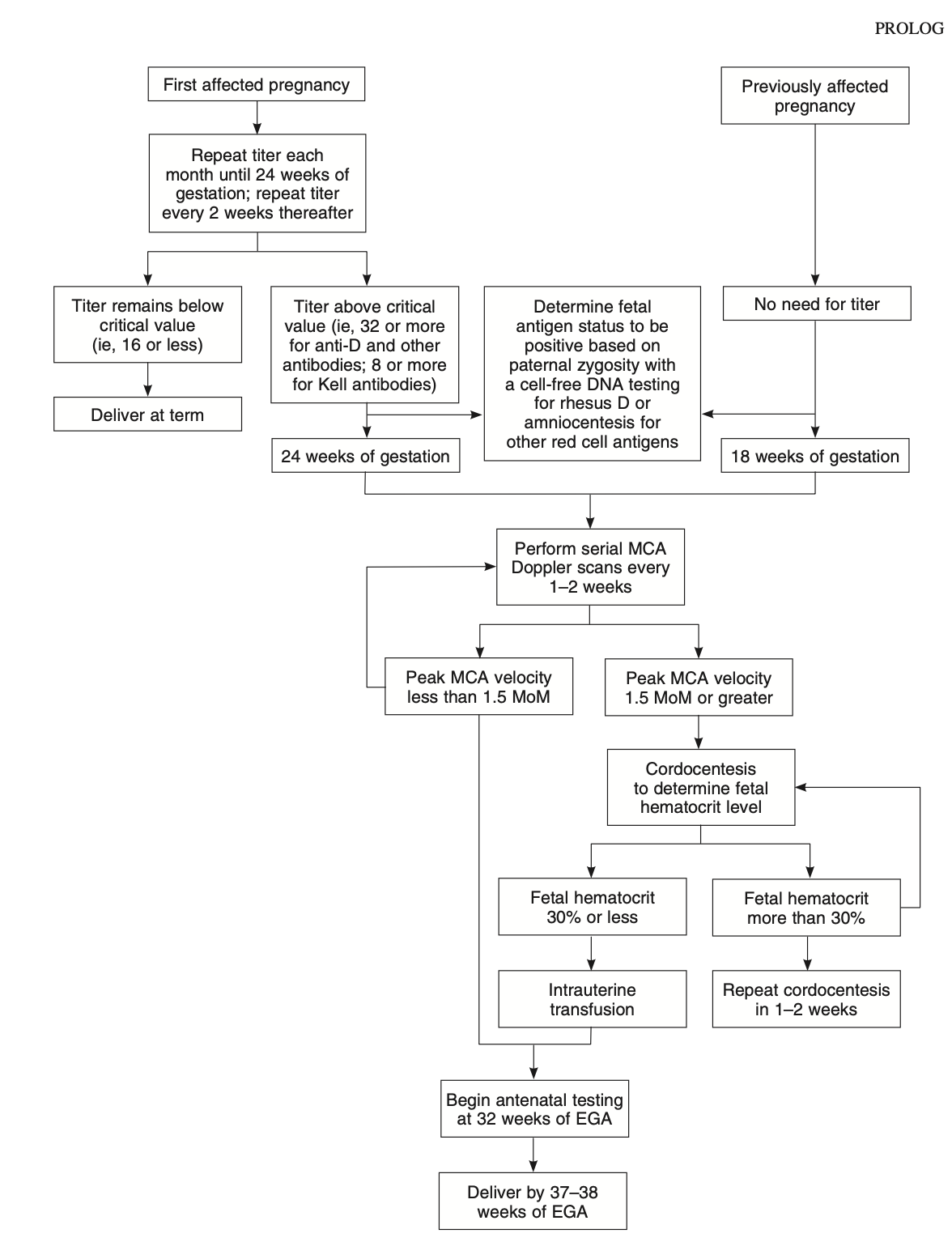
- Regarding care for a patient with prior alloimmunization, how do you interpret titers? so then what do you do?
- If first affected pregnancy, how often and when do you start to titer?
- What antigens do we worry about?
- Which do we NOT worry about?
- You cannot. Start MCA dopplers at 18 weeks GA.
————
- Start monthly when known, and at 24 weeks switch to every weeks.
If you reach a critical titter (1:16 antiD or 1:8 Kell) start MCA dopplers.
If those elevated, fetal Hg determination.
- D, Kell (K), Duffy (Fy), E, Kidd (Jk) c
————————-
- Lewis and I
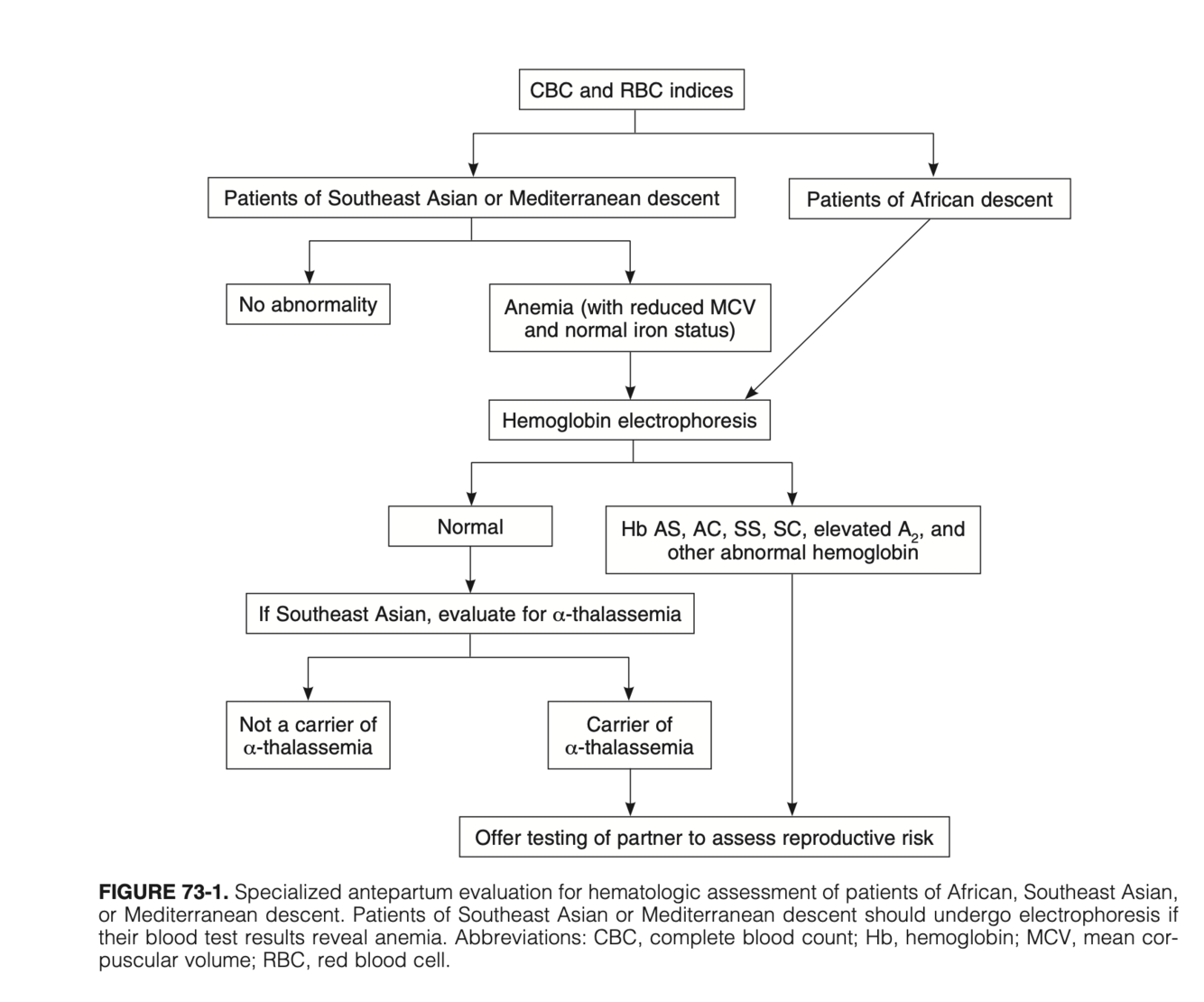
Anemia w/up Algorith from ACOG.
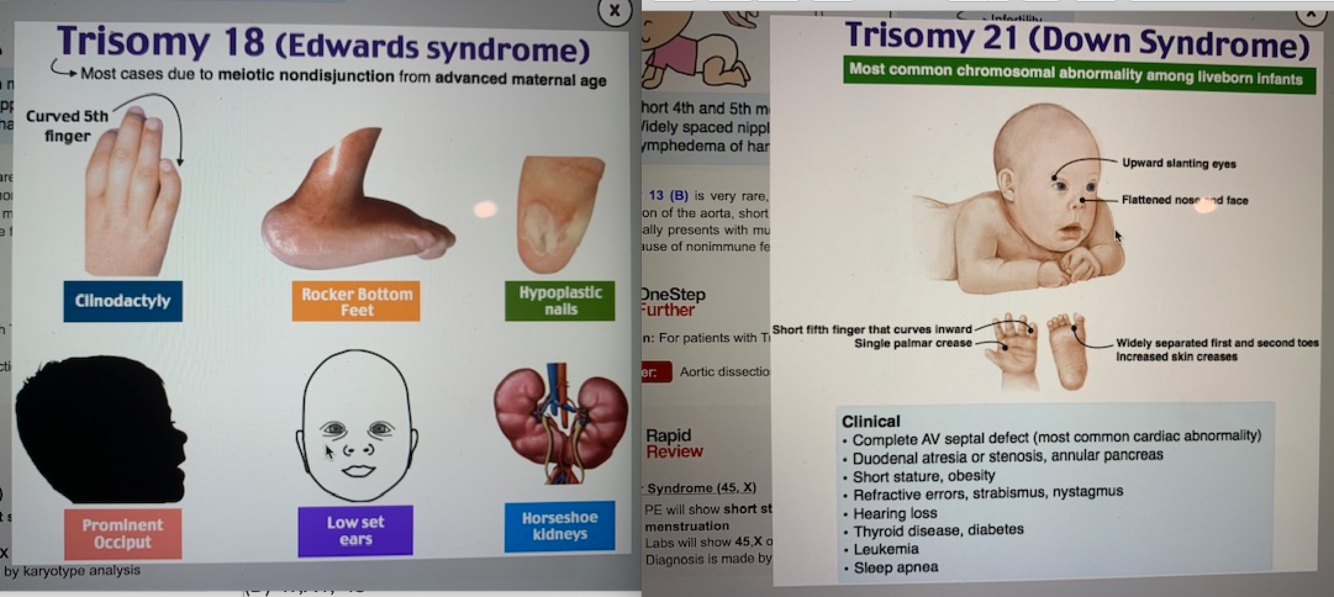
What are the common features of the following chromosomal defects?
(A) 45,XO
(B) 47,XXY
(C) 47,XX,+21
(D) 47,XY,+18
(E) 47,XX,+13
a) Turner’s: cystic hygroma (specially 2nd tri), hydrops fetalis, short femur, coarctation of the aorta, hypoplastic left heart, and renal anomalies.
b) Kleinfelter: Klinefelter syndrome (47,XXY) is only detected prenatally in 10% of cases. There are no characteristic prenatal ultrasound findings for Klinefelter syndrome.
c) T21: duodenal atresia, cardiac anomalies, cystic hygroma, inc NT, hypoplastic or absent nasal bone, echogenic intracardiac foci, pyelectasis, short femur length, choroid plexus cysts, echogenic bowel, thickened nuchal skin fold, and ventriculomegaly. Most common cause is non-dysjunction.
d) T18: choroid plexus cysts, clinodactily, rocker bottom feet, hypoplastic nails, prominent occiput, low set ears, horshoe kidney.
e) T13: THINK MIDLINE DEFECT (midface, eye, forebrain), holoprosecephaly, microcephaly, low set ears, polydact,cleft lip/palette, cystic kidney
Risk of anorexia in pregnancy?
low birth weight, small for gestational age, hemorrhage.
- MOA of UFH and side effects.
- MOA of LMWH.
- MOA of Warfarin.
- Fetal warfarin syndrome characteristics.
- Warfarin is considered safe in women who are breast feeding. T or F.
- For patients who are on low-molecular-weight heparin for anticoagulation during pregnancy, transitioning to unfractionated heparin is recommended at approximately __ weeks of gestation.
- After delivery, when do we start anticoag for Vaginal Del and Csections? what if has an epidural?
- If on ppx or theraptic anticoag, how long b4 delivery do we discontinue?
- Inactivating thrombin and activated factor X (factor Xa).The risk of heparin-induced thrombocytopenia is 2.6%. Use of unfractionated heparin for 1 month or more has been associated with a 2–3% risk of symptomatic vertebral fractures.
- Predominately binds to antithrombin, and functions as a factor Xa inhibitor. The risk of heparin- induced thrombocytopenia is 0.2%. The risks of osteoporosis and decreased bone mineral density are significantly lower among those patients treated with low-molecular- weight heparin than with unfractionated heparin.
- Inhibition of Vit K dep factors.
- Fetal warfarin syndrome is caused by exposure to war- farin between 6 weeks and 12 weeks of gestation. Fetal warfarin syndrome can be characterized by nasal hypoplasia, stippled bone epiphyses, chondrodysplasia, hydrocephaly, microcephaly, ophthalmologic abnormalities, IUGR, and developmental delay. There also is an increased risk of spontaneous abortion, stillbirth, and neonatal death in pregnancies exposed to warfarin.
5. Warfarin is considered safe in women who are breastfeeding because it does not accumulate in the breast milk.
- Transitioning to unfractionated heparin is recommended at approximately 36–37 weeks of gestation.
7. For women with a high risk of thrombosis, anticoagulation should be restarted following delivery. For a vaginal delivery, anticoagulation may be restarted 4–6 hours after delivery. Anticoagulation can be restarted 6–12 hours after a cesarean delivery. If the patient had neuraxial anesthesia, anticoagulation should be restarted 24 hours afterward and 4 hours after the removal of the epidural.
8. 12h for ppx, 24 for therapeutic
Pearl:
Low-molecular weight heparin has a longer half-life, a more predictable therapeutic response, less bone mineral density loss, and a lower risk of heparin-induced thrombocytopenia. Neither can cross the placenta.
What malformations are the following antiepileptics at risk for?
- Valproic Acid
- Carbamazepine
- Phenytoin
- Tricyclic antidep.
- Drug of choice for bipolar disorder med while breastfeeding?
- NTD (WORST): highest risk of fetal malformations of the antiepileptic medications and is associated with neural tube defects, heart defects, cleft palate, hypospadias, polydactyly, craniosynostosis, limb anomalies, facial dysmorphism, neurodevelopmental delay, and autism spectrum.
- NTD
- Hypoplastic nails, flat facies, IUGR, VSD, cleft palette
- Limb anomalies
- valproic acid
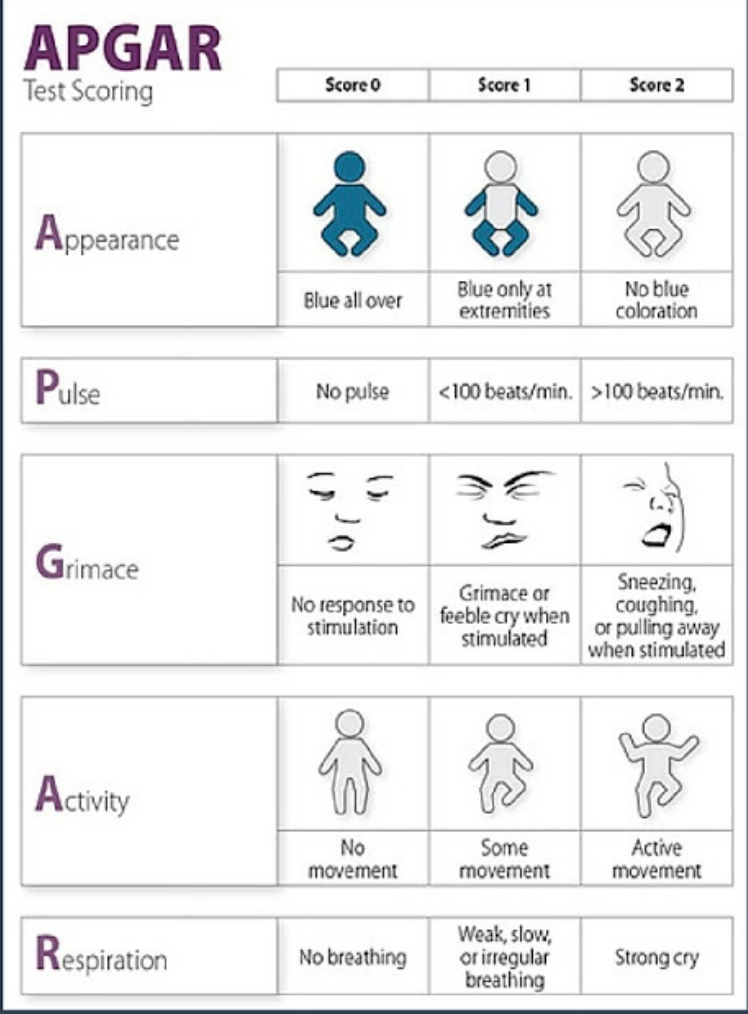
APGAR stands for?
Assign scoreS:
A newborn girl is pink; the soles of her feet and hands are blue; and her heart rate is 99 beats per minute (bpm). She is crying with active motion and good respiratory efforts.
A newborn boy is pale and has a weak cry, grimaces, and some flexion. His heart rate is 160 bpm.
A newborn boy is completely pink and his heart rate is 120 bpm. He has a weak cry, flexes somewhat, and grimaces in response to stimulation.
Appearance, Pulse, Grimace, Activity, Respirations
8
5
7
Who gets baby ASA in pregnancy?
Low-dose aspirin (81 mg/day) prophylaxis is recommended in women at high risk of preeclampsia and should be initiated between 12 weeks and 28 weeks of gestation (optimally before 16 weeks) and continued daily until delivery.
One of these:
- Hx of Preeclampsia
- Twins
- autoimmune disease (lupus, antiphopholipid)
- Hypertention
- Diab type 1 or 2
- Renal disease
Two or more of thesE:
- First pregnancy
- Obese
- Adv mat age
- low socioecomic status
- mom os sister with h/o preE
- Personal hx (low birth weight, preior poor outcome)
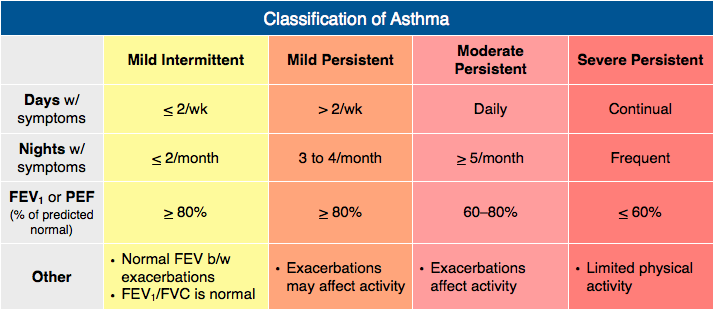
- What are the Asthma Severity Categories.
- Examples of inhaled corticosteroids? Long acting beta agonists?
- What happends to FeV1 and FEV1 / FVC in asthma?
- See Photo
- Corticosteroids: Budesinide, beclomethasone, fluticasone
LABA: salmeterol
- Both go down (in restricitve, FEV!/FVC normal)
When can you use bactrim? What is the fetal risk?
How about Macrobid? What is the fetal risk?
Bactrim
- 2nd tri only (risk: kernicterus in preterm or < 2m age)
Macrobid
- avoid 1st tri or if preterm or <1m age (risk hemolytic anemia)
- Citrate in blood products chelates __ and __. What about K?
- Blood transfusions resulst in what pH change ___.
- Calcium (mostly) and Mag (less so).
Contains K!
- Citrate is metabolized and used to generate bicarbonates. If the latter is not adequately excreted in the urine, metabolic alkalosis can occur.
- T or F: Termination of pregnancy has been shown to improve the prognosis of pregnant women with breast cancer.
- During what trimesters can chemo for breast cancer be administered in pregnant women?
- False
- Adjuvant chemotherapy is known to decrease the risk of breast cancer recurrence. Because of its teratogenic effects, chemotherapy in the first trimester is contraindicated. Chemotherapeutic agents used for the treatment of breast cancer can be used in the second and third trimesters without increased risk of fetal malformations.
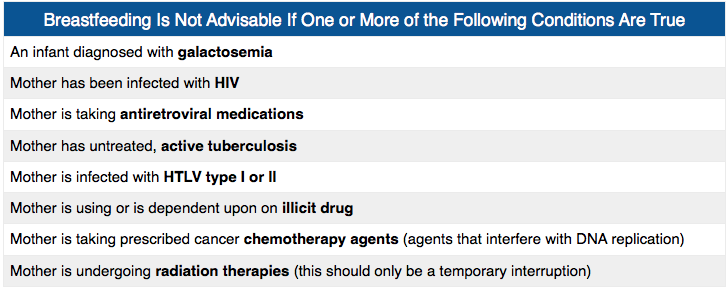
- Strict contraindications to brestfeeding…
- Stage 1 vs stage 2 lactogenesis…how do they differ?
3. How is a clogged duct different from a galatocele?
- There is no contraindication to breastfeeding after gadolinium administration for an MRI. T or F
- HIV, HTLV, active TB, galactosemia, illicit drug use, cancer chemotherapy, radiation, antiretrovirals, methotrexate
- Stage 1 during the second half of pregnancy. Stage 2 triggered by decrease in Progesterone and increase in Prolactin.
- Galactoceles are not painful.
- T
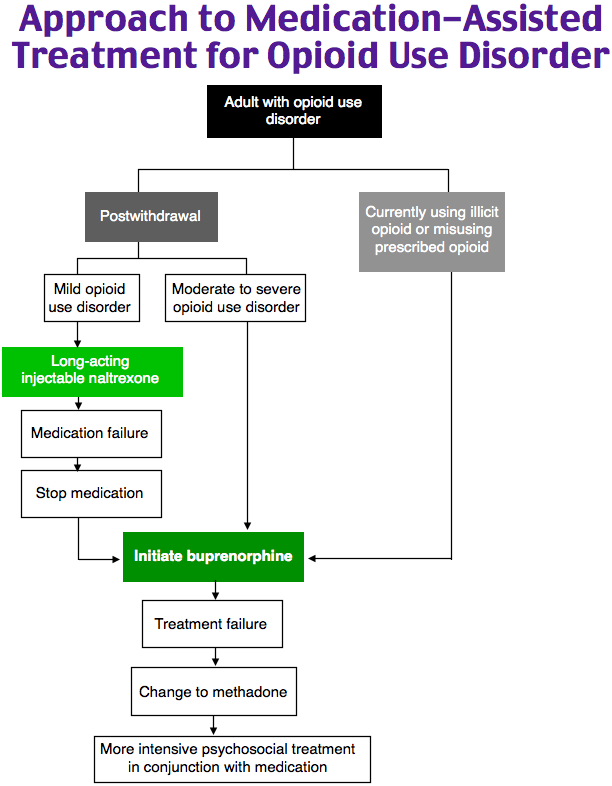
- Mechanism of action of bupenorphine vs methadone.
- Suboxone (bupe+naloxone) is usually not used in preg. T or F
3. Can women breastfeed on these?
- Bupenorp: partial agonist & Methadone: full agonist
- True!
- Yes. ACOG recomends so!
Salient points:
the first-line medications for the treatment of opioid use disorder during pregnancy are methadone and buprenorphine opioid agonists, which have been shown to be safe in pregnancy, decrease the use of illicit drugs during pregnancy, improve maternal health and nutrition, improve compliance with prenatal care, and reduce maternal and neonatal morbidity and mortality. For pregnant women, pharmacotherapy for opioid use disorder is typically administered via an induction and maintenance regimen. This regimen consists of medication initiation, the incremental uptitration of medication dose until the patient’s withdrawal symptoms are eliminated, and the continuation of medication through the postpartum period and as long as needed.
Indications for Cerclage
History
- History of one or more second-trimester pregnancy losses related to painless cervical dilation and in the absence of labor or placental abruption
- Prior cerclage due to painless cervical dilation in the second trimester
Physical Examination
• Painless cervical dilation in the second trimester
Ultrasonographic Finding With a History of Prior Preterm Birth
Ultrasonographic Finding With a History of Prior Preterm Birth
•Current singleton pregnancy, prior spontaneous preterm birth at less than 34 weeks of gestation, and short cervical length (25 mm or less) before 24 weeks of gestation.
Cystic Fibrosis
- Inheritance pattern?
- What is the next step if a couple in which male has no vas def and had a neg panel?
- AR
- Assume that the male is a positive carrier of a denovo mutation and test mother.
Cholecystitis management in pregnancy.
Who goes to the OR, always?
In the absence of such indications for urgent or emergency surgery, the optimal treatment for acute cholecystitis depends on the gestational age:
- If 1st or 2nd tri: __
- If 3rd tri: __
Definitive, prompt surgical therapy is required for any patient with cholecystitis and signs of sepsis, suspected gangrene, or perforation, as well as disease progression while on antibiotic therapy.
- Operating Room! (OR)
- OR
3. Antibiotics, Fluid



